Cycling Power Meters
Favero Assioma Pro MX Review: SPD Power Meter Pedals for Gravel and MTB
A single-product look at the Favero Assioma Pro MX, an SPD-compatible power meter pedal built for gravel, mountain bike and cyclocross riders who want reliable data off-road.
Introduction
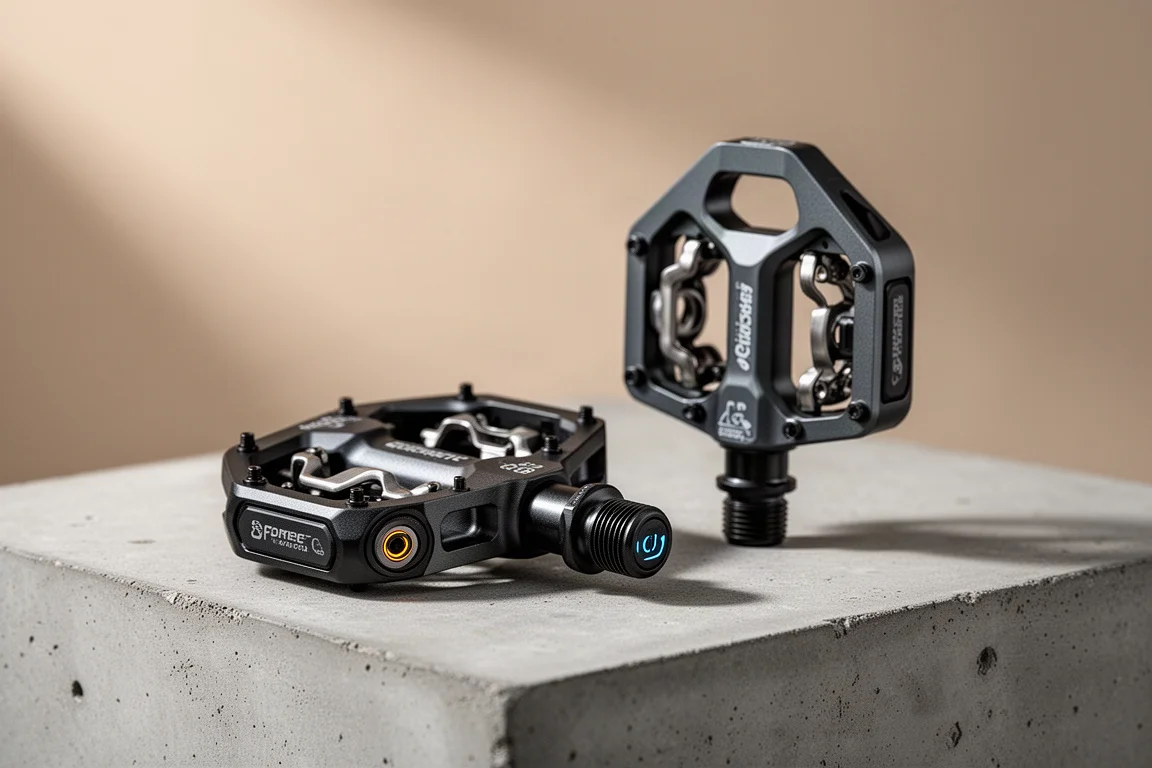
Power meter pedals have long been a road-centric category, which has left off-road riders with fewer ways to measure effort on gravel, mountain bike and cyclocross rides. The Favero Assioma Pro MX is aimed squarely at that gap: an SPD-compatible power meter pedal system built around the two-bolt cleat standard and the conditions that come with riding away from tarmac.
Favero is not a newcomer to this space. Its road power meter pedals have built a following, and the Pro MX carries the same measurement philosophy into a platform designed to cope with mud, water and trail debris. On the bike it looks like an ordinary off-road pedal, which is part of the point.
Who This Product Is For
The Pro MX is intended for riders who already use two-bolt SPD cleats. That covers gravel riders logging long mixed-surface days, mountain bikers who want to track training load on the trails, and cyclocross racers who need data across a season of racing. Riders who train with power on the road and want consistent measurement off-road sit at the centre of that group.
It also suits riders who move between bikes. Because the measurement hardware lives in the pedal, transferring the system to another bike is a matter of swapping pedals with a 15mm spanner rather than rebuilding a crank.

Riders who stay on tarmac for almost every ride will likely be better served by a three-bolt road system, since the Pro MX is designed around the off-road cleat standard rather than a road setup.
Main Strengths
Three areas stand out: the sealed spindle architecture, the measurement approach behind the claimed accuracy, and the combination of low weight with a durable aluminium pedal body.
Sealed Spindle Design Keeps Electronics Away From Mud
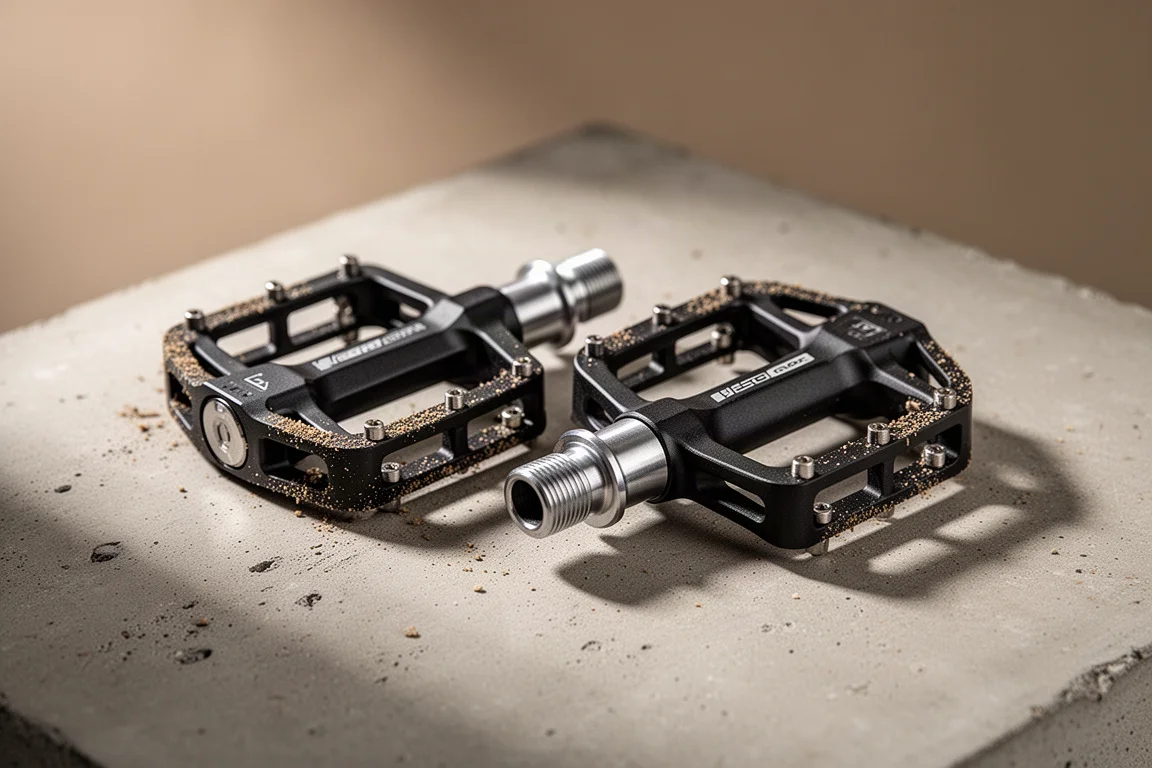
The defining feature of the Pro MX is that the strain gauges, rechargeable battery and electronics all sit inside the spindle as a fully sealed unit. Favero describes this as an integrated design, in contrast to split spindle systems where external components must make contact with internal ones, an approach the brand links to a higher potential for water and dust ingress.
The pedal body holds no electronics at all. It is made from 6061 T6 aluminium rather than plastic or composite, a choice intended to stand up to the rigours of off-road riding. Should the body take damage, it can be replaced on its own for around €60, so the measurement unit does not have to be written off with it.
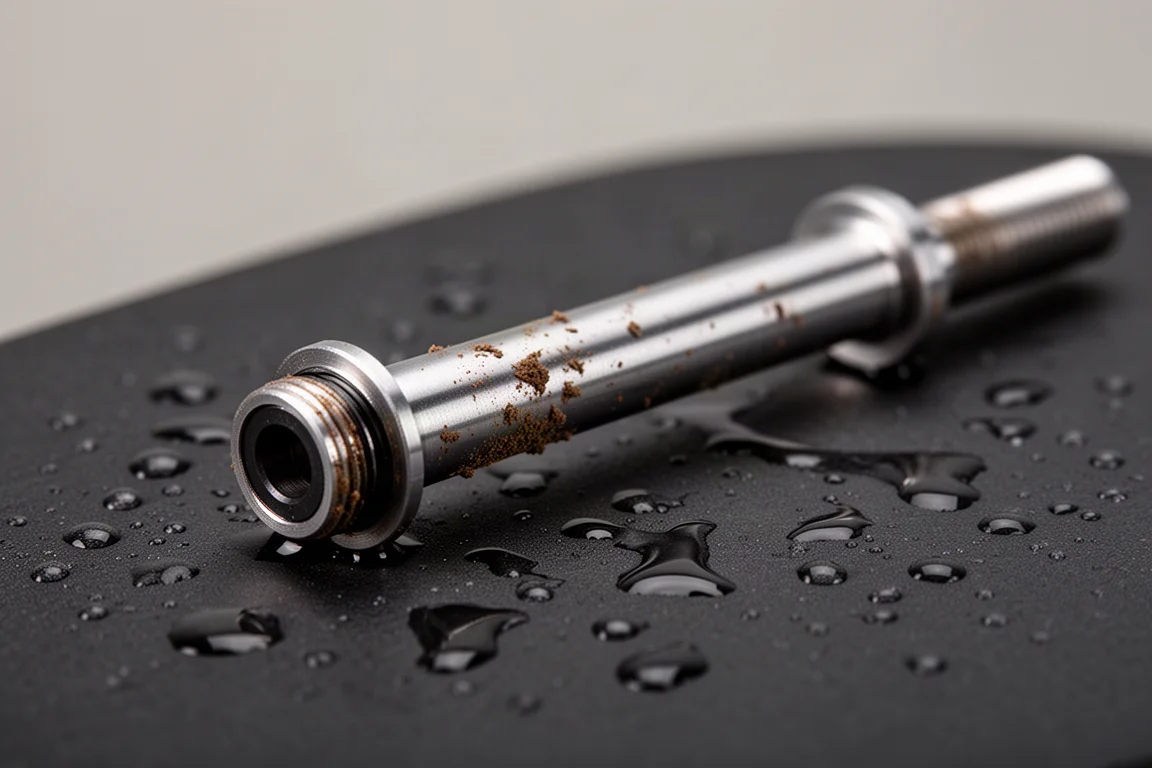
Cleat release tension is adjustable, as it is on other SPD-compatible pedals, so the feel underfoot can be tuned without touching the electronics side of the system.
Accuracy and Riding Metrics
Wattage is calculated from cadence and torque, but the Pro MX adds an integrated gyroscope that detects instantaneous angular velocity throughout the entire pedal stroke. Where some systems estimate that value and assume a smooth, consistent stroke, this pedal measures it directly, which Favero says improves accuracy. The claimed figure is plus or minus 1 percent, based on testing in both the lab and the real world.
Beyond raw power, the pedals report advanced metrics that Favero calls Cycling Dynamics, visible in the Assioma app and on some Garmin computers via ANT+. A new metric for the Pro MX is Platform Center Offset, which shows how force is distributed across the pedal platform and can help with cleat alignment to improve power delivery and comfort. Power Phase indicates where in the stroke a rider produces the most power, and Rider Position shows how much time is spent seated versus standing out of the saddle.
The app also handles calibration, crank length settings and live metrics, and a quick start guide walks through the setup step by step. The pedals pair with a compatible bike computer or GPS head unit to display training data during and after rides.
Weight and Build
Favero claims the Pro MX is the lightest SPD-compatible power meter pedal on the market at 191g per pedal. A single pedal from the set weighed in at 192g, which matches the claim closely enough to take it at face value.
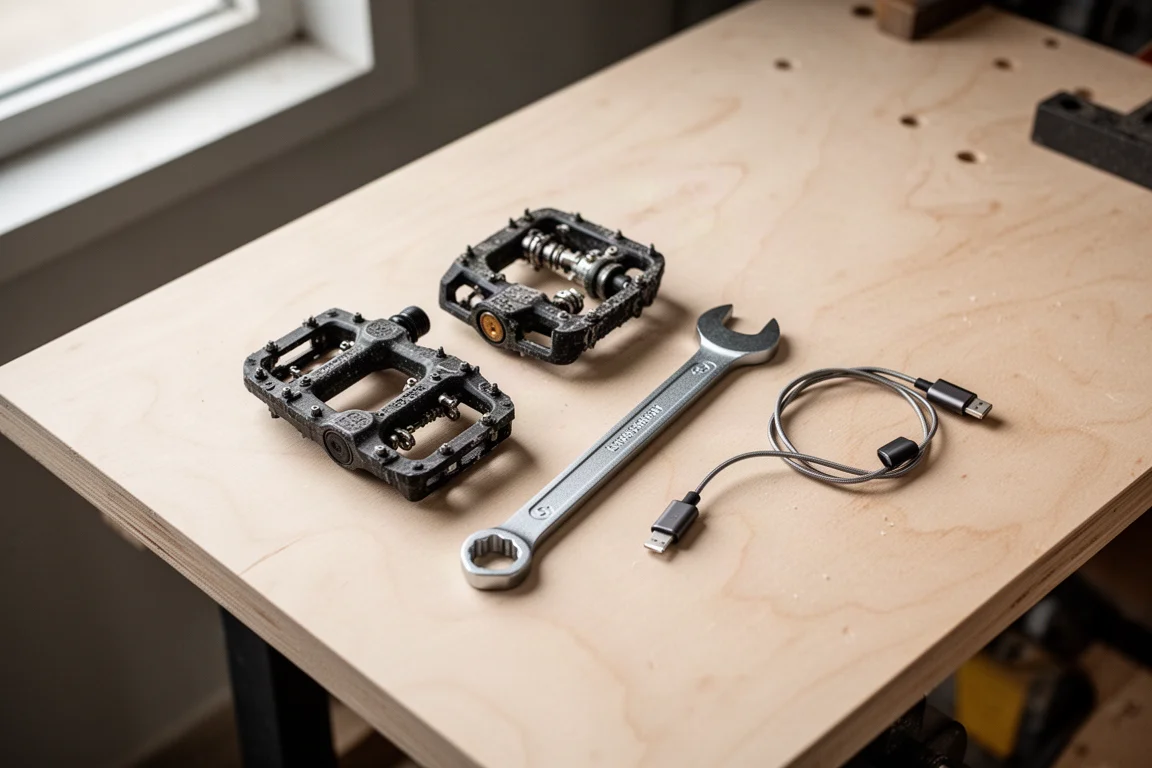
Installation calls for a 15mm pedal spanner rather than an 8mm Allen key. That requirement freed up space inside the spindle for the electronics, and the end of the axle is also where the battery indicator and the charging point sit.
Things to Consider Before Buying
Because the battery is fully integrated into the spindle, it has to be smaller than it would be in a design with an external cell, which limits battery life to around 60 hours. Charging happens magnetically at the pedal axle instead of through a traditional charge port, and a battery indicator at the end of the spindle makes the remaining charge easy to read.
The 15mm spanner requirement is worth planning for. Riders who only keep an Allen key in their tool kit will need to add one, though the trade-off is a spindle with more internal room for the measurement hardware.
A crank-based power meter may cost less, but it cannot be moved between bikes as easily, and Favero positions the Pro MX as undercutting rival power meter pedals on price.
Buying Advice
The Assioma Pro MX is offered as a single-sided set at around €450 and a dual-sided set at around €750. Riders who start single-sided can move to dual-sided later with an upgrade kit priced at around €430, which softens the commitment for anyone unsure about how much they will use the data.

The case for the Pro MX rests on a few concrete points: electronics sealed away from water and mud, a replaceable aluminium pedal body, a claimed accuracy of plus or minus 1 percent, a light claimed weight that held up when checked, and the ability to move the system between bikes. The shorter battery life and the need for a 15mm spanner are the practical costs of that design. For gravel, mountain bike and cyclocross riders who train seriously and want power data without changing their cleat setup, those trade-offs look reasonable.
Conclusion
The Favero Assioma Pro MX addresses a genuine gap for riders who want power measurement off-road without giving up the two-bolt cleat they already use. The sealed spindle, direct angular velocity measurement and detailed riding metrics are the strongest arguments in its favour, while the reduced battery life and the 15mm spanner requirement are the details to weigh up first. For riders who train seriously on gravel, trails or a cyclocross course, it is a well-considered option worth comparing against crank-based alternatives.
Product link
View more details for Favero Assioma Pro MX
This product is mentioned in the review. Check the specifications, options, and compatibility before buying.
View more details for Favero Assioma Pro MXFurther reading
Related Reviews
Cycling Power Meters
Five Affordable Power Meters for Road and Off-Road Cycling
Five practical power meter options under $500 that deliver reliable power measurement without breaking the budget.
Cycling Power Meters
Assioma Pro MX-2 Review: Dual-Sided Off-Road Power Meter Pedals
A light dual-sided off-road power meter pedal with a claimed 191 g weight, plus or minus 1% accuracy and a 60-hour battery.
Cycling Power Meters
Best Power Meter Pedals 2026: Seven Systems Compared
A practical comparison of seven power meter pedal systems, covering accuracy, battery life, servicing, weight and price.