Road Bike Tires
Fastest Road Tubeless Tires Compared: Seven High-End Models Ranked by Rolling Resistance
A rolling resistance comparison of seven high-end road tubeless tires, with tubeless setup notes, real-world ride impressions, and clear buying advice.
Introduction
Rolling resistance is one of the few tire characteristics that can be measured in a controlled, repeatable way, and it matters because every watt lost in a casing is a watt that never reaches the road. To find out how the current crop of high-end road tubeless tires compares, eight top-tier all-round models were put through a laboratory rolling resistance test, then mounted on real bikes for installation, tubeless setup, and road riding.
This roundup covers seven tires in detail: what the numbers say, how each one behaves when you actually have to fit it, and which trade-offs are worth accepting. Two of them are time trial models that sit outside the all-round group, included because outright speed questions always bring them up.
How the Rolling Resistance Test Worked
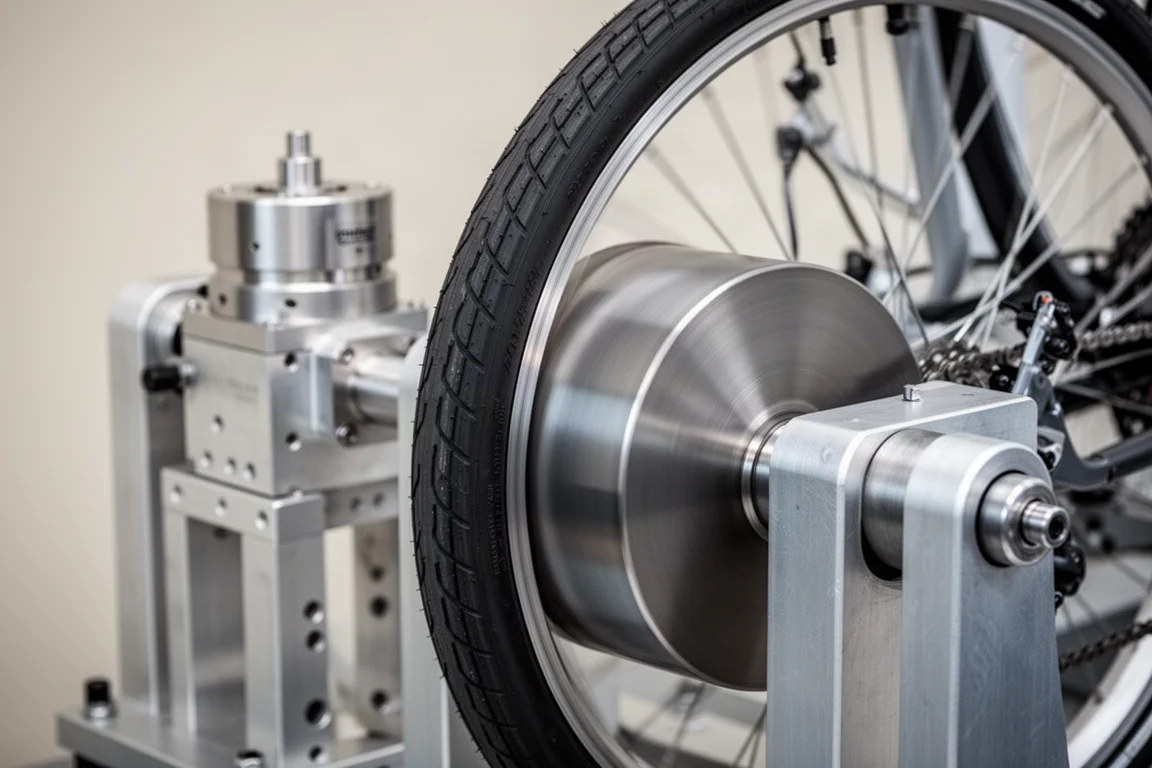
The test rig uses an oversized motor-driven roller to spin a wheel, with a vertical load applied to simulate a rider’s weight deforming the tire. A torque meter measures the power needed to turn the roller at a given speed, first with no tire in contact and then with the tire loaded against it. The difference is the energy the tire loses to rolling resistance. All else being equal, a tire that loses fewer watts should be faster on the road, because more of the power you put through the pedals goes into moving the bike forward.
Every tire was mounted to the same carbon wheel with a latex inner tube and inflated to 80 psi, or 5.5 bar, with a 40 kg contact patch load and a test speed of 30 km/h. A latex tube produces roughly the same rolling resistance as about 20 ml of tubeless sealant, so the setup would not have skewed the comparison. All tires were 700 x 28c, except the Challenge Criterium RS, which was tested in the closest available size at 700 x 27c.
28c was chosen because it is a sensible sweet spot for most road riders, balancing speed, weight, grip, and comfort, and because most modern road bikes and many current road wheels are built around it. If you run a different size, the relative picture between these tires still holds.
Pirelli P Zero Race TLR: The Most Efficient Tire on Test
The Pirelli P Zero Race TLR was the most efficient tire in the group, requiring just 11.86 watts per tire to overcome rolling resistance. That is a class-leading figure among the tires compared here, and it was matched with strong impressions from real-world riding: excellent ride quality, plus easy installation and straightforward tubeless setup.
The trade-offs are modest but worth knowing. It is a little heavier than average for this category, and once inflated it did not measure quite as wide as expected. Neither is a dealbreaker for most riders, but if you are chasing the lowest possible weight or a specific measured width, it is worth factoring in.
Schwalbe Pro One: Still Very Competitive
The Schwalbe Pro One performed strongly in the lab, confirming that this familiar, long-standing option remains competitive on rolling resistance. Riders with plenty of miles on it tend to have little to complain about, and the test numbers support its reputation as a dependable fast road tire.
For riders who want a proven all-rounder rather than an outright laboratory winner, it is an easy recommendation within this group. It does not lead on efficiency, but the gap to the front is small enough that most riders would never feel it.
Challenge Criterium RS: Fast and Supple, but Fiddly to Fit
On rolling resistance, the Challenge Criterium RS tested very well, finishing only fractions of a watt behind the Pirelli. Its 350 TPI casing is extremely supple and grip on the road is excellent, so ride quality is genuinely impressive once the tire is on the bike.
Getting there is the problem. The Criterium RS was extremely tight on the test rims, and seating the beads onto the rim shelf proved very difficult. A standard track pump was not enough to get the beads to seat, and a dedicated tubeless inflator was required.
That is a meaningful drawback for a tire that is otherwise so quick. Every tire in this group offers good ride quality, excellent grip, and supple casings, so paying a premium for one that is this awkward to set up is hard to justify for most riders.
Specialized S-Works Turbo: Slower in the Lab, Impressive on the Road
The Specialized S-Works Turbo was one of the slower tires in this test, yet it left a strong impression on the road. Nominally it is a tougher option aimed at cobbled Classics style racing, and it felt great to ride, with the kind of composure that matters more than a watt or two on rough surfaces.
It also happens to be a little cheaper than some of the other tires here, which makes the real-world package more appealing. If your priority is a fast-feeling tire that copes with mixed road conditions rather than the lowest possible rolling resistance figure, this is a sensible pick.
For most riders the difference between this and the fastest tire in the group would be essentially undetectable on a normal ride, while the tougher construction may well be noticeable on poor tarmac.
Vittoria Corsa Pro TLR: Superb Ride Feel, Disappointing Lab Numbers
The Vittoria Corsa Pro TLR was the least efficient tire on test at 16.68 watts per tire, a significant gap to the Pirelli. Everything else about it is excellent: fantastic ride feel, superb grip, and one of the easiest tubeless setups in the group. The classic tan sidewalls also look the part on a road bike.
That gap is hard to overlook at roughly 90 pounds or 100 dollars per tire, especially when the rest of the field sits within about 2.5 watts of each other. The tire has won plenty at the highest level of racing, so it is possible the sample tested was simply an outlier. Even so, it is the one result here that stands out for the wrong reason.
Continental GP5000 TT TR: Time Trial Speed With a Cost
Time trial specific tires sit in a different category altogether. The Continental GP5000 TT TR offers exceptionally low rolling resistance, outstripping every tire in this comparison, but it is built for short races on good roads. It is too delicate for general riding, wears quickly, and is more prone to punctures, so it only makes sense if outright speed is the only consideration and you can accept the running costs.
Vittoria Corsa Speed: The Same Trade-Off
The Vittoria Corsa Speed follows the same logic. Its rolling resistance is exceptionally low, again below anything in the all-round group, but the casing prioritises speed over durability and puncture protection. Riders who want one tire for everything should look elsewhere, while those chasing a time trial or short-course result may find the compromise worthwhile.
How to Choose the Right Road Tubeless Tire
The spread between the top seven tires in the rolling resistance test was less than 2.5 watts per tire, which for most riders would be essentially impossible to detect out on the road. That does not mean those watts are irrelevant, only that they are one factor among several.
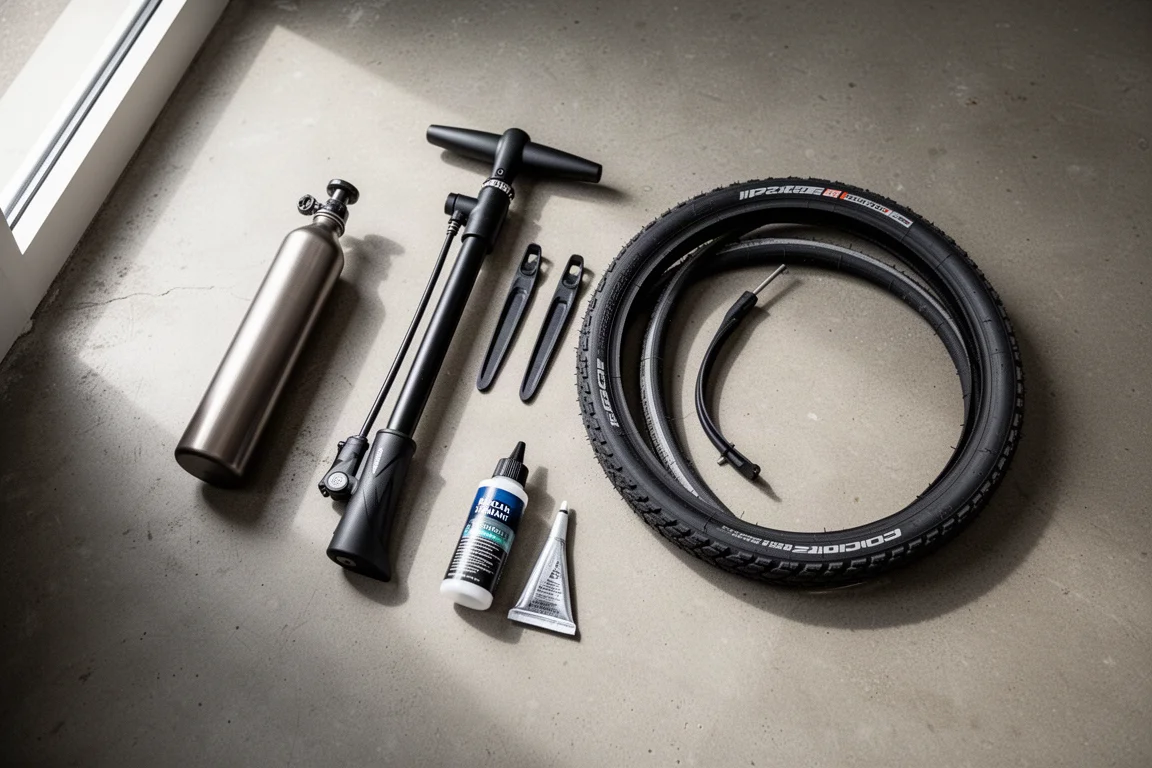
Ease of setup deserves real weight with tubeless tires. A tire that needs a dedicated inflator and a fight to seat will cost you time and patience, and a stubborn bead is worse still at the roadside. Price matters too. At this end of the market, most tires deliver good ride quality, excellent grip, and supple casings, so the differences that decide a purchase are often practical rather than measurable.
If you already run a set of these tires, there is little reason to take them off. Confidence in your tires counts for a lot, and if a model has been reliable and feels good beneath you, that is a perfectly good reason to stick with it. Unless you are racing, a watt or two will matter far less day to day than setup, cost, and how the tire behaves in the conditions you actually ride.
Conclusion
The Pirelli P Zero Race TLR is the standout of this group: fastest in the lab, easy to live with, and only slightly heavier and narrower than expected when inflated. The Schwalbe Pro One remains a very competitive and reassuring choice, the Challenge Criterium RS is quick and supple but awkward to fit, the Specialized S-Works Turbo trades a little laboratory speed for a tougher, cheaper, great-feeling ride, and the Vittoria Corsa Pro TLR delivers a lovely ride with the weakest rolling resistance numbers here. Time trial models such as the Continental GP5000 TT TR and Vittoria Corsa Speed are faster still, but only for riders who accept their fragility and short lifespan.
Pick the tire that matches how and where you ride, and the numbers will look after themselves.
Further reading
Related Reviews
Road Bike Tires
Best Budget Road Bike Tires 2026: Nine 25c Tires Tested for Rolling Resistance
Nine budget road tires, all 25c and mostly around £20, went through the same rolling resistance protocol. Here is what the numbers say and which tire suits which rider.
Road Bike Tires
Best Road Bike Tires 2026: Six Options Tested From Budget to Premium
Six road tires across a wide price spread, from around £20 to £92, compared in real-world timed runs on wet roads to see what extra money actually buys.
Road Bike Tires
Best Road Bike Tires Compared: Continental GP 5000 S TR vs Vittoria Corsa Pro vs Pirelli P Zero Race RS
A back-to-back comparison of three 30 mm tubeless road tires, covering timed speed results, cornering feel, ride quality, and which one suits which rider.