Steel Bikes
Fairlight Strael 4 and Secan 3: Two Steel Bikes, Two Different Briefs
Fairlight's Strael 4 and Secan 3 bring new Reynolds 853 tubing, formed rear ends and real weight savings. Here is how the steel road and gravel frames differ.
Introduction
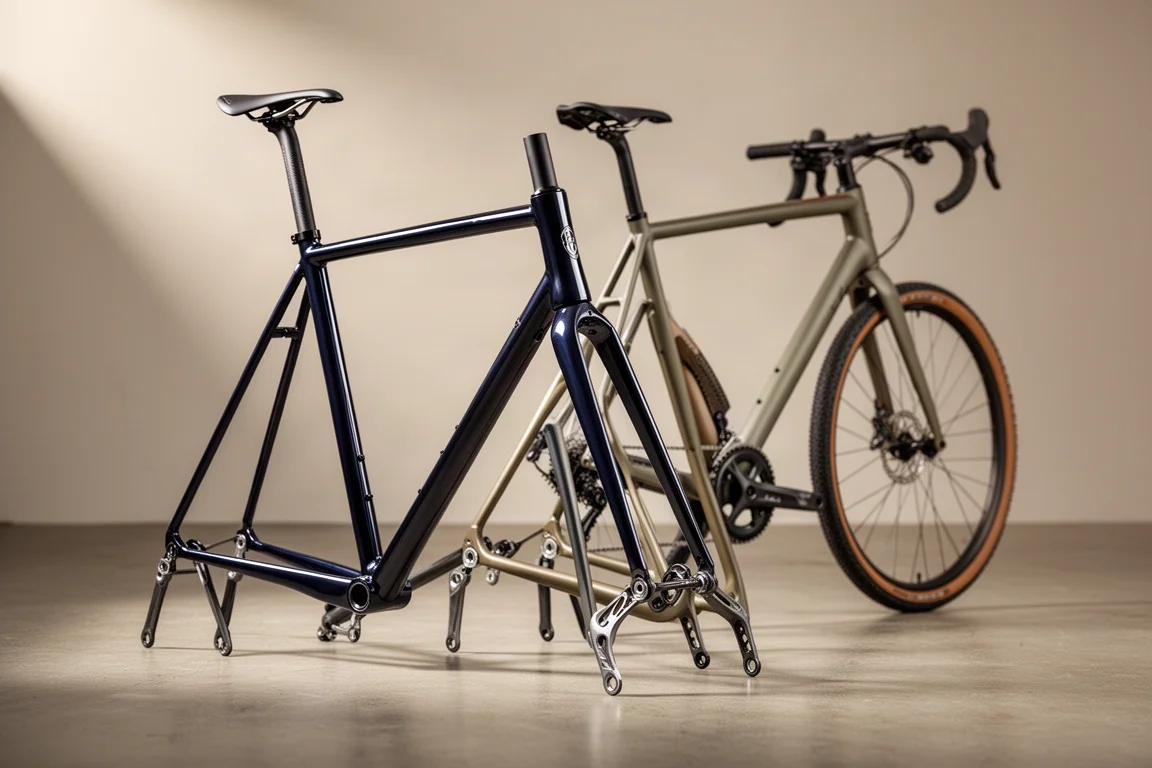
Fairlight Cycles launched its first steel road frame roughly eight years ago, and the British brand has been refining that idea ever since. The Strael has now reached version four, and the gravel-focused Secan has reached version three. At a glance both look like measured updates to what came before. Underneath, almost nothing carries over: every tube on the Strael 4 apart from the head tube is new, and the Secan 3 gets an entirely new rear end.
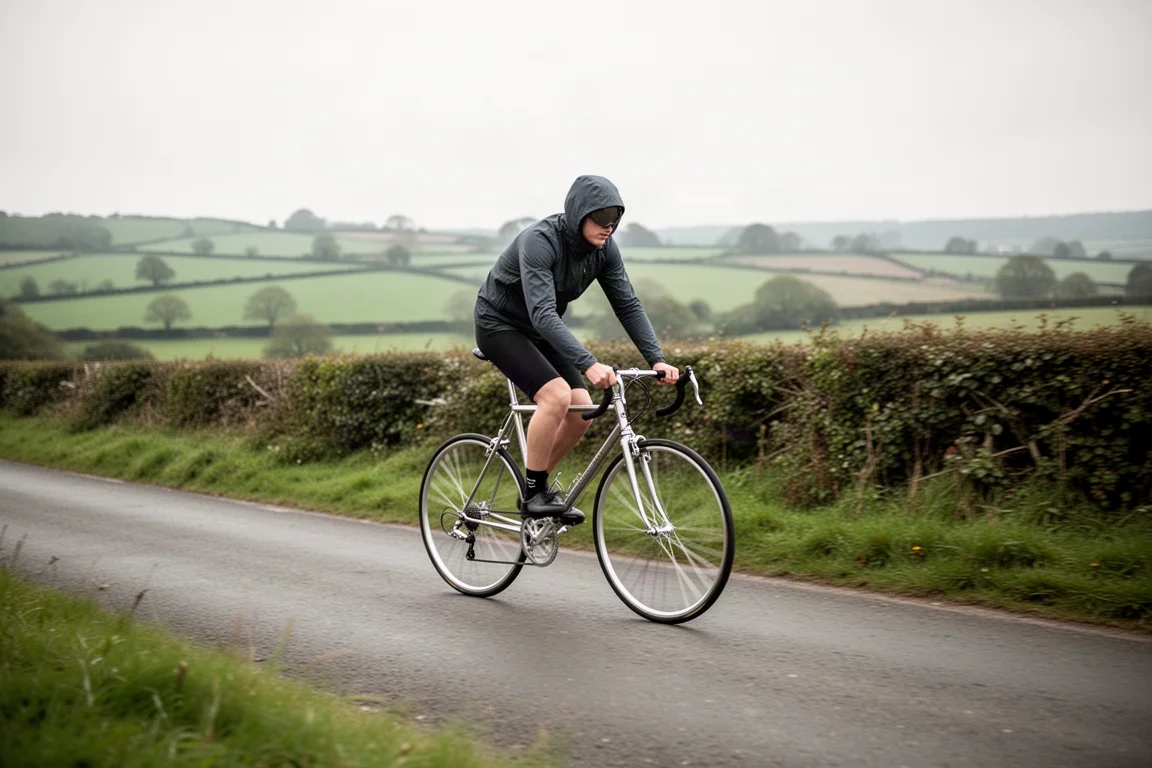
This guide covers what actually changed on each frameset, how the two differ in purpose, and which one makes more sense for a given kind of riding.
What the Strael 4 and Secan 3 Have in Common
Both frames are steel, and both use Reynolds 853 tubing developed specifically for Fairlight rather than drawn from a standard catalogue. Both keep gear cables external, with brake hoses held close to the frame by CNC-machined clips and a Fairlight-designed bottom bracket guide that routes derailleur cables, brake hose, a dropper post line and dynamo wiring.
Fairlight’s position on fully internal routing is that it works against the priorities of a light steel frame. A hole through a butted tube needs a controlled wall thickness and a reinforcement insert, which adds weight, and it introduces a risk of rattle. That weight budget is spent elsewhere.
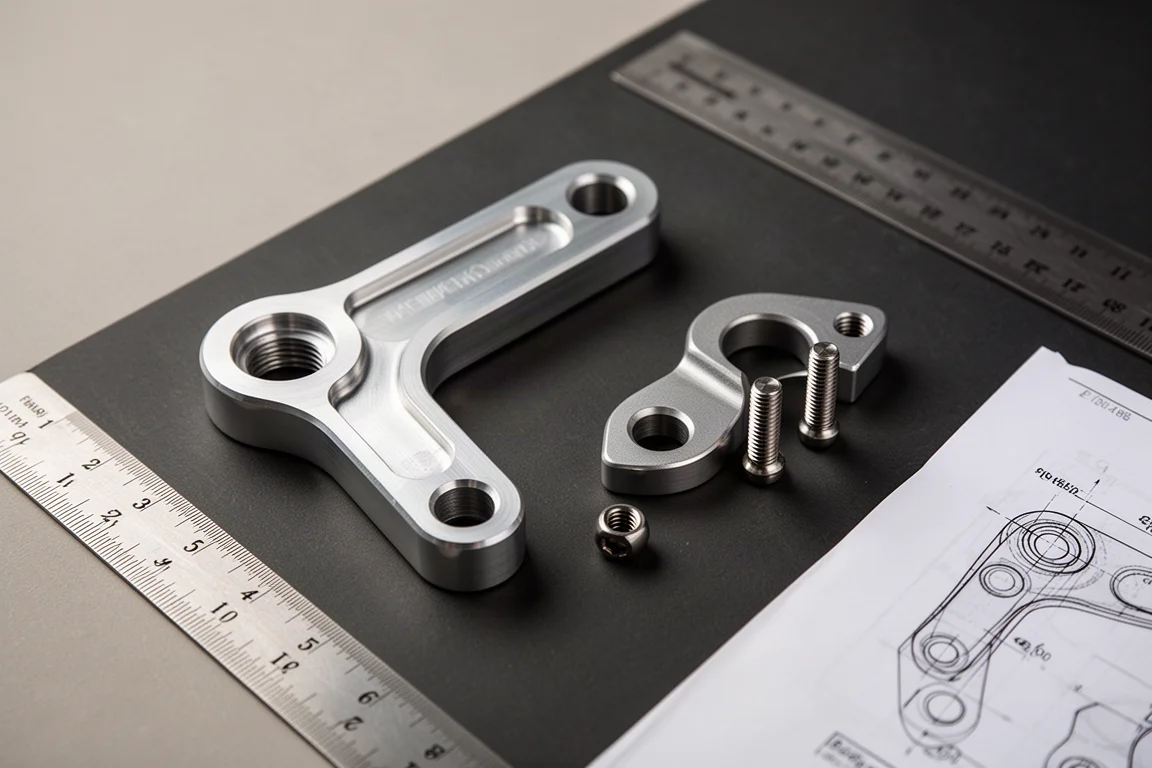
The two frames also share a modular dropout design. Machined aluminium dropouts accept a standard hanger, a direct mount hanger or a T-type hanger for SRAM’s direct mount derailleurs, so the frame can be adapted if mounting standards move again. Rotor mounts differ: the Strael 4 uses a 140 mm native rear mount that can go to 160 mm with an adapter, while the Secan 3 uses a 160 mm native mount and can go to 180 mm at the fork.
Fairlight Strael 4: A Lighter Steel Road Frameset
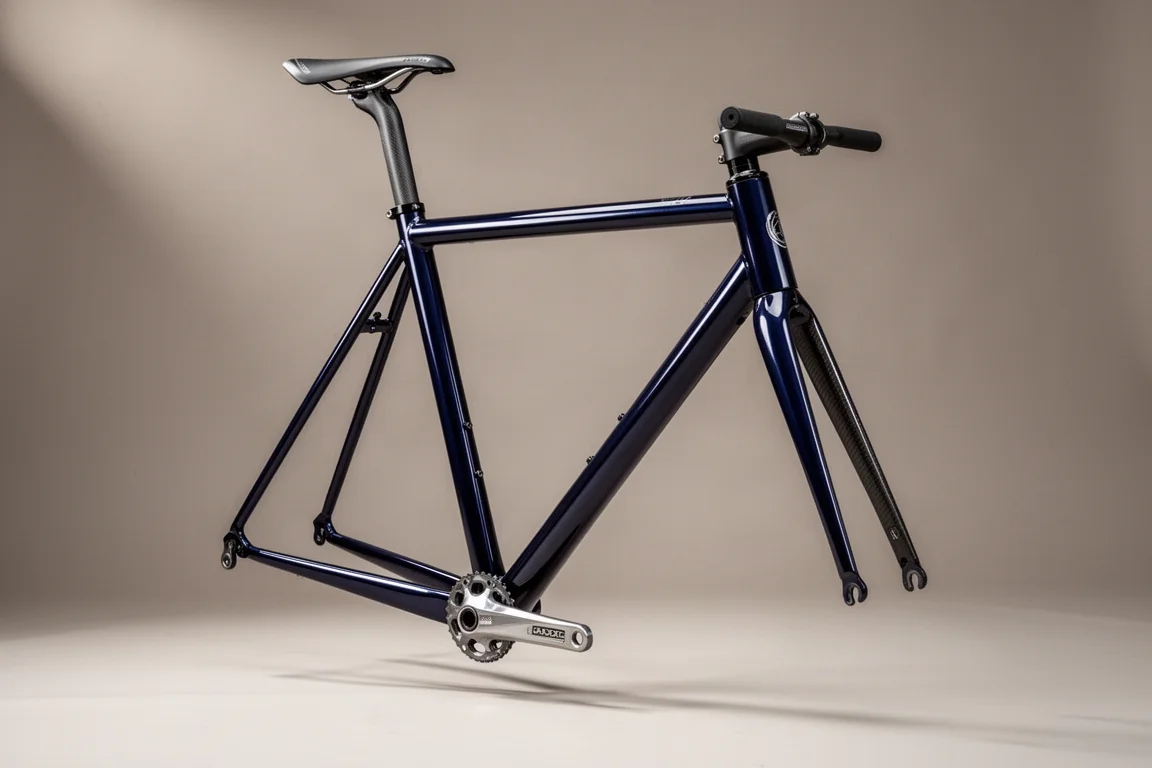
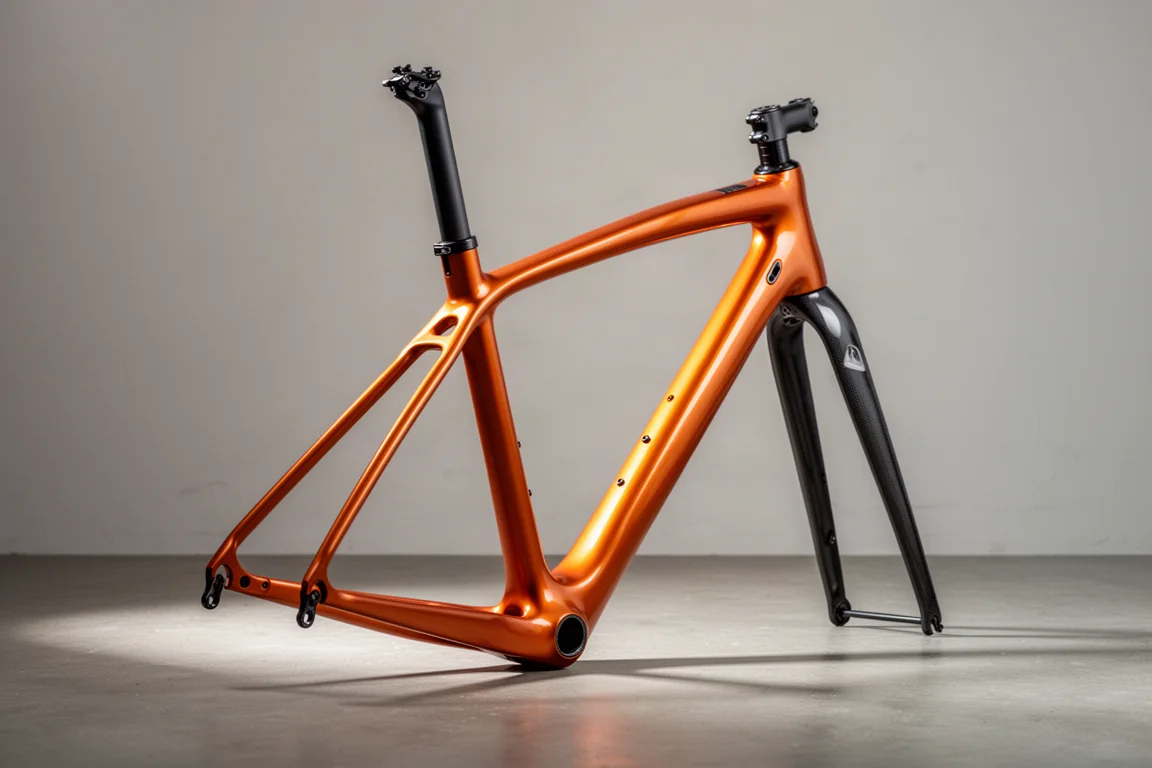
Weight is the headline on the Strael 4. The frameset is 280 g lighter than the previous generation, and a painted 56 cm frame comes in at 1.64 kg before dropouts and bolts. That saving comes from a new Reynolds 853 Road DZB tube set developed exclusively for the model, with Fairlight funding the tooling for the top tube, down tube and seat tube. DZB stands for double zone butted, meaning an extra butted section at one end of the tube.
Tire clearance has grown to 39 mm, up from 36 mm, in step with riders moving to 32 mm, 35 mm and even 38 mm tires on wide rims. Fork length is unchanged and the geometry stays road-oriented, so the frame does not slide into gravel territory. Despite the weight reduction, it passed its ISO fatigue testing first time, where the previous generation needed five rounds of design revision to get through.
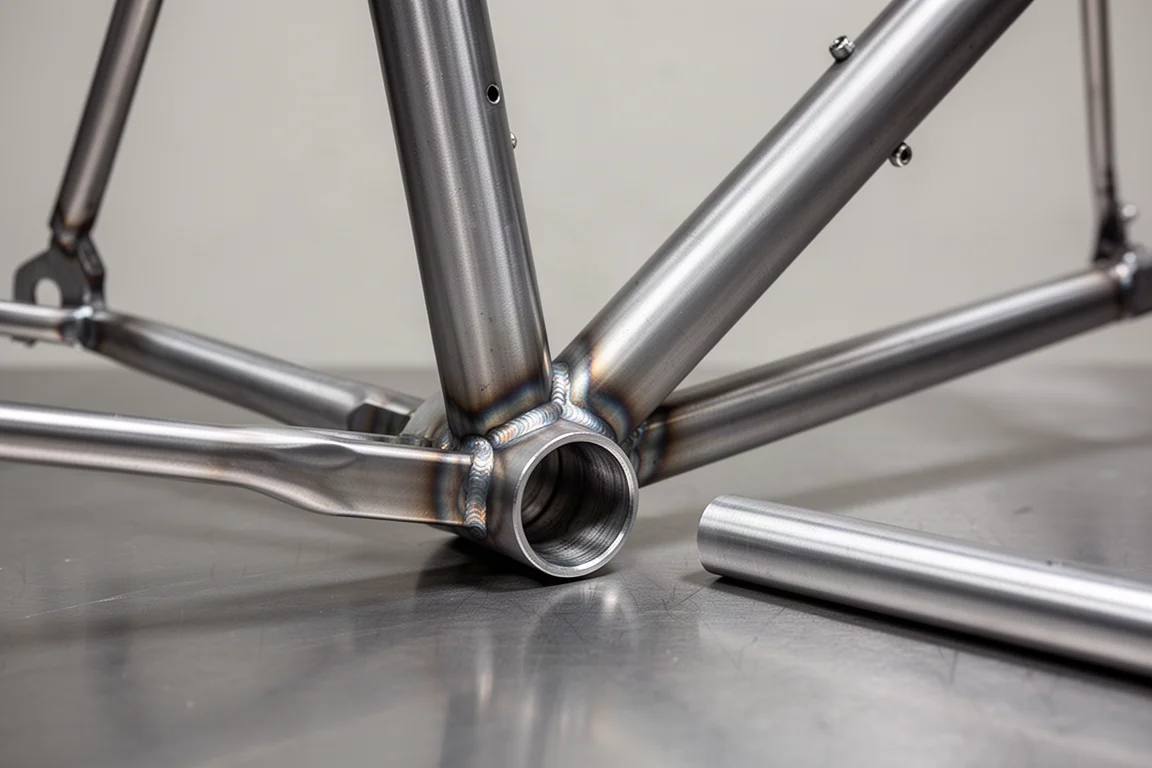
The detailed weight accounting is worth knowing. Around 40 g came out of the down tube while the higher stress sections were made stronger, roughly 30 g came out of the seat tube, and 87 g came out of the bottom bracket shell. Each of those gains required new tooling or a new manufacturing step rather than a simple specification change, which is a large part of why the frame took a full development cycle to complete.
Fairlight Secan 3: Bigger Tires and a New Rear End
Fairlight is direct about the relationship between the two bikes: when riders ask for a gravel version of the Strael, the answer is the Secan. Fitting larger wheels means longer chainstays, a longer fork, higher leverage through the front end and therefore stronger tubing, which is why the two models cannot share a platform.
Clearance on the Secan 3 is designed around a 53 mm measured tire in 700c, which leaves 6 mm of space on each side and meets ISO requirements. On 650b wheels the frame accepts up to a 2.4 inch tire, measuring roughly 62 mm, an option that still matters for heavily loaded touring.
The rear end is entirely new, using the formed mould technology introduced on the Strael 3 to produce flat, oversized chainstays and seat stays with flex points. Chainstays are 2 mm longer than the previous version and the head angle has been slackened by around half a degree, both changes made in step with the larger tires. The front triangle carries over, and the frame still sits at the road end of the gravel category rather than at the drop-bar mountain bike end.
A new fork adds a CNC aluminium insert bonded into the carbon crown, creating a strong anchor point for a front rack while adding only 14 g. Revised layups delivered roughly a 6 percent increase in fore and aft compliance, and the same layup work recovered the weight the insert added.
Reynolds 853 Tubing and the Weight Story
The Strael 4 tube set is a collaboration. Fairlight designed the butts, Reynolds produced the drawn bars and mandrels, and Fairlight paid for the tooling. Finding suppliers able to grind those tools proved difficult because much of that manufacturing has moved offshore, so the project’s largest cost was time rather than money.
The butting itself is where the compromises live. On the seat tube, the top section moved from 1.2 mm to 1.05 mm because welding capability and heat sinks have improved, while the centre section has to stay at 0.6 mm to keep the 27.2 mm post interface correct. That change also required a new seat clamp, developed with Hope, moving from 29.8 mm to 29.5 mm and using a steel bolt.
The bottom bracket shell shows the same thinking. It shrank from 39 mm to 38.1 mm outside diameter, and the frame is welded with a solid 3 mm threadless shell that cannot distort during production. After welding, the frame goes into a single machining process that cuts the threads and relieves material behind them, a technique adapted from T47 shells. The seat stays moved from a 14 mm round tube to a 16 mm tube flattened to 12 mm with a very slight bow for tire clearance, which required new moulds.
Dropouts, Brake Mounts and Future Proofing
The machined dropouts are the clearest expression of how Fairlight thinks about longevity. They could be cast for less money, but the brand machines them so the part quality and finish match the rest of the frame. A removable cable stop now sits on the dropout plate, so riders running electronic groupsets are not left with unused mechanical fittings on the frame.
The modular system also gives Fairlight room to respond if a new derailleur or brake standard appears. There is enough real estate on the dropout to design a new hanger or mount, which means a frame bought today has a route to staying usable rather than becoming obsolete.
Buying Advice: Which Fairlight Suits Your Riding?
Choose the Strael 4 if your riding stays on tarmac and you want a road bike that can take wider rubber without becoming something else. It is the lighter of the two, it keeps road geometry and fork length, and its 39 mm clearance covers the 32 mm to 38 mm tires that have become common on fast road and all-road setups. Its external cable routing is a deliberate design decision rather than an oversight, and riders who value straightforward maintenance will see that as a benefit.
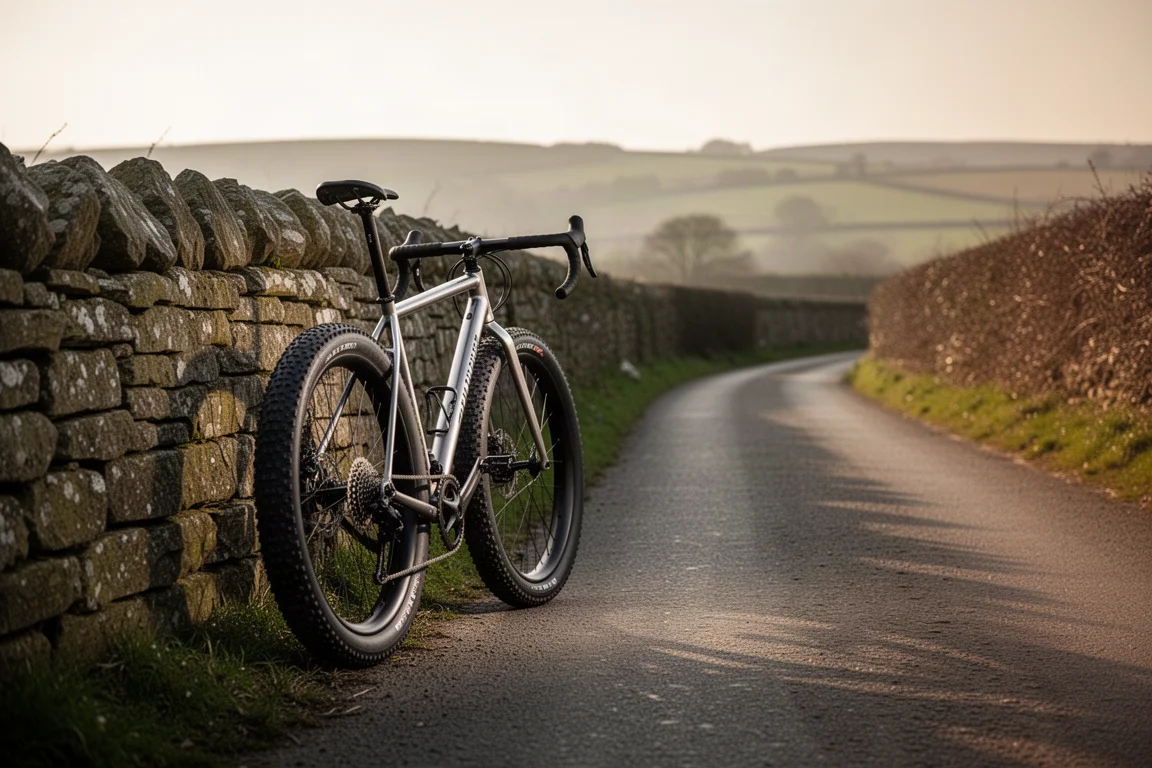
Choose the Secan 3 if your rides regularly leave the tarmac, involve loaded touring or call for tires well beyond 40 mm. Its slacker head angle, longer chainstays and reinforced front end are the cost of that capability, and Fairlight is open about the fact that the Secan is the compromise the Strael cannot make. The rack mount in the fork crown and the 650b option make it the more versatile of the two for long-distance and self-supported riding.
Both frames reward a long-term view. The replaceable hangers, modular dropouts and standard 27.2 mm seatpost interface are all chosen so the frame can be maintained and adapted rather than replaced when components change.
Conclusion
The Strael 4 and the Secan 3 are two answers to the same question about what a steel bike should be. The Strael 4 is a road frame taken close to the limit of what Fairlight could achieve without making it fragile, and the Secan 3 is a gravel frame built around the tire sizes riders are actually using. Neither is a cosmetic update, and both make their case through the details rather than through the paint.
Further reading
Related Reviews
Cycling Gear
8 Cycling Products Riders Keep Coming Back To
Eight cycling components and accessories with clear strengths, honest trade-offs and long-standing reputations among riders and mechanics.
Cycling Helmets
ABUS AirBreaker 2 Review: A Climbing Helmet Rebuilt Around Airflow
The ABUS AirBreaker 2 keeps its aero profile and reworks ventilation with wider vents, added side intakes, an internal chimney, ActiCage and MIPS Air Node Pro.
Cycling Gear
Aero Upgrades Worth Skipping: Three Cycling Products to Consider Carefully
A practical look at three aero upgrades, what each one actually claims, what it costs, and where the money is better spent.