Cycling Gear
Aero Upgrades Worth Skipping: Three Cycling Products to Consider Carefully
A practical look at three aero upgrades, what each one actually claims, what it costs, and where the money is better spent.
Introduction
Going faster on a road bike is often sold as a shopping problem. Buy the right derailleur cage, the right handlebar, the right wheelset, and the speed will follow. In practice, aero equipment sits on a sliding scale of value, and a few of the most expensive upgrades deliver gains that only show up in a wind tunnel report or at the sharp end of a professional time trial.
This guide looks at three products that regularly appear on aero upgrade shortlists, explains what each one actually claims to do, and sets out where the money makes sense and where it does not. The theme is simple: match the spend to the riding you really do.
What Separates a Real Aero Gain From a Costly One
The pattern behind disappointing aero purchases is consistent. The bigger the claim, the smaller the real world difference for most riders, and the higher the price.
A couple of examples put the scale in perspective. Wind tunnel testing of a skin suit showed a saving of 3.6 watts over a standard jersey and shorts combination, at a cost of around £350. An aero-optimised computer mount is another case in point: the humble out-front mount sits in the wind at the front of the bike, yet there is little evidence that an aero version changes anything meaningful, and some mounts sold on aero appeal carry no drag-saving claims at all.
The useful question is not whether a component is faster, but how much faster, for whom, and at what price. A part that saves a professional rider 2.5 seconds over a 25 km time trial is legitimate race equipment. The same part on a weekend cafe ride is simply expensive.
CeramicSpeed OSPW Aero: Pro-Level Marginal Gains
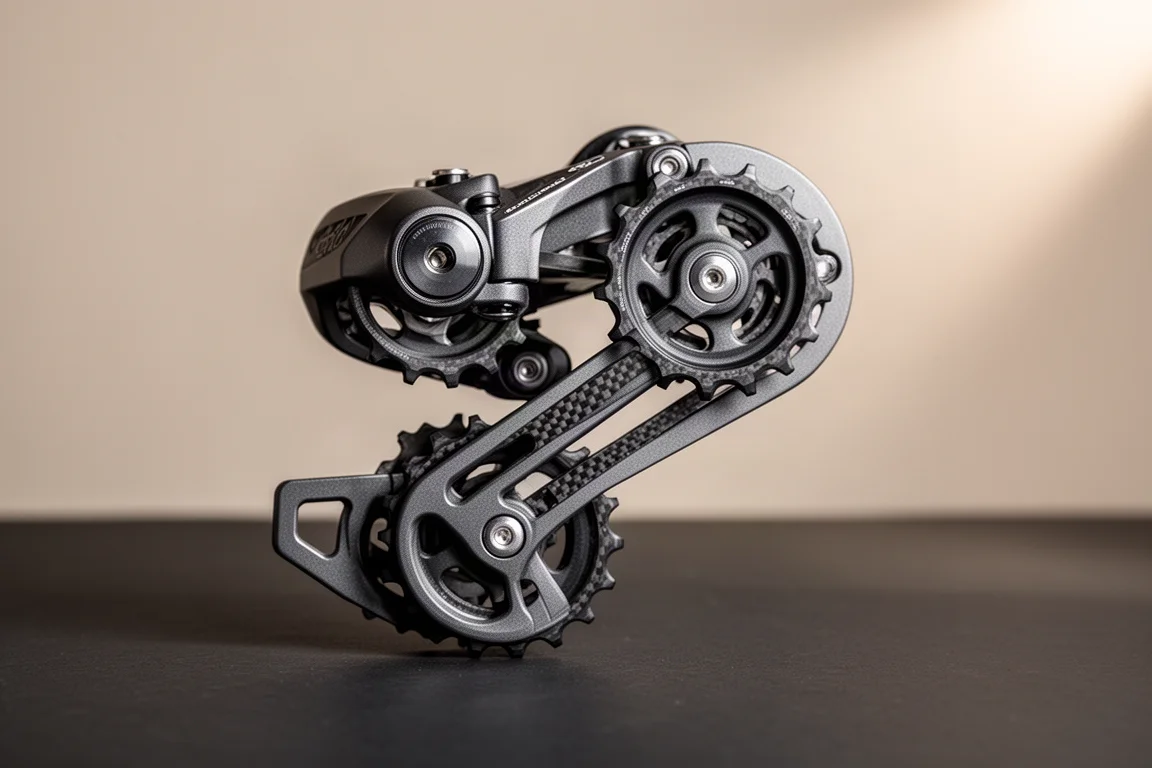
The CeramicSpeed OSPW Aero is an aerodynamically optimised derailleur cage built around the brand’s oversized pulley wheel system. CeramicSpeed claims it reduces drag by 40 percent on average, and by up to 60 percent at some points, compared with a stock derailleur. The brand also claims the reduction in aerodynamic drag would save a professional cyclist 2.5 seconds during a 25 km time trial ridden at 50 km/h.
Those figures are specific, and so is the price, at around $800. The context matters just as much as the number. A 2.5 second gain for a professional at 50 km/h is a marginal gain in the truest sense, and it only becomes relevant once everything else has already been optimised. For amateur riding, it will not make a tangible difference to your laps of the local park.
Enve SES Aero Bar: A Shape Upgrade With a Real Price
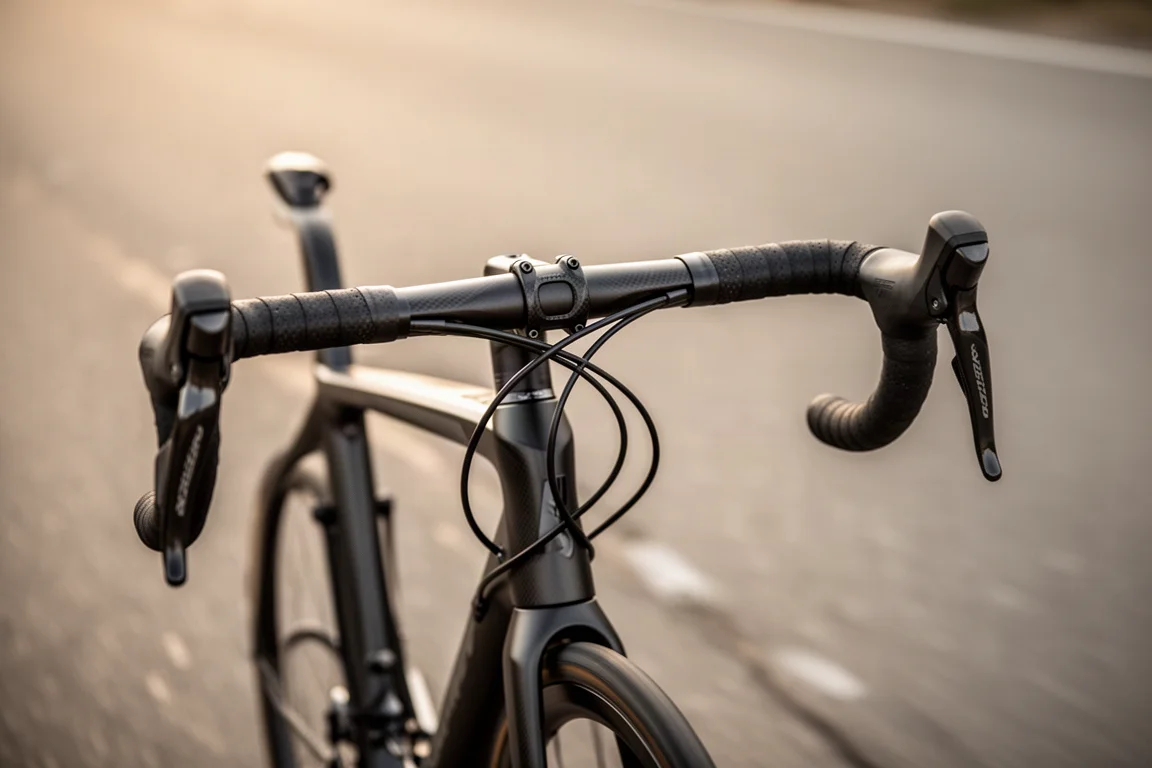
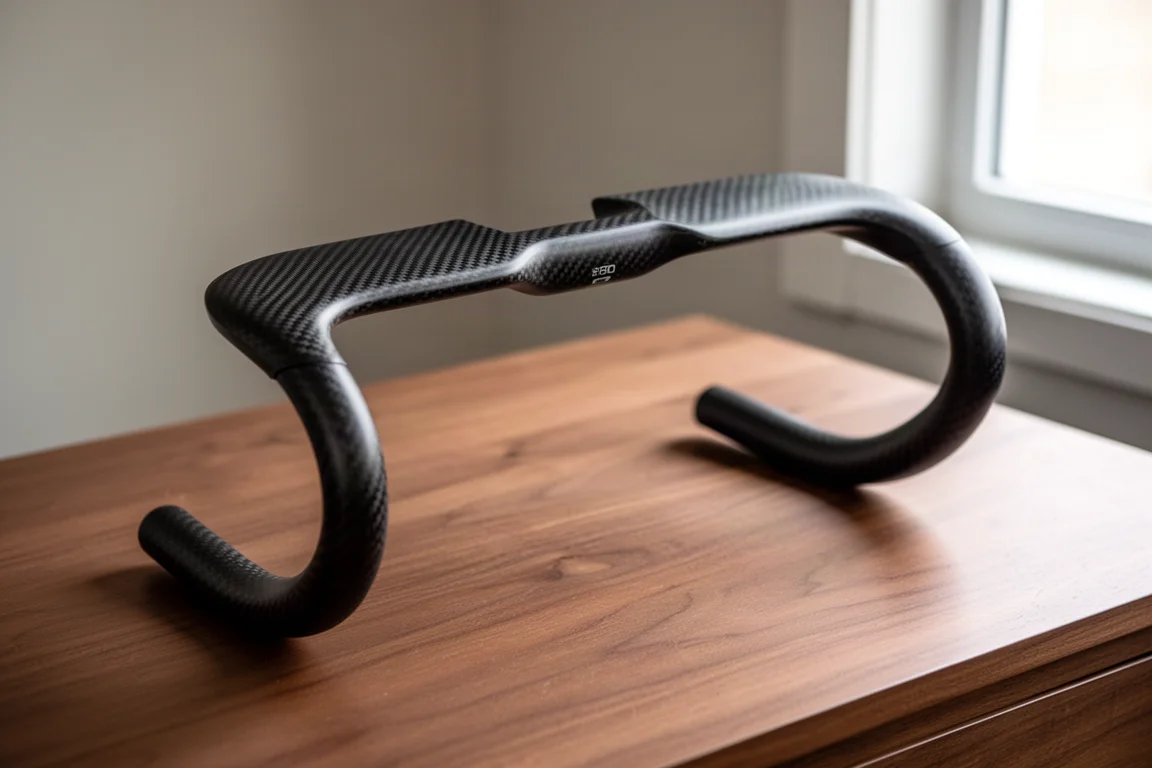
An aero handlebar is easier to justify than it looks, provided you know what you are buying. The Enve SES Aero Bar has flattened tops with a deeper profile designed to reduce drag compared with a round bar. The second feature is less obvious: the shifter clamp area is narrower than the drops, which is what allows a rider to stay stable in the drops before moving into a more compact position on the tops.
That flare is the functional part of the design. The cost is the sticking point, at around $400 for the bar. Moving from a round bar to an aero bar should not be expected to produce significant gains on its own, so the sensible reason to buy is the shape and the position it allows, not a promised watt saving.
If the shape helps you hold a better position for longer, it earns its place on the bike. If you are buying purely on the assumption that an aero profile equals free speed, the money is better spent elsewhere.
Mavic Aksium: The Alloy Baseline That Keeps Costs Sane
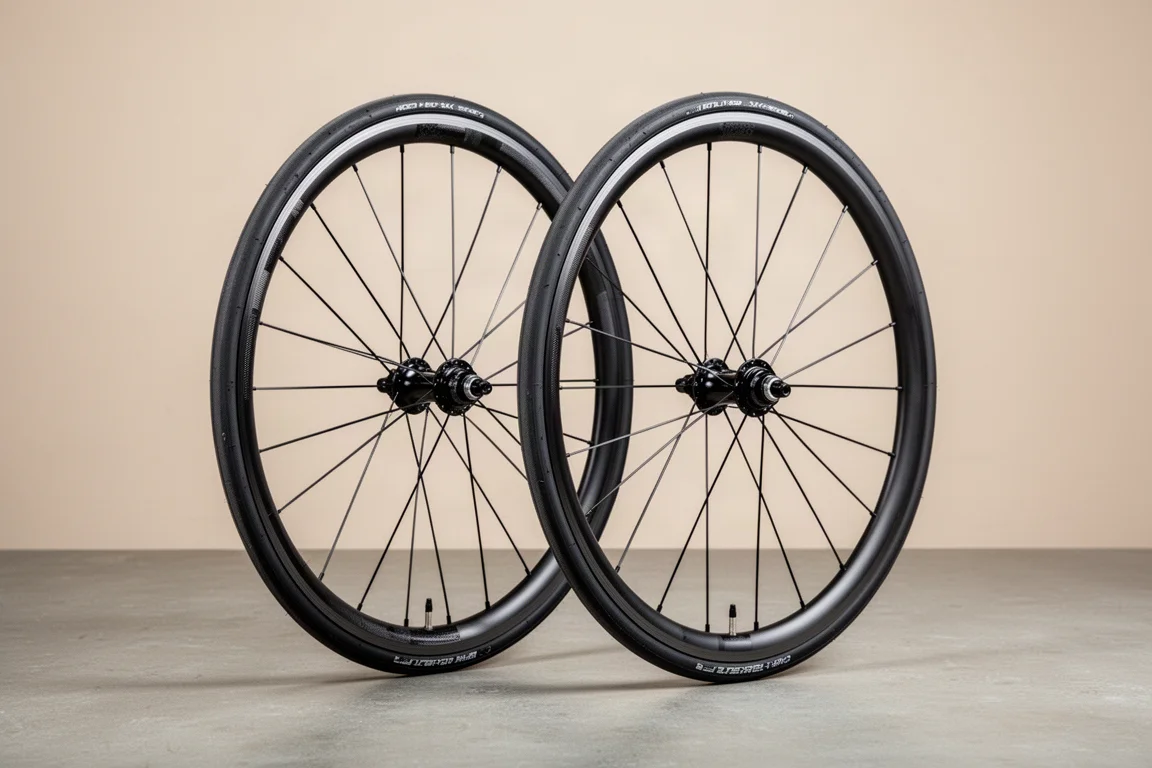
Deep-section carbon wheels are the most heavily marketed aero upgrade, and the least proportionate to their price. Basic carbon wheelsets from brands such as Hunt and Prime cost less than around £1,000 and still deliver most of the aero benefit of far more expensive sets.
The Mavic Aksium sits at the other end of the scale as an alloy wheelset that works as a dependable baseline. In wind tunnel testing, a Hunt wheelset saved just over 10 watts compared with a Mavic Aksium wheelset. That is a genuine difference, but a modest one, and aero wheels can also save a little weight, which is a separate benefit. The honest position is that the gap between a solid alloy wheel and a mid-priced carbon wheel is smaller than the price gap suggests.
Aero Tires and the Limits of Tiny Savings
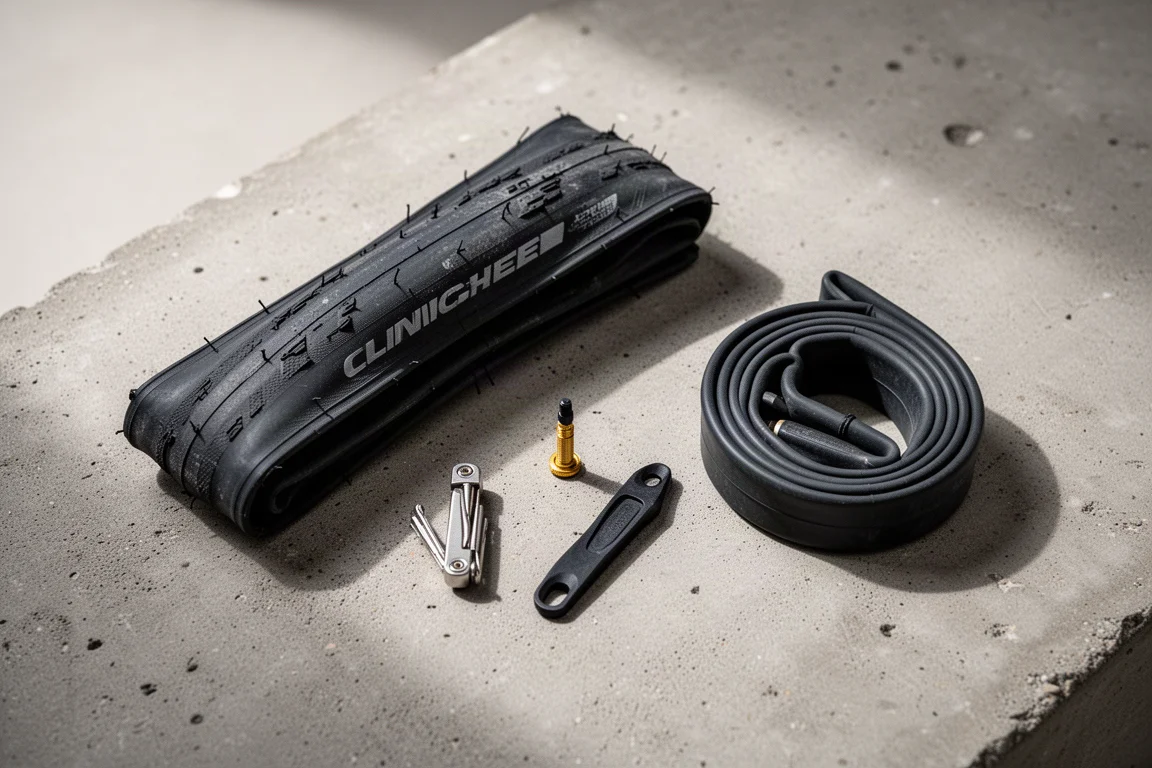
Clincher and tubeless tires are increasingly advertised as aero, with the interface between the rim and the tire presented as an optimisation opportunity. The savings involved are described as minuscule, and unless you are chasing an Olympic medal on the track, they are not a reason to change tires.
The broader lesson applies across the category. Once a claimed benefit is measured in single watts, the price has to be judged against everything else competing for the same budget, and tires rarely win that comparison.
Why Position Beats Parts for Real Speed
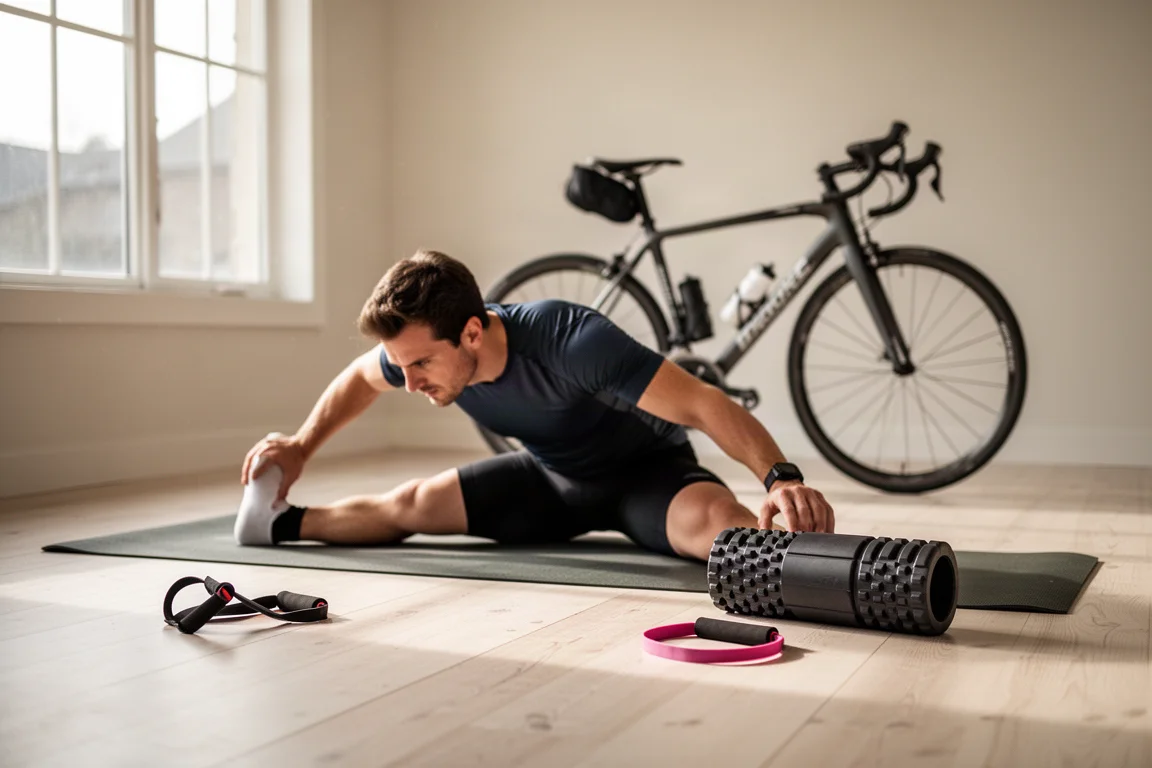
Nothing beats working on your position. This is not something you can buy, and it takes time and effort to hold a more aerodynamic position on the bike. In wind tunnel testing, a position change was by far the most influential adjustment, accounting for around 30 watts.
Stretching and core stability work make that change sustainable, and dedicating portions of easy training rides to holding an aero position helps it stick. Position changes also carry risk. A saddle height adjustment made as part of a fit session caused knee pain on longer rides that took a few months to settle, so anyone considering a significant change should consult a bike fitter.
Buying Advice
The three products in this guide are not bad products. Each one does what it claims, and each one is priced for a particular kind of rider. The CeramicSpeed OSPW Aero is race equipment, the Enve SES Aero Bar is a shape and position upgrade, and the Mavic Aksium is a dependable alloy wheelset that keeps the cost of riding low.
The decision framework is straightforward. If you race and every second counts, the marginal gains have a context and a purpose. If you ride for fitness and enjoyment, the same budget is better directed at a bike fit, at core and flexibility work, or simply at more time on the bike. A position change delivered around 30 watts in testing, far more than any of the components here, and it costs effort rather than cash.
Conclusion
Aero upgrades are worth considering when the claim, the price, and the rider line up. For most riders that means treating oversized pulley cages, expensive aero handlebars, and high-end wheelsets as optional rather than essential, and putting position work first.
Further reading
Related Reviews
Cycling Gear
8 Cycling Products Riders Keep Coming Back To
Eight cycling components and accessories with clear strengths, honest trade-offs and long-standing reputations among riders and mechanics.
Cycling Gear
Aero Helmets and Bottle Setups Tested: Six Options Ranked by Measured Watt Savings
Wind tunnel data on six aero helmets and bottle setups, with real watt savings, practical trade-offs, and guidance on what is worth buying first.
Cycling Gear
Aero Road Bikes and Fast Tires Worth Watching in 2026
Four aero road bikes and one fast road tire, with the real strengths, the open questions, and what to check before you buy.