Road Bikes
Factor One Review: An Aero Road Bike Built Purely for Race Pace
A close look at the Factor One, a race-first aero road bike with a steep seat tube angle, a long low front end, and a frameset priced at $7,599 or £6,899.
Introduction
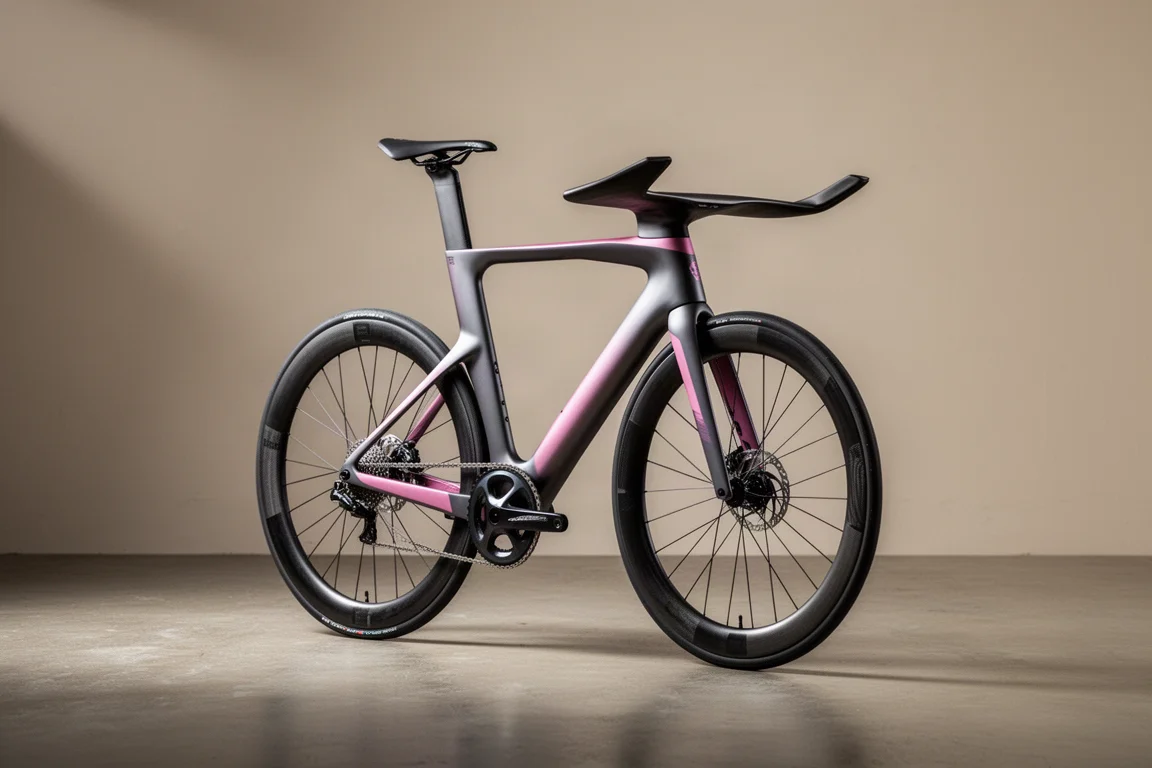
The Factor One is a new aero road bike built around a single goal: going fast. Factor describes it as the world’s fastest road bike, a claim that sits in a crowded field of similar claims from other brands. More interesting than the headline is how the bike is put together. It uses a steep seat tube angle and a long front end to place the rider further forward over the bottom bracket, a layout borrowed from time trial thinking rather than traditional road geometry.
It is not a bike for every rider, and it is not priced like one. The frameset alone, which includes the frame, fork, handlebars and seat post, is listed at $7,599 or £6,899. A complete build adds deep-section wheels, an electronic groupset and carbon finishing kit on top of that.
Who This Bike Is For
Factor has built a world tour racing bike, and that is the honest starting point. It is extremely aggressive, very long and exceedingly low, which puts the rider into an aerodynamic position and rewards strength and flexibility. The first impression on a short spin can include a little tension in the lower back, which is a useful signal about how well the position suits you.
It suits riders who race, whether that means organised events, chasing personal bests on a local loop, or sprinting for town signs with friends. It also suits riders who simply ride a great deal, ten to twenty hours a week, and who can hold a long, low position without discomfort.
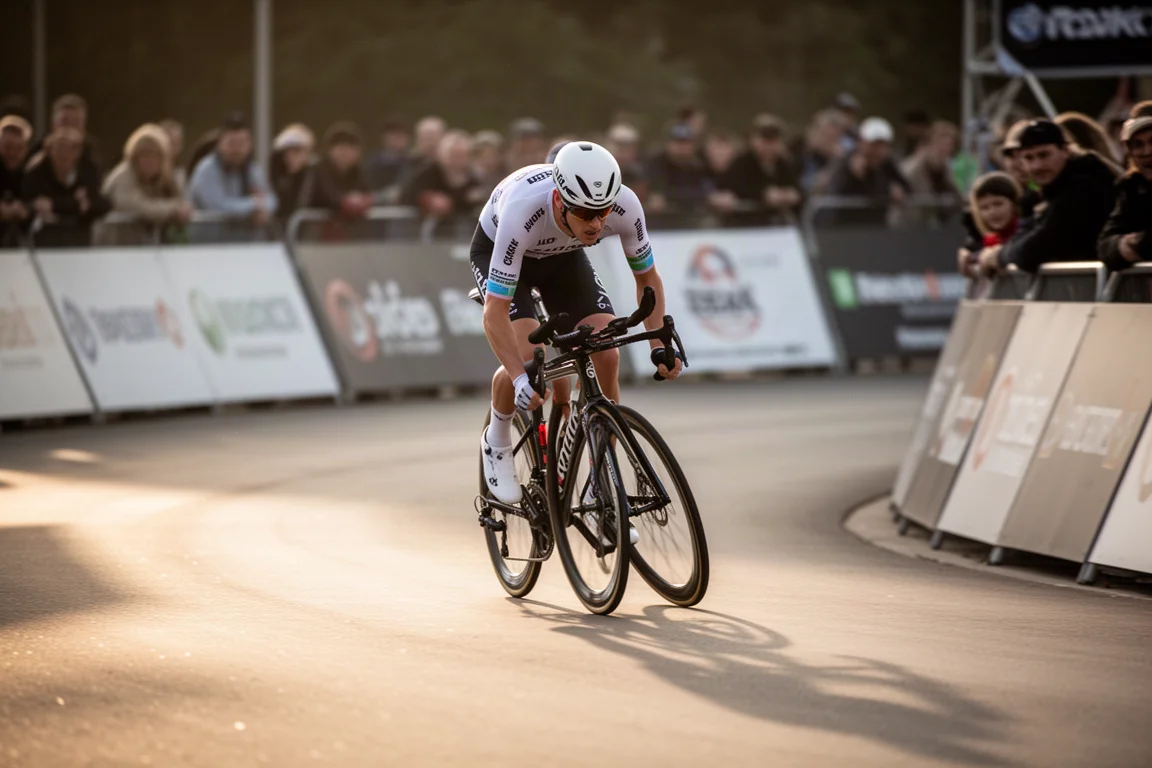
Riders who mostly cruise below 30 km/h will find it less rewarding. The geometry and tube shapes are designed to come into their own as speed rises, and the bike feels noticeably more settled and balanced the harder it is pushed. At a casual weekend pace, that same design works against it.
Frame and Geometry
The frame uses a T47 threaded bottom bracket and a UDH derailleur hanger, and rear tyre clearance is 34 mm. There are five frame sizes from 47 to 58. A 47 sounds tiny on paper, but it fits riders around 5 ft 7 in well, because the size numbers do not map neatly onto other measurements in the geometry table.
The headline figure is the seat tube angle: 76.5 degrees on the size 47, which is close to what you would find on a time trial bike. Combined with a longer top tube, this moves the saddle and the rider forward relative to the bottom bracket while keeping the wheels in the right place under the rider. The point is to open the hip angle, making it easier to produce power in a long, low position, without wrecking cornering stability.
Only a small number of bikes currently take this approach, and it is a meaningful shift rather than a cosmetic one. The wide, flat tube shapes are part of the same story. The fork and frame members are noticeably larger than on older race bikes, which is possible because the sport’s equipment rules were updated to allow fatter tubes. Wider tubes generally mean better aerodynamic performance, which is why the fork looks so oversized.
How It Rides at Speed
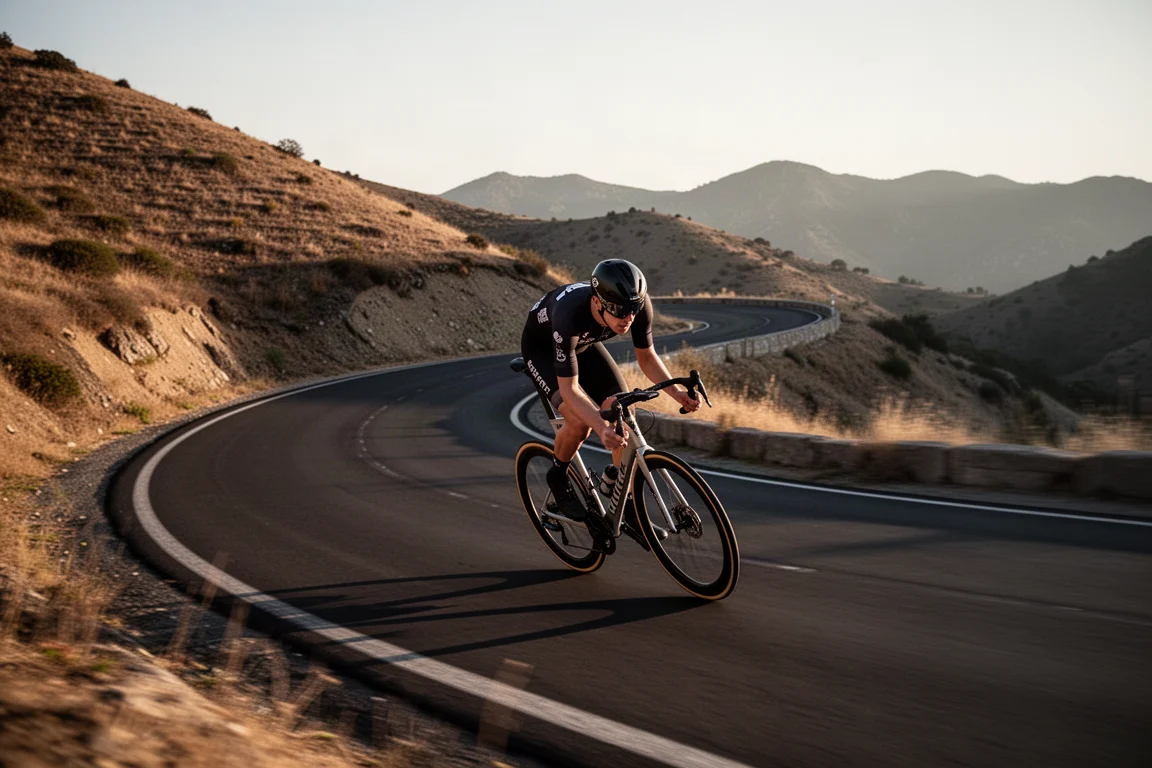
At speed, the Factor One is poised and well balanced. It holds a line confidently and feels composed when pushed hard, which is exactly what the geometry and the deep-section Black Inc 62 mm wheels are there to deliver.
At low speed it is a different bike. Below roughly 30 km/h it feels sedate and slightly lethargic rather than sharp, and it is slow manoeuvring where the front end shows its weight. Swap the deep carbon wheels for a set of alloy training wheels and the character changes again: still comfortable, but with more road buzz coming through the frame and a slightly twitchier feel than before.
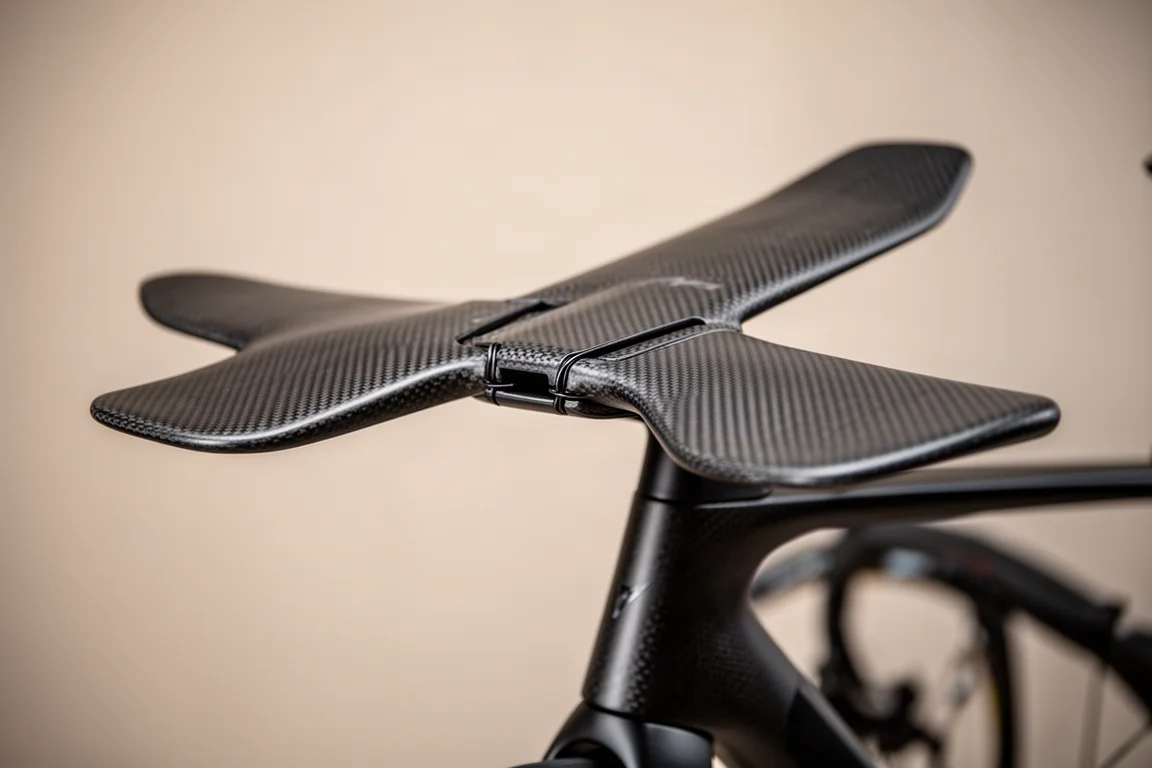
The cockpit reinforces the race-first intent. The 38 cm handlebar paired with modern long-hood shifters puts the hands in a position that feels closer to the hoods of a time trial bar than a conventional road setup. It is a deliberate trade for aerodynamic gain, and it shapes the whole feel of the bike.
Build Details and Component Notes
The build uses a SRAM Force groupset with a 48/35 chainset and 165 mm cranks, a Selle Italia SLR carbon saddle, a proprietary zero setback seat post, and Black Inc 62 mm deep wheels with Continental GP 5000 STR tyres. All handlebar options are 38 cm wide, and the differences between them are stem length and height, including one option that raises the bar position by 20 mm.
Weighed with a Garmin mount fitted, the bike came in at 7.49 kg (16 lb 10 oz). Hydraulic brakes and fully integrated cables are standard, the bottom bracket is a standard threaded design, and the seat post clamp is simple and easy to live with. The headset, however, is not a standard part, which matters for servicing and for travel.
Smaller riders should plan around the seat post. On the size 47 frame, the post at maximum insertion gives a saddle height of 74 cm, while a rider around 5 ft 7 in may need closer to 71 cm, which means cutting the post down. It is a normal task for a dealer but not something to attempt casually on a carbon component.
Living With It Day to Day
Compared with an older rim brake race bike, the Factor One is more demanding to own, but compared with other high-end modern race bikes it is broadly on par. The integrated cabling, hydraulic brakes and non-standard headset mean servicing is best handled by a specialist, and travelling with the bike realistically calls for a dedicated bike box to avoid taking the headset apart.
On the road, the practical details are friendlier than the geometry suggests. Tubeless tyres mean a puncture can usually be fixed with a plug, and there are places to carry essentials. It is still a bike that asks for commitment rather than convenience, and owners who treat it like a specialist machine rather than a general-purpose one will be happier with it.
What to Weigh Before Buying
The first question is fit, not speed. This bike is long, low and built around a forward, aggressive position. If your back or your riding history does not suit that, the geometry will limit how long you can comfortably ride it, and no component swap fully solves that. It is designed around young athletes riding twenty hours a week, and that is worth being honest about.
The second question is the fastest-bike claim itself. Several brands publish wind tunnel results showing their own bike at the top of the pile, and testing methods vary enough that the numbers are hard to compare directly. Aerodynamic differences between riders of different body shapes can matter more than differences between frames, and some tests are run without a rider at all. Choosing on geometry, and on how the bike looks to you, is a more reliable approach than choosing on a marketing headline.
The third question is cost and ownership. This sits at the top of the off-the-peg market, and the servicing and travel overhead that comes with a fully integrated race bike should be part of the calculation.
Buying Advice
If you race, ride hard and often, and can hold an aerodynamic position for hours, the Factor One is a coherent, purposeful machine with geometry that reflects where modern race bikes are heading. It is also one of the few bikes on the market pushing this particular design direction, which makes it interesting regardless of which badge ends up on your shortlist. Riders who want a fast weekend bike for hard efforts at a chosen sign or segment will also get what they came for.
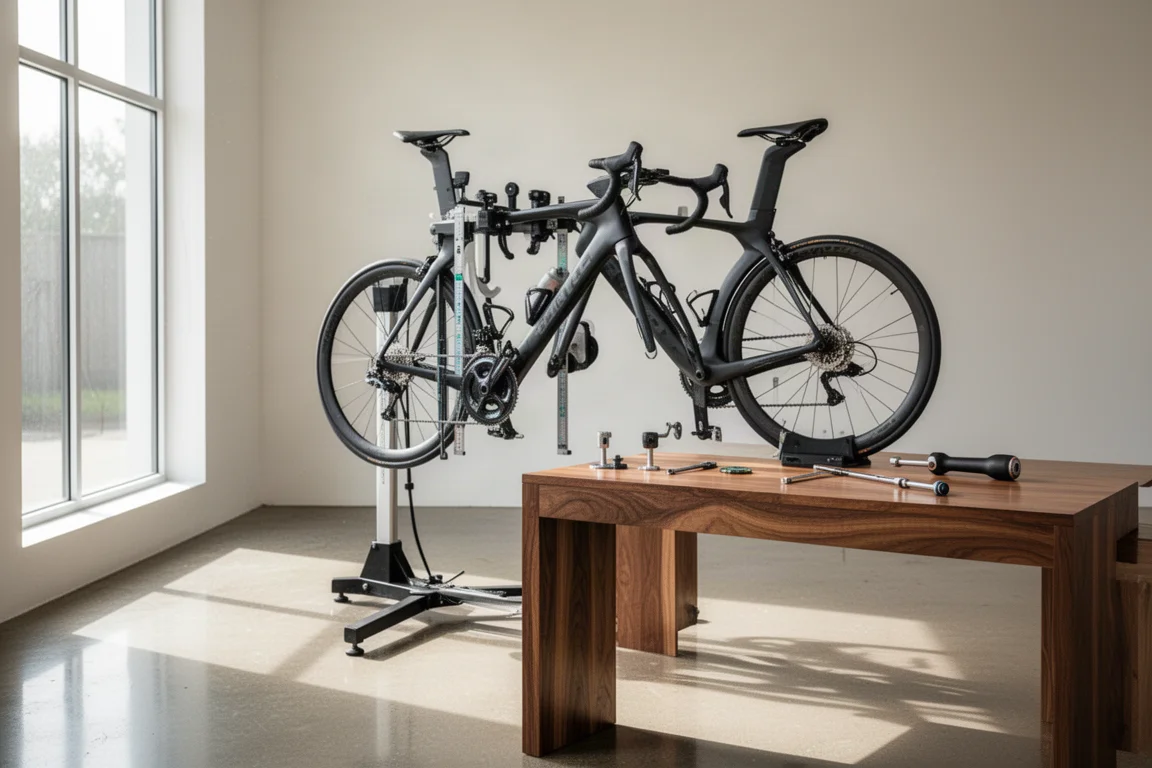
If most of your riding happens below 30 km/h, or if comfort and easy maintenance matter more than outright speed, your money will go further elsewhere. This is a bike that earns its keep at race pace, and it is honest about that. Above 30 km/h it feels genuinely exceptional, and the cost of that is everything it gives up at lower speeds.
Conclusion
The Factor One is a genuine race bike with a clear design thesis: a steep seat angle, a long front end, broad aerodynamic tubes, and a ride that comes alive at speed. It is expensive, it is demanding to live with, and it is not for everyone. For riders who race and ride fast, that combination is exactly the point. For everyone else, it is a fascinating piece of engineering to admire rather than a bike to buy.
Product link
View more details for Factor One
This product is mentioned in the review. Check the specifications, options, and compatibility before buying.
View more details for Factor OneFurther reading
Related Reviews

Road Bikes
10 New Road Bikes Worth Watching: Aero, Titanium, Steel and Endurance Standouts
A practical roundup of 10 new road bikes, from aero flagships chasing single-watt gains to titanium, steel and endurance platforms built for real roads.
Road Bikes
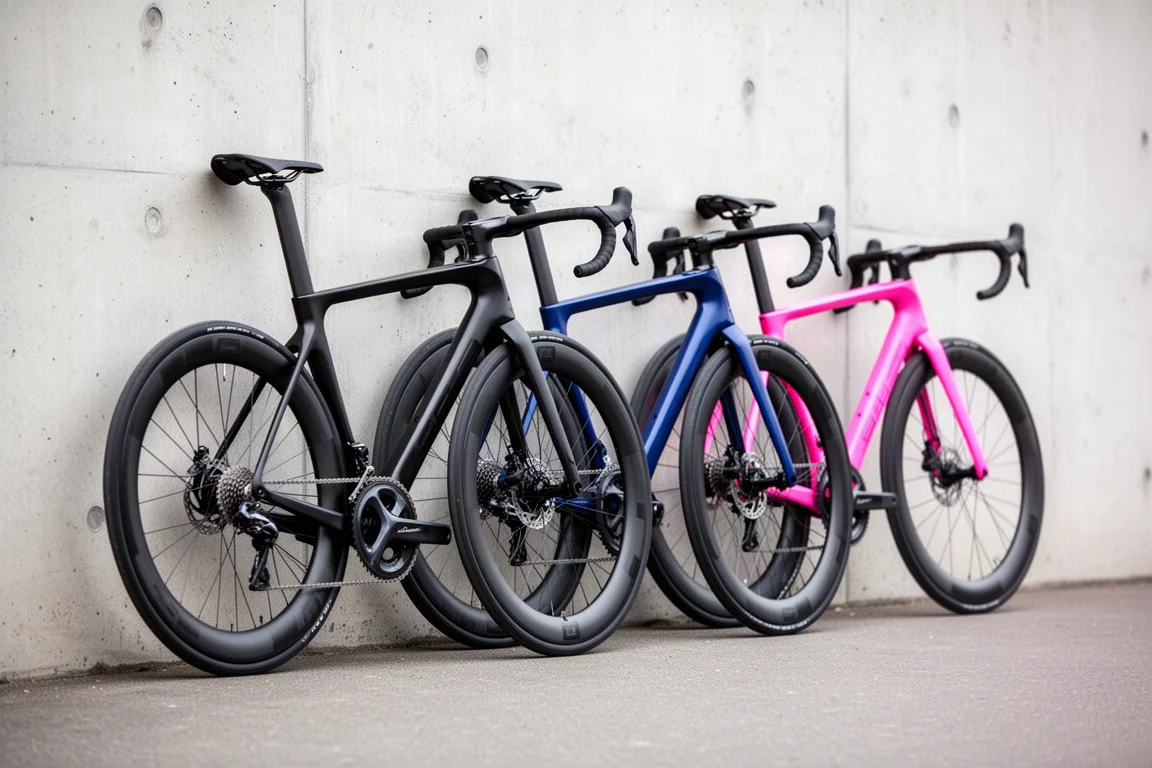
2026 Tour de France Road Bikes: Six Race Machines Worth a Closer Look
Six race bikes from the 2026 Tour de France grid, reviewed for paint, silhouette, wheels and the specification details that matter to buyers.
Road Bikes
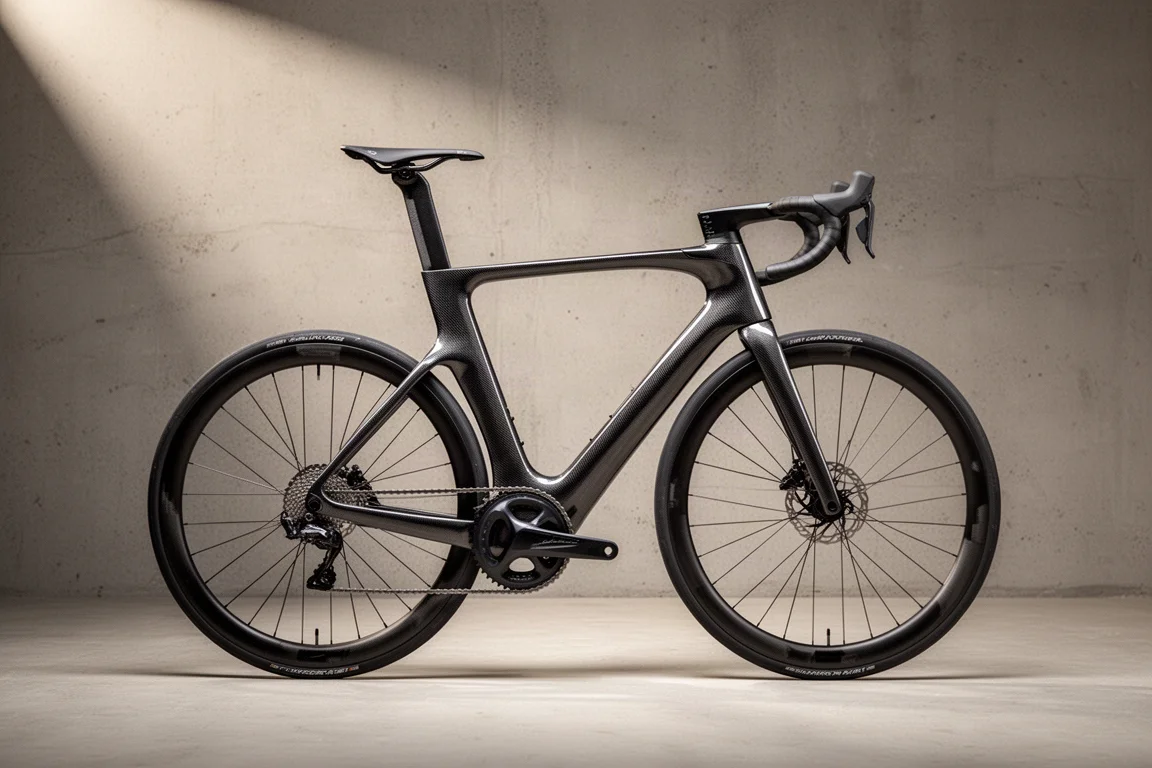
3T Strada Italia Review: A Radical Aero Road Bike That Rides Smooth
A made in Italy carbon aero road bike with a deep head tube, wide tire clearance and a genuinely comfortable ride. Here is what to know before buying.