Road Bikes
Factor O2 VAM Review: A 6.3 kg Aero Disc Race Bike Under the UCI Limit
Factor's O2 VAM pairs aerodynamic tube shapes and full integration with a 6.3 kg size 56 frame, a seat mast that divides opinion, and a price tag to match.
Introduction
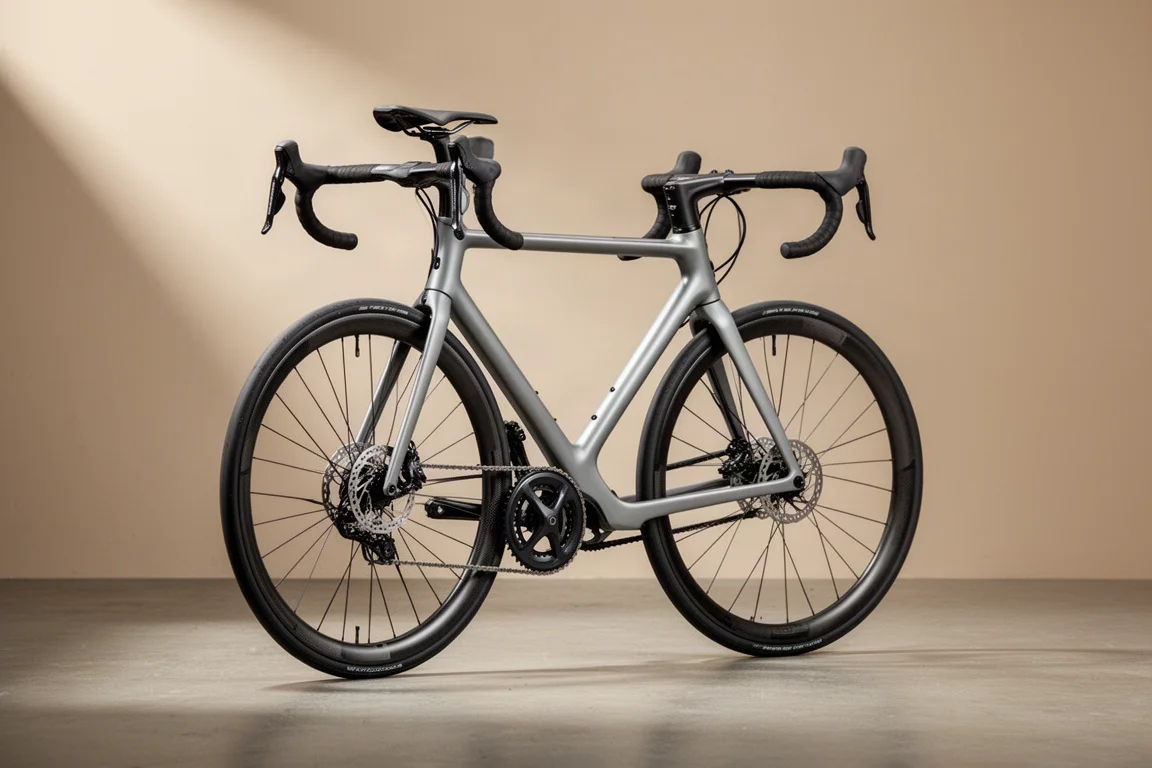
Factor’s newest road platform arrives with a striking claim: the lightest aero disc brake bike in the world right now. A size 56 frame is stated at 6.3 kg without pedals, and once pedals, a bottle cage and a computer are fitted, the complete bike still sits below the 6.8 kg minimum weight that professional racing rules require. That figure matters because it arrives alongside disc brakes, electronic gearing and full aerodynamic shaping rather than in spite of them.
The interesting part is how that weight was reached. No one-off exotic carbon parts are involved, and the build uses standard off-the-shelf components, which makes the number easier to live with in the real world.
A light frame alone does not make a light bike, and ride quality matters as much as the figure on the scale. This article looks at where the O2 VAM stands out, what it feels like on the road, and what a buyer should weigh up before committing.
Who the Factor O2 VAM Is For
This is a race bike for riders who care about climbing speed and are prepared to pay for it. It suits riders chasing personal bests on long ascents, and anyone who wants aerodynamic tube shapes and integrated cockpit hardware without accepting the usual weight penalty that comes with them.
It is not the only option at the top of the market. The Specialized S-Works Aethos holds the outright lightness title at 5.9 kg, but it does not carry the same aerodynamic features or the fully integrated one-piece carbon handlebar and stem found here. Against more direct rivals, the Giant TCR Advanced SL and the Specialized S-Works Tarmac SL7 are both quoted at 6.7 to 6.8 kg without pedals, which puts the O2 VAM ahead on the scales.

Riders who prefer a bike that feels planted and substantial should read the ride impressions carefully, because the O2 VAM prioritises a light, immediate feel over that heavier solidity.
How Factor Achieves the Low Weight
A defining feature is a slender tapered top tube that flows into a new seat mast. The top tube makes use of a newer UCI rule covering minimum tube thickness, which in this case is 10 mm, and the result is one of the more distinctive silhouettes in the current race bike market.
The seat mast removes the clamp and metal hardware from the junction, which is very small here, so less reinforcement is needed around it. It also allows the whole area to deflect more when riding over rough roads, so weight saving and comfort are the two intended benefits.
Seat masts of this type are used by several brands, including Giant and Trek, and they have clear pros and cons. This one offers several options with different offsets and different lengths, so there is a fair amount of adjustment available. A very small metal two-bolt clamp at the back presses into a reinforced section of the mast. Based on early rides there was no slipping and no creaking, and the mast comes off easily enough that packing the bike should not be a hassle.
Main Strengths: Aerodynamics and Full Integration
The tube profiles are unambiguously aero. Truncated D sections are used for the head tube, the down tube and the seat tube, and the seat tube is particularly dramatic with a flat back. Super skinny rear stays flow into chunky chainstays, and an oversized T47 bottom bracket is specified for maximum power transfer.
Cable routing is fully internal, passing through Factor’s own Black Inc one-piece carbon fibre stem and handlebar with a D-shaped steerer tube. CeramicSpeed SLT solid bearings are part of the spec, a choice that a growing number of high-end brands have adopted.
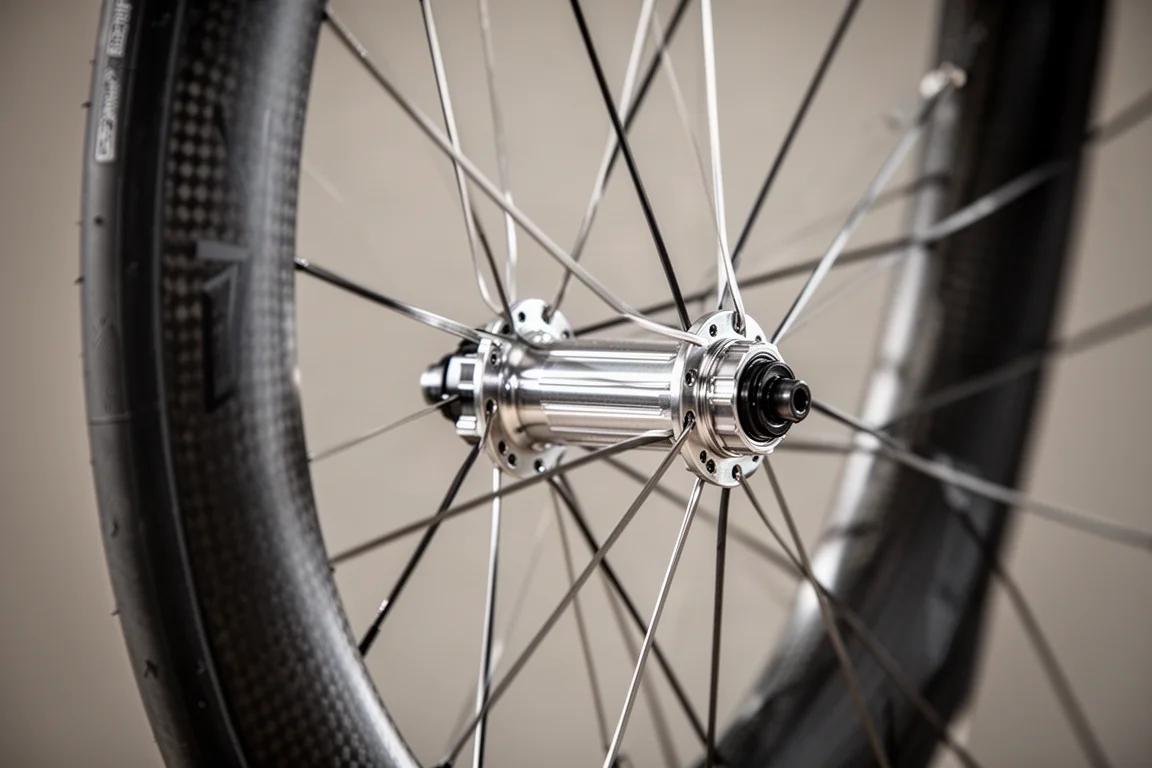
The wheels contribute a large share of the low overall weight. They are claimed at 1,146 g while still offering a generous 23 mm internal width, and they are tubeless compatible. Early rides were completed with inner tubes fitted, with a tubeless change planned for later.
Ride Quality and Handling
On the local climb used for testing, the previous best stood at 9 minutes 45 seconds. The O2 VAM finished 12 seconds off that mark, which says more about rider form than about the bike. What stood out was the feel: out of the saddle it was stiff, with no sense that stiffness had been traded away to save grams, and the lack of mass was noticeable every time a pedal was pushed over.
First impressions were that the bike felt flighty and almost delicate, but also more alive and immediate than the aero race bikes it was compared against. That sharpness comes through the saddle, the handlebars and the pedals. The sensation of delicacy faded as the miles went by, though it never feels quite as solid and reassuring as a Colnago V4RS or an Enve Melee.
Handling is familiar rather than radical. The geometry is conventional for an aero race bike, and turning, steering and cornering feel predictable and neutral. On descents it held its line well, coped with slightly windy conditions, and stayed composed rather than skittish, which makes it a credible all-round package rather than a pure climbing specialist.
Comfort and the Seat Mast Design
Comfort was the genuine surprise. A bike this light would normally be expected to compromise ride quality, but the seat mast design is intended to allow more deflection at the saddle, and on rough local roads the smoothness impressed. Saddle comfort in particular stood out across the rides completed so far.
The wider takeaway is that the frame is not punishing in the way a low weight figure might suggest. Riders who assume a 6.3 kg aero race bike must be harsh should factor that in, because the deflection built into the seat mast area appears to do real work on imperfect surfaces.

It is worth noting that these impressions are based on a limited number of rides, so longer-term behaviour of the mast and the frame as a whole remains to be seen.
Things to Consider Before Buying
Price is the first thing to confront. A frameset alone, with no components, costs £6,300. That is more than a Pinarello Dogma F, a Specialized S-Works Tarmac SL7 or a Colnago V4RS, and it is hard to find a comparable frame from a large established manufacturer at the same figure. A complete bike approaches £12,000, and adding a power meter pushes it beyond that. Stepping down to Force or Ultegra groupsets could leave change from £10,000.
The seat mast is the second consideration. It is not universally popular as a system, and while the adjustment range is reasonable and early behaviour has been trouble free, it will be a deciding factor for some riders either way.
Finally, durability and long-term ownership experience are open questions, because the assessment so far rests on a small number of rides rather than months of use.
Buying Advice: Price and Build Options
If the goal is the lowest achievable weight with aerodynamic shaping and full integration, and budget is not the primary constraint, the O2 VAM makes a strong case. It delivers the headline number without resorting to exotic one-off parts, and it rides with more composure than its weight suggests.

Riders who want the same race feel for less should look at the Force or Ultegra builds, which bring the outlay closer to the ten thousand pound mark. Riders who value a heavier, more planted sensation underfoot should ride one before deciding, since that is the clearest subjective difference against the established alternatives. Riders who prioritise outright lightness above aerodynamic integration could consider the S-Works Aethos instead, accepting that they would give up the aero package and the integrated cockpit.
Conclusion
The Factor O2 VAM does what it claims: an aero disc brake race bike that stays under the UCI weight limit when fully built, with pedals, a bottle cage and a computer fitted. It climbs and descends with composure, it stays stiff under hard efforts, and it is more comfortable than the weight figure suggests.
The barriers are real. The frameset price sits above several well established rivals, complete builds approach £12,000, and the seat mast will not appeal to everyone. For riders who want the lightest aero package available right now and can accept the cost, the O2 VAM is a compelling proposition, and it is worth a serious look before settling on anything else in this category.
Product link
View more details for Factor O2 VAM
This product is mentioned in the review. Check the specifications, options, and compatibility before buying.
View more details for Factor O2 VAMFurther reading
Related Reviews

Road Bikes
10 New Road Bikes Worth Watching: Aero, Titanium, Steel and Endurance Standouts
A practical roundup of 10 new road bikes, from aero flagships chasing single-watt gains to titanium, steel and endurance platforms built for real roads.
Road Bikes
2026 Tour de France Road Bikes: Six Race Machines Worth a Closer Look
Six race bikes from the 2026 Tour de France grid, reviewed for paint, silhouette, wheels and the specification details that matter to buyers.
Road Bikes
3T Strada Italia Review: A Radical Aero Road Bike That Rides Smooth
A made in Italy carbon aero road bike with a deep head tube, wide tire clearance and a genuinely comfortable ride. Here is what to know before buying.