Road Bikes
Factor O2 Monza vs Specialized Aethos 2: Two Endurance Road Bikes Built for Real Riders
Two endurance-leaning road bikes that keep race-bike pace without demanding pro-level flexibility, plus the geometry, weight, and build details that separate them.
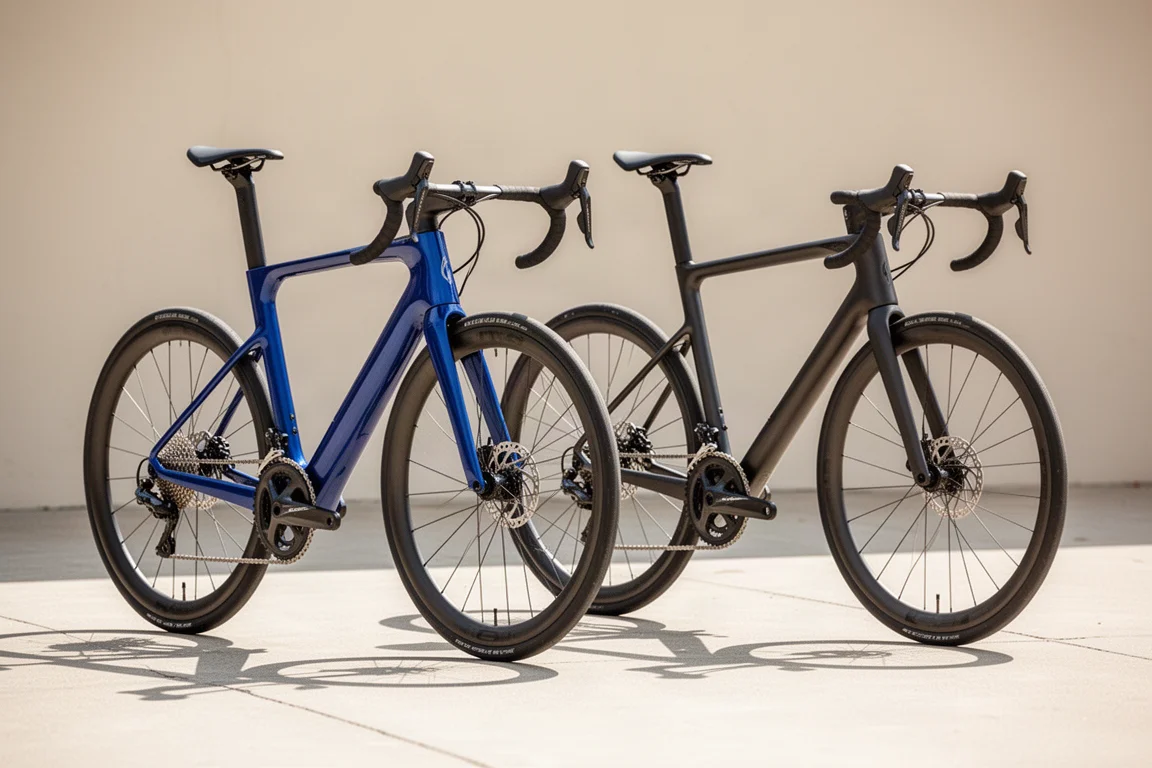
Introduction
For years, riders have been told that a bike with more relaxed, endurance-oriented geometry makes far more sense than a Tour de France race machine. The advice is sound in principle, but the execution has often disappointed. Many endurance bikes trade away the excitement that makes road riding addictive in the first place.
The Factor O2 Monza and the Specialized Aethos 2 are the counterargument. Both keep the pace and engagement of a fast road bike while reshaping the fit so that ordinary riders can actually use the position. Neither is a gravel bike in disguise, and neither is a softened touring machine. They are road bikes designed for riders who are not paid to suffer.
This guide walks through what each bike is, how the geometry differs, what the builds look like, and which one makes more sense depending on how you ride.
What These Bikes Are and Who They Are For
Both of these bikes sit in a space that is drifting away from classic endurance territory. Endurance models in general have been edging toward all-road use, with huge tire clearances and light gravel capability. That is not the case here, though the clearances are still generous for a road bike. The Specialized Aethos 2 accepts tires up to 35 mm, and the Factor Monza takes up to 34 mm.
That matters on rough surfaces. A 30 mm tire for racing and a 32 mm tire for training is a realistic setup on poor roads, and both frames swallow those sizes with room left over. It also future-proofs the bikes somewhat.
Both frames also use UDH rear dropouts. Whatever your view on the standard, the industry is clearly moving toward it, and buying a new bike with that dropout makes long-term sense.
The defining difference between these two and a WorldTour race bike is geometry. It is not the most glamorous subject, but it is the single biggest factor in whether a long ride feels comfortable or punishing.
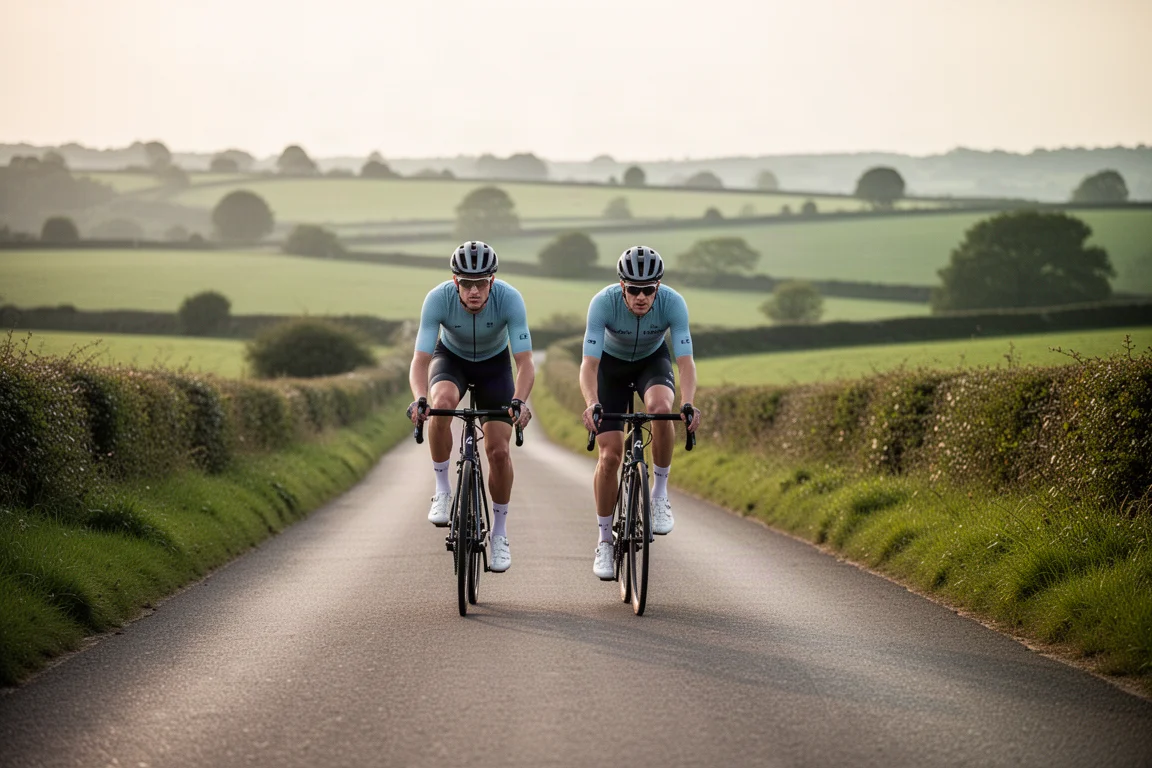
Factor O2 Monza: Race Speed With a Sensible Fit
Factor does not even label the Monza an endurance bike. The company describes its fit as performance plus, which in practice means a front end that is a little taller and a little shorter than its race platform. Everything else carries over unchanged: the same chainstay length, the same seat tube angle, and the same head tube angle as the brand’s WorldTour race bike.
The numbers are small. The Monza sits just 9 mm taller and 5 mm shorter than that race model. The benefit is that a comfortable position can be achieved without stacking a tower of spacers under the stem, which would otherwise degrade the handling of the bike.
Factor also offers a choice of seatpost offset, either 0 mm or 25 mm setback. That kind of option is rare even on race bikes, and it is welcome on a bike aimed at everyday riders.
On the road, the Monza feels every bit as quick as its WorldTour sibling. That is a strong result for a package that costs around 3,000 pounds less. It would not look out of place at a Saturday criterium, yet it is comfortable enough to ride every day.
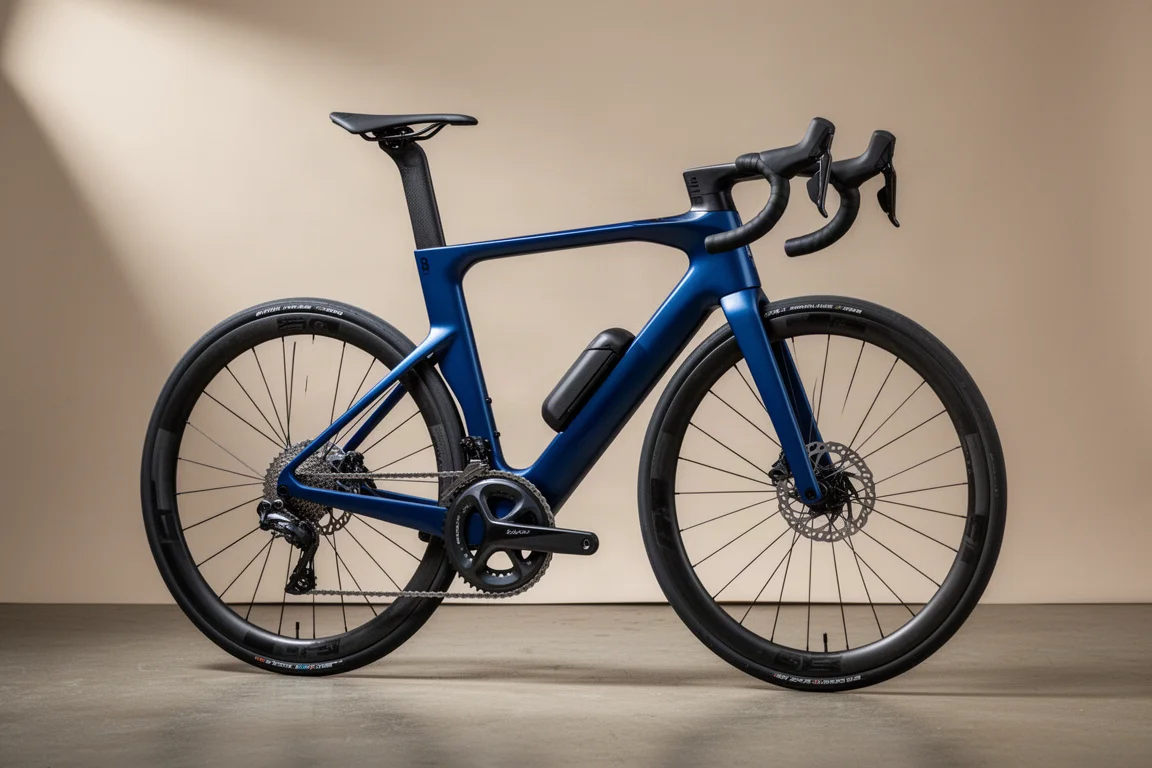
Specialized Aethos 2: Lightweight Comfort and a Compliant Ride
Specialized has taken a slightly more endurance-oriented approach with the Aethos 2. The front end is 15 mm taller and the reach is 7 mm shorter, and the wheelbase grows thanks to longer chainstays. The result feels a touch less snappy than a pure race bike, but it remains noticeably more race-oriented than the Roubaix, the brand’s long-standing endurance model.
The bottom bracket sits 2 mm lower and the head tube angle is half a degree slacker. Specialized has kept the same seat tube angle, which is significant because seat tube angle shapes how far forward you sit over the bottom bracket. A steeper angle puts you directly over the cranks and feels racier. A slacker angle places you further back over the rear wheel, which adds stability at the cost of snap and power transfer.
Weight is where the Aethos 2 stands apart. The frame weighs 705 g, and the S-Works version comes in at 585 g. Built with a Shimano Ultegra Di2 groupset, Alpinist CLX II wheels using slightly heavier DT Swiss 350 hubs, a one-piece Alpinist cockpit, a carbon seatpost, and a Mirror saddle, the complete bike weighs 6.73 kg. That is under the UCI weight limit, and nobody could reasonably call it heavy.
On climbs it is a pleasure. It is very nimble despite the slacker front end, and on long 100-mile days where outright speed matters less, it is genuinely comfortable. The rear end is notably compliant. The stock tires are the weak point, and swapping them would unlock more performance and more comfort.
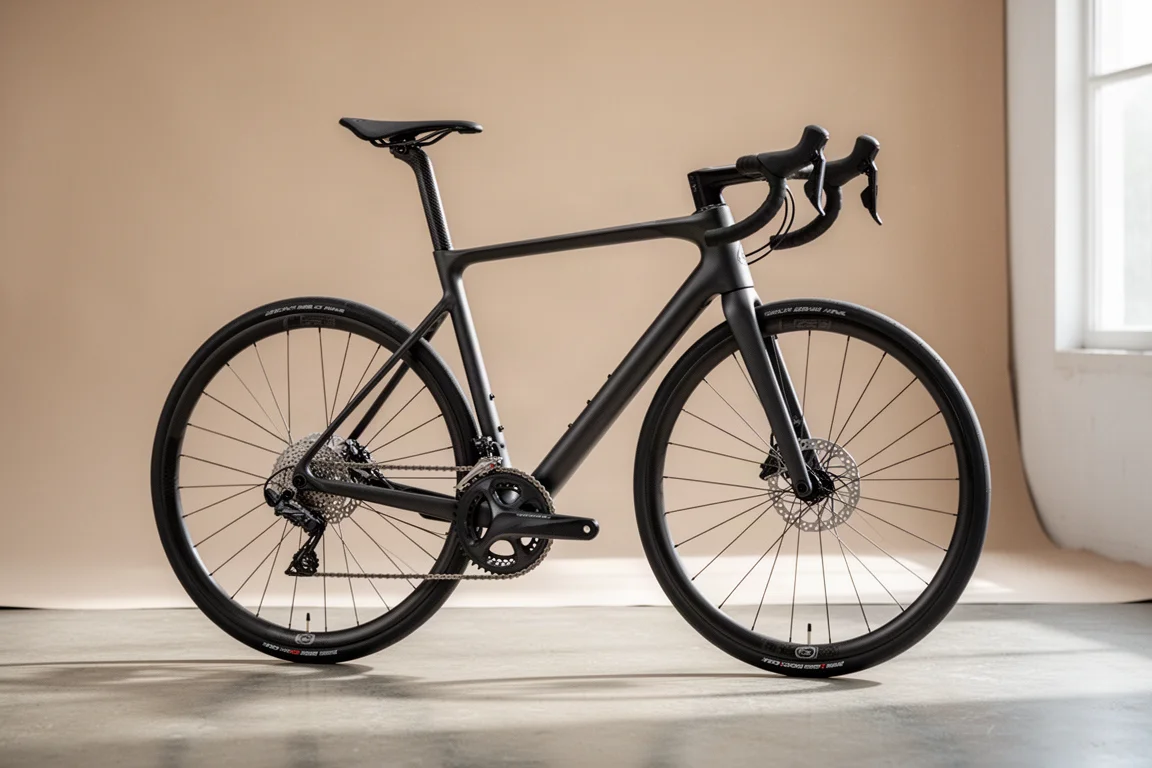
Geometry and Fit: What Changes for Everyday Riders
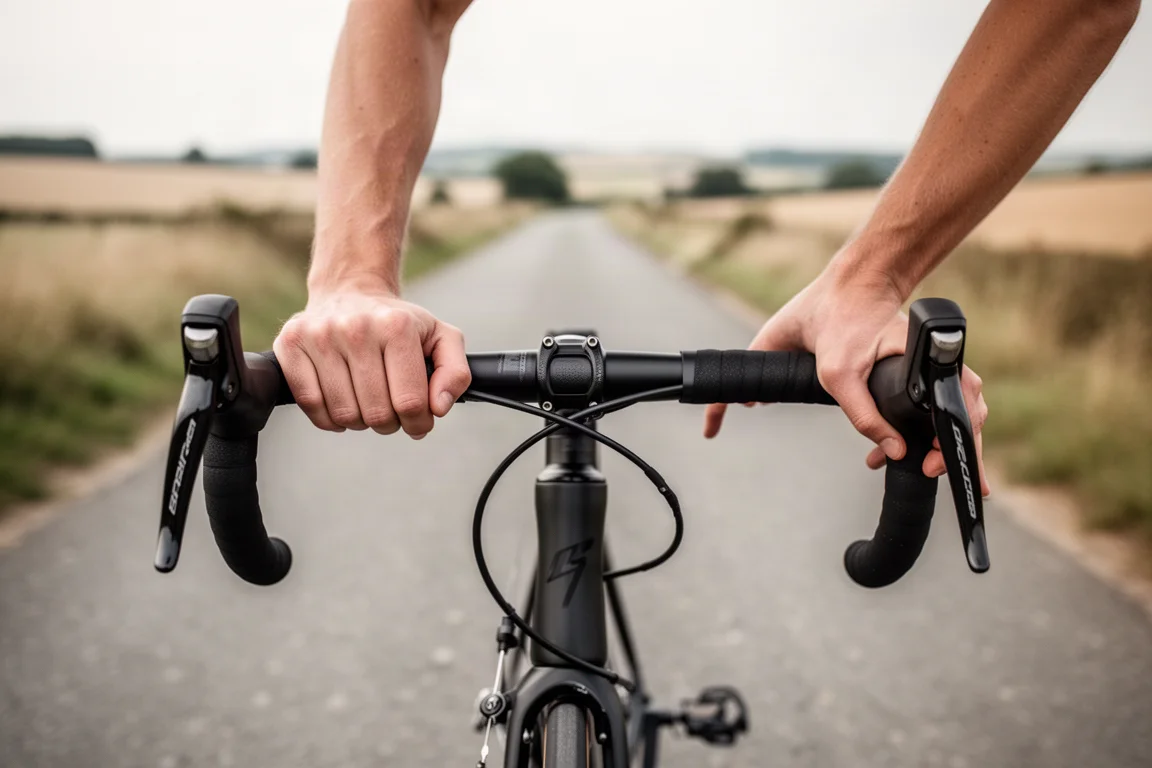
The value of a more relaxed geometry becomes clear once you stop comparing it to what professionals ride. Pros run very long, very negative stems to stretch themselves as far over the front end as possible. That position is not achievable or desirable for most riders, whose hip flexors are simply not conditioned for it.
What both of these bikes deliver is a sensible, racy position that you can hold without resorting to workarounds. You get the fast feel of a modern road bike without cutting corners on fit.
The two approaches differ in degree. The Monza keeps the angles and chainstays of a race bike and only lifts and shortens the front end, which keeps the handling character almost intact. The Aethos 2 goes further, lengthening the wheelbase and slackening the head tube while leaving the seat tube angle alone, which preserves the aggressive relationship to the bottom bracket while calming the steering slightly.
Neither approach has meaningful downsides for real-world riding. If anything, the ride quality improves because the rider is not fighting the bike to stay comfortable.
Weight, Tire Clearance, and Modern Standards
The Aethos 2 is the lighter of the two by a clear margin. A 705 g frame and a 6.73 kg complete build place it firmly in weight-obsessed territory, and the S-Works version drops the frame to 585 g.
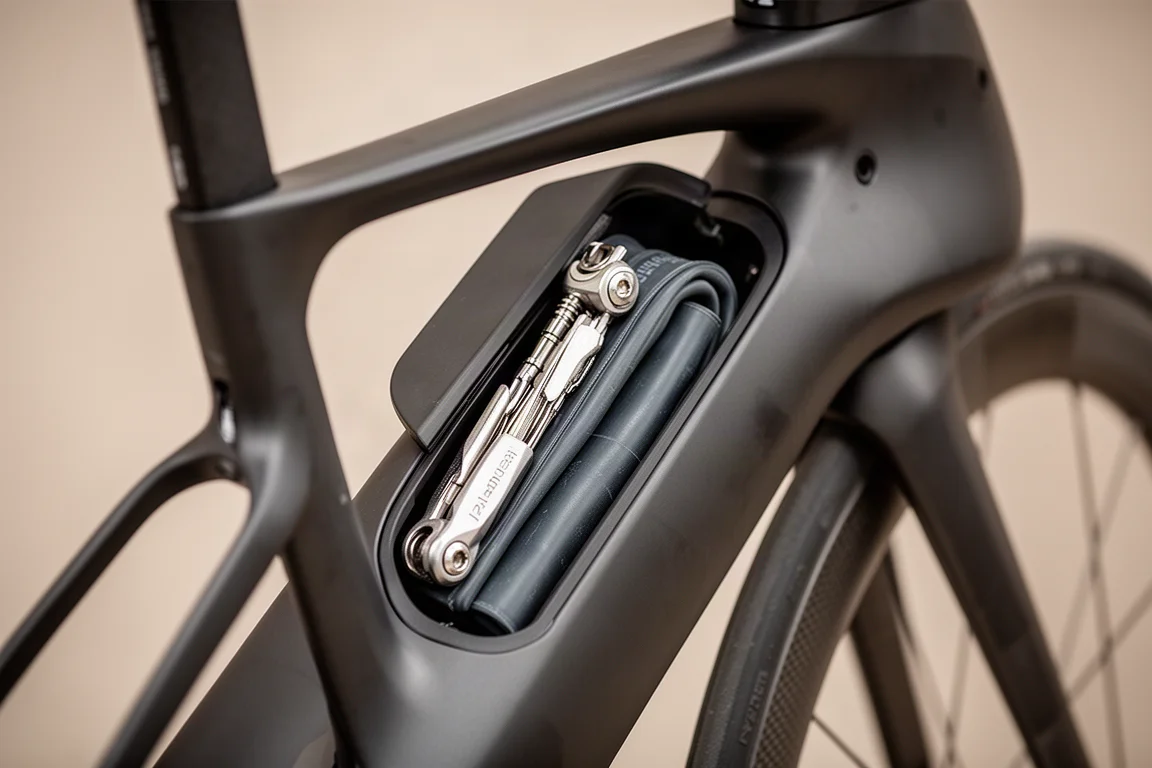
The Monza is heavier by design. Its frame comes in around 1,100 g, roughly 250 g more than the brand’s race frame. That extra mass comes with deeper tube shapes and internal frame storage, a feature that proves more useful in daily riding than it first appears. Riders who expected to ignore it often end up using it constantly.
The two bikes are close on clearance, with 35 mm on the Aethos 2 and 34 mm on the Monza, and both adopt UDH rear dropouts. The Monza adds the option of a 0 mm or 25 mm setback seatpost, which gives more room to dial in position without changing components.
Components and Build Details
The Specialized Aethos 2 pairs Shimano Ultegra Di2 with Alpinist CLX II wheels, which use DT Swiss 350 hubs rather than the lighter hub option. A one-piece Alpinist cockpit, a carbon seatpost and a Mirror saddle complete the build. The tires are the one component that holds the bike back, and they are an easy and worthwhile upgrade.
The Factor Monza runs a Black Inc bar and stem, with the test build measuring 130 mm long and 38 cm wide. Buyers working through an authorized dealer can choose from a wide range of bar and stem combinations, which is a genuinely useful level of customization. The Black Inc wheels use bladed spokes for a small aerodynamic edge over the round spokes found on the Aethos 2, and they are hookless.
The Monza’s SRAM Force groupset is a different flavor rather than a lesser one. Shimano road groupsets tend to feel slightly snappier and more direct in their shifts. SRAM stands out for gear ratios: a 10-33 tooth cassette paired with a 48 tooth chainring means fewer shifts between the small and big ring, which is welcome on rolling roads.
Ride Impressions on the Road
The Monza is the more overtly exciting bike. It carries the pace of a top-tier race machine, handles a fast local criterium without embarrassment, and still manages everyday comfort. Riders who want one bike to cover hard efforts and long easy days will find it hard to fault.
The Aethos 2 takes a gentler approach. It is not a bike most riders would choose for racing, but it is very nimble and exceptionally pleasant to spend hours on. The compliant rear end makes a real difference over long distances, and its low weight keeps climbs feeling light.
The honest summary is that neither bike gives up much. The relaxed geometry does not cost performance in any way that matters outside a race convoy.
Overall Buying Advice
Choose the Factor O2 Monza if you want a bike that behaves like a race bike but fits like something you can live with. The near-identical angles to the brand’s WorldTour model, the seatpost offset options, the internal storage, and the SRAM Force gearing make it a strong all-rounder that also happens to be substantially cheaper than the race flagship.
Choose the Specialized Aethos 2 if low weight and ride comfort top your list. A 6.73 kg complete build, a 705 g frame, and a compliant rear end make it a superb long-distance machine, and it remains more responsive than the brand’s traditional endurance model. Budget for a tire swap to get the most from it.
Either way, the wider point holds: a bike with more endurance-style geometry can still be fast, nimble, and genuinely fun. There are excellent options out there that you will never see ridden in the Tour de France, and that is exactly why they suit most riders better.
Conclusion
The Factor O2 Monza and the Specialized Aethos 2 both answer the same question in different ways. The Monza leans toward race-bike feel with a fit that real riders can use, while the Aethos 2 leans toward low weight and long-distance comfort without becoming dull. If you have been told for years that you should not buy the bike the pros ride, these two show what the alternative should have looked like all along.
Further reading
Related Reviews

Road Bikes
10 New Road Bikes Worth Watching: Aero, Titanium, Steel and Endurance Standouts
A practical roundup of 10 new road bikes, from aero flagships chasing single-watt gains to titanium, steel and endurance platforms built for real roads.
Road Bikes
2026 Tour de France Road Bikes: Six Race Machines Worth a Closer Look
Six race bikes from the 2026 Tour de France grid, reviewed for paint, silhouette, wheels and the specification details that matter to buyers.
Road Bikes
3T Strada Italia Review: A Radical Aero Road Bike That Rides Smooth
A made in Italy carbon aero road bike with a deep head tube, wide tire clearance and a genuinely comfortable ride. Here is what to know before buying.