Backcountry Skis
Faction Lausheen 2 Review: A Lightweight Freeride Touring Ski for Human-Powered Days
A close look at the Faction Lausheen 2, a 99 mm freeride-inspired touring ski with a paulownia and carbon build, a 1,378 g weight in the 177 cm length, and a 19 m turn radius.
Introduction
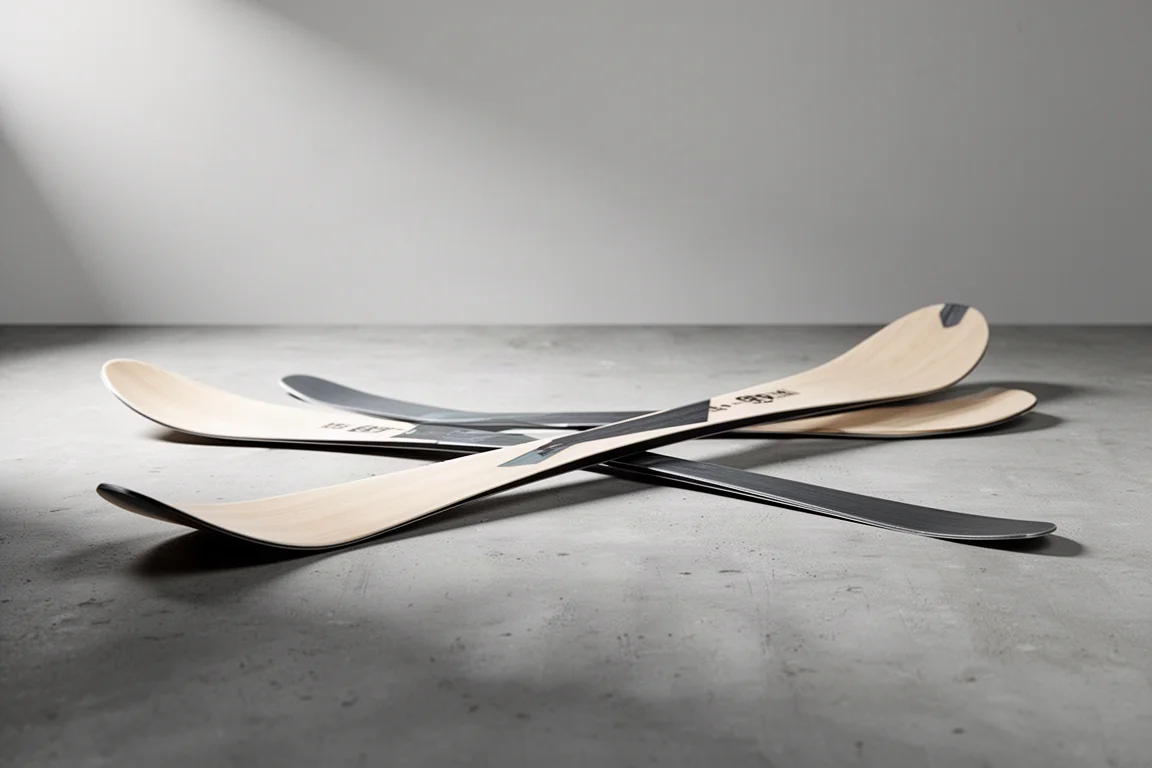
The Faction Lausheen 2 lands in a specific place within the brand’s lineup: a 99 mm waisted ski that leans into human powered skiing rather than lift served laps. Within the Lausheen family it carries the nickname “the mini,” which is a relative term. At roughly 100 mm underfoot with a big mountain attitude, it is a freeride inspired touring ski, or a touring inspired freeride ski, depending on which direction you approach it from.
Faction built its reputation around freestyle and freeride skiing, and this model is where that background meets lightweight backcountry construction. It stands on its own in terms of shape and profile rather than borrowing directly from other skis in the range, which is part of what makes it interesting for riders who plan their season around fresh snow and uphill effort.
Who This Ski Is For
This is a ski for people who spend most or all of their time in the backcountry. If your days are mostly human powered, with skins on and fresh snow as the goal, the Lausheen 2 is aimed squarely at you. Skiers who split their time between the resort and the backcountry have a different option in the range, since the Agent blends resort and backcountry use more evenly. The Lausheen 2 tips further toward the backcountry side of that spectrum.
That focus shapes everything about the ski, from its weight to its rocker profile. It rewards skiers who are comfortable working for their turns and who want a ski that stays efficient on the way up.
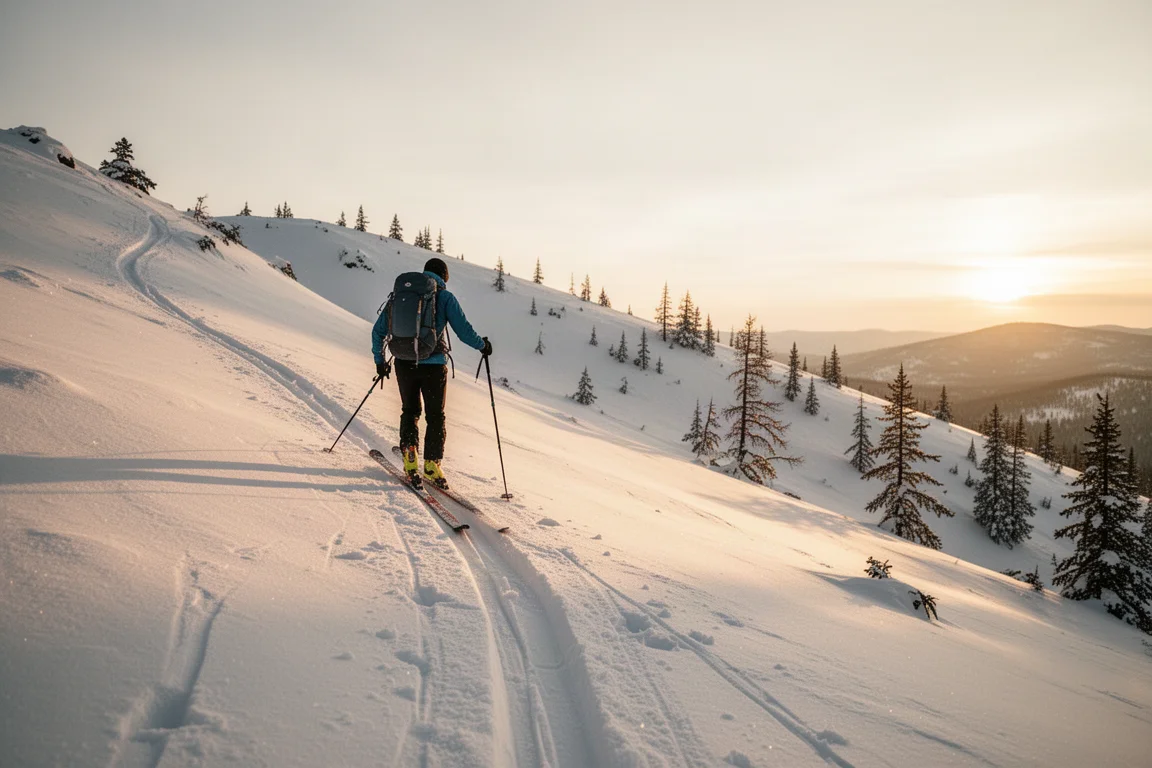
The 99 mm waist is a deliberate middle ground as well. It is wide enough to float and smooth out soft snow, but it is not a dedicated deep-snow-only platform, which suits riders who encounter a range of conditions across a season rather than chasing one narrow type of day.
Construction and Ride Character
The build starts with a paulownia core, a very lightweight wood normally used in touring skis and other weight-conscious designs. Paulownia also brings a decent amount of pop, so the ski does not feel dead underfoot. Full carbon laminates are added on top of that, increasing stiffness and helping the ski hold together when you push it hard.
Weight is a headline number here: 1,378 g in the 177 cm length. That sits below the 1,400 g mark and comfortably under the 1,500 g threshold that generally separates touring skis from heavier all-mountain builds, which translates into genuine uphill capacity.
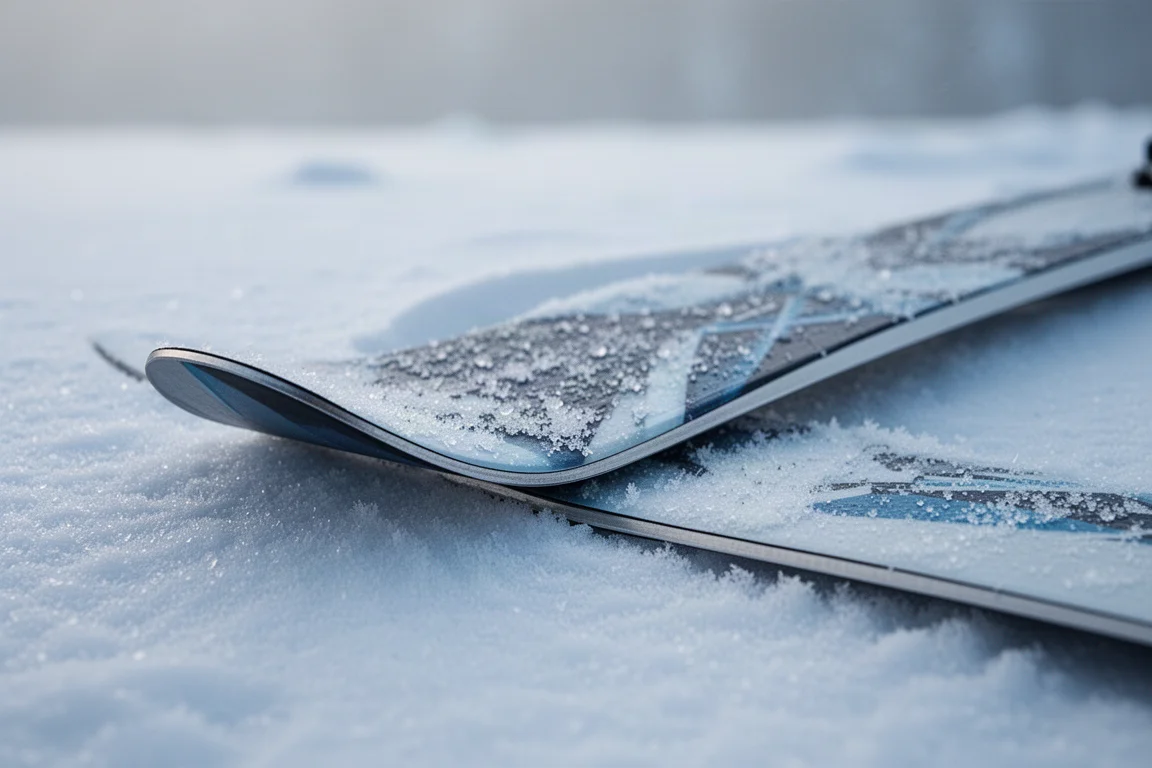
Construction details support the ride as well. The ski uses a full sidewall, with only the very tips and tails tapered to a cap, which gives strong edge grip and confidence when terrain turns tricky. There is not a lot of camber in the profile. Instead, a long rocker starts well down the ski and pairs with a dramatic taper, with the widest point set well back from a notably narrow shovel. The tail carries a decent amount of rocker but stays fairly straight, with nothing extreme in the taper.
The 19 m turn radius is slightly longer than a short-turn shape. That works in the ski’s favor in both directions: on the uphill it tracks more directly and is less prone to wandering, and on the downhill it lets the skier influence the shape and duration of the turn rather than being locked into one arc.
Main Strengths
The clearest strength is the balance between low weight and stiffness. Touring skis are often described as a compromise, and this one handles that trade-off well, staying efficient on the ascent while still performing on the descent.
Edge grip is another strong point. The full sidewall construction underfoot means the ski holds when the snow firms up or the line gets tight, which matters in technical terrain where confidence is everything.
The rocker and taper profile gives the ski good smoothness and maneuverability. It also makes the ski progressive rather than locked in, which means the skier gets to decide where to point it and how to spend the day. That is an appealing trait for anyone who likes to read terrain and adjust on the fly.
Things to Consider Before Buying
The first thing to be honest about is the intended use. This ski focuses on the backcountry rather than serving as a single do-everything resort ski. If most of your days start on a lift, a more resort-oriented model in the range will likely suit you better.
Second, the profile asks something of the skier. With limited camber, a long rocker, and a fairly straight tail, the Lausheen 2 gives you more influence over the turn rather than doing the work for you. Skiers who prefer a ski that drives itself may need a short adjustment period.
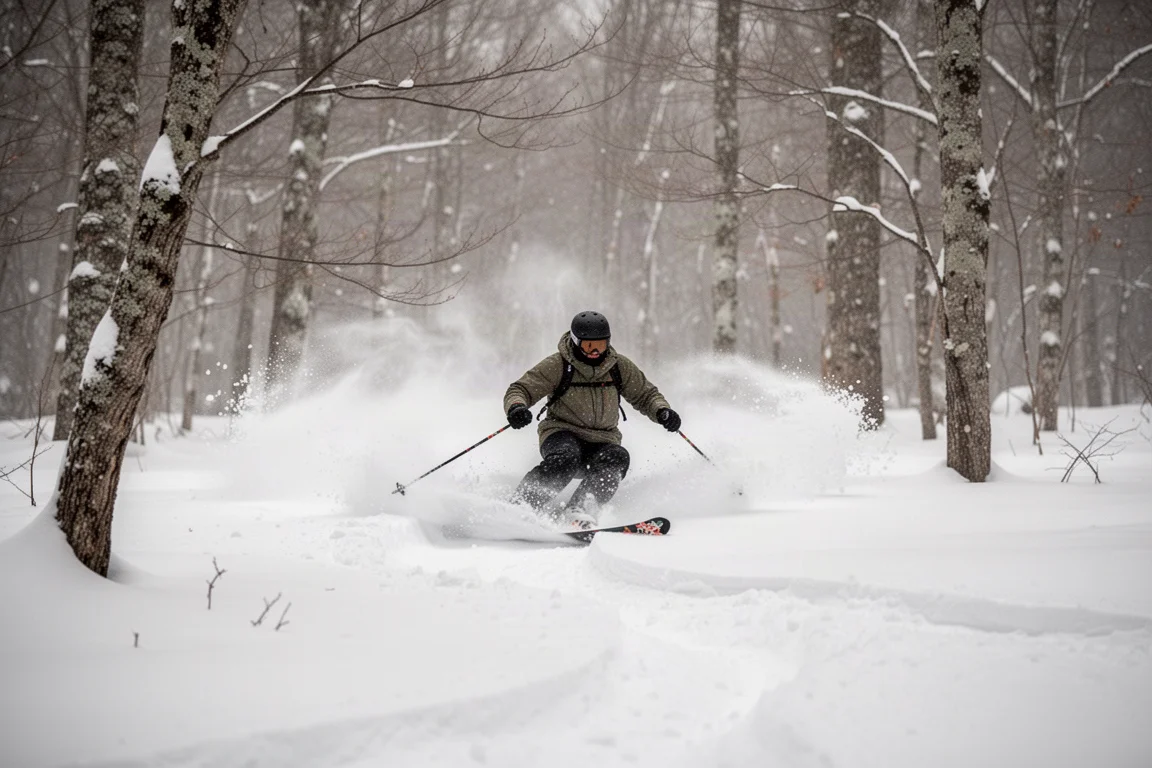
Third, the 99 mm waist is versatile rather than specialized. It handles soft snow well, but if your priority is the deepest days only, this width is a compromise rather than a dedicated powder shape. Think of it as a ski that covers a broad range of soft-snow conditions competently.
Buying Advice
The Lausheen 2 makes the most sense for a skier whose calendar is built around touring. If you already own a resort setup and want a lighter, more energetic companion for human powered days, this ski fills that role clearly. Its weight, its paulownia and carbon construction, and its rocker profile all point in the same direction.
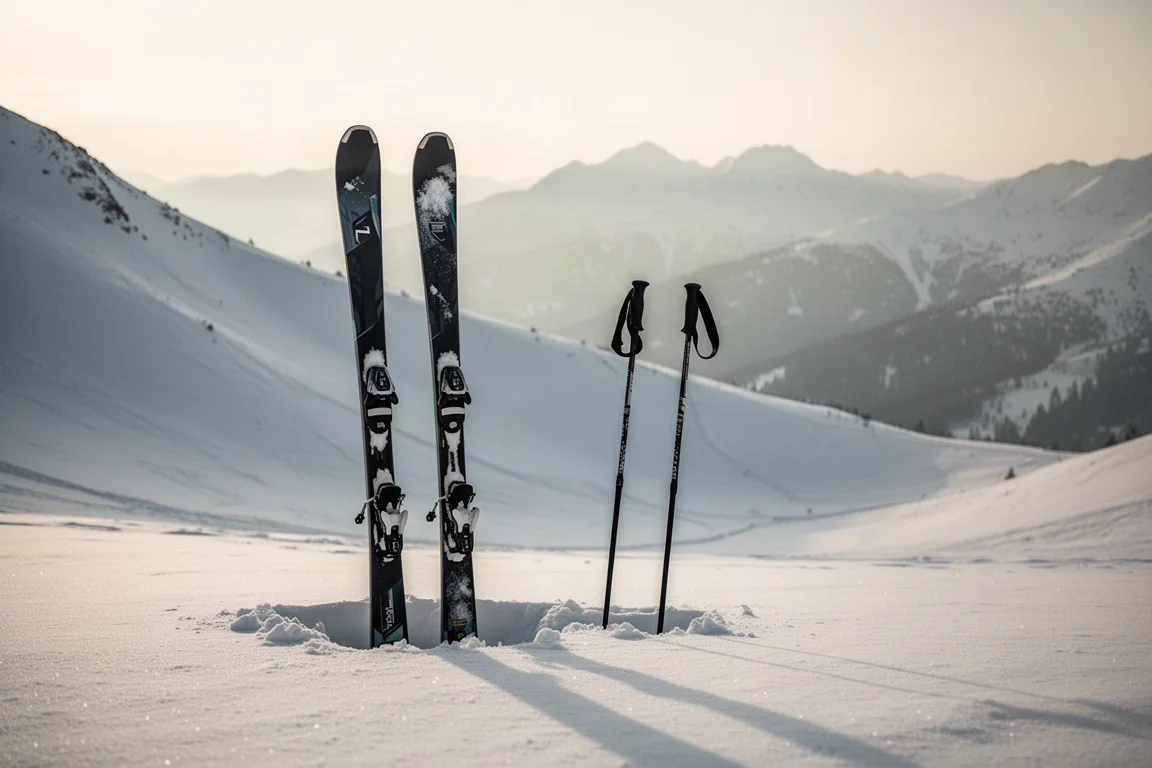
If you are choosing between this and a more balanced resort and backcountry ski, the deciding question is simple: how often do you actually earn your turns? The more often the answer is “most of the time,” the more this ski’s priorities line up with yours. Buyers who split their days evenly will likely be happier with a model designed around that mix.
Conclusion
The Faction Lausheen 2 is a lightweight freeride touring ski with a clear purpose. Paulownia and carbon keep the weight at 1,378 g in the 177 cm length, a full sidewall provides edge grip, and a long rocker with dramatic taper keeps it maneuverable in technical terrain. At 99 mm underfoot with a 19 m turn radius, it is built for skiers who spend their season climbing for fresh snow and want a ski that stays lively on the way back down.
Product link
View more details for Faction Lausheen 2
This product is mentioned in the review. Check the specifications, options, and compatibility before buying.
View more details for Faction Lausheen 2Further reading
Related Reviews
Backcountry Skis
Armada Locator 96 Review: A Lightweight Touring Ski Built for the Uphill
A practical look at the Armada Locator 96, a lightweight backcountry touring ski with a karuba wood core, carbon stringers, and a titanal binding platform.
Backcountry Skis
DPS Pagoda Tour 100 RP Review: A Lightweight Backcountry Ski Built to Turn
The DPS Pagoda Tour 100 RP takes a proven all-mountain shape and rebuilds it for touring. Here is how the construction, weight, and RP shaping come together.
Backcountry Skis
DPS Pagoda Tour 106 C2 Review: A Light Touring Ski With Alpine DNA
A close look at the DPS Pagoda Tour 106 C2, a 106 mm backcountry ski built on a proven alpine shape with a lightweight touring core.