Freeride Skis
Faction Dancer 4 Review: A 116 mm Freeride Ski Built for Soft Snow and Speed
The Faction Dancer 4 pairs a 116 mm waist with dual span titanal for a stiff, stable freeride ski aimed at advanced and expert skiers in soft, deep snow.
Introduction
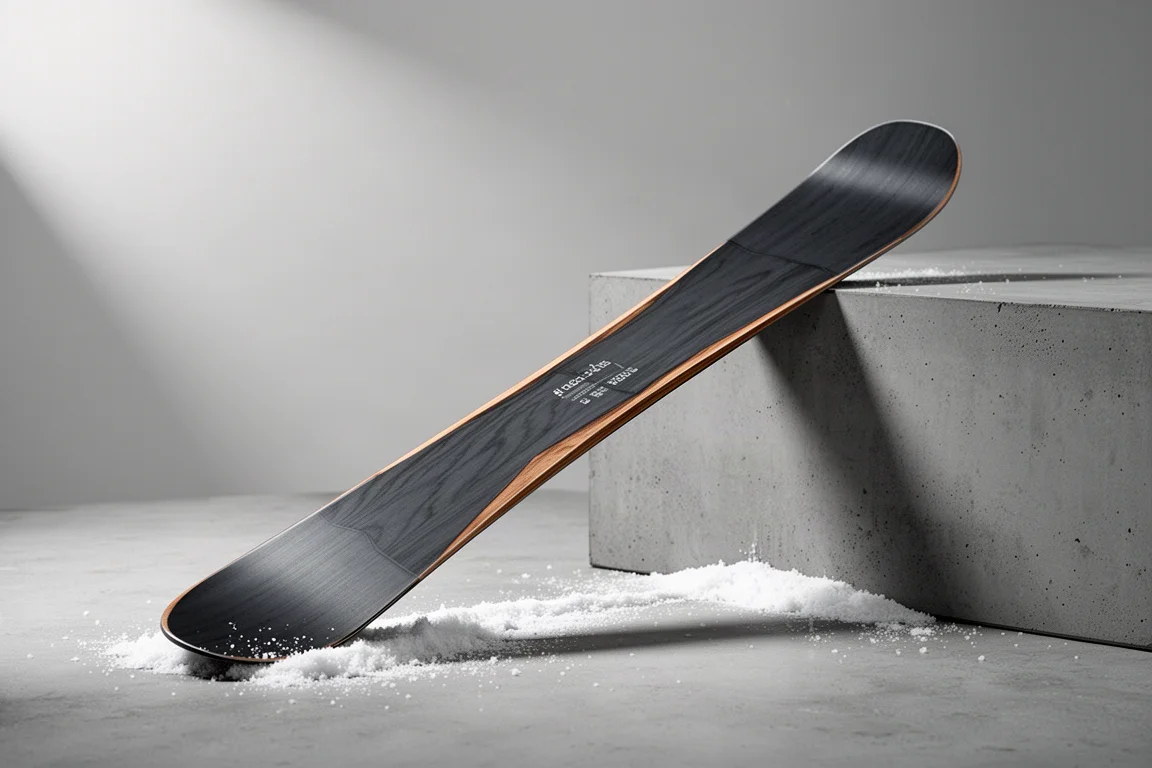
The Faction Dancer 4 sits at the wide end of the Dancer series, and it arrives with a combination that is genuinely uncommon at this width: 116 mm underfoot paired with two sheets of metal. Most skis in the freeride category lean on lighter constructions, so the Dancer 4 occupies a narrow slice of the market, a wide platform carrying the build of a far more serious all-mountain ski.
That build defines everything about how it skis. It is heavy, it is stiff, and it rewards a strong skier who is willing to drive it hard. In the right conditions it is a remarkably solid and energetic ski.
Who This Ski Is For
The Dancer 4 is not aimed at a broad audience, and its design choices make that clear. It suits advanced and expert skiers who can bend a stiff, heavy ski and who spend their time in soft snow, deep snow, or technical terrain where a wide platform earns its keep.
It also fits bigger mountains in snowier regions far better than it fits low-snow areas. The narrower Dancer 2 and Dancer 3 make much more sense for firm, groomed, or variable conditions. The Dancer 4 wants space and softness underneath it.
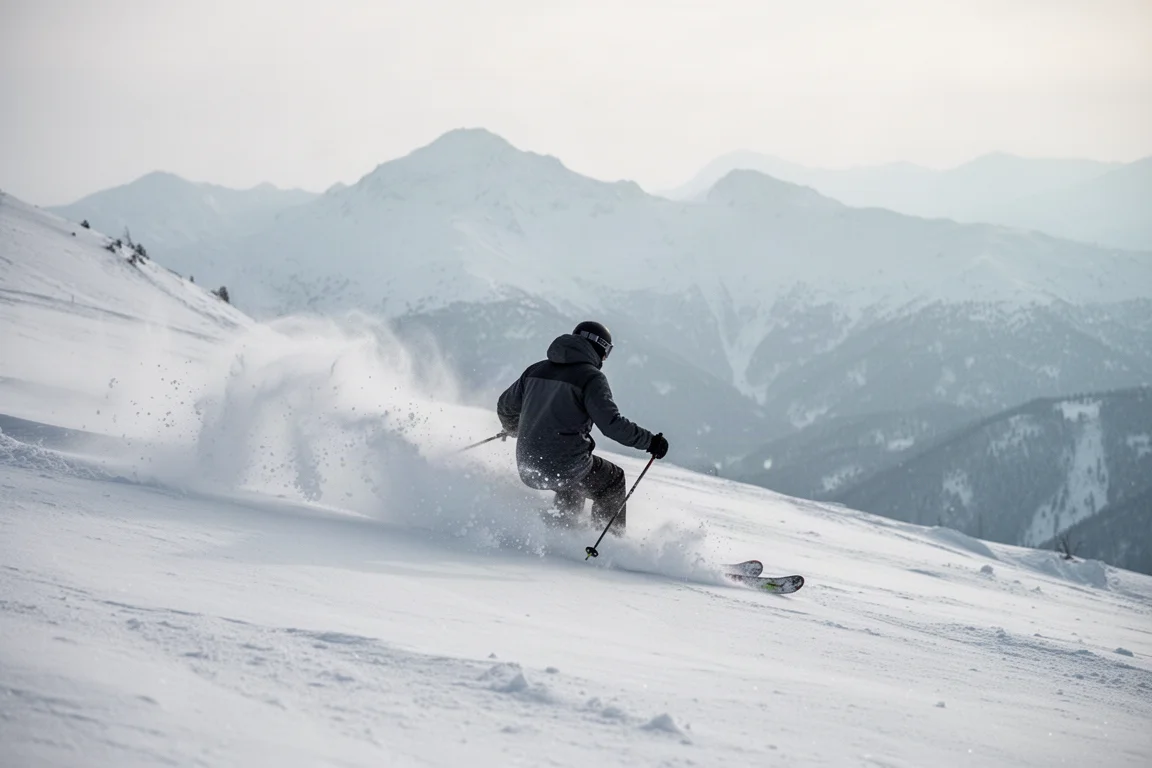
If most of your days are on hardpack, this is not the ski to reach for. If your days involve deep snow and steep, demanding lines, the picture changes quickly.
Construction and Build
Under the hood, the Dancer 4 uses the same lightweight wood core found across the Dancer series, combined with dual span titanal, thin metal laminates rather than a single heavy sheet. That keeps the ski lively for its class, but it still adds up on a scale. In a 185 cm length, the Dancer 4 weighs roughly 2,310 g.
The sidewall construction tapers to a cap where the rocker begins, and that transition lines up precisely with the widest point of the ski and the start of the rocker. The result is a ski with a cohesive, unified feel rather than a collection of mismatched zones.
Main Strengths on Snow
Weight and stiffness translate into stability. The Dancer 4 is rock solid once it is opened up to speed, and the flex pattern holds up under a confident, aggressive input. Skiers who like to let a ski run will find plenty of support here.
The ski also carries real energy from tip to tail. Once it is up to speed, the turn comes alive, and that is where the Dancer 4 separates itself from other models in this width and construction class.
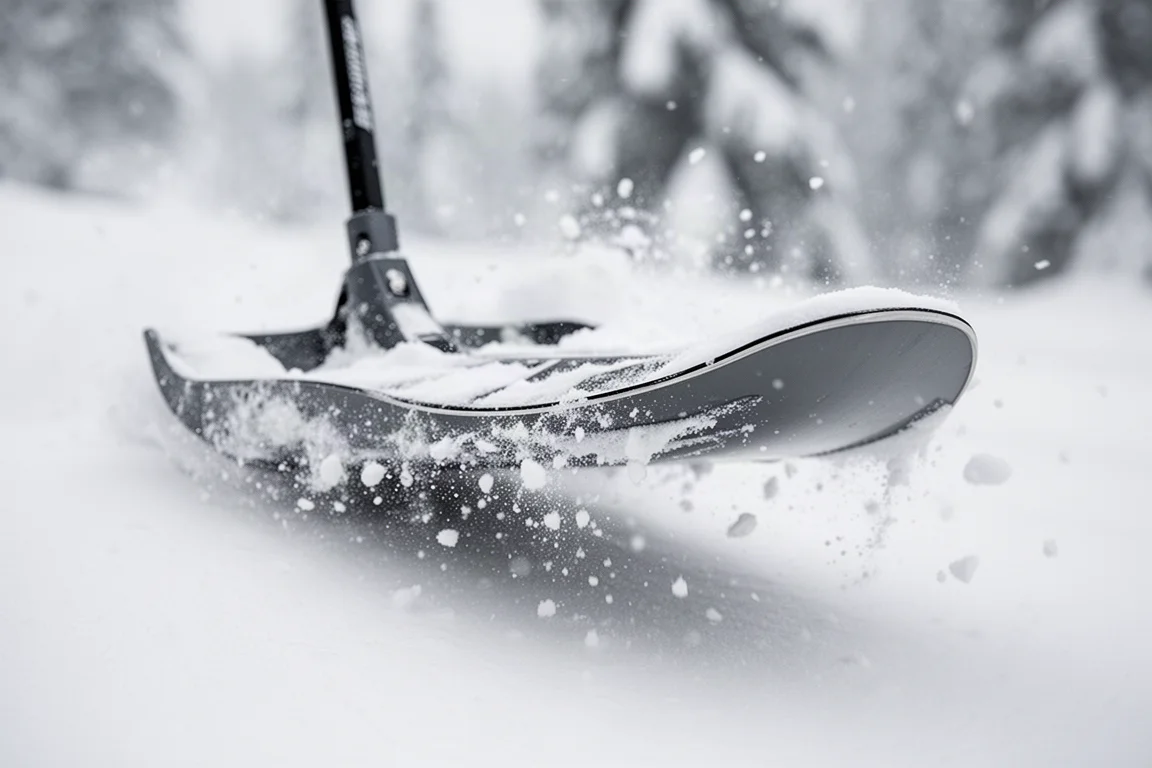
The 23 meter turn radius supports that faster, more directional style of skiing rather than tight, reactive turns.
Shape, Rocker, and Turn Radius
Faction scales taper and rocker with width across the Dancer line, and the Dancer 4 shows both. It runs less camber than the narrower models and a longer rocker profile, which helps the capped shovel float and initiate turns easily in soft snow.
The tail is round and full, with less rocker than several competitors at this width. Combined with the camber underfoot, the ski splits into distinct zones: an agile, maneuverable front, a businesslike midsection with edge grip, and a supportive tail.
That shape pushes the Dancer 4 toward the directional side of the freeride spectrum rather than the playful end of it. It is a ski that wants to go forward and go fast.
Things to Consider Before Buying
The first consideration is weight. At roughly 2,310 g in a 185 cm length, this is a burly ski, and that mass is the price of its stability. Lighter skis will be easier on long traverses and repeated lift rides.
The second is flex. A stiff ski demands a skier who can bend it and carry speed, and it will feel like work for anyone who cannot.
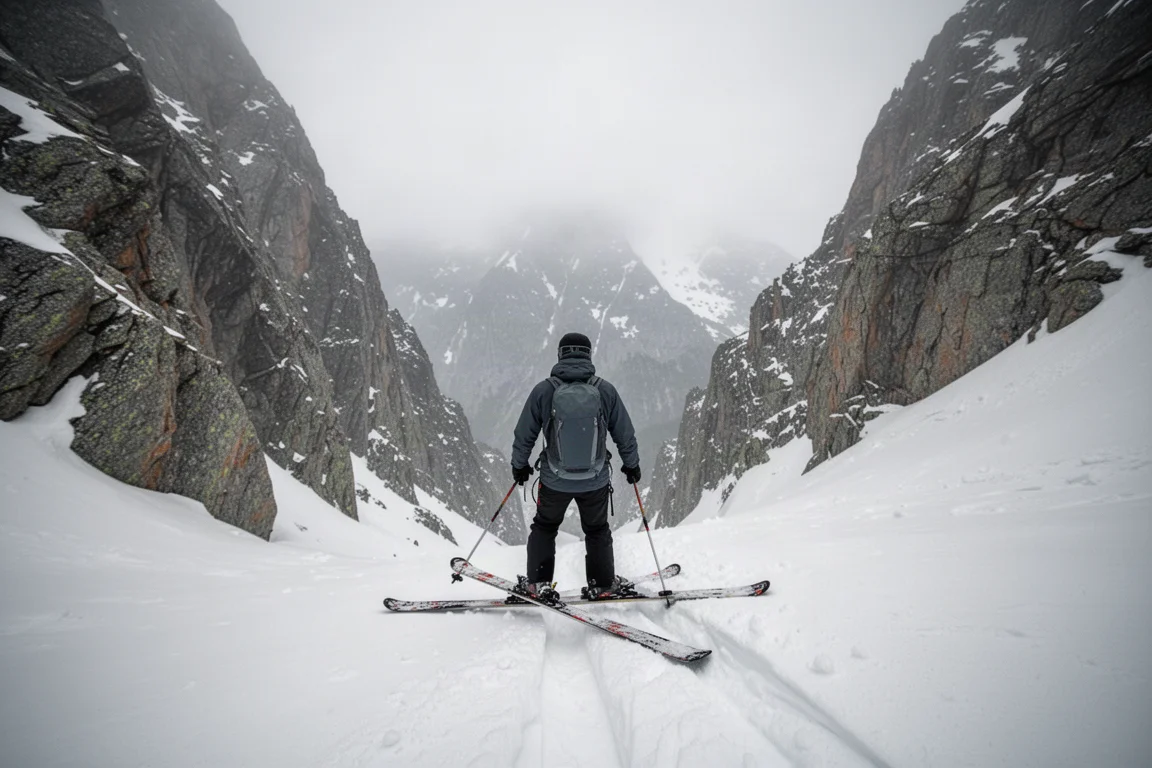
Third, the width itself limits versatility. At 116 mm underfoot, the Dancer 4 is a soft-snow and deep-snow tool. It is not a one-ski quiver for firm conditions, and its appeal is narrower than the rest of the Dancer series.
How It Compares Within the Dancer Series
The Dancer series as a whole has earned attention for its energy and liveliness, and that character carries straight through to the Dancer 4. What changes is the application. The narrower Dancer 2 and Dancer 3 handle firm and mixed conditions, while the Dancer 4 trades that versatility for float, stability, and high-speed composure in deeper snow.
Buying Advice
Buy the Dancer 4 if you are an advanced or expert skier who regularly skis soft, deep snow on big mountains and wants a wide ski with a genuinely strong construction. If you are looking for a 116 mm ski with two sheets of metal and a directional personality, this is about as focused as that formula gets.
Skip it if you ski mostly firm snow, prefer a light and playful feel, or want a single ski to cover everything. In those cases, a narrower Dancer model or a lighter freeride ski will serve you better.
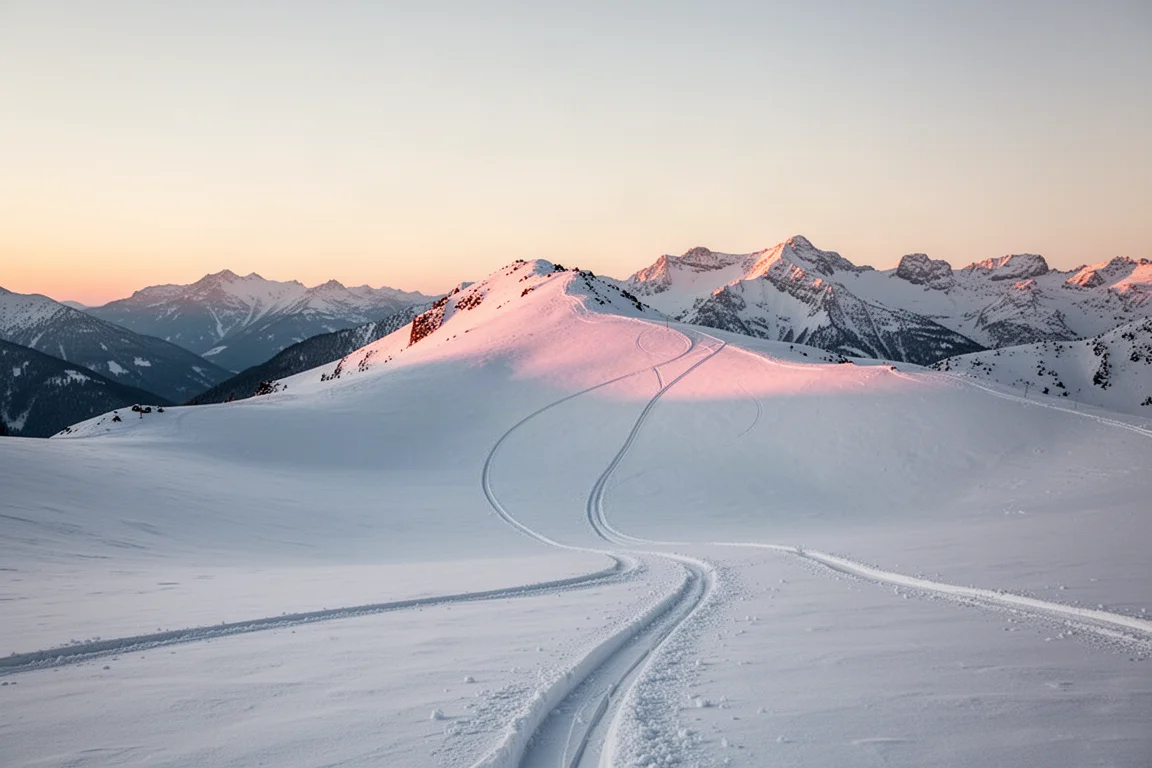
If your season splits between soft-snow trips and firm local days, the Dancer 4 makes the most sense as part of a two-ski setup rather than as your only pair.
Conclusion
The Dancer 4 is a purpose-built ski for a specific skier: strong, heavy, stiff, and happiest in soft snow at speed. Its blend of shape, profile, and construction is rare at 116 mm underfoot, and for the right rider in the right terrain, it is a compelling choice.
Product link
View more details for Faction Dancer 4
This product is mentioned in the review. Check the specifications, options, and compatibility before buying.
View more details for Faction Dancer 4Further reading
Related Reviews
Freeride Skis
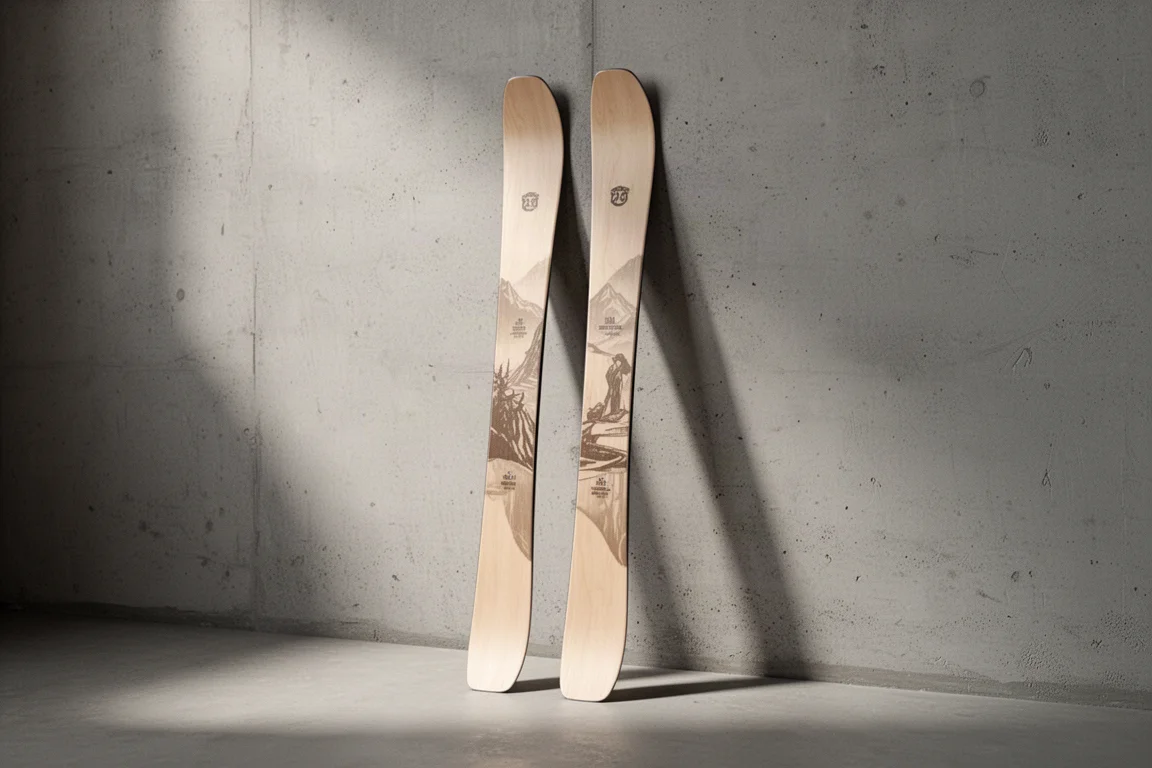
Armada Playmaker 101 Review: A Light, Lively Freeride Ski Built to Play
A closer look at the Armada Playmaker 101, a lightweight freeride twin tip with a poplar and paulownia core, carbon rods through the mid-body, and a deliberately playful character.
Freeride Skis
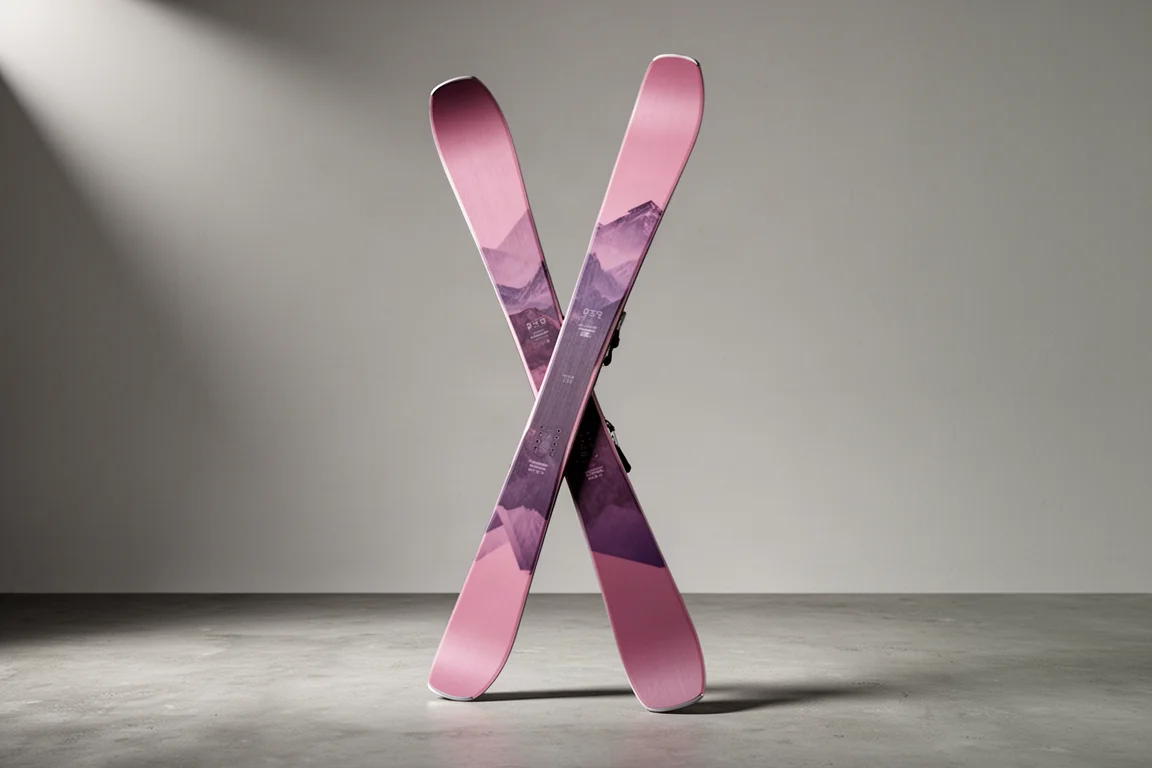
Armada Playmaker 111 Review: A Lightweight Freeride Ski Built for Soft Snow
A close look at the Armada Playmaker 111, a 111 mm freeride twin tip built around float, playfulness, and a drifty feel in fresh and soft snow.
Freeride Skis
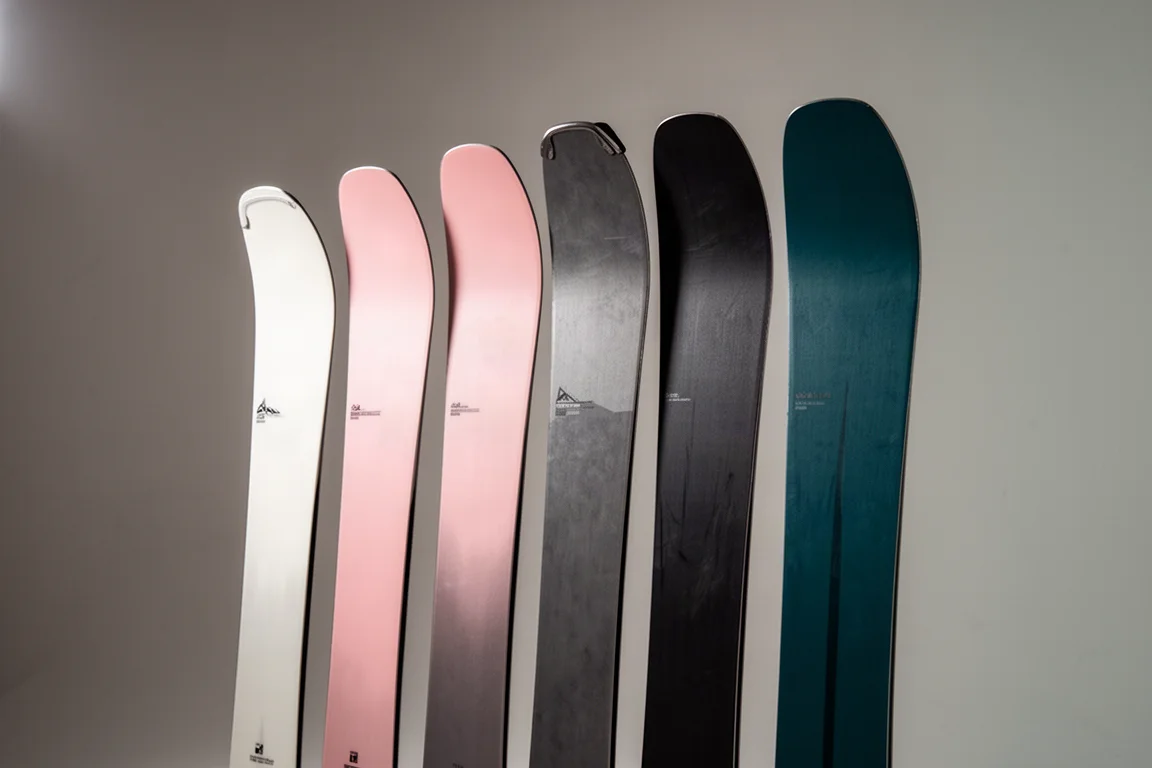
Best Women's Freeride and Powder Skis 2026
A 104 mm to 118 mm comparison of sixteen women's freeride and powder skis, covering weight, rocker, metal placement and the terrain each model suits best.