Road Bikes
Exxlab AD9 Review: A Complete Aero Race Bike at a Fraction of Flagship Pricing
A carbon aero race bike with Dura-Ace Di2, carbon-spoke wheels and a 6.8 kg build weight for around $8,000, plus the ride-feel trade-offs worth knowing before you buy.
Introduction
Flagship aero road race bikes from the biggest Western brands now sit north of $10,000, and the industry has quietly accepted that number as the price of entry. The Exxlab AD9 takes direct aim at that assumption. It launched earlier this year as a complete aero race platform, and across several months of riding it has proven quick, stiff, tidily finished and unusually well specified for what it costs.
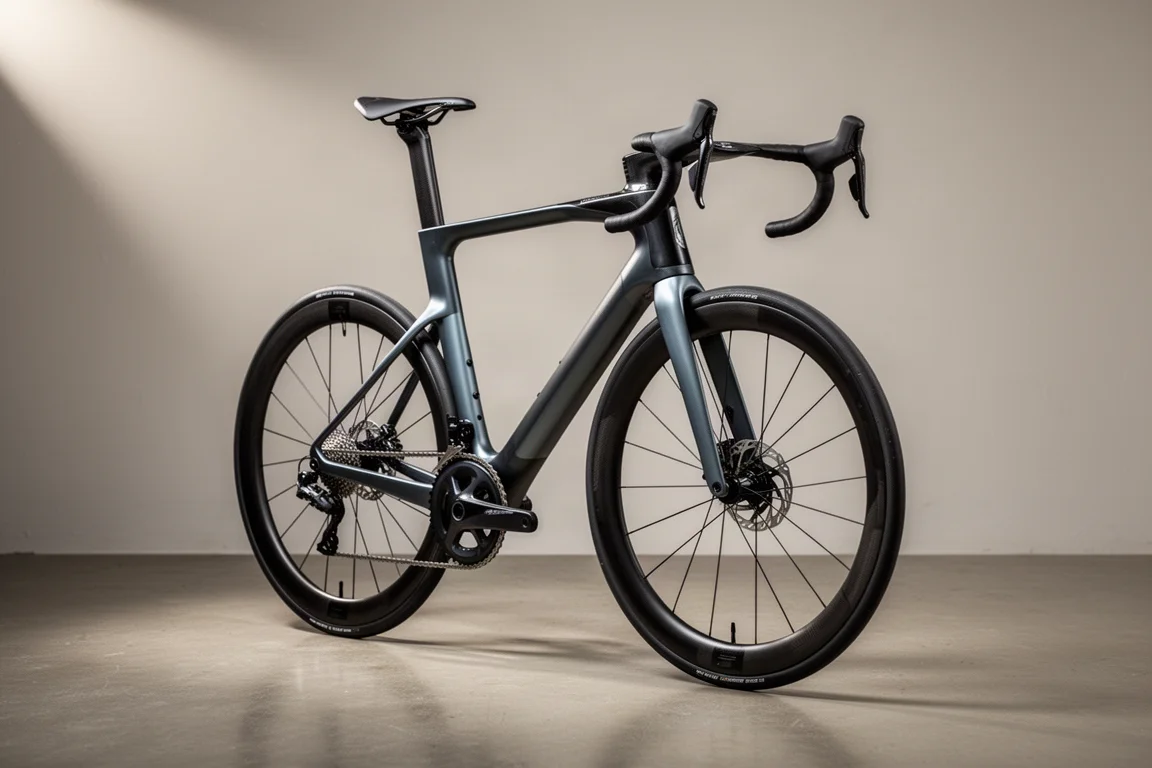
At around $8,000, the AD9 arrives with a carbon frame optimised for aerodynamics, a one-piece carbon cockpit, carbon wheels built with carbon spokes, a top-tier Shimano Dura-Ace Di2 groupset, Exxlab’s own carbon cranks with a dual-sided power meter, and quality top-end tyres. On the scales, a size large came in at 6.8 kg without pedals.
To put that in context, it is roughly $5,500 less than a Specialized Tarmac SL6, admittedly an extreme comparison, and still around $2,500 less than a Canyon Aeroad CF. It remains an expensive bike by any ordinary measure, but against the machines it is chasing, the value argument is a strong one. The more interesting question is what, if anything, has been given up to reach that price.
Who This Bike Is For
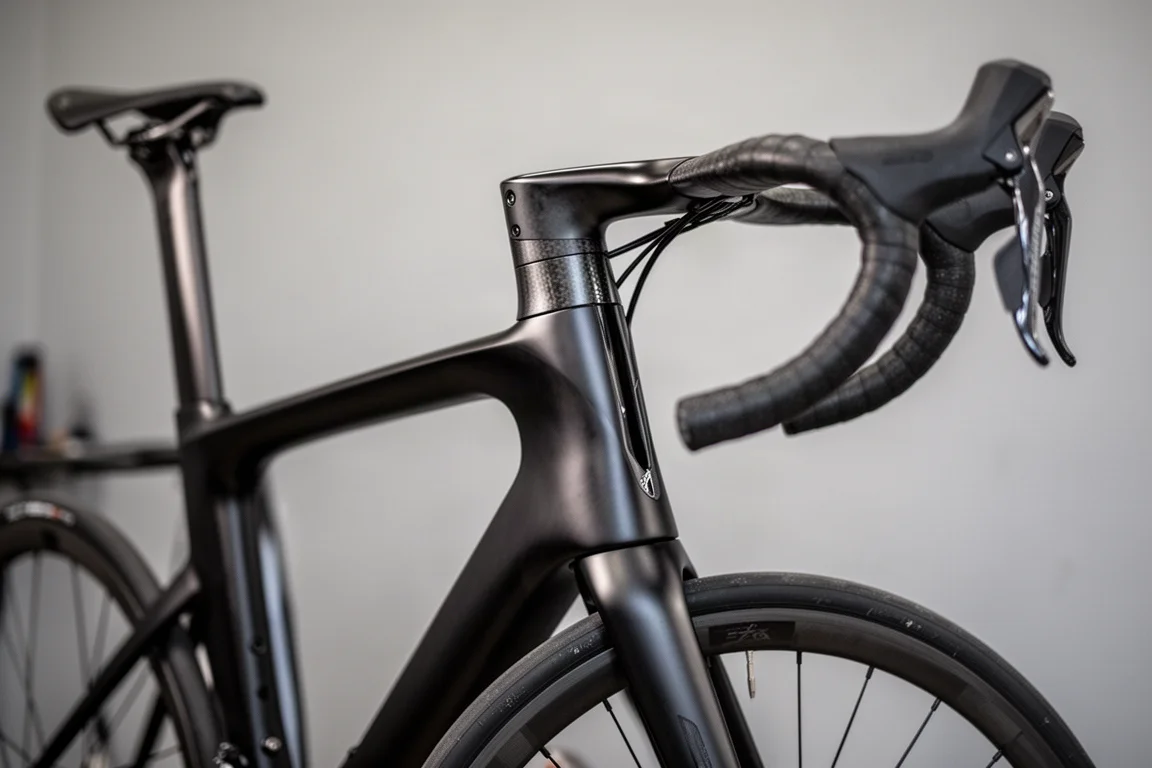
The AD9 makes the most sense for riders who want genuine race-bike speed and top-level componentry without paying flagship money. The frame is aerodynamic to the max in the same vein as a Canyon Aero Road, with a deep but narrow head tube, a deep-profile down tube, a deep seat tube that hugs the rear wheel, and dropped rear stays that flare around the junction. It is a tried and tested design blueprint rather than a radical one, and that is exactly the point: Exxlab is not trying to reinvent the race bike, only to offer a very good, very competent one at a much better price.
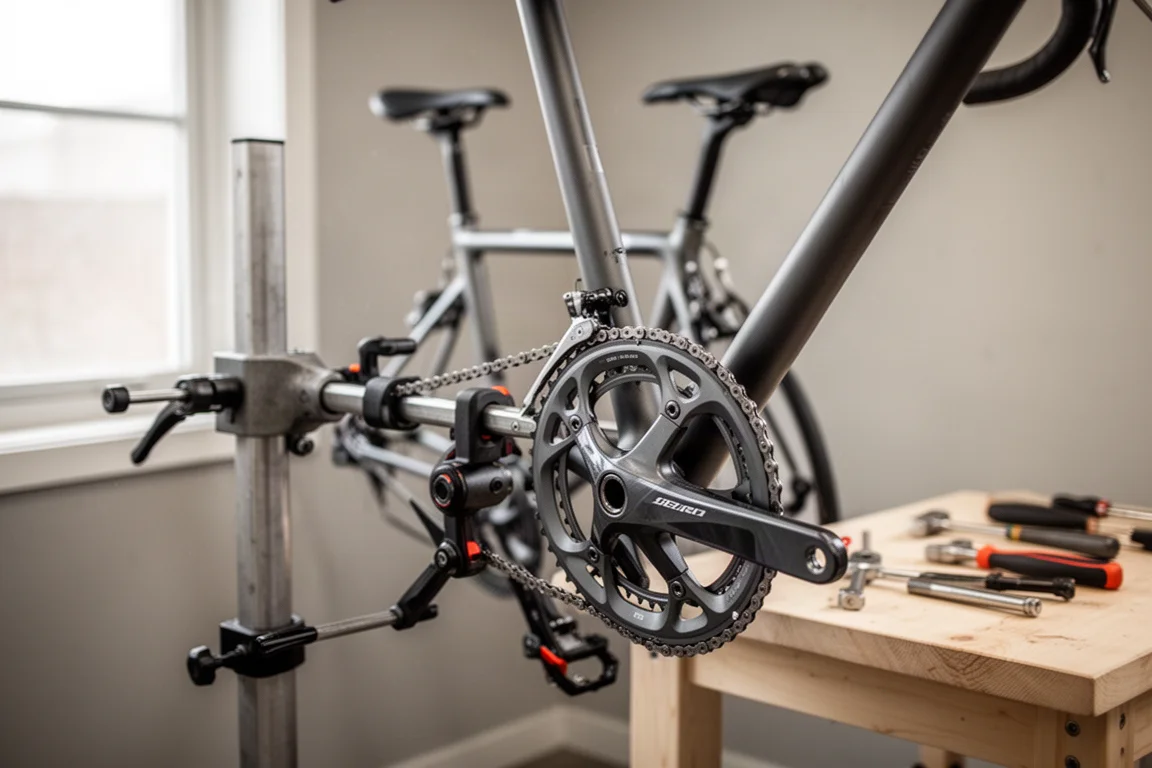
It also suits riders who do their own maintenance, thanks to a threaded T47 bottom bracket, and riders who spend their time on fast, flatter roads where aero efficiency and held momentum matter more than a delicate, lively feel.
It is a less obvious fit for riders who prize a supple, forgiving ride over broken tarmac, or who want the sort of quick, playful responsiveness that rewards punchy, rolling terrain. The AD9 is efficient and fast, but it does not ride as light as its 6.8 kg figure suggests, and that distinction shapes almost everything about who should buy it.
Main Strengths
The AD9’s strengths are concrete and easy to verify: a serious specification, real aerodynamic intent, and a build that has held up without complaint.
Aero Speed and Stiffness
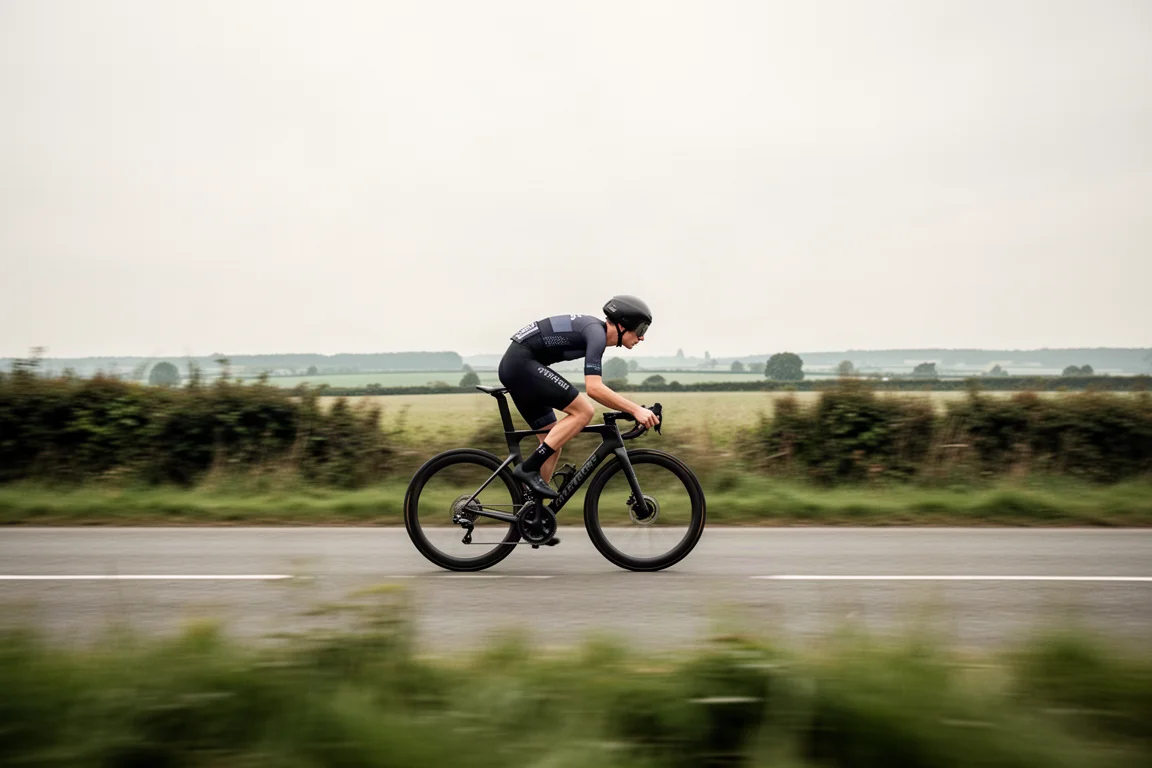
On the road, the AD9 is as fast as it looks. It is stiff, direct, and when you are properly on the gas on fast, flatter roads it feels every bit like the modern aero race bike it is designed to be. Wound up to speed and held low on the aero bars, forward on the zero-setback saddle, it tracks along at an impressive pace and holds that speed well. In a chain gang at 35 to 45 km/h, chasing the wheel in front, that aero efficiency is exactly where the bike earns its keep, and the sense of momentum is noticeably stronger than on a less aerodynamic all-rounder such as a Giant TCR Advanced.
The deep-section carbon-spoke wheelset plays a large part in that character. It is claimed at 1,300 g, which is genuinely light, and it contributes directly to the stiffness and road feedback the bike delivers. That is feedback you want when racing, even if it also firms up the ride.
Specification and Value
Very few bikes at this price combine a Dura-Ace Di2 groupset, Exxlab’s own carbon cranks with a dual-sided power meter, carbon wheels with carbon spokes, a one-piece carbon cockpit with full internal routing, and a 6.8 kg measured weight in a size large without pedals. The wheels may carry a logo that looks familiar, but they are the company’s own and they suit the bike’s racing potential well.
The price gap against established rivals is the headline. Roughly $5,500 below a Specialized Tarmac SL6 and around $2,500 below a Canyon Aeroad CF, the AD9 puts pressure on brands that have charged considerable sums for top-end race bikes. Whether that reflects a broader shift in the market or simply a very aggressive newcomer is worth considering, but the arithmetic is hard to argue with.
Build Quality and Reliability
Across months of riding there were no creaks or squeaks, no loose bolts, no seat post slippage and no handlebar issues. The paint finish is a mix of gloss and matte, free of scratches, with clean edges even in areas that are rarely seen, such as the fork crown. It is a tidy, well-finished frame.
There are a few small details that show where a newer brand can still be edged out. The bike ships with a single aero bottle cage rather than two, and that cage does not sit perfectly flush with the down tube, leaving a slight overhang. The seat clamp uses two very small bolts pushing a metal plate into the seat post; it works well and never slipped, but in winter conditions it would be sensible to tape over them to keep mud and grit out. The fork dropout tabs are a distinctive feature, larger than the equivalent design on a Pinarello Dogma F, and while they look sharp and there are no published aerodynamic claims attached to them, they are thin enough to warrant care when the bike is packed into a travel bag.
Things to Consider Before Buying
Ride Feel and Comfort
The AD9 is firm. You feel every bump and ripple in the road surface, and the carbon-spoke wheels amplify that. Swapping to a steel-spoke wheelset noticeably smoothed the ride on badly maintained local roads. Importantly, it is not harsh; there is a very connected feel to the road, closer in character to a Canyon Aeroad or a Cube Litening than to a soft endurance machine.
Where it falls short of the very best is suppleness. It is not as forgiving on rough surfaces as lightweight all-rounders such as a Specialized Tarmac, a Trek Madone or a Trek Emonda ALR. Nor does it feel as lively and responsive when thrown around on steep, punchy hills, despite the low weight. Get it onto fast ground and it makes complete sense; ask it to dance on rolling terrain and it feels more measured than exciting.
Fit, Cockpit, and Crank Length
The size large, roughly a 56 cm frame, fitted a 180 cm rider well, though a longer stem would have been welcome for a little more stretch. That request is not easy to satisfy on a one-piece cockpit. There is no option to choose or change the handlebar when ordering, so buyers depend on the dealer network to swap it, and with no Exxlab dealers currently in the UK, that route is closed there. It is a limitation shared with many brands using integrated cockpits, but it is worth planning around before you buy.
Crank length is the other adaptation. The bike comes with 165 mm cranks, where most bikes have traditionally used 172 mm and are now trending toward 170 mm. The move takes real getting used to: it is not a cadence problem so much as a different sensation of power and torque through the pedals, and riders stepping down from 170 mm will feel it. More test bikes are arriving with shorter cranks, so this is a direction the industry is moving in, but it is a genuine adjustment period rather than a detail you will forget on the first ride.
Finish and Colour Options
The Astana team colourway seen here uses a sticker on the top tube rather than paint, and you can feel the edge of it. It does not read as premium in the way a painted graphic would. A gloss black version is listed on the website and looks considerably sharper, and more colour options overall would be welcome.
Buying Advice
If you want maximum race-bike performance per dollar, the AD9 is one of the strongest arguments available. The specification is superb, the frame is fast and stiff, the finish is clean, and reliability over months of riding has been faultless. Riders who spend their time on fast flat roads, in chain gangs, or chasing personal bests on aero-friendly terrain will get the most from it, and the threaded T47 bottom bracket makes long-term home maintenance straightforward.
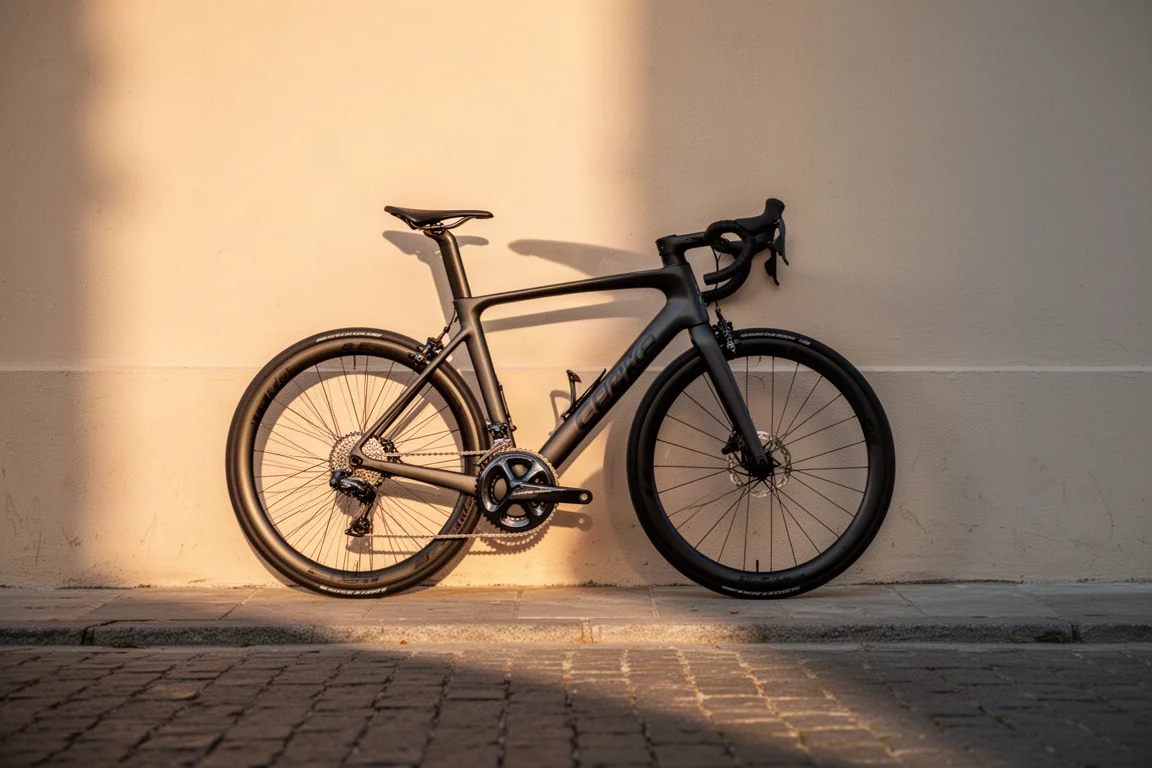
Be realistic about the trade-offs before committing. If your local roads are rough, budget for a wheel and tyre change to soften the ride, or accept the firm feedback as the price of the stiffness you want when racing. If your riding is mostly steep, punchy climbs, a lighter-feeling all-rounder may reward you more. If a long stem or a specific bar width matters to you, resolve it with your dealer before ordering, because the one-piece cockpit removes the easy five-minute swap. And if the bike will travel by air, pack extra protection around the fork dropout tabs. Buyers who plan for these details tend to be far happier with the bike than those who discover them later.
Conclusion
Objectively, the Exxlab AD9 is a fantastic package. It is fast, stiff, well finished and superbly equipped, and it undercuts established flagship race bikes by thousands while matching them on technology and specification. Judged purely on performance and price, it is very difficult to argue with.
The harder challenge for any brand in this position is the intangible one: creating a bike you simply cannot wait to ride. The AD9 is efficient and quick, but it lacks some of the lightness, quickness of turn and smoothness that make certain rivals so engaging. That does not make it a bad bike, and for value-focused racers it may not matter at all. It simply means the AD9 wins on the spreadsheet and on the fast roads, and asks you to decide how much emotional pull you need from a bike at this price.
Product link
View more details for Exxlab AD9
This product is mentioned in the review. Check the specifications, options, and compatibility before buying.
View more details for Exxlab AD9Further reading
Related Reviews

Road Bikes
10 New Road Bikes Worth Watching: Aero, Titanium, Steel and Endurance Standouts
A practical roundup of 10 new road bikes, from aero flagships chasing single-watt gains to titanium, steel and endurance platforms built for real roads.
Road Bikes
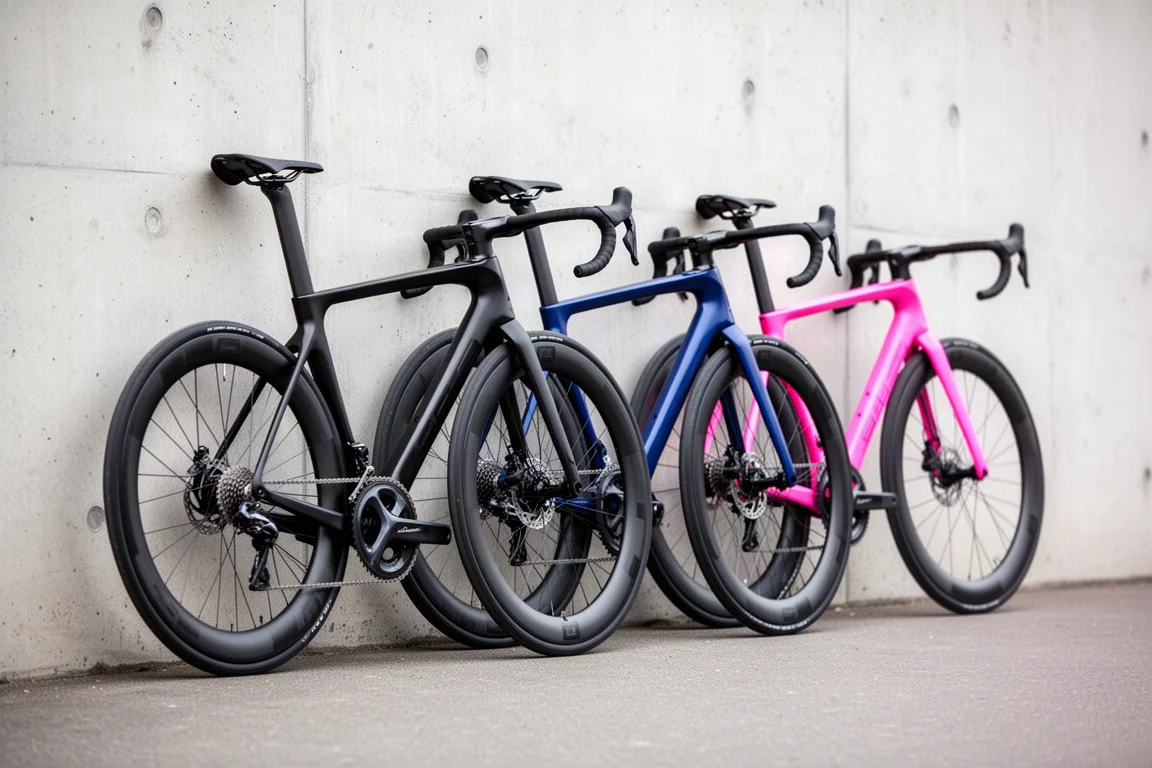
2026 Tour de France Road Bikes: Six Race Machines Worth a Closer Look
Six race bikes from the 2026 Tour de France grid, reviewed for paint, silhouette, wheels and the specification details that matter to buyers.
Road Bikes
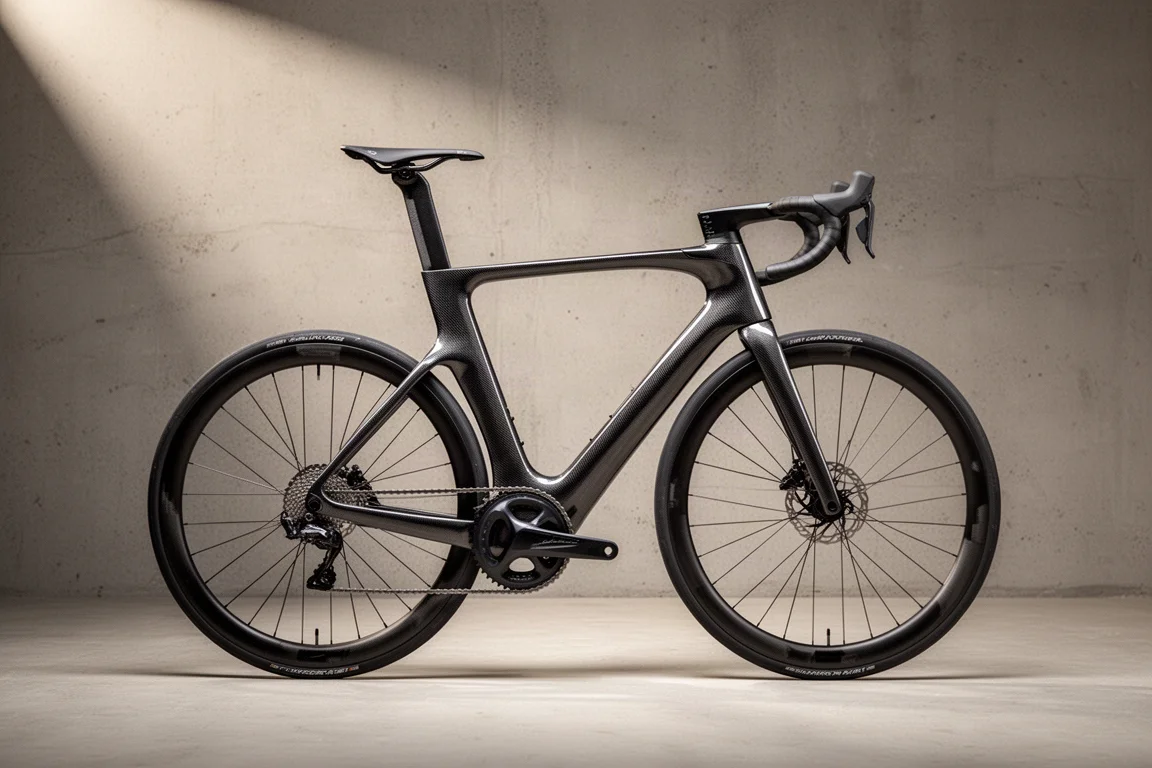
3T Strada Italia Review: A Radical Aero Road Bike That Rides Smooth
A made in Italy carbon aero road bike with a deep head tube, wide tire clearance and a genuinely comfortable ride. Here is what to know before buying.