Winter Camping Gear
Extreme Cold Sleep System Gear: Three Pieces That Make Winter Camping Work
A practical look at three pieces of extreme cold sleep gear, the Therm-a-Rest XTherm NXT pad, the Therm-a-Rest Polar Ranger bag, and the Enlightened Equipment Revelation Apex quilt, and how they fit together.
Introduction
Sleeping outdoors at minus 40 or below is a different problem from ordinary winter camping. At those temperatures, the goal is not simply staying warm, it is staying warm long enough to sleep properly, because rest is what keeps the rest of a trip safe. Three things work against a sleeper in extreme cold: wind, heat loss into the ground, and moisture. Get any one of them wrong and even a very warm sleeping bag will underperform.
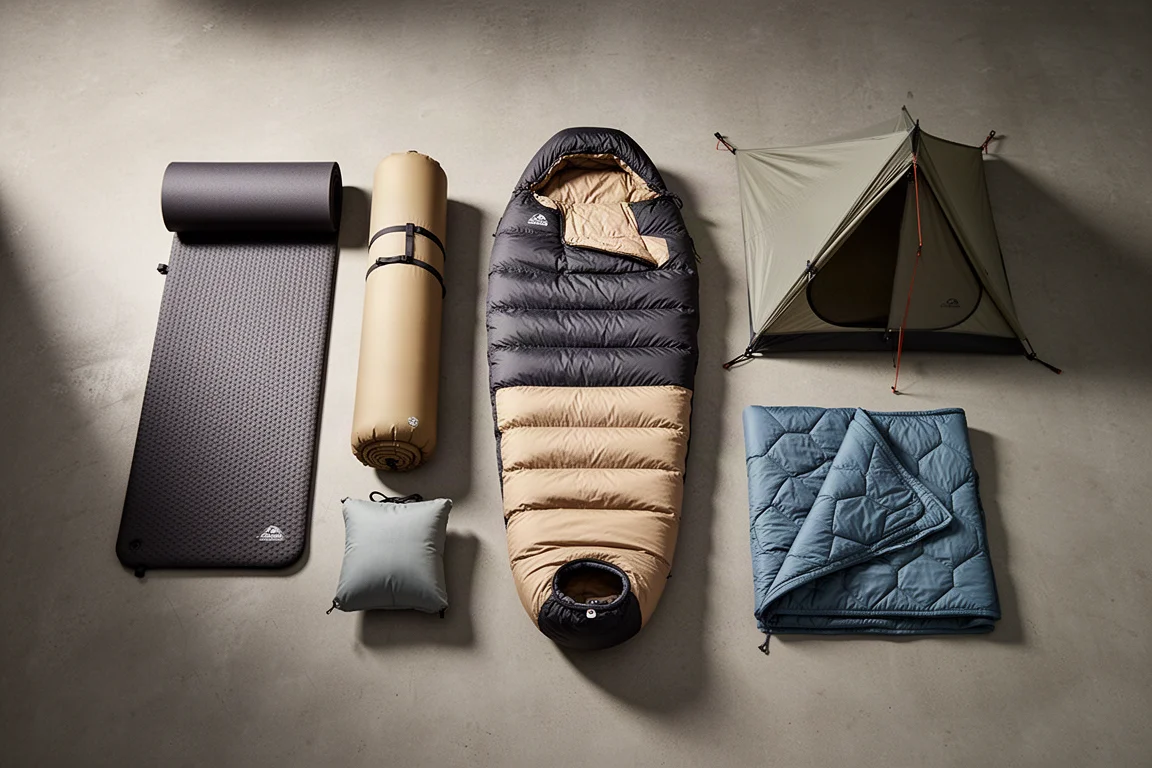
A reliable extreme cold sleep system is built as a stack rather than a single purchase. Insulation goes below you, insulation wraps around you, and a moisture-managing layer sits above that. The three pieces below cover the core of that stack, and each one solves a specific problem that the others cannot.
What Extreme Cold Sleep Systems Have to Solve
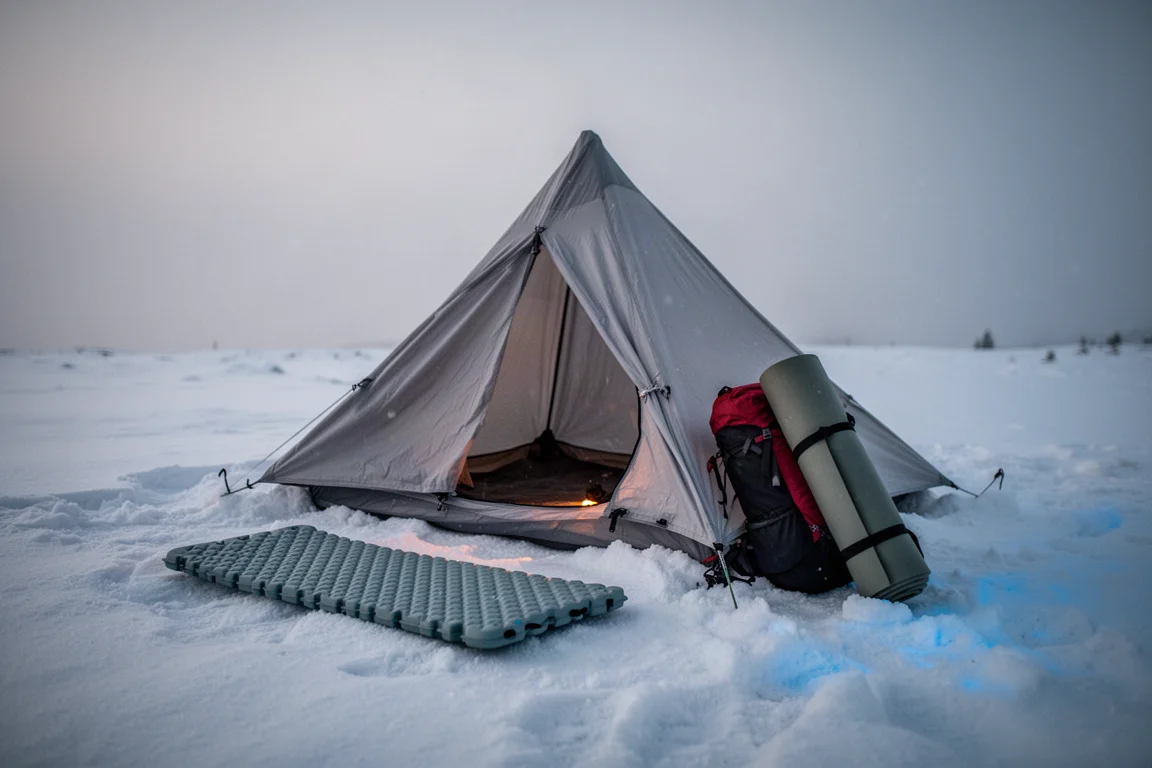
Wind is the first problem, and it is the one that is easiest to underestimate. Wind strips heat away from the outside of even the warmest system, which is why a solid tent and a carefully chosen pitch matter as much as the gear inside it. Pitching high off the ground or next to a large open area lets wind funnel underneath the shelter and cool everything from below. A protected campsite and a tent without drafts go a long way in serious cold.
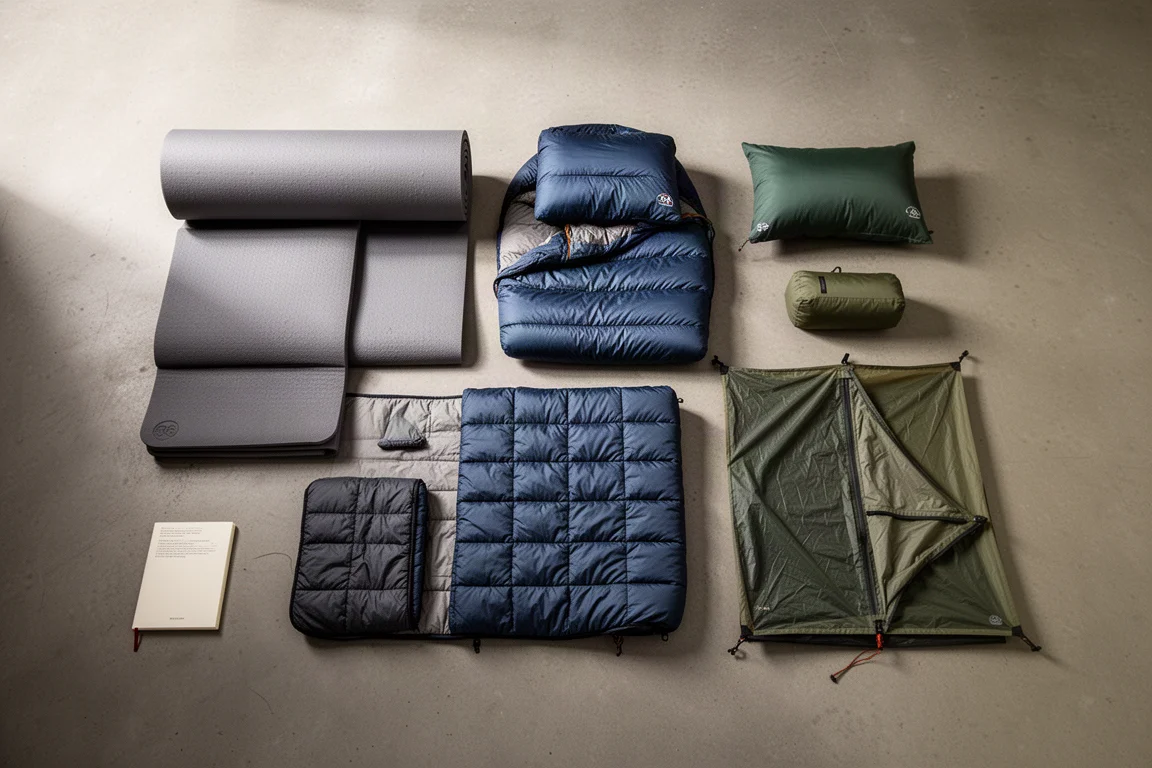
Ground insulation is the second problem, and it is usually where people lose the most warmth without realising it. A three-part stack of a reflective mat, a closed-cell foam mat, and an insulated air pad is more effective than any single pad on its own. The reflective mat adds only around 0.5 to the overall R value and its main job is to protect the rest of the system and lift it off the ground. A reflective layer only reflects heat back to you when it is not in contact with something solid, so the benefit is lost as soon as it is pressed against a hard surface.
The foam mat does more of the real work, adding roughly 2 to the R value of the ground layer and doubling as a fail-safe if an air pad loses pressure overnight. Folding accordion-style foam mats are easier to handle in deep cold than roll-up versions, which can be very hard to unroll once they are cold.
Moisture is the third problem, and it is the one that decides whether a system still works on the third night of a trip. Everyone produces a lot of moisture while sleeping, and if it cannot escape, it accumulates inside the sleep system and steadily reduces the warmth that system provides. The base layer carries that moisture away from the skin, and every layer above it has to be breathable enough to let the vapour keep moving outward through the stack.
Therm-a-Rest XTherm NXT: The Warmest Ground Layer
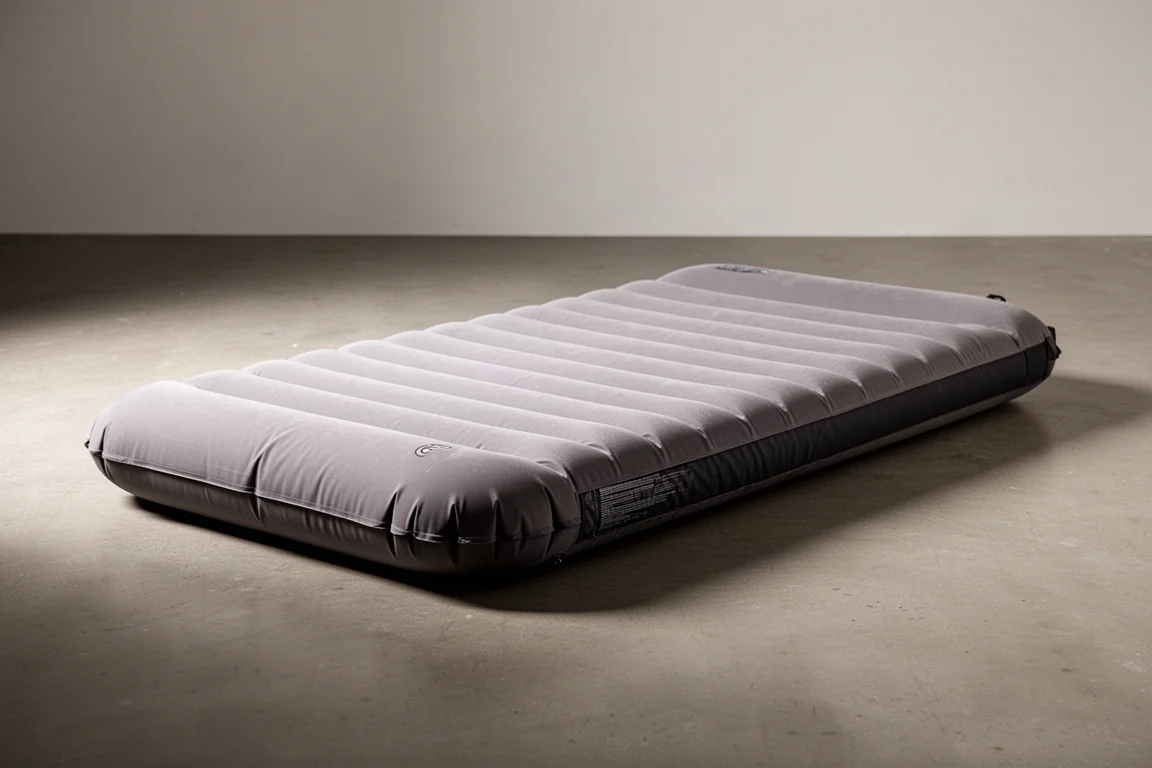
The bulk of the ground insulation in a cold-weather stack comes from the sleeping pad itself. The Therm-a-Rest XTherm NXT is the warmest pad in this setup, and the reflective film inside it is noticeable while you are lying on it, returning heat rather than letting it drain into the snow. It measures 3 inches thick, carries an R value of 7.3 compared with 6.9 on the earlier version, and weighs slightly less than that earlier model.
In practice it works best as the top layer of the ground stack, sitting above the foam mat rather than replacing it. The foam layer handles the conductive loss to the ground and keeps the whole system protected, while the XTherm NXT provides the comfort and the reflected warmth that make long winter nights bearable.
Therm-a-Rest Polar Ranger: The Core Sleeping Bag
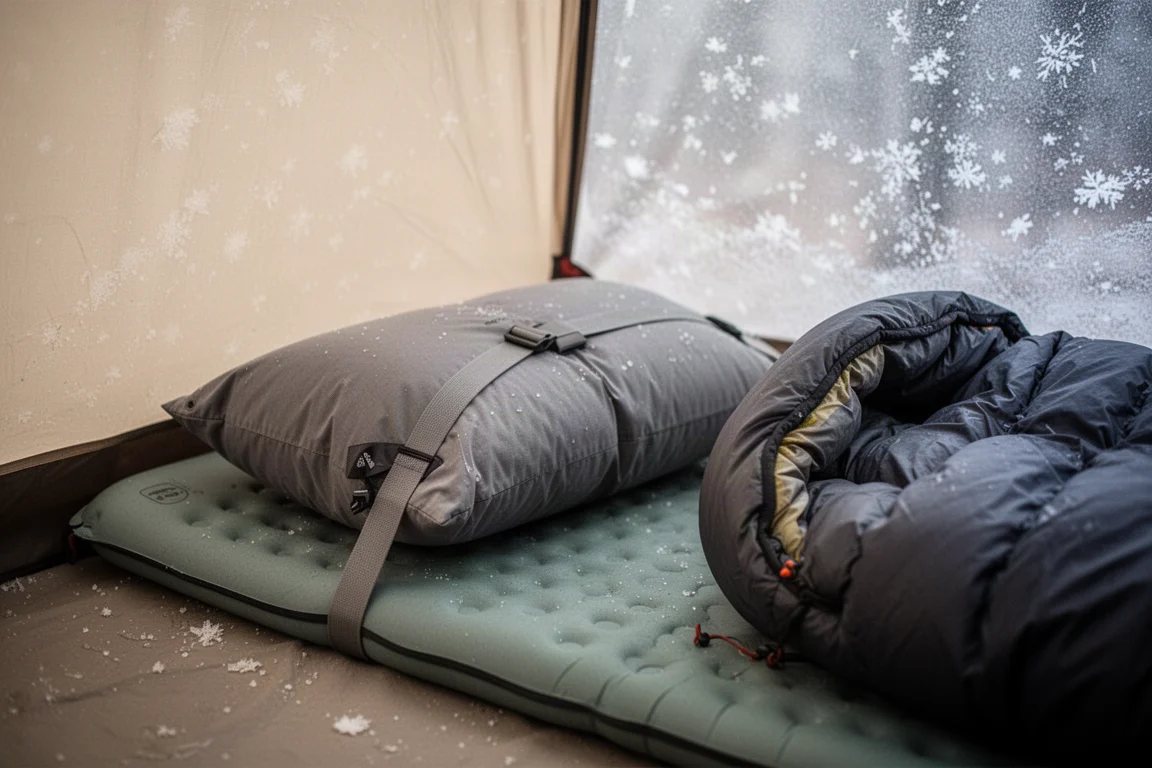
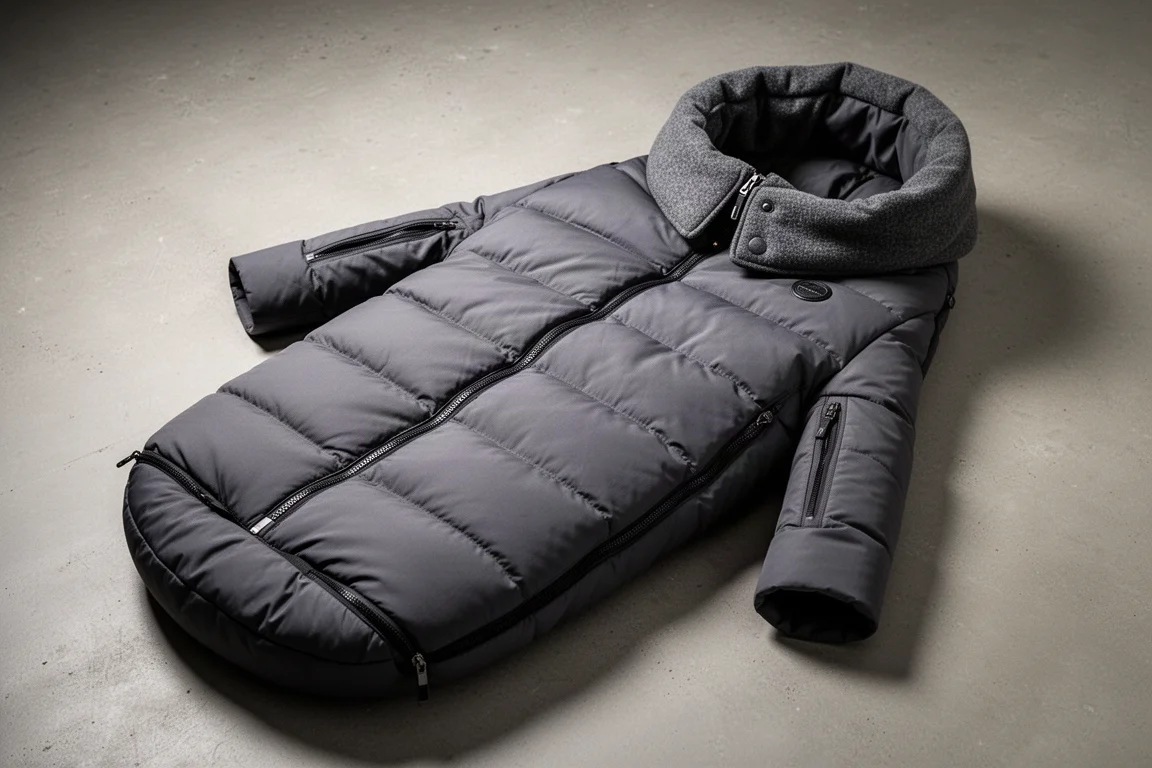
Above the pad, the centre of the system is the sleeping bag. The Therm-a-Rest Polar Ranger is comfort rated to minus 20 C with a limit rating of minus 30 C, and it has been used comfortably at those temperatures. It weighs 1.48 kg, which is light for the warmth it delivers, and it carries a set of features that are genuinely useful rather than decorative.
The snorkel at the head end helps manage moisture and keeps your face warm, and the armholes double as vents in milder conditions. That means you can hold a book or deal with small tasks inside the tent without climbing fully out of the bag, which matters a great deal when the alternative is losing all your accumulated warmth. The current version is also made with 100% recycled nylon, so the construction has become a little more sustainable without changing what the bag does.
For anyone building a system around a single bag rather than a layered quilt setup, this is the piece that sets the temperature floor for the whole kit. Everything else in the stack is there to protect and extend the performance of the bag.
Enlightened Equipment Revelation Apex Quilt: Synthetic Moisture Control
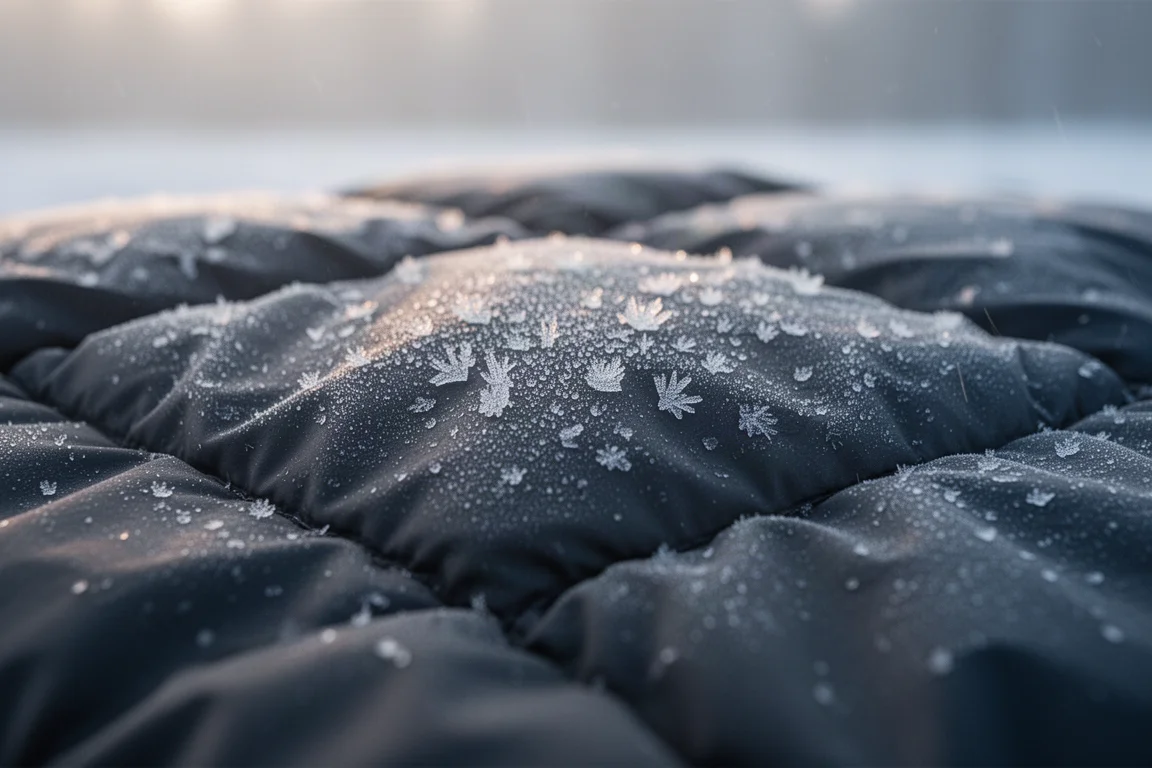
Even a very warm down bag has one weakness in extreme cold, and it is moisture. Body vapour moves outward through the sleep system, and as it crosses the temperature gradient it eventually becomes cold enough to condense into liquid. If that happens inside the down of a sleeping bag, the down loses its loft and with it the warmth that the whole system depends on.
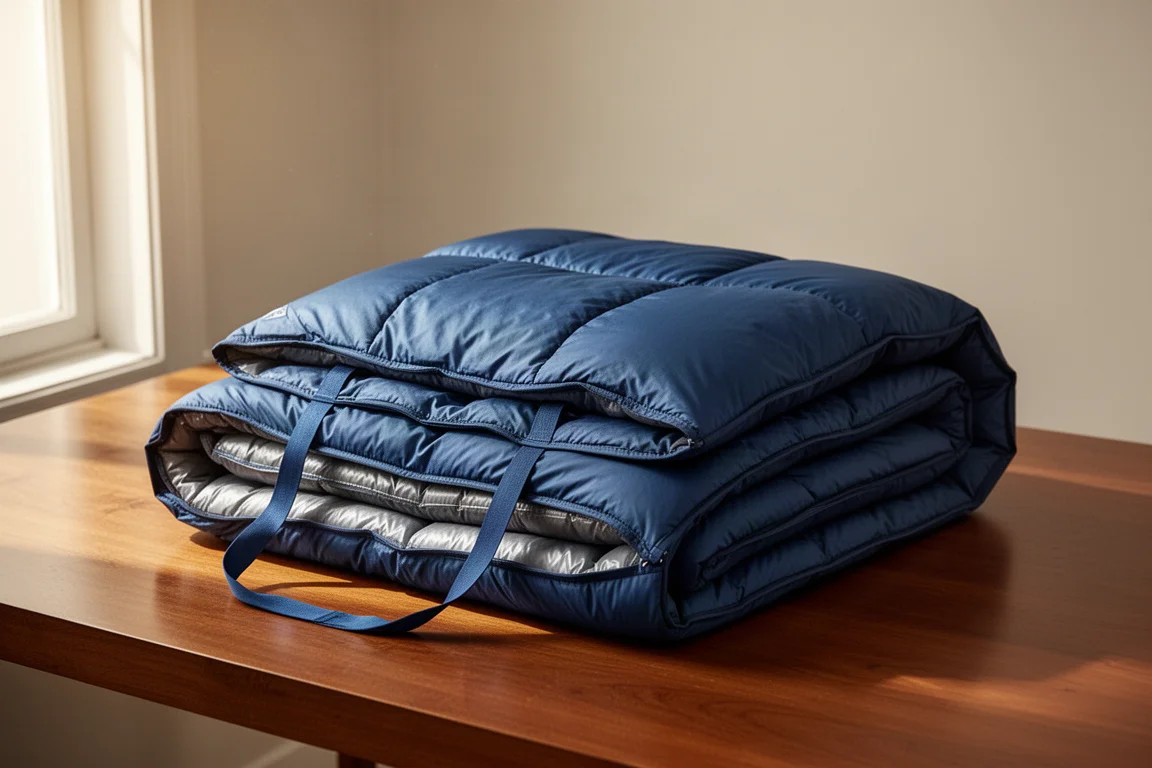
A synthetic top quilt solves that problem by giving the vapour a safe place to condense. Synthetic insulation does not lose its loft when it is exposed to moisture, so it keeps performing where down would not. The Enlightened Equipment Revelation Apex quilt uses Apex insulation, which is relatively light and less bulky than some other synthetic insulations, and it comes with pad straps and clips that wrap around the sleeping pad to lock out drafts and lock in warmth.
Managing Moisture With Base Layers and Head Protection
The first stage of moisture management happens against the skin. A thin, tight long-sleeve top and matching long pants move sweat away from the body most efficiently, not because they add insulation but because they start the vapour on its way outward. Merino socks serve the same purpose at the feet. Above that, insulated socks, fleece pants, and a fleece sweater add the body insulation that keeps the core warm through the night.
Keeping the number of layers manageable has a practical benefit beyond warmth. Getting out of the tent in extreme cold without fully bundling up is dangerous, so a system that is quick to leave and re-enter matters. Below around minus 30, a pee bottle is not optional, because leaving the sleep system and the tent at those temperatures is a genuine risk.
Head protection is the last piece of the layering picture. A merino tuque and a merino buff cover most nights, and a synthetic hood can be added when conditions are especially harsh, keeping the head warm without adding bulk to the sleeping bag itself.
Shelter, Campsite Choice, and the Optional Hot Tent
Shelter is what makes the rest of the system work. A solid tent blocks the wind that would otherwise pull heat out of the bag, and campsite selection does the same job before the tent is even pitched. Choosing a protected spot and avoiding exposed ground is worth more than most gear upgrades.
For anyone using a floorless tent in winter, piling snow around the edges of the tent seals out the wind and turns the shelter into a genuinely still space. A hot tent is a comfort addition rather than a survival requirement. It is pleasant to have in the evening, so you can read or watch something without getting straight into the sleep system, but it is not typically kept running through the night, which means the sleep system still has to stand on its own.
Buying Advice
These three pieces are specialist winter gear, and the sensible way to buy them is in the order that limits you first. Ground insulation is usually the weakest link, because cold from below is relentless and a single pad rarely handles extreme conditions alone. Start with a warm pad, add a foam layer underneath it, and the rest of the system has a stable foundation.
From there, the sleeping bag sets your temperature floor. A bag rated for the conditions you actually camp in will do more for your comfort than any accessory, and a lighter bag with the right rating is easier to live with than a heavier one you never fully need. The synthetic top quilt comes last, and it earns its place specifically in damp cold where down is at risk of losing loft.
Match the whole stack to the temperatures you genuinely expect rather than the coldest number you can imagine. A system that is dialled in piece by piece, and tested on progressively colder trips, is far more reliable than one assembled all at once.
Conclusion
Extreme cold camping is manageable when the system is built around the three real problems: wind, ground cold, and moisture. The Therm-a-Rest XTherm NXT handles the ground layer with a high R value and reflected warmth, the Therm-a-Rest Polar Ranger provides the core insulation with a comfort rating that suits serious winter use, and the Enlightened Equipment Revelation Apex quilt protects the down in the system from the moisture that would otherwise destroy its loft. Together they form a stack that can be trusted well below freezing.
Further reading
Related Reviews
Winter Camping Gear
Affordable Winter Camping Gear: Six Budget Pieces Tested Below Freezing
Three reflective sleeping pads, an updated down jacket, a titanium pot and a $25 winter stove, assessed on frozen ground at around minus 12 degrees Celsius.
Winter Camping Gear
Best Winter Camping Gear 2026: Seven Pieces Worth Packing
A practical look at seven winter camping items, from an insulated parka rated to minus 20 degrees Celsius to a titanium stove built for cold canisters.
Winter Camping Gear
Ultimate Winter Camping Gear List: Proven Essentials for Cold-Weather Adventures
A curated list of winter camping gear that has proven itself in freezing temperatures, from shelter and sleep systems to cooking and safety essentials.