Home & Kitchen
Expensive Home Upgrades That Are Actually Worth It: 5 Picks We'd Buy Again
From a rubber cutting board to shallow drawer storage, five premium-priced household upgrades that earn their cost through daily use.
Introduction
Some household products cost dramatically more than the obvious alternatives, and most of the time that premium is hard to defend. But a small group of expensive purchases earns its price through sheer daily impact. The rule here is simple: these are not professional investments or tools that directly generate income, just ordinary home items where paying up turned out to be genuinely worth it. Here are five that hold up.
1. A Large Rubber Cutting Board: Hasegawa Pro Soft
Large rubber-surfaced cutting boards are common in Japan but far less known elsewhere. Right away, the material surprise is that there is no artificial rubber smell at all. And while material matters, the biggest quality-of-life jump simply comes from size. Working on a small, cheap plastic board makes even a single tomato feel cumbersome, while a larger surface keeps everything confidently contained and makes meal prep noticeably smoother.
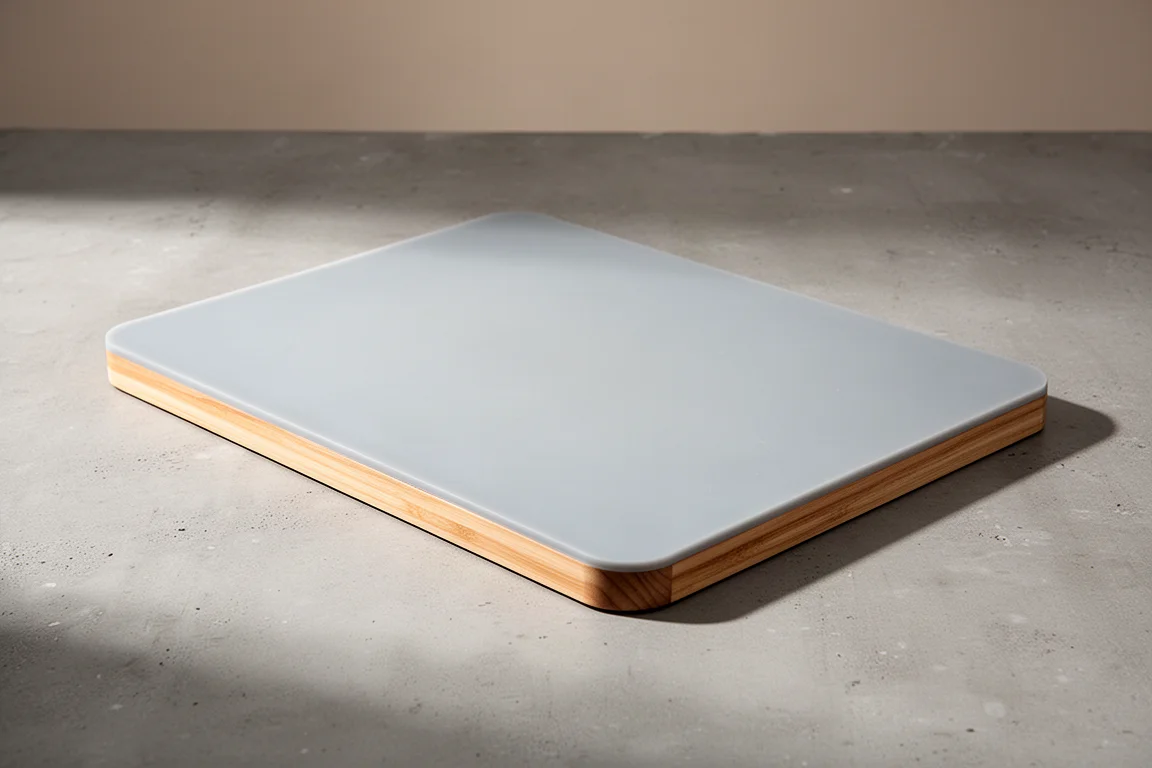
The rubber surface itself adds two real benefits. First, it is more hygienic: plastic boards develop grooves where bacteria get trapped, and wood is naturally absorbent, but high-quality rubber boards are nonporous and self-healing from regular knife strokes. Second, rubber is gentler on edges, so knives stay sharper longer, and a sharp knife is a safe knife. The Hasegawa Pro Soft uses a heavy wooden core for stability wrapped in nonporous rubber, and the roughly 12 by 20 inch size is the smallest worth recommending to enjoy the benefits of a larger board.
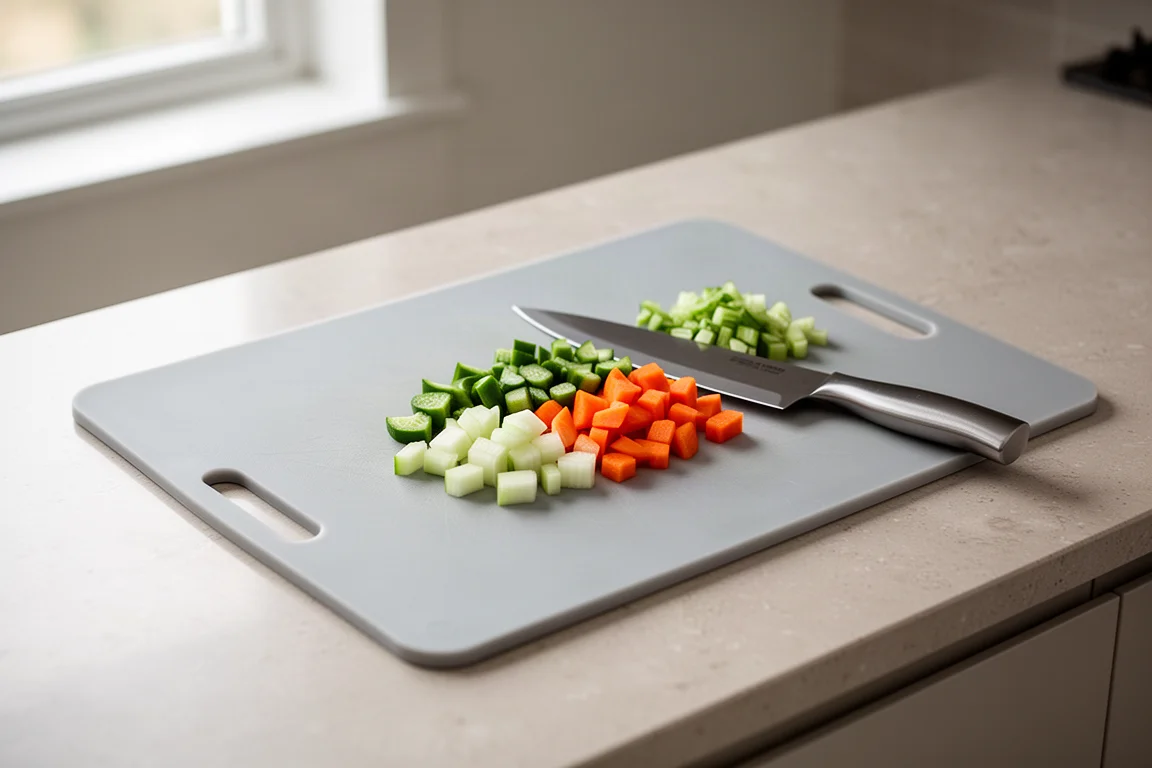
The catch is exactly the theme of this list: at around $130, it costs more than 13 times a basic plastic board. If you do not cook frequently, skip it. If you cook often, it is an easy recommendation.
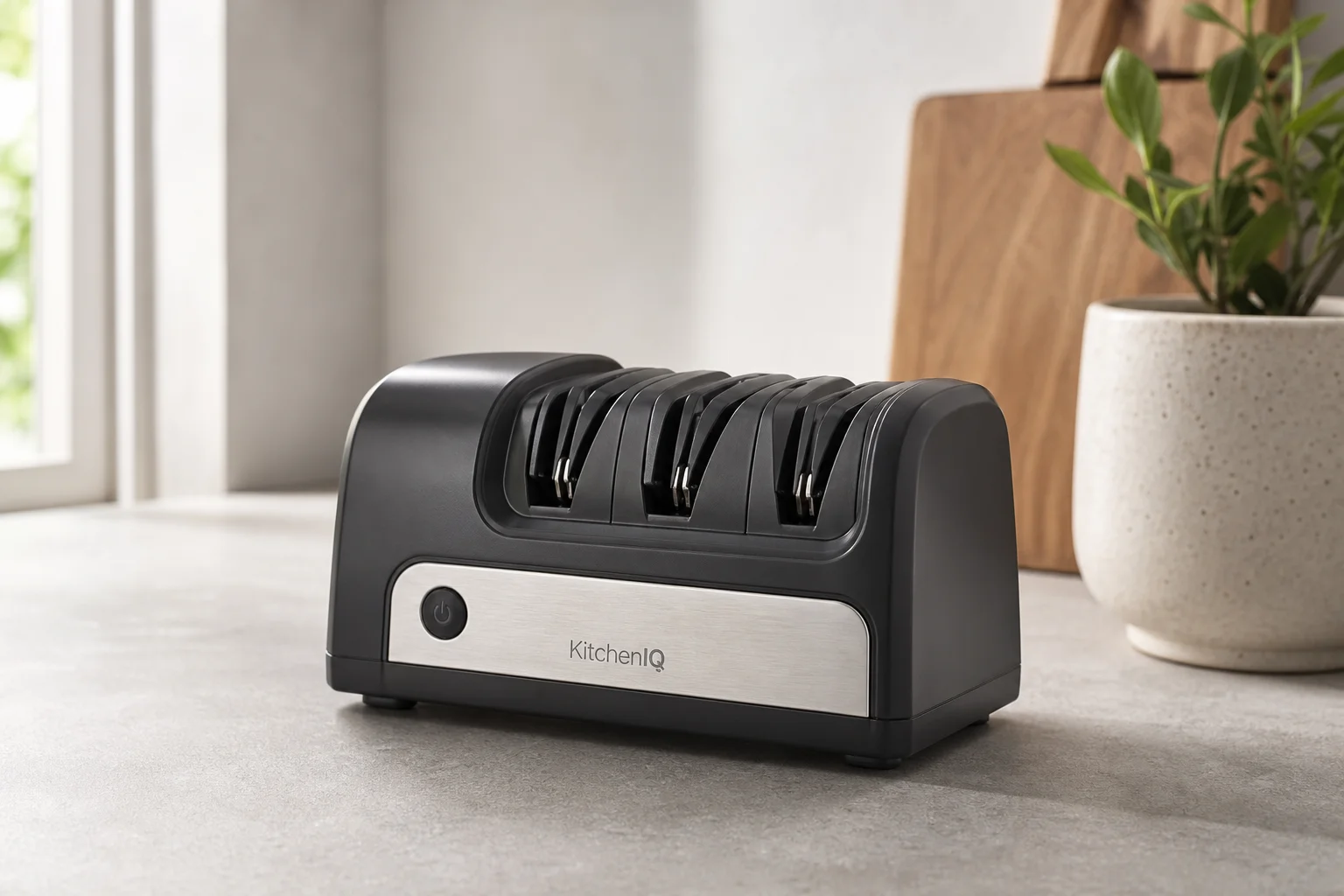
2. Chef’s Choice Model 15 Electric Knife Sharpener
Sharp knives are safer knives, and this three-stage electric sharpener makes keeping them that way almost effortless. Stage one sharpens with two alternating slots, stage two hones, and stage three strops and polishes. Pulling through the alternate slots at each stage keeps the angle consistent, which makes the whole process essentially foolproof.
The results are excellent, and one session a month is enough to keep knives sharp and straight in under two minutes. Hand sharpening can be a calm, meditative ritual, but the speed here is exactly why the premium is justified for busy households.
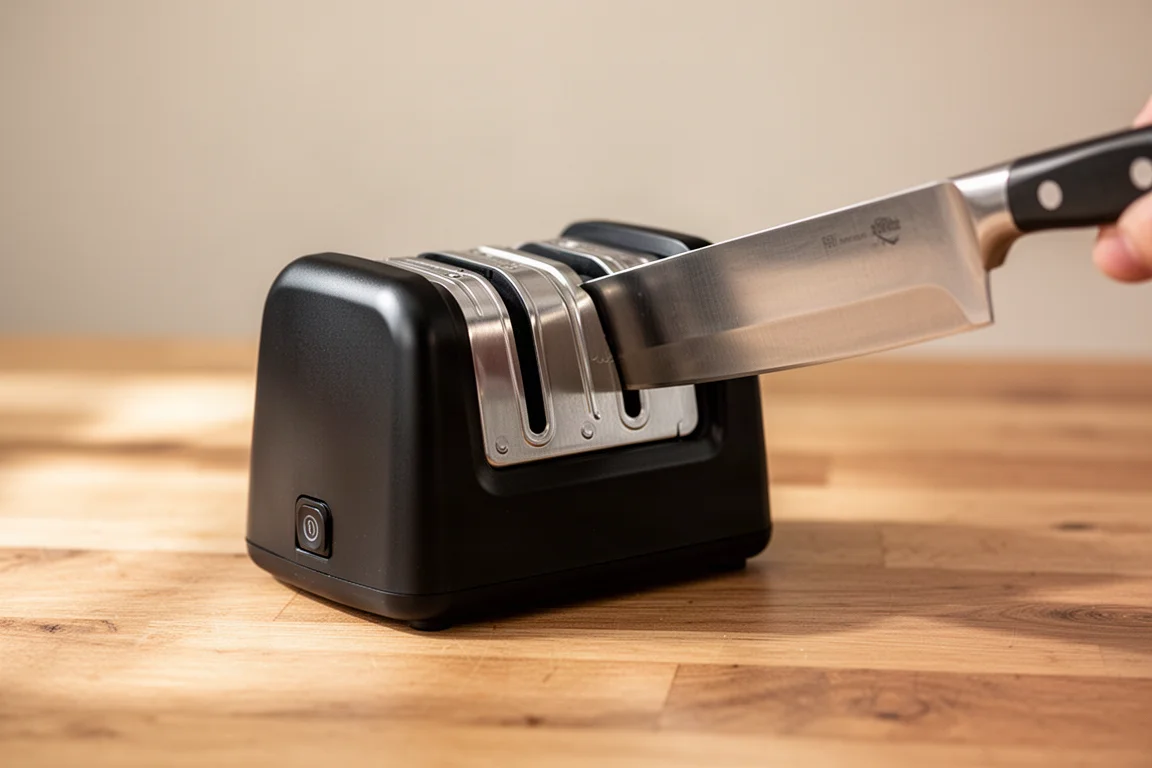
It also reframes a common mistake: many households use dangerously dull knives while shopping for expensive blades, yet even the best edge-retention knife becomes dull and unsafe without consistent maintenance. Used once a month at most, this system pays off in safety, speed, and results.
3. Quality Hair Clippers With a Brushless Motor
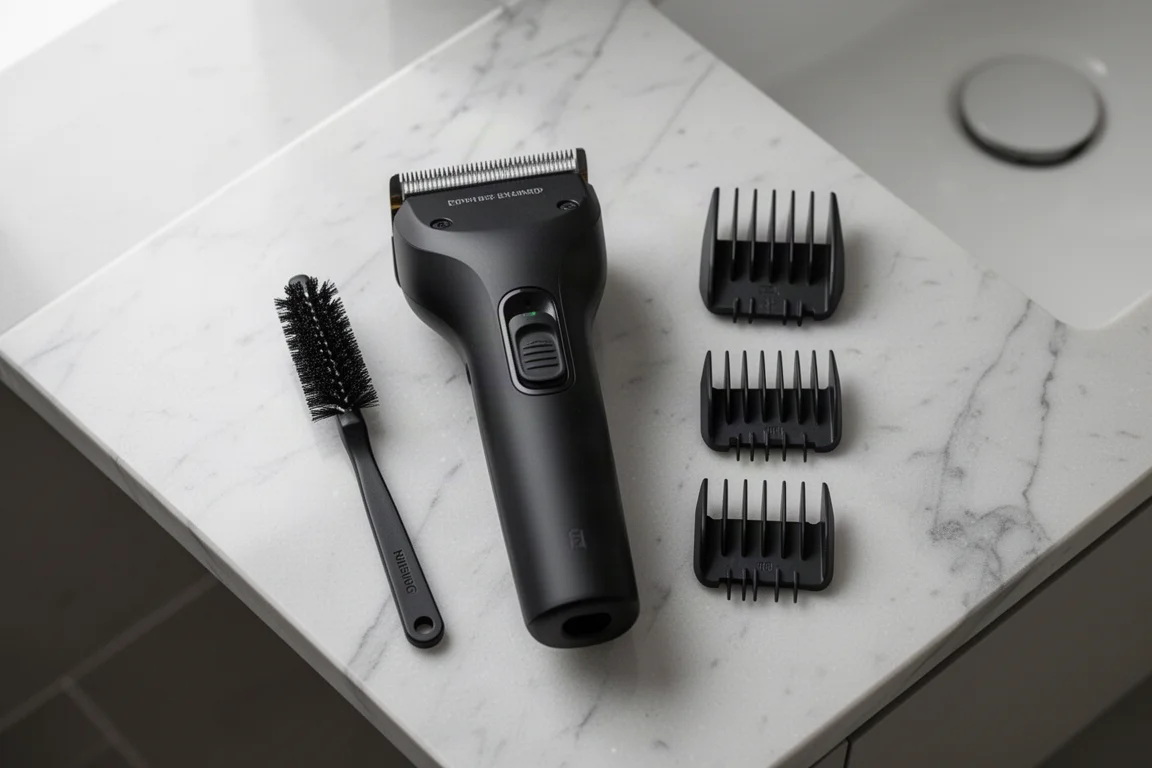
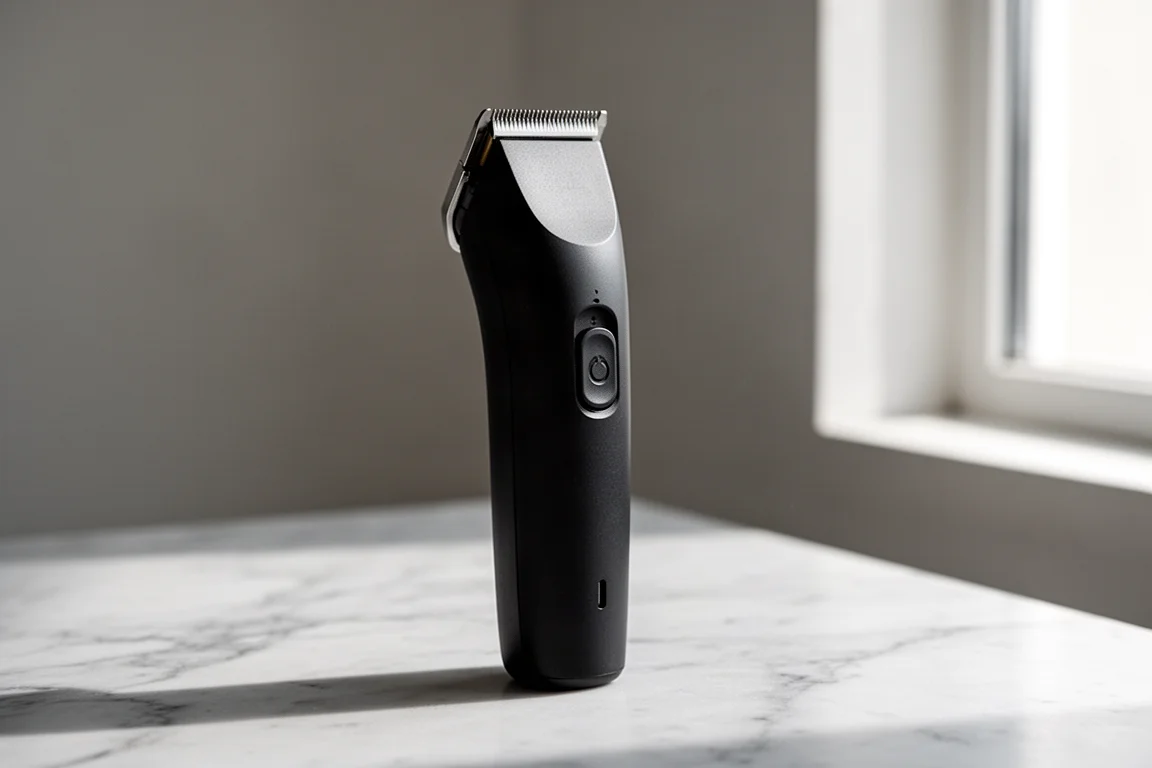
Cutting your own hair is a niche upgrade, but it is one where going cheap first turned out to be the wrong call. Two sets of $20 clippers either snagged and cut poorly or overheated and made strange noises within a minute. The replacement, chosen after extensive community research, uses a brushless motor and solved every one of those problems.
At over $250 at regular price, it is expensive, and there are very likely equally capable options for less than half that. But compared to repeated barber visits plus traffic, it has already paid for itself many times over. As a bonus, it charges over USB-C power delivery for extended cordless use, and the fact that some full-time professional barbers use the same model suggests it will easily last a decade.
One honest caveat: for many people, the barbershop is social, ritualistic, and a way to support hyper-local business. If that matters to you, learning to cut your own hair is not a life recommendation. But if you just want a basic cut and the time-and-money math no longer works, this upgrade delivers.
4. A Compact Cordless Vacuum for Daily Messes
At over $100, this one is expensive relative to doing nothing, especially because most households already own a full-size upright vacuum, which technically makes it unnecessary. The value is psychological and practical at once: lugging an upright out for a tiny mess, like spilled coffee grounds or hair clippings after a haircut, feels heavy, while grabbing a compact cordless vacuum does not.
The most valuable feature is the quick-dump design. There is no filter bag or filter to fuss with; you vacuum, walk to the bin, press the button, and you are done. For small daily messes, that friction gap is the entire difference between a clean floor and a postponed chore.
It is worth saying plainly: if your spaces are messy or cluttered but you are happy, you have already won. No tool, including this one, is mandatory. It only earns its price if the small-mess problem is one you actually have.
5. Shallow Storage: IKEA Alex Drawer Units
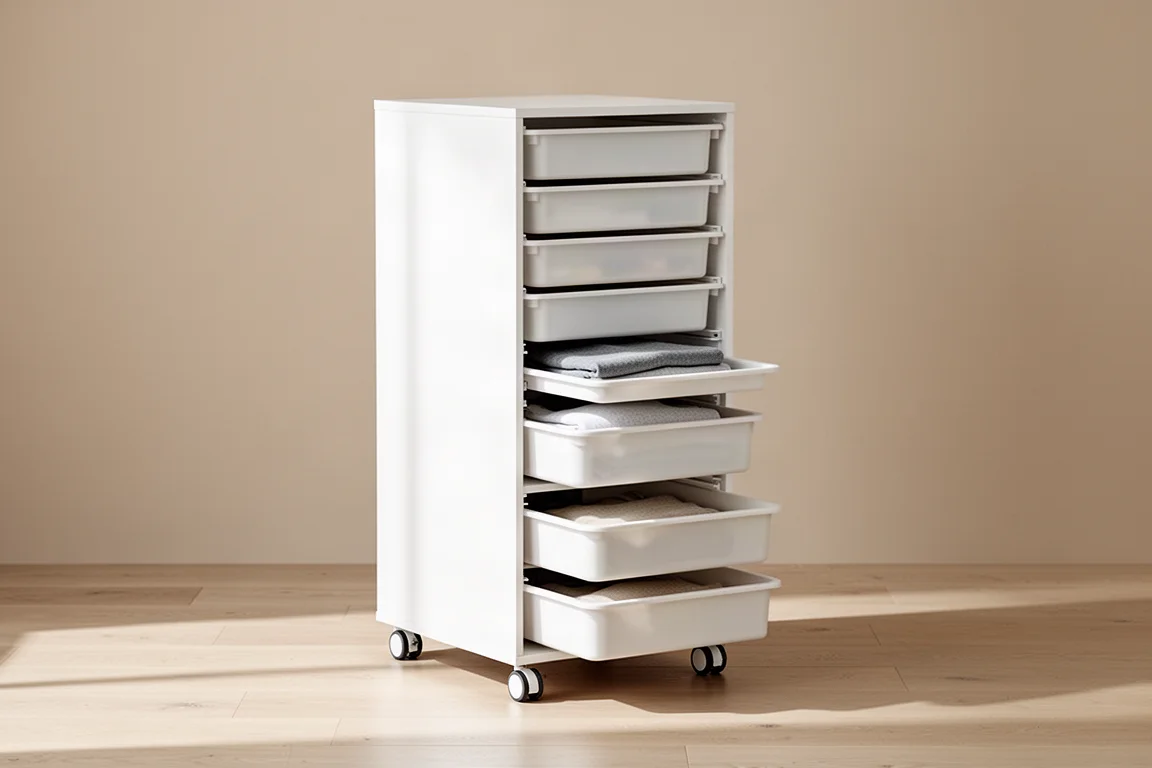
One of the quiet enemies of a smooth day is digging for things, both when starting a task and when tidying up afterward. The root cause is that most storage, from backpacks to drawers, goes deep. Shallow storage fixes this: with a single layer of items per drawer, there is never anything to dig through, whether putting something away or grabbing it again.
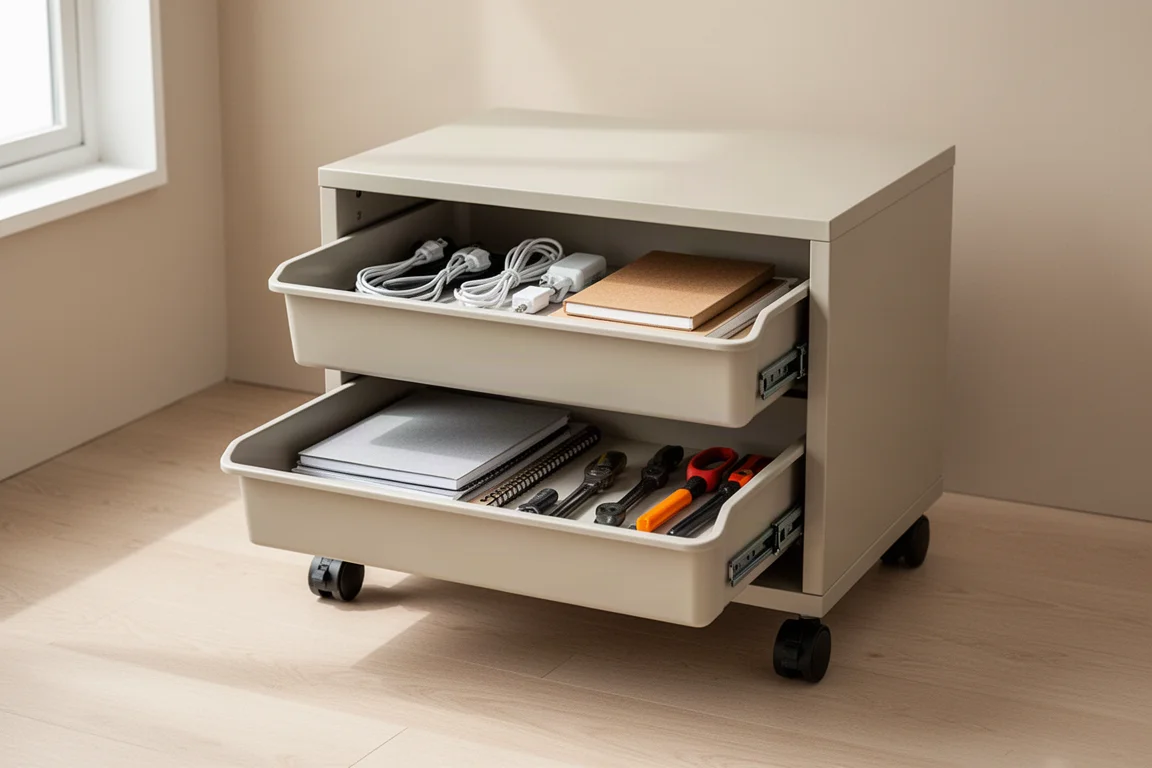
Even though IKEA is traditionally budget-friendly furniture, buying several of these drawer units was genuinely expensive, and the wheeled, all-shallow six-drawer format is the point. The improvement in how smoothly things get used and put back is why, despite the cost, it is worth it.
Buying Advice
The pattern across these five picks is consistent. The expensive option wins when it removes a recurring daily friction: faster cleanup, safer and sharper knives, better prep workflow, less digging. The expensive option loses when you will not use it often. Before paying the premium, ask honestly how frequently the problem shows up in your week.
Conclusion
Expensive does not automatically mean better, but in these five cases the price was matched by a real, repeatable improvement in everyday life. Match the purchase to a habit you already have, and the premium stops feeling indulgent and starts feeling obvious.
Further reading
Related Reviews
Home & Kitchen
Best Non-Toxic Coffee Mugs: Four Safe Options for Daily Use
A practical guide to four non-toxic coffee mug options, each with distinct benefits for health-conscious drinkers seeking durability and comfort.

Backpacking Gear
Building a 10 lb Base Weight: An Ultralight Backpacking Gear List
A practical walkthrough of the ultralight pieces behind a 10 lb base weight, from a 765 g pack and a roomy one-person tent to a full camp chair and a dependable water filter.

Road Bikes
10 New Road Bikes Worth Watching: Aero, Titanium, Steel and Endurance Standouts
A practical roundup of 10 new road bikes, from aero flagships chasing single-watt gains to titanium, steel and endurance platforms built for real roads.