Home & Kitchen
Best Water Filter Pitchers and Countertop Systems: 12 Options Tested Side by Side
Twelve water filter pitchers, countertop systems, and a distiller compared on copper, chlorine, and fluoride removal, filtration speed, and build quality.
Introduction
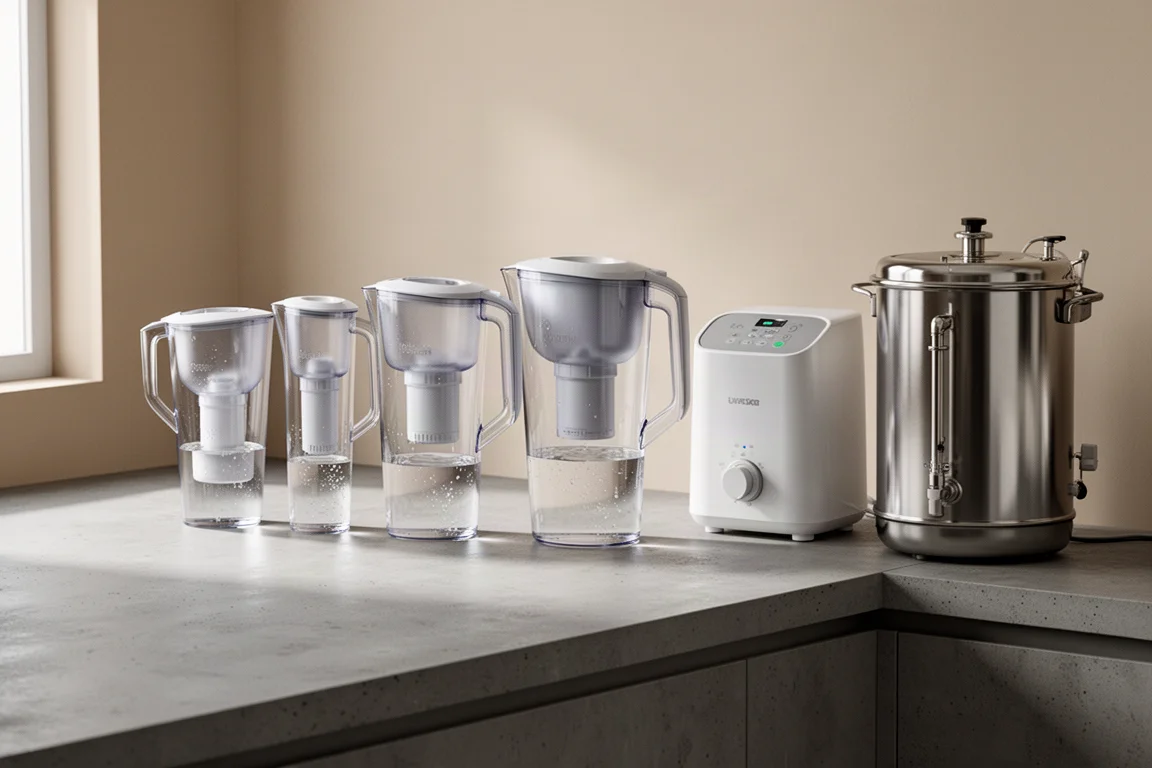
Tap water is easy to take for granted, but how well do the popular countertop filters actually clean it? We put twelve systems head to head, from a $16 pitcher to a $300 water distiller, testing each one against copper, chlorine, and fluoride contamination, filtration speed, water clarity, and internal filter construction. The results split the field sharply: a handful of systems reduced copper below 0.1 ppm, while others barely moved the needle.
How the Filters Were Compared
Each system was tested with controlled, contaminated water starting at 94 ppm of copper, then again with water dosed with pond water, red food coloring, probiotics, and sodium fluoride. Chlorine removal, total dissolved solids, and water clarity were measured for every filter, and each cartridge was cut open at the end to inspect the media inside. Total dissolved solids were not counted toward the final rankings, since not all dissolved solids are unsafe in drinking water.
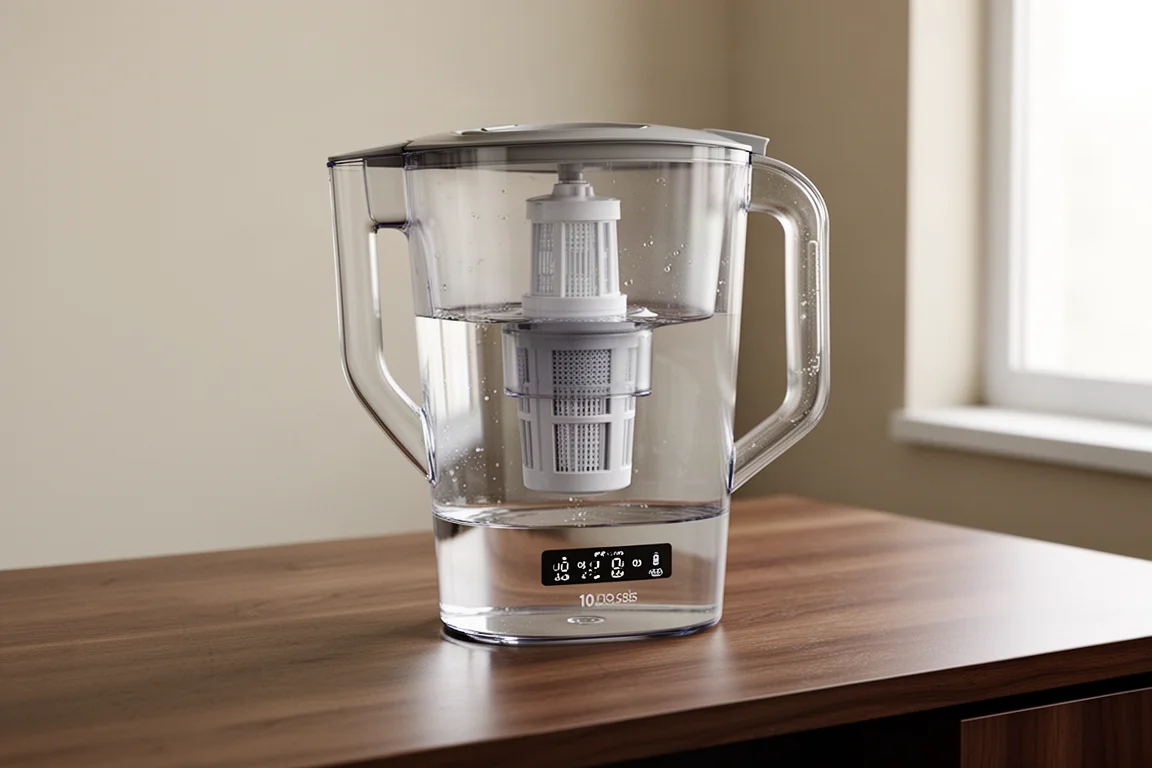
Waterdrop Water Filter Pitcher
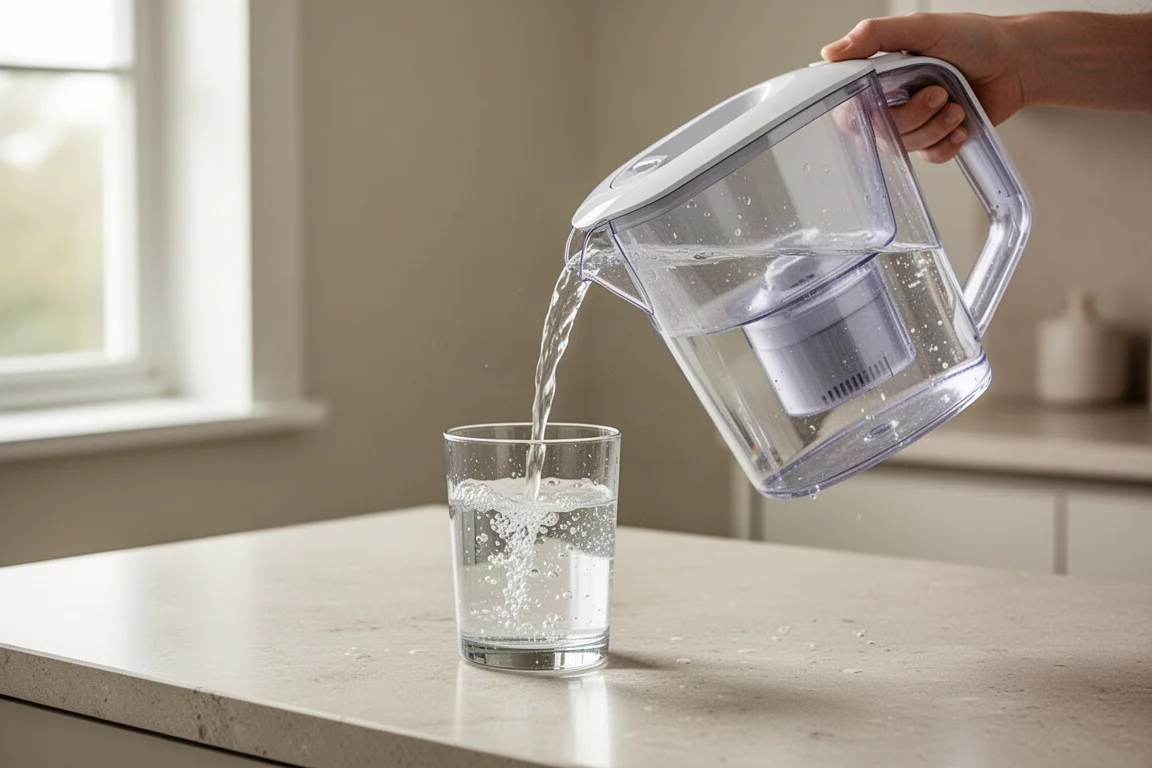
At $16, the Waterdrop is the cheapest pitcher in the lineup, with a claimed seven-cup capacity, a three-month or 200-gallon filter lifespan, and NSF and ANSI certification claims for chlorine reduction. It was also the fastest pitcher tested, filtering two cups in close to a minute. Performance on copper was the weak point, however: filtered water still measured over 5 ppm of copper, the worst result in the group, and it barely improved the appearance of heavily contaminated test water. It is made in China.
PUR Water Filter Pitcher
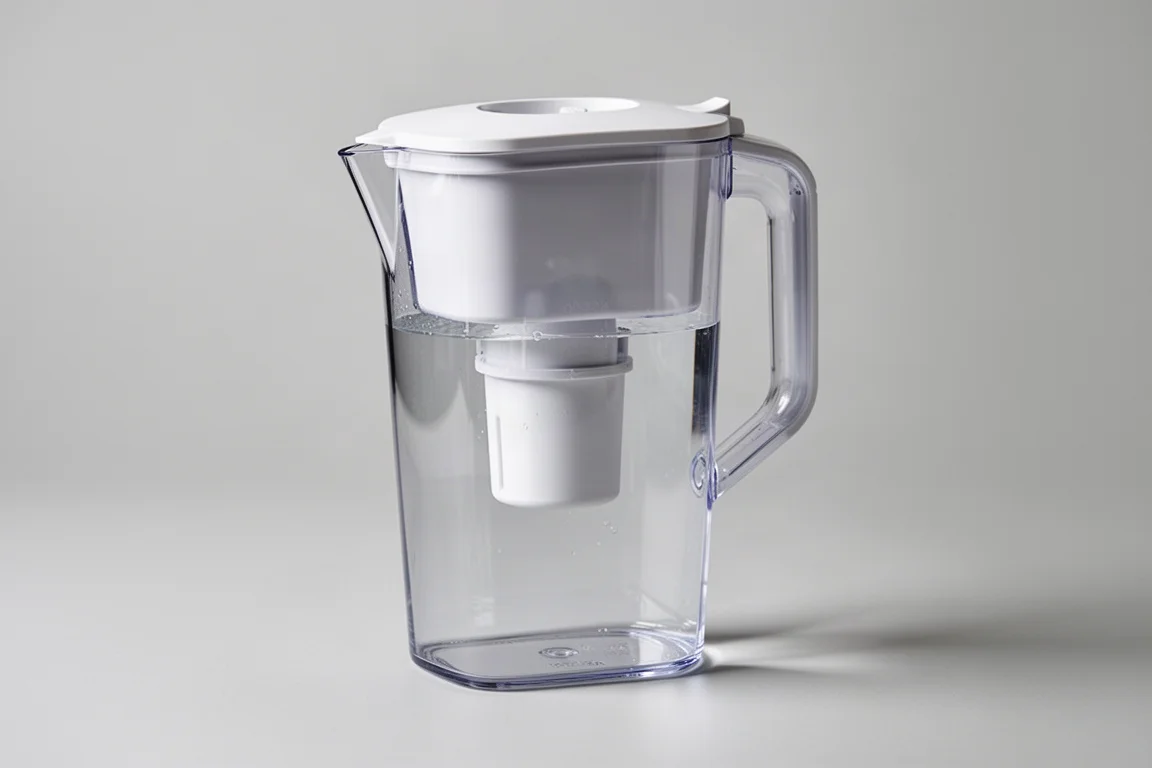
The $25 PUR pitcher holds eight cups, claims BPA-free construction and certification to reduce two times more substances than Brita, and pairs an activated carbon filter with ion exchange. It took 2 minutes 28 seconds to filter two cups, more than twice as long as the Waterdrop, but it cut copper to 1.89 ppm, a clear step up. It also handled red food coloring better than most pitchers, though fluoride removal was only average.
Amazon Basics Water Filter Pitcher
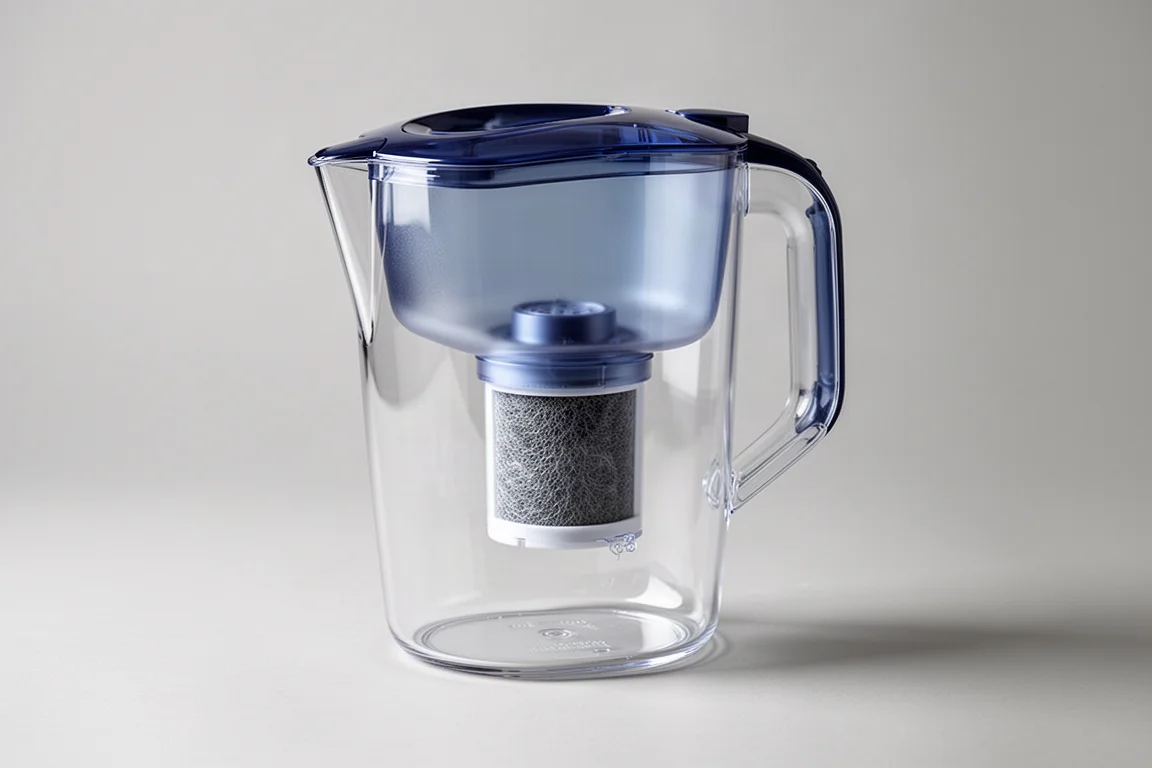
Priced at $28, the Amazon Basics pitcher holds ten cups and is WQA certified against NSF/ANSI 53, 401, and 372 standards. The pitcher is made in Poland with a filter cartridge made in the UK. It filtered two cups in about 1 minute 28 seconds, roughly a minute faster than the PUR, and reduced copper to 3.12 ppm. Where it shone was fluoride: it delivered the best fluoride result of any standard pitcher, landing between 25 and 50 ppm on test strips.
Zero Water 10-Cup 5-Stage Pitcher
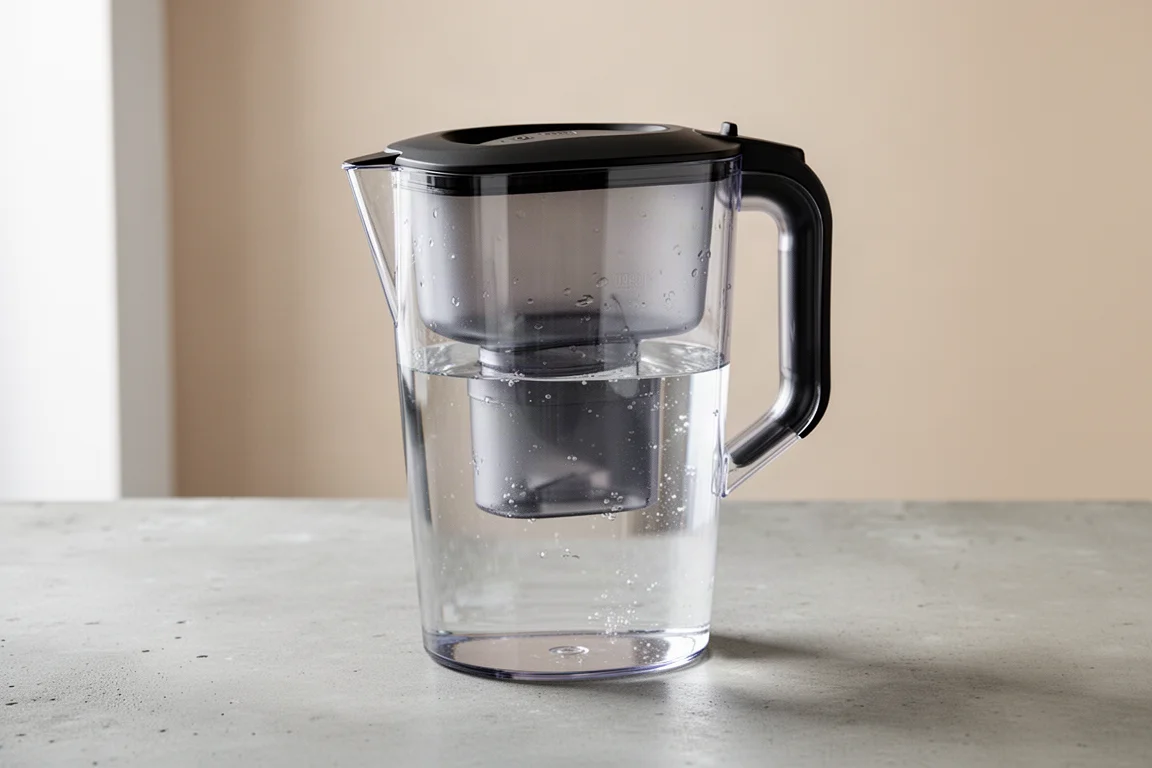
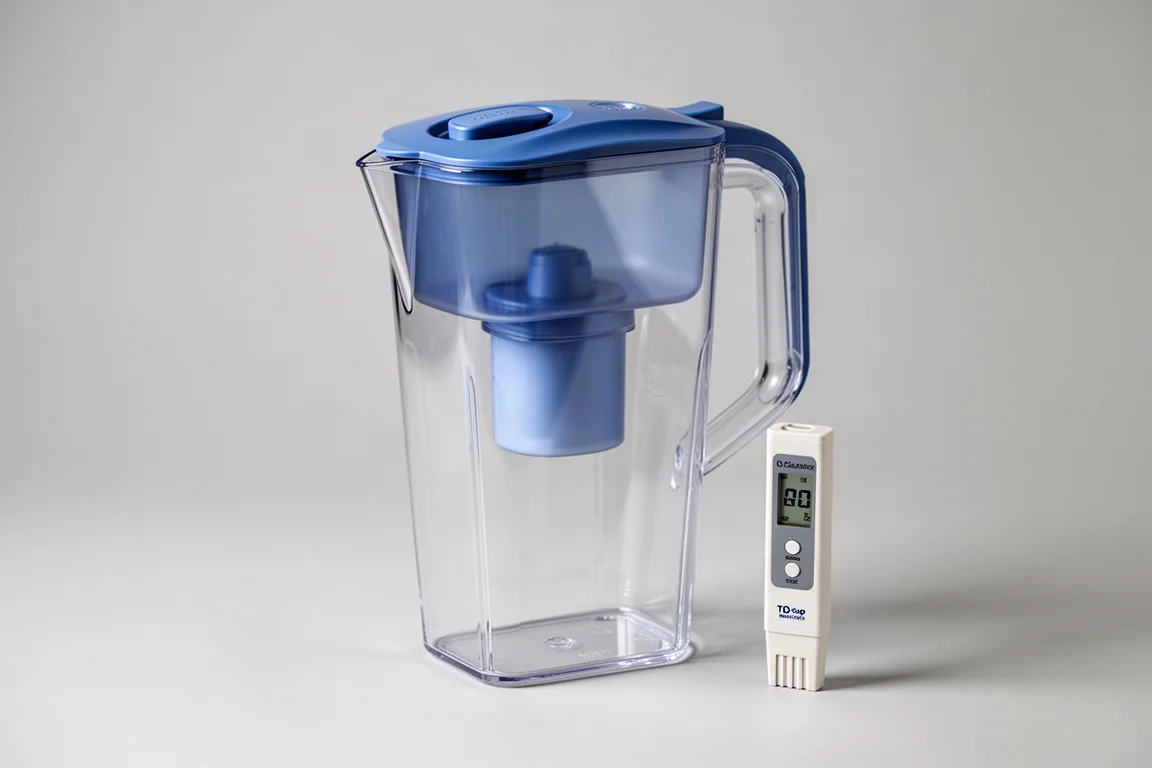
The $34 Zero Water is a ten-cup, ready-to-pour five-stage filter that claims zero total dissolved solids, comes certified, and even includes a TDS meter. It was slower at 2 minutes 48 seconds for two cups, but the results were outstanding: zero TDS, no detectable copper on test strips, a measured 0.07 ppm of copper, a perfect zero on the water clarity test, and test strips indicating all fluoride removed. It strips water of nearly everything, so filters will need replacing more often, though buying in bulk brings the cost down to roughly $12 to $13 each. It was the clear budget pick.
Brita Water Filter Pitcher
At $41, the Brita is arguably the most familiar pitcher brand in the US, claiming 99% lead removal along with a range of chemicals, with a ten-cup capacity and a filter rated for six months. It has a much smaller filter than Zero Water and filtered two cups in about 1 minute 30 seconds. On the tough copper test it scored over 5 ppm, the same bottom-tier result as the Waterdrop, though it performed better on clarity and fluoride, landing just over 50 ppm on the fluoride strips.
LifeStraw Water Filter Pitcher
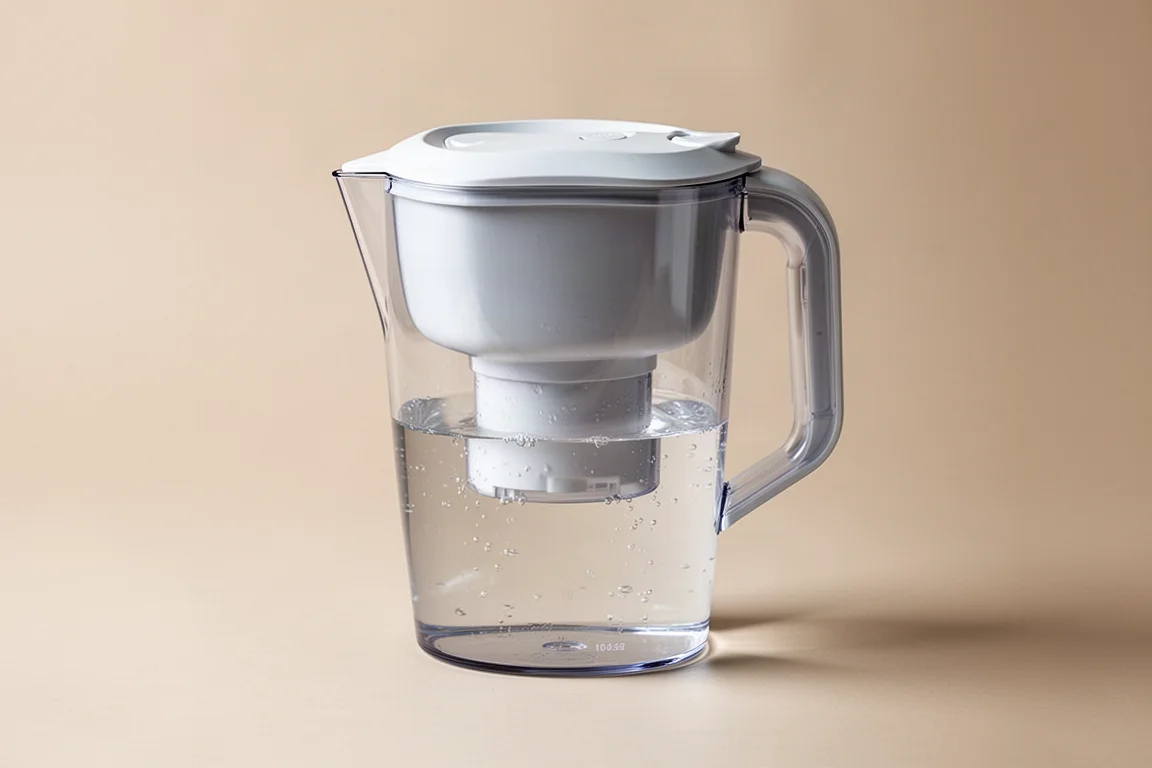
The $52 LifeStraw pitcher holds seven cups, claims a one-year or 264-gallon system lifespan with a 40-gallon activated carbon plus ion exchange cartridge, and adds claims of protection against bacteria and parasites on top of lead and chlorine reduction. It is made in South Korea. Filtering was painfully slow, taking over 30 minutes for two cups, but the multi-stage design of microfiltration membrane, activated carbon, and ion exchange delivered 0.03 ppm of copper, one of the best results of the entire test.
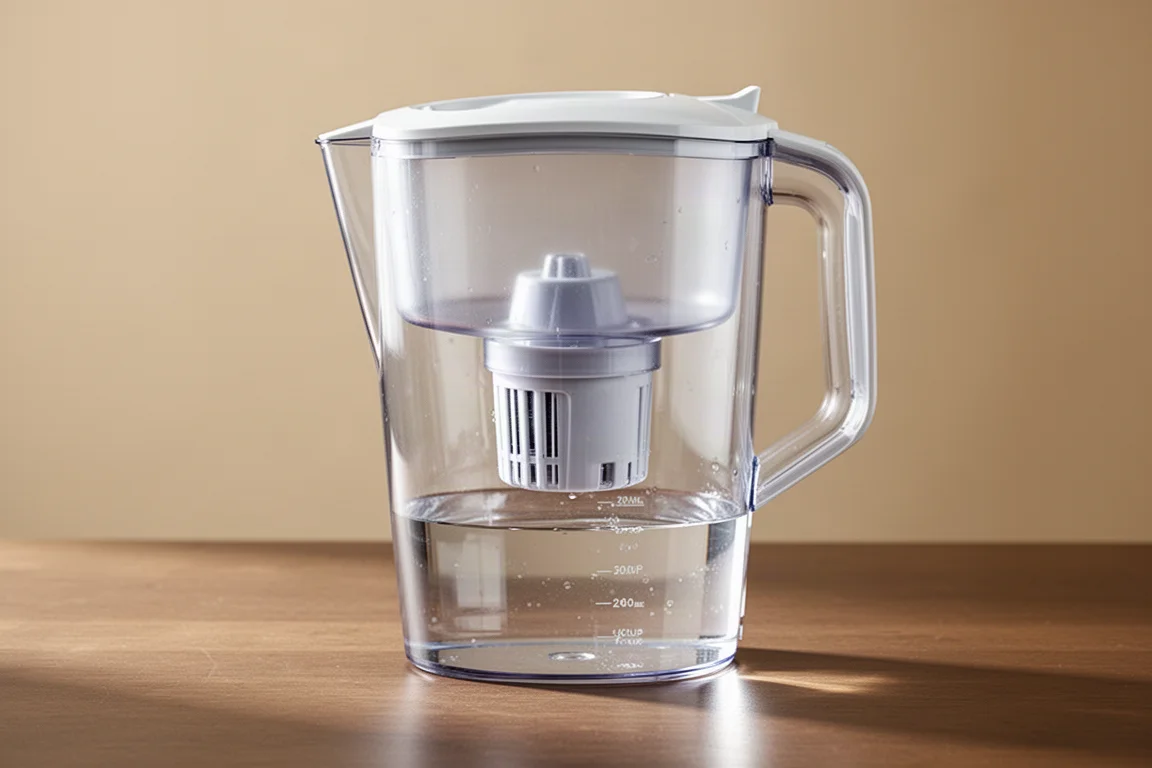
Aquagear Water Filter Pitcher
Priced at $70, the Aquagear claims to remove 20 times more contaminants than a traditional pitcher, is third-party tested for lead and chlorine, keeps beneficial minerals in the water, and has a filter rated for 120 gallons, three times longer than most standard filters. It is made in the USA. It filtered two cups in around 3 minutes 43 seconds and produced water measuring just 0.24 ppm of copper, safely under one part per million. Conditioning with tap water skewed the TDS reading, but clarity and fluoride results were both above average.
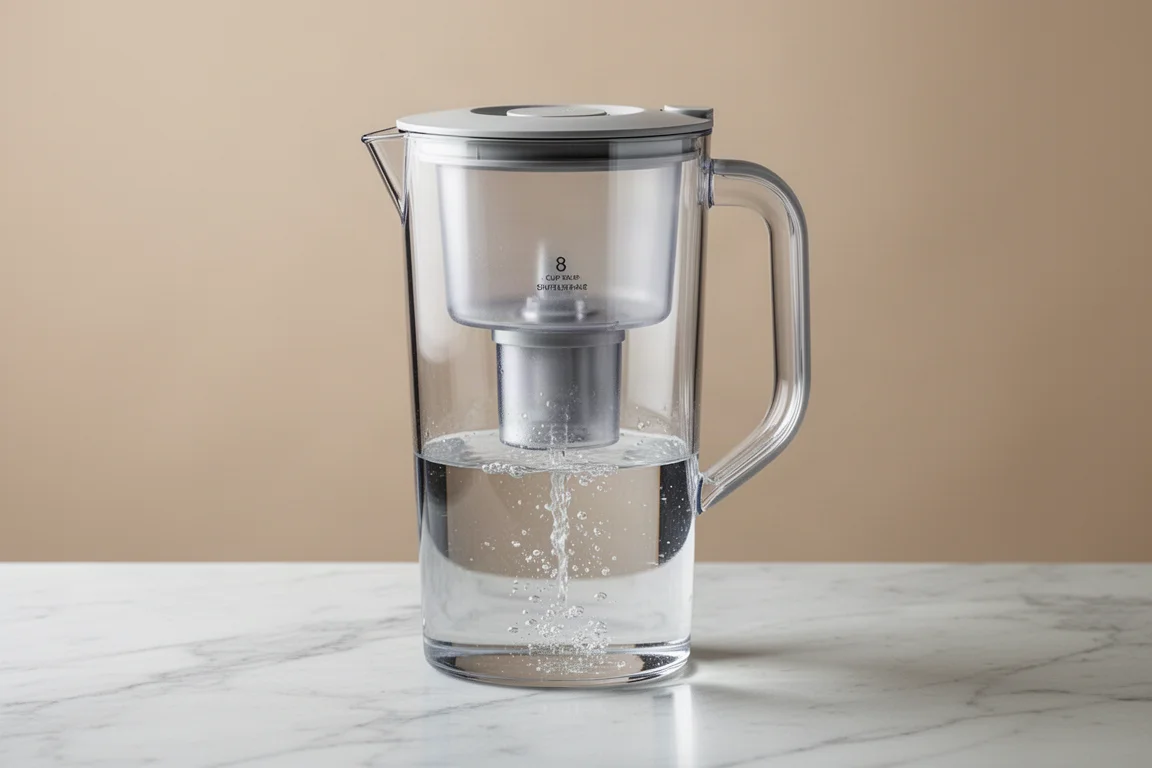
Epic Water Filter Pitcher
At $79, the Epic Water pitcher claims to eliminate 99.9% of contaminants, remove 2,000% more contaminants than leading pitchers, and deliver 150 gallons per filter, with testing against official standards. The manufacturer itself notes the filter does not remove 100% of contaminants. It is made in the USA and holds up to ten cups. Filtration was slow at around 5 minutes 8 seconds for two cups, but results were excellent: 4 ppm TDS, 0.26 ppm of copper, and a perfect zero on the water clarity test, tying for first in that category.
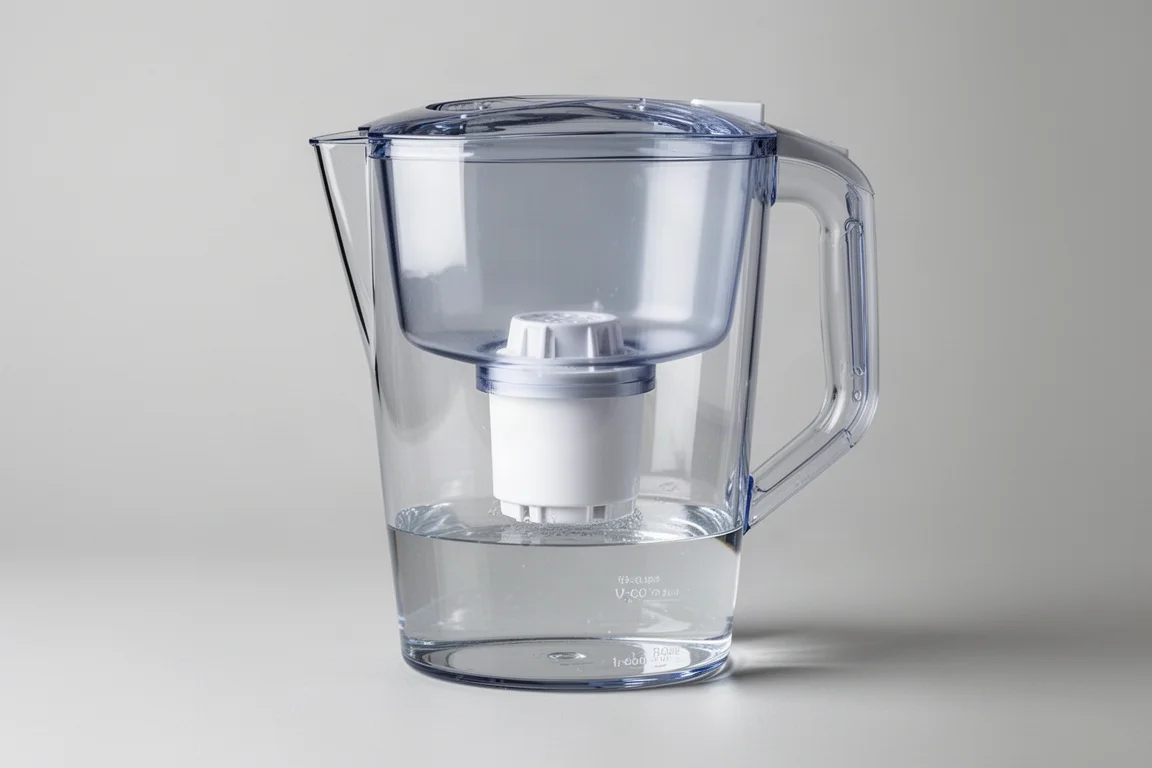
Safe Shell pH Enhancing Water Filter
The $80 Safe Shell is a pH-enhancing filtration system claiming removal of lead, mercury, asbestos, chromium, and other contaminants, with water passing through two identical filters under faucet pressure for several minutes. It claims to raise pH up to 9.5, holds 64 ounces or eight cups, and is made in the USA. It filtered two cups in just over four minutes and produced water at 0.72 ppm of copper, safely under one part per million, with a better-than-average clarity score of 0.07.
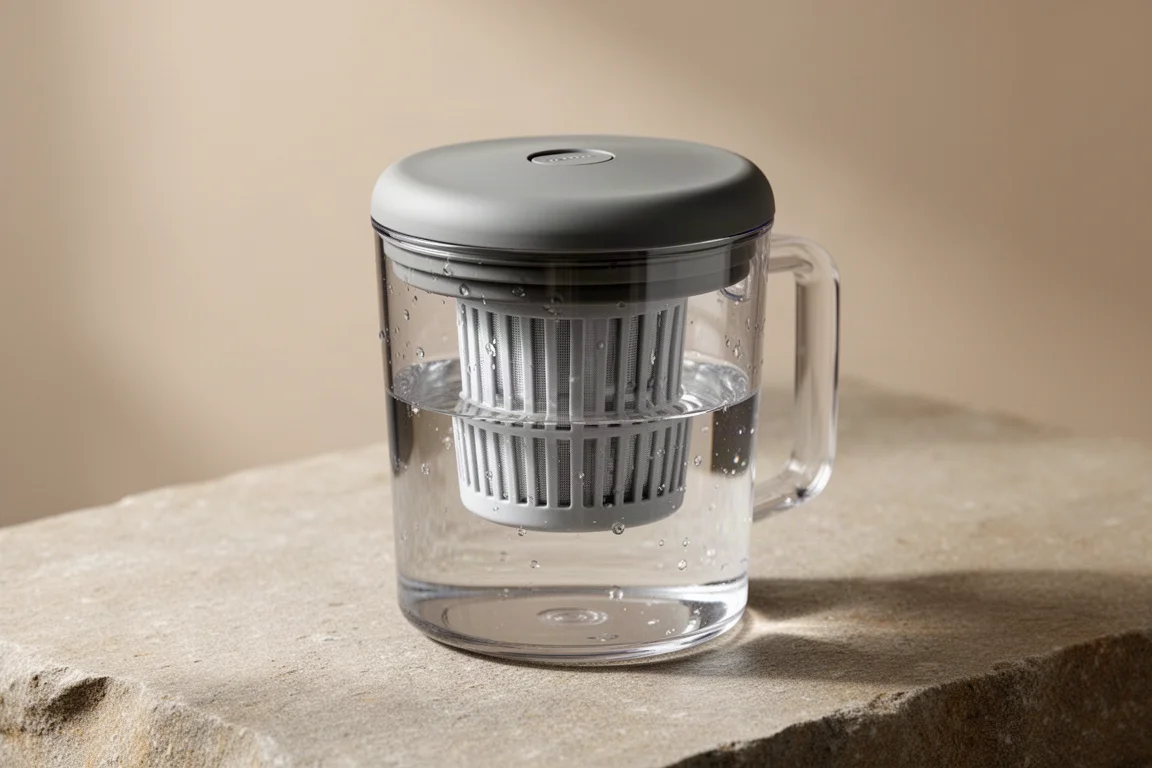
Clearly Filtered Water Filter System
At around $100, Clearly Filtered claims to target 365-plus contaminants including fluoride and chlorine, remove up to 99.9% of them, last 100 gallons, and comply with NSF and ANSI standards through third-party testing. It is made in the USA. It was far slower than average, taking around 13 minutes for two cups, but the results justified the wait: 177 ppm TDS, 0.05 ppm of copper, a perfect zero on water clarity, and fluoride strips reading between zero and 10 ppm. The cut-open filter media looked noticeably more robust and complex than most of the competition.
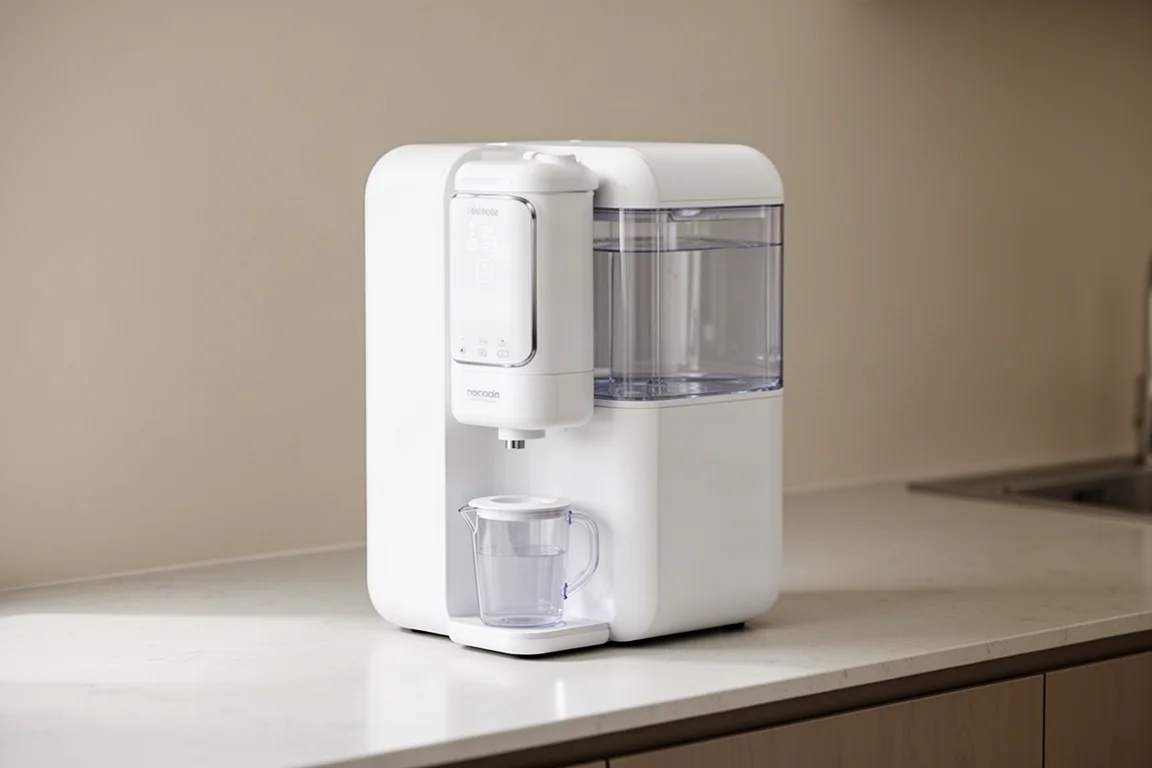
Dreo Reverse Osmosis Countertop System
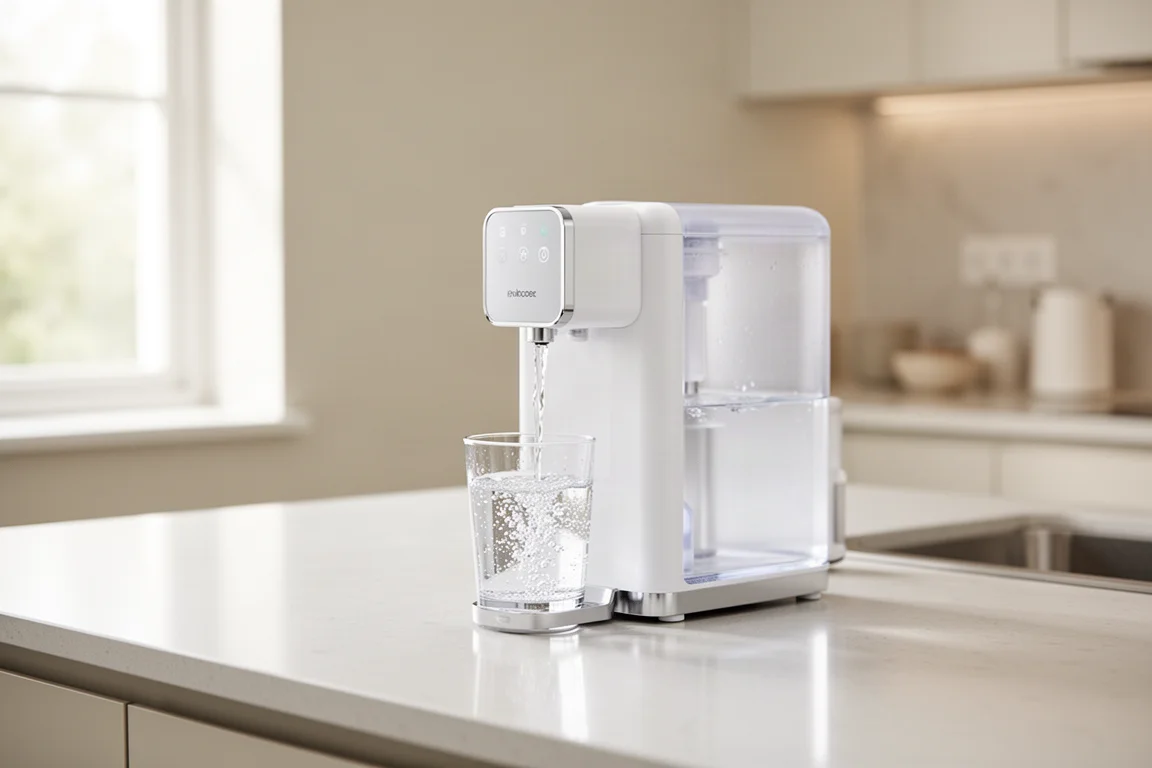
At around $270, the Dreo is a seven-stage reverse osmosis countertop system that needs no water line hookup: you plug it in, flush it twice, and it automatically flushes and refills its pure water pitcher. The RO membrane is claimed to filter down to 0.0001 microns, removing up to 99.9% of 1,000-plus contaminants, with included filters rated for up to 1,000 gallons. It is made in China. Despite the price, it is fast, producing roughly two cups in about 1 minute 20 seconds, and its results were top tier: 10 ppm TDS, 0.04 ppm of copper, a perfect zero on clarity, and near-zero fluoride.
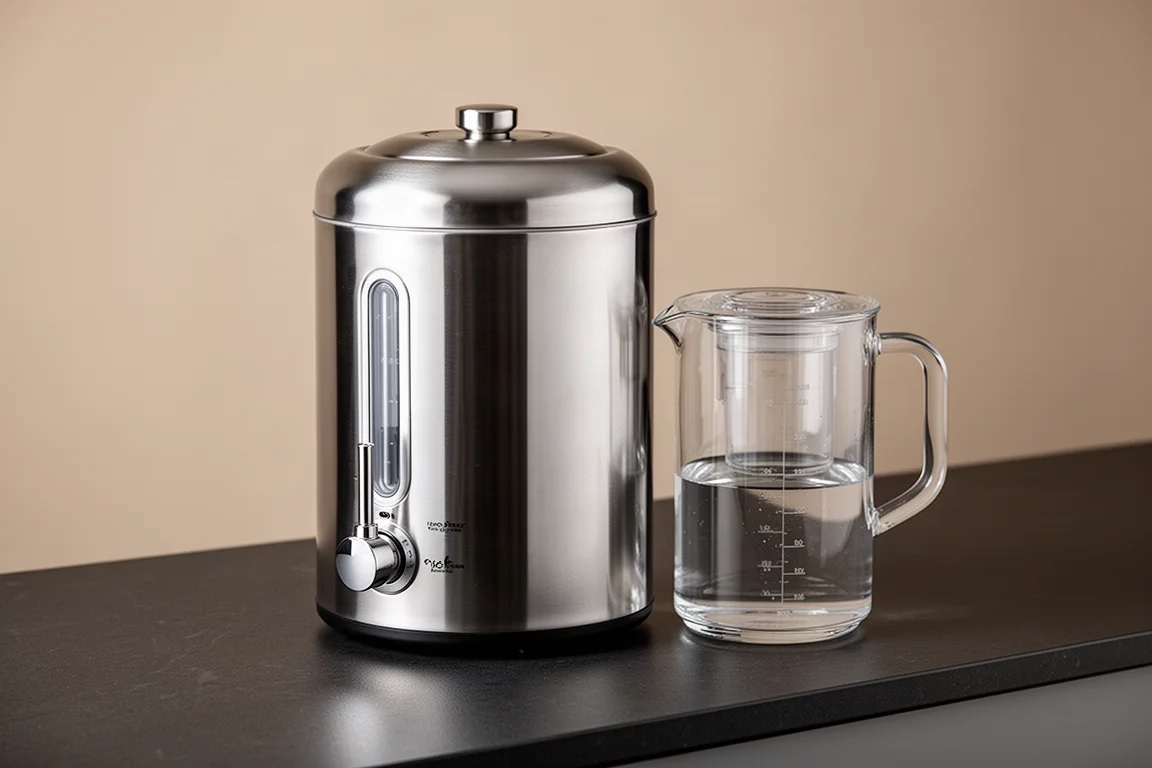
MegaHome Water Distiller
The most expensive system, at around $300, is the MegaHome, and unlike everything else here it is an actual water distiller, boiling water at 212°F. Both interior and exterior are 304 stainless steel, water never touches plastic, and distilled water collects in a one-gallon glass pitcher with a charcoal filter in the line. It draws about 575 watts and takes roughly 5.5 hours per gallon, about 41 minutes for two cups, the slowest in the lineup. But the output was flawless: zero TDS, 0.04 ppm of copper, a perfect zero on clarity, and no detectable fluoride. There are no filters to replace, though the unit needs periodic cleaning.
Test Results at a Glance
Five systems scored a perfect zero on the water clarity test: Zero Water, Epic, Clearly Filtered, Dreo, and MegaHome. On copper, LifeStraw, Dreo, MegaHome, Clearly Filtered, and Zero Water all reduced contamination below 0.1 ppm, while Aquagear, Epic, and Safe Shell came in safely under 1 ppm. Every single filter, including the $16 Waterdrop, removed all chlorine from the test water. The final scorecard, ranking first to last in each graded category, put the Dreo reverse osmosis system and the MegaHome distiller tied for first place with an average finish of 1.25.
Inside the Filters
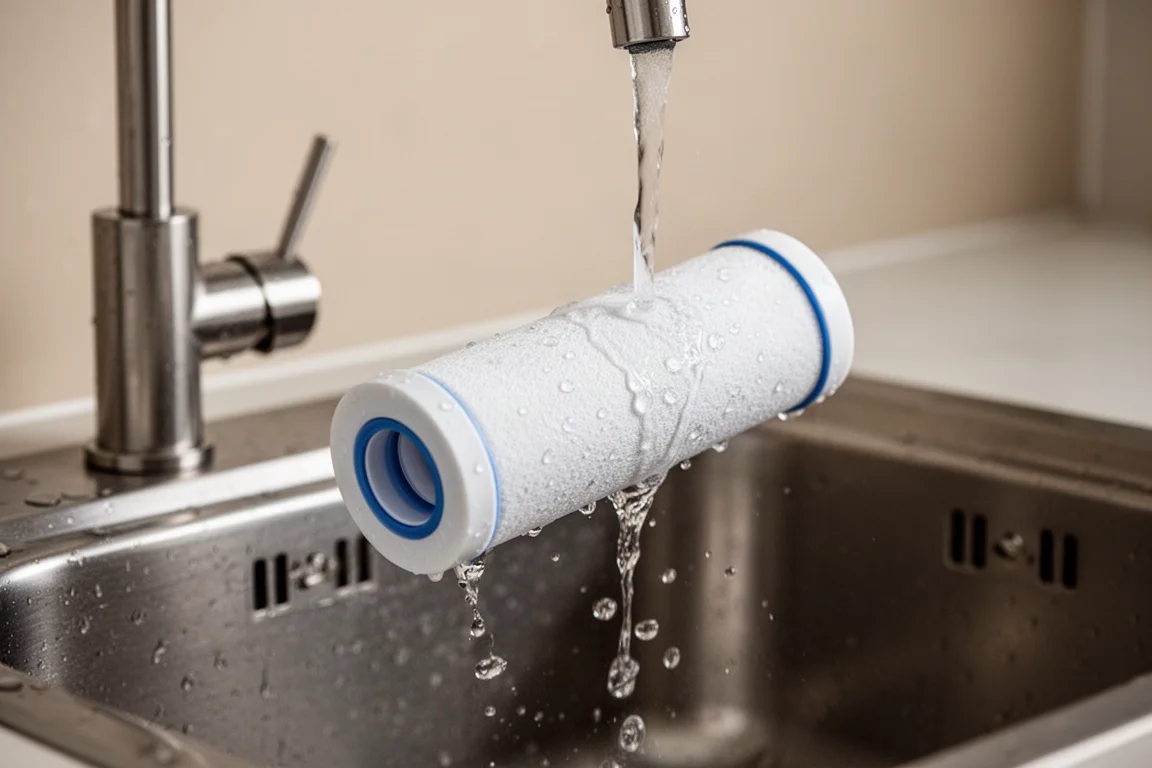
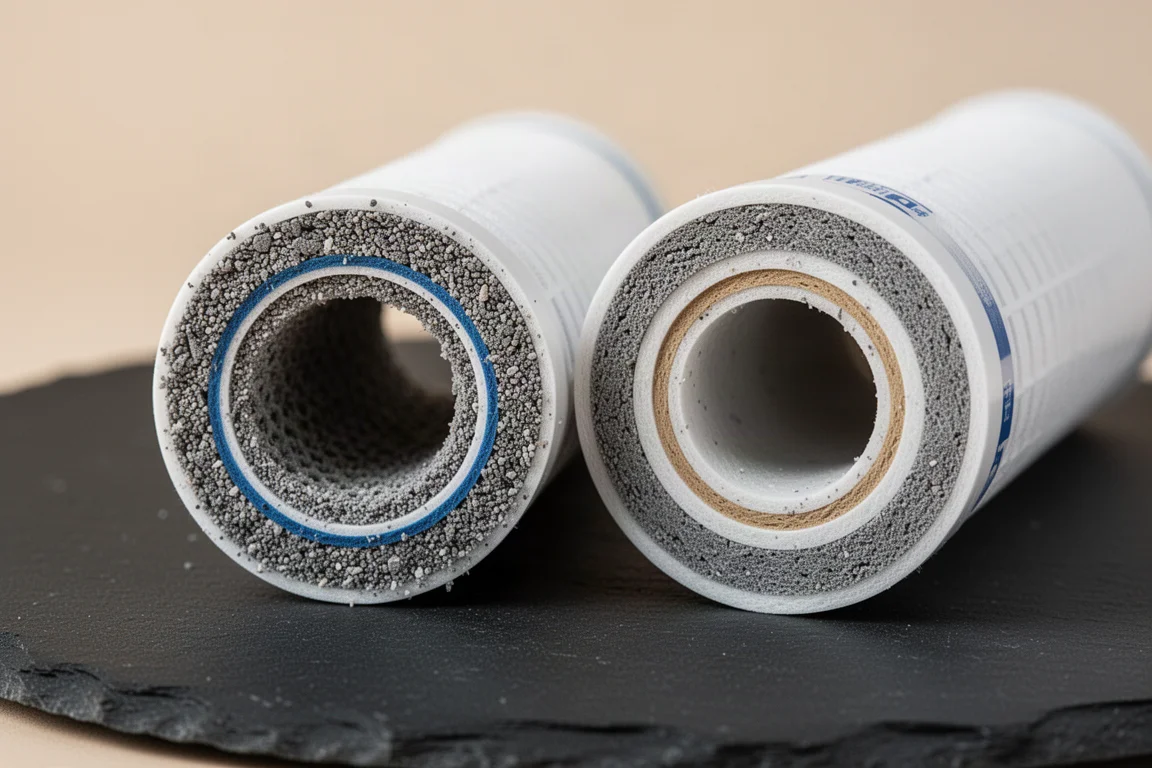
Cutting each cartridge open revealed real differences. The Waterdrop and Amazon Basics are packed with loose filtering media, while the PUR media looks noticeably different. The Zero Water cartridge is densely packed across its five stages. LifeStraw uniquely combines a carbon filter with what appears to be a microfiltration membrane, and the Epic, Aquagear, and Safe Shell filters all look like carbon paired with ion exchange. The Clearly Filtered cartridge had by far the most robust and complex internal construction.
Buying Advice: Which System Fits Your Needs
If budget is the priority, Zero Water stands out at $34. It filters reasonably fast, performs terrifically across every test, and bulk replacement filters bring running costs down to about $12 to $13 each. The main trade-off is that stripping everything out means more frequent filter changes.
If you want the cleanest possible water and go through a lot of it, the Dreo reverse osmosis system at around $270 is quick, thorough, and family-friendly, with filters rated for around 1,000 gallons. The MegaHome distiller at about $300 is the gold standard for purity and needs no replacement filters, but it is slow and power hungry, best suited to households needing only one or two gallons per day. If you prefer to keep beneficial minerals in your water, Epic and Aquagear are the strongest mid-priced picks, while Clearly Filtered and LifeStraw offer top-tier contaminant removal if you can live with slower filtration.
Conclusion
The headline result is that price does not reliably predict performance. Brita, one of the most popular pitcher brands, finished near the bottom on copper removal, while the $34 Zero Water matched systems costing three times as much. For most households, Zero Water is the best value, the Dreo is the best all-round upgrade, and the MegaHome distiller is the purity champion for those with the patience and the budget.
Further reading
Related Reviews
Home & Kitchen
Best Non-Toxic Coffee Mugs: Four Safe Options for Daily Use
A practical guide to four non-toxic coffee mug options, each with distinct benefits for health-conscious drinkers seeking durability and comfort.
Home & Kitchen
Expensive Home Upgrades That Are Actually Worth It: 5 Picks We'd Buy Again
From a rubber cutting board to shallow drawer storage, five premium-priced household upgrades that earn their cost through daily use.
Home & Kitchen
Caesarstone Quartz Countertops: A Long-Term Kitchen Upgrade Worth Considering
Why engineered quartz is such a practical countertop choice, and what makes Caesarstone Calacatta Nuvo stand out in a busy family kitchen.