Cycling Gear
Expensive Cycling Upgrades That Are Actually Worth It: 12 Premium Picks
Twelve genuinely expensive cycling products, from winter boots to bikepacking racks, and an honest look at which ones earn their price.
Introduction
There is a version of premium cycling gear that exists mainly to be admired, and there is a version that quietly changes how often you ride, how comfortable you are, or how long a component lasts before it needs replacing. This roundup is about the second kind.
Every product below sits firmly at the expensive end of the market. A couple are borderline absurd. All of them solve a specific, recurring problem well enough that the cost starts to look less like indulgence and more like a decision you only have to make once.
What Separates a Good Expensive Upgrade From a Bad One
Three things tend to separate premium kit that earns its price from premium kit that does not.
The first is a problem that keeps coming back. Wet shoes after a winter ride, a bottle that launches itself off the bike on a rough descent, a pump that seizes up after a season of rain. When a product removes an annoyance you meet several times a week, the arithmetic changes quickly.
The second is construction. Metal instead of plastic, sealed bearings instead of open ones, serviceable parts instead of sealed units. Longevity is the quiet argument for spending more, and it is the one that is hardest to see on a product page.
The third is how well the product fits the rest of your setup. A pump that only suits one frame size, a rack that only works on one bike, or a battery system that needs its own charging routine can be excellent and still be the wrong purchase for you.
Price alone tells you very little. What matters is whether the extra money buys durability, convenience, or a capability you simply did not have before.
Vacmaster Cardio 54 Fan: Serious Airflow for Indoor Training
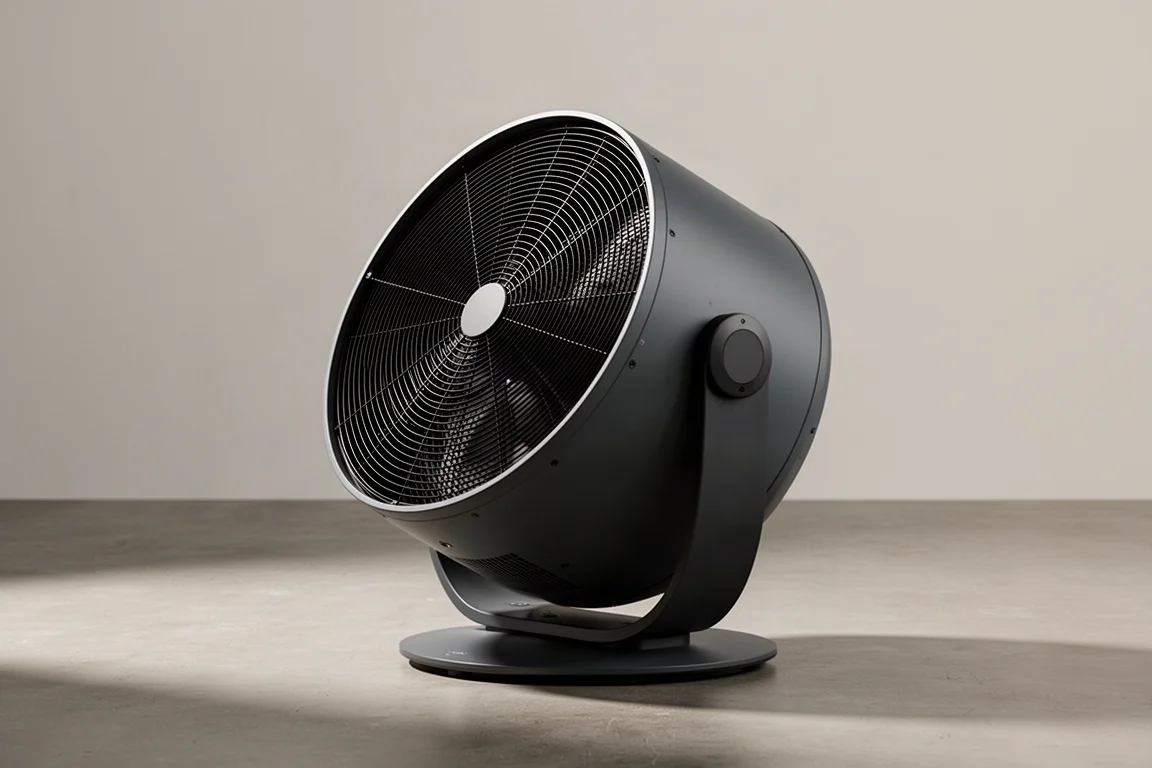
The Vacmaster Cardio 54 is a fan built for turbo trainer sessions, and it comes from an unusual place. The same company builds high-output drying fans for building sites, used to dry freshly painted walls, and the cycling version adds a remote control to that industrial airflow.
What sets it apart is the combination of volume and noise. It moves a serious amount of air while staying noticeably quieter than a typical wind machine fan, which matters when you are training indoors in a room with neighbours or a sleeping household.
Is it necessary? No. A basic fan will keep you cooler than nothing at all. But if indoor sessions are a regular part of your week, the jump in airflow and the drop in noise are the two things you notice every single time you get on the trainer.
Styrkr Gels: Fuelling You Can Actually Count
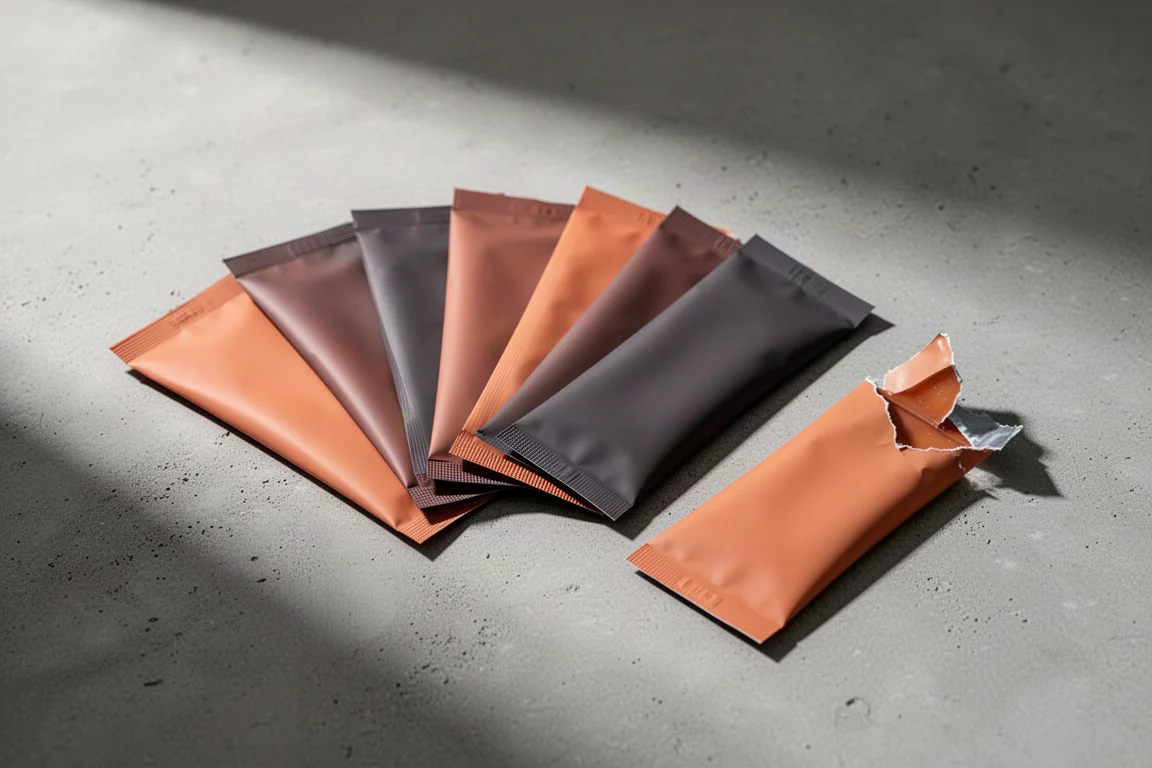
Sports nutrition is a category where you are paying mostly for convenience and precision, and Styrkr gels are built around both. Each gel contains 30 g of carbohydrate, which makes it straightforward to work out how many you need in an hour if you are tracking intake.
The packaging is designed to be opened one-handed, including with your teeth, mid-race or on a fast group ride when you cannot spare a hand. The matching bar contains exactly 50 g of carbohydrate, so you can mix formats without recalculating anything.
A jam sandwich costs less and works perfectly well, but you have no real idea how much carbohydrate is in it. If you train or race to a fuelling plan, the number on the packet is the entire point.
Renegy Shoe Dryer: The Cheapest Product Here and the Most Useful
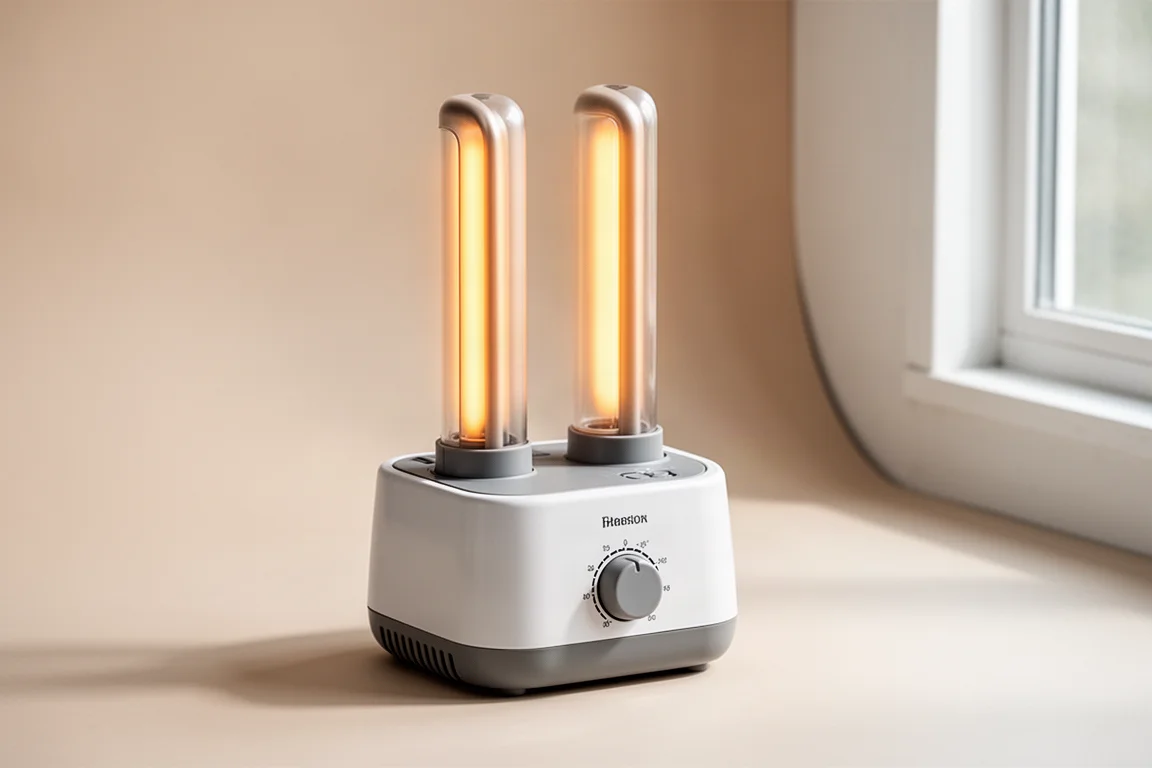
This is the least expensive product on the list and arguably the most quietly valuable. The Renegy shoe dryer costs $25.99 and does one thing: it pushes a timed flow of air through your cycling shoes and then switches itself off, typically after around 60 minutes.
It does not get especially hot, which matters because a lot of shoe brands advise against drying footwear on radiators or other direct heat sources. Warm air plus steady airflow is a much gentler combination than heat on its own.
If you ride through a wet winter, damp shoes are a near-daily problem. Starting the next ride in dry shoes rather than cold, sodden ones is a small luxury that compounds over a season.
Silca Impero Frame Pump: A Full-Size Pump That Lives on the Bike
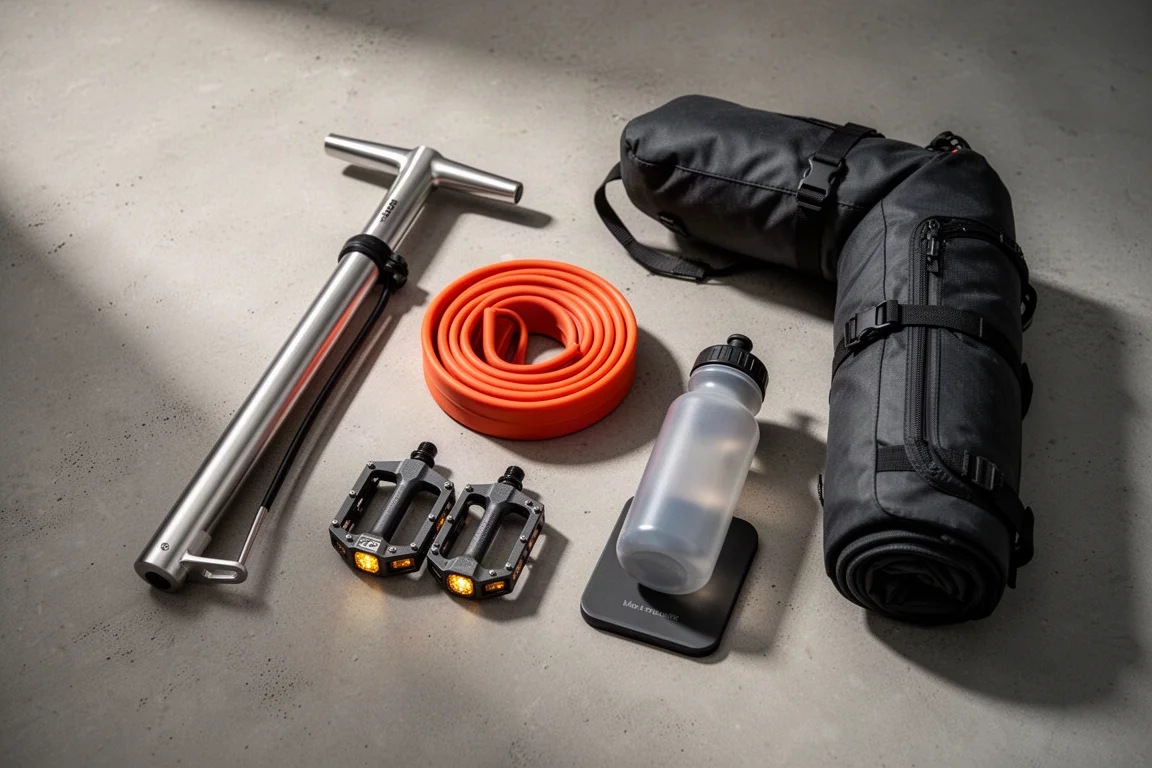
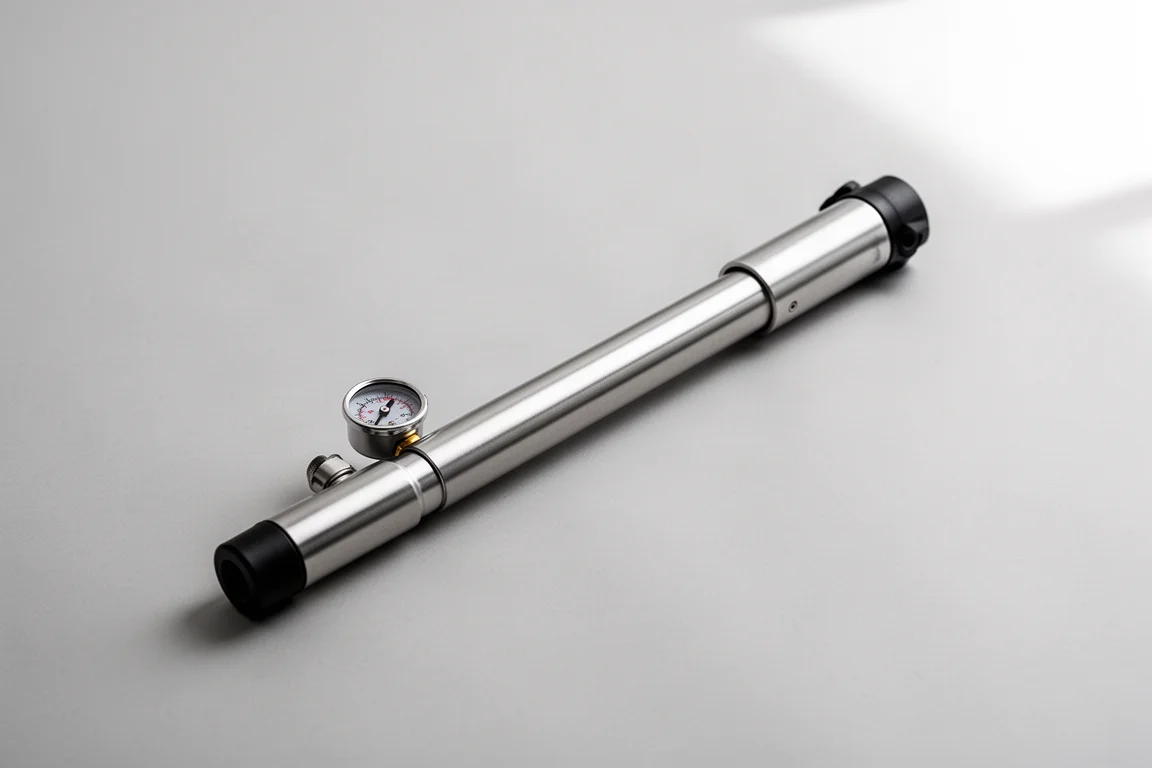
The Silca Impero is a full-length frame pump that mounts under your top tube, so you carry proper inflation capacity without a bag or a jersey pocket. It retails around £176, though it is frequently discounted to roughly £120.
The construction is the reason it lasts. Ours are fully metal, and they have kept working without the leaking, rusting and general decay that plastic pumps suffer in wet climates. Cheaper alternatives exist and cost a fraction of the price, but water gets inside them and the internal springs corrode until bits start falling out.
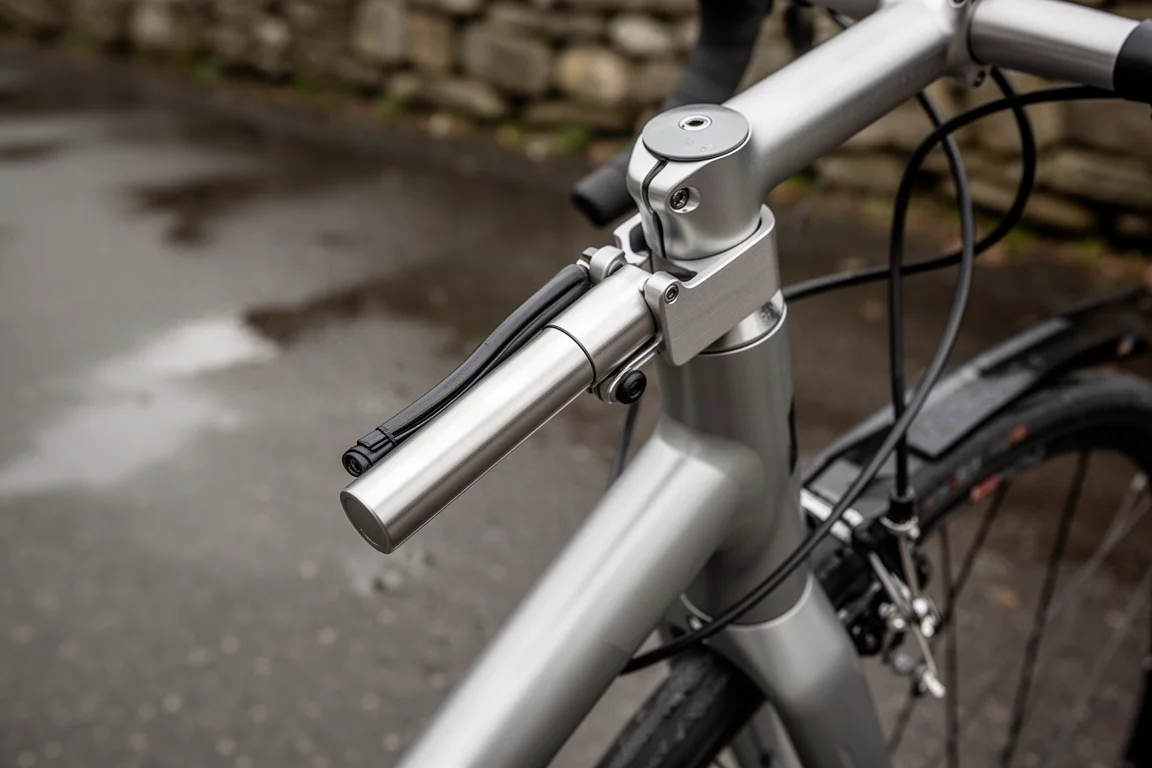
The main caveat is sizing. The Impero comes in four lengths, so measure your frame before ordering. A size small fits a 51 to 52 cm frame neatly. On frames with aero tube profiles the fit is less tidy, though it still works.
If you live somewhere dry, a budget pump will last years and there is little reason to spend more. If you do not, the metal body is the whole argument.
GripGrab Flandrien Knit Overshoes: Warmth Without Winter Boots
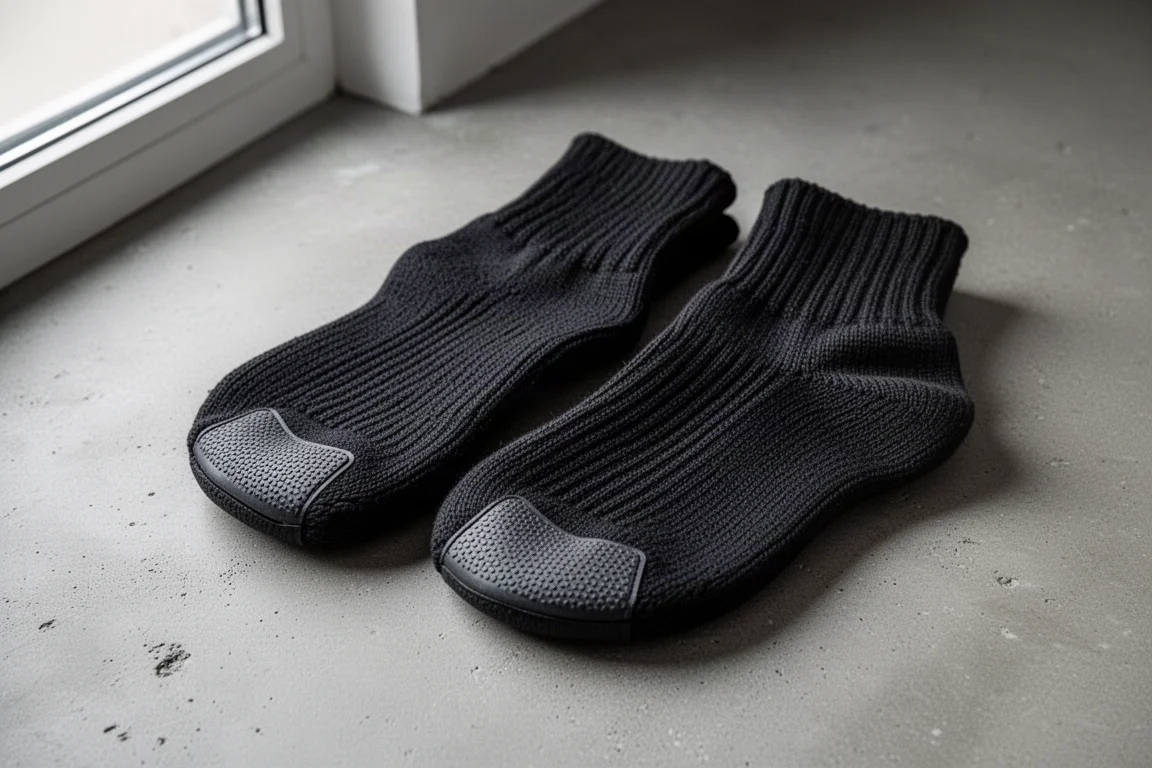
The Flandrien Knit is essentially a thick knitted sock that goes over your cycling shoe. It is designed to keep feet warm and dry, and it does both well enough that you can keep wearing breathable summer shoes well into cold weather.
Water beads off the surface rather than soaking in, and the knit is thick enough to make a genuine difference to warmth. Small rubber patches at the toe protect the fabric when you put a foot down at junctions, which is where overshoes usually wear through first.
They cost around £70 at full price, though they are often available for less. The limitation is underneath: water can still work its way through the openings in the sole. Riders who want maximum protection often move to longer covers that run up the calf, which come at a range of price points.
Northwave Extreme RR GTX Winter Boots: The Committed Answer to Cold Feet
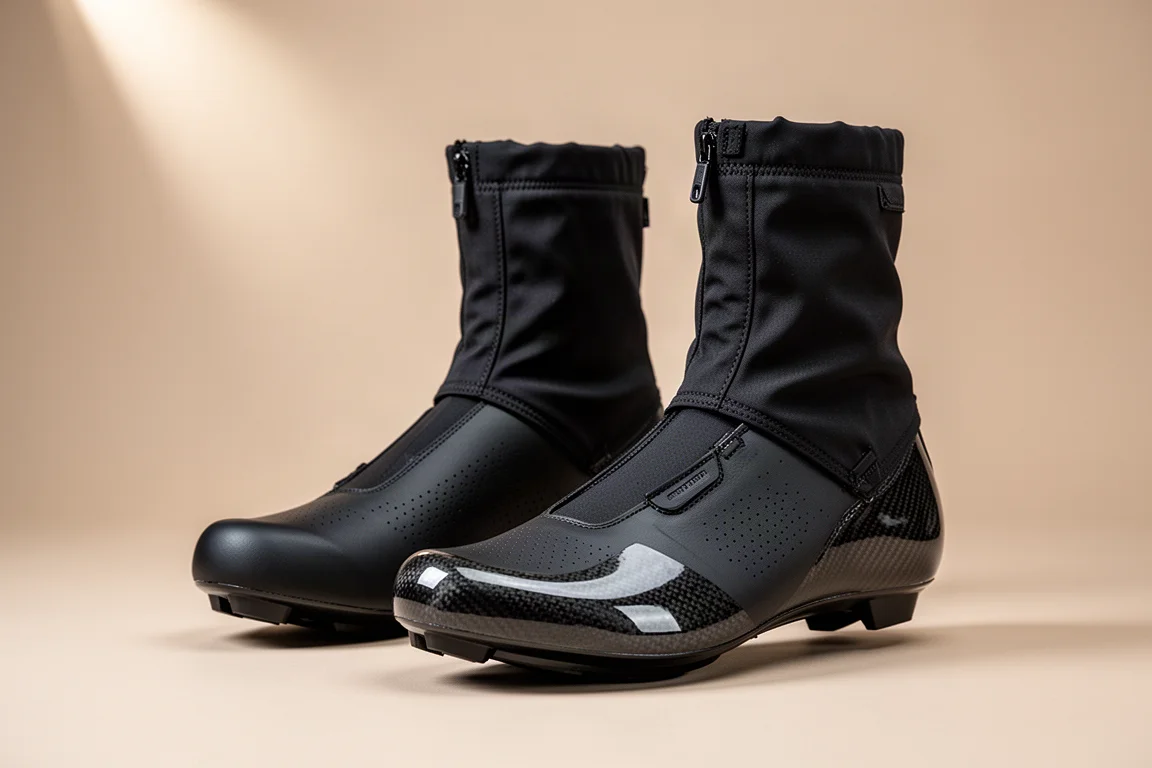
Winter boots are the more serious solution to cold, wet feet. The Northwave Extreme RR GTX is fully waterproof, fleece lined, and built without holes running through the sole into the shoe, with an integrated gaiter sealing the ankle.
They are officially rated to minus 5 degrees Celsius, and the sole is a proper carbon road sole rather than a compromised winter version.
The cost is the obvious issue. At £290 they are a significant outlay for something you will use for part of the year, and if your feet only get mildly cold, good overshoes will cover most of the gap. For riders who struggle badly with cold feet, though, boots like these are often the only thing that keeps them riding through the winter at all.
Topeak D-Torq DX: Precision You Can Hear
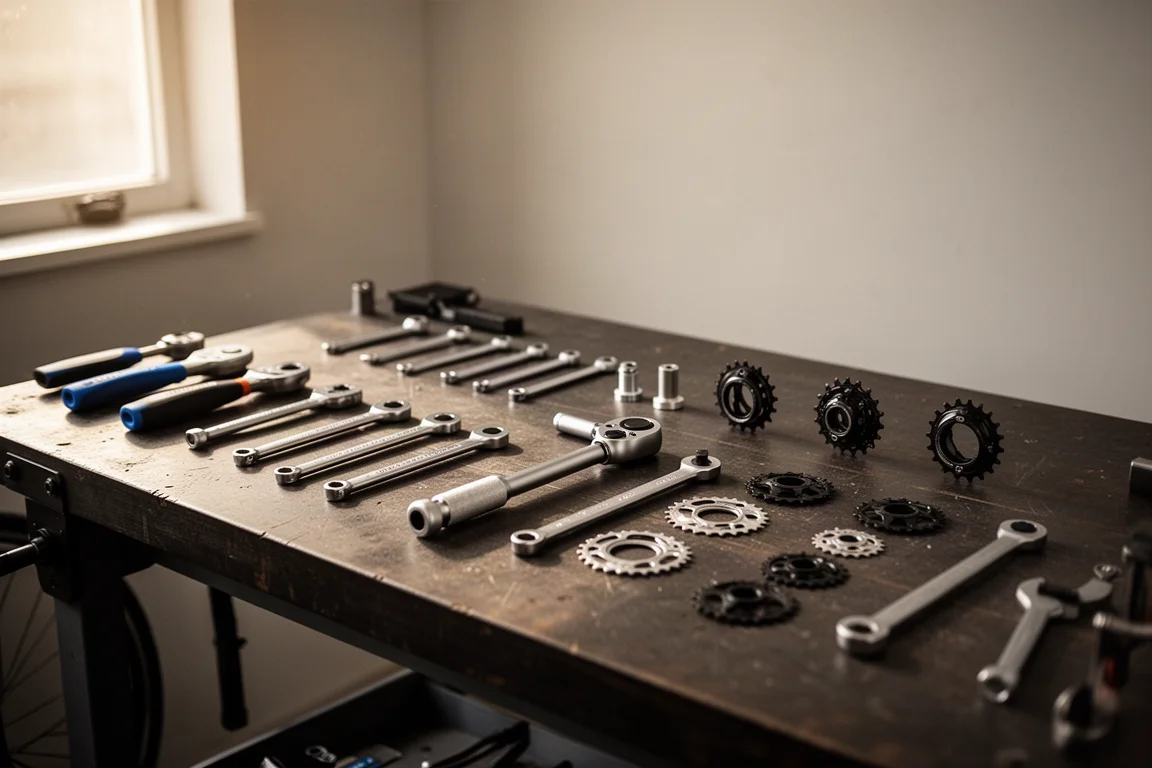
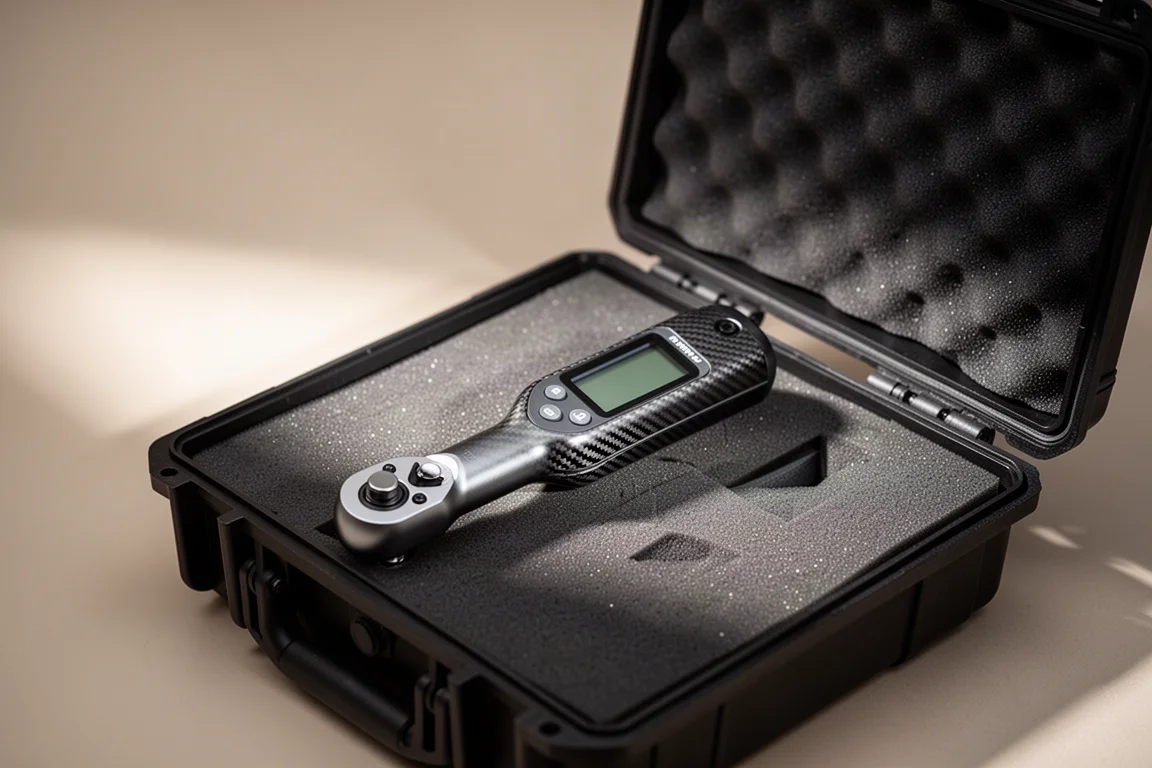
A digital torque wrench is not a tool most riders need. It is a tool that removes a specific kind of anxiety: over-tightening a carbon bar, a seatpost clamp or a stem bolt and damaging an expensive component in the process.
The Topeak D-Torq DX has a digital display and beeps when you reach the set torque. It arrives in a case with a carbon-look body that makes it feel like a piece of equipment rather than a workshop tool.
At £180 it is a considered purchase, and a mechanical torque wrench will do the job for less. The appeal here is precision you can see and hear, which makes it easy to trust when you are working on parts you would rather not replace.
Tubolito Thermoplastic Inner Tubes: Lighter, and Better Riding
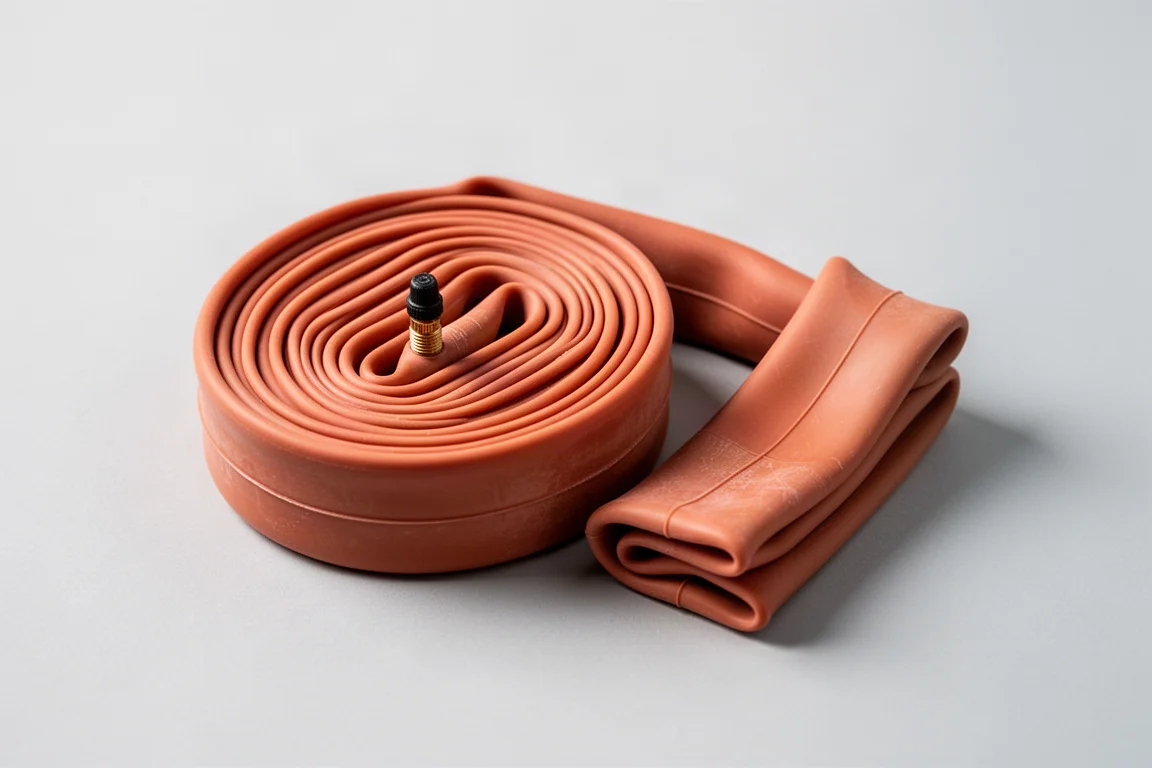
Thermoplastic inner tubes replace the butyl tubes most bikes come with. They are dramatically lighter, with a claimed 39 g against roughly 100 g for a standard butyl tube, which is a meaningful saving on rotating weight.
The bigger surprise is ride quality. In practice they feel closer to tubeless than to a conventional tube, and they inflate to about the same pressures. They also roll up very small, which makes them easy to carry.
They cost around £25, and cheaper thermoplastic options exist, including a lighter spare version claimed at around 19 g. If you are travelling or racing with limited space, being able to pack several spares into a small pocket is a genuine advantage.
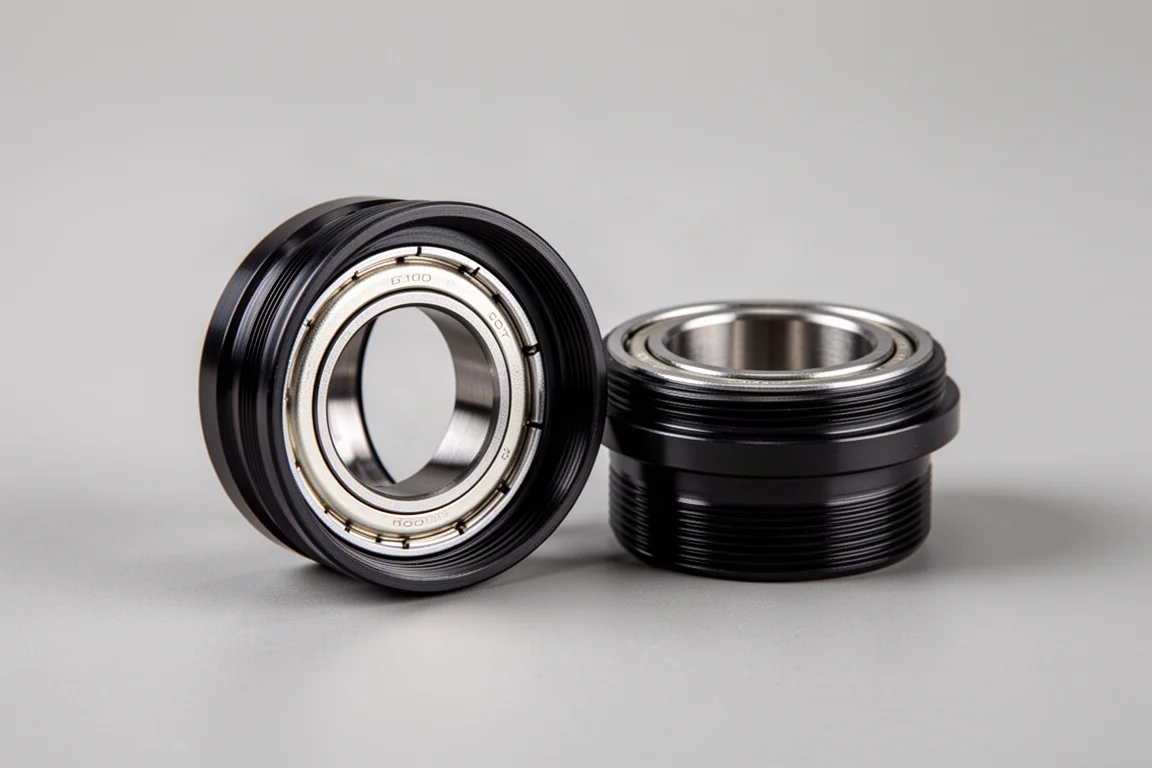
Enduro XD-15 Bottom Bracket: A One-Time Purchase
Bottom brackets are not exciting, which is exactly why one that lasts is worth talking about. The Enduro XD-15 uses nitrogen-infused steel drawn from aerospace metal research, which means it resists the rust and corrosion that eventually finish off conventional bearings.
The headline feature is the warranty. It is described as unconditional: if you destroy the bearings, however you destroy them, they are replaced.
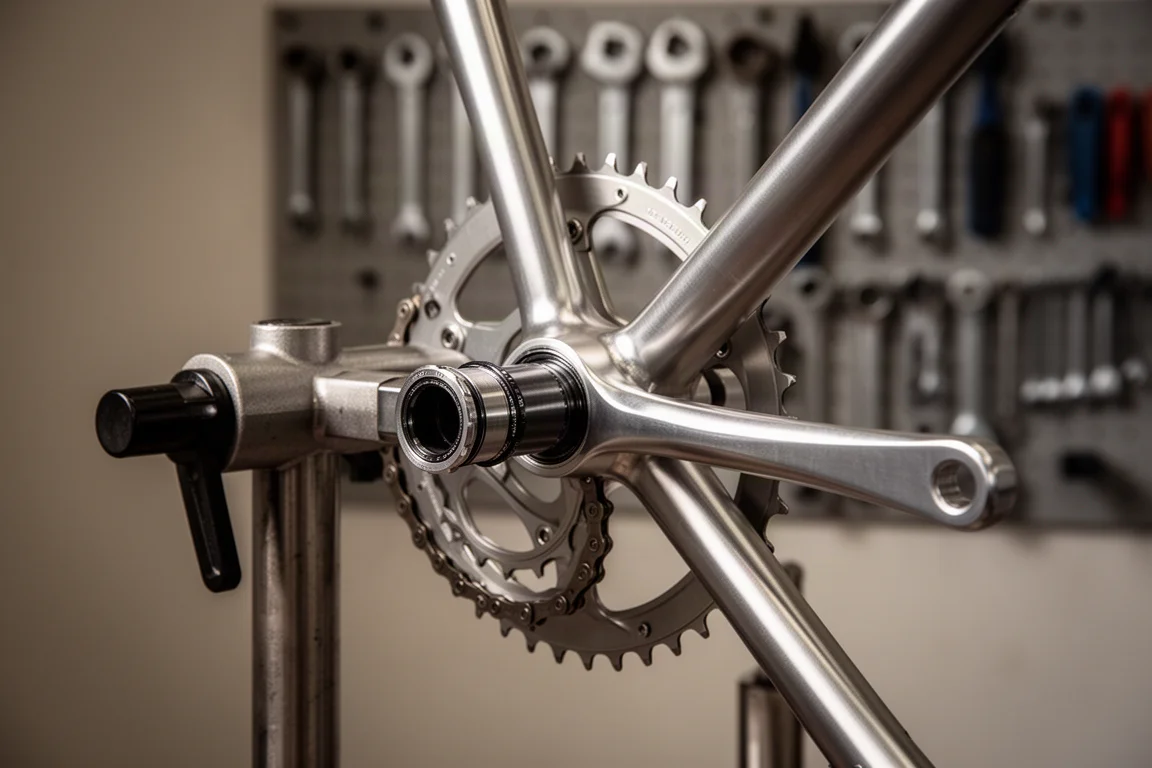
At £280 that is a lot to spend in one go, but the warranty reframes it as a single purchase rather than a consumable. Buy it once and the bottom bracket stops being something you think about.
Fitting matters, as with any bottom bracket, so check the standard your frame uses before ordering. In the example here it is a T47 shell.
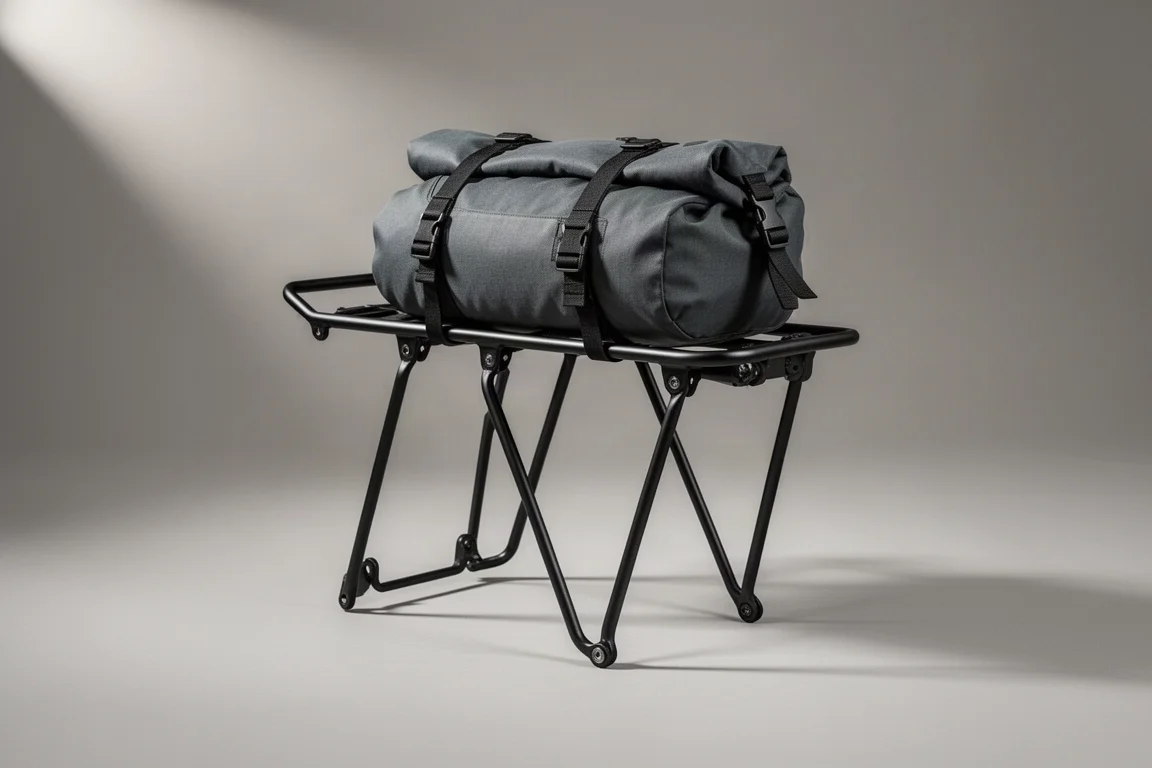
Tailfin Rack System: Bikepacking Hardware Done Properly
The Tailfin system is one of the best bikepacking and touring products available, and it is priced accordingly. The rack attaches to almost any bike using two struts, with adapters covering road, gravel and mountain bikes.
The AeroPack version is a seat pack that does not sway, regardless of how you load it. Because the bag stays attached to the rack, you can unroll it and reach everything inside without taking it off the bike, and you never have to reattach and re-tension a bag every time you pack.
Pricing starts at £290 for the alloy version without side pannier mounts. The carbon version, which can take panniers, goes up to £400, and the bags are extra.
The engineering is what justifies the price. It fits so many different bikes, and the range of adapters means you are unlikely to run out of options as your stable changes.
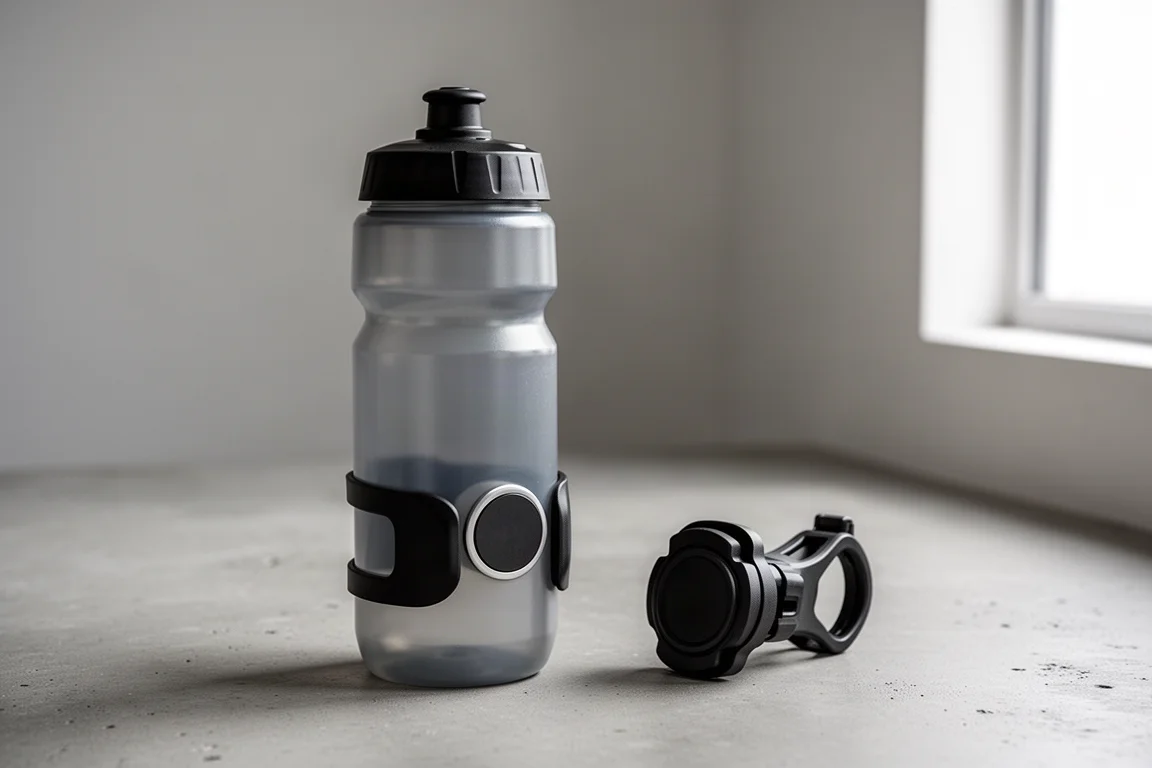
Fidlock Magnetic Bottle Cage System: Bottles That Stay Put
Fidlock replaces the conventional bottle cage with a magnetic mount. A mount and bottle together cost around £40.
The mechanism is the point. Removing a bottle requires a clockwise twist, a motion that effectively never happens while you are riding. That makes the system exceptionally secure, which is why it is popular with mountain bikers whose bottles would otherwise disappear into the undergrowth.
Durability is strong as well, with bottles holding up over years of use, and the newer designs are easier to squeeze than earlier versions. Extra mounts let you run the same bottles across multiple bikes.
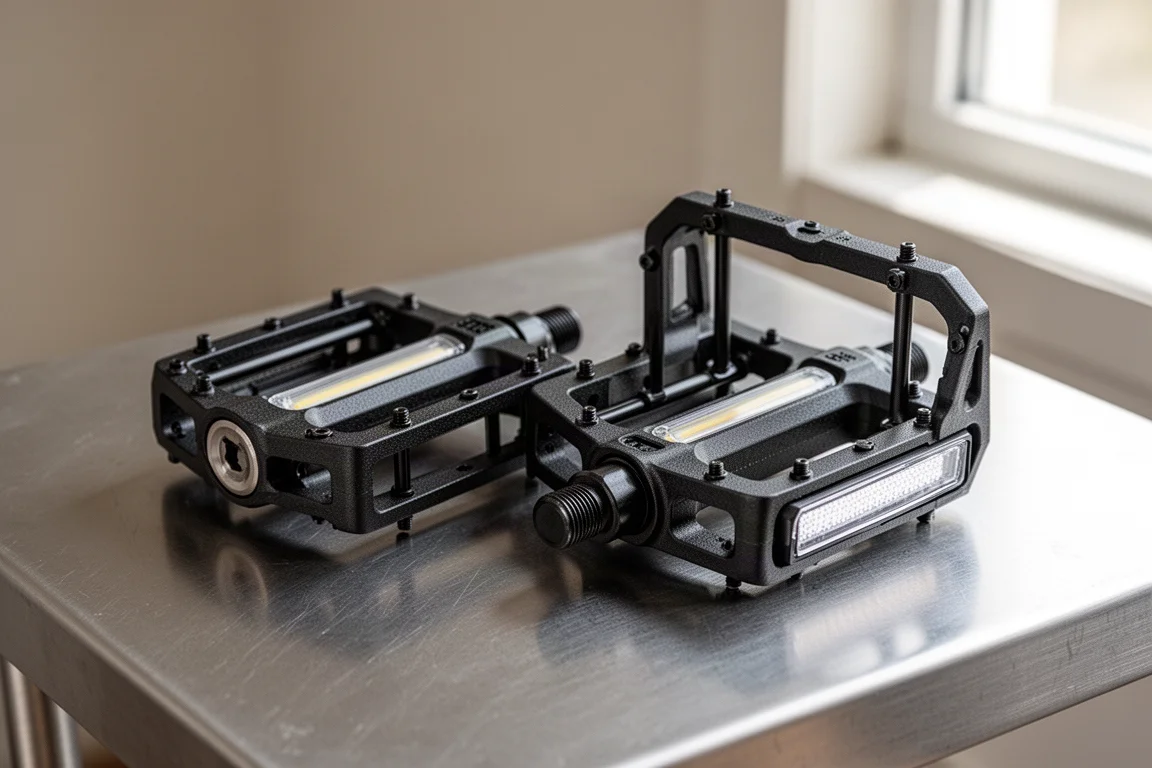
Redshift Arclight Pedals: Visibility Built Into the Bike
The Arclight pedals are flat pedals with two LED units built into each one, so a pair carries four lights in total. They are extremely bright, bright enough to be clearly visible in daylight.
The clever part is that the pedals work out which one is at the front and which is at the back as you ride, showing white and red accordingly. The lights detach and can be used on their own as visibility lights when you are walking.
Charging four separate lights sounds tedious, but the supplied charger takes all of them at once, which removes most of the hassle.
At £170 they are not a cheap set of pedals, and a separate set of lights will cost less. What you get here is a system that is always with the bike, always charged, and engineered to fit together properly.
Overall Buying Advice
A few patterns run through this list. Products that replace a recurring annoyance tend to justify their price fastest. A shoe dryer that removes damp shoes from your week, or a bottle system that stops you losing bottles on descents, pays you back in small amounts all the time rather than in one dramatic moment.
The strongest cases for spending more are components that stop being consumables. A bottom bracket with a warranty behind its bearings, a frame pump that will not corrode, or a rack that moves between bikes all convert a repeat purchase into a one-off.
The weaker cases are the ones where you are buying a feeling rather than a fix. A digital torque wrench is genuinely useful if you work on carbon components, but a mechanical one will protect them too. Winter boots are transformative if cold feet end your season, and unnecessary if they do not.
The practical test is simple. Count how often the problem shows up in a normal month. If the answer is once or twice, buy the cheap version and put the money towards tyres or a service. If the answer is most rides, the premium option usually turns out to be the cheaper decision over a few years.
Conclusion
None of the products here are required. That is rather the point. They are the items that make the difference between a bike you tolerate and a bike that is genuinely pleasant to use in bad weather, on long rides, and in the dark.
If you are choosing one place to start, start with the problem that annoys you most often. Fix that first, buy the version that lasts, and the rest of the list can wait.
Further reading
Related Reviews
Cycling Gear
8 Cycling Products Riders Keep Coming Back To
Eight cycling components and accessories with clear strengths, honest trade-offs and long-standing reputations among riders and mechanics.
Cycling Gear
Aero Helmets and Bottle Setups Tested: Six Options Ranked by Measured Watt Savings
Wind tunnel data on six aero helmets and bottle setups, with real watt savings, practical trade-offs, and guidance on what is worth buying first.
Cycling Gear
Aero Road Bikes and Fast Tires Worth Watching in 2026
Four aero road bikes and one fast road tire, with the real strengths, the open questions, and what to check before you buy.