Cycling Gear
13 Expensive Cycling Products That Are Actually Worth It
A roundup of high-end cycling gear with real functional benefits, from a turbo trainer fan and a metal frame pump to a £4,000 electric cargo bike, plus what each one actually buys you.
Introduction
Some cycling products earn their price tag, and some simply look expensive. This roundup focuses on the first group: components and accessories at the high end of the market that solve a specific problem well enough to justify the outlay. The range is wide, from a sub-£30 inner tube that shaves rotating weight to a £4,000 electric cargo bike that can stand in for a car.
Every entry below is here for a functional reason rather than a badge. Where a cheaper alternative covers most of the same ground, that is noted too, because for plenty of riders the mid-range option is genuinely enough.
Vacmaster Cardio 54 Fan
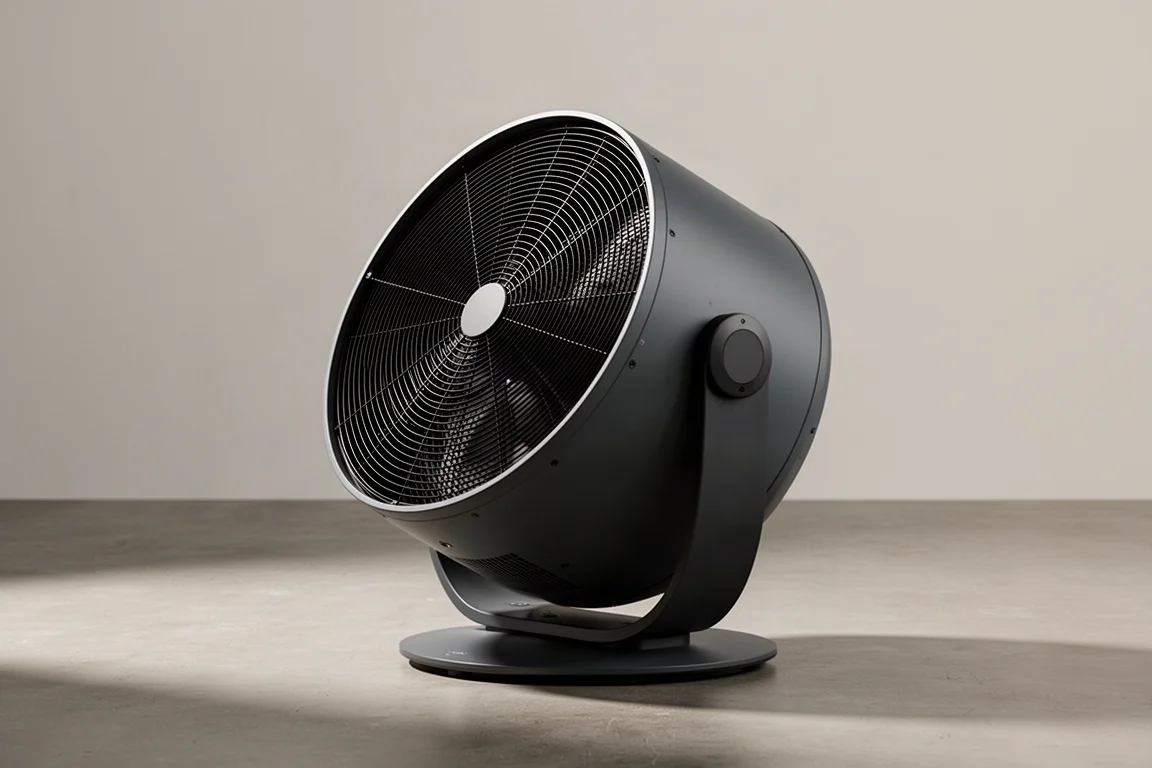
Indoor training gets uncomfortable fast without moving air, and the Cardio 54 is built specifically for that job. It moves air at a claimed 54 km/h, far more than a typical household fan, and it runs noticeably quieter than the wind machine style fans often pressed into trainer duty.
The design comes from a commercial background: the same fans are used on building sites to dry freshly painted walls. The cycling version adds a remote control, which matters when the fan sits on the floor in front of the bike and you are already clipped in and sweating.
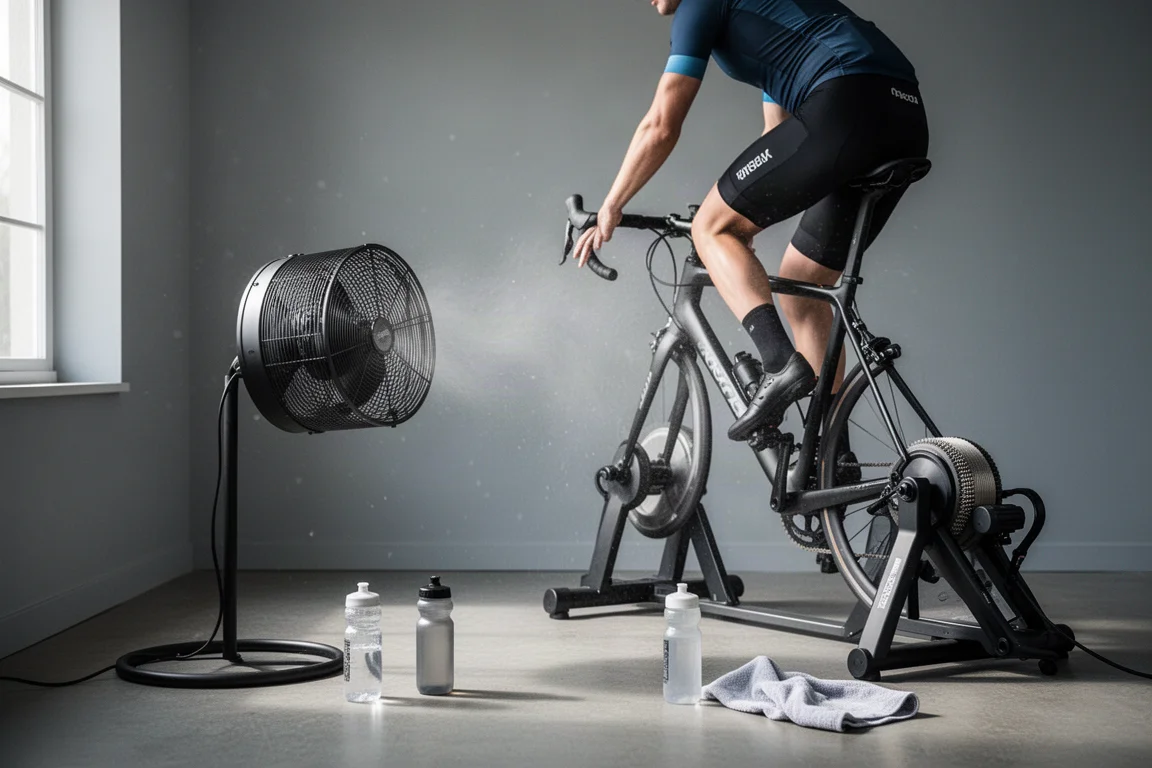
The practical argument is straightforward. Stronger airflow means a lower core temperature, less sweat pooling on the frame, and a session that feels closer to riding outdoors. It is more fan than most riders need, which is exactly why it works.
Silca Impero Frame Pump
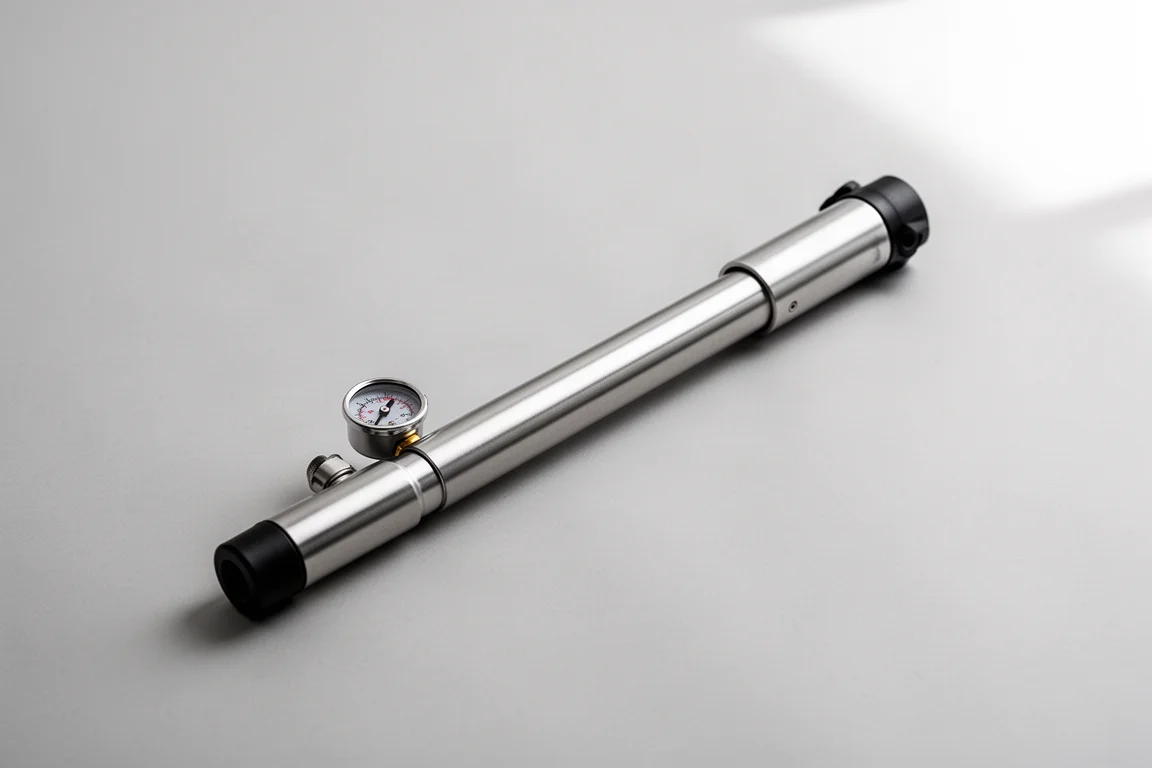
A full-length frame pump that lives under the top tube sounds fussy until you use one. The Impero mounts neatly beneath the top tube on most frames, so a proper pump is always on the bike and never crammed into a jersey pocket.
Construction is fully metal, which explains the £176 list price, though it is frequently discounted to around £120. Cheaper plastic frame pumps exist for a fraction of that, but in wet climates the plastic bodies let water inside and the internal springs corrode over time. A metal body avoids most of that.
One buying detail matters: the pump comes in four sizes, so measure your frame before ordering. A small size suits a compact frame in the 51 to 52 cm range, and getting the length right is what keeps it tucked cleanly out of the way.
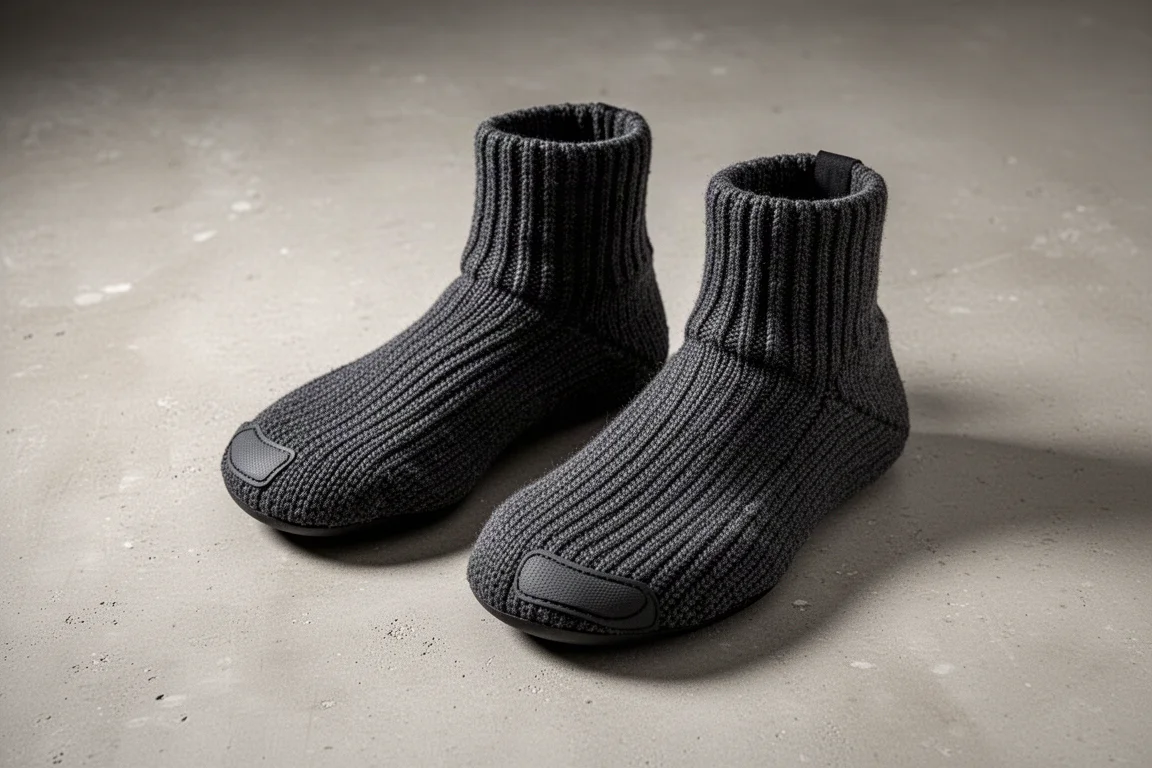
GripGrab Flandrien Knit Overshoe
The Flandrien Knit is effectively a thick knitted sock that pulls over a cycling shoe. The knit is dense enough that water beads off the surface, and the insulation is substantial enough to keep feet warm even when the shoe underneath is a well-ventilated summer model.
Rubber sections at the toe protect the fabric where it contacts the ground, which is the part that usually wears through first. The RRP sits around £70, with online discounts fairly common.
There is one honest limitation: water can still work its way in through the openings in the sole of the shoe. Riders who need maximum protection in sustained rain typically move to a taller gaiter style that reaches up the calf, and those come at a range of price points.
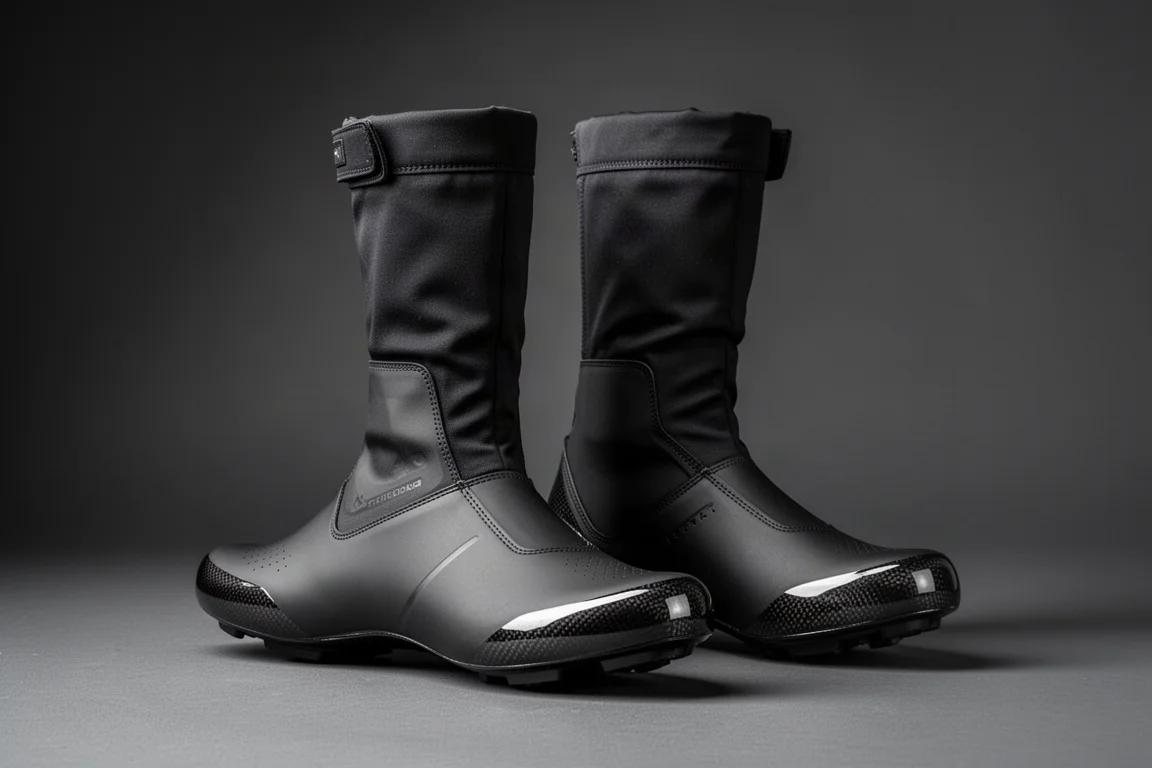
Northwave Extreme RR GTX Winter Boots
Winter boots are the most effective answer to cold feet, and the Extreme RR GTX is about as complete as the category gets. The upper is fully waterproof, the lining is thermal, and there are no openings through the sole that let water in, which is the weak point on a standard road shoe.
An integrated gaiter seals the ankle, and the sole is a proper carbon road sole rather than a compromise. The boot is officially rated down to -5°C, colder than most riders will voluntarily head out in.
At £290 this is a serious purchase for a product used for only part of the year, and that is the main thing to weigh up. For riders whose feet go numb on every winter ride, though, boots solve a problem that overshoes only partly address.
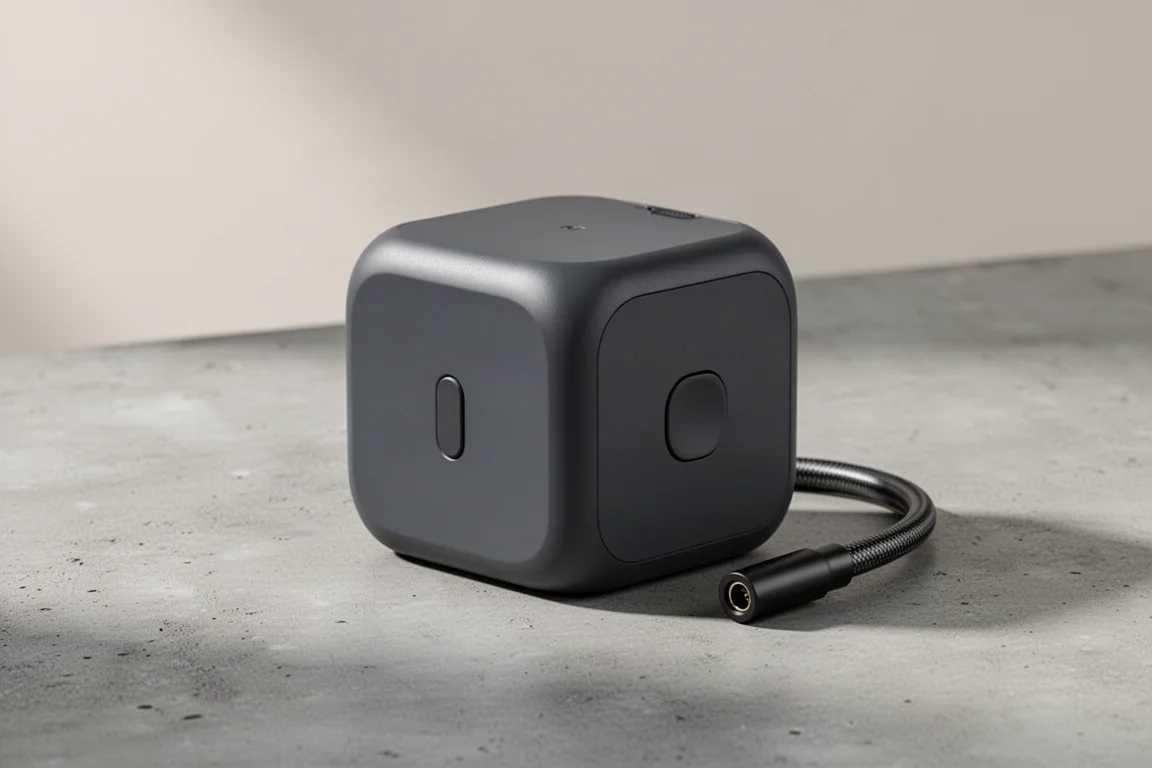
Cycplus Tiny Pump Cube
The Tiny Pump Cube is a £90 electric pump in a genuinely small cube-shaped body. It will inflate two 25 mm tires on a single charge and can take a tire up to 80 psi, which covers most road and gravel needs at the roadside.
The appeal is obvious: no levering, no wasted effort with cold hands, and a form factor that slips into a jersey pocket or saddle bag. It also makes a distinctive noise while running, which is either charming or irritating depending on your tolerance.
Cost is the trade-off. It is expensive for a mini pump, and charge state becomes one more thing to check before a long ride.
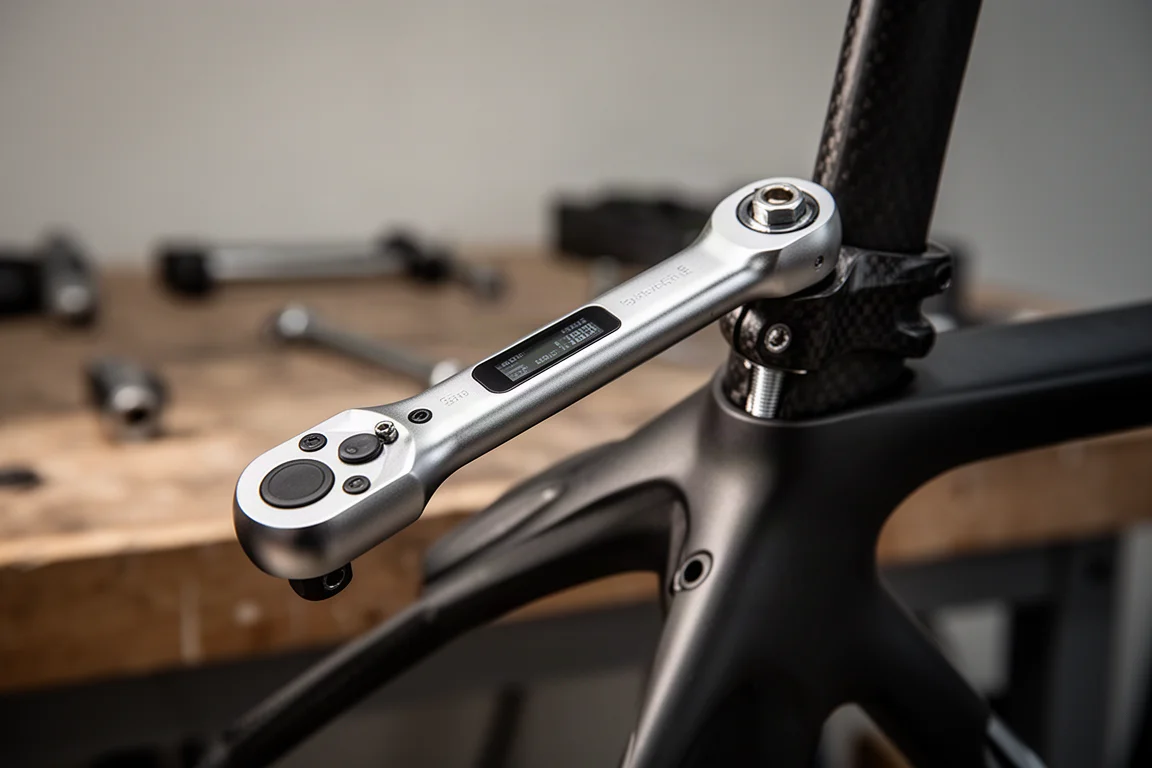
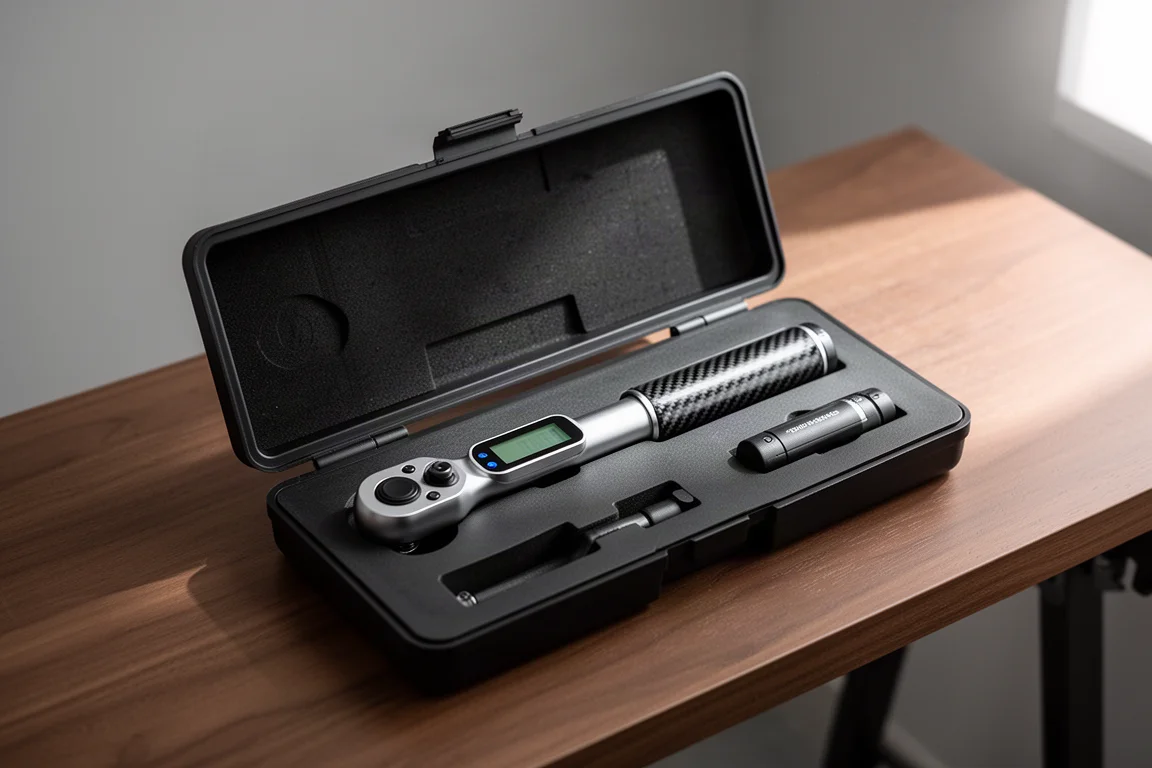
Topeak D-Torque Wrench DX
Carbon frames, seatposts and stems all have torque limits, and exceeding them is how expensive components get crushed or rounded off. The D-Torque Wrench DX removes the guesswork with a digital display and an audible beep when you reach the target value.
At £180 it is far from essential. A basic beam or click wrench does the same core job for much less. What you get here is the digital readout, a protective case, and a body finished to look like carbon fibre, which is why it lands firmly in the want-one rather than need-one category.
For riders who work on their own bikes regularly, or who own several carbon components, the repeatability and clear feedback make it a reasonable long-term tool purchase rather than a novelty.
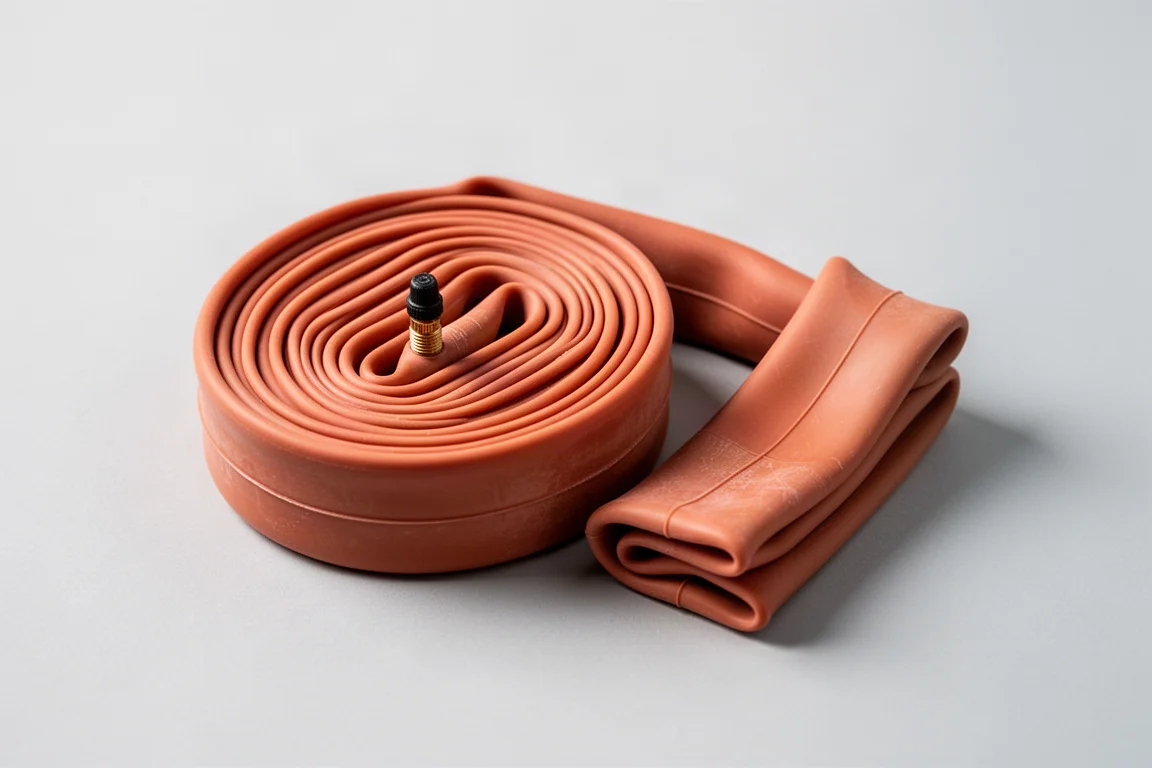
Tubolito Thermoplastic Inner Tubes
Thermoplastic inner tubes replace standard butyl tubes with a distinctive orange alternative that is dramatically lighter. The box claims 39 g against roughly 100 g for a typical butyl tube, and that saving is rotating weight, which is the useful kind.
Ride quality is the more interesting benefit. The material is said to feel closer to tubeless than to a standard tube, while inflating and fitting in much the same way. They also roll up extremely small, which makes them easy to store.
At around £25 each they are not cheap, and other thermoplastic options exist at lower prices. There is also an even thinner spare version, claimed at 19 g, aimed at racers and touring riders who are short on space and want to carry several.
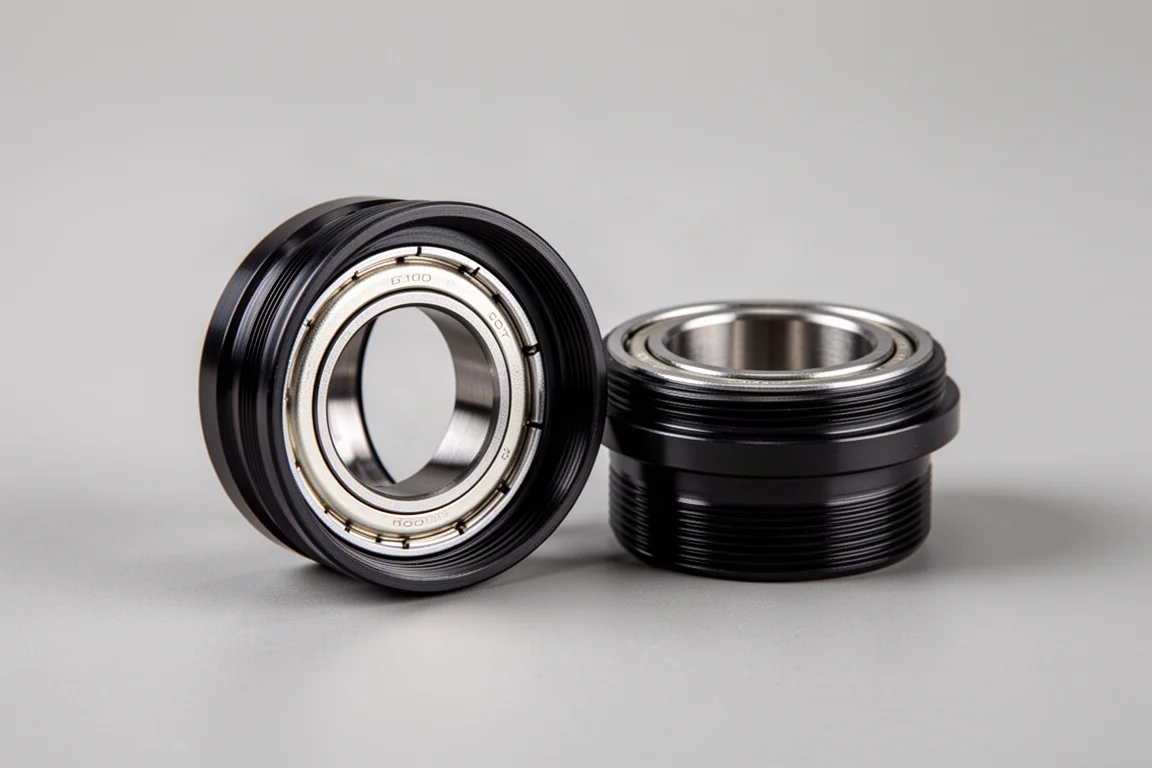
Enduro XD-15 Bottom Bracket
Bottom brackets are usually a consumable, which is what makes the XD-15 unusual. It costs around £280 and comes with an unconditional warranty: the bearings are replaced if they are destroyed, however that happens. That changes the maths, because a single purchase is intended to cover the part for the life of the bike.
The bearings use nitrogen-infused steel drawn from aerospace metal research, and the point of that treatment is corrosion resistance. Standard bearings rust and degrade, particularly on bikes that see wet weather, while this material is designed not to.
The demonstration that sticks with riders is a tank of water filled with bearings from different makers, all submerged at the same time, with only the Enduro bearings coming out uncorroded. It is available in common fitments including T47.
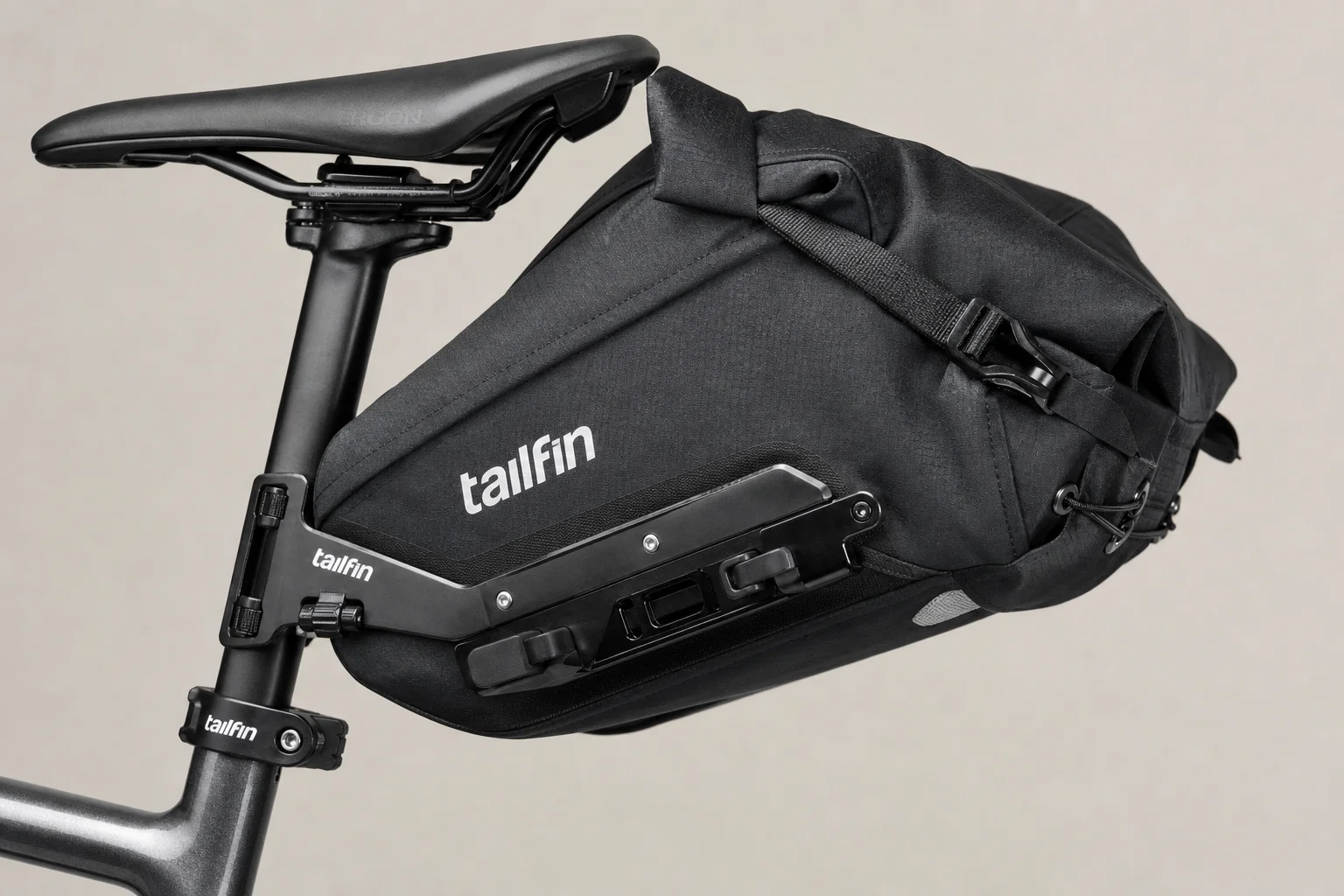
Tailfin Aeropack
Tailfin builds a rack system that mounts to almost any bike using two struts, with no frame mounts required. The Aeropack version is a seat pack built on that system, and the key difference from a conventional seat pack is that it does not sway, no matter how it is packed.
Because the bag is supported rather than hung, it stays accessible while mounted: you can unroll the whole thing and reach anything inside without taking it off the bike. That convenience is what turns it from a weight-saving exercise into a system people actually use.
Pricing starts at £290 for the alloy version without side pannier mounts, rising to around £400 for the carbon version with pannier capability, and the bags are extra. Adapters cover road, gravel and mountain bikes, and the company is run by engineers, which shows in how the parts fit together.
Fidlock Magnetic Bottle Cage System
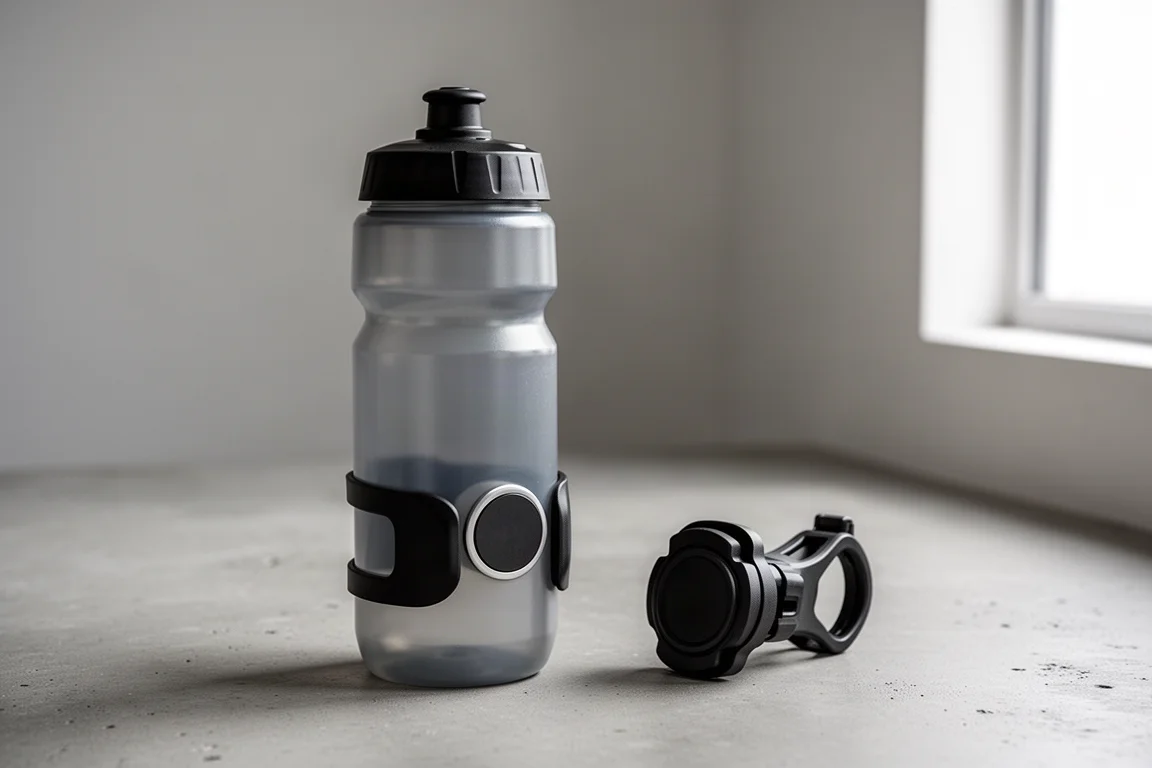
Fidlock replaces the traditional cage with a magnetic mount. Around £40 buys the fitting and a bottle, and retention is the whole point: instead of pulling straight up, the bottle releases with a clockwise twist, a motion that simply does not happen while riding.
That is why the system is popular with mountain bikers, where rattling over rough ground can launch a bottle out of a conventional cage and lose it permanently. The bottles themselves are well made, and newer versions are easier to squeeze than earlier generations.
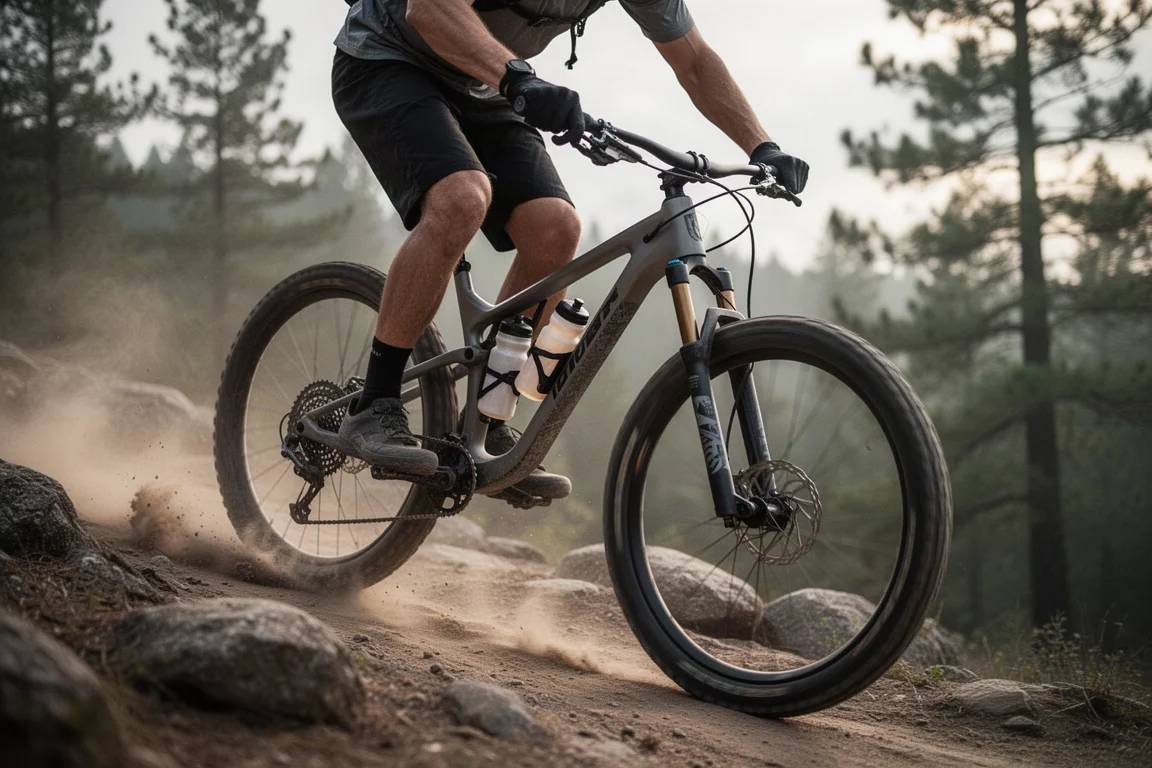
If you run the same bottles across several bikes, extra mounts are available separately, which spreads the cost over time and keeps the system consistent across a stable of bikes.
SRAM Red
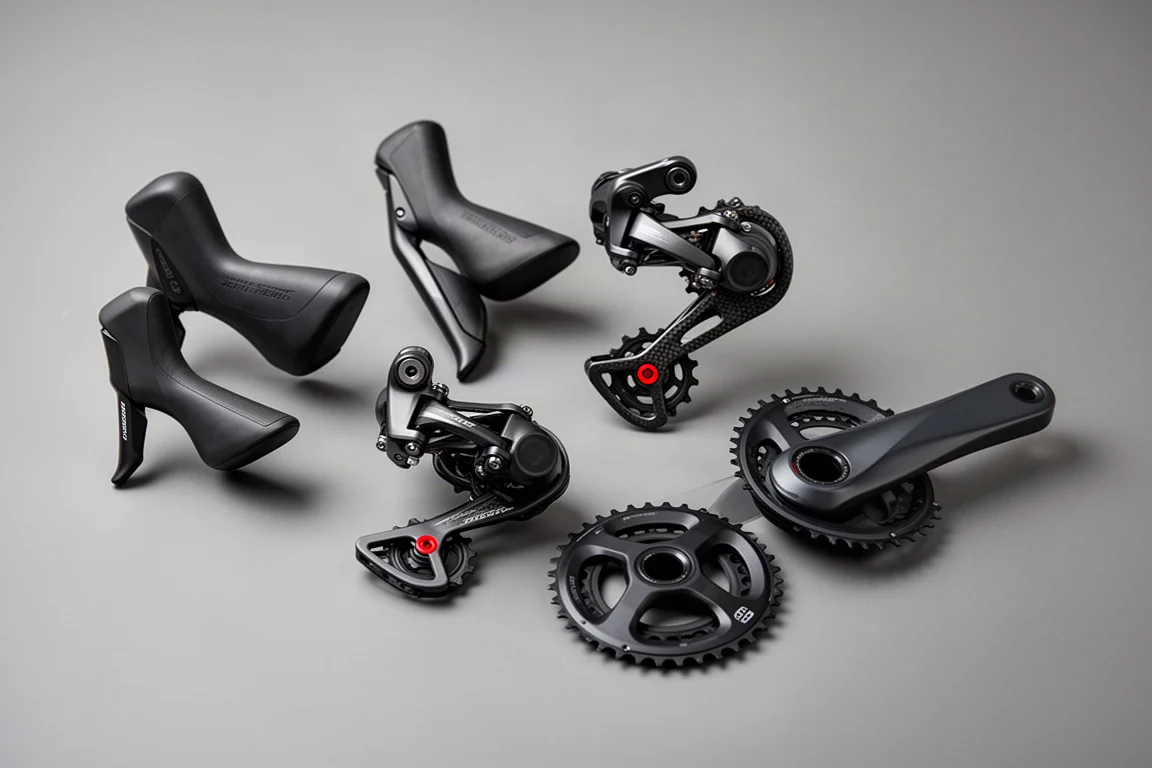
SRAM Red is the wireless electronic groupset at the top of the range, and it is remarkably light. Pricing sits around £2,800 depending on the specification, which is a lot for a drivetrain.
The feature set is genuinely useful rather than decorative. An app lets you program the shifting, the extra buttons on the inside of the shifters can be reassigned to different functions, and a dropper seat post can be linked into the same system.
The honest caveat is that the functionality is the same as the tiers below it. What you pay for at Red level is lower weight and the branding, which is a perfectly valid reason for some riders and an easy pass for others.
Omnium Mini Max
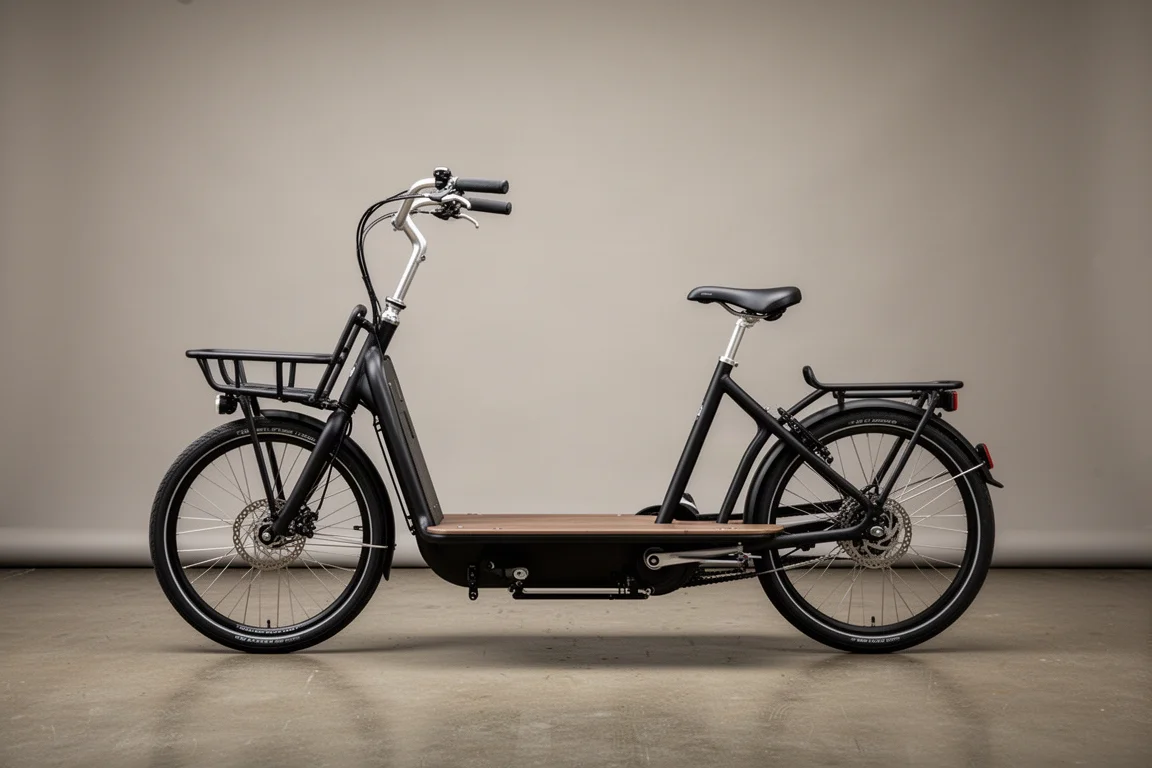
The Mini Max is an electric cargo bike with a large cargo platform on the front, built to handle the jobs a car usually covers. Tire clearance is generous enough for mountain bike tires, mudguards are fitted, and the motor is strong enough to make the bike genuinely fast.
This particular build cost £4,000 and was assembled by Paradise Cycles in London. The frame was not designed around a motor, so the shop 3D printed a custom battery compartment that sits under the cargo tray, which is a neat solution to a real packaging problem.
It is an obscene amount of money, and the case for it rests on replacement rather than recreation: if it takes over school runs, shopping trips and bikepacking weekends, the cost starts to look different.
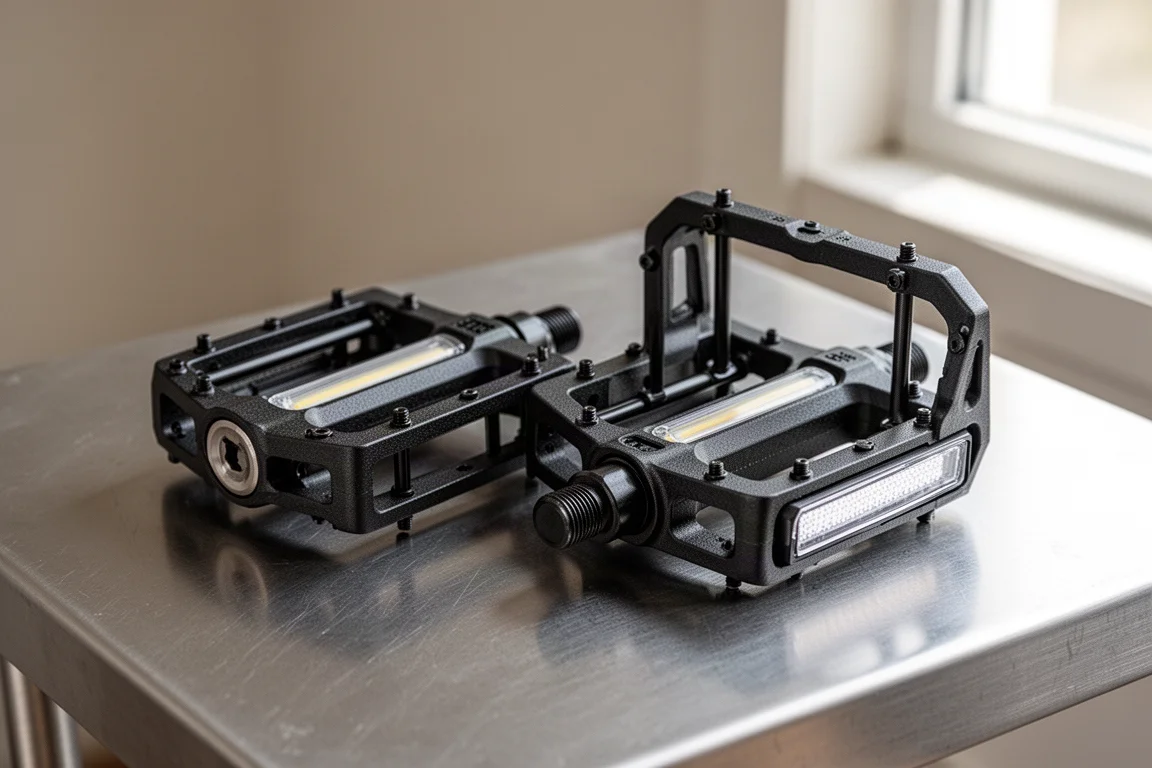
Redshift Arclight Pedals
Arclight pedals are flat pedals with two LEDs built into each one, giving four lights across the pair. They are bright enough to be clearly visible in daylight, and the system automatically sets the front pedals to white and the rear to red as you ride.
At £170 they are expensive for flat pedals, and four separate lights means four things to keep charged. That is solved with a single charger that takes all four at once, which removes most of the annoyance.
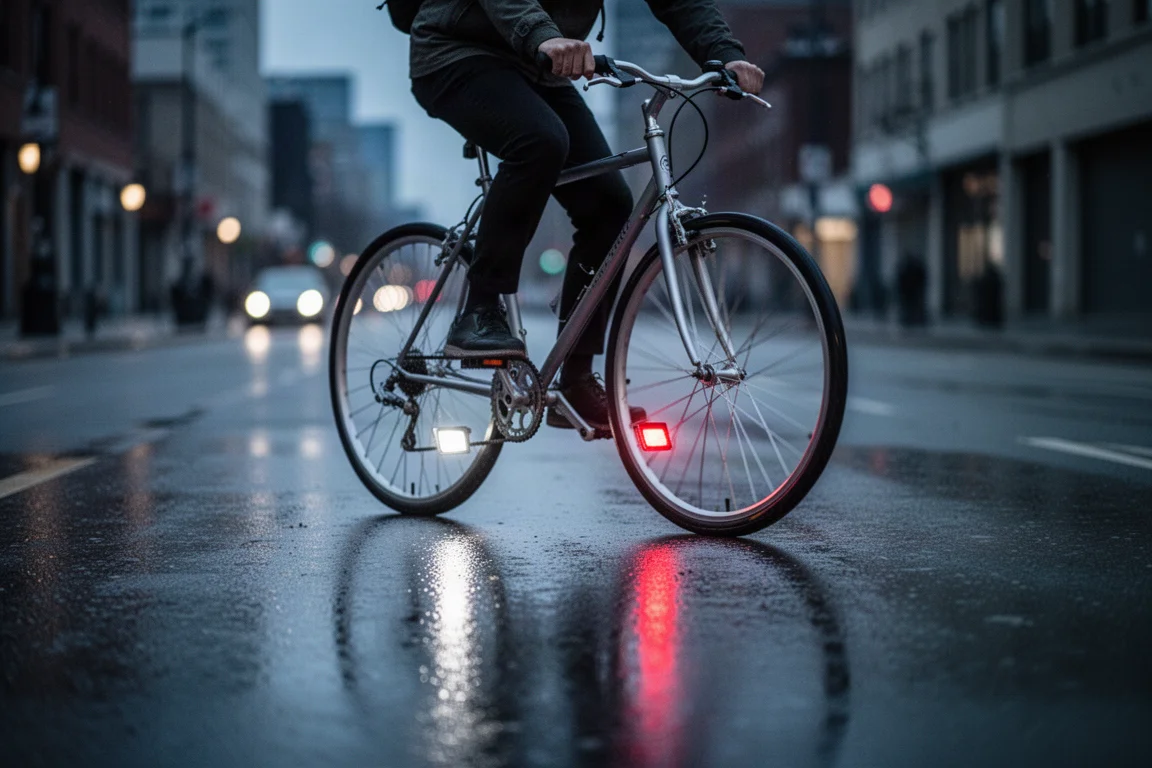
The engineering is what sells them. Everything clips in, fits and works without fuss, and the lights can be pulled out and used as visibility aids when you are off the bike and walking.
How to Decide Which Upgrades Are Worth It
Three questions do most of the work. First, what problem does the product actually solve? A fan solves overheating indoors, a torque wrench solves the risk of crushing carbon parts, and a rack system solves unstable luggage. If you do not have the problem, the product is decoration.
Second, how often will you use it? Price per use is the fairest measure. Winter boots at £290 look expensive until you count the number of rides where warm feet change the experience, and a daily-use bottle system at £40 is easy to justify.
Third, does the cheaper option fail in your conditions? Plastic frame pumps corrode in wet climates, conventional cages lose bottles on rough terrain, and standard bearings rust. Where the budget option holds up, buy the budget option.
Warranty and long-term support deserve a look too. An unconditional bearing warranty or a rack system with adapters for several bike types changes the value calculation over a five-year ownership period.
Conclusion
None of these products are necessary to ride a bike, and that is the honest starting point. What separates the ones worth buying is that each removes a specific friction: heat, cold feet, unstable luggage, lost bottles, rounded bolts or a dead bottom bracket.
If you recognise your own riding in one of those problems, the premium version is usually the one you keep. If you do not, the cheaper alternative will serve you perfectly well, and you can spend the difference on riding.
Further reading
Related Reviews
Cycling Gear
8 Cycling Products Riders Keep Coming Back To
Eight cycling components and accessories with clear strengths, honest trade-offs and long-standing reputations among riders and mechanics.
Cycling Gear
Aero Helmets and Bottle Setups Tested: Six Options Ranked by Measured Watt Savings
Wind tunnel data on six aero helmets and bottle setups, with real watt savings, practical trade-offs, and guidance on what is worth buying first.
Cycling Gear
Aero Road Bikes and Fast Tires Worth Watching in 2026
Four aero road bikes and one fast road tire, with the real strengths, the open questions, and what to check before you buy.