Cycling Gear
16 Expensive Cycling Products That Are Genuinely Worth It
A practical look at 16 premium cycling products, from frame pumps and winter boots to bottom brackets and cargo bikes, and where the money actually goes.
Introduction
Cheap upgrades are easy to justify. This list is about the other kind: products where the price is high, the justification is narrow, and the experience is good enough that the cost stops mattering once you own them. Some solve a problem you only notice after a week of rain. Others exist to make a bike lighter, quieter, or better organised.
They fall into rough groups. There is equipment that replaces something you buy over and over, such as inner tubes and bottom brackets. There is gear that removes a recurring irritation, such as wet shoes, bottles ejected on a descent, or bikes wrestled into the back of a car. And there is equipment that simply does one job better than anything cheaper, at a price that reflects it.
What follows is a practical look at each product: what it does, who it suits, and where the money actually goes. Several of these items are regularly discounted, so it is worth checking current listings before you commit.
The Turbo Trainer Fan: Vacmaster Cardio 54
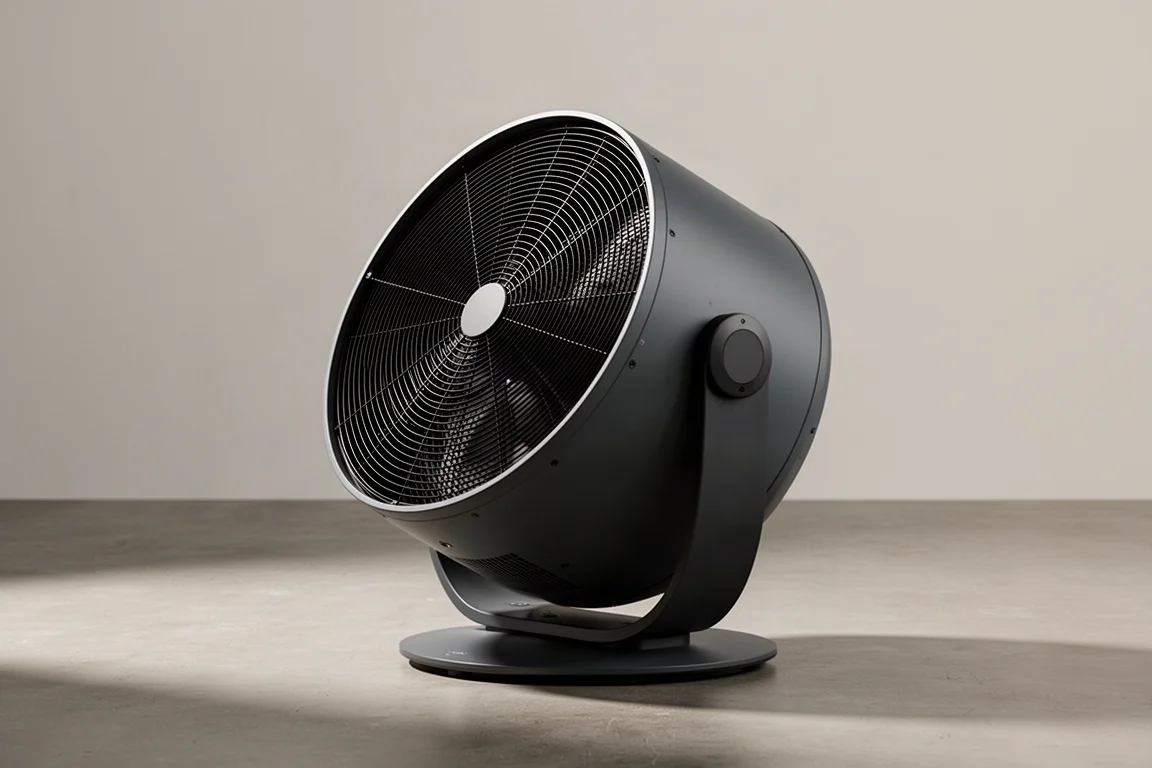
Vacmaster built its reputation making industrial fans for drying walls on building sites after they had been painted. The Cardio 54 is the cycling version, designed for turbo trainer sessions, and it is the most powerful fan in the range. It moves an enormous amount of air while staying noticeably quieter than the typical wind-machine fan, and a remote-controlled version is available so you can adjust it without getting off the bike.
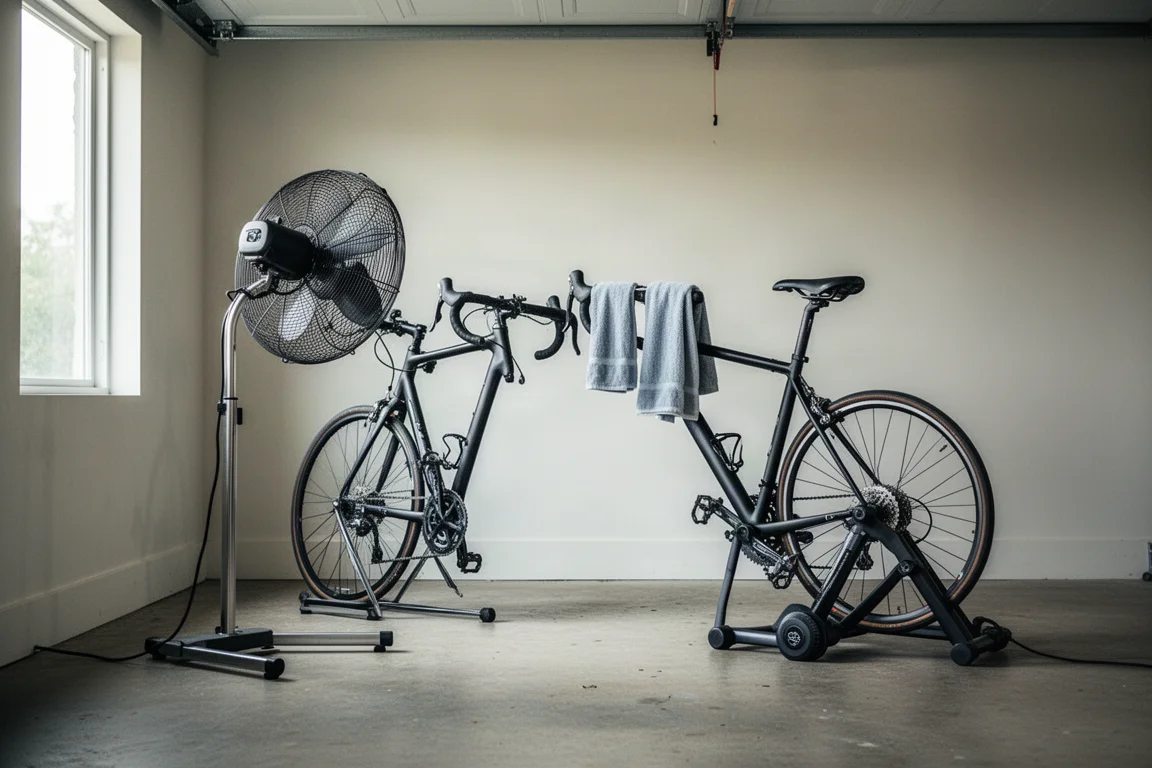
For indoor training, airflow matters more than almost any other accessory. A fan this strong keeps long sessions comfortable and makes structured interval work far more tolerable, even if the airflow is more than most riders will ever need.
Race Fuel Made Simple: Stryker Gels
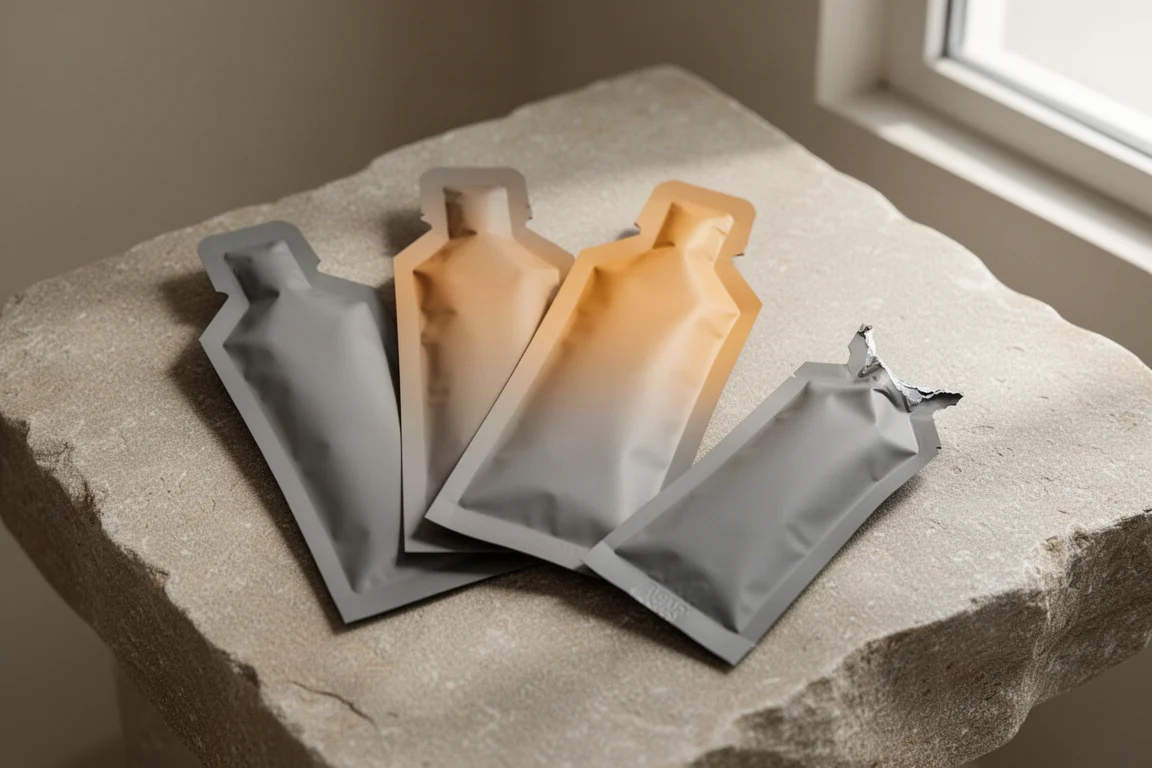
What you pay for here is convenience. The packets open one-handed, including with your teeth during a race or a fast group ride, and the dosing is precise enough to plan around. Each gel contains 30 g of carbohydrate, and the bars in the same range contain exactly 50 g, which makes it straightforward to work out how many grams you are taking on board in an hour.
Taping gels on top of each other along the top tube, tucked behind the stem, keeps them accessible without adding much drag. When you need one, it is already there.
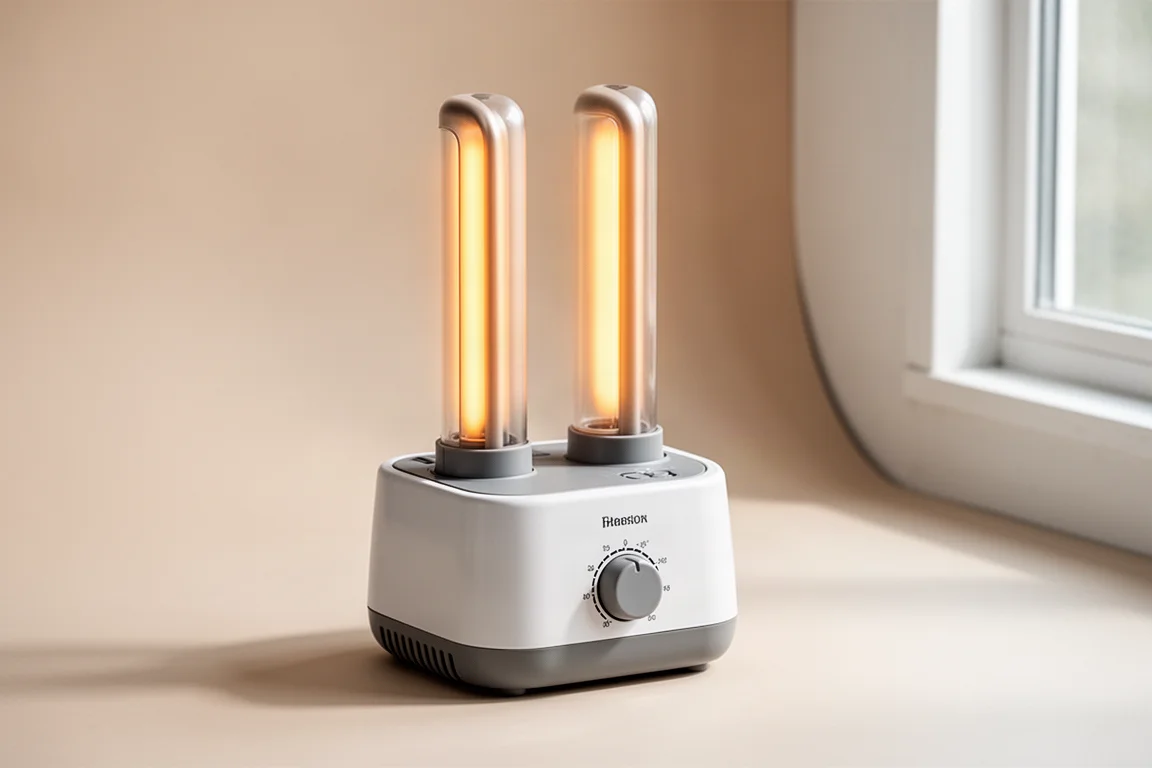
Drying Wet Shoes Overnight: Renegy Shoe Dryer
At $25.99, this looks completely unnecessary until you have pulled on wet cycling shoes the morning after a ride. The dryer runs a timed cycle of roughly an hour, blowing air through the shoe without the high heat of a radiator, then shuts itself off. That matters, because a lot of shoe brands advise against drying shoes on an external heat source.
It does not get very hot, so there is little risk of the kind of damage a radiator can cause, and the automatic cut-off means you can set it going and walk away. In a wet climate where shoes get soaked several times a week, it earns its place quickly.
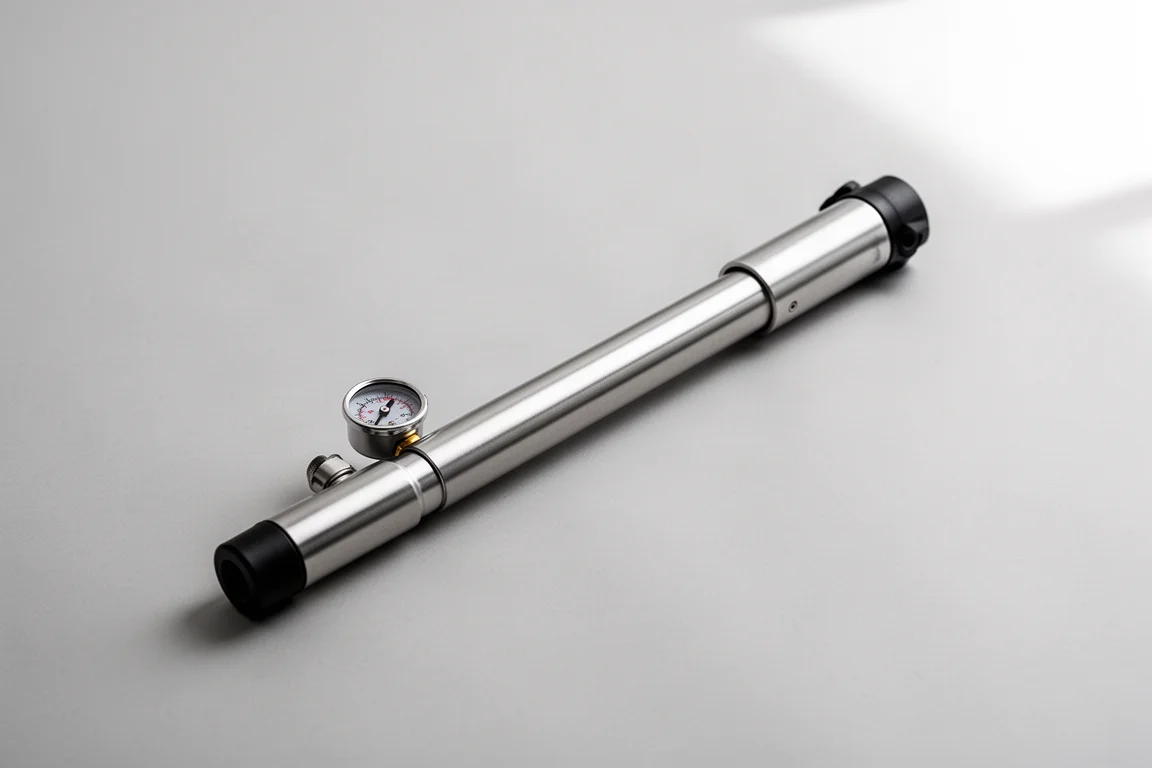
A Full-Size Pump On The Bike: Silca Impero Frame Pump
The Impero costs £176, though it is often available reduced for around £120. It mounts underneath the top tube, which means a full-length pump travels with you at all times without getting in the way. On frames with aero tube shapes the fit is less tidy, so it suits traditional round tubes best.
It comes in four sizes, so measure your frame and check the details before ordering. The main difference from cheaper top tube pumps is construction: this one is metal, and it has not developed the internal rust and leaking that plastic pumps suffer from in wet climates, where water gets inside and corrodes the springs.
Winter Overshoes: GripGrab Flandrian Knit
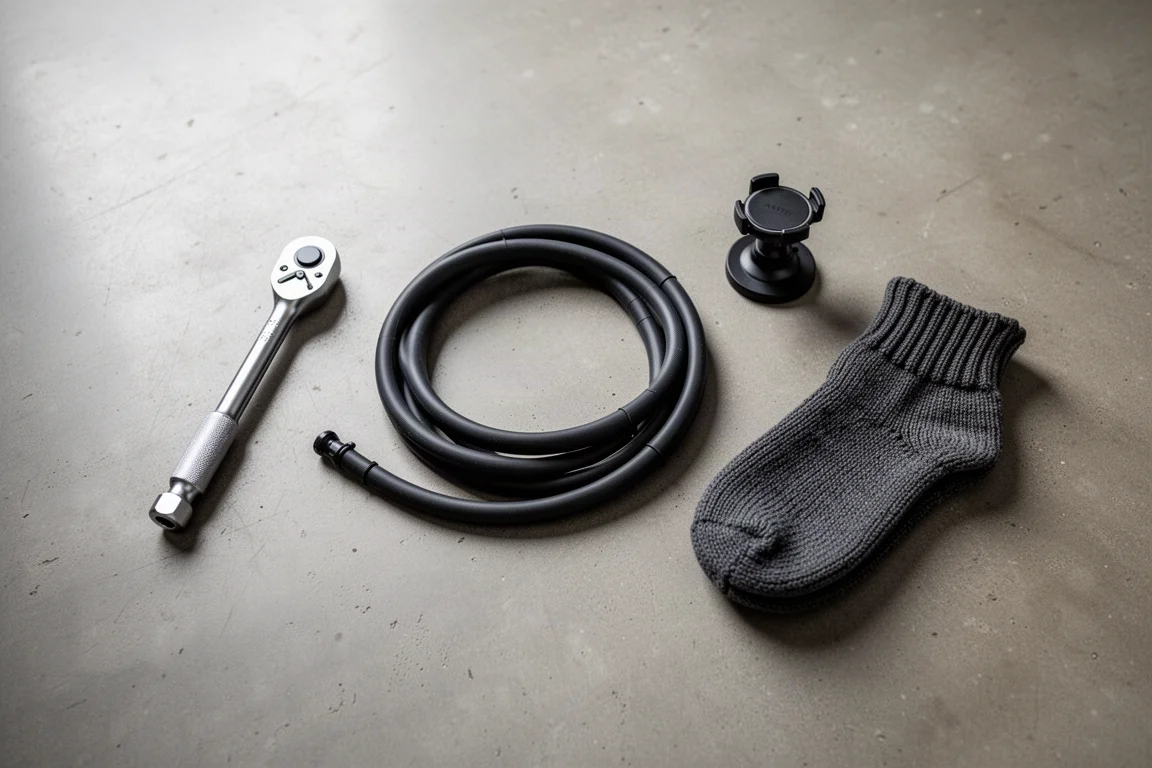
The Flandrian Knit is essentially a thick sock that goes over your cycling shoe. Water beads off the surface, the knit is very thick, and it keeps feet genuinely warm even when you are wearing a breathable summer shoe underneath. Small rubber sections at the toe protect the fabric when you put a foot down at a junction.
They cost around £70, and the one limitation to understand is that water can still work its way through the openings in the sole, so they are not fully waterproof. If you want more coverage still, the next step up is a full spat that extends up the calf.
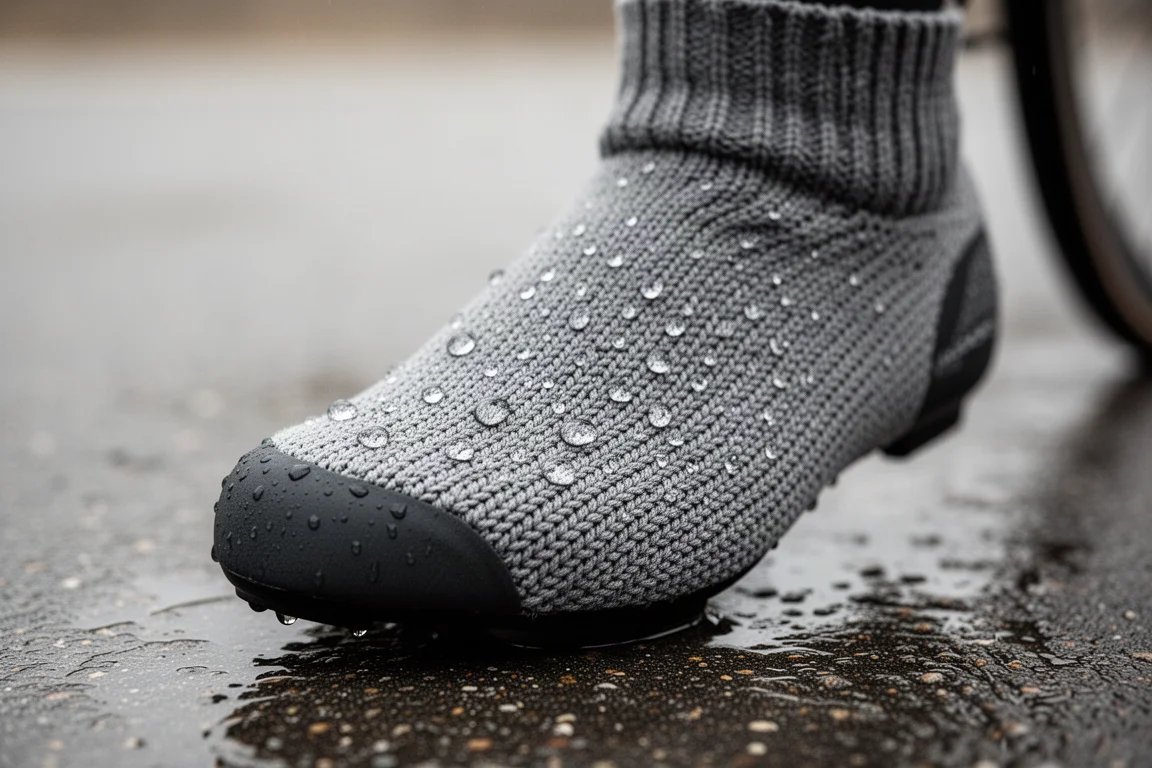
Used over a breathable summer shoe, they extend a favourite pair into cold and wet conditions rather than forcing you to buy a second set of winter shoes.
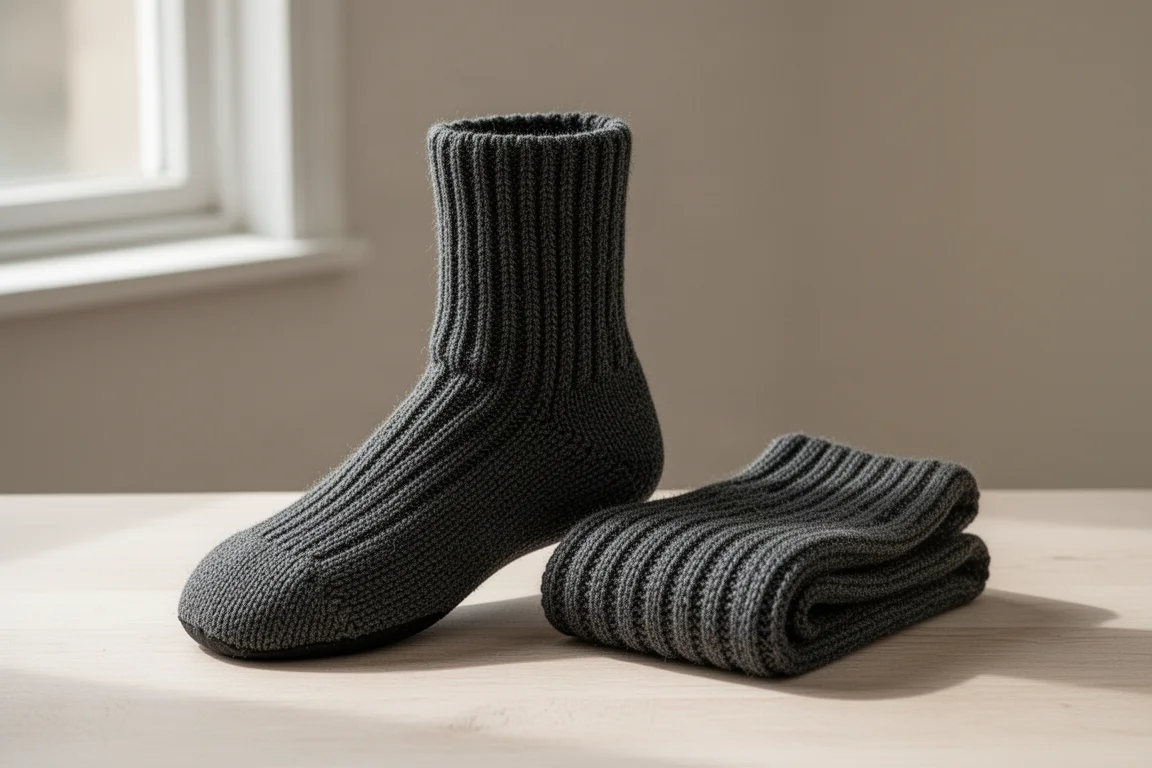
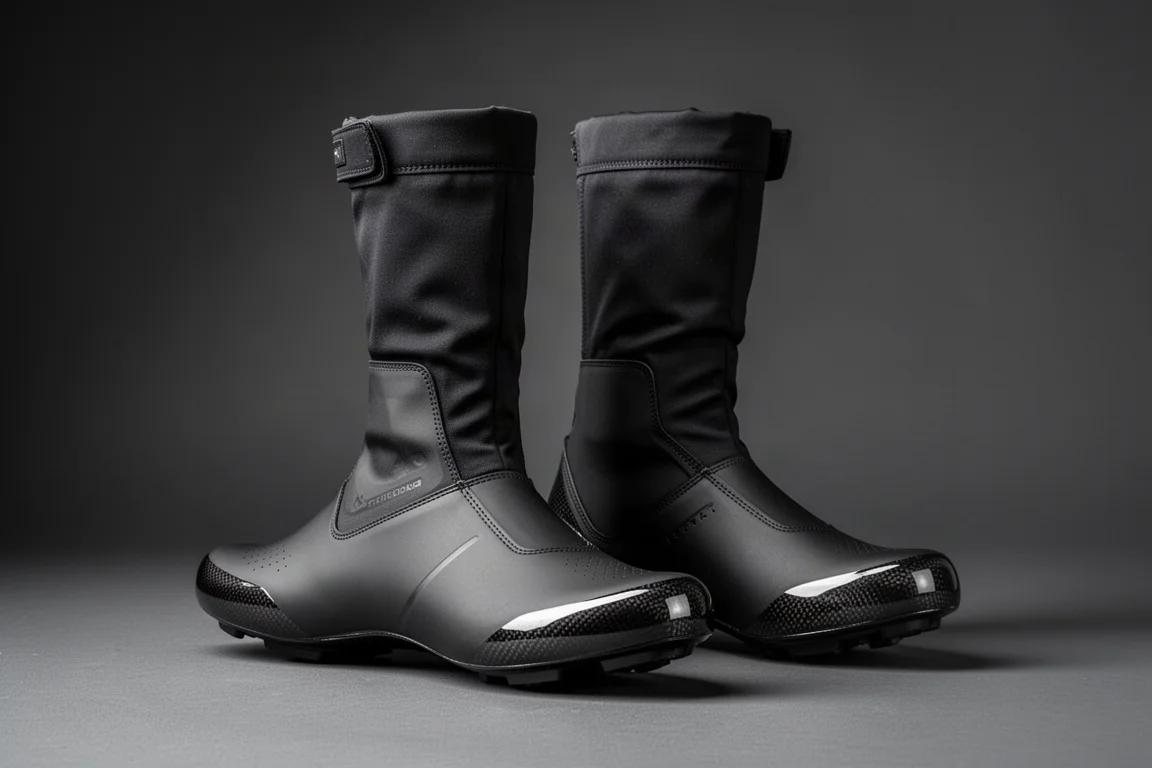
Fully Waterproof Winter Boots: Northwave Extreme RR GTX
The Extreme RR GTX is the more complete answer to winter feet. It is fully waterproof, thermally lined, and has no holes running through the sole into the shoe, so water has no obvious route in. An integrated gaiter seals around the ankle, and the boot is built on a proper carbon sole like any high-end road shoe.
It is officially rated to minus 5 degrees, though most riders will not be heading out in those conditions. At £290 it is a lot of money for a product you only use for part of the year, but for anyone whose feet get painfully cold, it is the difference between riding through winter and not riding at all.
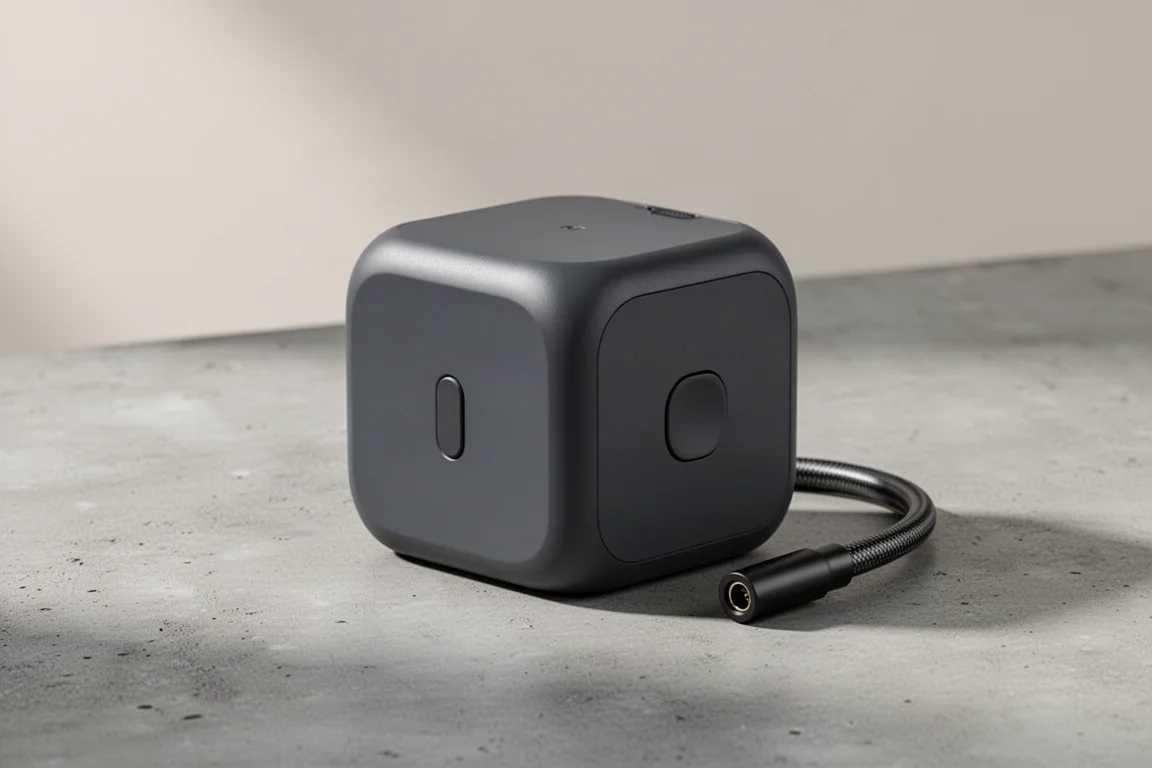
An Electric Pump In Your Pocket: Cycplus Tiny Pump Cube
At $90, the Tiny Pump Cube is a small electric pump with a genuinely descriptive name. It will inflate two 25 mm tyres on a single charge and can take a tyre up to 80 psi. It makes an unusual noise while it works, which is part of its charm.
It is furiously expensive for something you could replace with a hand pump, and it is more entertaining than strictly necessary. But if you want to avoid manual effort at the roadside and you like the idea of a pump that fits in a jersey pocket, it does the job.
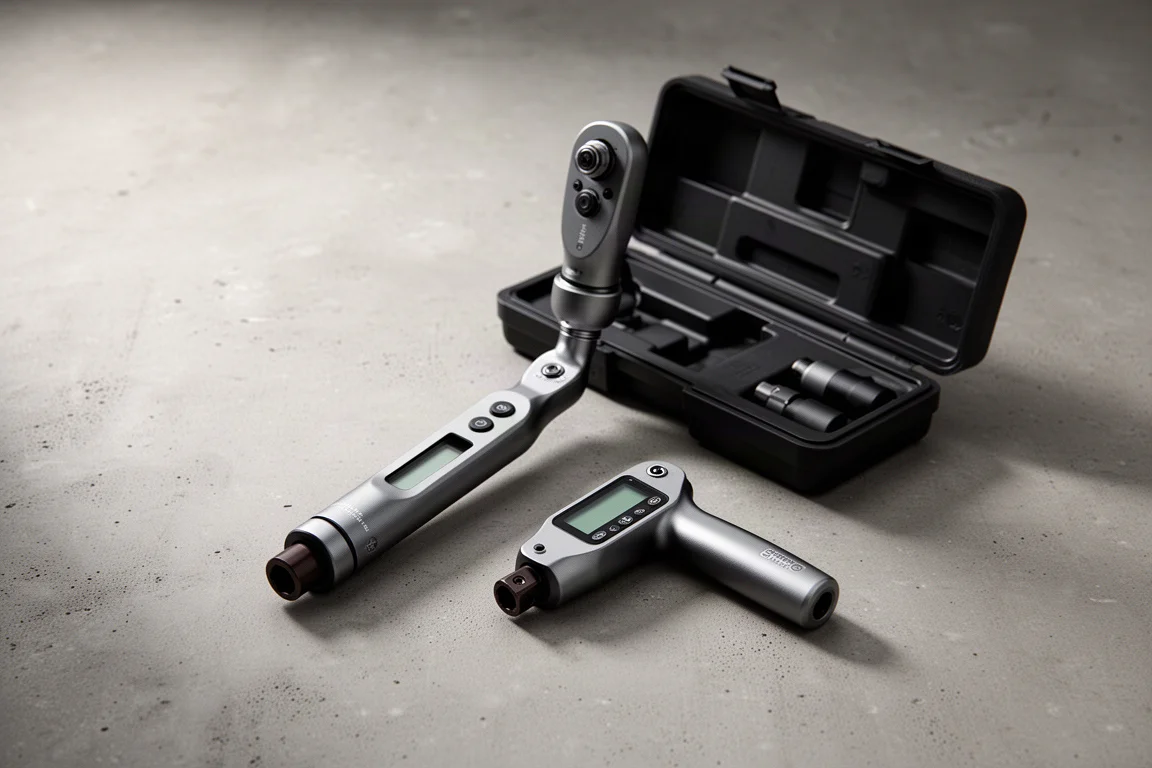
Digital Torque Accuracy: Topeak D-Torq DX
The D-Torq DX is a £180 torque wrench with a digital display that beeps when you reach the set value. It arrives in a protective case and includes a carbon-fibre-look frame element. None of that is essential, but the core function is useful: tightening bolts to the correct torque is how you avoid rounding off heads and crushing carbon components.
For riders who work on their own bikes regularly, the audible confirmation and clear display make repeatable torque straightforward. For everyone else, it is a beautiful tool that spends most of its life in a case.
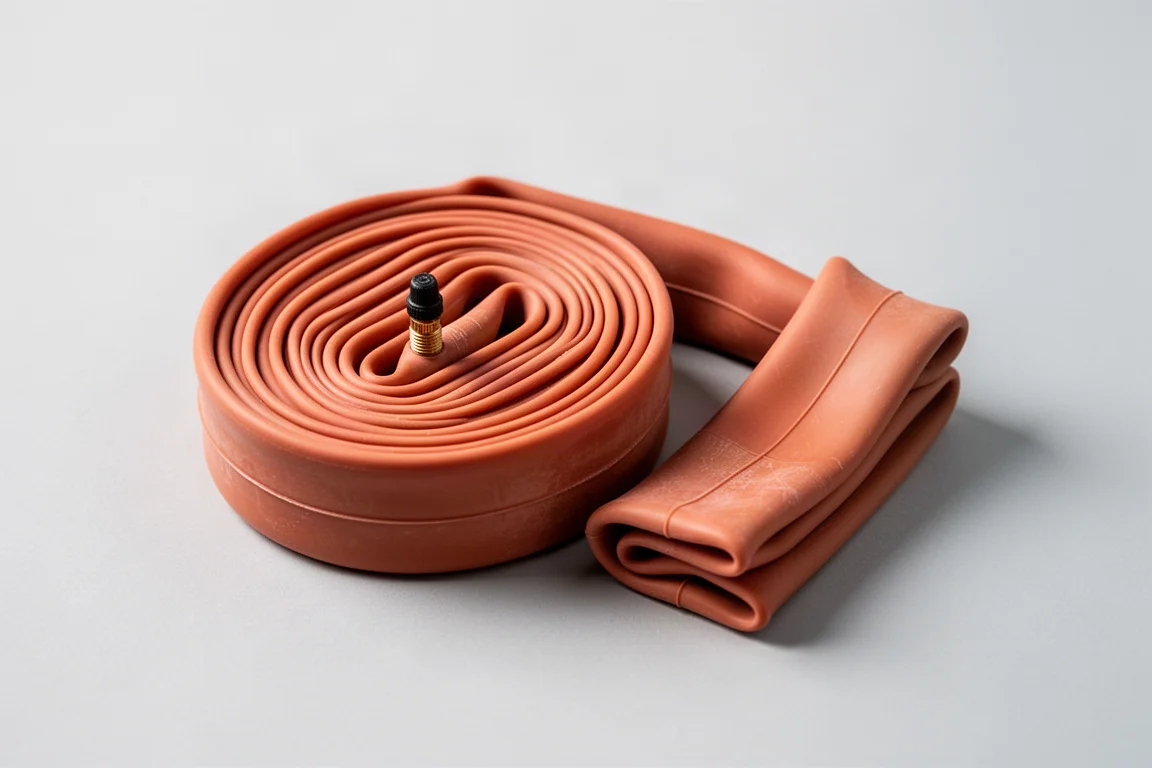
Lighter Inner Tubes: Tubolito Thermoplastic Tubes
These replace the standard butyl tubes that come on most bikes. Thermoplastic tubes are extremely light, and the box claims 39 g, against roughly 100 g for a butyl tube. That saves weight, but the more noticeable benefit is ride quality, which feels closer to running tubeless.
They inflate much like a normal butyl tube and cost about £25. They also roll up extremely small, and a thinner spare version is claimed at just 19 g, which is ideal if you are touring or racing and short on space. Cheaper thermoplastic options exist from other brands if the price is a sticking point.
A Bottom Bracket For Life: Enduro XD-15
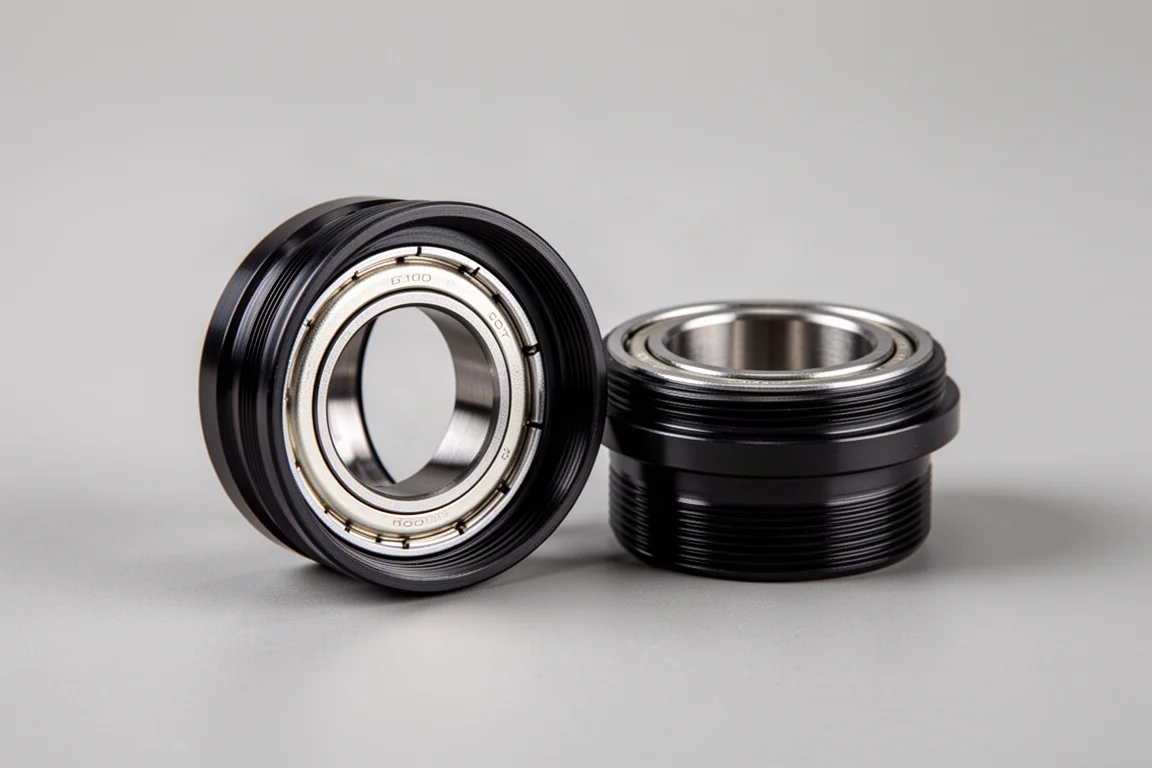
The XD-15 is a £280 bottom bracket, and the headline feature is not the price but the warranty. The bearings are covered unconditionally: if you destroy them, however you destroy them, they get replaced. Pay once and that is your bottom bracket for the life of the frame.
The steel is nitrogen infused, developed from aerospace metal research, which is why it resists the rust and corrosion that eventually kills ordinary bearings. A demonstration at a trade show put a set of bearings from several brands into a fish tank at the same time; the Enduro bearings came out unrusted while the others did not.
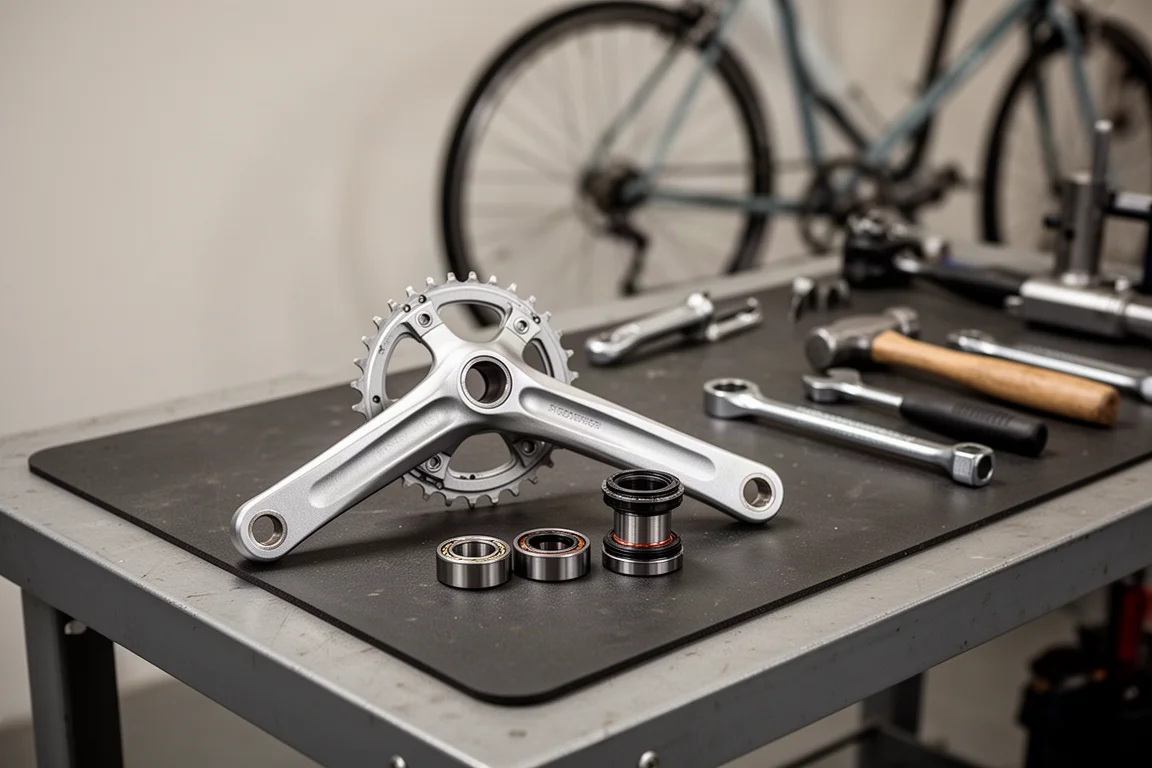
For a component most riders replace more than once, a single purchase with that level of cover changes the arithmetic over several seasons of wet-weather riding.
Bikepacking Rack System: Tailfin AeroPack
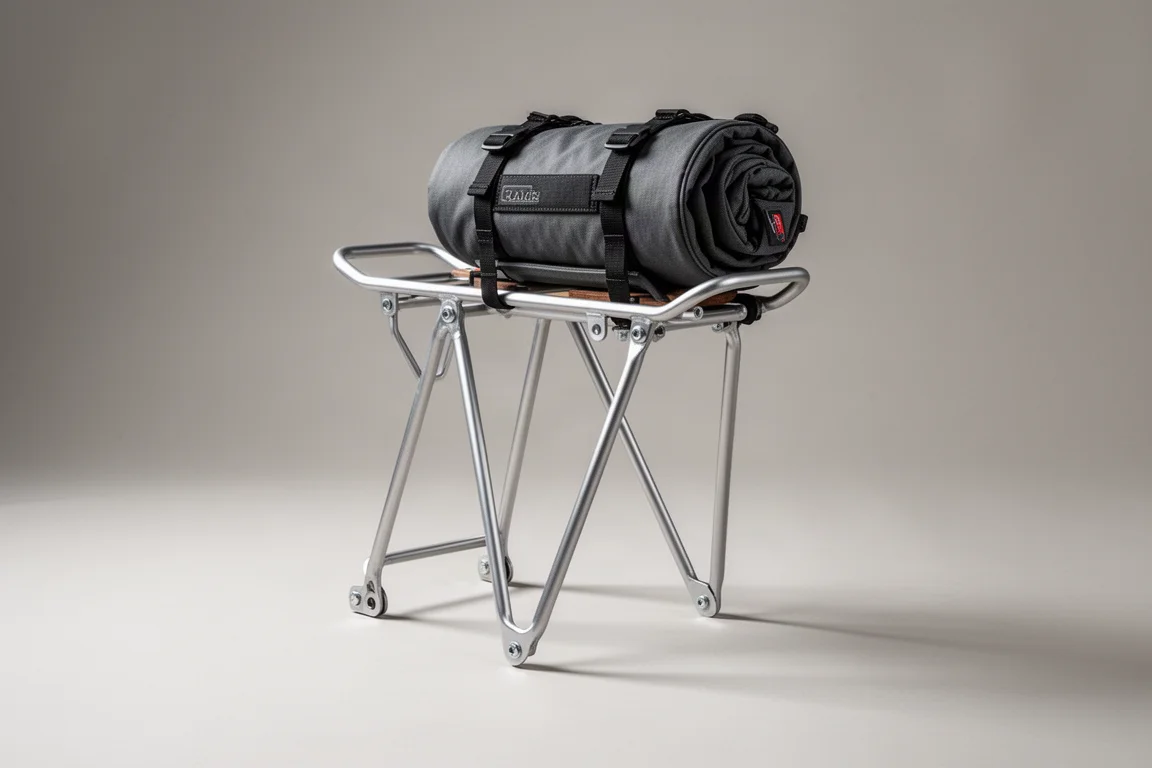
The AeroPack is a rack system that fits onto almost any bike using two struts, with a seat pack mounted on top. Because it is attached to the rack rather than strapped to the saddle, it does not sway, no matter how you pack it. It also stays mounted, so you never have to reattach it, and you can unroll the whole bag while it is still on the bike to reach everything inside.
The alloy version without side pannier mounts costs £290, and the carbon version with the ability to attach panniers rises to £400. Bags are extra. Adapters cover road, gravel, and mountain bikes, including a multi-use option that threads together for different setups. It is expensive, and it is one of the best touring and bikepacking systems you can fit.
Magnetic Bottle Security: Fidlock Bottle Cage System
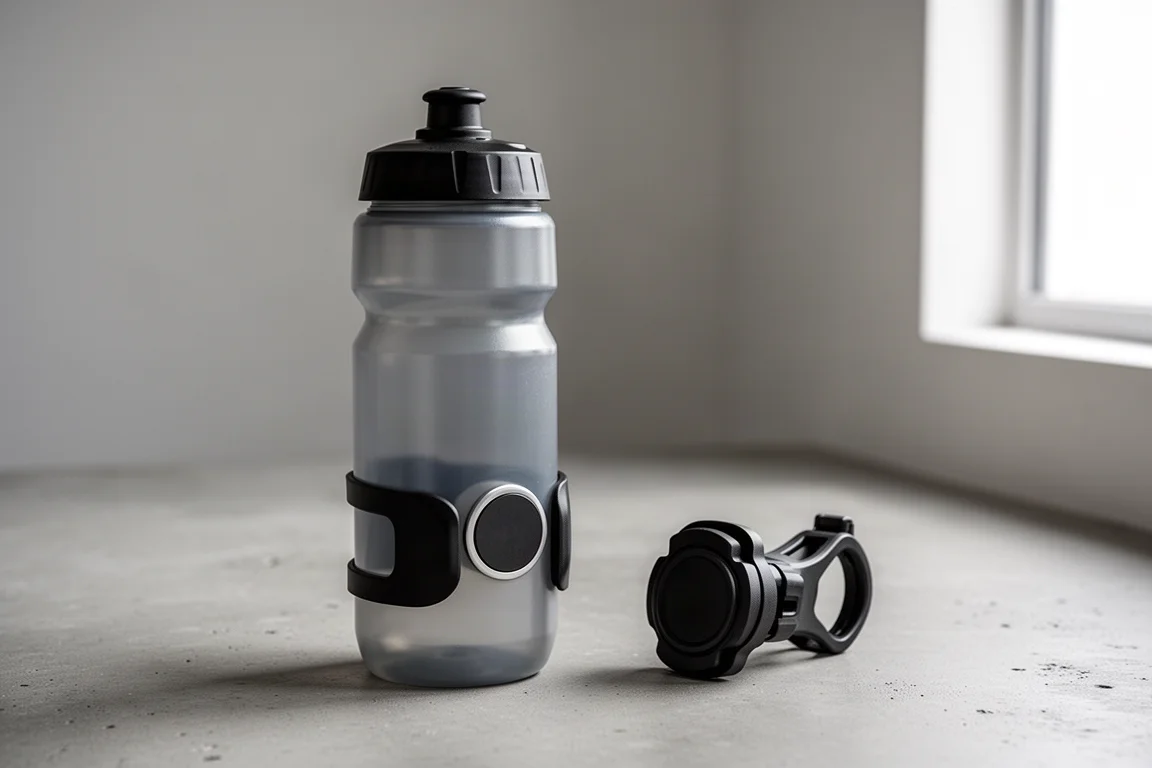
This is a bottle system that costs around £40 for the mount and the bottle. The reason it works so well is security: the bottle locks in place and only releases with a clockwise twist, a motion that simply does not happen while you are riding. That is why so many mountain bikers use it, since rattling over rough ground is exactly how bottles pop out of a standard cage and disappear.
The bottles themselves are extremely well made and last for years, and newer versions are easier to squeeze than earlier ones. If you want the same bottle on several bikes, extra mounts are available separately.
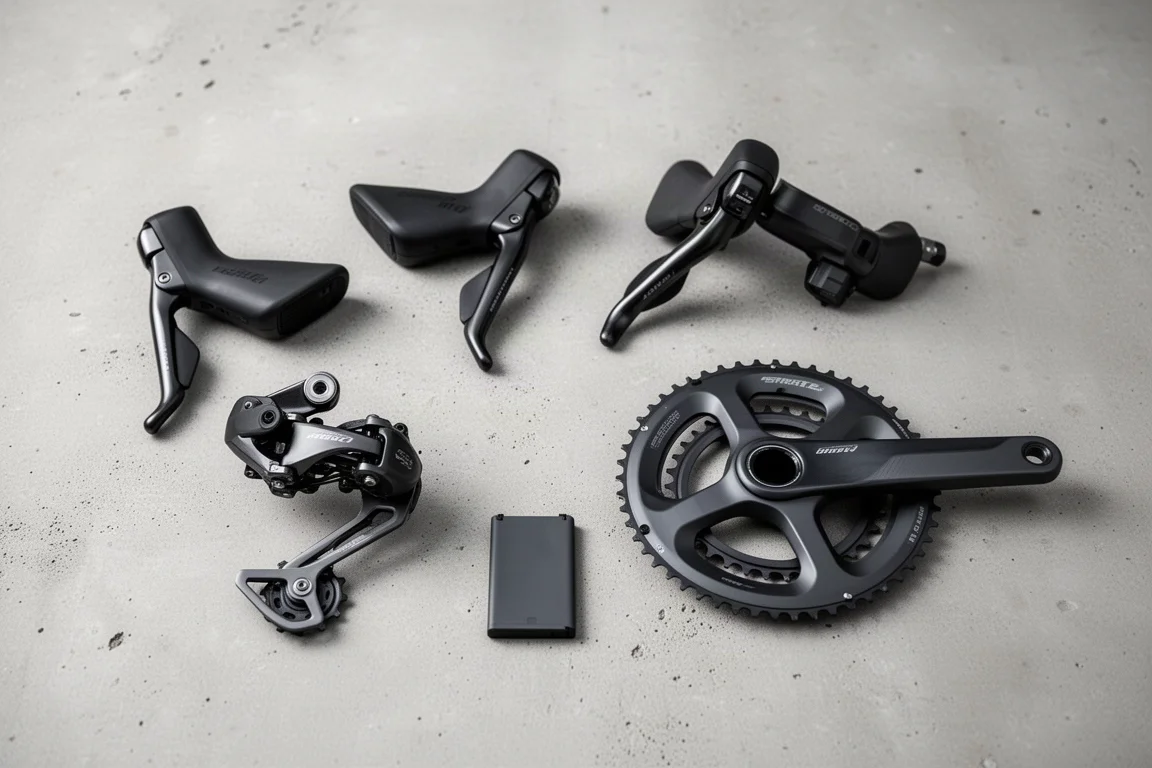
Wireless Top-Tier Shifting: SRAM Red Groupset
Red is the top of SRAM’s range: a wireless electronic groupset covering gears and brakes, and it is insanely light. Depending on the spec you choose, it runs to around £2,800. There is an app for programming the shifting, small buttons on the side of the shifters can be reassigned to other functions, and a dropper seat post can be linked into the same ecosystem.
The important thing to understand is that the functionality is the same as you move down the range. What you pay the extra for is lower weight and the name on the crank. If that matters to you, it matters.
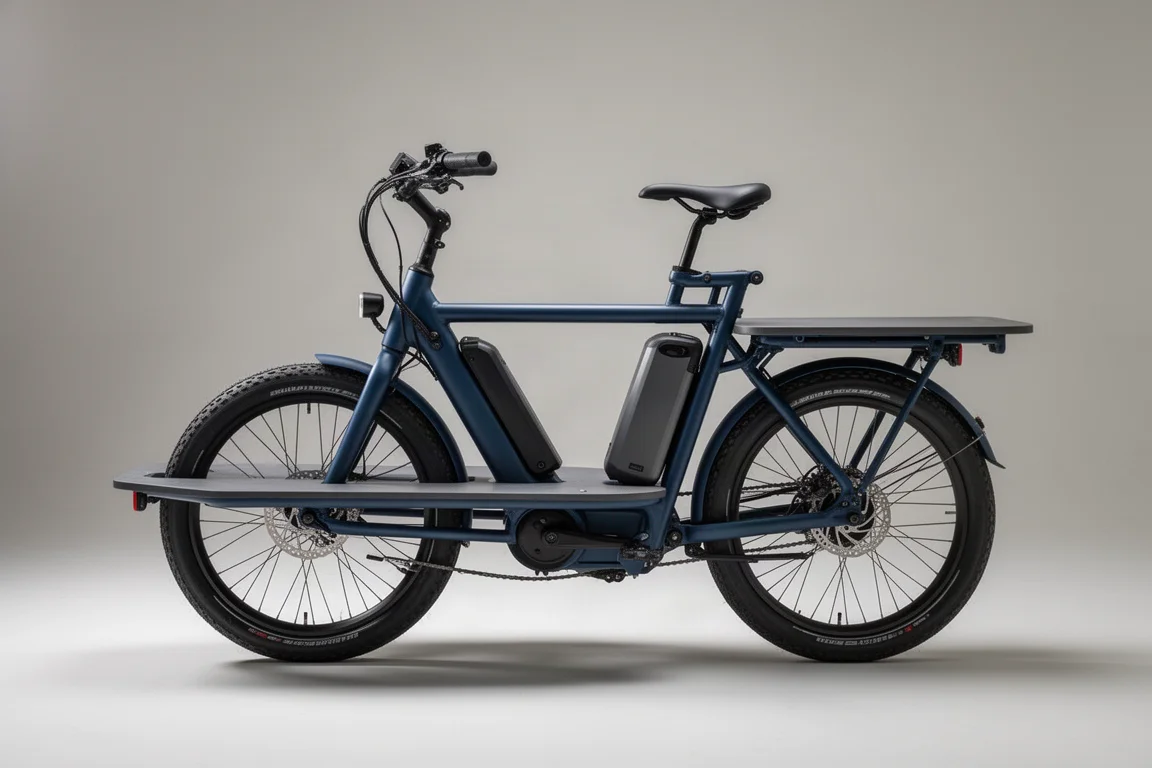
The Car Replacement: Omnium Mini Max Electric Cargo Bike
This is a £4,000 electric cargo bike with a big platform on the front, massive tyre clearance that will take mountain bike tyres, mudguards, and a motor that makes it genuinely fast. It is an obscene amount of money, roughly the price of a not very good car, but it can replace a car in a lot of situations.
This particular build came from Paradise Cycles in London. The frame was never designed around a motor, so the shop 3D printed a custom battery compartment that sits under the cargo tray. It is finished in purple-blue flip paint with 18-karat gold details. Cheaper e-bikes exist, and the custom work is part of why this one costs what it does.
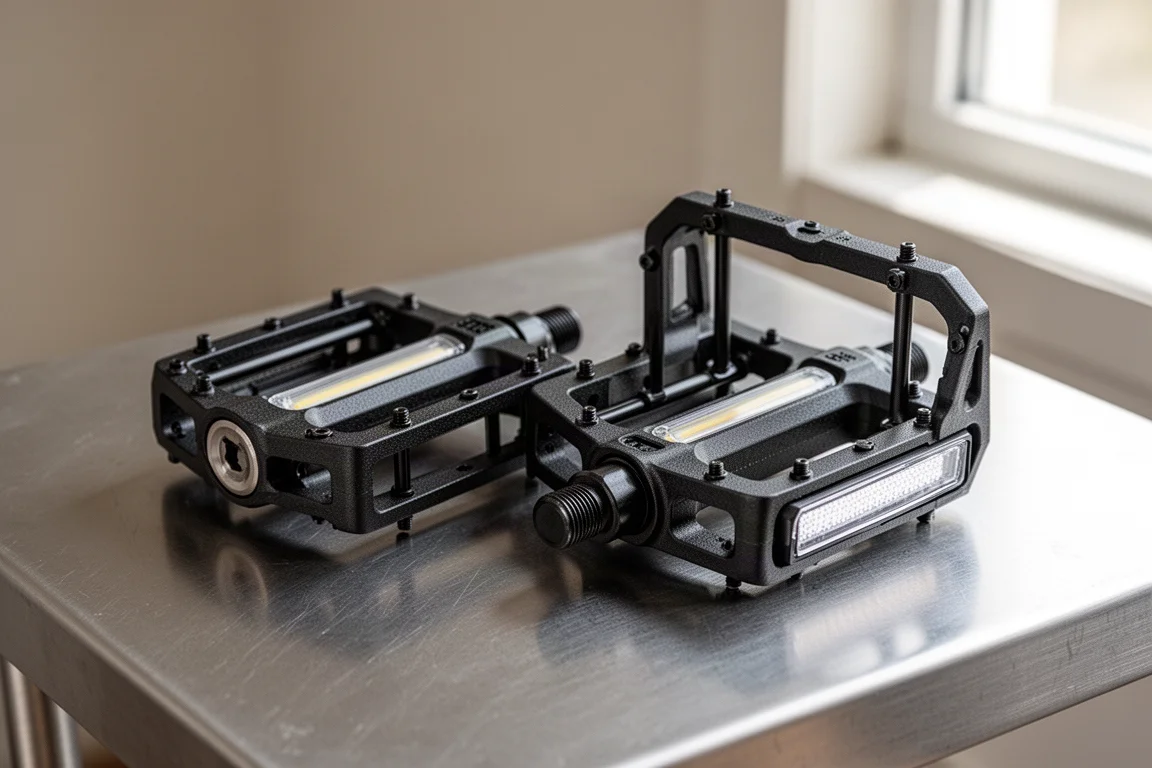
Pedals With Built-In Lights: Redshift Arclight Pedals
At £170, the Arclight pedals are flat pedals with two LED modules built into each one. They are ridiculously bright, even in daylight, and they work out which pedal is at the front and which is at the rear, showing red at the back and white at the front automatically.
The obvious annoyance is that four separate modules need charging, but the system comes with a single multi-charger that takes all of them at once. They can also be used off the bike as a visibility aid when walking. It is a neat, well-engineered piece of kit that simply works.
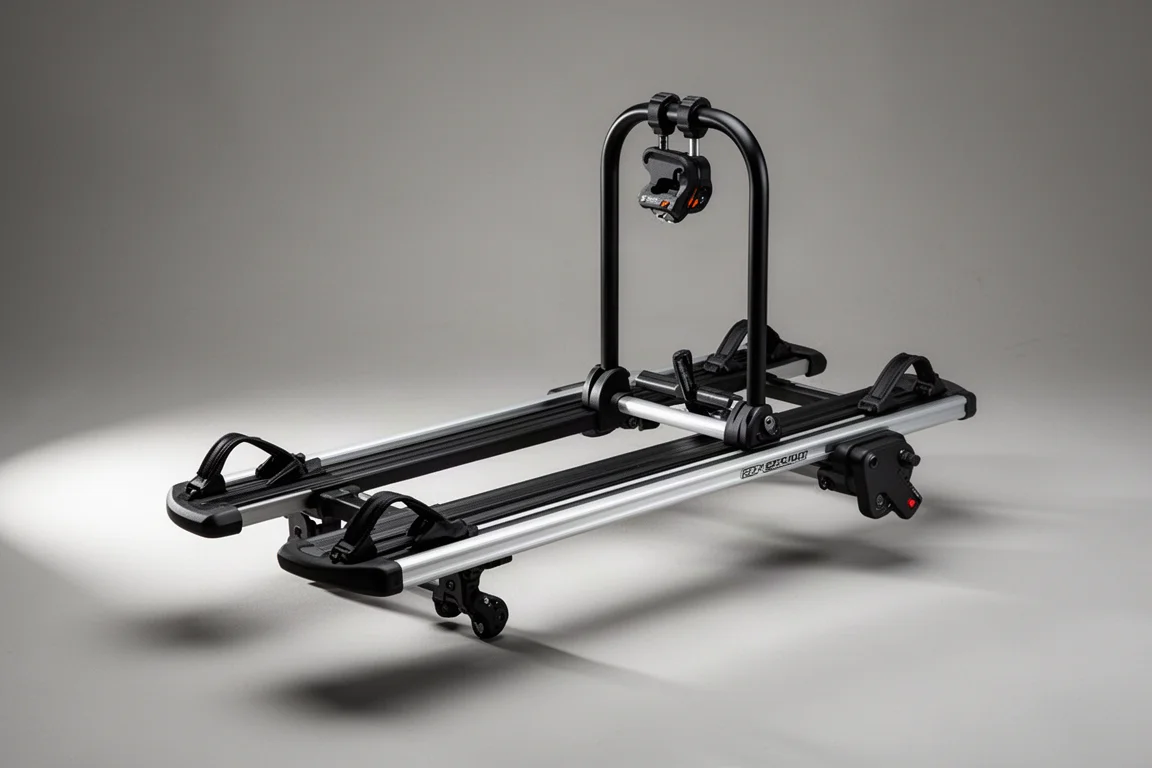
A Roof Rack That Just Works: Thule Bike Rack
A roof rack setup like this is not essential, but it works so well that it becomes hard to give up. The cross bars and the individual bike carriers are bought separately, and the complete setup came to around £400. The rack locks to the roof bars, and a bike can be locked to the rack, which makes it reasonably secure.
It has lived on the car all year round in all conditions without being washed. It no longer looks new, but it functions perfectly. The real benefit is practical: the car interior stays clean, and loading and unloading is far quicker when you are doing it several times a week.
Buying Advice: Where The Money Actually Goes
The pattern worth noticing is that the easiest products to justify are the ones that replace something you already buy repeatedly. A bottom bracket with an unconditional bearing warranty, or inner tubes that roll up small enough to carry several spares, pays you back over seasons rather than in a single moment.
The next easiest group to justify is the one that removes a recurring irritation you experience often: wet shoes, bottles lost on descents, bikes shoved into a car. If a product saves you time or discomfort several times a week, the price is easier to accept. The hardest group to justify is the one that only adds prestige, where the cheaper tier performs the same core function. Be honest about which group you are shopping in.
Finally, check the details that decide whether an expensive product actually fits your bike. Frame pumps come in multiple sizes, rack systems need the right adapters, and overshoes and boots need to match your shoes and pedals.
Conclusion
Expensive cycling products are not automatically better, and this list is not an argument for spending more than you need. It is an argument for recognising the small number of items where the price buys something real: reliability over years, comfort in bad weather, or a job done so well that you stop thinking about it.
Pick the problem you actually have, whether that is cold feet, a rattling bottle, or a bike that never quite fits in the car, and spend there. Everything else can wait.
Further reading
Related Reviews
Cycling Gear
8 Cycling Products Riders Keep Coming Back To
Eight cycling components and accessories with clear strengths, honest trade-offs and long-standing reputations among riders and mechanics.
Cycling Gear
Aero Helmets and Bottle Setups Tested: Six Options Ranked by Measured Watt Savings
Wind tunnel data on six aero helmets and bottle setups, with real watt savings, practical trade-offs, and guidance on what is worth buying first.
Cycling Gear
Aero Road Bikes and Fast Tires Worth Watching in 2026
Four aero road bikes and one fast road tire, with the real strengths, the open questions, and what to check before you buy.