Cycling Gear
Expensive Bike Products Worth Wanting: Nine Indulgent Upgrades
Nine genuinely premium bike products, from the Continental GP5000 to Shimano Dura-Ace Di2 9200, and what each one actually buys you.
Introduction
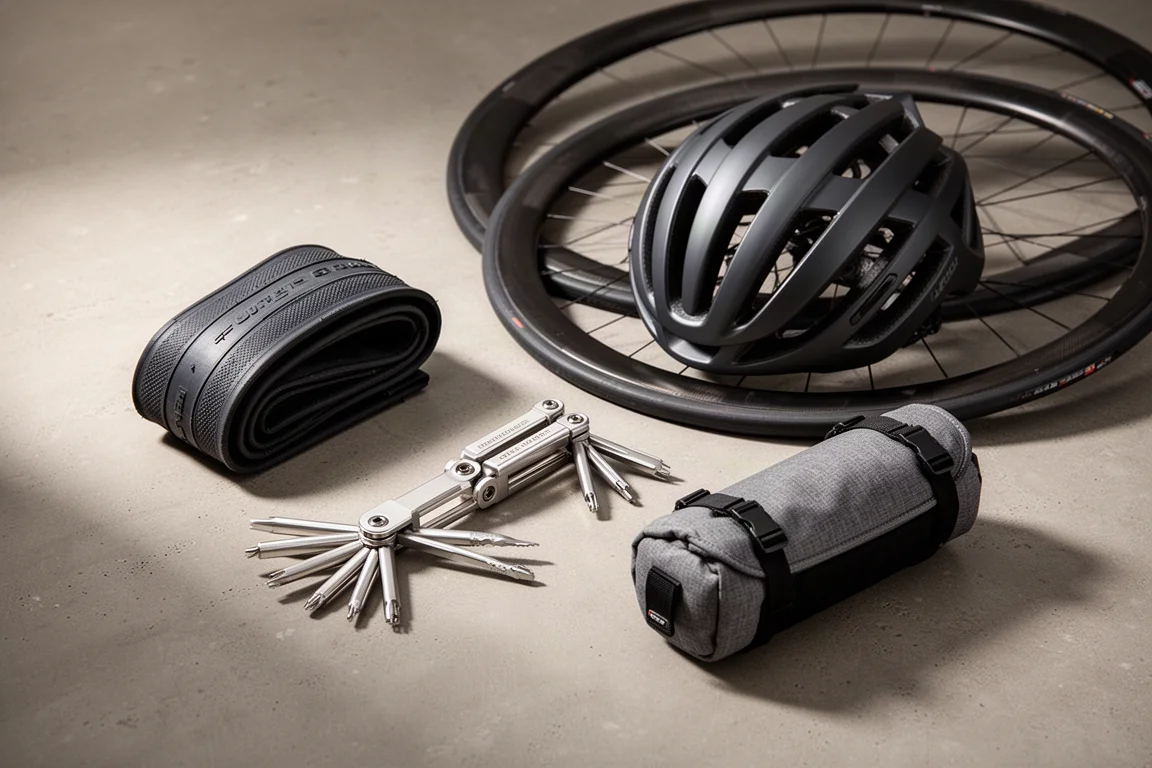
Some bike purchases are about getting the ride finished. Others are about enjoying the ride more than you strictly need to. This guide covers nine products that sit firmly in the second category: premium tires, tools, wheels, helmets, storage, luggage and drivetrain components that cost serious money and are, by any reasonable measure, optional.
None of them are necessary. All of them are the kind of thing riders keep coming back to once they have tried them, and that is the interesting part. The question worth asking about any indulgence is not whether it is expensive, but whether it delivers something you will notice every time you ride.
What Separates an Indulgence From a Waste of Money
Four things tend to decide whether a premium product earns its keep. The first is whether the benefit is felt on every ride rather than admired once in a workshop. The second is whether the product solves a problem you actually have, such as storage, mounting or packing a bike for travel. The third is durability, because stainless steel tools, hooked rims and hard cases tend to age well, which softens the initial outlay.
The fourth is the point of diminishing returns. Premium helmets, for example, deliver real gains in weight and ventilation, but those gains arrive well before the top of the price ladder. Knowing where the useful part of the curve flattens out is what separates a smart indulgence from an expensive habit.
That is the lens used throughout this guide: not whether a product is the most expensive option available, but whether the money buys something concrete.
Continental GP5000
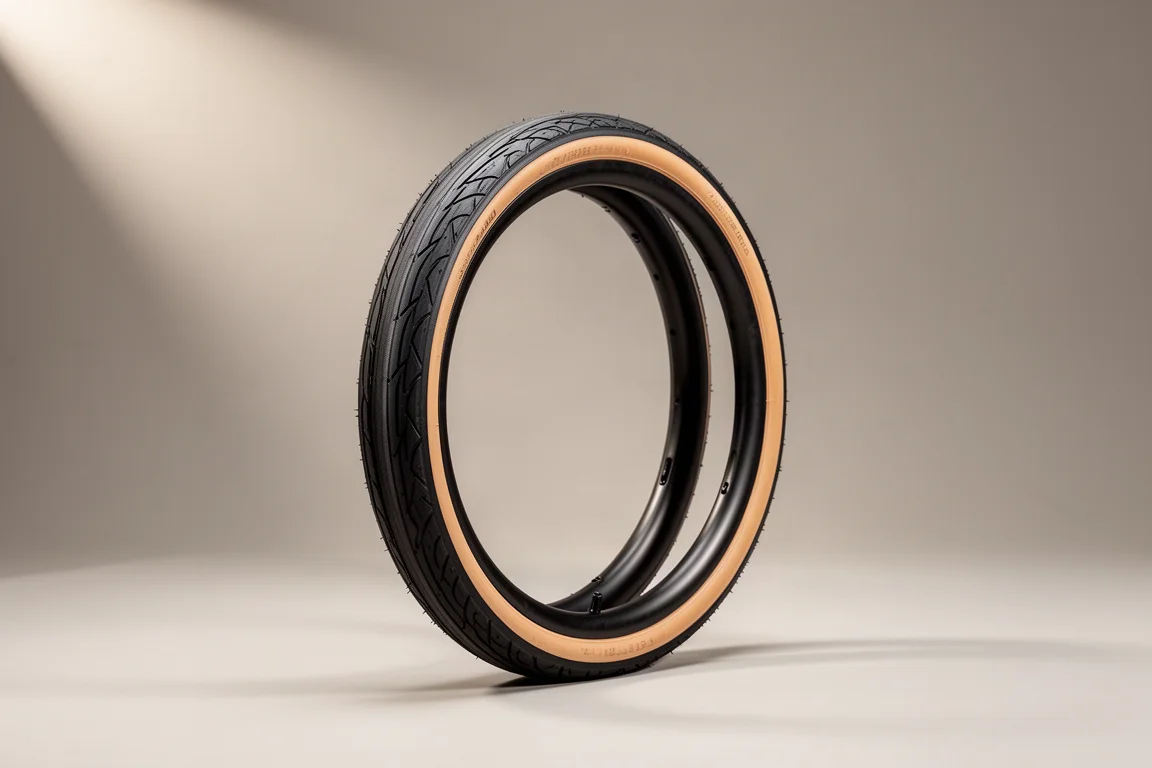
Few tires have a longer lineage or a more loyal following. The GP5000 family now spans several versions: the standard clincher, the All Season TR with more wet-weather grip at the cost of speed, the tubeless-ready S TR, and the TT TR for outright pace. The standard GP5000 and the GP5000 S TR are the two that most riders default to.
Continental positions the GP5000 as an all-rounder, and it is quick enough that racers are happy to use it. Compared with the wafer-thin TT tires, it offers significantly better puncture protection while keeping a strong balance of speed, ride feel and grip in the wet.
One caveat worth knowing: some riders report difficulty mounting the tubeless version. That experience often comes down to the specific combination of rim and tire, so a different tire or a different wheel can change the outcome. At £69 for the standard version and £80 for the tubeless version per tire, this is not a cheap habit, but it is a predictable one.
Wolf Tooth 8-Bit Kit Two
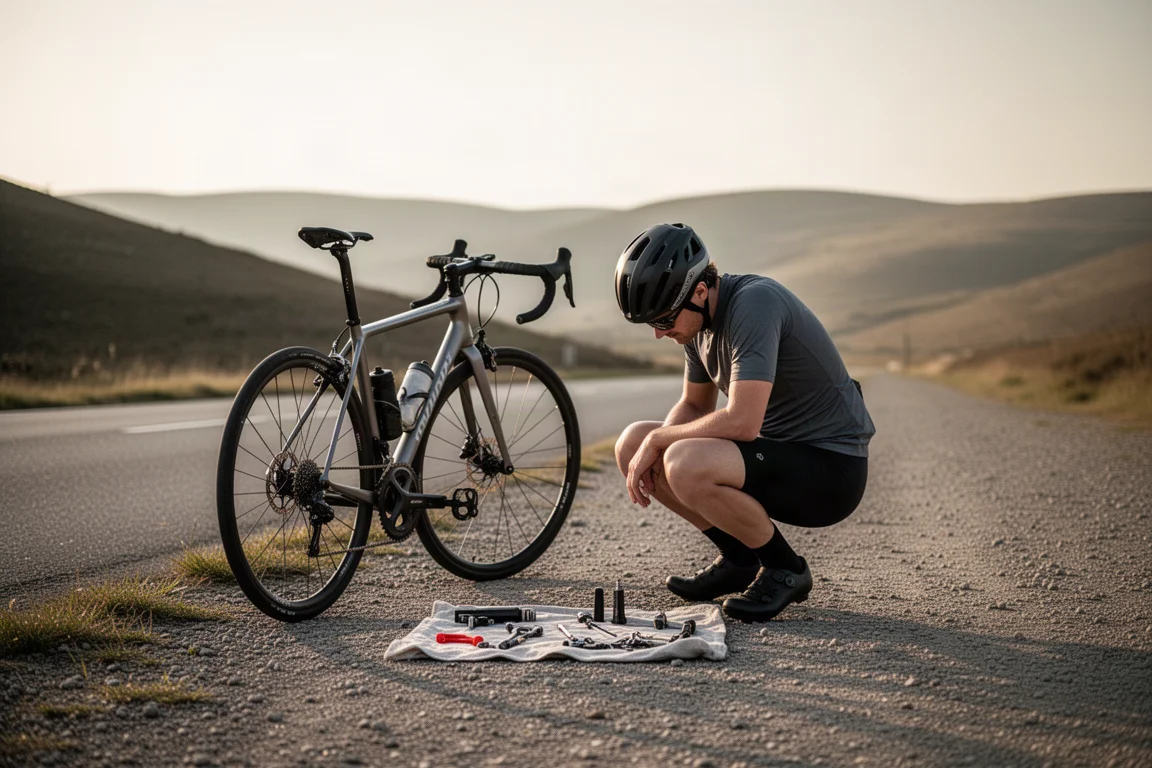
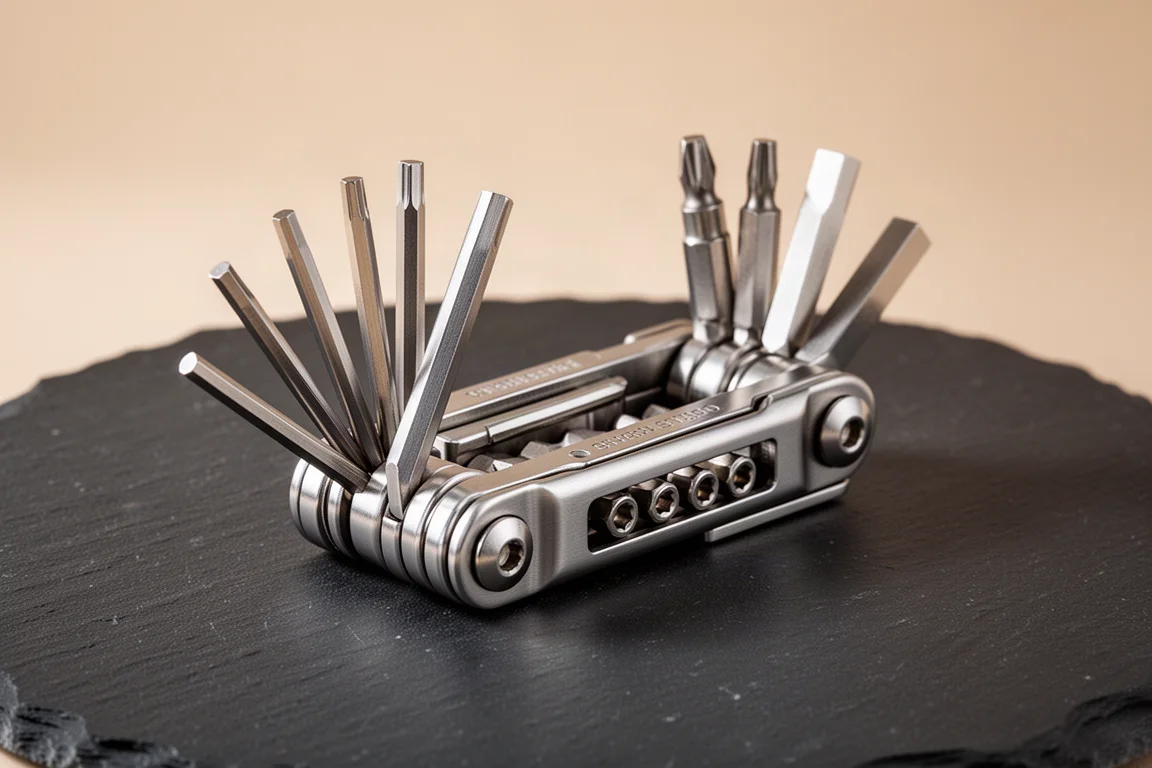
The 8-Bit Kit Two is a stainless steel multi-tool that attempts to cover almost every roadside repair in one package. It includes a chain breaker, tire lever, tubeless tool, Allen keys, Torx keys, a screwdriver, a valve core tool, a knife, storage for quick links and tubeless worms, and a rotor truing slot. Because it is stainless steel, it does not rust.
For short local rides, a simple set of Allen keys is usually enough. For long days out, remote routes or anywhere recovery is uncertain, this kit is the one that covers the gaps. The build quality is a clear strength: the finish is good, it feels solid in the hand, and it does not feel like it will fall apart. The trade-off is that anything with removable bits is fiddly, and bits dropped in mud or grass have a habit of disappearing. Replacement parts are available individually, which softens that risk.
At £120 it is a considered purchase rather than an impulse buy, and it is a compromise by design, because fitting this many functions into one small package always involves some compromise.
That compromise is easier to accept when the alternative is carrying several separate tools or walking home.
Scope Artec Wheels
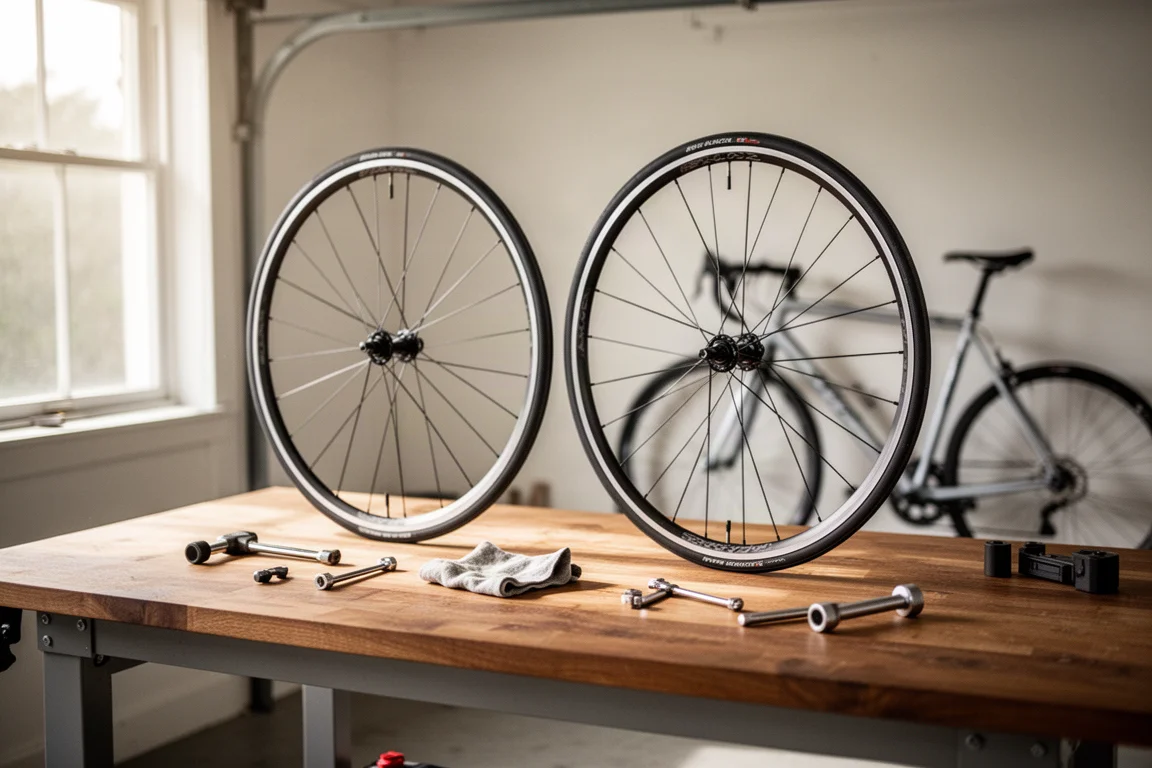
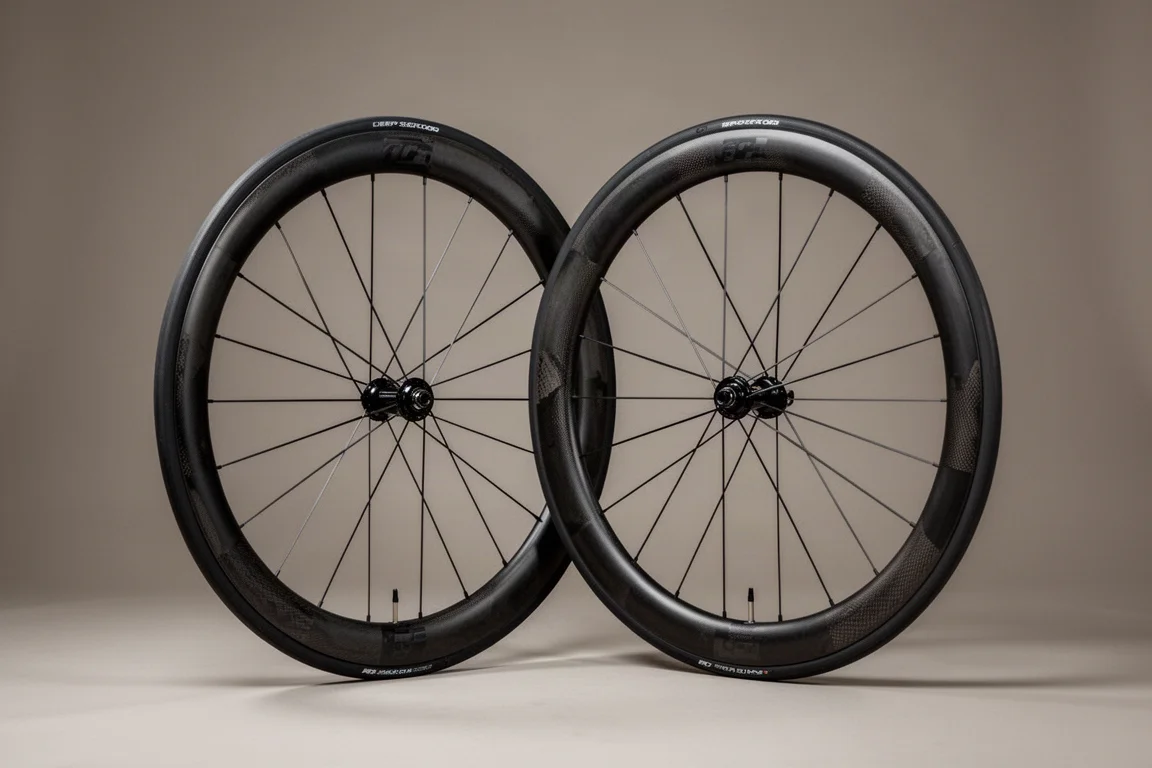
The Artec wheels are the most expensive item here at £3,498, and they make their case with numbers. The 45 mm rim depth version weighs a claimed 1,120 g, against 1.61 kg for a typical aluminium house wheelset. They are carbon, disc brake only, and available in 22 mm, 45 mm and 65 mm depths, with hooked rims and a 23 mm internal width.
That internal width matters if you ride wider rubber. Fit a 30 mm road tire and it sits generously on the rim, which adds comfort. The finish is distinctive, with a snakeskin-like surface treatment that makes the wheels stand out on any build. In independent aero testing they have been rated at the front of the field, and in back-to-back riding they contributed to noticeably less vibration through the frame than a standard wheelset.
Competition at this price is fierce, with other premium carbon options rated highly, but the Artec has an advantage beyond performance: because the brand makes no other bike components, the wheels do not commit you to a particular finishing kit.
Kask Protone
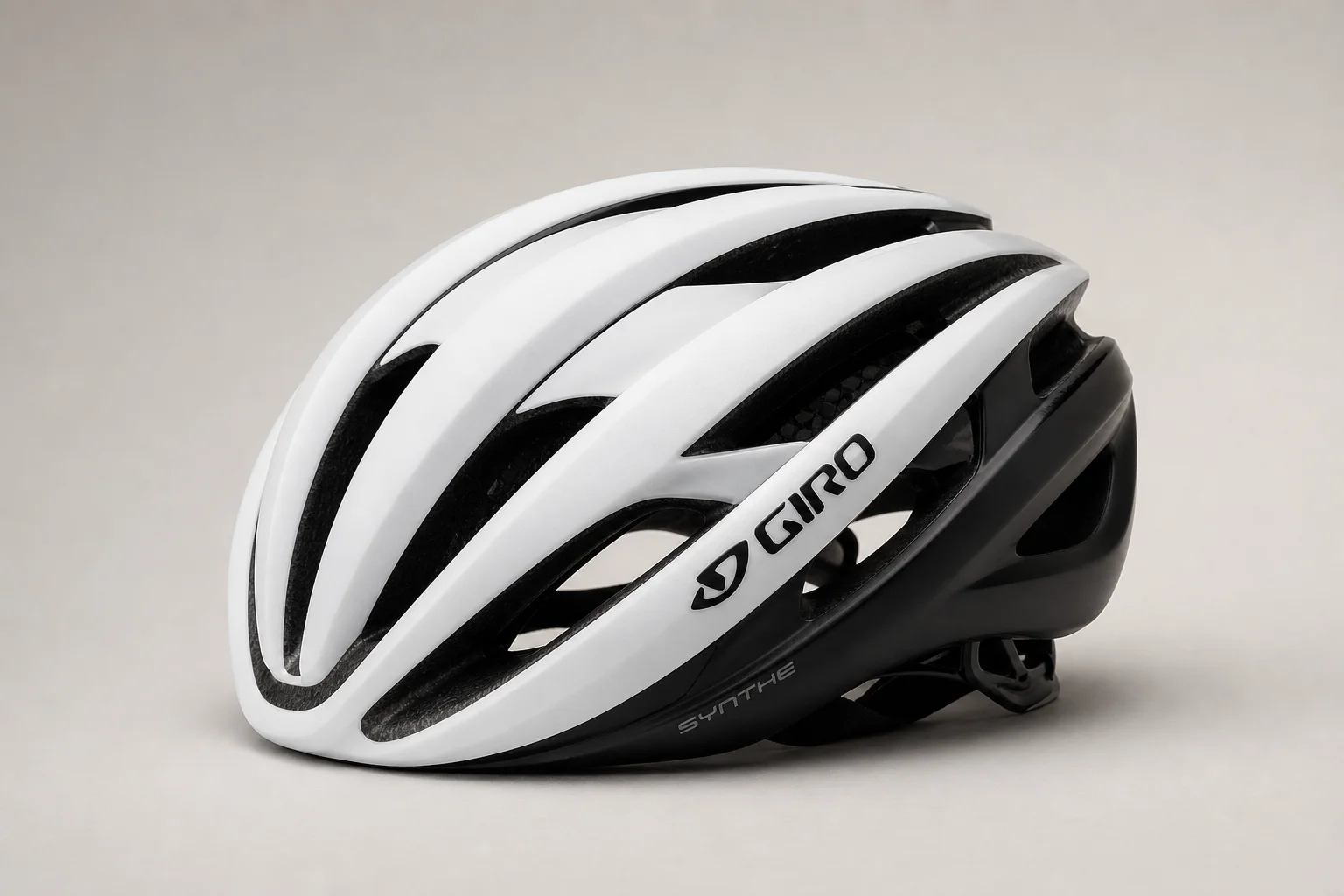
Every helmet sold has to pass safety testing, so an expensive helmet does not make you safer than a mid-range one. What it can buy you is less weight and better ventilation. Weight matters more on your head than almost anywhere else on a bike, and adding even a small amount of mass to the top of a helmet becomes tiring on the neck over a long ride. Ventilation is the benefit you notice in summer rather than winter.
The Protone is the premium option here at around £250, and it earns its place through fit, a well-finished strap system and a shape that avoids the mushroom silhouette. It also has to be said that the returns flatten out well before this price. Mid-range helmets and even World Tour-level helmets from value-focused brands deliver most of the weight and airflow benefits for considerably less. The Protone is a choice made for how it looks and feels across long weeks of riding, not because it does something cheaper helmets cannot.
Stashed Space Rail
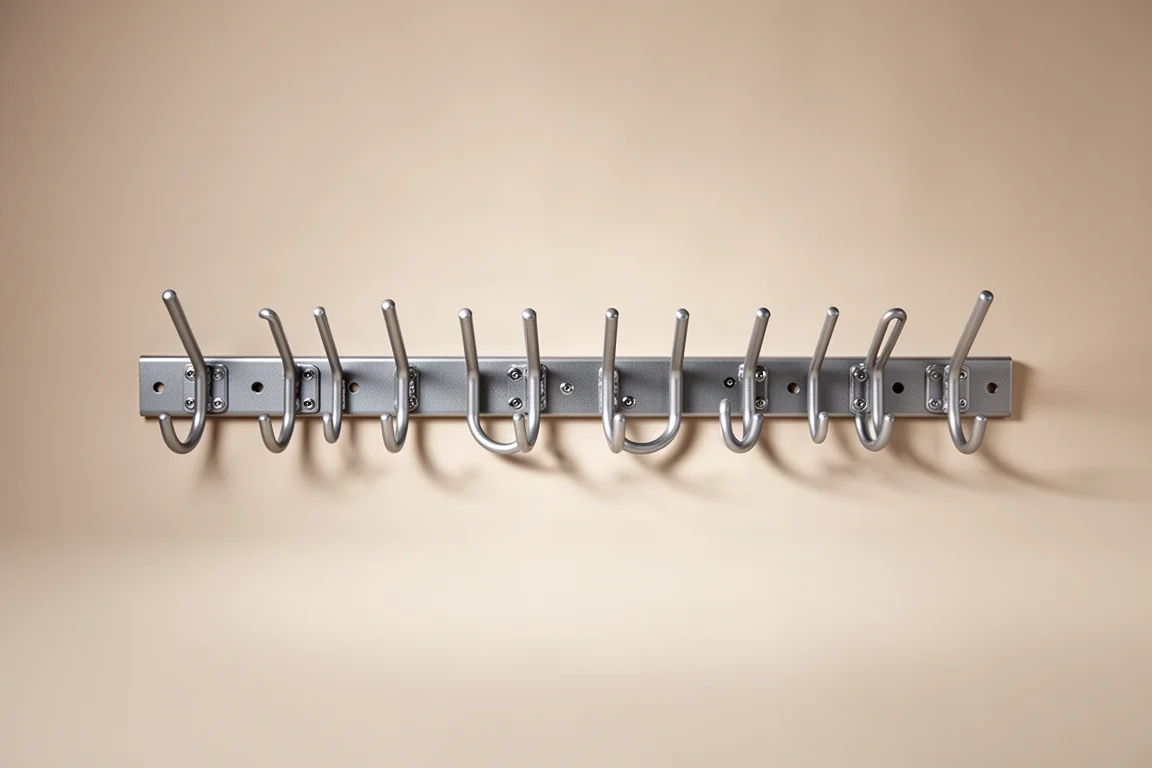
Bikes accumulate. Storage stops being a novelty and becomes a problem, especially in a space where bikes are constantly moving in and out. The Stashed Space Rail is a wall-mounted rack that can hold up to eight bikes, which turns a wall into usable capacity and keeps the floor clear.
At £889.99 it is squarely an indulgence, and it is best understood as a solution to a specific problem: too many bikes, not enough floor. For anyone with a stable of bikes and a wall to spare, it is a tidy answer.
Hanger
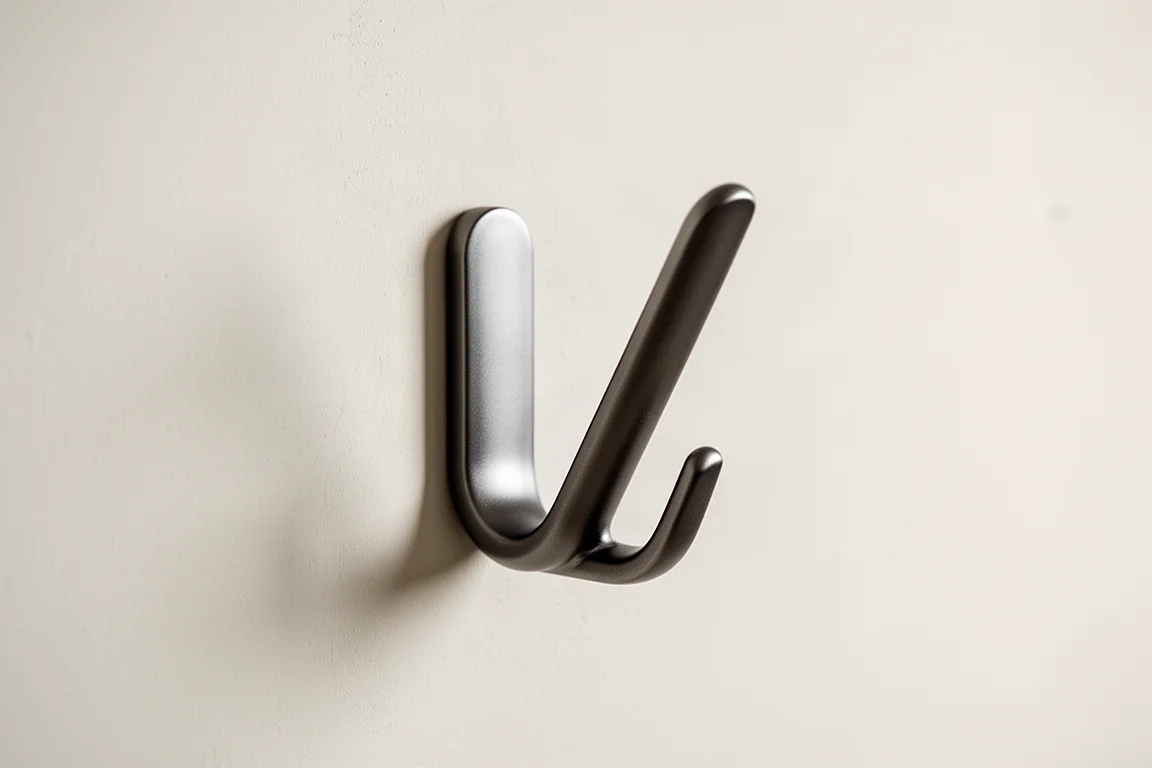
Wall mounts do not get much more design-led than Hanger. These mounts have been used for wheel walls, podcast booths and studio spaces, and the appeal is obvious once they are up, because they make a bike look like part of the room rather than clutter.
The trade-off is installation. They are genuinely awkward to fit, and the process takes patience. Once mounted, though, they hold their looks and their position. This is the option for riders who want the bike above the sofa to look intentional.
Fidlock Pin Clip Saddle Bag
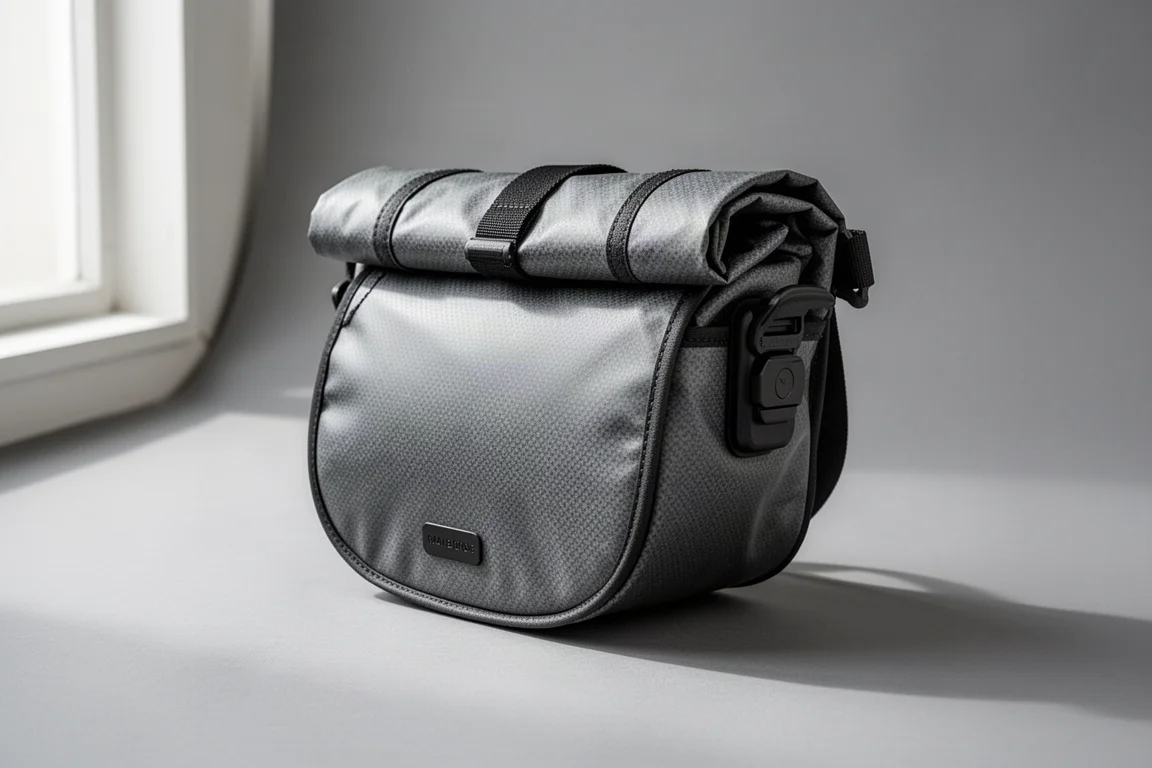
Saddle bags are simple objects, but threading straps through saddle rails with cold hands, thick gloves and a bike balanced against a wall is one of cycling’s small miseries. The Pin Clip system removes that entirely: a button releases the bag, and magnets guide it back into place.
At £50 it is a modest indulgence compared with the rest of this list, and the newest version is a roll-top design that is very waterproof, so contents stay dry in heavy rain. Because the bag stays oriented as it opens, nothing spills out during access, and you do not need to remove it from the bike to reach inside. It comes in small and medium sizes, and the saddle clip is sold separately, so riders with several bikes can fit a clip to each and move one bag between them.
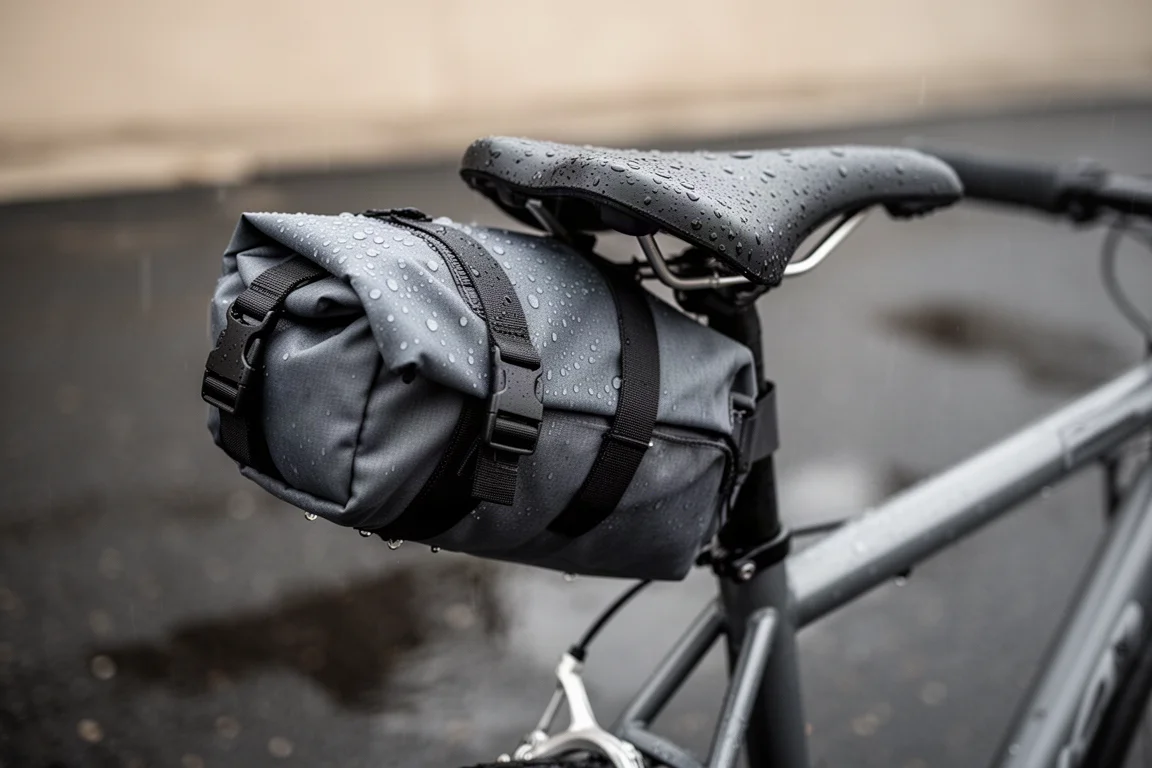
For anyone who has spent a wet ten minutes fighting with straps at the roadside, the appeal is easy to understand.
Bike Box Alan Aero Easy Fit
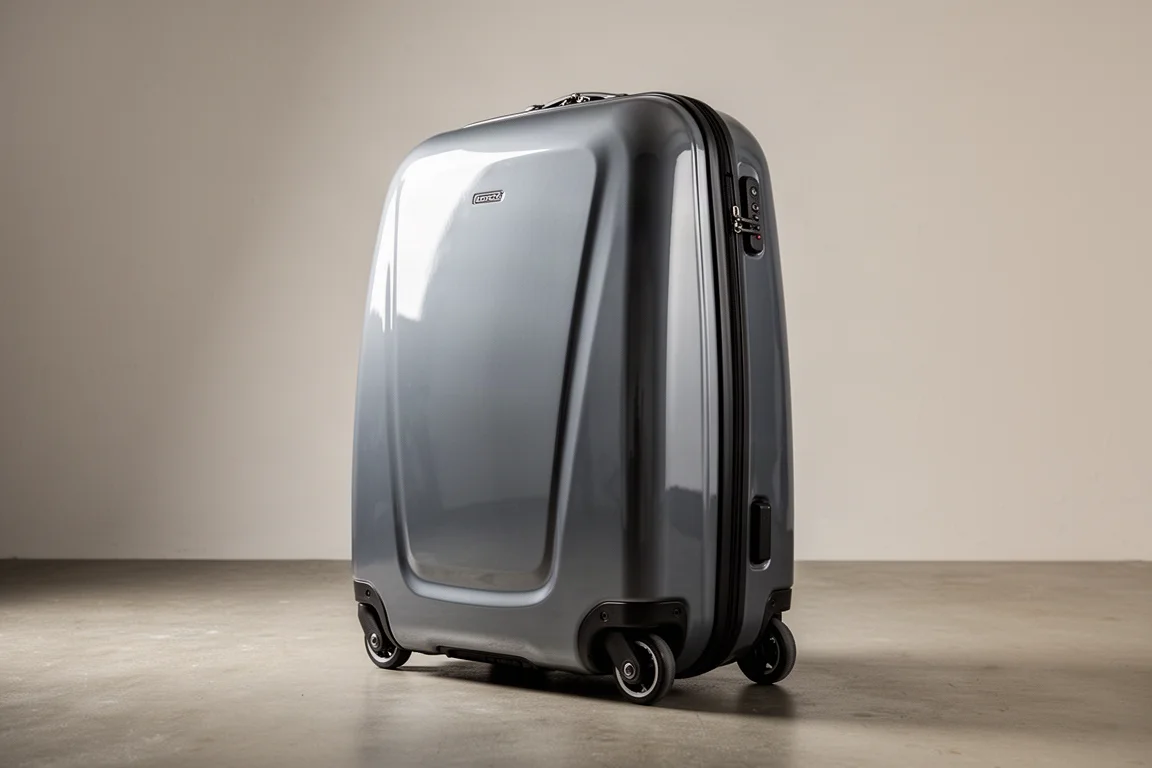
A soft bike bag is a gamble. Hard cases are the safer choice for air travel, and the Aero Easy Fit is designed around the modern aero road bike, where removing the handlebars is close to impossible. With this case, the wheels and pedals come off and that is the extent of the dismantling. The seatpost can stay in place for shorter riders.
At 13 kg it is relatively light for a hard case, and it is available at two price points, around £540 and a deluxe version at £630. For riders who travel with a bike more than once or twice, the case pays for itself in avoided damage and avoided workshop time.
Shimano Dura-Ace Di2 9200
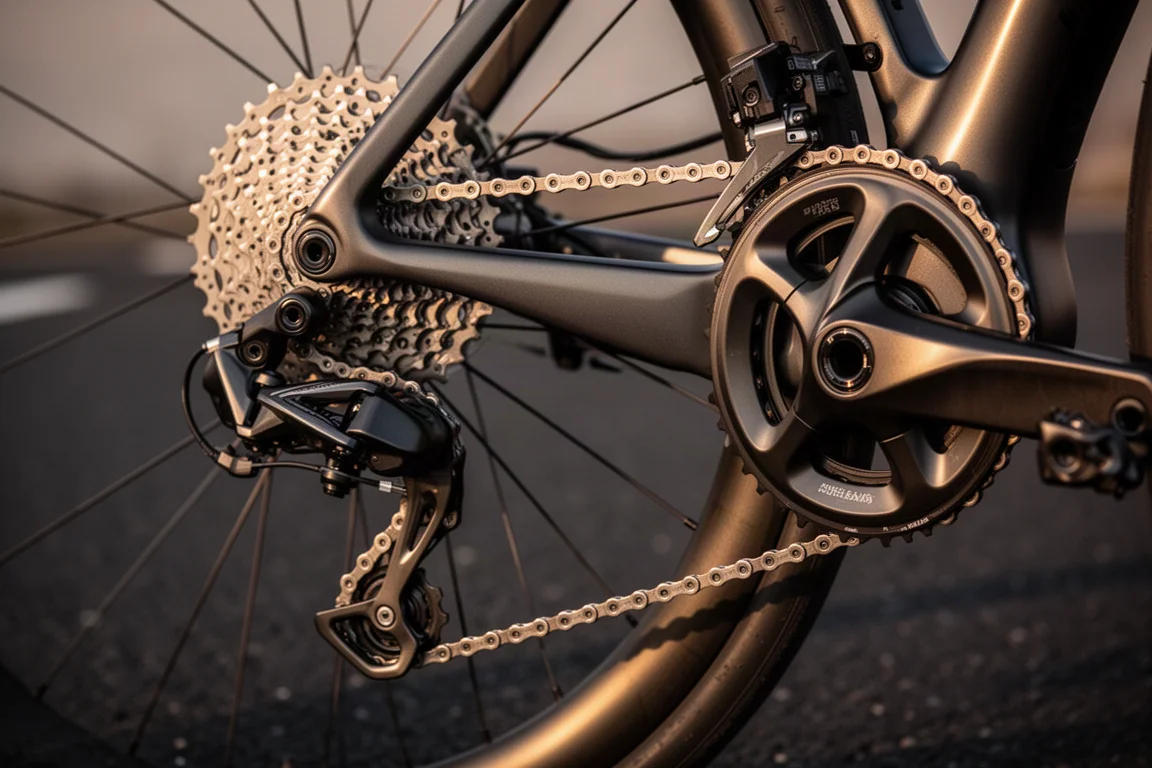
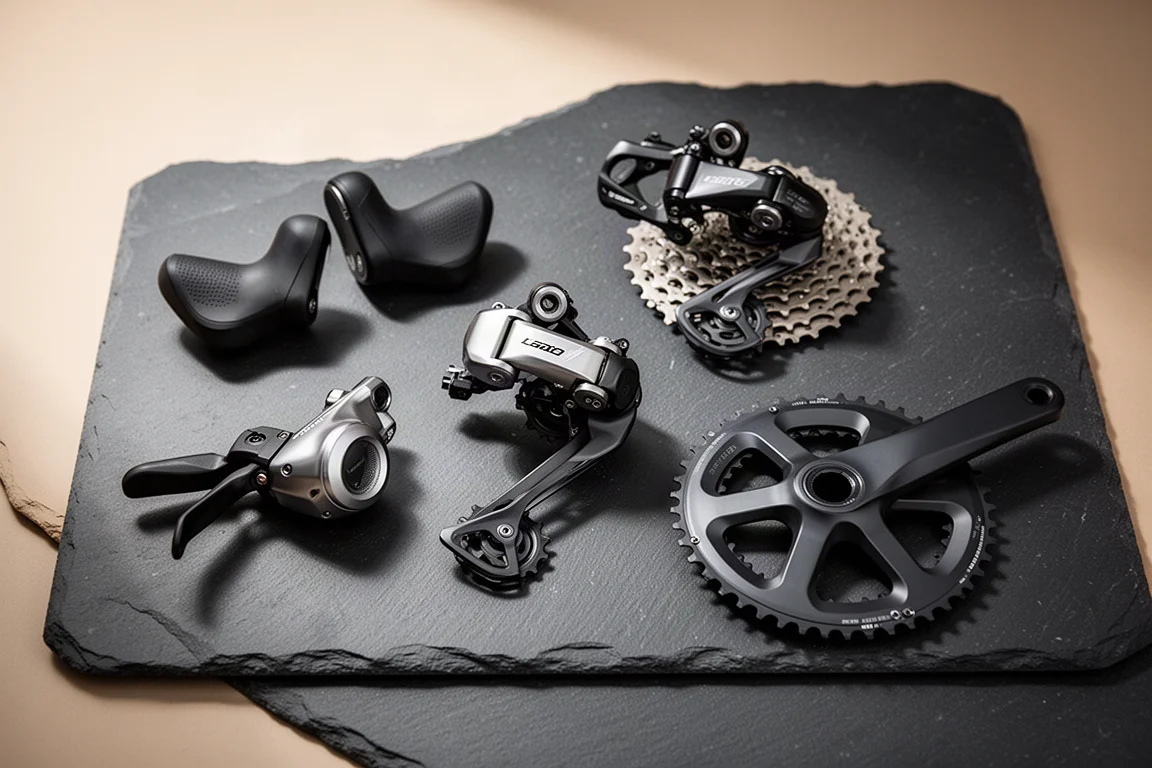
Dura-Ace Di2 9200 is a reference point for road drivetrains: electronic shifting, excellent ergonomics, and a crispness that makes every shift feel deliberate. The shifters in particular are shaped so well that they feel almost fixed to the hands, which matters on long rides where small discomforts compound.
Pricing is the interesting part. At launch the groupset retailed at £3,579, and it can now be found online for as low as £2,099. Against the top-tier groupsets from other manufacturers, that lower figure starts to look like reasonable value rather than pure extravagance. It is still an enormous amount to spend on shifting, but it is the kind of purchase that keeps paying back over years of riding.
For riders who already have a bike worth upgrading, the drivetrain is often the last and most satisfying place to spend.
Buying Advice: Which Indulgences Actually Pay Off
Start with the products you interact with on every ride. Tires, a multi-tool and a drivetrain are used constantly, so the money goes further in daily experience. Storage and travel cases are worth it when they solve a problem you already have, such as a crowded hallway or a bike that has to fly.
Where the returns flatten out fastest is helmets. The benefits of less weight and better airflow arrive well before the top of the market, so the premium tier is largely about fit and appearance. Wheels sit at the opposite end, where the gains are real, measurable and expensive.
The most practical approach is to pick one indulgence at a time and judge it against how often you will notice it. A £50 saddle bag that saves you a fight in the rain is a better return than a component you admire once and forget.
Conclusion
None of these products are required to ride a bike well. What they offer is a set of small, specific improvements: fewer punctures, less to carry, less vibration, better airflow, easier storage, faster packing and sharper shifts. For riders who spend many hours a week on the bike, those improvements add up to something that feels worthwhile, even when the price tag says otherwise.
Further reading
Related Reviews
Cycling Gear
8 Cycling Products Riders Keep Coming Back To
Eight cycling components and accessories with clear strengths, honest trade-offs and long-standing reputations among riders and mechanics.
Cycling Gear
Aero Helmets and Bottle Setups Tested: Six Options Ranked by Measured Watt Savings
Wind tunnel data on six aero helmets and bottle setups, with real watt savings, practical trade-offs, and guidance on what is worth buying first.
Cycling Gear
Aero Road Bikes and Fast Tires Worth Watching in 2026
Four aero road bikes and one fast road tire, with the real strengths, the open questions, and what to check before you buy.