Road Bikes
Eurobike Review: Can the Cheapest Road Bike Survive Brutal Cobbles?
A budget road bike takes on 2.4 km of Arenberg forest cobbles. Here is what held up, what did not, and who should actually consider buying one.
Introduction
One of the most punishing stretches of road in professional cycling runs through the Arenberg forest. The 2.4 km of cobbles were laid in the late 18th century during the Napoleonic era, and the sector is straight and narrow, descending gently as it enters the forest from the village of Arenberg before rising slightly over its second half. That shape is what produces the extraordinary speeds: professionals average close to 47 km/h across the stones, the fastest men’s rides land around 3 minutes 15 seconds at roughly 483 watts of average power, and the quickest recorded time on the sector sits near 3 minutes 50 seconds.
Every year the professional peloton crosses these stones on bikes worth hundreds of thousands of pounds. That raises an obvious question. What happens when the cheapest road bike on the market, an entry-level Eurobike, is pointed at the same cobbles?

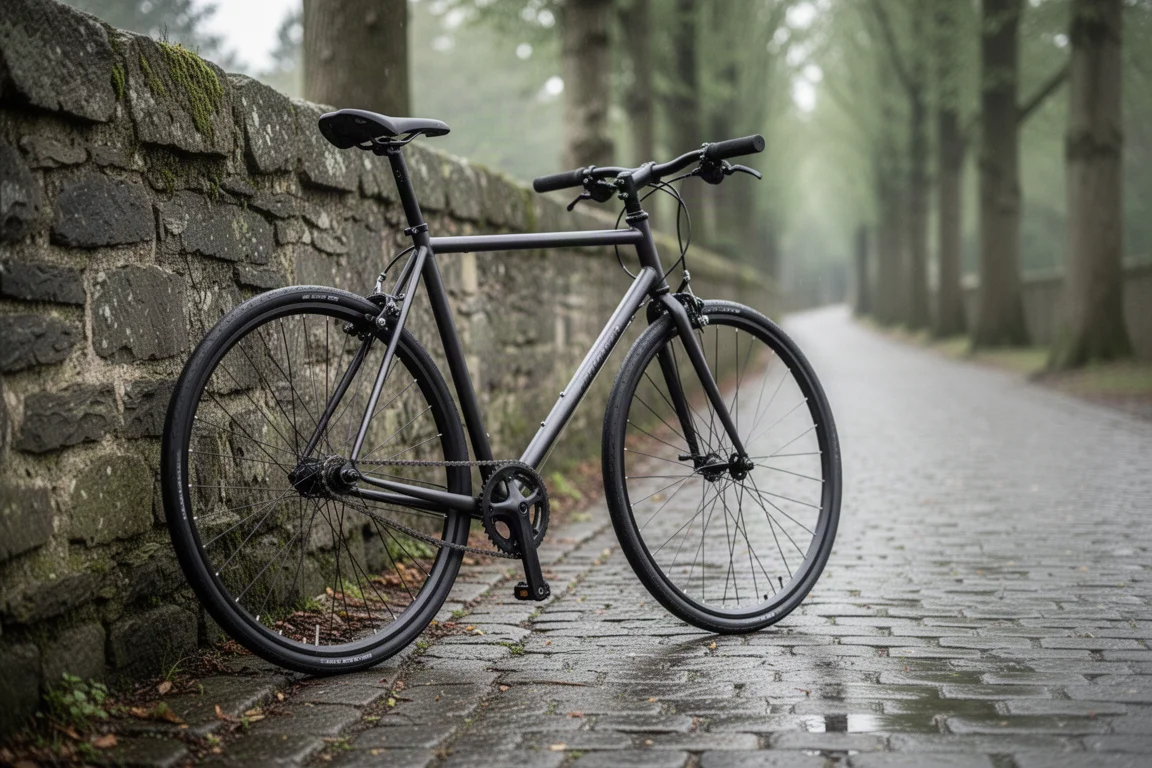
The bike used for this test has covered a lot of ground and has had no setup changes and no maintenance, which shows in a few rusty spots here and there. That makes it a fair stand-in for a typical budget machine rather than a freshly prepared showroom bike.
Who the Eurobike Is For
This is a bike for riders who want to get onto a road bike for as little money as possible. It is not a performance machine, and it is not pretending to be one. The frame is considerably heavier than a typical road bike and the whole package is slower to accelerate and harder to push along at speed, which matters far less on a flat commute or a relaxed weekend loop than it does on a race course.
The most important practical difference is the gearing. There are no combined shift and brake levers, so changing gear means taking a hand off the bar and reaching for a separate lever. On smooth tarmac that is a minor inconvenience. On rough surfaces it is a genuine complication, because you are already using both hands to keep the bike pointing in a straight line.
That combination of low cost, simple controls and honest limitations makes the Eurobike a reasonable fit for commuters, riders returning to cycling after a long break, and anyone who wants a second bike for errands and easy miles without spending serious money.
Main Strengths: It Survived the Arenberg Cobbles
The headline result is that it finished. Two riders took the bike over the full 2.4 km sector, and the machine came out the other side in one piece despite never having been prepared for the job. There were no punctures across the entire stretch of cobbles, which is close to remarkable given the surface, and nothing fell off or failed outright.
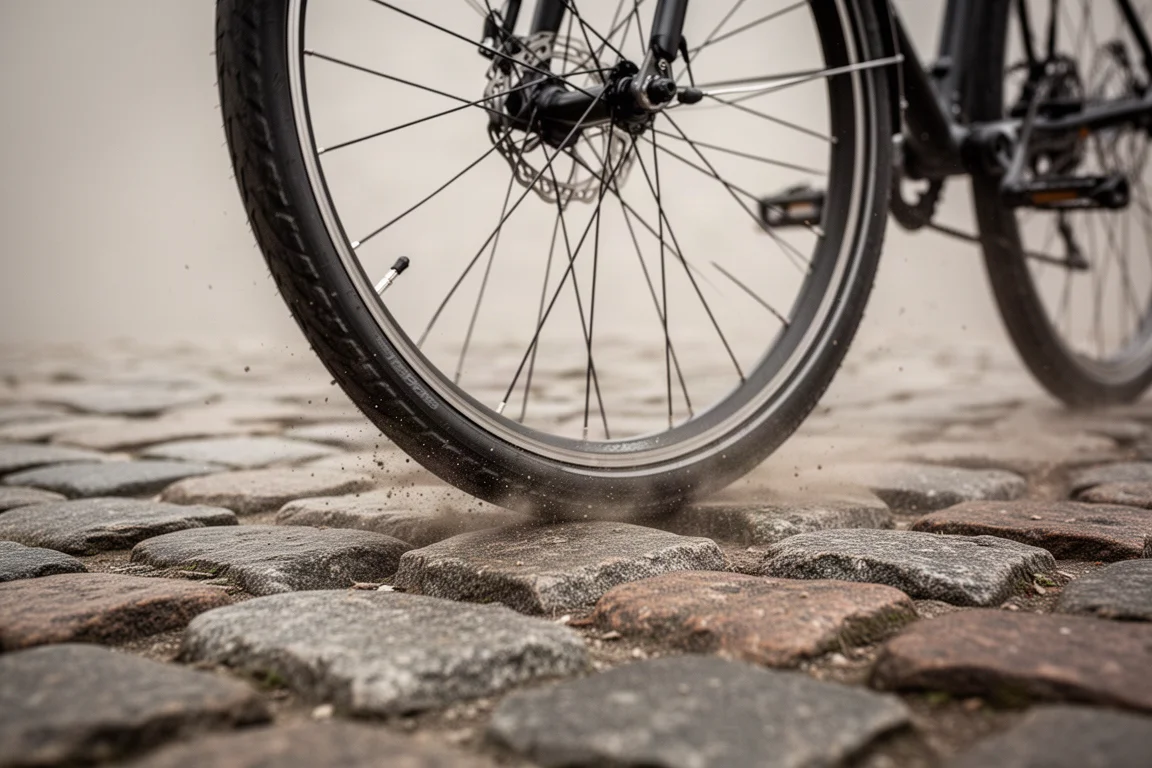
The finishing times were 6 minutes 13 seconds and 5 minutes 23 seconds for the 2.4 km. That is roughly two minutes behind what the professionals manage, and both riders were clear that they had nothing left to give. The bike was also ridden in a single gear for almost the whole sector, because the effort of shifting on the stones was not worth the risk.
There is a practical lesson buried in that: this class of bike is more robust than its price suggests. A frame that survives Arenberg with no maintenance and no preparation is not fragile.
The Arenberg Forest Test: What 2.4 km of Cobbles Reveals
The gap between 3 minutes 15 seconds and 5 minutes 23 seconds is not really about fitness alone. It is about how hard it is to put power into the pedals when the bike is moving around underneath you. Both riders described the sensation of being shaken constantly, with vibration running through the arms and hands for minutes afterwards. Gloves made a noticeable difference, and riding without them was a mistake worth avoiding.
That difficulty explains why professional teams fight so hard for position before they even reach the sector. Once the bunch is on the stones, overtaking is close to impossible. The race is effectively decided by who arrives at the front, and the riders at the back are stuck with whatever position they had a few kilometres earlier.
It also puts the price of the bikes into perspective. The stones do not care what the frame cost. A heavier, stiffer, less refined machine simply asks more of the rider, and over 2.4 km that request adds up to minutes rather than seconds.
Shifting, Setup and Everyday Usability
The bike went into this test with no adjustments and no servicing, and it showed. The handlebars slipped downward during the run, the headset felt loose, and there were a number of rattles coming from the bike over the rough ground. None of it stopped the ride, but all of it points to the same advice: check the fastening bolts and the headset before you ride anything rough, and check them again afterwards.
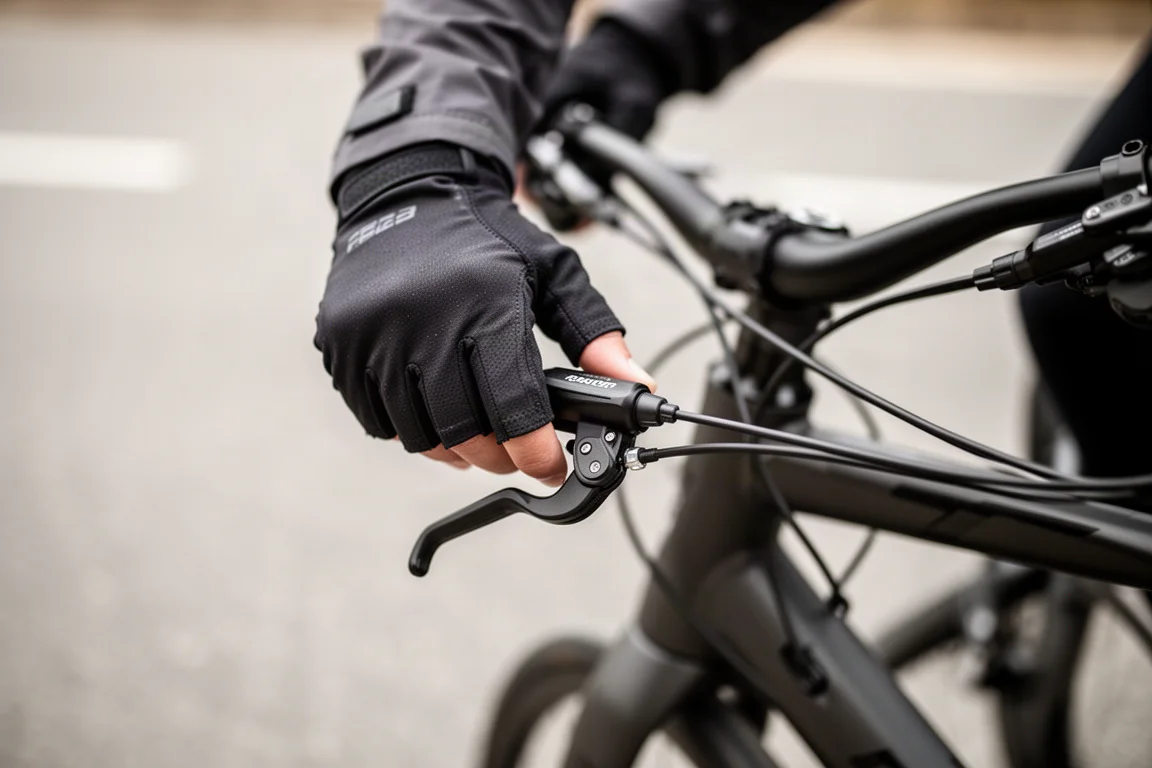
The separate gear levers are the other thing to plan around. On smooth roads they are fine and easy to live with, and you can ride comfortably with your hands off the bars to shift. On cobbles or broken tarmac, most riders will simply pick a gear and stay in it.
Weight is the trade-off you feel on every climb. The Eurobike is considerably heavier than a normal road bike, and while that is not a problem on flat ground, it becomes obvious as soon as the road tilts upward. Riders who want to cover long distances or climb regularly should weigh that carefully against the low purchase price.
Things to Consider Before Buying
Comfort on rough surfaces is the biggest one. Cobbles are painful on any bike, and on a budget frame with a stiff ride and basic contact points the vibration is relentless. If your regular routes include broken tarmac, gravel or cobbles, plan for the fact that this bike will not soften the experience.
Gearing is the second consideration. With no integrated shifters, gear changes require a deliberate movement rather than a flick of a lever, which is a real limitation on technical or uneven terrain.
The third is upkeep. A bike at this price point rewards attention. Bolts work loose, cables stretch and small issues become bigger ones if they are ignored. Budget for a basic tool kit, or a relationship with a local shop, and the bike will hold up much better over time.
Buying Advice
Buy the Eurobike if you want the lowest-cost route onto a road bike and your riding is mostly flat, smooth and unhurried. It survives punishment far better than its price suggests, it needs no special care to keep moving, and it will get you out on the road for a fraction of what a performance bike costs. For commuting, errands and gentle weekend rides, it does the job without drama.
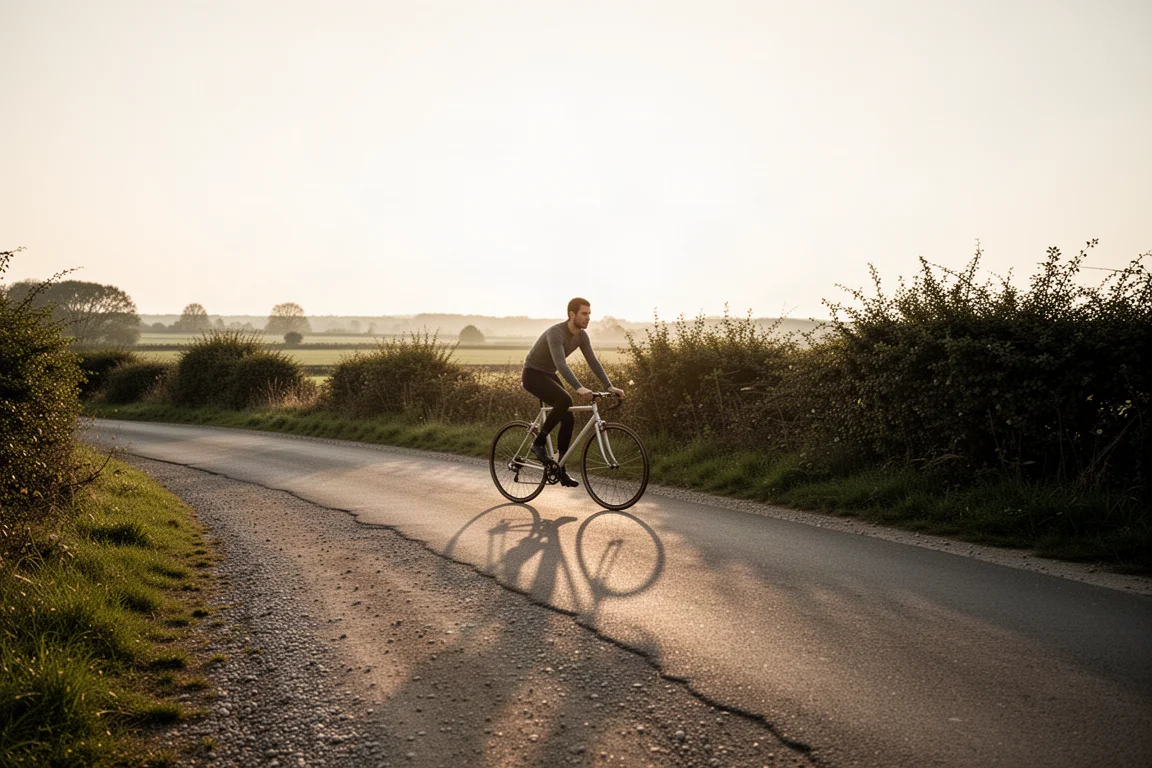
Look elsewhere if you plan to race, ride long climbs, or spend real time on rough surfaces. In those situations the extra weight, the separate shifters and the stiff ride become the dominant part of the experience, and you will be paying twice if you buy cheap and then upgrade the parts that matter most.
The sensible way to think about it is this. The cheapest road bike on the market is not a bad bike. It is a basic bike, and it performs exactly as a basic bike should when you ask it to do something extreme.
Conclusion
A 2.4 km stretch of Napoleonic-era cobbles is about the harshest test you can hand a budget road bike, and the Eurobike came through it intact: no punctures, no broken parts and two finished runs, roughly two minutes off professional pace. The trade-offs are real and predictable. It is heavy, it is stiff, and the gearing asks more of the rider than modern integrated controls would. For riders who want simple, inexpensive transport on smooth roads, that is a fair deal. For anyone chasing speed or comfort on rough ground, it is a starting point rather than a solution.
Product link
View more details for Eurobike
This product is mentioned in the review. Check the specifications, options, and compatibility before buying.
View more details for EurobikeFurther reading
Related Reviews

Road Bikes
10 New Road Bikes Worth Watching: Aero, Titanium, Steel and Endurance Standouts
A practical roundup of 10 new road bikes, from aero flagships chasing single-watt gains to titanium, steel and endurance platforms built for real roads.
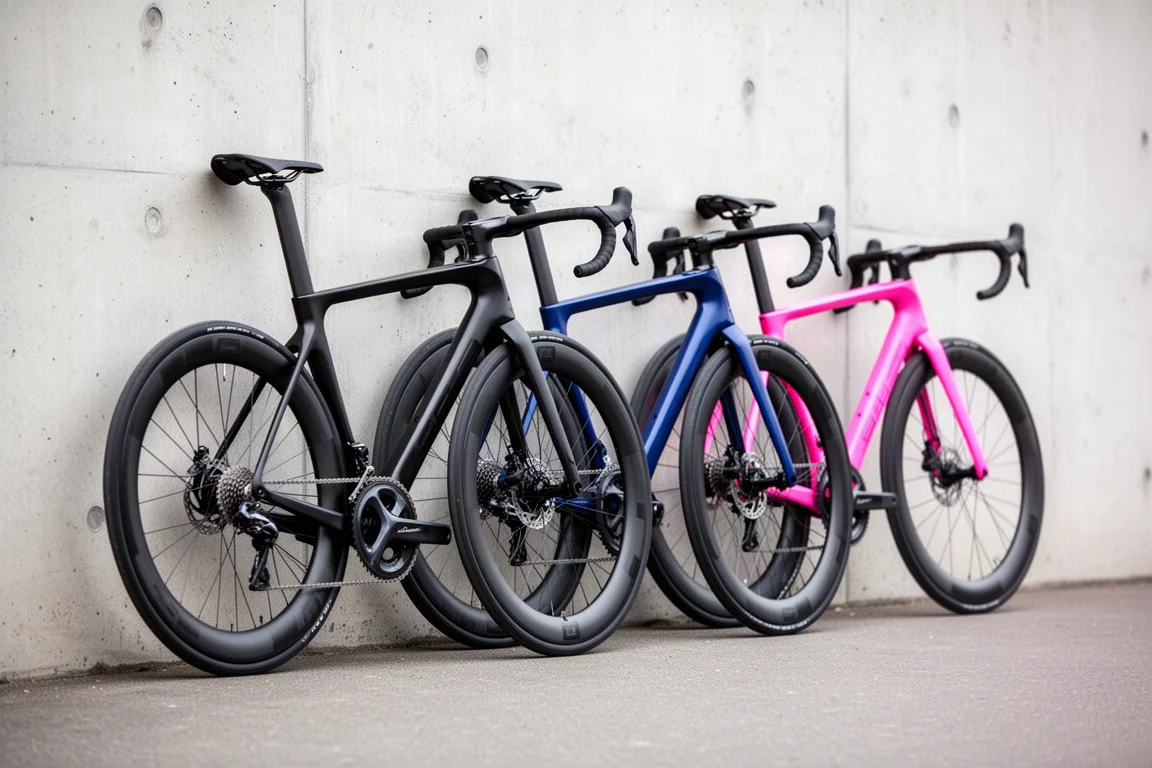
Road Bikes
2026 Tour de France Road Bikes: Six Race Machines Worth a Closer Look
Six race bikes from the 2026 Tour de France grid, reviewed for paint, silhouette, wheels and the specification details that matter to buyers.
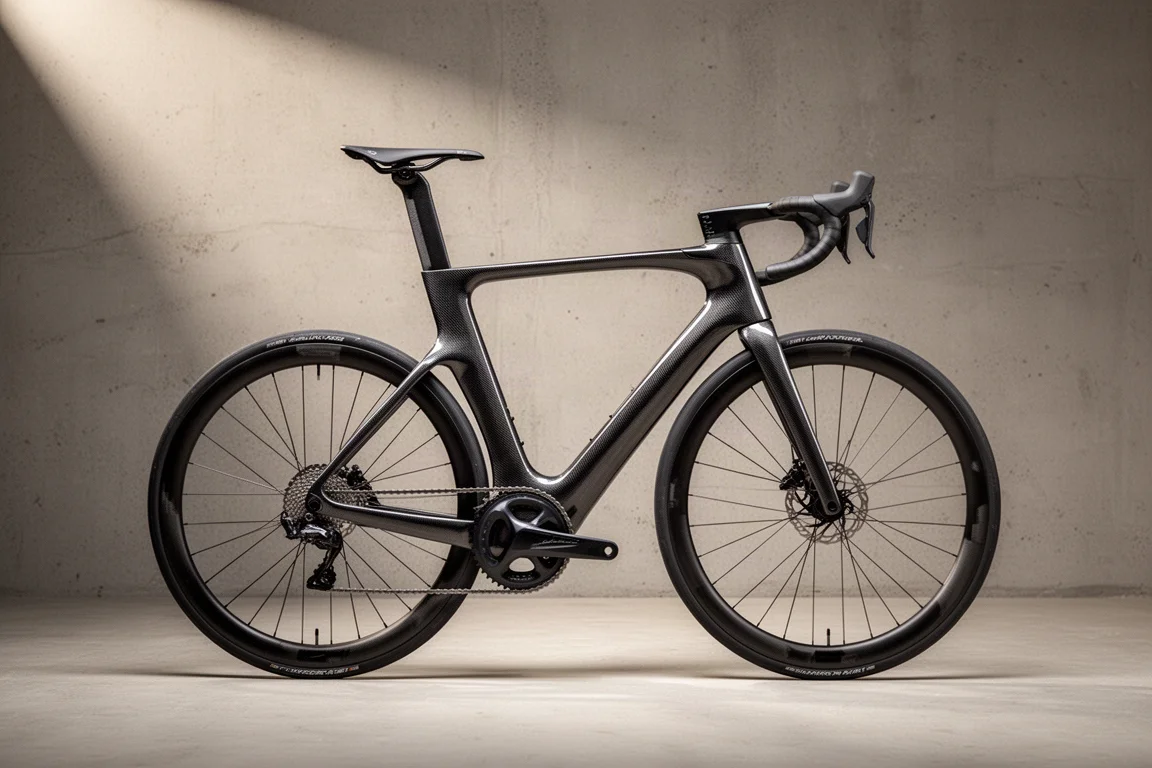
Road Bikes
3T Strada Italia Review: A Radical Aero Road Bike That Rides Smooth
A made in Italy carbon aero road bike with a deep head tube, wide tire clearance and a genuinely comfortable ride. Here is what to know before buying.