Camping Tents
Eureka Timberline 2 Tent Review: A Classic Two-Person Shelter Worth the Weight?
A long-running two-person, three-season tent with dependable waterproofing, generous space, and a few old-fashioned compromises to weigh before you buy.
Introduction
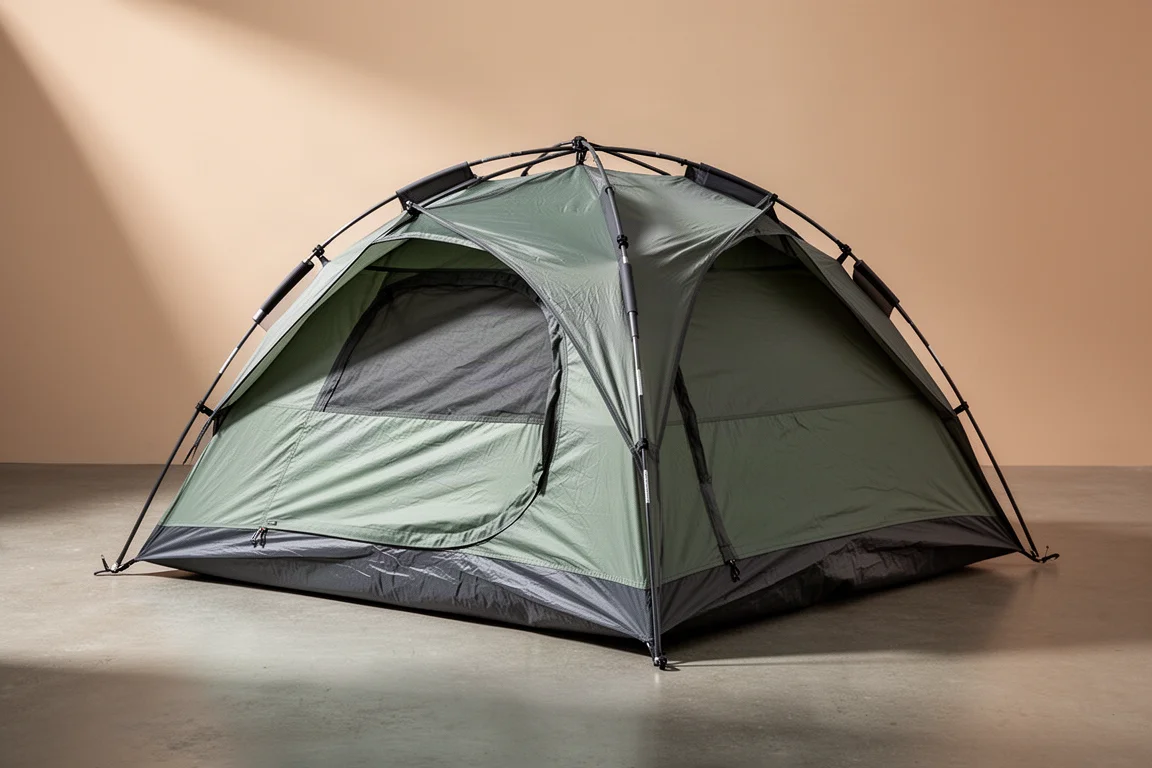
The Eureka Timberline 2 is a two-person, three-season freestanding tent built around a design that has been in production for more than 40 years. That kind of longevity is unusual in outdoor gear, and it explains why this shelter still shows up at campsites and in conversations among campers who grew up pitching one.
After a couple of months of testing, the conclusion is simple: this is a genuinely likeable tent with a few real compromises. Setup follows a slightly old-fashioned routine, it carries more weight than most modern two-person shelters, and it costs $220 despite relying mainly on polyester materials. Even so, it keeps water out, holds steady in wind, and offers a generous amount of interior space.
This review covers what the Timberline 2 does well, where it asks you to make allowances, and who should consider buying it.
Who This Tent Is For
The Timberline 2 is a freestanding two-person shelter with one door, a pack size of 24 by 6 inches, and a measured weight of 6 pounds 10 ounces. The floor measures 86 by 63 inches with a 42 inch peak height, which shapes who gets the most out of it.
For a single camper, that floor is a palace. There is room for a wide sleeping pad, a duffel, and still space to move around. For two people, the footprint is workable and there is enough room for gear inside, though you will need a plan for anything you want to keep outside, because the tent does not include a vestibule as standard. An add-on vestibule is available separately.
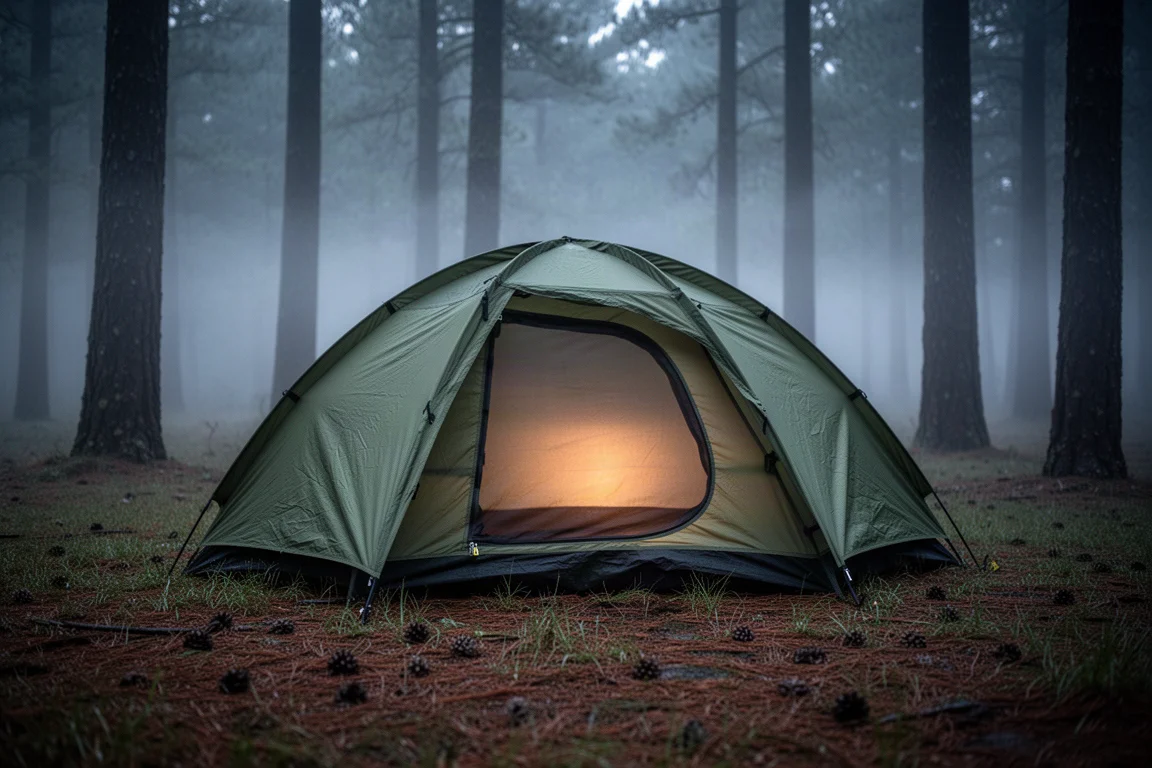
The tent also leans toward cooler conditions by design. Because the fly and body use solid fabric with limited mesh, this version is best suited to spring, autumn, and winter camping, or to exposed sites where wind keeps air moving through. Campers who mostly travel in hot summer weather, or who count every ounce on long approaches, are the ones most likely to feel the trade-offs.
Main Strengths
Waterproofing That Punches Above Its Rating
The Timberline 2 carries an 800 millimeter hydrostatic head rating, which sounds modest on paper. In practice, this tent has stayed completely dry through numerous thunderstorms and heavy downpours, with no water reaching the inside.
That gap between the number and the real-world result is a useful reminder. A hydrostatic head rating says less about a tent than the quality of the materials, the sewing, and the seam taping. Tents with far higher ratings can still leak, while this one does not. The seam work and seam tape on the Timberline 2 are clean, and there are no weak points to watch.
One honest caveat: the tent is waterproof, but it is not fully storm proof. The partial fly leaves some exposure, so a severe combination of wind and rain could push water where you would rather it did not go. In normal wet weather, that has not been an issue.
Space and Condensation Control
Interior space is one of the strongest arguments for this tent. Two adults fit comfortably, and one person gets an unusual amount of room to spread out. The 42 inch peak height makes it possible to sit up and change clothes without fighting the ceiling.
Condensation is also handled better than the fabric construction might suggest. The fly stands away from the body rather than pressing against it, so moisture that forms on the inside of the fly does not transfer straight onto the inner walls. The solid fabric inner adds a further layer of separation between you and any damp surface.
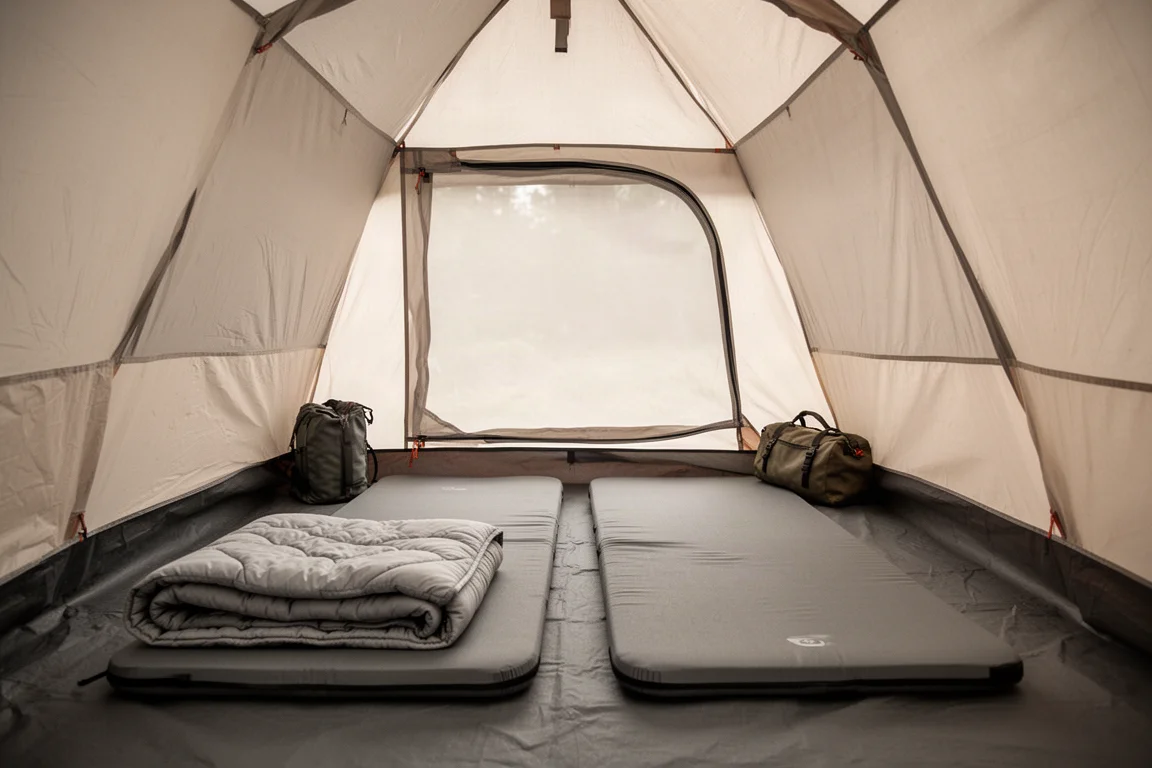
The result is a shelter that feels drier inside than many tents in this class. Even on cold, still nights when condensation is most likely, the design keeps the worst of it away from sleeping bags and clothing.
Pole and Build Quality
Five aluminum poles hold this tent up, and they are noticeably thick and sturdy. At this price point, with polyester fabric throughout, fiberglass poles would not have been surprising. The aluminum set here is the better choice and it shows in how the shelter behaves.
Wind performance is solid. The body can be staked out, and there are guy line points at the top of the tent, though guy lines are not included, so you will need to supply your own if you want to use them. In gusty conditions the structure stays planted and does not distort.
Inside, two rings, one at each end, let you string a hanging line for a lantern, a headlamp, or damp clothing that needs to dry overnight. It is a small detail that makes the tent more liveable on longer trips.
Things to Consider Before Buying
Weight and Price
At 6 pounds 10 ounces, this is a heavy two-person tent. The weight traces directly back to the materials. Polyester is heavier than the fabrics used in lighter shelters, and it is also less expensive, which makes the $220 price the most difficult part of the package to justify. Based on the materials alone, a lower figure would feel more proportionate, and $220 sits close to premium tent territory.
Setup and Pole Design
Pitching the Timberline 2 is not difficult, but it is not as quick as a modern tent either. The poles are not attached to the hubs, so they can slip out easily while you are assembling the frame. Connecting the poles to the body then takes some patience. The overall architecture is dated, and the setup routine reflects that.
Airflow and Warm-Weather Use
Ventilation is the biggest functional compromise. The body is made from fabric, with mesh only at the door and at the back of the tent. There is none on the sides. That limited mesh means airflow is restricted, and in warmer months the interior gets hot.
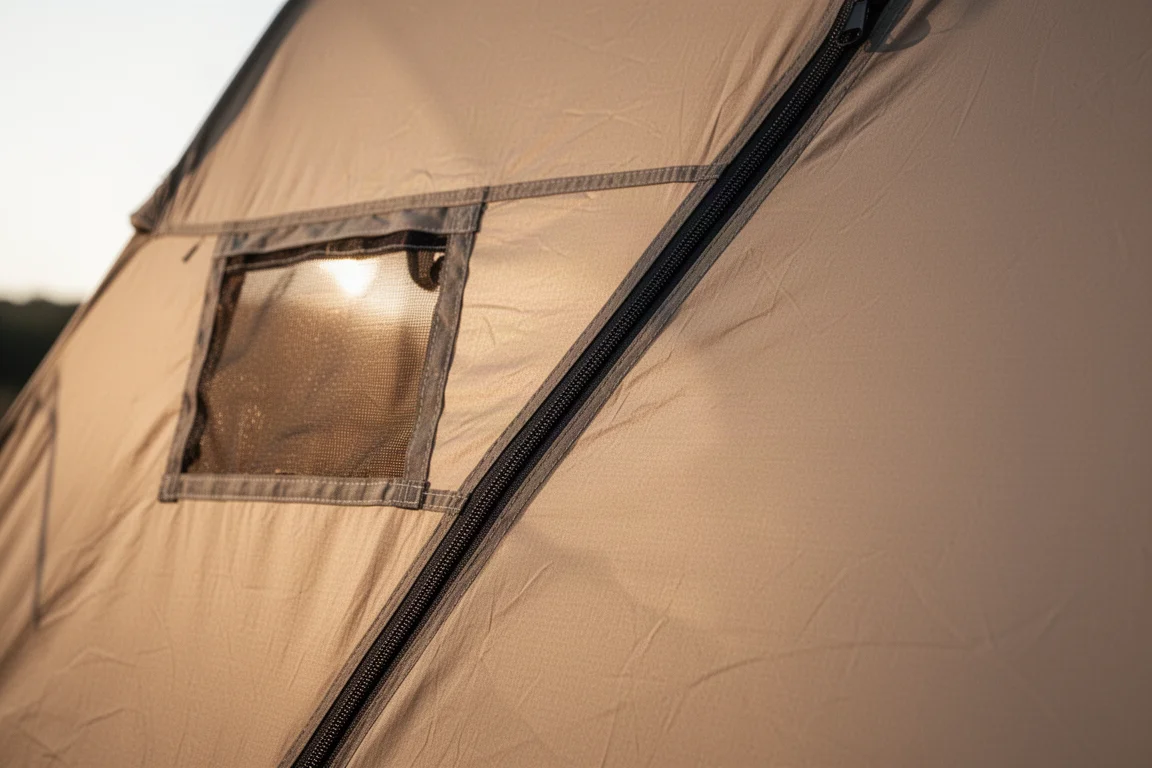
The practical approach is to treat this version as a cool-weather shelter, or to pitch it somewhere with reliable wind. Eureka offers other Timberline versions with more mesh, which would suit summer camping better, but those cost more.
Vestibule and Door Details
There is no vestibule included, so exterior gear storage has to be solved separately. The add-on vestibule is available, but adding it pushes the total cost well past the base price.
The partial fly is another point to understand before you commit. It covers the top and the sides but not the front and back, though it does extend at both ends and provides sun protection. In very wet and windy conditions, rain can be blown toward the inside of the tent. A storm flap covers the bottom zipper of the door, but there is no equivalent flap over the side zipper.
The front door has a further quirk. The bottom zipper and the top zipper do not meet, so the door does not fully seal, leaving a gap that insects can use. An interior fabric flap is meant to close that gap. It does an okay job rather than a complete one, and it makes the door awkward to open from inside, since you have to reach down past the flap to find the zipper pulls.
Buying Advice
The Timberline 2 makes the most sense for campers who value space, weather protection, and a proven structure over low weight and fast setup. If your trips happen in cool or cold conditions, and you are not carrying the tent long distances, the strengths line up well with the way you actually camp.
Buy it with two expectations set. First, plan for the weight: 6 pounds 10 ounces is a real load on the move, and it is best suited to car camping, short approaches, or base camps. Second, decide about the vestibule up front. If you need somewhere to leave boots and packs outside the sleeping area, the add-on is effectively part of the purchase price.
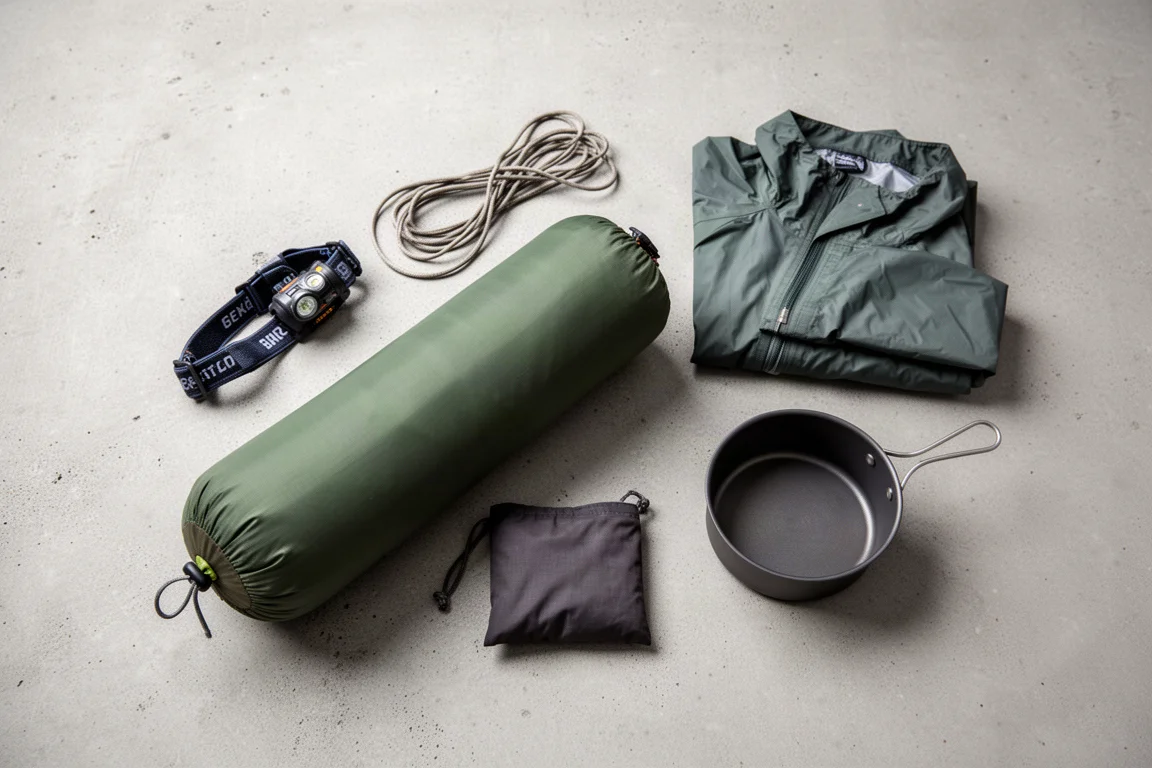
If you camp mostly in summer heat, or if you want a lighter two-person shelter, a different version of the Timberline with more mesh, or a different tent entirely, will serve you better. For everyone else, this is a dependable shelter with a long track record and a few dated habits.
Conclusion
The Eureka Timberline 2 is not a perfect tent. It is heavy, it is expensive for the materials used, and its setup and ventilation both show their age. Those are meaningful drawbacks, and they are worth taking seriously.
What it offers in return is a large, comfortable interior, dependable waterproofing in real storms, sturdy aluminum poles, and good condensation control thanks to a fly that stands away from the body. In cooler months, the solid fabric inner holds in some warmth and blocks wind, which is exactly what you want from a three-season shelter.
It is a tent with character, and for the right camper, in the right conditions, it remains an easy one to like.
Product link
View more details for Eureka Timberline 2
This product is mentioned in the review. Check the specifications, options, and compatibility before buying.
View more details for Eureka Timberline 2Further reading
Related Reviews
Camping Tents
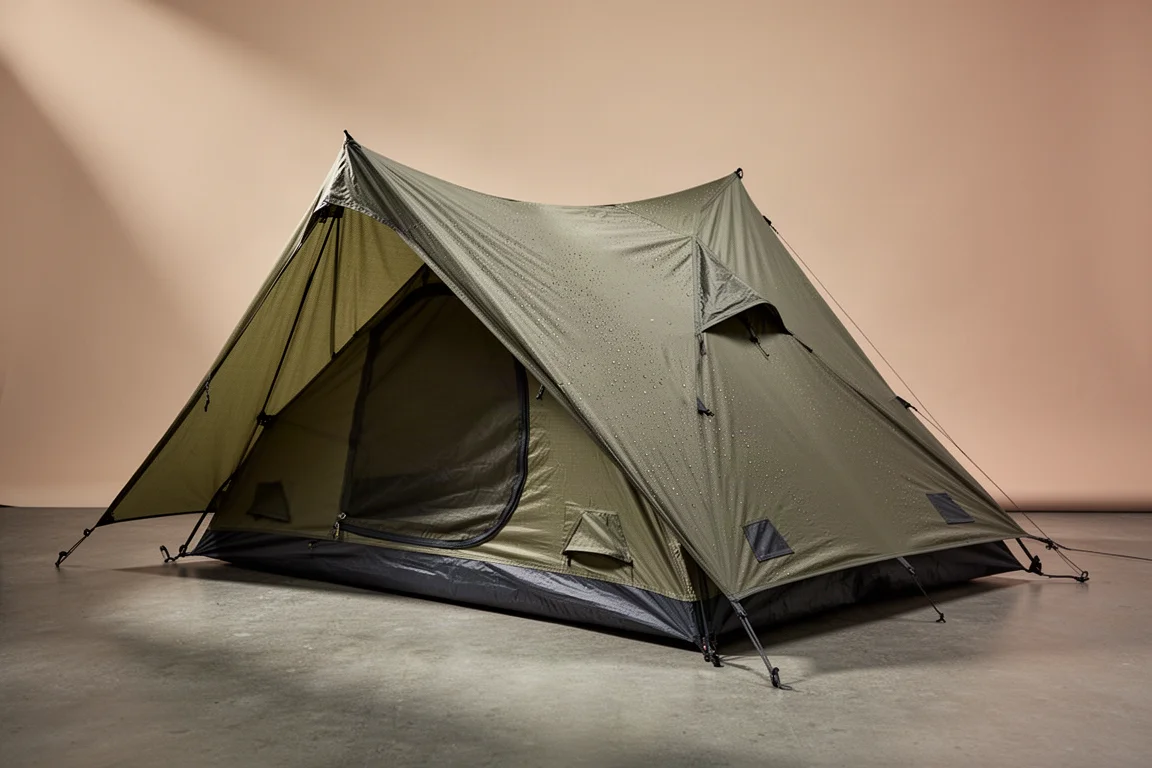
3F UL Gear Taiji Two-Person Tent Review: Field Waterproofing Results and Buying Advice
The Taiji pairs an attached fly with a removable inner, but sustained rain exposed untaped vent seams that need sealing before this shelter can be trusted.
Camping Tents
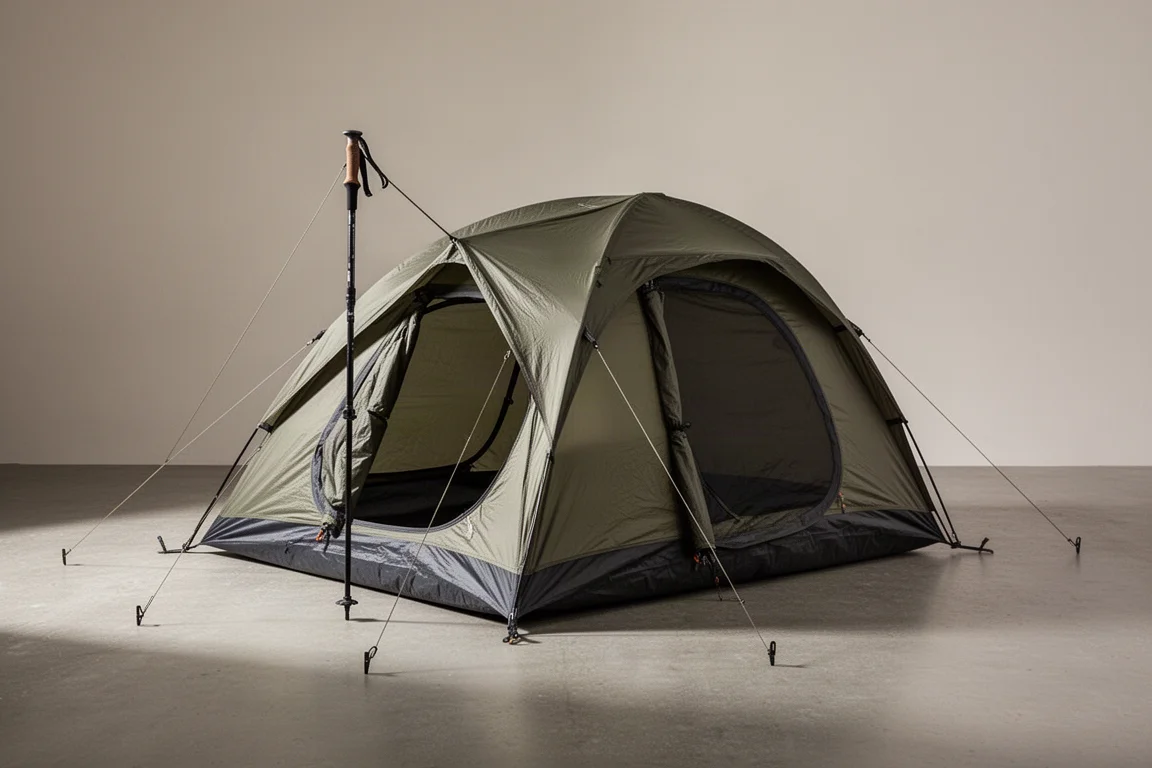
3FUL Gear Lanshan 2 Pro 4-Season Review: A Sub-$200 Single-Wall Trekking Pole Tent
An early look at the 3FUL Gear Lanshan 2 Pro 4-Season, covering its straightforward pitch, generous interior space, and the condensation and seam-sealing questions that come with any single-wall shelter.
Camping Tents
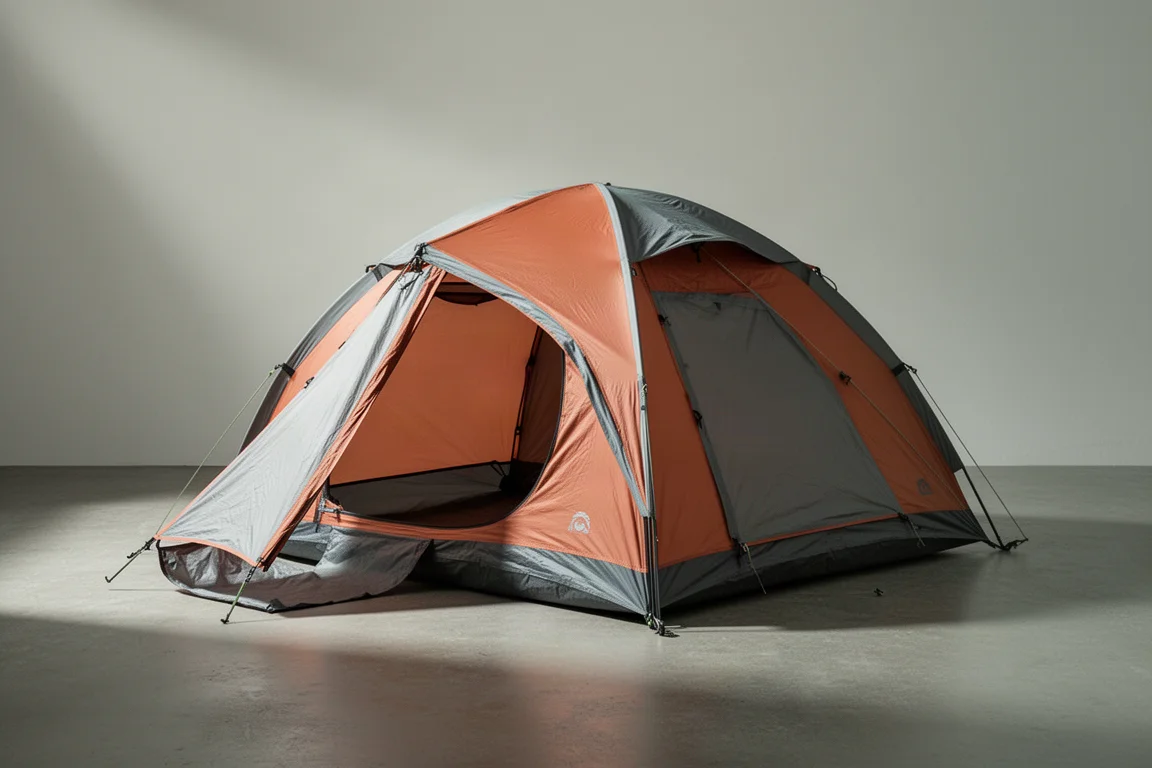
Alps Mountaineering Lynx 1-Person Tent Review: Big Value in a Small Budget Tent
A close look at the Alps Mountaineering Lynx 1-Person Tent, covering real interior dimensions, materials, setup time, ventilation limits, and who should buy it.