Kitchen Cookware
Essential Cookware Guide: The Pots and Pans Every Kitchen Needs
A practical breakdown of the core cookware pieces that work for most kitchens, plus affordable brand recommendations and optional upgrades worth considering.
Introduction
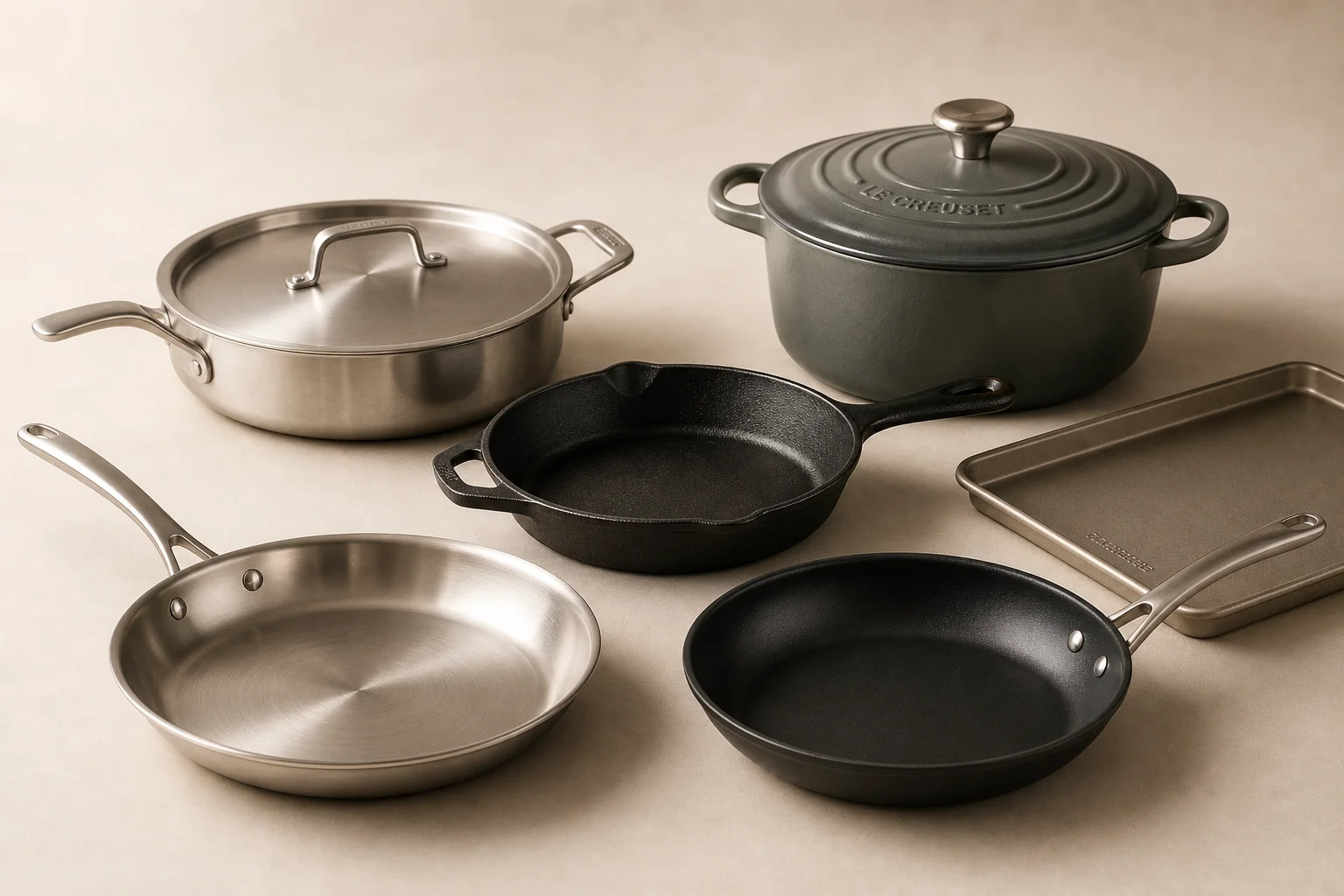
Building a functional kitchen cookware collection doesn’t require buying every pan on the market. A focused set of essential pieces covers nearly every cooking task, and quality brands at various price points make it possible to invest thoughtfully without overspending. This guide breaks down the core cookware every kitchen needs, the features to prioritize, and affordable alternatives to premium brands.
The Essential Stainless Steel Frying Pan
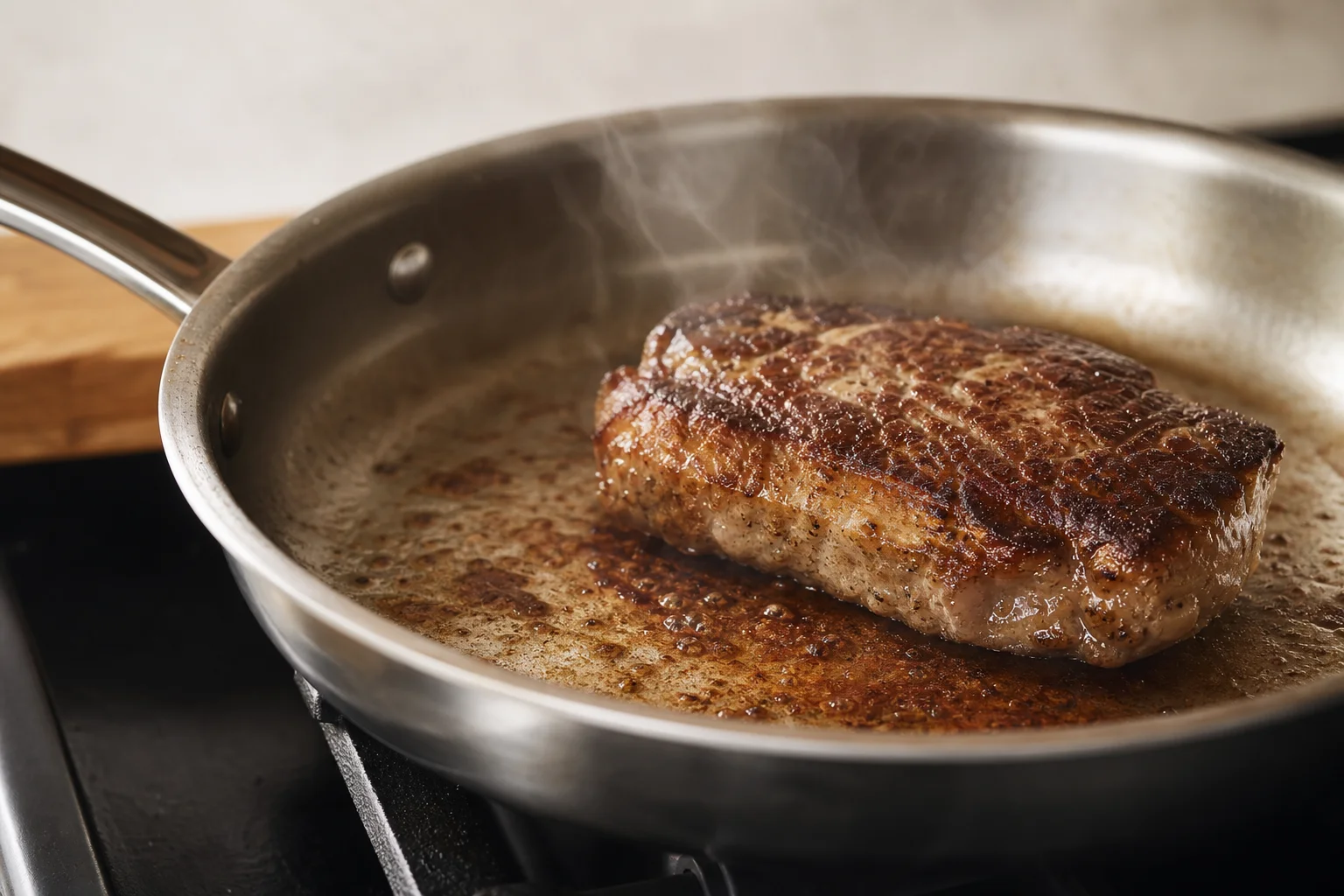
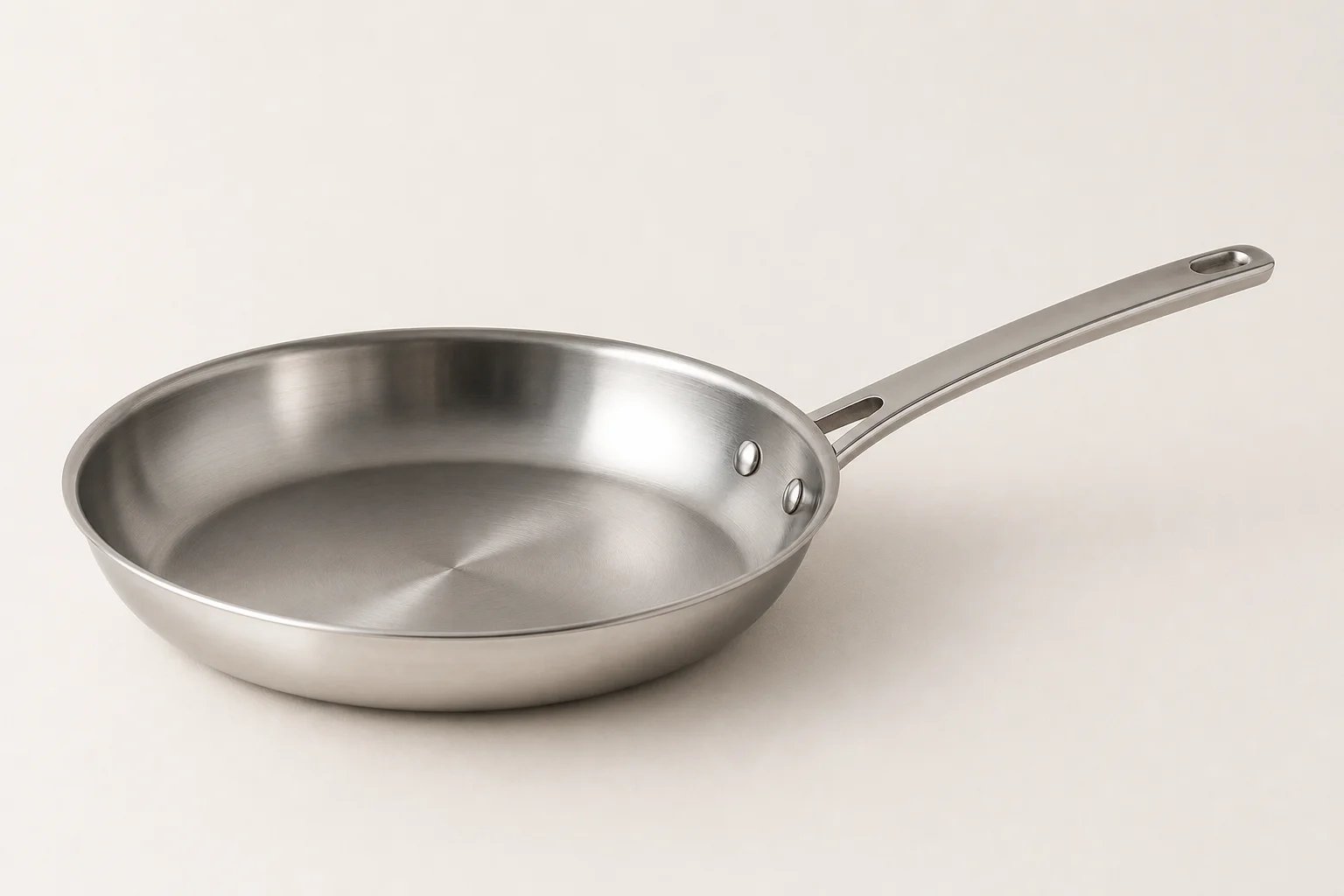
A quality stainless steel frying pan is the workhorse of any kitchen. This pan features sloped sides, a long handle, and a large cooking surface that handles searing meats, sauteing vegetables, shallow frying, and much more. The sloped design makes it easy to slide food onto a plate and pour liquids without splashing.
Look for a fully-clad pan around 3 mm thick, meaning the conductive core of aluminum or copper runs throughout the entire pan, including the sides. Fully-clad construction heats more evenly and lasts longer than disc-bottom alternatives, which only have a conductive layer at the base. Flared rims make pouring easier, and a flat handle prevents rotation in your hand.
A 12-inch pan handles large quantities without overcrowding, though a 10-inch works well if you live alone or have limited storage. All-Clad, Made In, Heritage Steel, and Demeyere are excellent premium brands. For budget-conscious shoppers, Goldilocks, Misen, and Legend deliver solid performance at lower prices.
The Stainless Steel Saute Pan
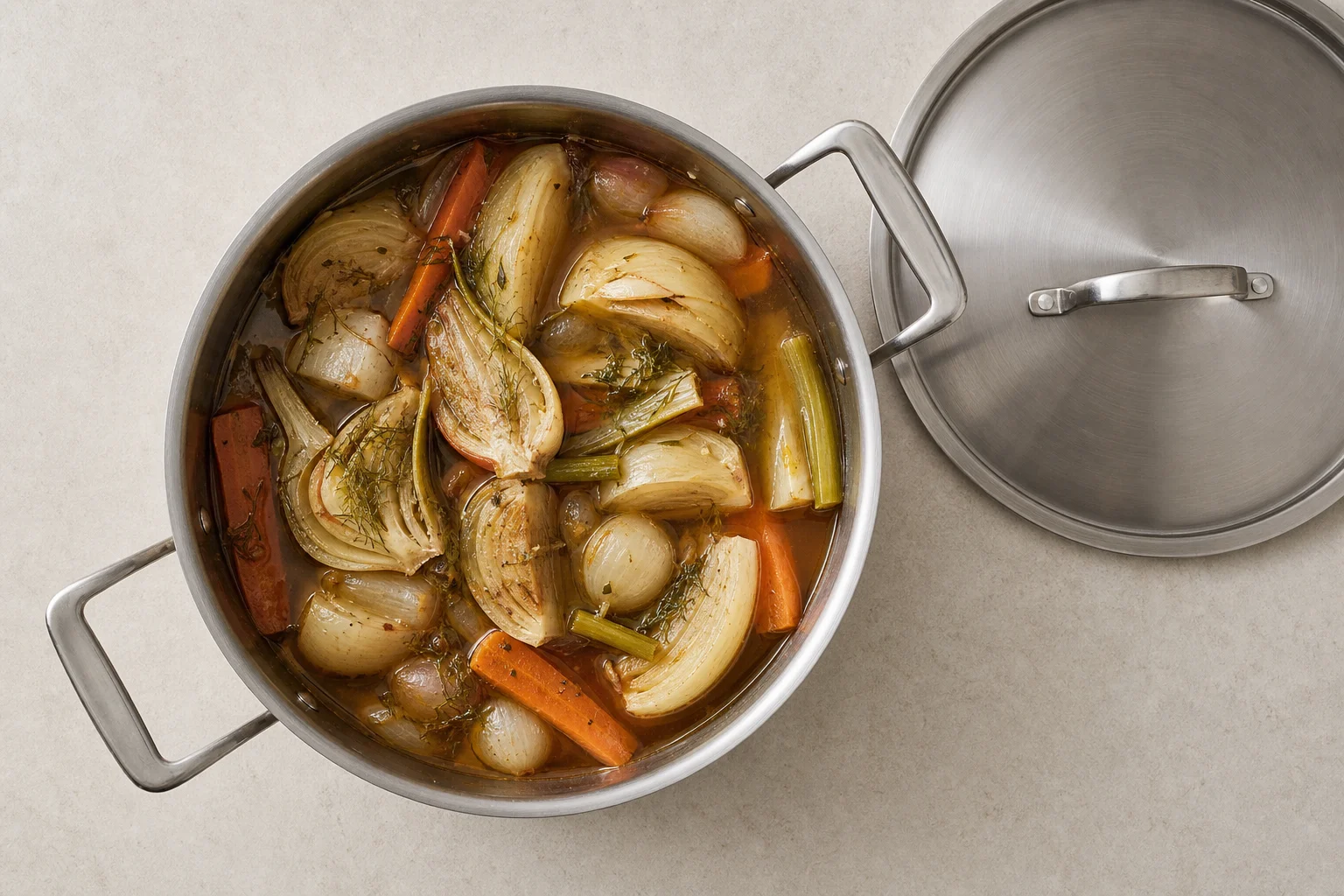
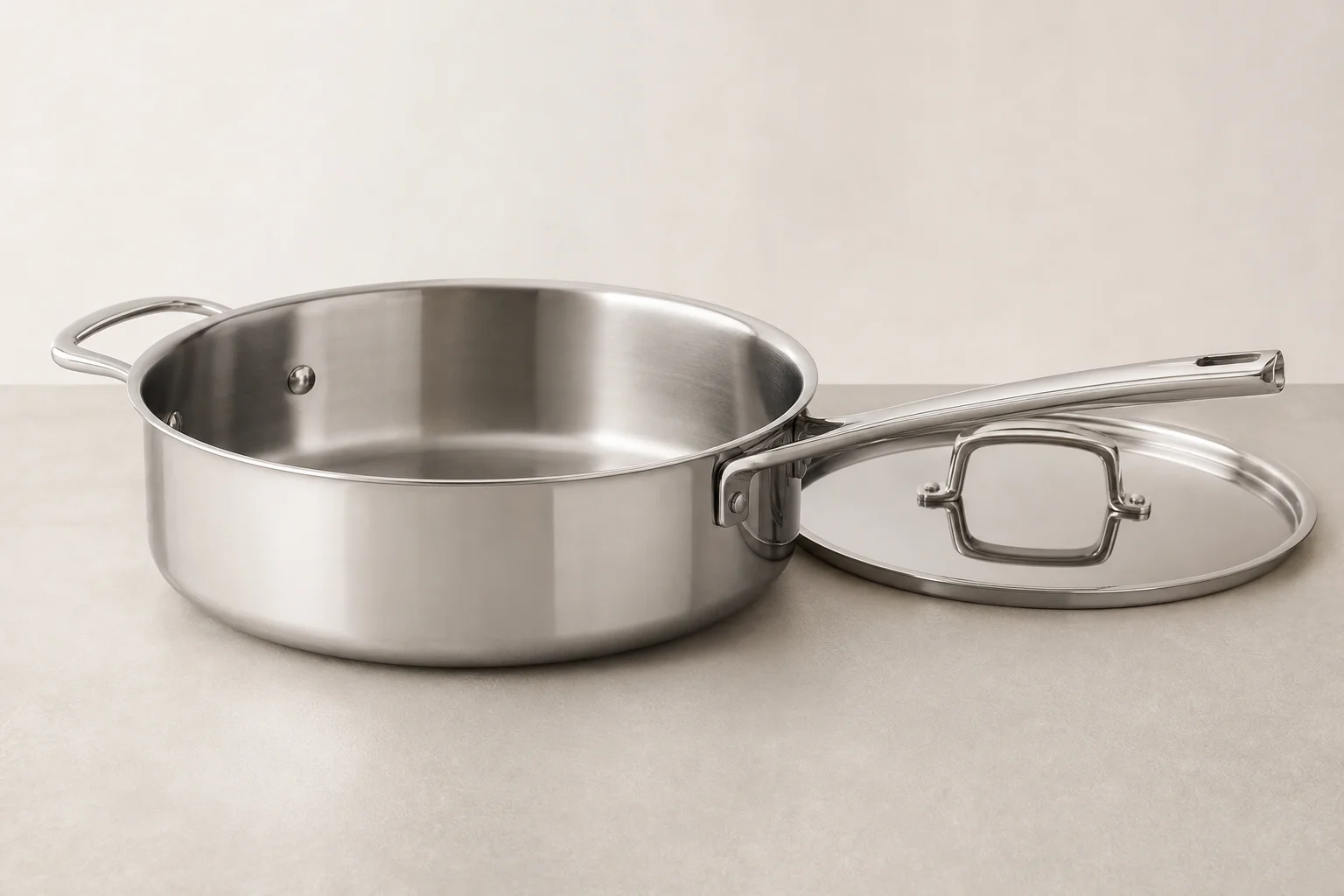
The key difference between a frying pan and a saute pan lies in the sides. Saute pans have straight, tall sides that contain splatter and handle more volume and liquid-heavy dishes. This design makes them ideal for braising, shallow frying, and sauteing, though the straight sides mean liquid evaporates more slowly, making them less effective for searing than frying pans.
Most saute pans come with a lid and a helper handle, making them easy to move when full. A 3- to 4-quart size balances capacity with maneuverability and storage. These pans work well for steaming large amounts of greens like kale, which collapse down as they cook.
Saucepans and Sauciers
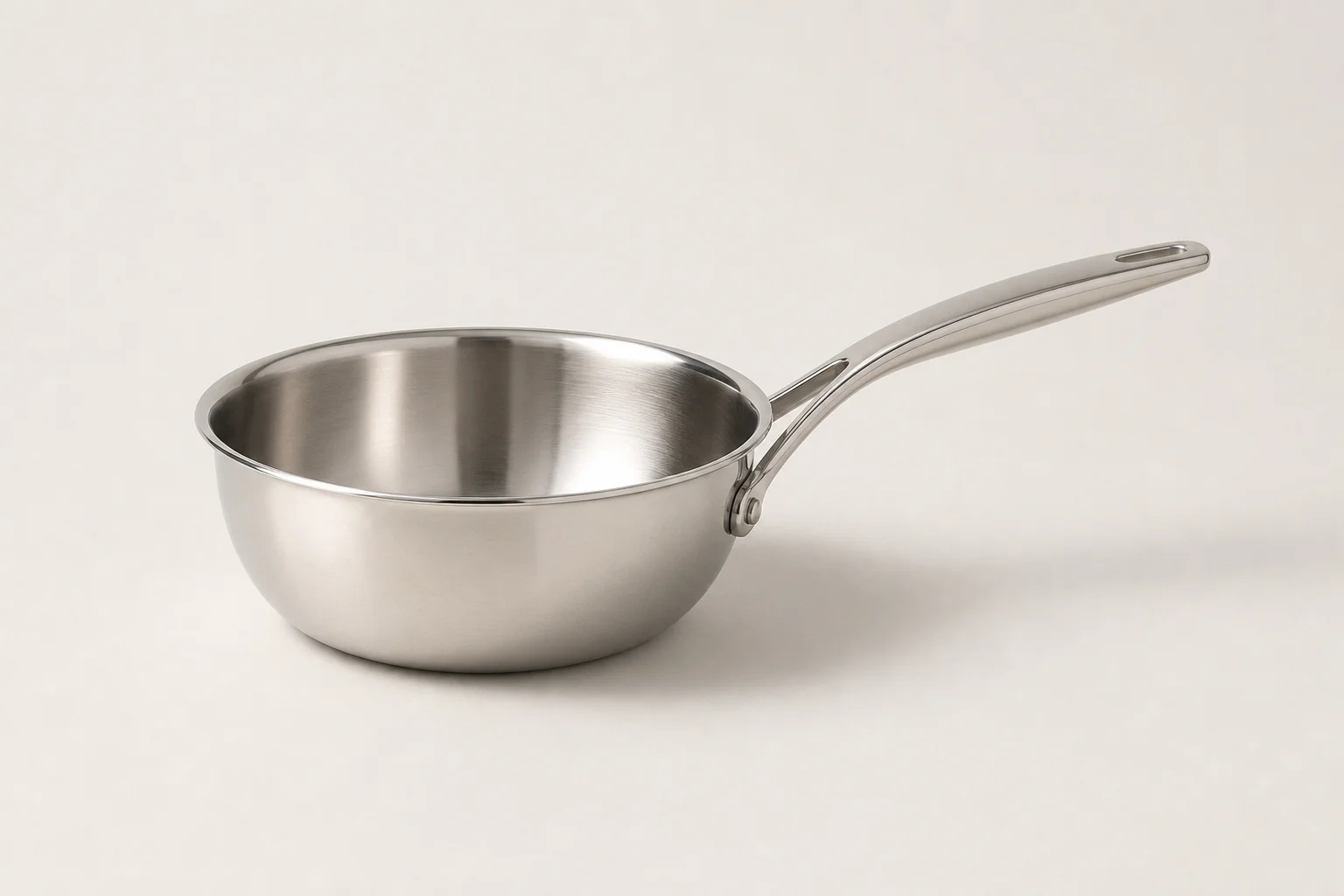
Every kitchen needs either a stainless steel saucepan or a saucier for making sauces, pasta, grains, braises, and small batches of soup. Saucepans have a flat bottom, straight sides, and a narrow opening. Sauciers feature a curved bottom and sloped sides with a wider opening.
A saucier’s rounded bottom makes stirring, whisking, and cleaning easier, and ingredients don’t get trapped in corners where they can burn. Saucepans, by contrast, have corners that are difficult to clean and tend to trap ingredients, increasing the risk of sticking and burning.
Recommended sizes are 2-, 3-, or 4-quart. The 4-quart gives extra room for pasta without overcrowding, while the 2-quart boils water faster for quick meals like mac and cheese or hard-boiled eggs. A 3-quart offers a practical middle ground.
The Stock Pot
A stock pot is a larger version of a saucepan with taller sides, a wider opening, and two small handles. You’ll use it for soups, stocks, large quantities of rice, and pasta. While you may not use it daily or even weekly, it becomes essential when you need to cook large quantities and running multiple batches in a smaller pan isn’t practical.
A 6- to 8-quart stock pot is ideal for most kitchens. Unlike other stainless steel cookware, stock pots don’t require fully-clad construction. The circulating liquid distributes heat effectively, and food rarely contacts the sides directly, so the risk of scorching or uneven heating is low even with a disc-bottom design.
Cast Iron: The Heat Retention Champion
A 12-inch cast iron skillet is an essential piece that complements stainless steel cookware. While cast iron heats more slowly and unevenly than stainless steel, its thick construction provides superior heat retention. This makes it the ultimate cookware for searing, as it holds temperature stable and won’t cool down when you place cold meat in it.
Beyond searing, cast iron works for roasting, sauteing, frying, and even baking cornbread and pizza. The cooking surface becomes increasingly slick as seasoning builds up over time, eventually making it nearly as easy to cook eggs as in a non-stick pan.
The main limitation is that cast iron reacts poorly with acidic ingredients like tomatoes, wine, vinegar, and citrus. These can strip the seasoning and leave a metallic taste. Occasional seasoning, which involves coating the pan in a thin layer of oil and baking it in the oven, prevents rust and maintains the cooking surface.
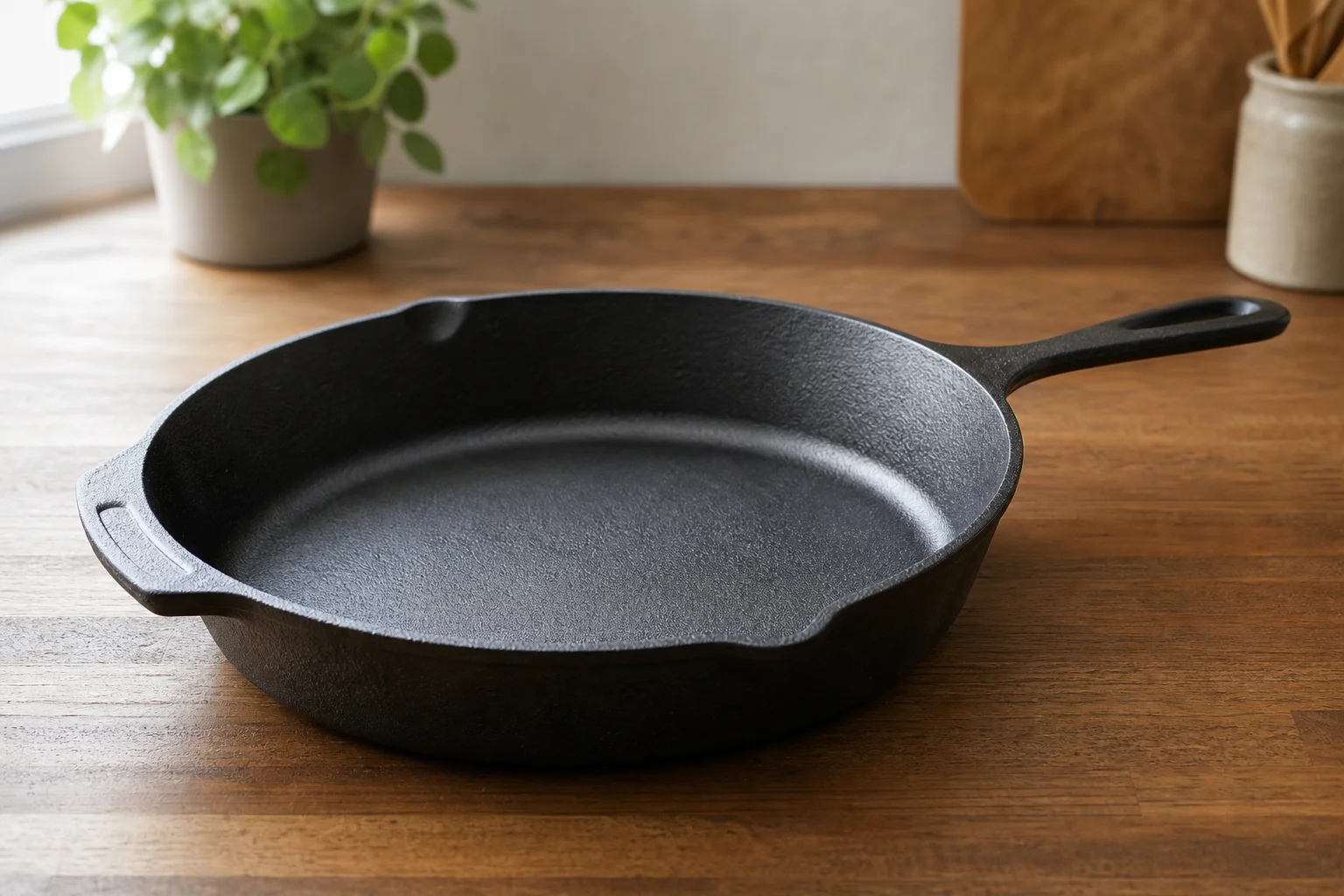
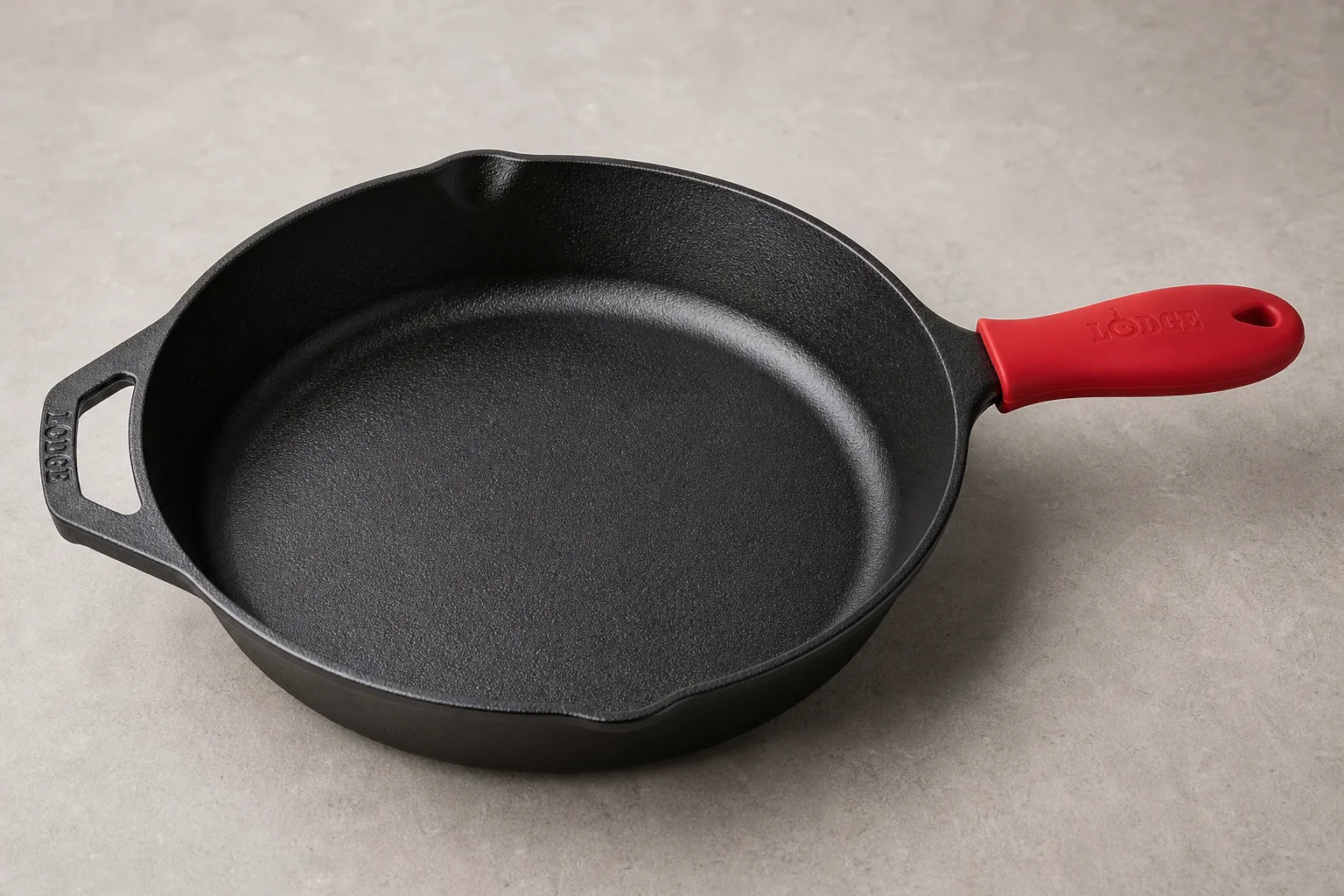
Lodge and Calphalon make good quality, affordable cast iron skillets. Stargazer is an excellent premium option, offering a longer handle and smoother cooking surface than other brands.
Non-Stick Pans for Eggs
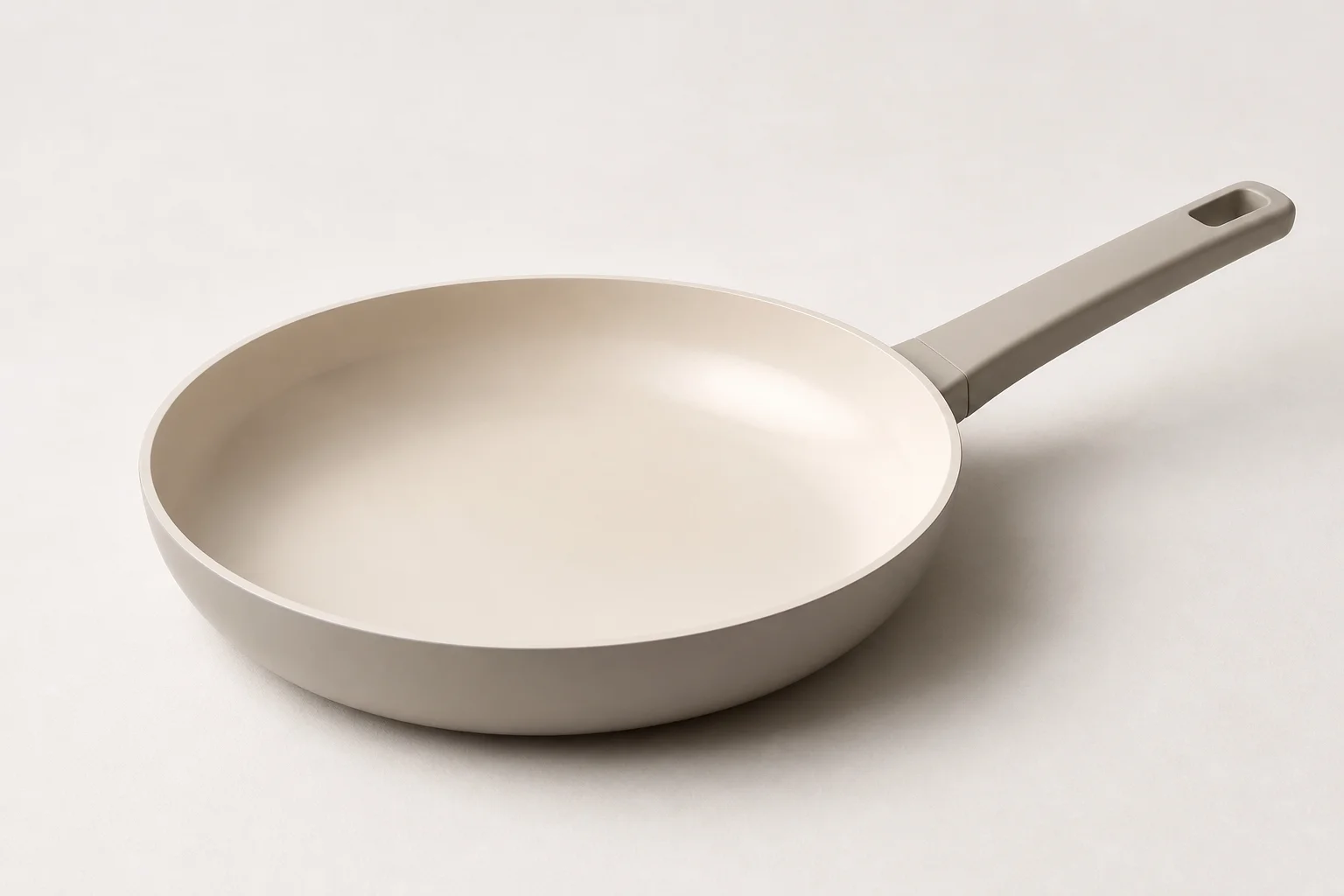
Every kitchen should have one 10- or 12-inch non-stick pan, used exclusively for cooking eggs. While cast iron can technically cook eggs once well-seasoned, a non-stick pan is by far the easiest and most convenient option.
All non-stick coatings eventually wear out, so avoid spending heavily on this piece. Use low to medium heat to extend the coating’s life. If you’re concerned about traditional non-stick chemicals, brands like Caraway and GreenPan use ceramic-like coatings made from Silicon Dioxide, essentially sand.
Don’t buy non-stick saucepans, stockpots, or saute pans. Liquid-based meals don’t stick, making non-stick coating unnecessary for larger pots. Affordable aluminum non-stick frying pans from brands like Misen, Tramontina, Calphalon, and All-Clad Essentials work well for eggs without the premium price tag.
Baking Sheets and Roasting Pans
A rimmed baking sheet, or sheet pan, is essential for roasting vegetables, cooking pizza, and baking chicken wings. Having two allows you to roast multiple foods simultaneously without mixing flavors or overcooking. The 1-inch rims contain ingredients so they don’t slide off when moving the pan.
Go for the half-sheet size, measuring about 18 inches by 13 inches. Aluminum without non-stick coating heats more evenly than steel and withstands higher temperatures, plus it’s safe under the broiler. Avoid non-stick coatings on baking sheets, as they’re unnecessary and limit temperature tolerance.
A roasting pan with a rack is only essential if you regularly cook whole chickens, turkeys, roast beef, or ham. Otherwise, you can roast smaller meats in a cast iron skillet, stainless steel frying pan, or rimmed baking sheet. If you do buy one, choose a 14- to 16-inch pan with 3- to 4-inch walls. Walls that are too shallow allow juices to splash over the sides, while walls that are too high prevent air circulation and uneven cooking. Always ensure the roasting pan comes with a rack to allow heat circulation.
The Enameled Cast Iron Dutch Oven
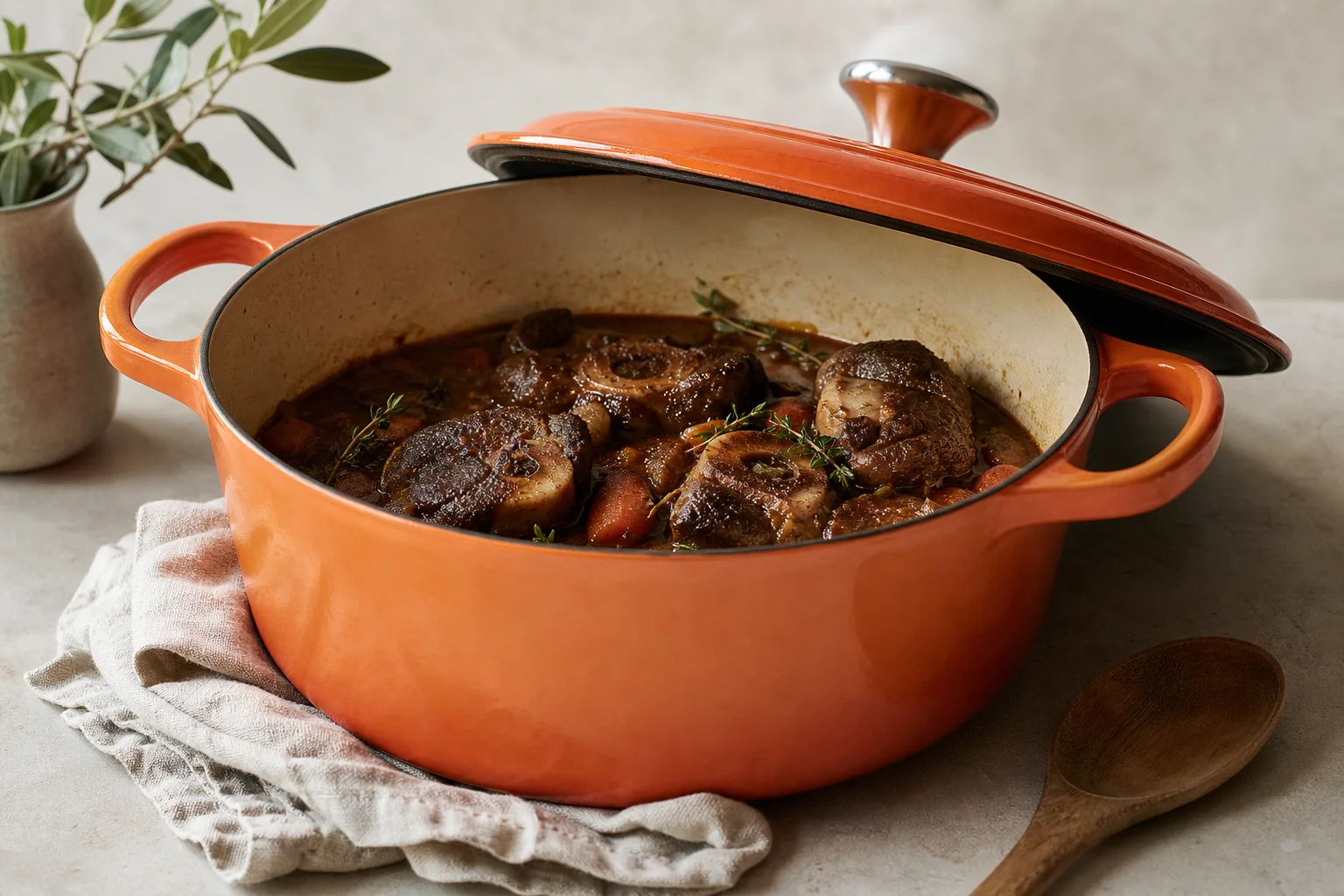
An enameled cast iron Dutch oven is incredibly versatile. You can use it for soups, stews, sauces, braises, and even bread. The thick cast iron walls retain heat exceptionally well, making these pots ideal for browning and braising short ribs, meatballs, chicken thighs, and other meals requiring steady, long-term heat. The enamel coating is non-reactive, so you can cook tomato sauce, chili, and other acidic foods without issue.
While you could argue a Dutch oven isn’t essential if you own a stock pot, both serve different purposes. Dutch ovens are heavier and retain heat better than stock pots, making them superior for browning, searing, braising, and slow cooking. The heavy lids lock in moisture and keep meals tender.
A 5- to 7-quart Dutch oven suits most kitchens. Round Dutch ovens fit better on standard cooktop burners than oval ones. Le Creuset, Staub, and Made In are the best brands available.
Nice-to-Have Upgrades
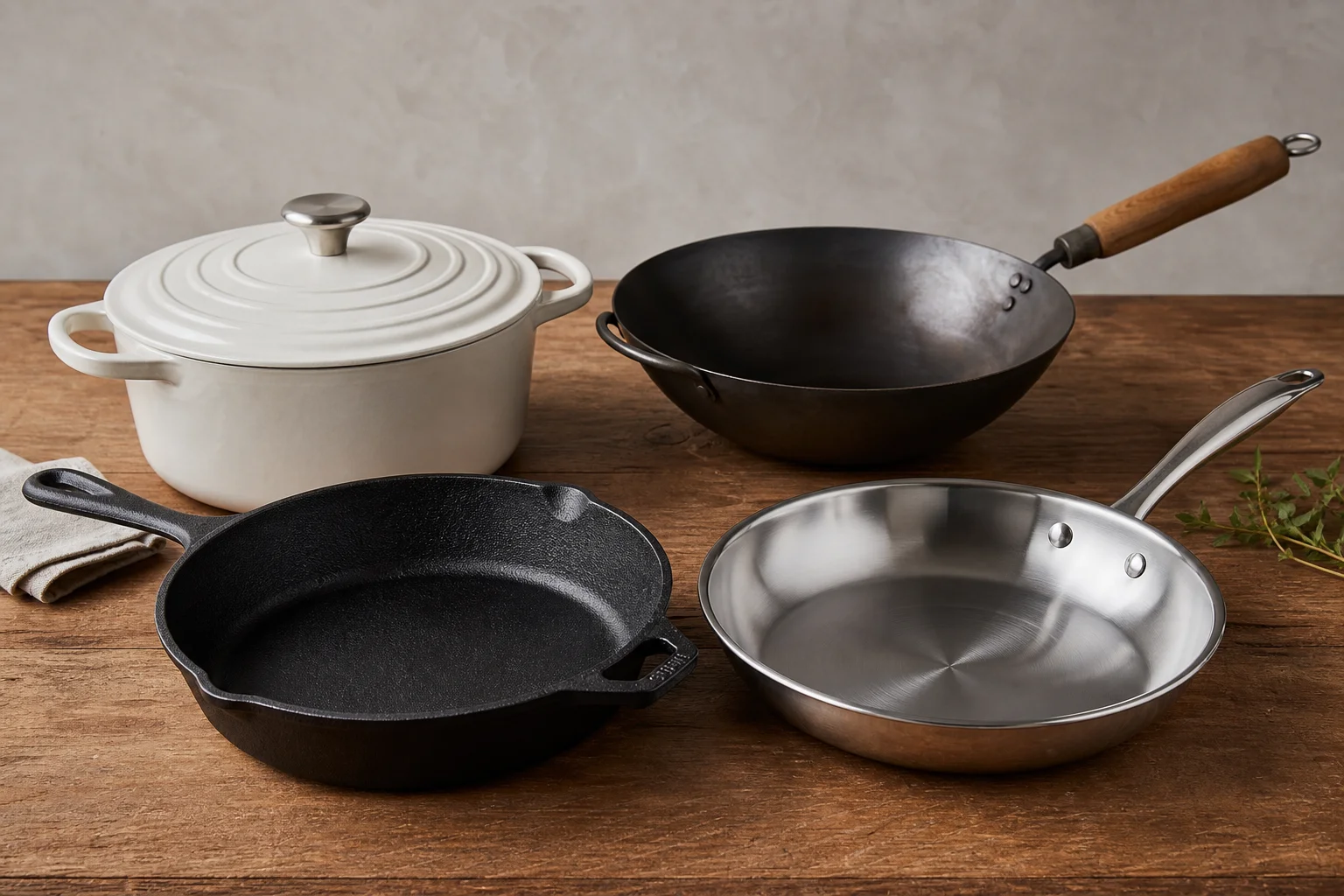
If you have space and budget, consider adding a carbon steel skillet, an enameled cast iron braiser, a carbon steel wok, or a copper skillet. A carbon steel skillet is the lightweight version of cast iron but doesn’t offer enough advantage to justify owning both. A braiser is like a Dutch oven with shorter sides and a wider cooking surface, useful for specific braising tasks. Woks have tall sloped sides that prevent splatter and let you regulate heat by moving ingredients from the hot bottom to cooler sides. Copper skillets heat rapidly and respond quickly to temperature changes, but stainless steel pans deliver similar results at a much lower cost.
Conclusion
A well-chosen core collection of cookware handles nearly every cooking task. Start with a stainless steel frying pan, saute pan, saucier, stock pot, cast iron skillet, non-stick pan, baking sheets, and a Dutch oven. These pieces work together to cover searing, sauteing, braising, baking, and everyday cooking. Quality brands at various price points make it possible to build this collection thoughtfully, and adding specialty pieces over time lets you expand as your cooking interests grow.
Further reading
Related Reviews
Kitchen Cookware
Best Budget Cookware 2026: Which Affordable Brands Actually Perform
After testing dozens of budget cookware options, here are the brands worth buying and the red flags to avoid when shopping for affordable kitchen pans.
Pickleball Paddles
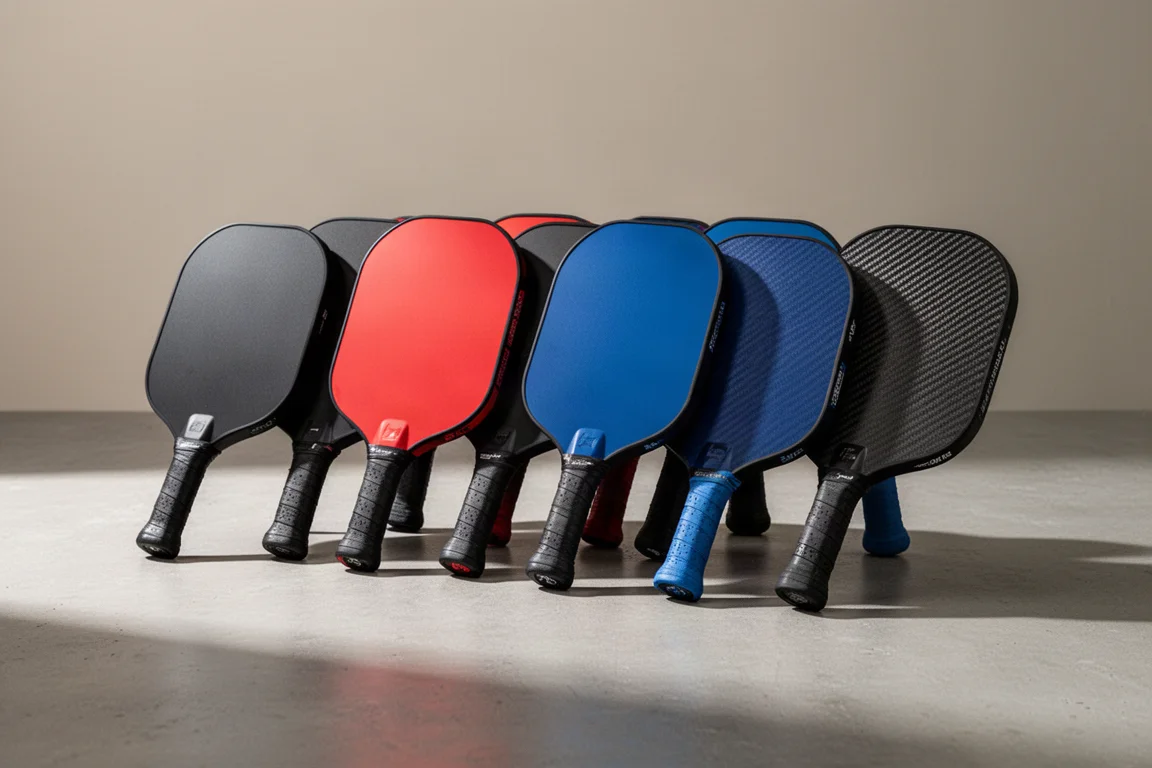
2025 Paddle Awards: The Best Pickleball Paddles of the Year
A category-by-category breakdown of the best pickleball paddles of 2025, covering value, control, all-court, power, and paddle of the year.
Automotive Accessories
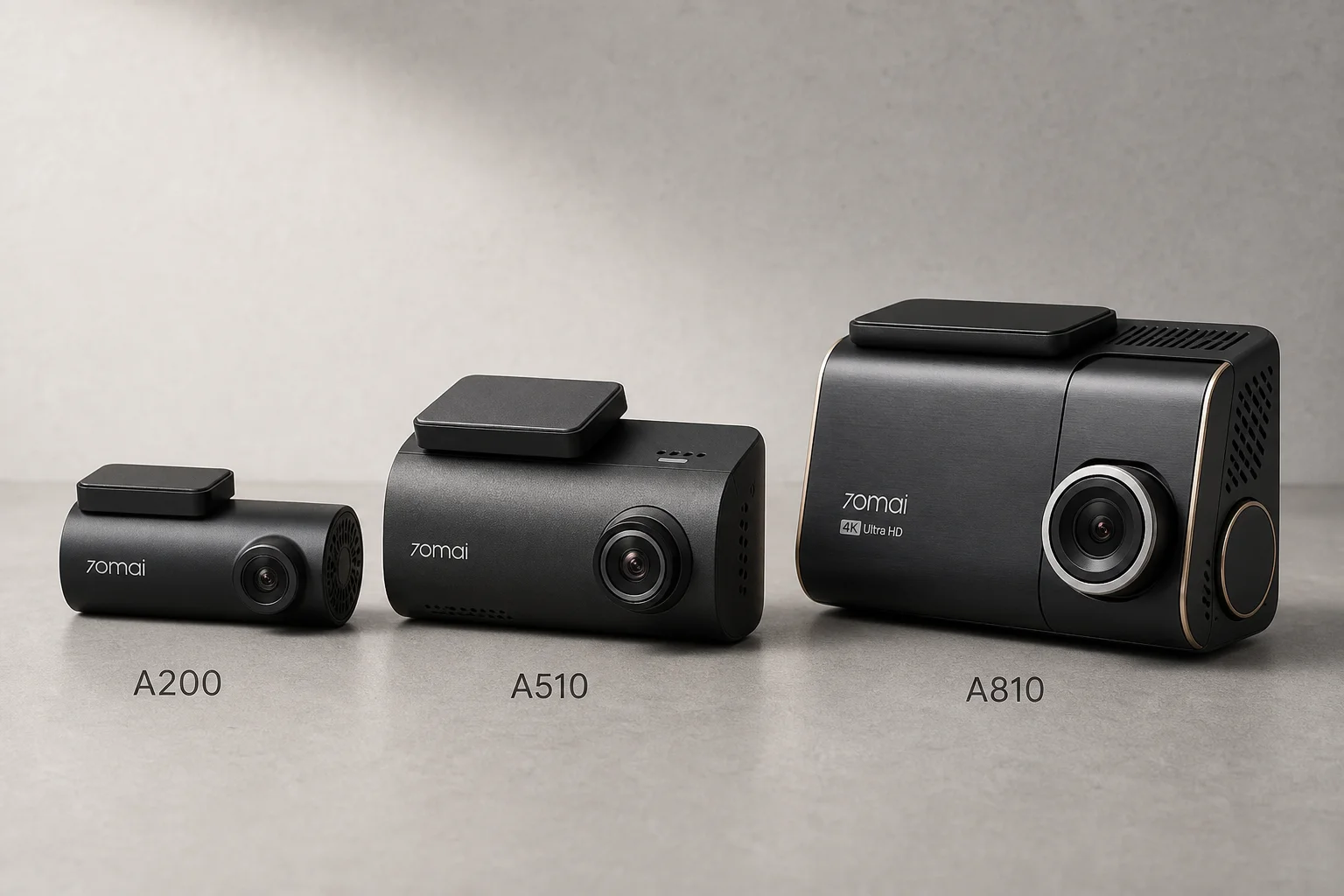
70mai Dash Cam Comparison: A200 vs A510 vs A810
Three dash cameras from 70mai across different price points reveal how resolution and sensor quality impact real-world footage clarity, especially for number plate visibility and low-light performance.