Bikepacking Gear
Essential Bikepacking Gear 2026: Eight Items That Make a Real Difference
Eight practical items that deliver genuine comfort and reliability on bikepacking trips, from lightweight camp seating to satellite communication.
Introduction
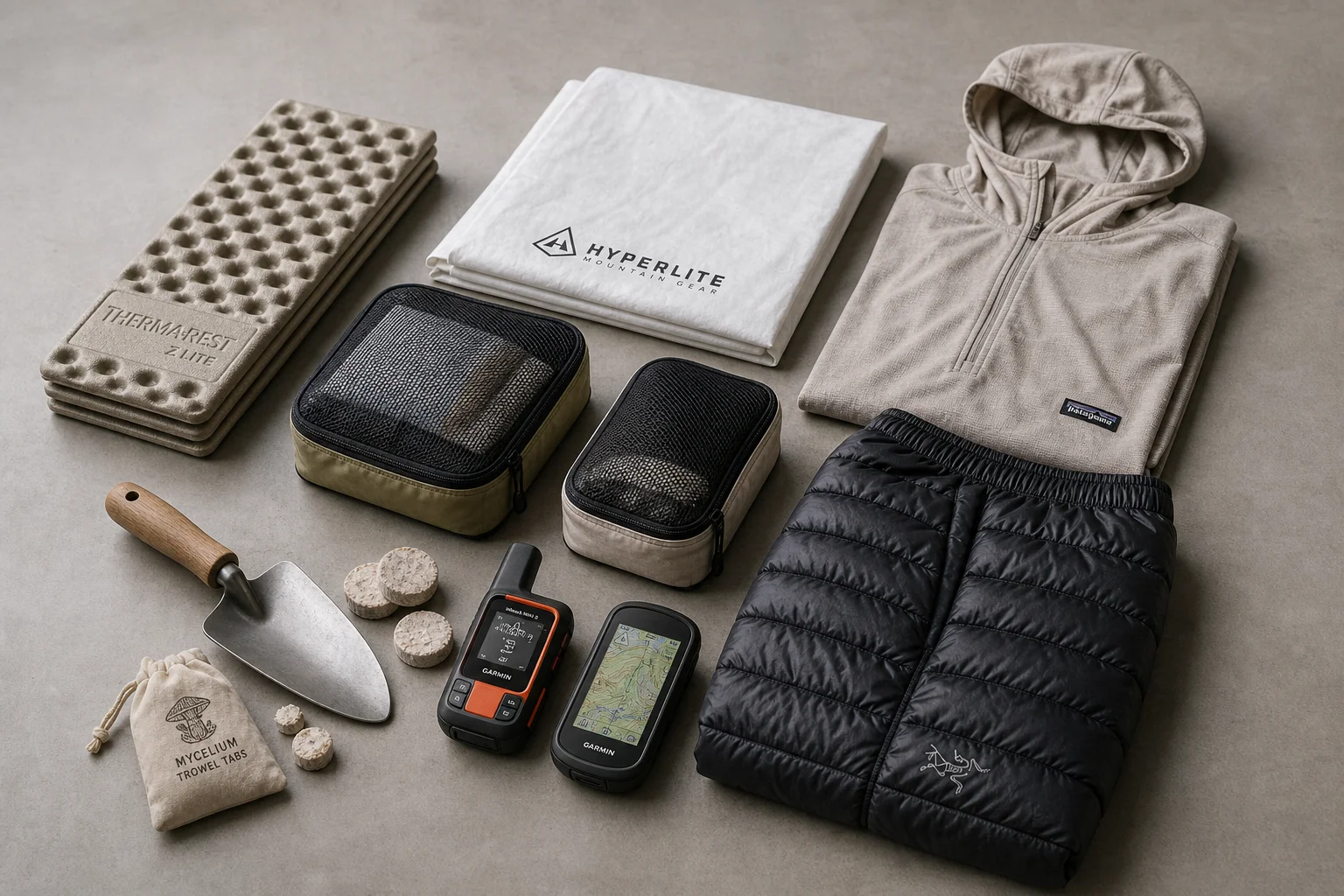
After a busy spring and summer of bikepacking trips, certain items have proven themselves essential. These eight pieces of gear deliver genuine comfort and reliability without unnecessary weight or complexity.
Lightweight Camp Seating
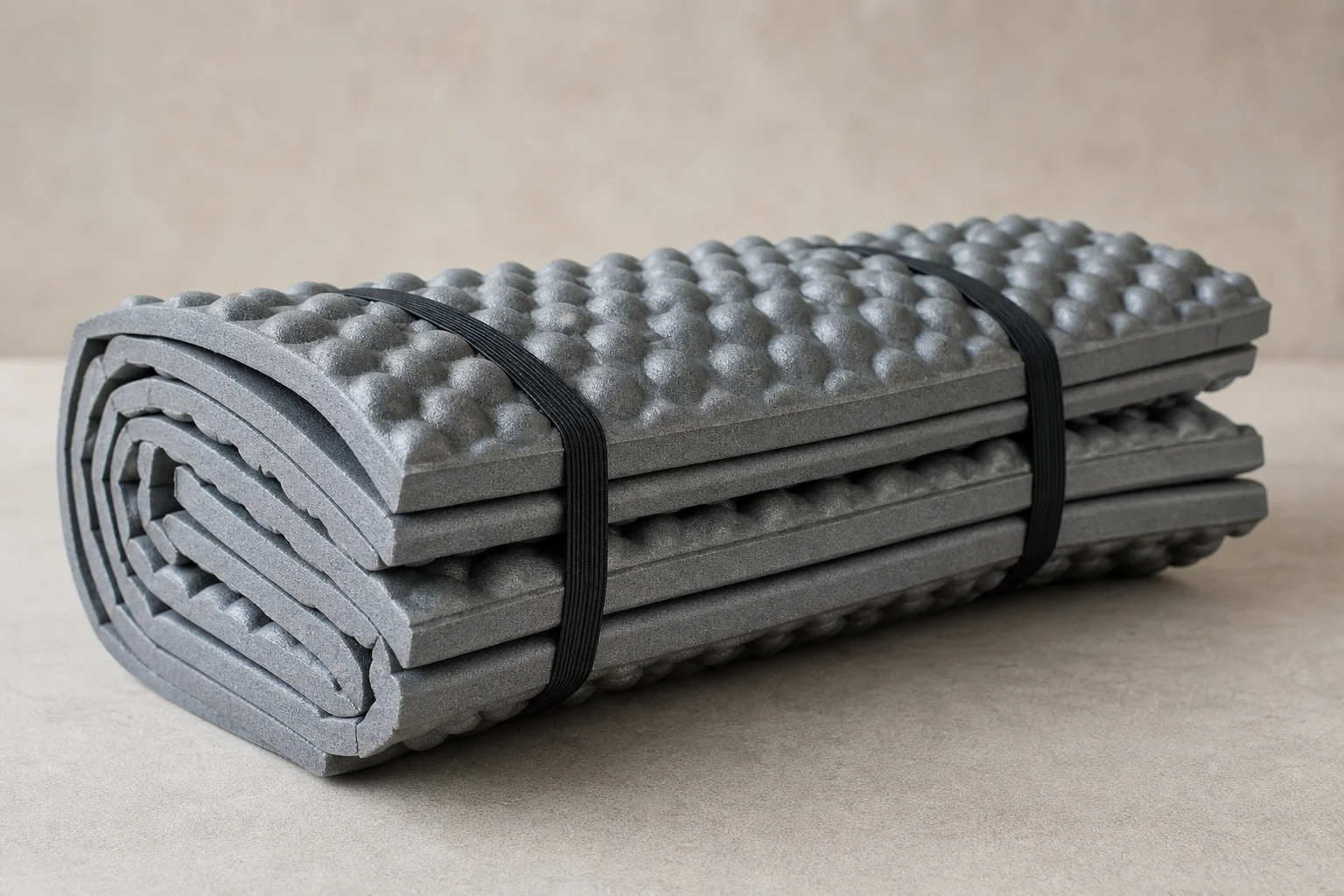
A simple foam seat pad strikes a practical balance between comfort and weight. After puncturing an inflatable seat pad years ago, I had written off camp seating entirely. However, a two-ounce foam option changed that perspective.
The Big Agnes Twister Cane rolls instead of folds, offers half an inch of padding, and costs around 25 USD. The manufacturing process is eco-friendly, and the minimal weight and bulk make it worth the small space in a pack. While you could source foam from industrial suppliers, a purpose-built pad designed for bikepacking makes more sense.
Ground Protection and Versatility
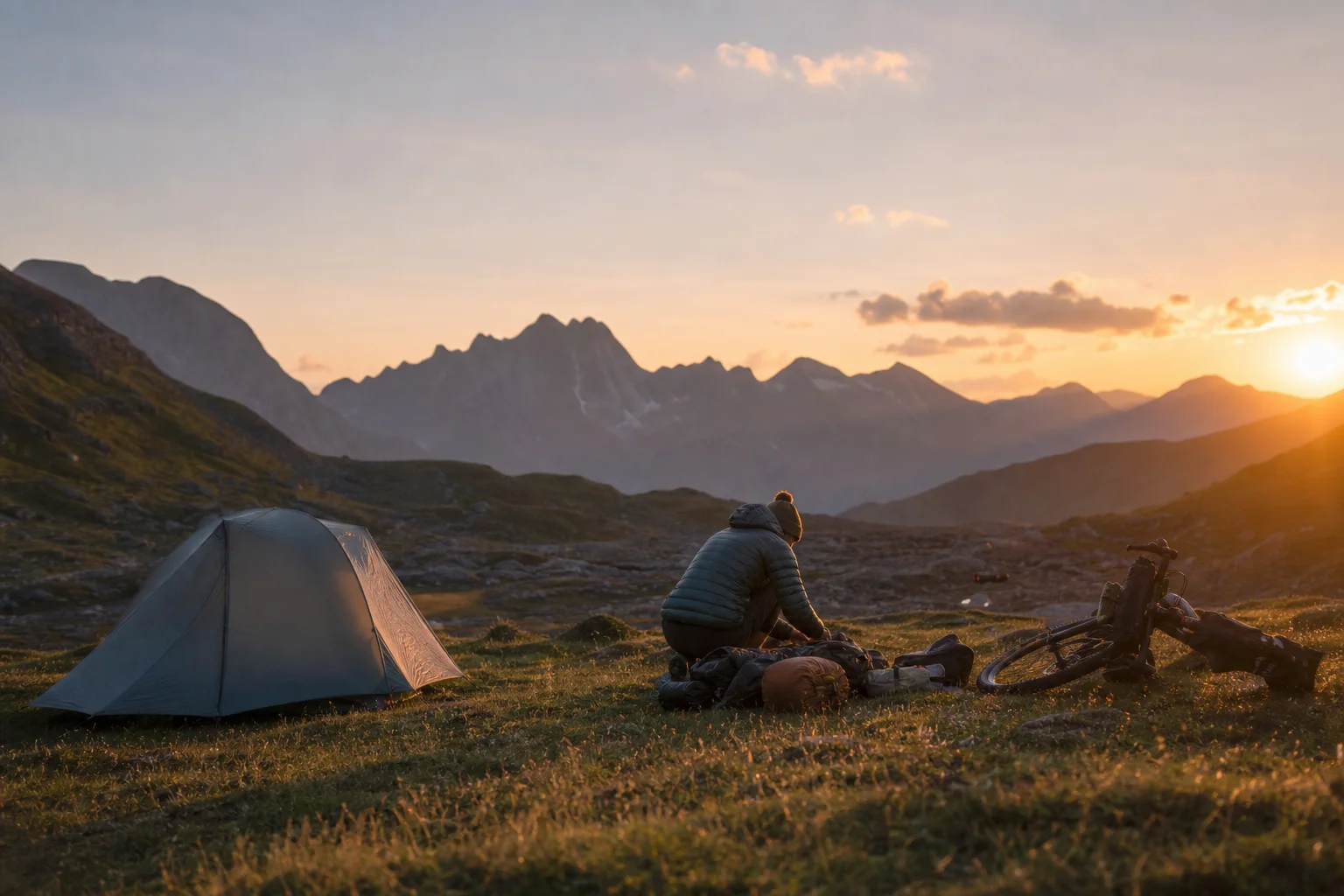
Tyvek ground cloths are often overlooked because manufacturer-supplied versions carry steep price tags. Testing a new tent recently provided the perfect opportunity to revisit Tyvek, and it has delivered on every front.
Tyvek acts as a water barrier, preventing moisture from penetrating the tent floor whether from rain or damp ground. It also extends the usable vestibule space and works well as a stretching surface after long riding days. In a pinch, wrapping a dry bag or other gear in Tyvek keeps moisture out effectively. The material dries quickly, packs down small, and costs very little.
Waste Management on the Trail
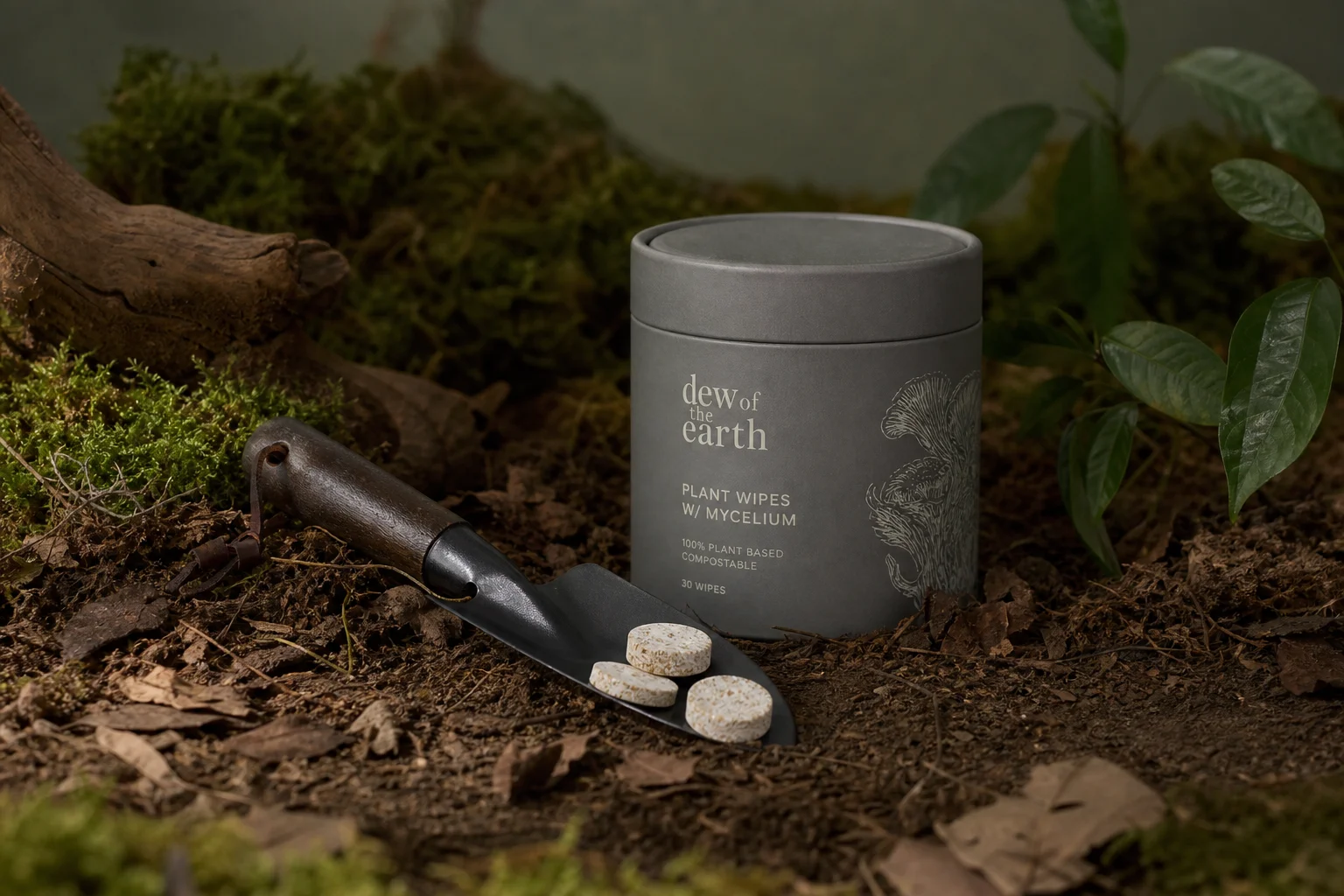
Proper human waste disposal is non-negotiable on bikepacking trips. The Pact Light Kit is purpose-built for bike packers and represents a significant improvement over previous versions.

This minimal kit stores 12 Pact wipes and includes mycelium tabs built into a small trowel. The trowel excels at digging cat holes and is among the best tools available for this task. The mycelium tabs break down waste and wipes faster while killing bacteria, making the entire system more effective and responsible.
Sun Protection and Layering
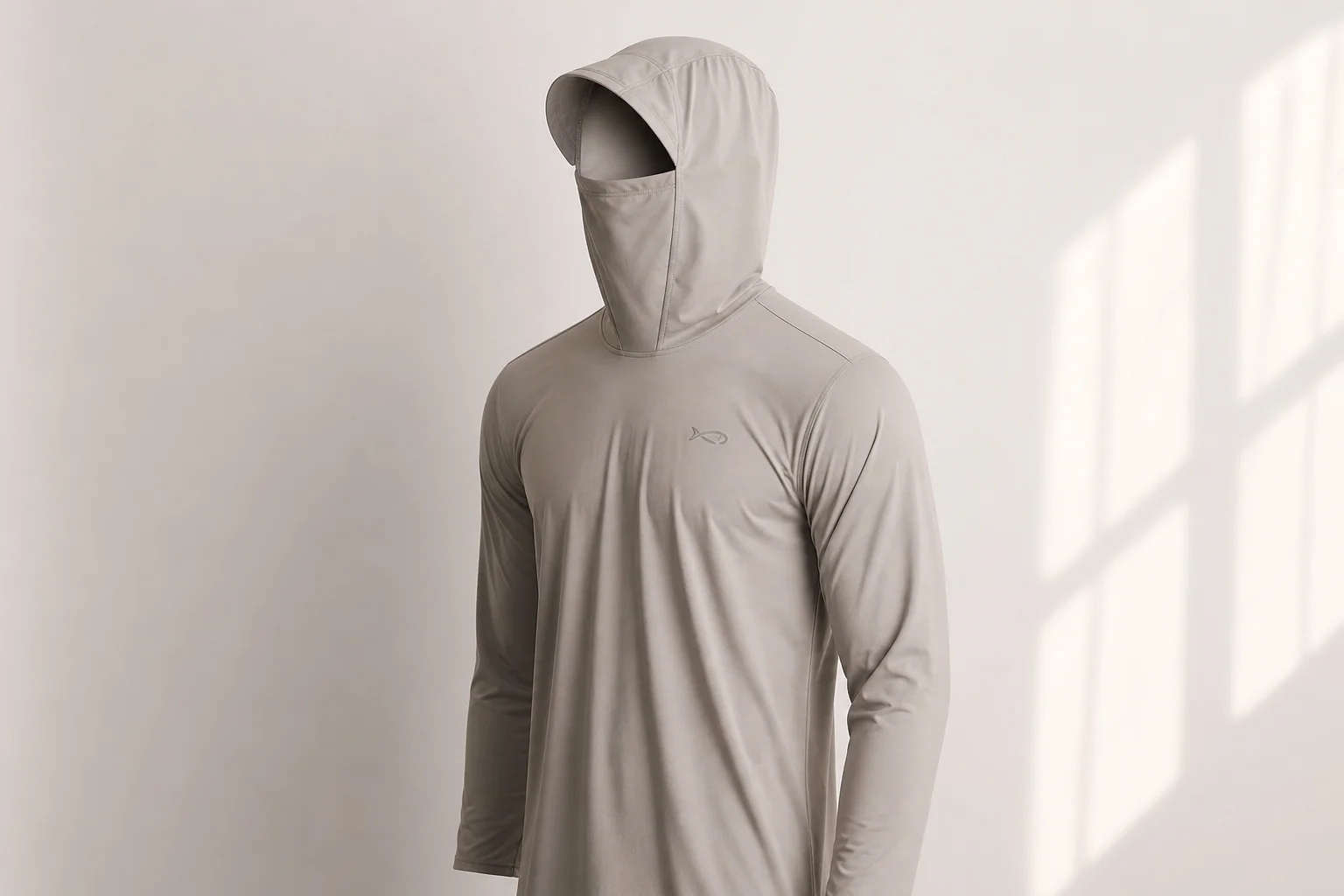
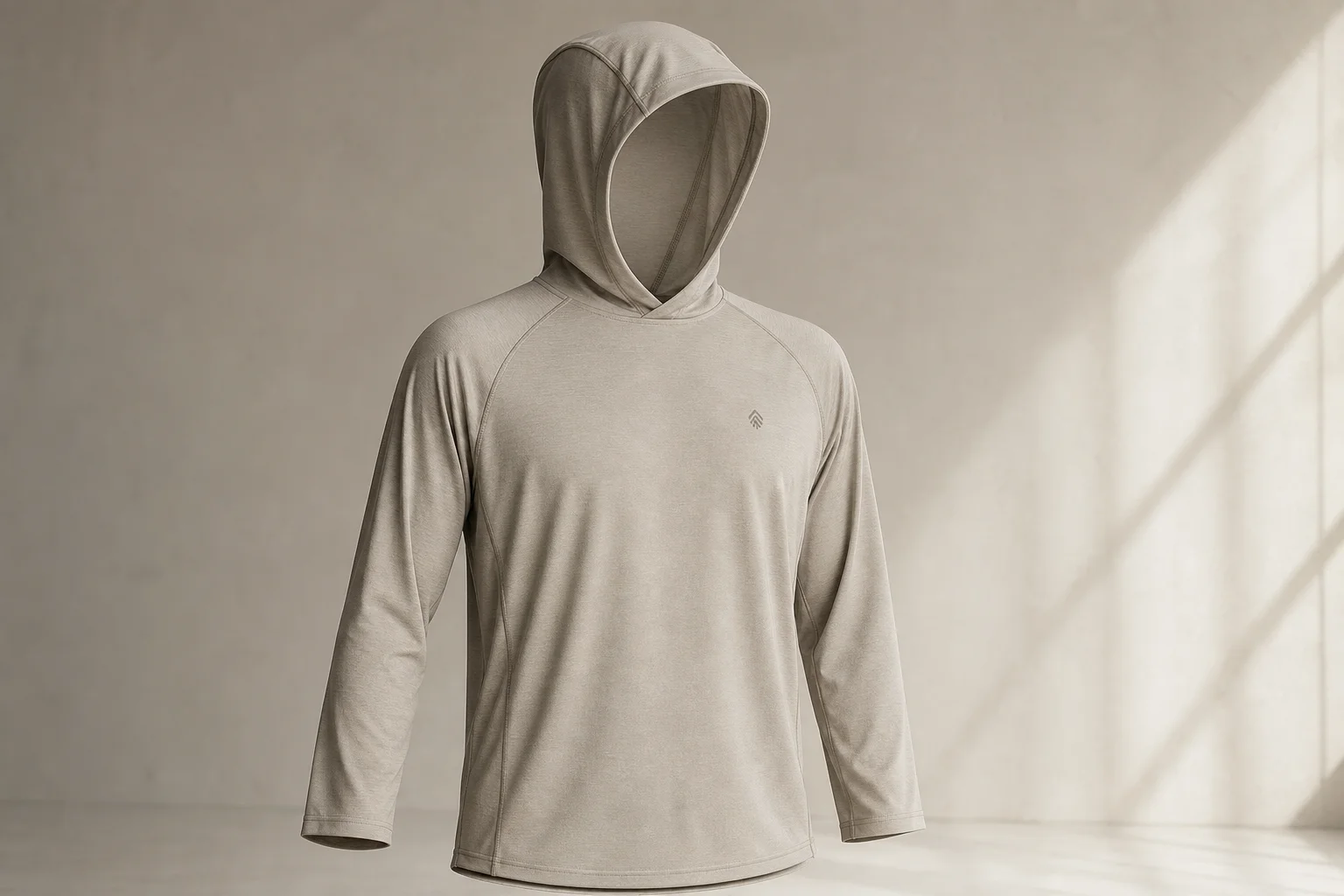
Riding at elevation in sunny conditions demands reliable sun protection. A breathable, 50 UPF hooded shirt protects from UV exposure while serving as a versatile layer when temperatures drop.
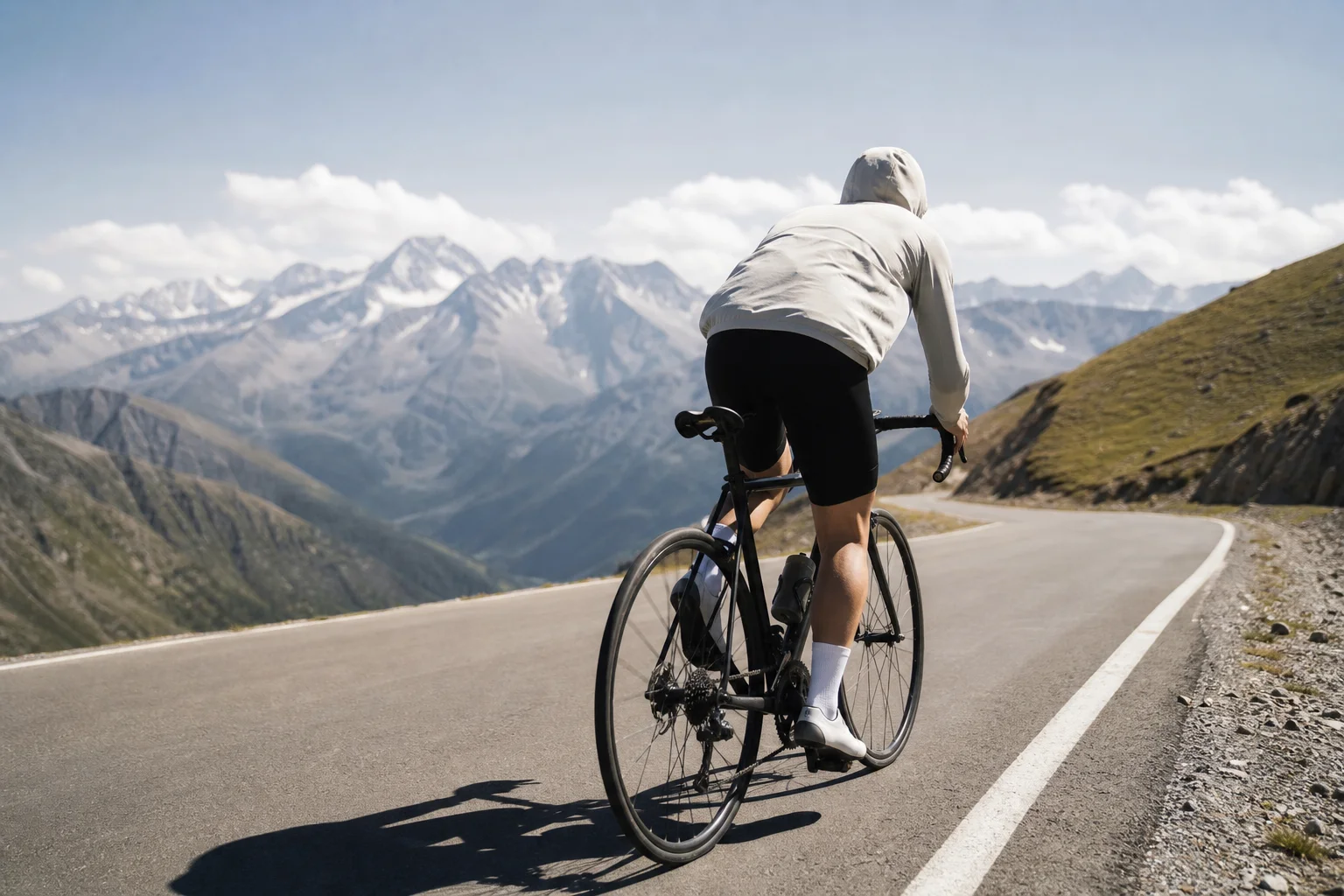
I tested two options this season: the Cotopaxi Sombra at 70 USD and the Bay Leaf Hooded Sun Shirt at 24 USD. Both performed well, but the Sombra offered superior fit, lighter weight, and better breathability. However, the Bay Leaf shirt delivers solid performance at a lower price point, making it a viable choice for budget-conscious riders. Either way, a sun shirt beats applying sunscreen repeatedly and provides genuine multi-purpose layering value.
Insulation and Comfort at Camp
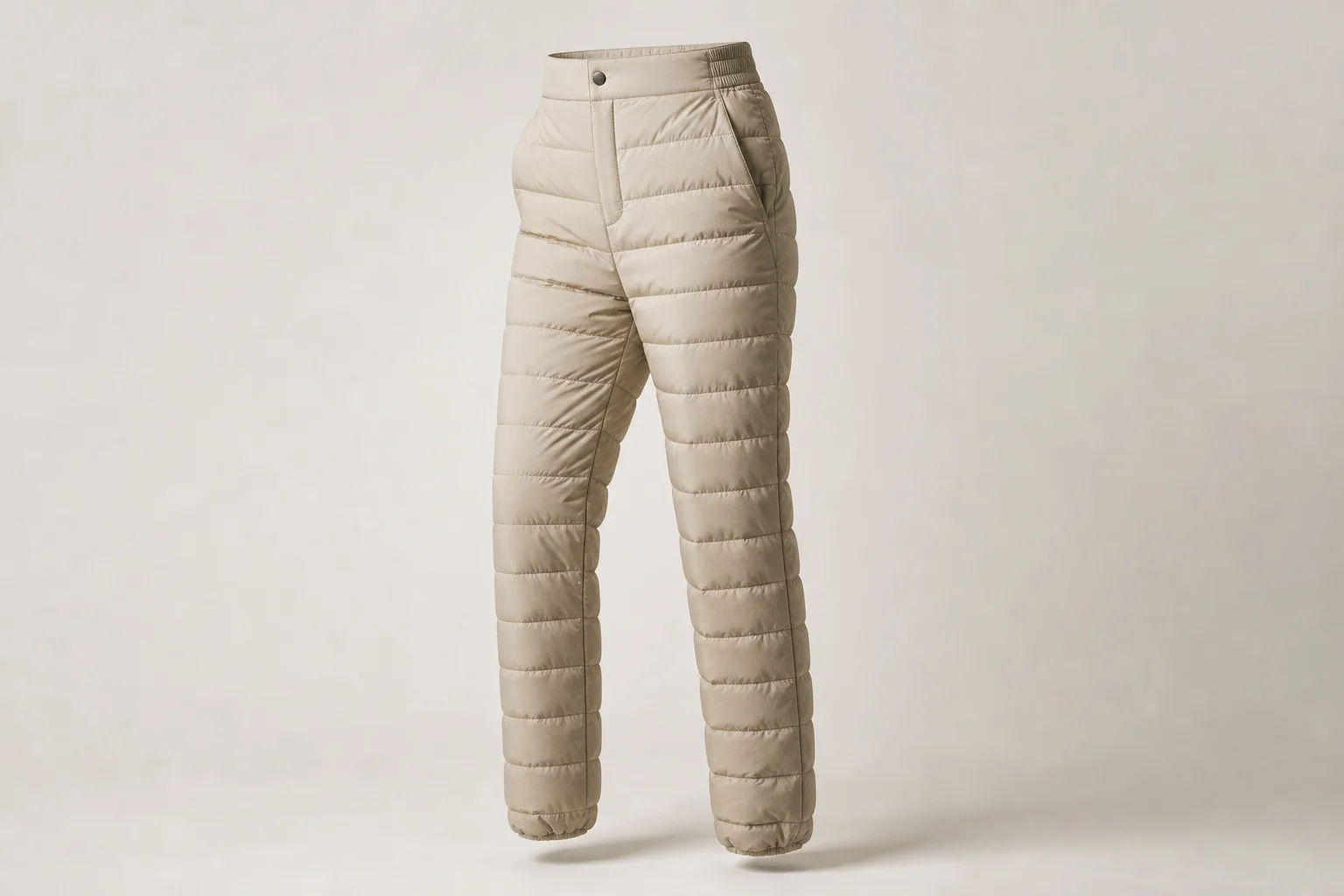
Down pants seemed unnecessary for years when long underwear sufficed. However, down pants offer genuine improvements to the bikepacking experience. They provide significantly more warmth than long johns and create genuine comfort at camp. They also allow for a lighter sleeping bag, creating a more modular sleep system where you can keep the pants on in cold conditions for added warmth throughout the night.
The Mountain Hardwear Ghost Whisperer down pants cost 275 USD and will see use primarily on bikepacking trips and occasional dance parties, ensuring they last for years. While not cheap, the investment pays dividends in comfort and system flexibility.
Seat Comfort Strategy
Wool boxers have become essential for managing seat comfort on longer trips. I typically start with a chamois, then transition to wool boxers after a while to change pressure points on the seat bones. Wool briefs also serve as a comfortable layer to change into after long days in the saddle, working well under down pants or riding shorts.
Look for briefs with minimal seams around the crotch and seat bone region to reduce chafing. While specific models may become discontinued, the principle of having a quality wool brief in your kit remains valuable.
Organization and Storage
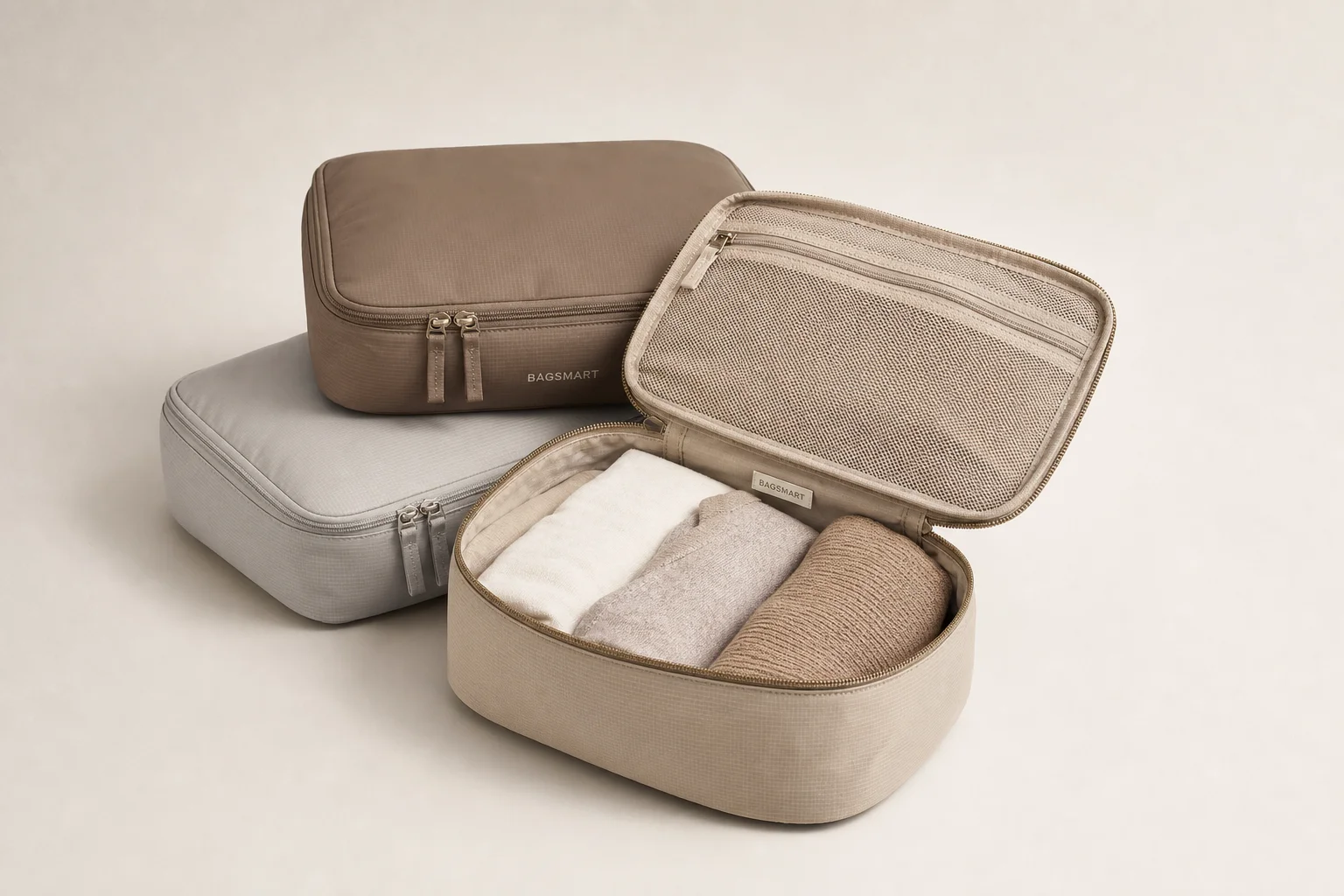
A well-organized Dopp kit keeps toiletries and cooking supplies accessible and easy to find. Mountain Laurel Designs Packing Cubes replaced my previous approach of stuffing items into a stuff sack where visibility was poor.
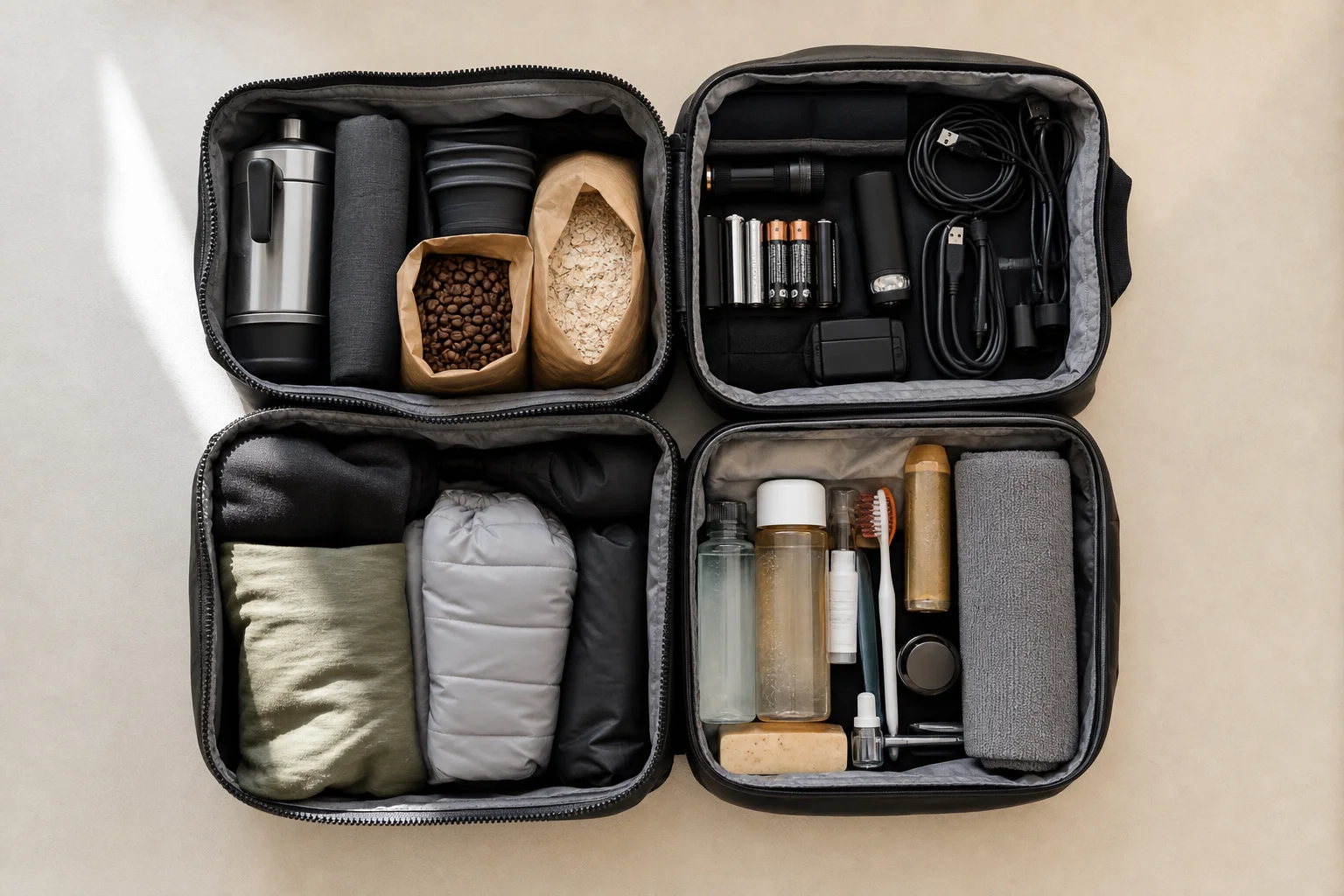
The medium cube holds coffee, oatmeal, salsa, parmesan cheese, lighter, Aquamira tabs, wet wipes, toothbrush, toothpaste, and other essentials. A smaller cube stores batteries, cords, and electronics. These cubes pack efficiently into frame bags and make finding items quick and simple. The shape and usability make them a worthwhile addition to any bikepacking kit.
Satellite Communication and Navigation
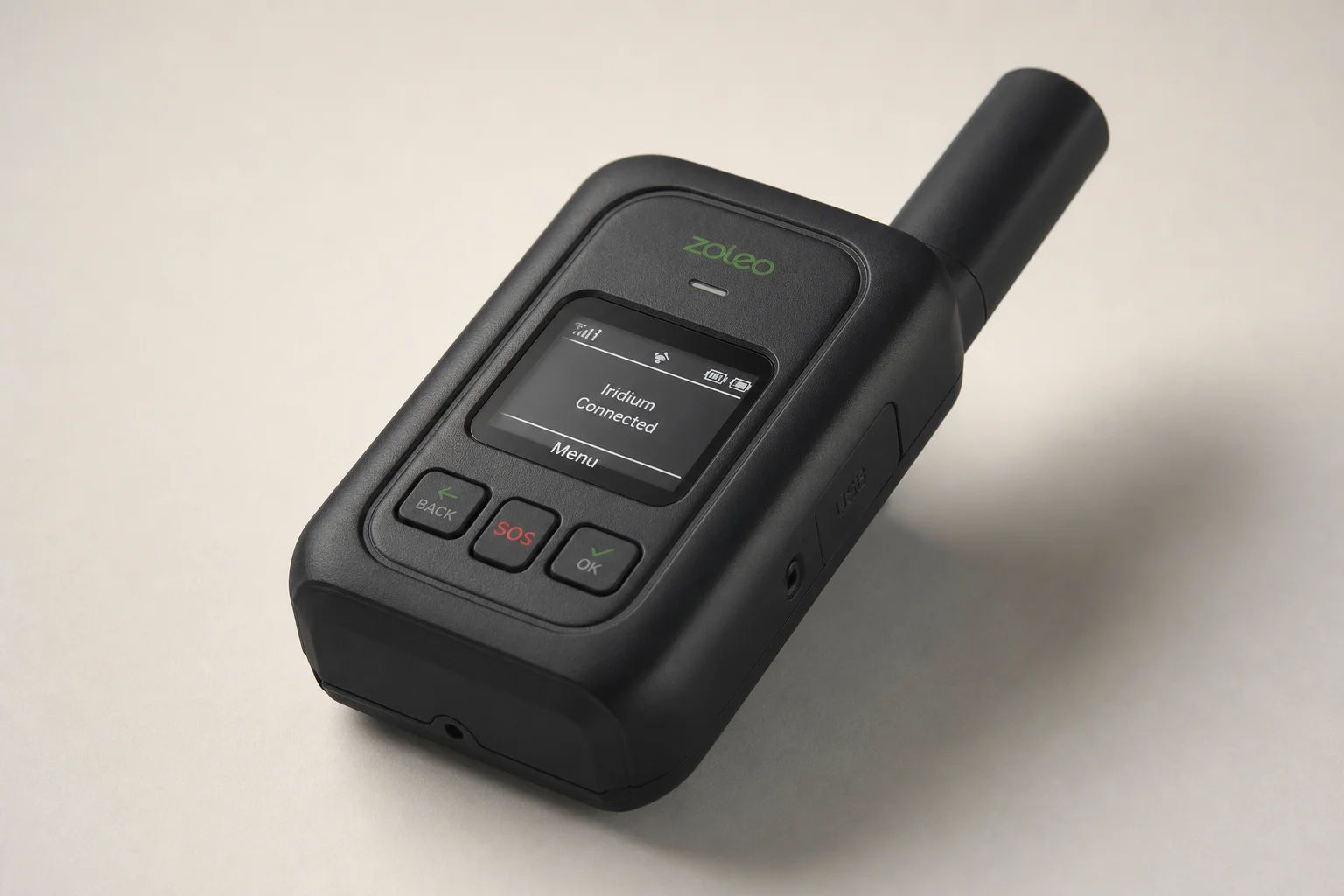
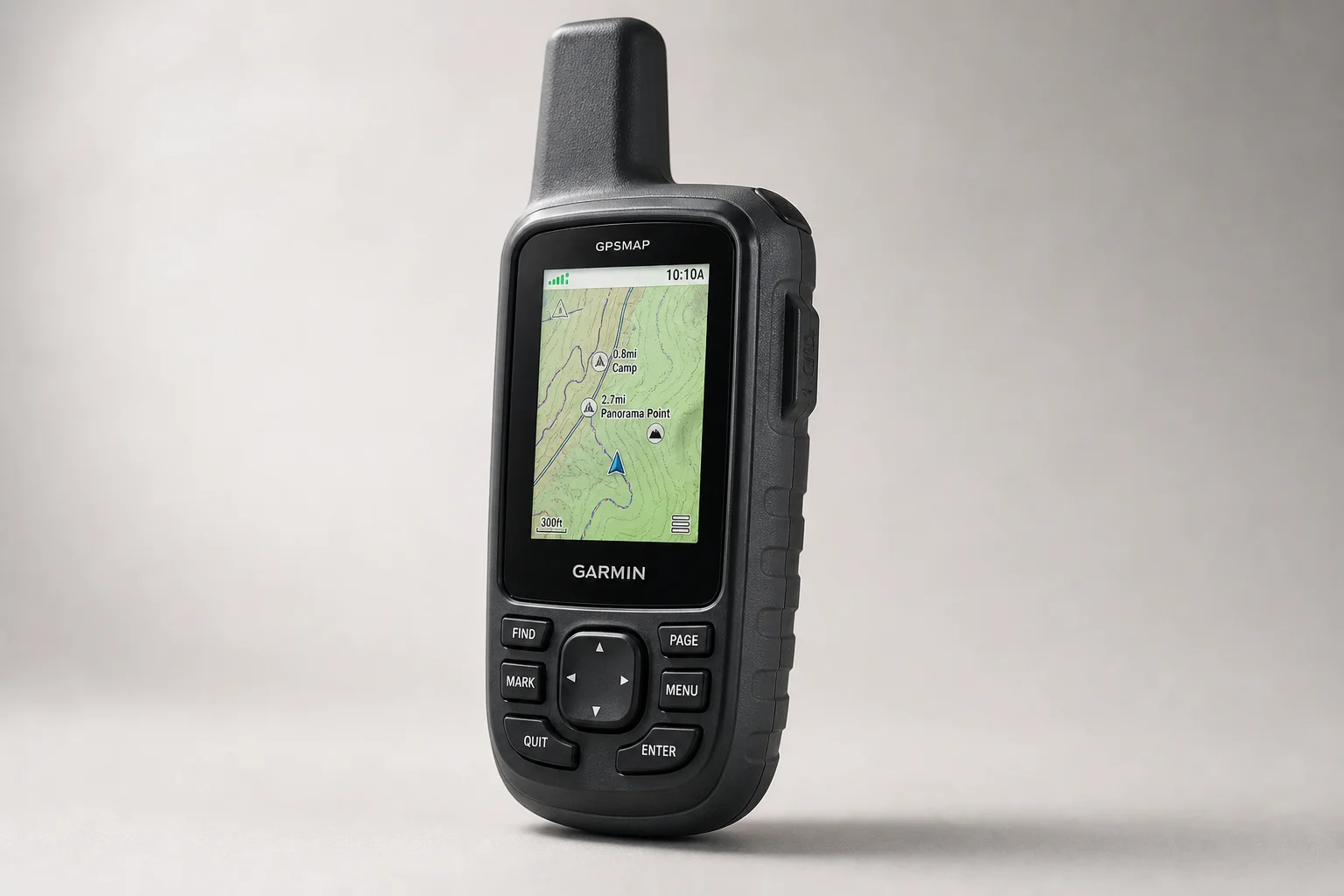
Reliable satellite communication is essential when bikepacking with family depending on your safety. The Garmin inReach Messenger provides quick, dependable contact and integrates seamlessly with Garmin Edge devices, allowing you to send messages to loved ones while cycling with just a few button presses.
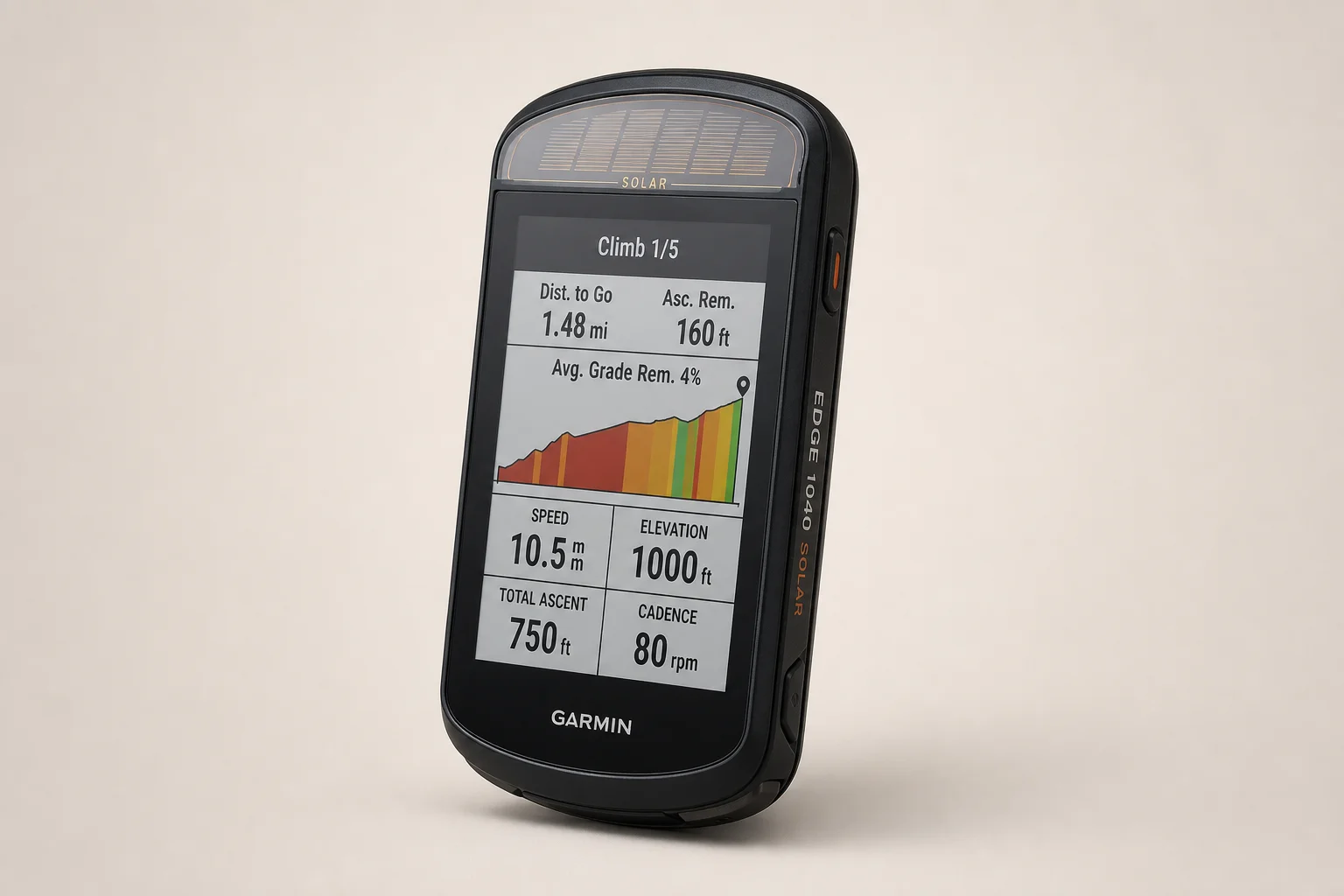
For navigation and tracking, the Garmin Edge 1040 Solar has proven exceptional this season. The solar charging feature is genuinely transformative, allowing the device to charge itself from sunlight. Testing in low February light in Arizona showed no battery drain over five days. A recent five-day trip ended with 15 percent battery remaining, making this a game-changer for extended trips where charging infrastructure is unavailable.
For those preferring traditional GPS with swappable batteries, the Garmin eTrex 32 remains a reliable option, though the solar charging capability of the Edge 1040 Solar addresses many of the limitations of battery-dependent devices.
Conclusion
These eight items represent genuine improvements to bikepacking comfort and reliability. Each solves a specific problem without adding unnecessary complexity or weight. If you use similar gear or have standout pieces that make a real difference on your trips, share them in the comments.
Further reading
Related Reviews
Bikepacking Gear
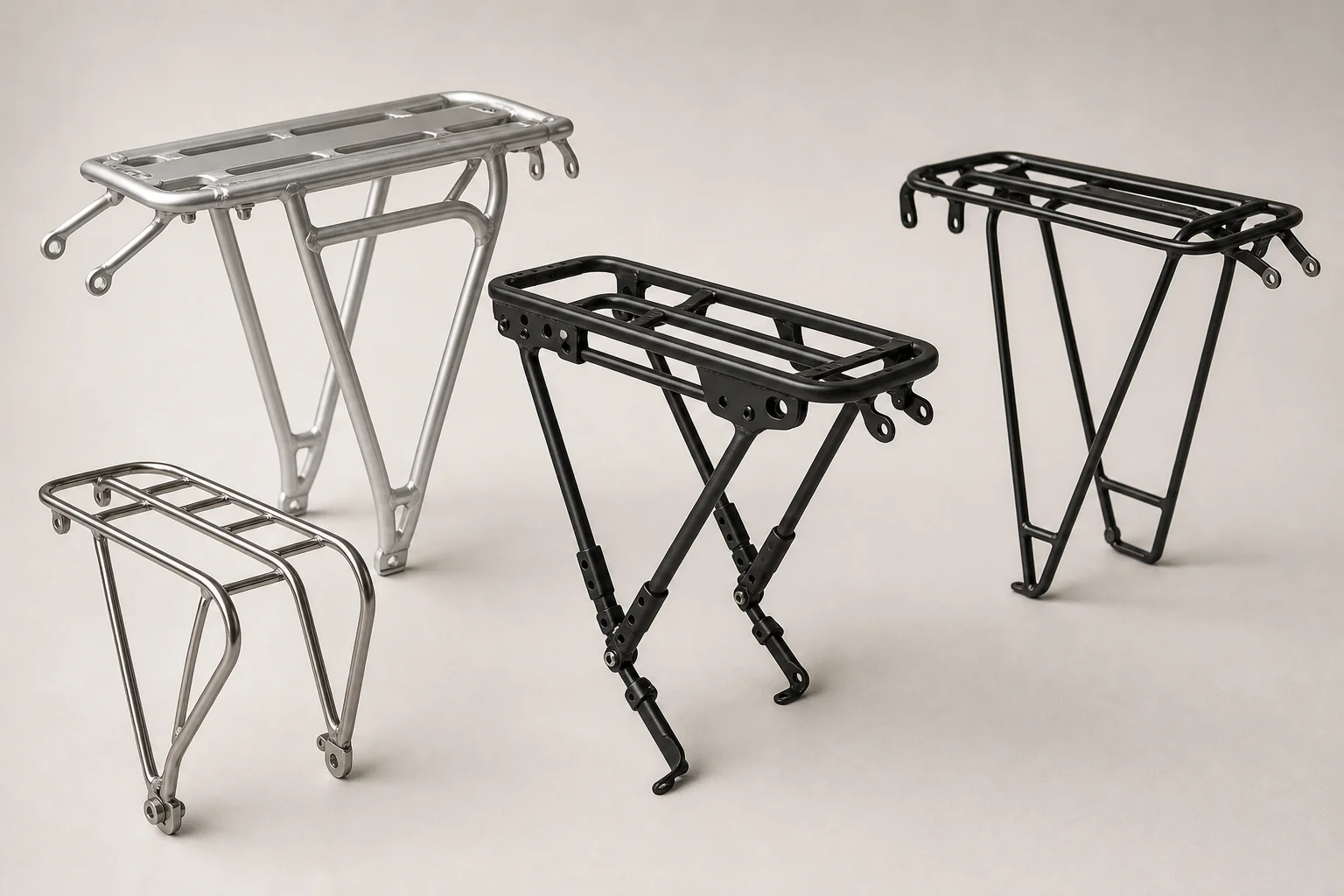
Best Rear Racks for Bikepacking: Nine Options from Budget to Premium
A practical guide to rear racks designed for off-road use and big tire clearance, with detailed looks at nine models and key accessories to complete your setup.
Bikepacking Gear
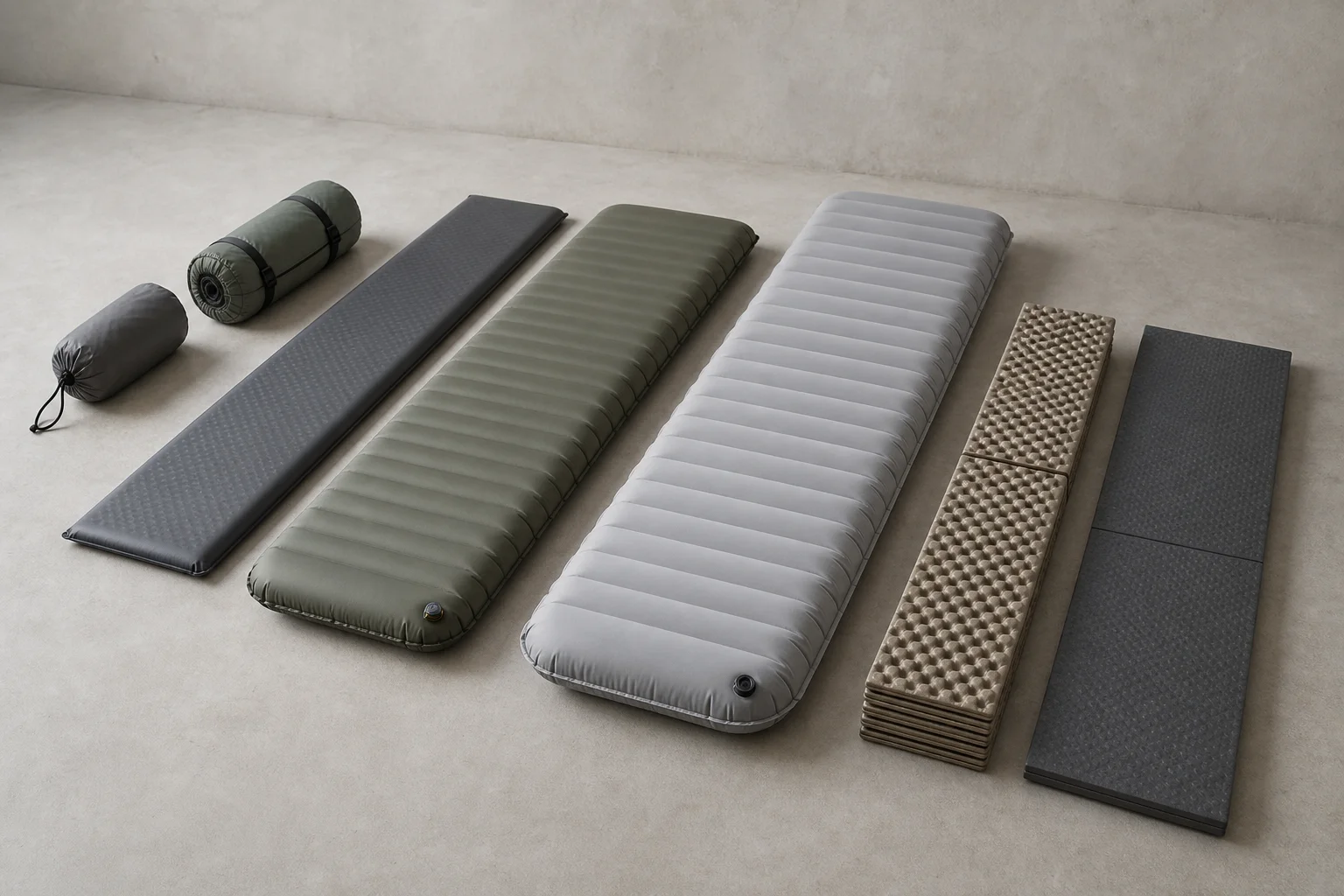
Best Sleeping Pads for Bikepacking: Seven Options Tested in the Field
A practical guide to seven sleeping pads for bikepacking, from ultralight minimalist options to full-length insulated models, with real-world performance notes.
Bikepacking Gear
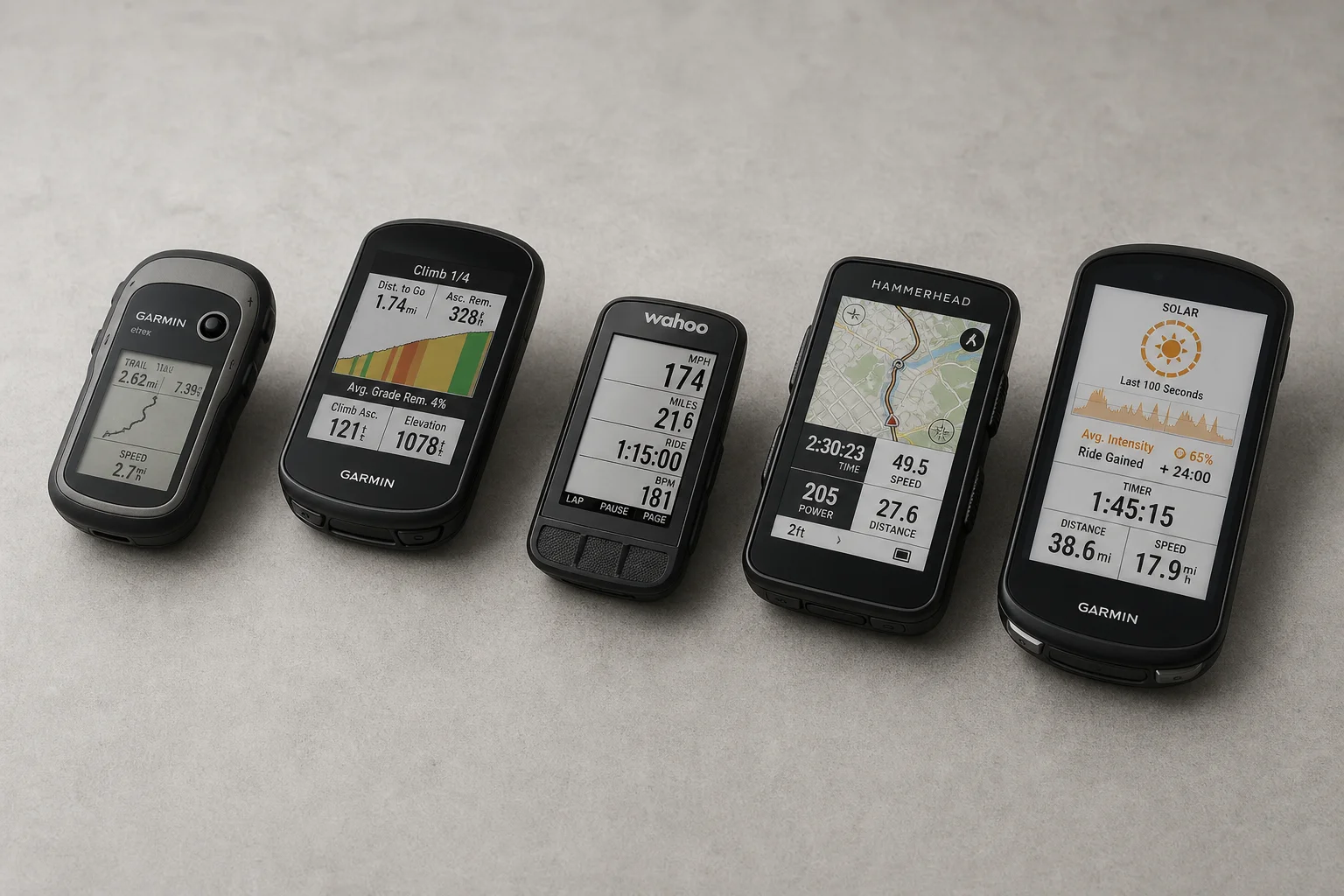
Why Use a GPS Head Unit for Bikepacking: Navigation, Battery Life, and Durability
Explore the practical advantages of dedicated GPS cycling units over smartphones for bikepacking and off-road adventures, from battery life to durability.