Aquarium Equipment
Eshopps Eclipse Overflow Box Review: Quiet, Reliable Aquarium Drainage
A practical guide to the Eshopps Eclipse Overflow Box, covering how it works, installation, sizing options, and noise management for reef and planted aquariums.
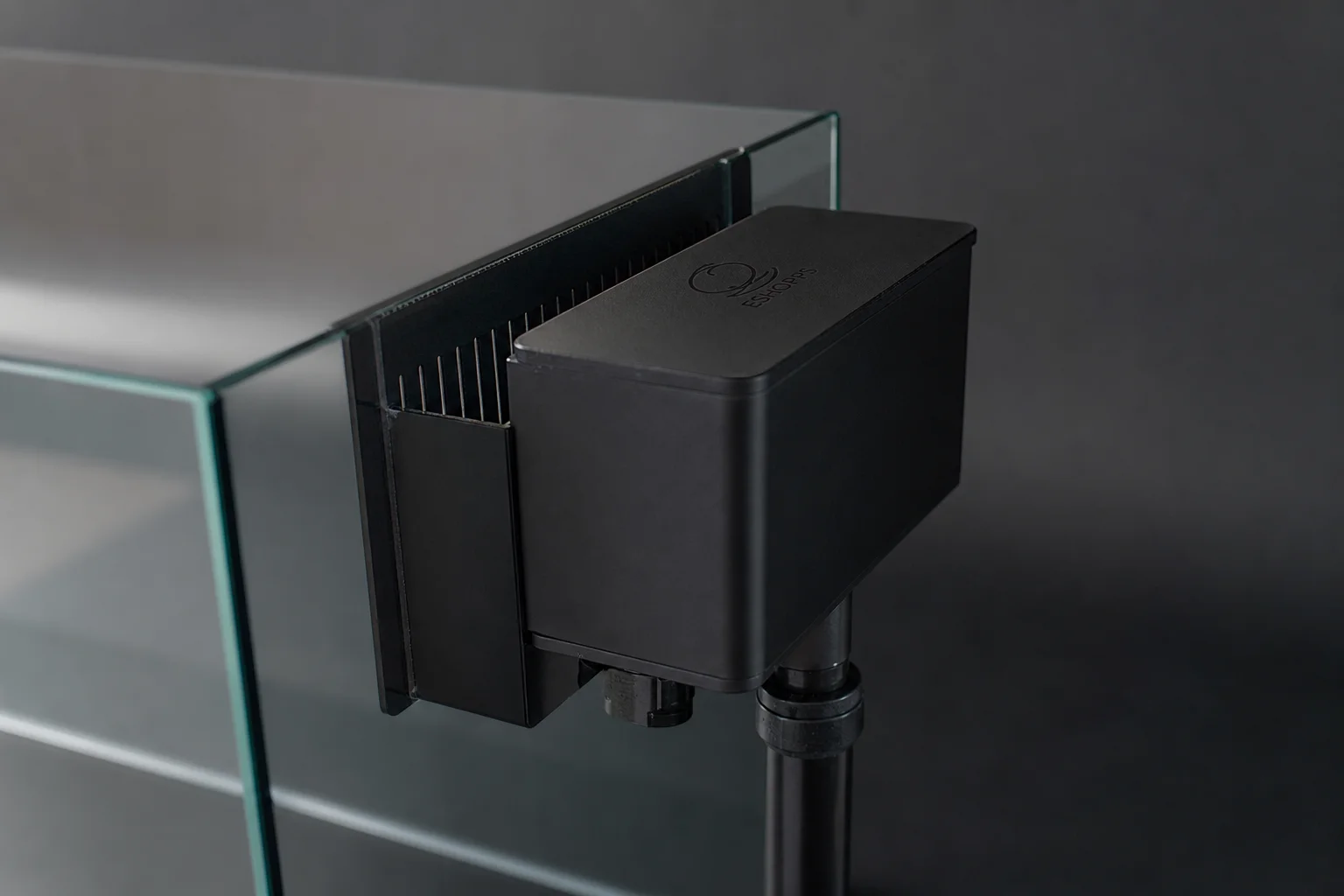
Introduction
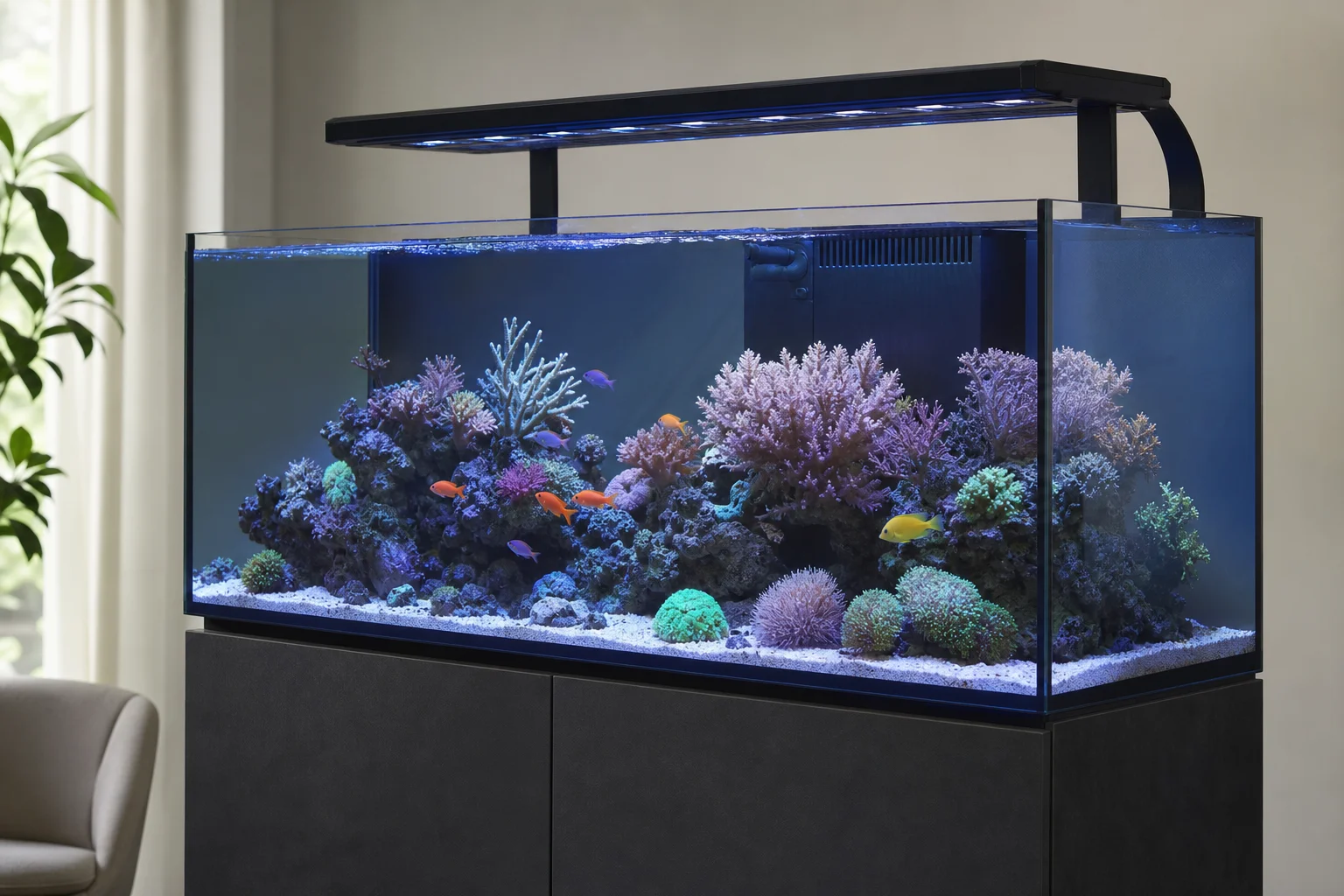
An overflow box is a fundamental component in modern aquarium systems, serving as the bridge between your display tank and the filtration sump below. The Eshopps Eclipse Overflow Box is a popular choice among reef and planted tank enthusiasts because it combines reliable performance with a slim, unobtrusive design. This review covers how the system works, what makes it different from simpler alternatives, sizing options, installation, and practical tuning for quiet operation.
What Is an Overflow Box?
An overflow box allows water from your display tank to pass through the glass and travel down to the sump, where filtration equipment is housed. Once filtered, the water is pumped back up to the display tank, creating a continuous cycle.
A simple bulkhead alone could theoretically do this job, but it comes with serious drawbacks. Fish, snails, and crabs can be drawn into the bulkhead and end up in the filtration system, which is dangerous for them. Bulkhead-only setups are also noisy and provide minimal surface water extraction.
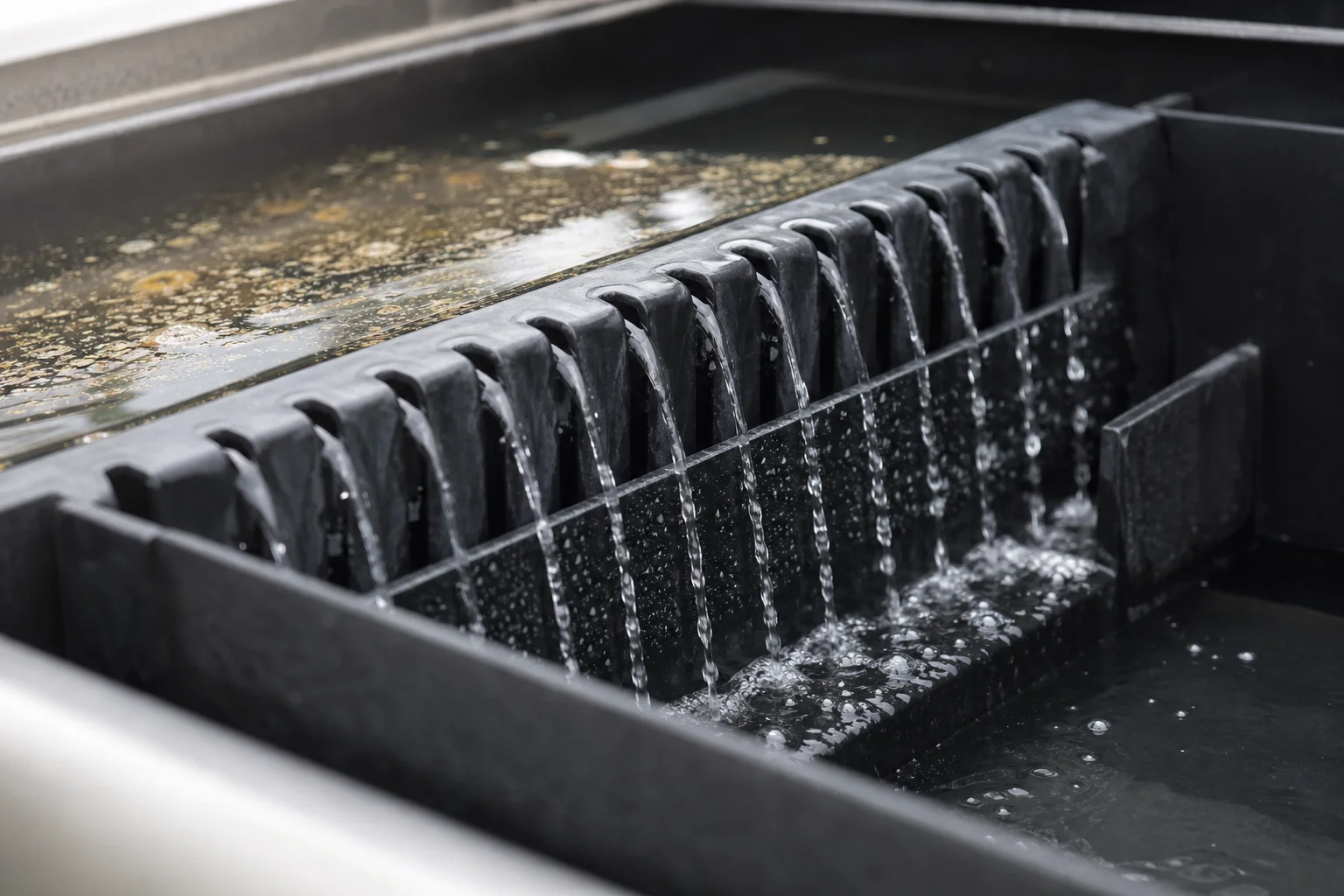
Overflow boxes solve these problems using an internal weir with a series of slots that allow water to enter over a longer surface area. This creates a skimming action that removes oils and dusty debris from the water surface while keeping aquarium inhabitants safely away from the drain. Multiple smaller bulkheads and standpipes keep noise low and add redundancy, so if one drain clogs, another can take over and prevent water from spilling onto the floor. Overflow boxes are also easier to hide, especially against a black aquarium background, making them the standard choice for modern setups.
Sizing and Model Options
The Eshopps Eclipse line offers three models: the S, M, and L, rated for a maximum of 600, 800, and 1,000 gallons per hour of flow respectively.
- S model: 6 inches wide
- M model: 8 inches wide
- L model: 12 inches wide
All three share a 6-inch height and a 1.25-inch depth for the internal weir, plus a 3-inch depth for the external box. Choosing the right size depends on your tank’s dimensions and your system’s flow rate. Larger tanks and higher-flow systems benefit from the wider models, which distribute water intake across a greater surface area.
Installation Process
Installing an overflow box is straightforward, and Eshopps makes it easier by including a drill template and a 60-millimeter diamond holesaw.
First, decide where on the tank you want the overflow box. The back panel is the most common location, often centered, but you can place it closer to a corner or even on a side panel for a peninsula-style aquarium setup.
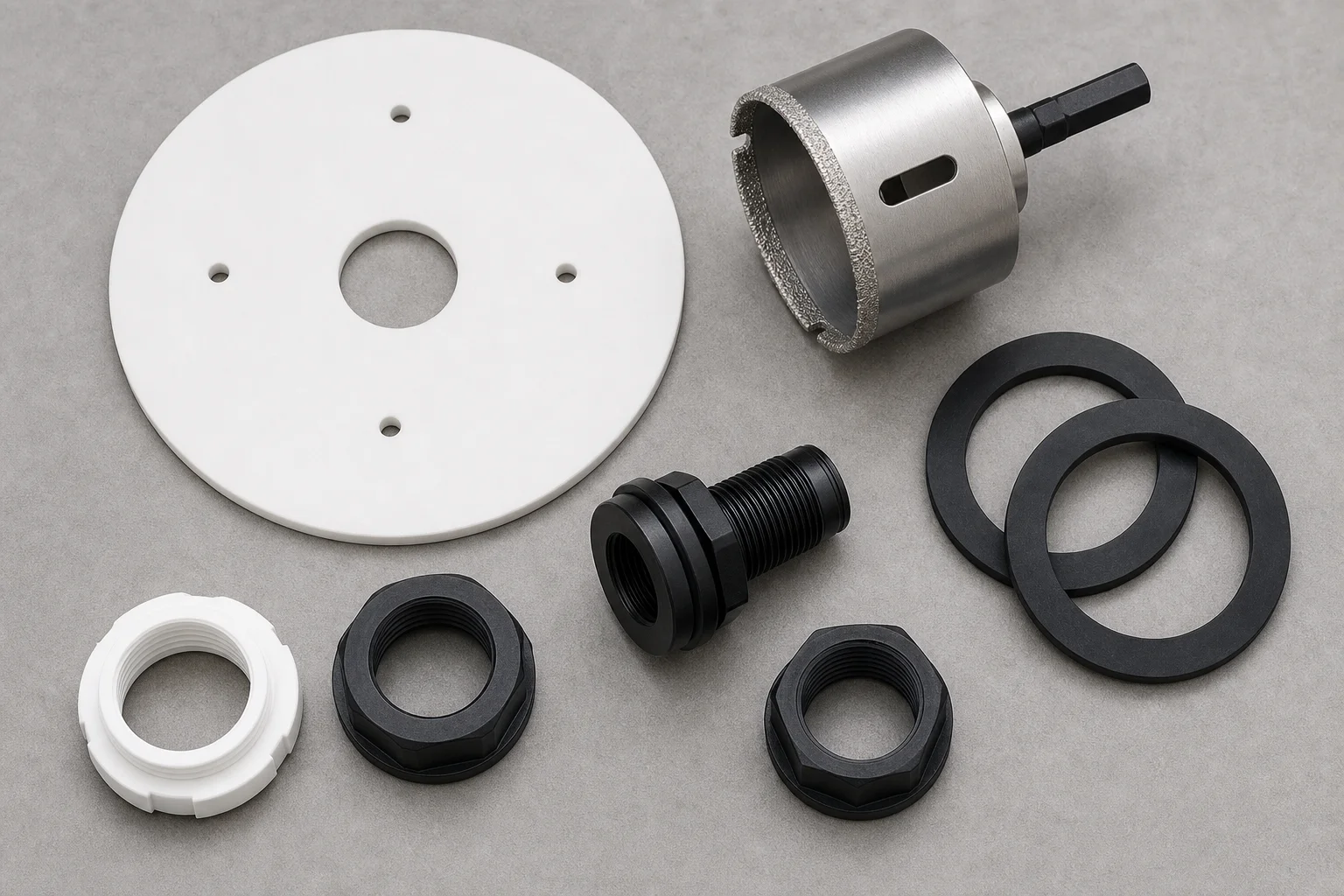
The installation steps are as follows:
- Remove the center bulkhead to separate the two halves of the overflow system and access the drill template.
- Line up the template on your tank with the arrow facing up, and use it as a stencil to mark the hole or clamp it in place as a drill guide.
- Use the included diamond glass holesaw to cut the hole.
- Place one gasket over the bulkhead on the rear side, then slide the bulkhead into the hole from inside the tank outward.
- Place the second gasket over the bulkhead on the outside of the tank.
- Slide the outer box over the gasket and tighten the nut on the inside of the box.
- Use a small level to ensure the box sits perfectly straight as you tighten everything down.
Once installed, the overflow box is ready to be plumbed to your sump and return system.
How the Eclipse Overflow Starts
Unlike siphon-based overflow boxes that require manual priming to draw water up and over the edge of the tank, the Eshopps Eclipse Overflow Box does not need to be started. It will automatically begin draining once the water level reaches the internal weir and starts to fill the overflow box. Water then travels through the drain bulkheads, down through the pipe, and into the sump. Gravity does all the work for you, with no manual intervention required.
Noise Management and Tuning
The Eclipse Overflow Box is naturally quiet when used with the Herbie or bean animal drain method, both of which employ a gate valve to dial back water flow through the drain pipe until a siphon forms. This eliminates air in the pipe and prevents gurgling.
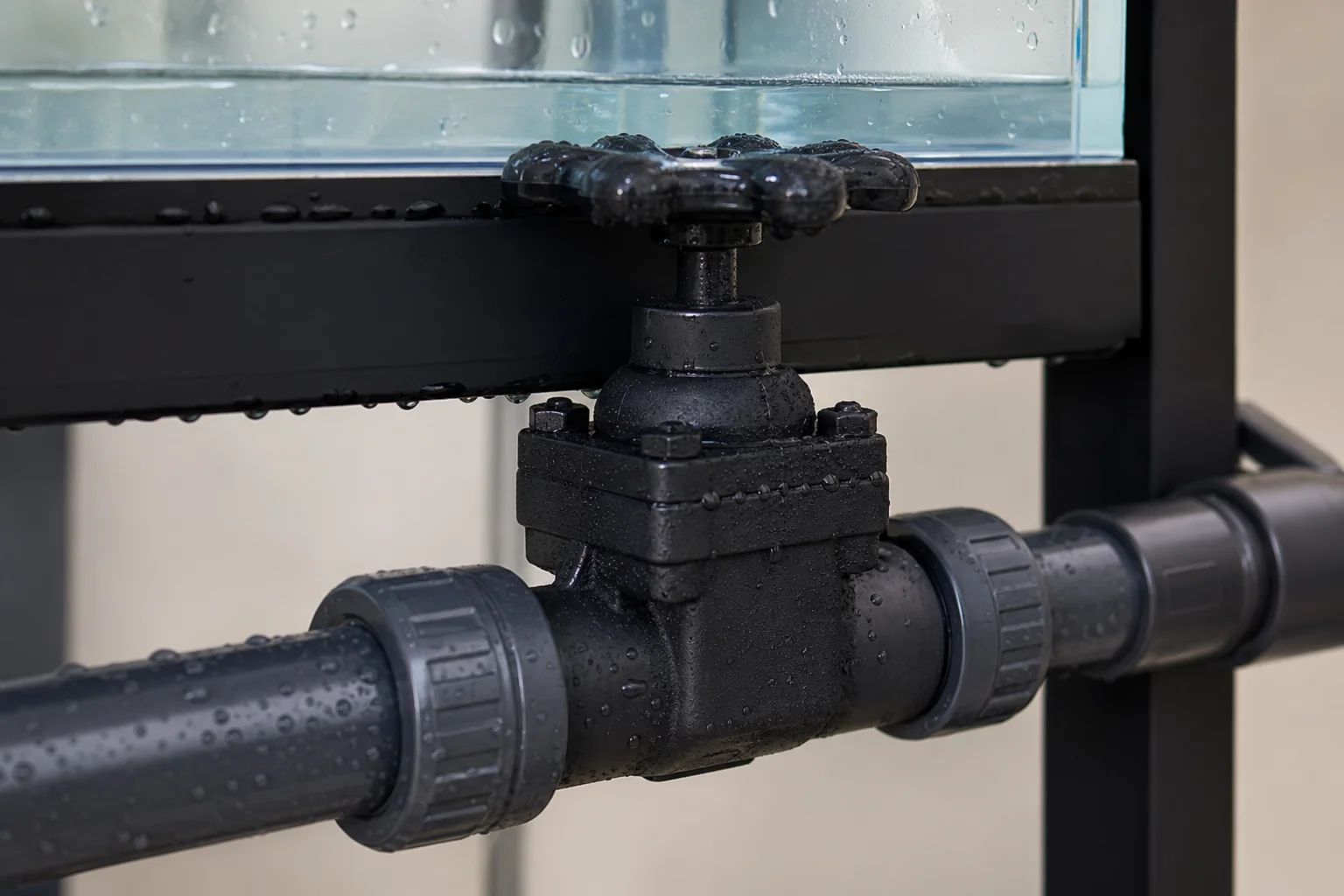
The gate valve can be adjusted until the water level in the overflow box reaches the perfect height, minimizing splashing while staying below the backup drain pipe. If you are not using either of these methods and want to reduce noise from the overflow box, you can add PVC pipe to the drain bulkhead to raise the water level inside the external box, which reduces noise from water flowing through the main bulkhead. Make sure this extension stays lower than the backup drain pipe.
If noise is coming from the internal weir itself, try reducing the speed of your return pump or adding a cut-to-fit coarse foam pad to the weir. Be sure to clean the foam regularly so it does not become clogged with debris and impede water flow.
Conclusion
The Eshopps Eclipse Overflow Box delivers quiet, reliable drainage with a slim profile that blends into most aquarium setups. Its multiple drain bulkheads provide redundancy, the included installation template makes setup straightforward, and the gravity-fed design requires no priming. For aquarists who want an unobtrusive overflow system that performs well and stays quiet with proper tuning, the Eclipse is a solid choice.
Product link
View more details for Eshopps Eclipse Overflow Box
This product is mentioned in the review. Check the specifications, options, and compatibility before buying.
View more details for Eshopps Eclipse Overflow BoxFurther reading
Related Reviews
Aquarium Equipment
Adaptive Reef Neptune Systems Custom Control Board Review: Purpose-Built Organization for Apex Systems
A pre-configured controller board designed specifically for Neptune Systems Apex setups, offering integrated cable management, tablet mounting, and RGB lighting in a ready-to-use package.
Aquarium Equipment
Aqua Ultraviolet Advantage Hang-On UV Sterilizer: 8-Watt vs 15-Watt Guide
Two compact UV sterilizers designed for aquarium owners seeking parasite and algae control without complex plumbing or large footprints.
Aquarium Equipment
Best Aquarium CO2 Systems: Five Options From Budget DIY to Multi-Tank Setups
A practical guide to five aquarium CO2 systems, from homemade fermentation kits to pressurized cylinders with multi-tank regulators. Find the right setup for your tank size and budget.