Camping Fuel
Esbit vs Fire Dragon: 27g Solid Fuel Tablets Compared
A head-to-head look at two 27g solid fuel tablets, covering burn times, boil performance, ignition, smell, residue, and which one suits which kind of trip.
Introduction
Solid fuel tablets are the simplest backup cooking method in a camping kit. No gas canister, no liquid fuel, no priming. Two 27 gram tablets dominate that niche, and although they weigh exactly the same, they behave like completely different products once lit.
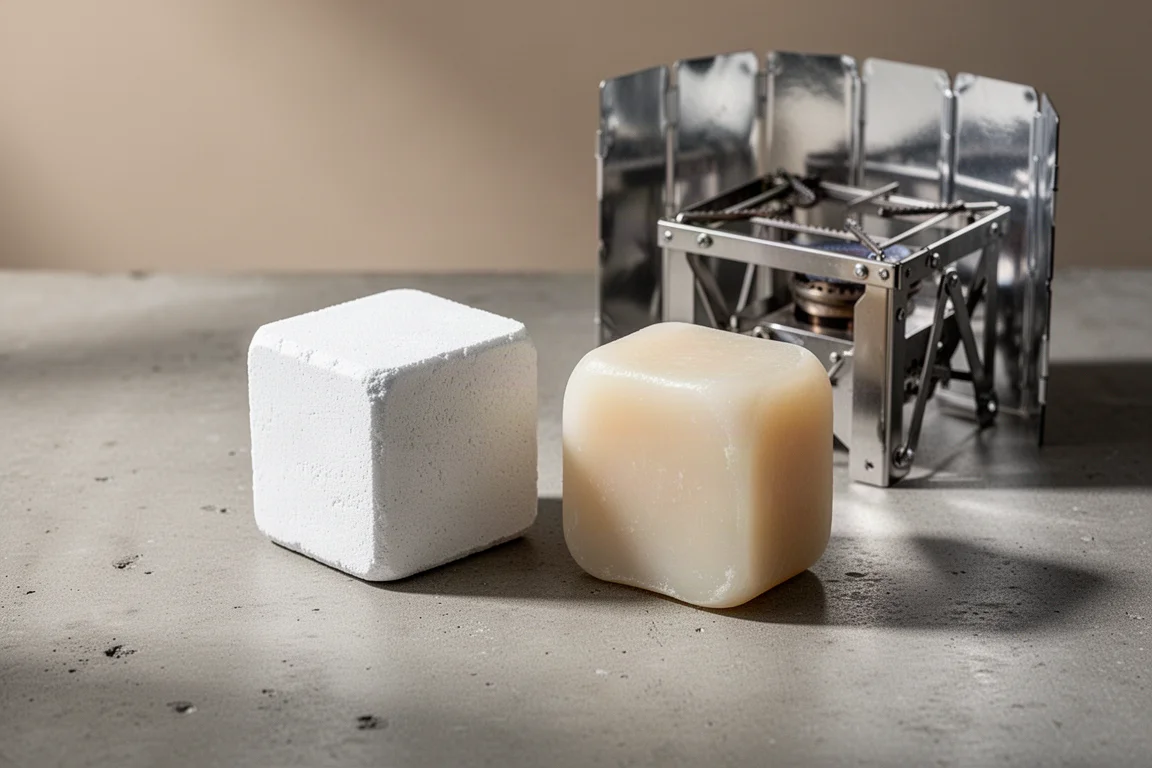
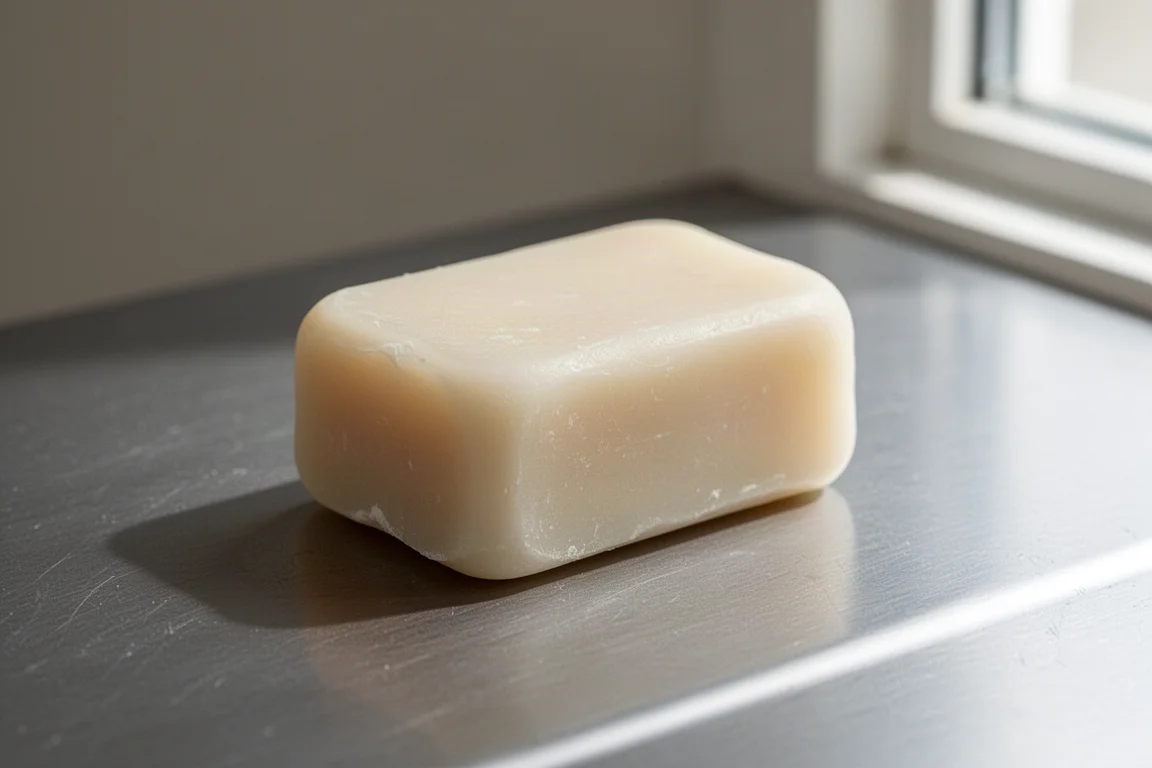
The Esbit 27g tablet is a hard, dry-pressed hexamine cube. The Fire Dragon 27g tablet is an alcohol-based fuel that is soft, slightly slick, and begins to melt the moment the wrapper comes off. One of them burns in a controlled column and keeps going for a very long time. The other ignites almost instantly, burns hot and chaotic, and is gone within minutes.
This comparison covers measured burn times, boil performance with 16 ounces of water, ignition, smell, residue, and the practical question of which tablet belongs in your pack.
How These Tablets Were Compared
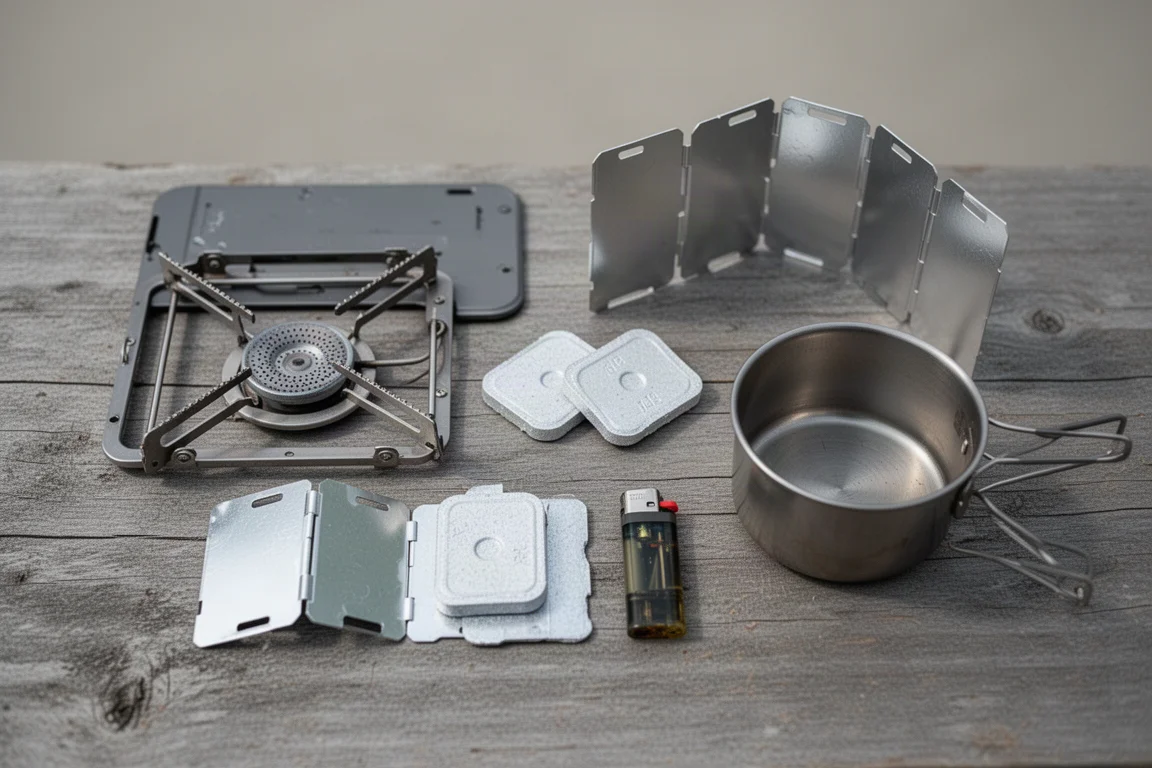
Each fuel was burned in a folding tablet stove with an unusually large burner plate, wide enough to seat a full 27 gram tablet. Most tablet stoves have a burn chamber that is too small to hold a 27 gram cube properly, so the stove itself matters almost as much as the fuel.
Every run used 16 ounces of water in the same pot, timed with a stopwatch. Wind picked up during the session, so two windscreens were set up to shield the burner. No lid was used, because the point was to watch how the water behaved, although a lid would trap more heat and shorten any boil time.
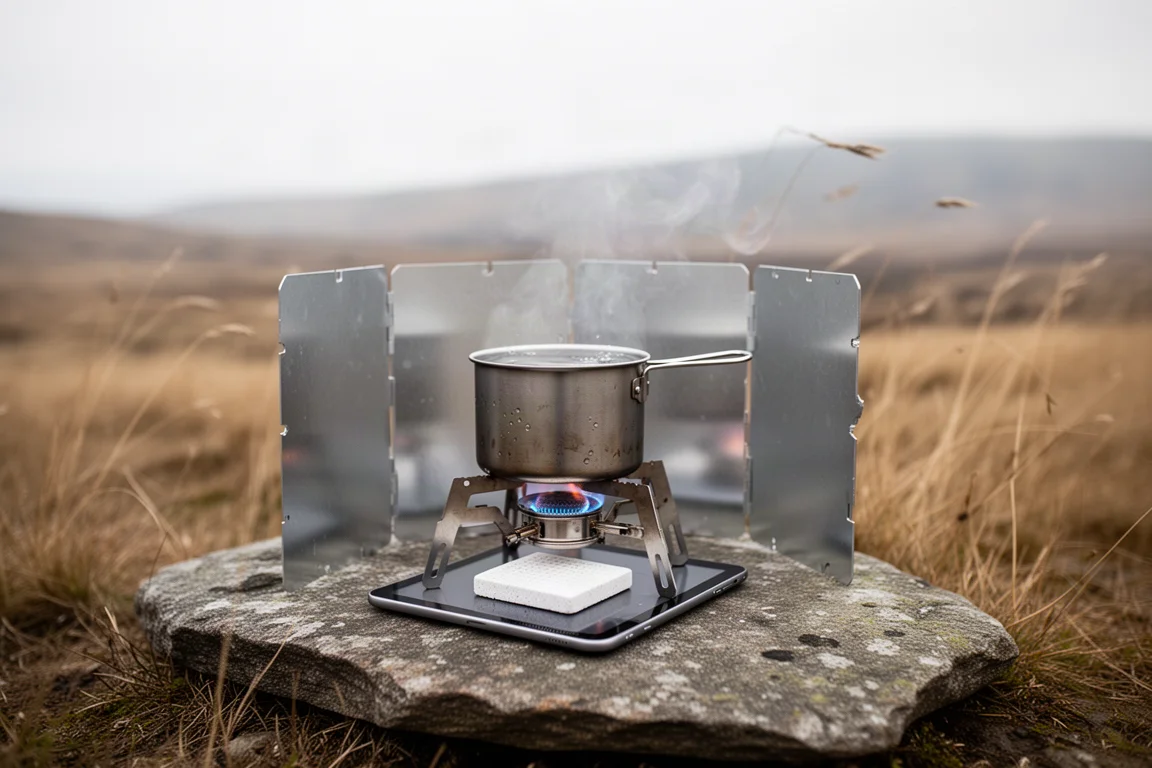
The Fire Dragon tablet was tested twice, once loose in the large burner plate and once in a stove with a tighter chamber designed to keep melting fuel contained. The Esbit cube was tested the same way, including a run with two tablets lit together.
Esbit 27g Solid Fuel Tablets: The Long-Burn Option
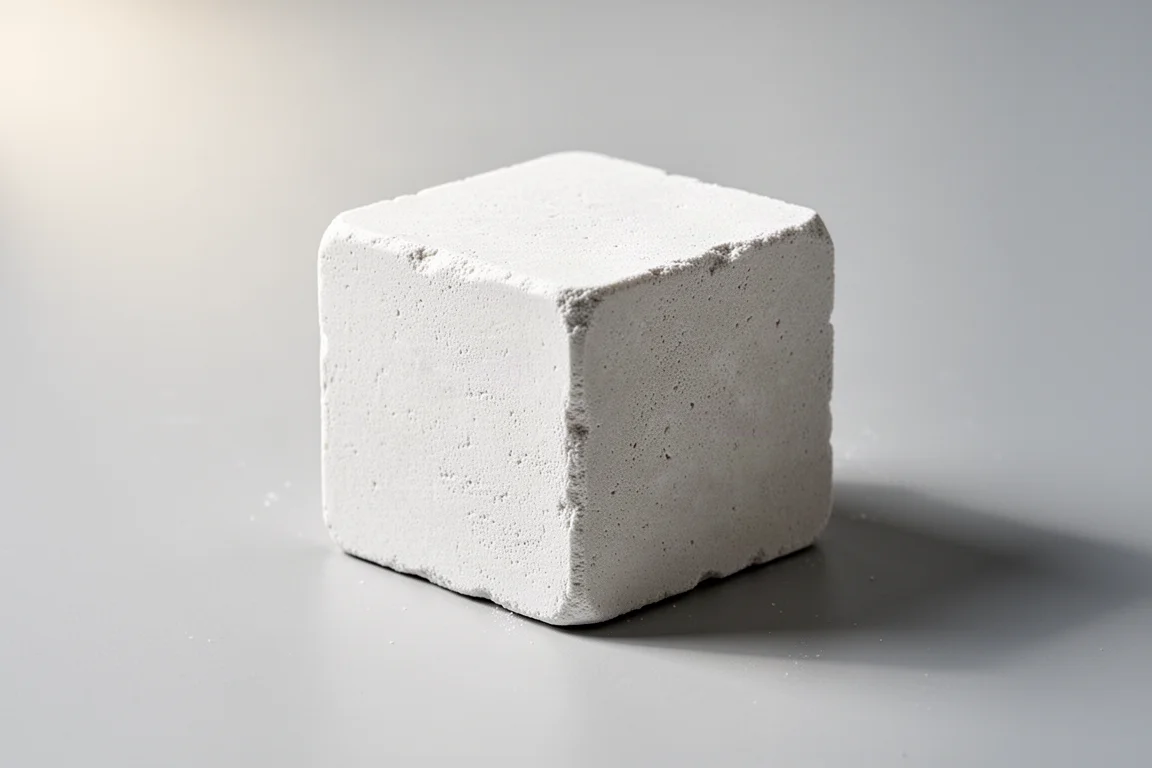
The Esbit cube is dense and hard, and it does not deform in storage. Lighting it takes patience. The flame has to be held against the tablet until the surface catches, and it can take close to a minute before the whole cube is burning. Once it is going, the flame is remarkably controlled and rises straight into the base of the pot.
That control translates into endurance. A single 27 gram cube burned for 23 minutes 4 seconds in one run. In a later run the water finally reached a rolling boil at 22 minutes 45 seconds, and the fuel was still burning past the 30 minute mark. A half tablet placed in a tighter chamber burned for 36 minutes 25 seconds. Only the hexamine tablet managed to boil the full 16 ounces of water in these tests.
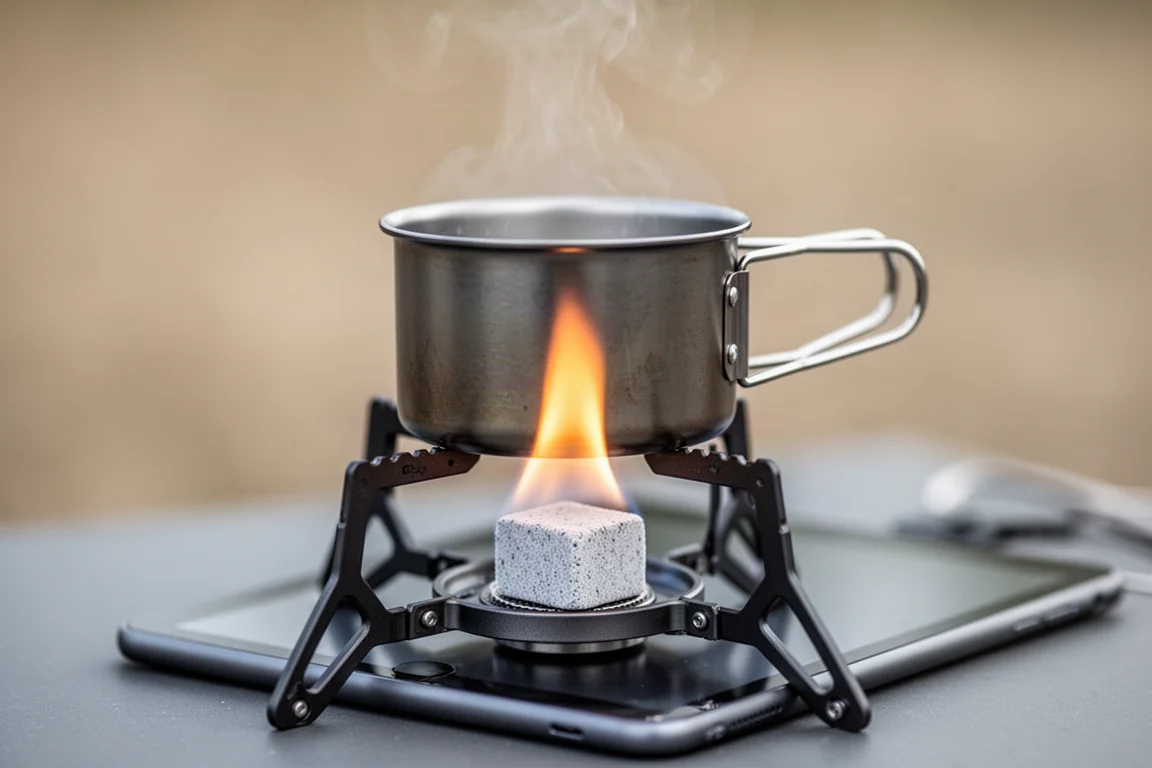
Burn time does vary with setup. The stated figure from the manufacturer is around 12 minutes, and the results here ran far beyond that, which suggests the burn is heavily influenced by airflow, stove design, and how the tablet is seated.
There are two real drawbacks. First, hexamine fuel produces fumes that should not be breathed in, so it has to be used in a well-ventilated area rather than inside a tent. Second, the smell is strong and distinctive, often compared to shrimp, and it is noticeable even through sealed packaging.
Fire Dragon 27g Solid Fuel Tablets: The Clean-Burning Option
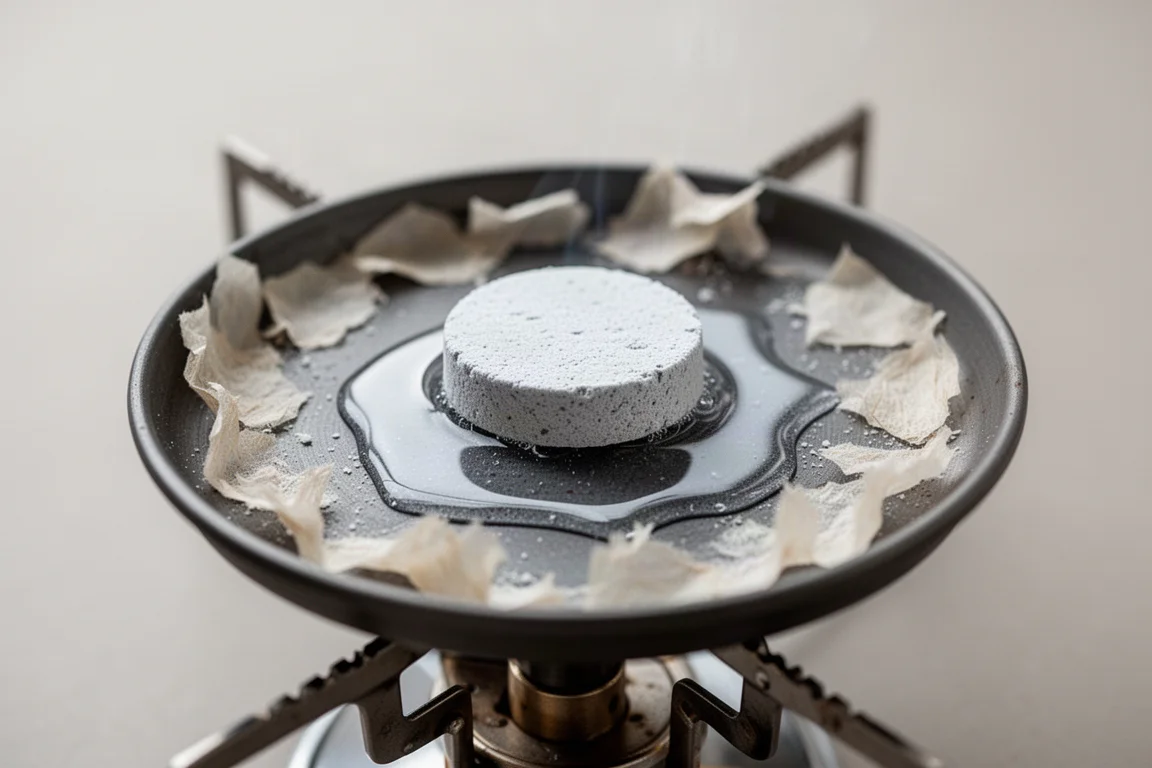
Fire Dragon tablets are soft, slick, and start melting as soon as they are unwrapped. That has a practical consequence. Once the wrapper is off, the tablet needs to be used, and it needs a stove underneath it, because melting fuel will spread across whatever surface it is sitting on.
Ignition is where this fuel shines. It lights quickly and easily, including with a ferro rod, which makes it a good match for minimal fire-starting kits. The flame, however, is chaotic. Flames shot seven or eight inches above the burner and out to the sides, and a lot of heat escaped around the pot rather than into it.
In the open burner plate, the tablet burned for 3 minutes 57 seconds and never came close to boiling the water. In a tighter stove chamber that contained the melting fuel, burn time stretched to 11 minutes 41 seconds and the water steamed and bubbled, but it still did not reach a boil. The stated burn time is seven to eight minutes, so containment helped, yet the fuel simply does not last. Cleanup is another consideration, because the tablet leaves behind a papery, cracker-textured residue that spreads across the stove.
The clear advantage is safety in enclosed spaces. This fuel is non-toxic, so it can be used inside a tent to heat water or warm food, which is not an option with hexamine.
Ignition, Smell, and Residue Differences
Fire Dragon wins on ignition by a wide margin. Esbit requires a sustained flame against the cube, and shaving the tablet so a ferro rod spark can catch it takes real effort.
Smell is a personal call. Esbit has a pungent, shrimp-like odour that many people dislike and that lingers even inside packaging. Fire Dragon smells of alcohol, which most users find easier to tolerate.
Form matters too. The Esbit cube holds its shape, so it can be used on the ground, in a rock stove, or in any improvised setup. The Fire Dragon tablet melts and spreads, which effectively ties it to a proper stove. Residue follows the same pattern. The hexamine cube leaves the stove dirty, while the melted tablet leaves a papery film that is messier to clean up.
Buying Advice: Which Tablet Fits Your Kit
Both fuels sit in a similar price range, and neither is cheap per tablet. Eight Esbit 27 gram tablets cost $12.99 in the United States, while six Fire Dragon tablets cost $8.55. You are paying for a specific behaviour rather than for bulk.
Choose Esbit if burn time and versatility matter most. It is the only tablet here that boiled 16 ounces of water, it works with or without a stove, and a single cube can outlast an entire session. It suits survival kits and campers who want a long, controllable burn and are happy to use it outdoors with good ventilation.
Choose Fire Dragon if you need to cook or heat water inside a tent, or if fast, easy ignition is the priority. It is non-toxic, it lights in seconds, and it is the friendlier option for enclosed shelters. Accept that it burns quickly, needs a stove, and will not match the hexamine cube for endurance.
Two small setup tips make a measurable difference with either fuel. Keep the stove off cold ground, because heat sinks into the soil instead of reaching the pot, and use a lid to trap steam. With a lid, both fuels would likely reach a boil sooner.
Conclusion
These two 27 gram tablets are not interchangeable. The Esbit cube delivers a controlled flame, an extremely long burn, and enough heat to boil water without a dedicated stove, at the cost of fumes, a strong smell, and slower ignition. The Fire Dragon tablet is easy to light, safe to use in a tent, and far quicker to burn out, which makes it a convenience fuel rather than an endurance one. Match the tablet to how and where you plan to cook, and either one will do its job.
Further reading
Related Reviews

Backpacking Gear
Building a 10 lb Base Weight: An Ultralight Backpacking Gear List
A practical walkthrough of the ultralight pieces behind a 10 lb base weight, from a 765 g pack and a roomy one-person tent to a full camp chair and a dependable water filter.

Road Bikes
10 New Road Bikes Worth Watching: Aero, Titanium, Steel and Endurance Standouts
A practical roundup of 10 new road bikes, from aero flagships chasing single-watt gains to titanium, steel and endurance platforms built for real roads.
Bikepacking Gear
11 Bikepacking Essentials for Long-Distance Cycling
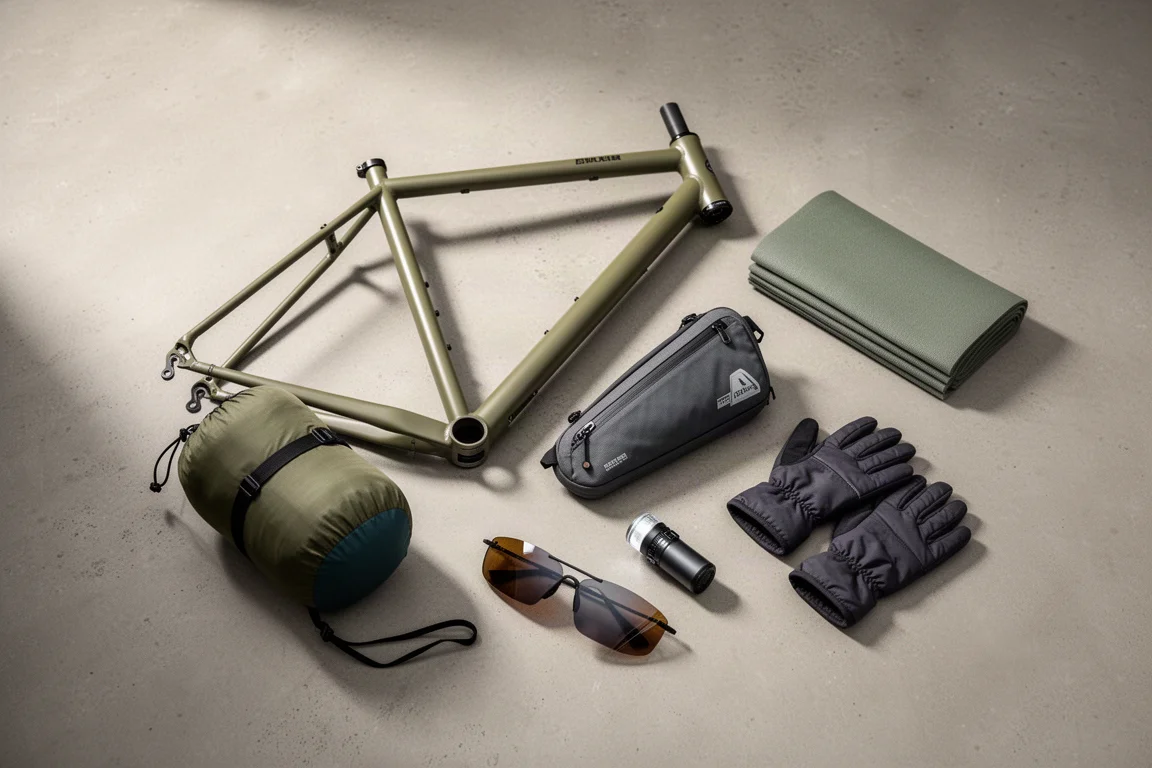
Eleven bikepacking essentials for long-distance cycling, from a steel gravel frame and a two-person tent to helmet lights, packable gloves, and a frame bag that puts weight in the right place.