Home Theater Projectors
Epson Q Series Home Theater Projectors: QB-1000, QL3000, and QL7000 Compared
A practical look at three compact Epson laser projectors built for home theater, from the value-focused QB-1000 to the 10,000 lumen QL7000.
Introduction
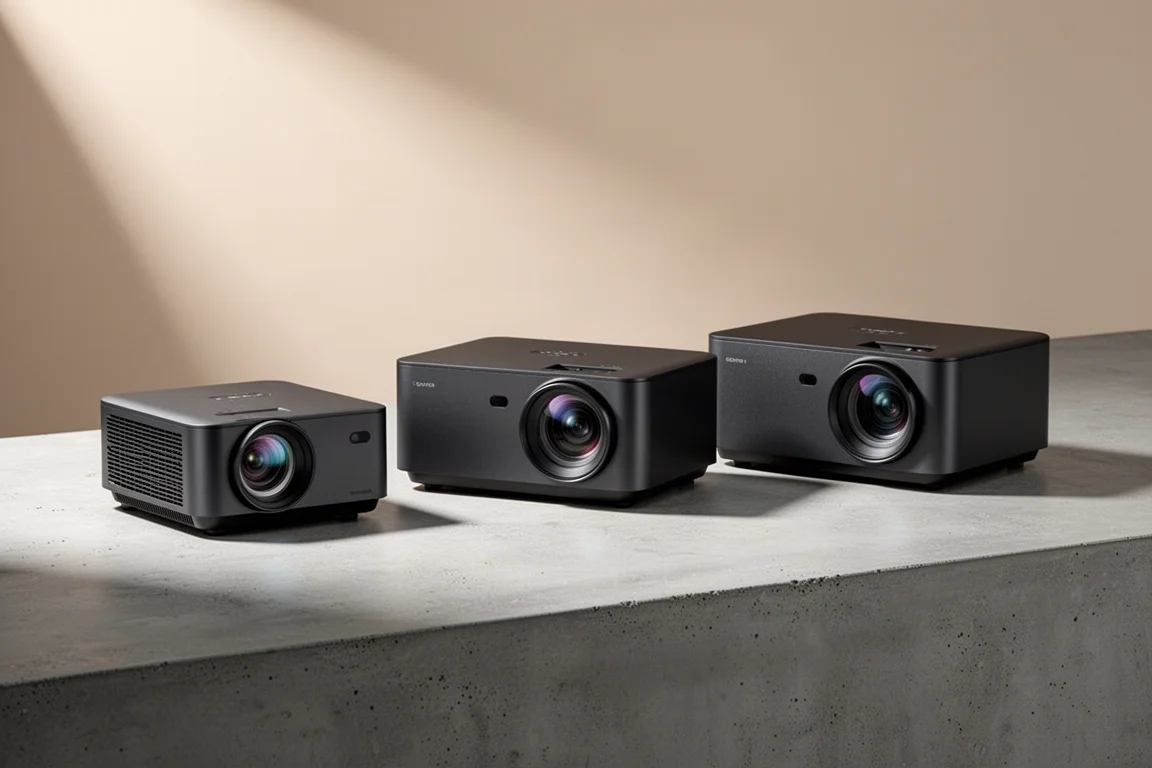
Epson has spent years building high-output laser projectors, and the new Q series brings that brightness into the home theater space. The QB-1000, QL3000, and QL7000 share a common core: a compact laser light engine, 4K imaging through dual-axis pixel shift, and the 32-bit QZX video processor with dynamic tone mapping. All three are built at Epson’s factory in Japan and covered by a three-year parts and labor warranty.
That combination makes them relevant for two very different buyers: someone building a dedicated dark-room theater, and someone who wants a wall-filling image in a multi-purpose room that still has some ambient light.
Shared Technology Across the Epson Q Series
The foundation of this lineup goes back to the LS12000, which introduced a dual-axis pixel shift plate. Epson’s three LCD chips are not native 4K, but the dual-axis system can display a full 4K test pattern with remarkable clarity, and from a normal viewing distance the difference is nearly impossible to spot.
The laser light source was also redesigned to be more compact and more efficient, paired with a vapor chamber heat sink for better cooling. The result is a projector that stays small and quiet while delivering a lot of light for its size.
The 32-bit QZX video processor improves noise reduction, gradient smoothness, and color banding in darker scenes. Its standout feature is dynamic tone mapping. HDR content is typically mastered between 1,000 and 10,000 nits, far brighter than most projectors can output, and dynamic tone mapping analyzes content in real time and adjusts scene by scene for better contrast, brightness, and overall visual impact. These are the first Epson projectors to include it. The same processor enables dynamic gamma contrast for SDR content, and combined with the laser light engine it produces a dynamic contrast rating of 5,000,000 to 1, double that of the LS12000.
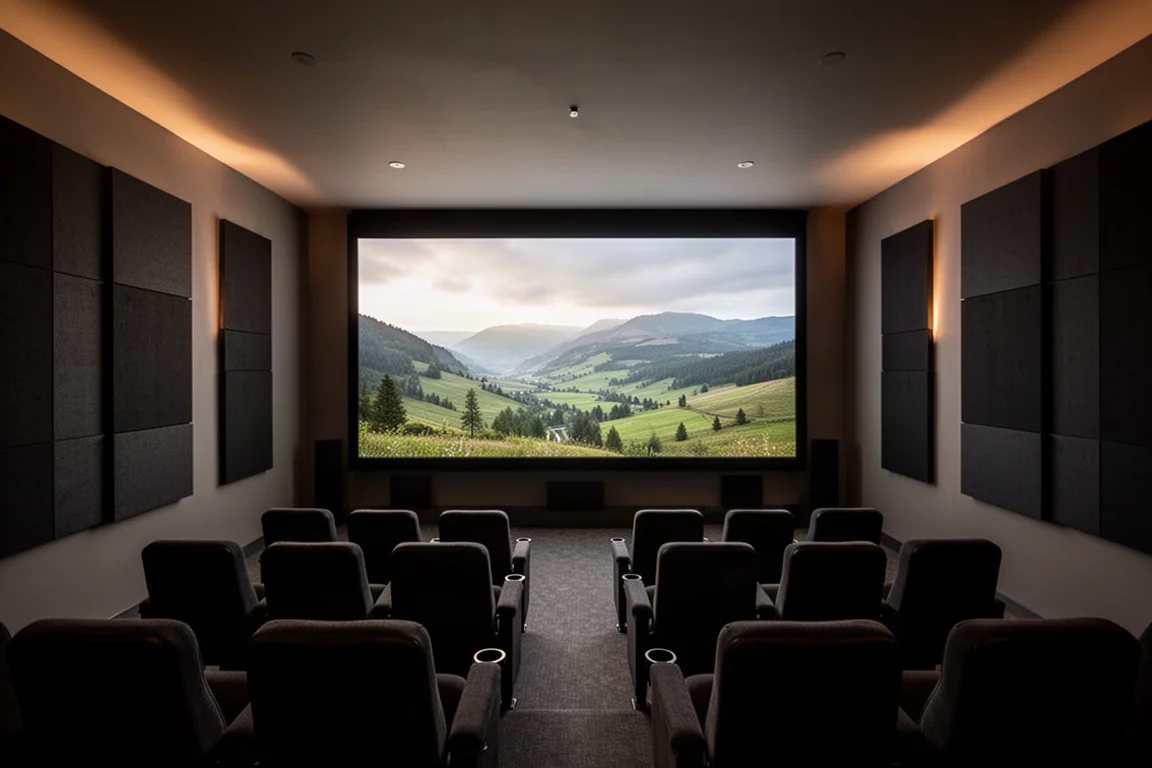
Each model also includes 10 lens memories, which makes switching between standard and widescreen content straightforward, and all three share the same three-year parts and labor warranty.
Epson QB-1000 Home Theater Projector
The QB-1000 is the entry point, and it delivers more image quality than its position in the range might suggest. It produces a bright, sharp, and well balanced picture even in a room with some ambient light. Sports, animated content, and darker movie scenes all hold up, with a vibrant, cinematic look that avoids the overprocessed feel that can affect projectors tuned for bright rooms.
Epson QL3000 Home Theater Projector
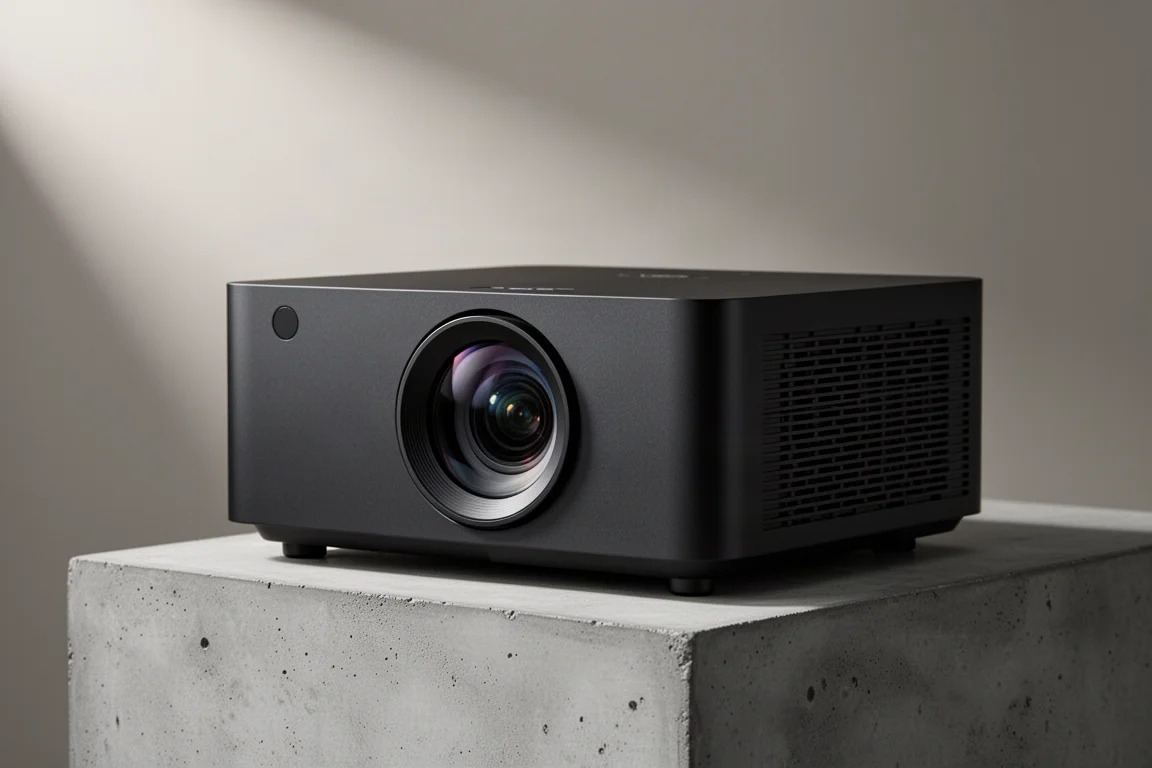
The QL3000 steps up the line while keeping the same core technology. Its most practical advantage is lens flexibility. Epson offers 10 different lenses for the QL3000 and QL7000, with throw ratios ranging from 0.34 up to 7.16 times the screen width, which makes it possible to find a workable projector position in almost any room.
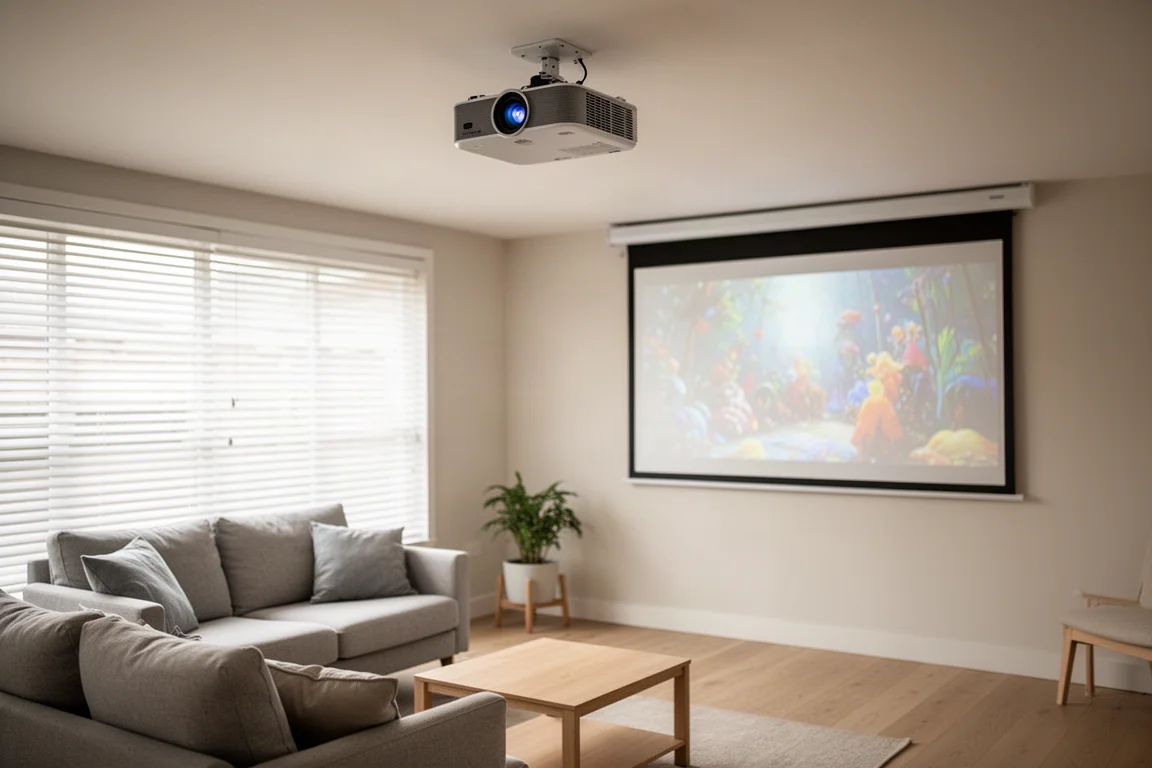
For a space that needs a specific placement, or a screen that sits outside the usual proportions, the QL3000 is the model that gives you room to work with. Combined with 10 lens memories, it also handles aspect ratio changes without manual adjustment.
Epson QL7000 Home Theater Projector
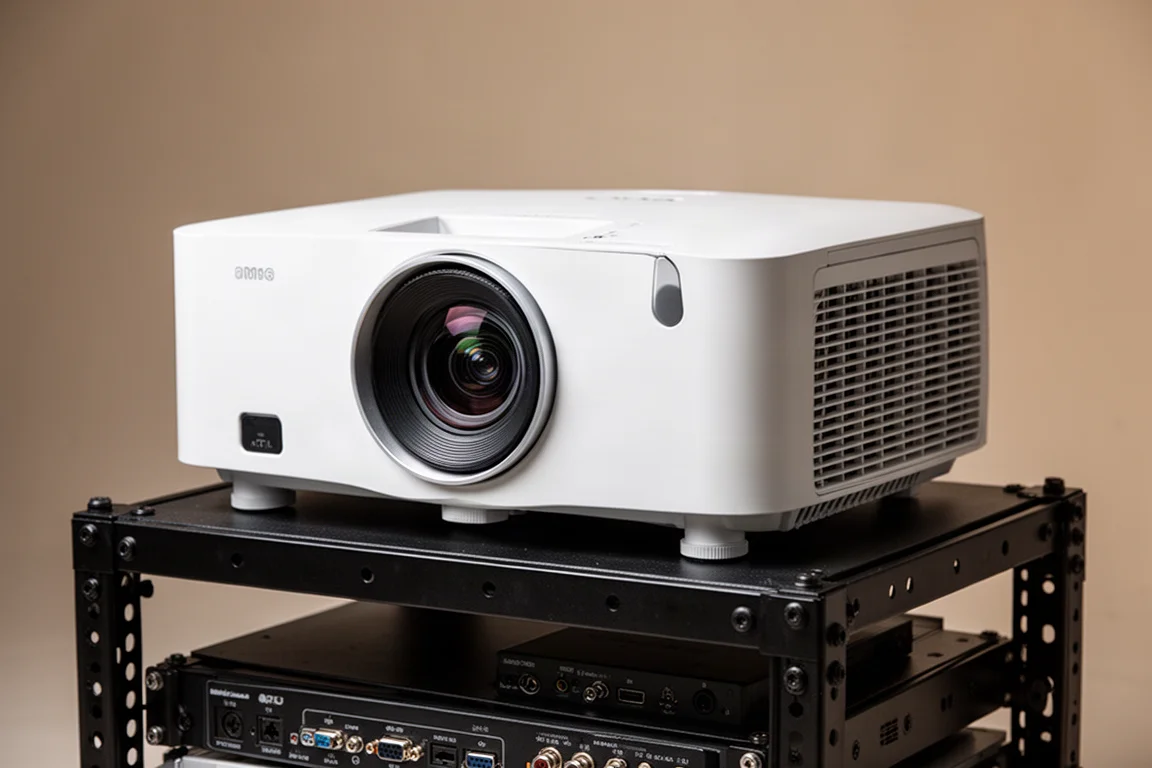
The QL7000 is the headline model, with a 10,000 lumen rating that produces one of the brightest images available in this price range. It holds up in difficult conditions: with the lights on and the blinds open, it still delivers bold colors, deep contrast, and crisp detail without washing out. Fast-paced sports and visually intense action films both look sharp, with smooth motion and realistic lighting, and darker scenes retain plenty of detail and depth even when the room is not fully darkened.
That output is what makes very large screens realistic. A 200-inch screen, or something even bigger, is within reach, and the QL7000 has the brightness headroom to fill it properly.
Lens Flexibility and Projector Placement
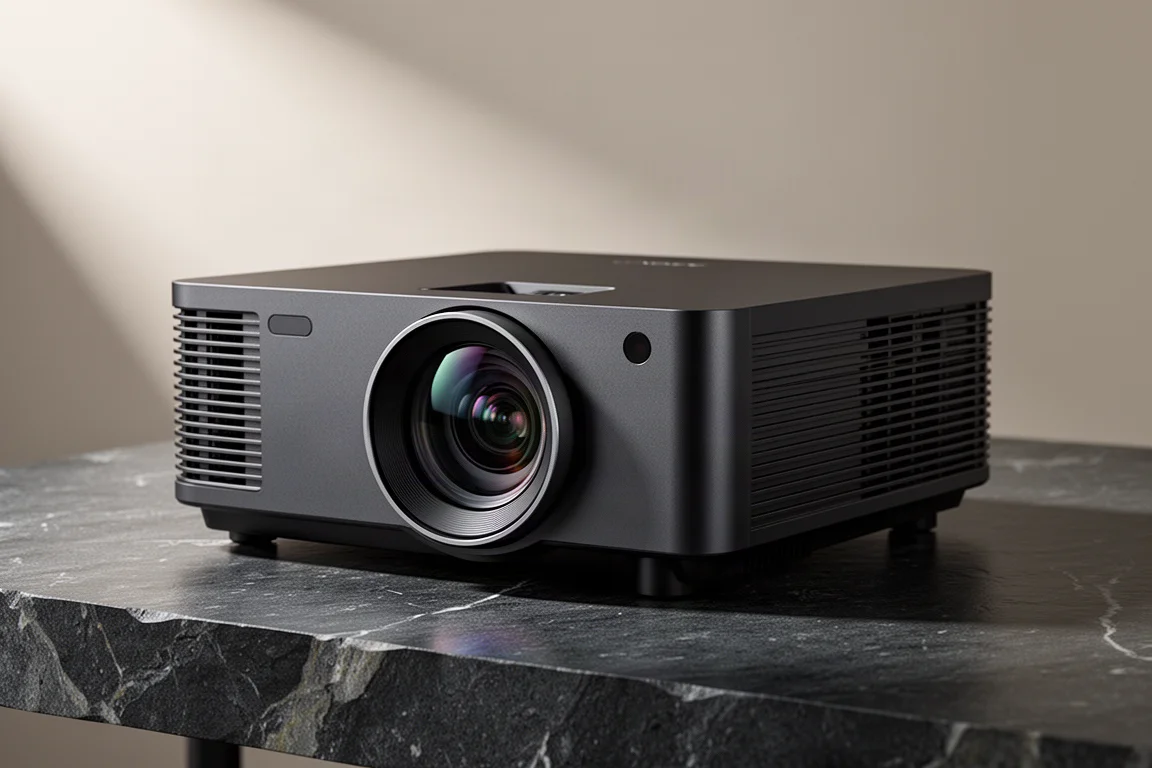
Lens choice has a direct effect on brightness. Projectors are typically brightest at the short end of their throw range, and light output can drop by as much as 48 percent at the long end because the lens aperture narrows. Choosing the right lens and placing the projector near the wide end of its range is one of the simplest ways to maximize brightness without giving up image quality.
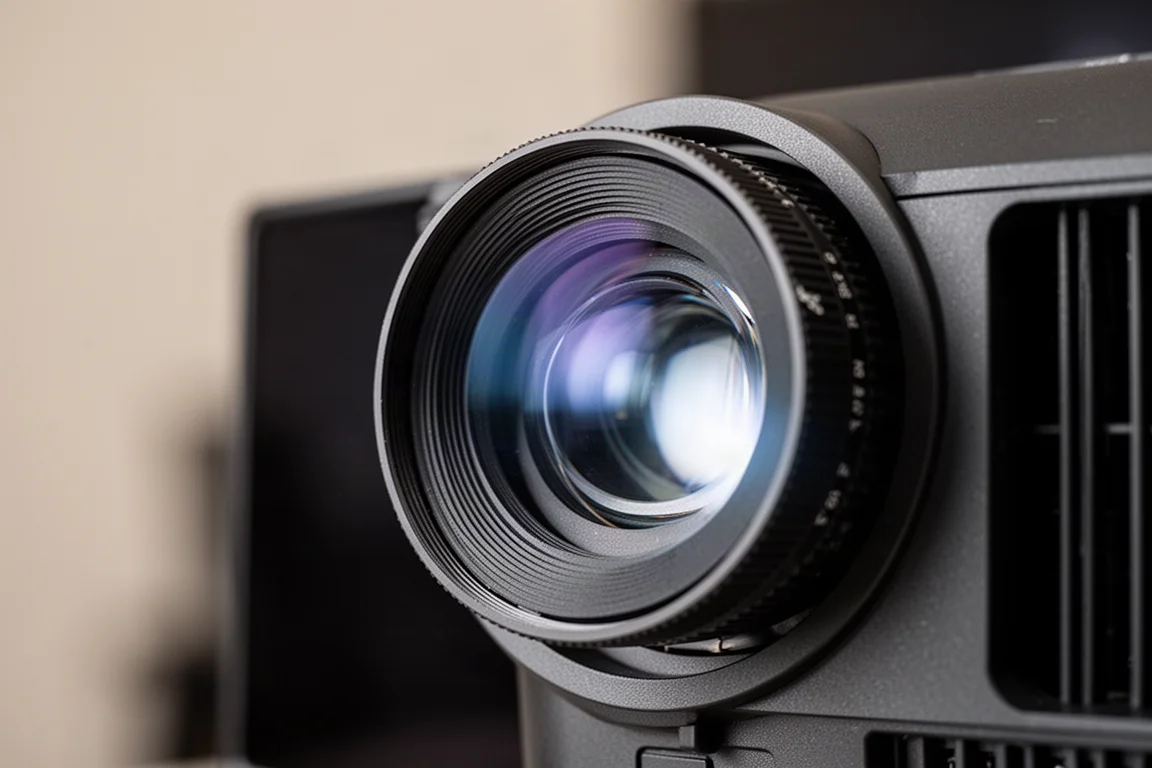
The lens range for the QL3000 and QL7000, from 0.34 to 7.16 times the screen width, means this is usually a matter of planning rather than compromise. Once the projector is positioned, the 10 lens memories let you move between standard and 2.4 to 1 widescreen presentations without touching the lens itself.
Getting the Most From HDR
Dynamic tone mapping already does a lot of the work for HDR playback on these projectors. Because the Q series is priced competitively for the brightness it delivers, some buyers will find room in the budget for an external video processor to push HDR handling further. That route is optional, and the built-in processing is capable on its own, but it is worth knowing the headroom exists if you want the most from a very large screen.
Buying Advice for Your Room
Match the projector to the room rather than to the spec sheet. The QB-1000 suits a first serious home theater or a multi-purpose room where some ambient light is unavoidable and the budget matters. The QL3000 makes sense when placement is difficult, since its lens options cover a very wide range of throw distances. The QL7000 is the choice for very large screens and rooms that stay bright, where its 10,000 lumen output is the difference between a usable image and a washed-out one.
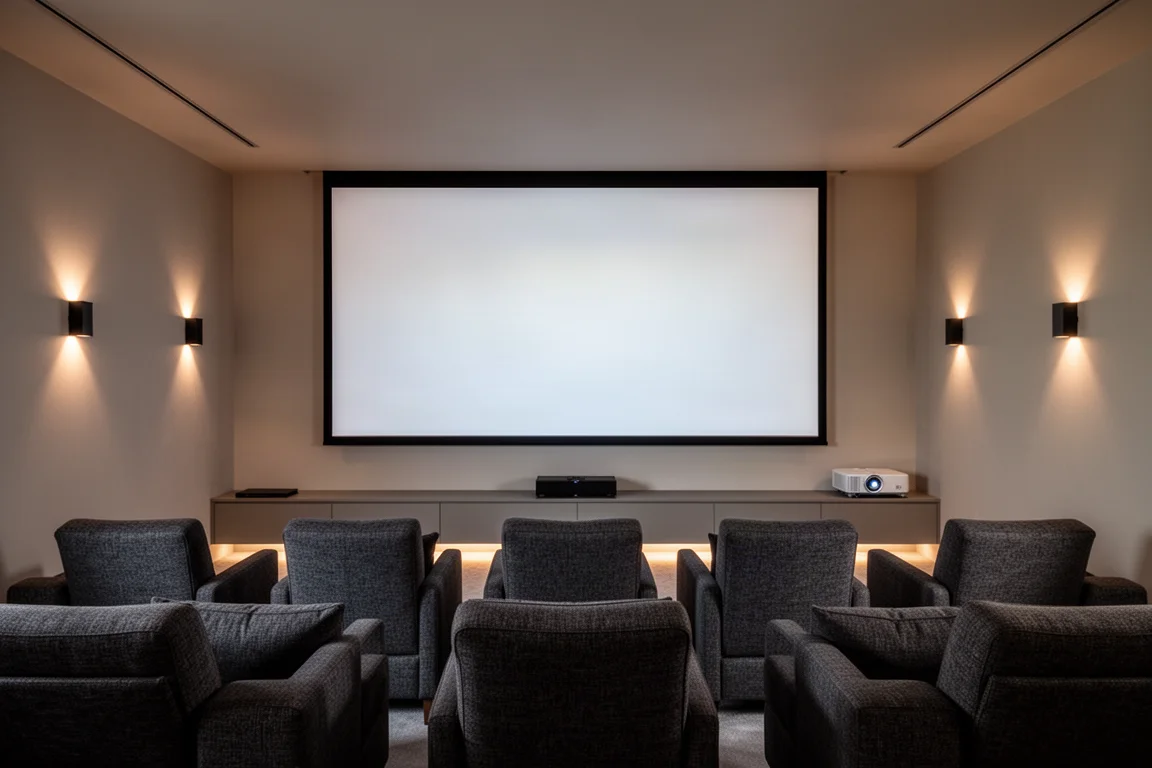
A drop-down screen is a practical partner for any of the three in a multi-purpose room, since it lets the space serve other purposes when the projector is off. Screen size, ambient light, and throw distance should drive the decision, and because all three share the same core platform, you are not giving up core image quality by choosing a lower model in the range.
Conclusion
The Epson Q series brings high-output laser projection into the home theater mainstream. All three models share the same 4K pixel shift system, the QZX processor with dynamic tone mapping, a 5,000,000 to 1 dynamic contrast rating, 10 lens memories, and a three-year parts and labor warranty. The QB-1000 covers the value end of the lineup, the QL3000 adds placement flexibility, and the QL7000 delivers the brightness that large screens and bright rooms demand.
Further reading
Related Reviews
Home Theater Projectors
Barco Heimdoll Family Guide: Choosing a Native 4K RGB Laser Projector
A practical guide to the Barco Heimdoll, Heimdoll Cinemascope, Heimdoll Plus, and Heimdoll Plus Cinemascope for large-format home theaters.
Home Theater Projectors
Best Home Theater Projectors 2026: Five Models Ranked by Performance and Value
A comprehensive ranking of five home theater projectors, from budget-friendly to premium options, evaluated on brightness, resolution, color accuracy, and gaming performance.
Home Theater Projectors
Epson EpiqVision LS800 Review: A Super Ultra Short Throw 4K Laser Projector for Bright Living Rooms
A practical look at the Epson EpiqVision LS800 and the SilverFlex Ultra ALR screen, covering brightness, throw distance, gaming performance, and the setup trade-offs worth knowing.