Home Theater Projectors
Epson Pro Cinema LS9000 Review: 4K Laser Value Just Under $4,000
A compact 4K laser home theater projector with a fully motorized lens, ten memory presets, and 2200 lumens of brightness for just under $4,000.
Introduction
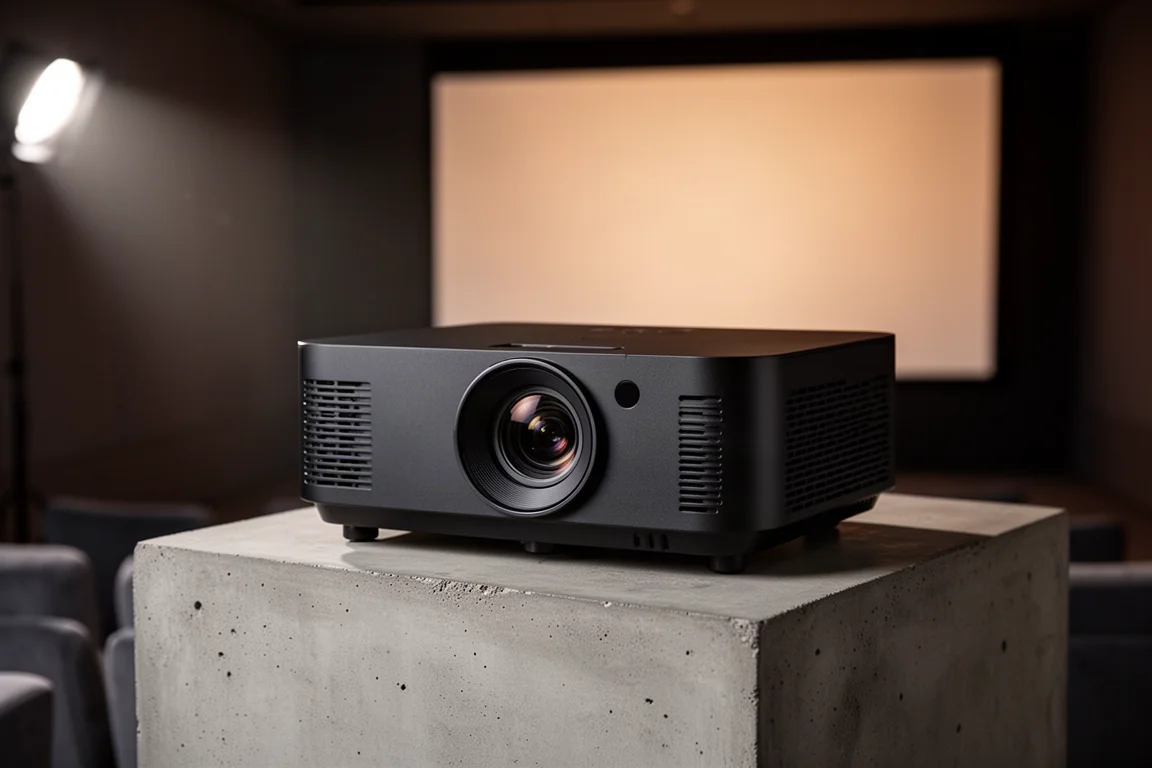
The Epson Pro Cinema LS9000 is a new 4K laser home theater projector that takes the core of the well-regarded LS12000 formula and moves it to a lower price point. Epson positions it as one of the most compelling options available for just under $4,000, and the specification list explains why: a motorized lens with memory presets, a three-chip 3LCD imaging system, and 2200 lumens of color and brightness in a compact chassis.
That combination is uncommon at this price. A fully motorized lens in particular is something many projectors in this range leave out, and it changes how the projector is set up, aligned, and lived with over years of movie nights. The LS9000 keeps the same compact footprint as the LS12000 at roughly 20 inches wide, 18 inches deep, and 8 inches high, weighs only 28 pounds, arrives in a matte black finish that feels solidly built, and is covered by a three-year warranty.
This review covers what the LS9000 does well, where it makes deliberate compromises compared with the LS12000, and who should consider it.
Who the Epson Pro Cinema LS9000 Is For
The LS9000 is aimed at dedicated home theaters and media rooms where brightness, reliability, and installation flexibility matter more than chasing the deepest possible black level. It suits viewers who want bold, vivid images in rooms with some ambient light, and who value a projector that can sit close to the screen for maximum light output without fan noise becoming a distraction.
It also suits people who change aspect ratios often. Ten motorized lens memory presets store combinations of zoom, focus, and lens shift, so a standard 16:9 setup and a widescreen 2.4 configuration can be recalled with a single button press instead of a manual adjustment session. If recreating a cinematic ultrawide experience at home is the goal, lens memory is one of the features worth prioritizing.
Gamers are covered as well. HDMI 2.1 inputs support 4K at 120 Hz with very low input lag, which makes the LS9000 responsive enough for casual gaming and for many first-person shooters when paired with current consoles or PCs.
Laser Light Engine and 3LCD Imaging
The light engine is a fixed phosphor laser design with no moving parts in the light path. That translates to quieter operation, lower heat output, and improved long-term reliability. Epson rates it for 20,000 hours of maintenance-free performance, and it outputs a solid 2200 lumens of color and brightness.
Inside, laser light is converted to white, split into red, green, and blue using dichroic mirrors, and passed through Epson’s three-chip 3LCD imaging system, the same chip used in the LS12000. Because every frame displays 100% of the RGB color signal, there are no color wheel artifacts such as rainbowing, and the architecture avoids the brightness loss and color distortion that can occur with other display technologies.
From there, a dual-axis shifting glass plate and four magnetic voice coil mechanisms operating at 240 cycles per second paint pixels into a full resolution 4K image with more than 8.29 million addressable pixels on screen. This high-speed pixel shifting delivers 4K resolution from 1080p transmissive panels, and it is a clear step above Epson’s older 4K Pro UHD system found in models such as the LS800 and Pro Cinema 4050, which produced around 4.15 million pixels. Epson engineers the panels, lens, optical engine, and motion system in-house, which helps keep quality and consistency tight across units.
Motorized Lens, Memory Presets, and Installation Flexibility
The 15-element precision glass lens is fully motorized, with powered focus, zoom, and lens shift all adjustable from the remote. The lens cover is motorized too and slides open automatically when the projector powers on. That matters more than it might sound. On projectors with manual adjustments, focusing often means standing at the unit and turning the lens while someone else calls out from the screen. With the LS9000, alignment happens from wherever you are sitting, which makes setup faster and noticeably more precise.
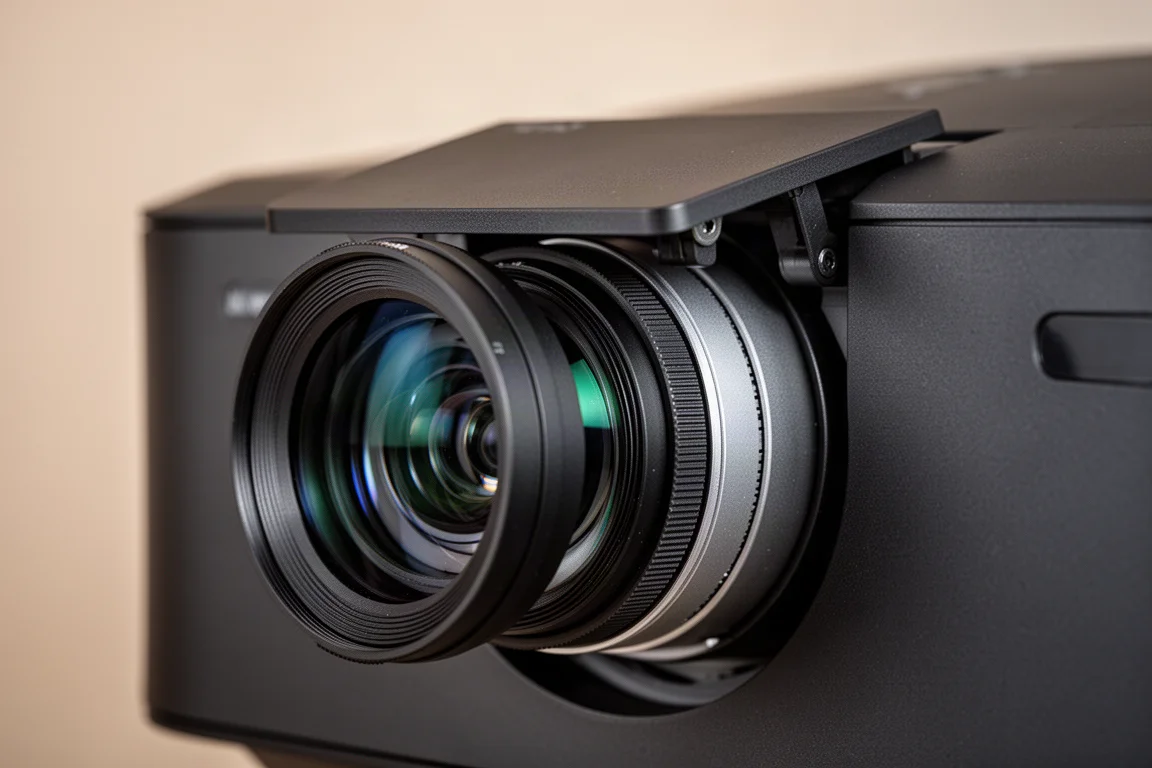
Installation tolerances are generous. Lens shift covers up to plus or minus 96% vertically and plus or minus 24% horizontally, so the projector can be mounted well above, below, or slightly off to the side of the screen and still produce a clean, properly aligned image. The throw ratio of 1.35 to 2.84 works in both smaller rooms and larger dedicated theaters.
Where the room allows it, mounting the projector centered on the screen with the lens at the top of the screen height remains the cleanest approach, since it keeps the optical path as straightforward as possible.
Quiet Operation, Gaming, and Control
Fan noise is one of the most practical specifications in a projector, because it decides where the unit can live. The LS9000’s fans run at a maximum of just 30dB and as low as 22dB in eco mode, which is quieter than most ambient room noise. That places it among the quietest projectors in this class, and the quiet operation has a direct performance benefit: light output drops as a projector moves farther from the screen, so a quiet chassis lets you use the closest throw distance for the most light output without disturbing anyone in the room.
For gaming, the HDMI 2.1 ports support 4K at 120 Hz with very low input lag, so high frame rate content from the latest consoles and PCs looks smooth and feels responsive.
Control and integration are well covered. The LS9000 offers broad compatibility with all major control systems, including Control4, along with IP control, RS232, a 12 volt trigger output, and network-based remote monitoring. Inputs include two HDMI 2.1 ports, USB for power and firmware updates, LAN, RS232C, and a 12 volt trigger.
Where the Epson Pro Cinema LS9000 Makes Compromises
The LS9000 is a value play, and the savings come from specific places. Compared with the LS12000, it uses fewer laser modules to help reduce cost, while still delivering the fast power on behavior, consistent brightness, and long-term stability that distinguish Epson’s laser projectors from lamp-based alternatives.
The bigger differences on paper are brightness and contrast. The LS12000 delivers 2700 lumens against the LS9000’s 2200, and its native contrast ratio is 5,000:1 compared with 1,800:1, which shows up as deeper blacks and a more dynamic image in dark scenes. The LS12000 also offers a wider horizontal lens shift range of plus or minus 47% versus plus or minus 24%, making it easier to mount farther off center, and it includes a bracket and cable cover in the box that the LS9000 does not.
Video processing is another area worth understanding clearly. The 32-bit ZX picture processor handles color, contrast, HDR, frame interpolation, and resolution enhancement, with support for 4K, HDR10, HDR10 plus, and HLG. Dynamic tone mapping and enhanced black detail, however, require stepping up to Epson’s Q series projectors, which start at almost double the cost.
In practice, the trade-offs are less dramatic than the numbers suggest. The picture holds up in rooms with some ambient light, keeping solid contrast and no obvious washout even with the blinds open. In a darkened space the image looks bright, vibrant, and natural, with clean motion in fast-paced action scenes and no rainbowing or color breakup.
Setup Tips and Screen Pairing
Because light output falls as throw distance increases, start by checking where the projector can sit at the closest end of its throw range for the screen size you are planning. That placement delivers the most brightness, and thanks to the low fan noise it is comfortable to live with in the same room as the audience.
Mount the projector centered on the screen with the lens at the top of the screen height whenever the room allows it. If that is not possible, the vertical and horizontal lens shift ranges give you room to work, and the motorized adjustments make fine alignment quick rather than fiddly.
If you watch widescreen 2.4 movies alongside 16:9 content, set up separate lens memories for each aspect ratio. Switching between them then takes a single button press instead of a manual re-adjustment, which is exactly the scenario lens memory was designed for.
Buying Advice
At just under $4,000, the LS9000 is one of the best home theater projector options in its bracket. It shares the same 8.3 megapixel 4K 3LCD imaging system, laser light source, and HDMI 2.1 support for 4K at 120 Hz as the LS12000, and it adds a fully motorized lens with ten memory presets, which is rare at this price.
Choose the LS9000 if you want nearly all of the LS12000 experience for significantly less money, particularly in a dedicated theater where 2200 lumens and a 1,800:1 native contrast ratio are enough for your screen size and room treatment. Step up to the LS12000 only if you need the extra brightness, deeper blacks, the wider horizontal lens shift, or the included bracket and cable cover. For most dedicated home theater buyers, the LS9000 delivers the same advanced processing and HDR support while keeping more budget in the room.
Conclusion
The Epson Pro Cinema LS9000 takes the core of a proven 4K laser projector and moves it to a lower price without giving up the details that make daily use pleasant: a motorized lens, ten lens memory presets, fan noise that stays between 22dB and 30dB, 20,000 hours of maintenance-free laser performance, and broad control system compatibility. If your room and screen suit its brightness and contrast, it is an easy recommendation for a dedicated home theater.
Product link
View more details for Epson Pro Cinema LS9000
This product is mentioned in the review. Check the specifications, options, and compatibility before buying.
View more details for Epson Pro Cinema LS9000Further reading
Related Reviews
Home Theater Projectors
Barco Heimdoll Family Guide: Choosing a Native 4K RGB Laser Projector
A practical guide to the Barco Heimdoll, Heimdoll Cinemascope, Heimdoll Plus, and Heimdoll Plus Cinemascope for large-format home theaters.
Home Theater Projectors
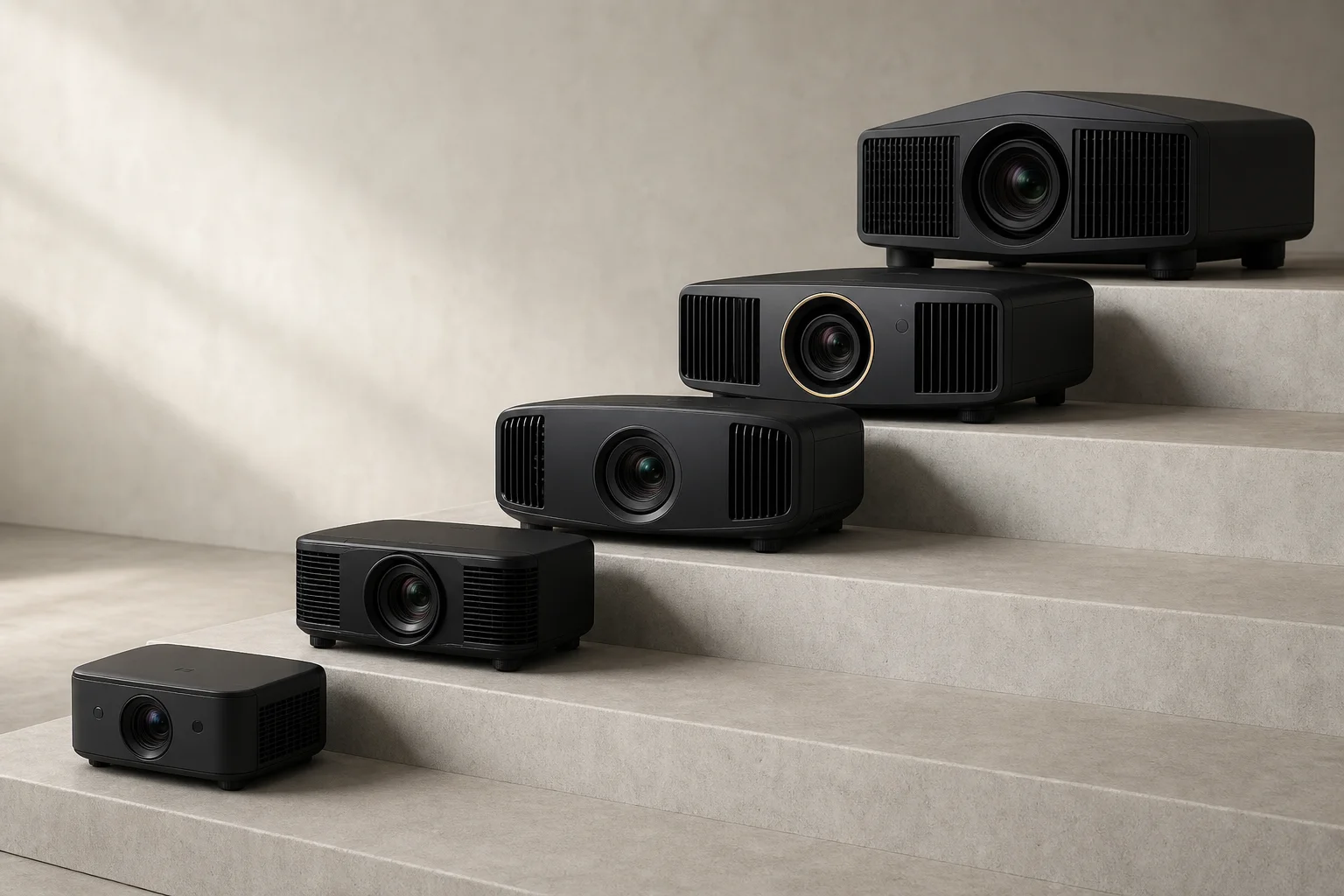
Best Home Theater Projectors 2026: Five Models Ranked by Performance and Value
A comprehensive ranking of five home theater projectors, from budget-friendly to premium options, evaluated on brightness, resolution, color accuracy, and gaming performance.
Home Theater Projectors
Epson EpiqVision LS800 Review: A Super Ultra Short Throw 4K Laser Projector for Bright Living Rooms
A practical look at the Epson EpiqVision LS800 and the SilverFlex Ultra ALR screen, covering brightness, throw distance, gaming performance, and the setup trade-offs worth knowing.