Ski Passes
Epic Pass vs Epic Local Pass vs Epic Day Pass: Which One Fits Your Season
A practical breakdown of the three main Epic products, where each one breaks even, and the regional passes that often cost less.
Introduction
The Epic Pass suite covers a lot of ground. Depending on which product you buy, you could be holding a pass that works at more than 40 resorts, or you could be paying for access you will never use. The trick is matching the product to the season you actually plan to ski.
The suite breaks into four groups: the full Epic Pass, the Epic Local Pass, regional or resort-specific products, and Epic Day Passes. Each one solves a different problem, and the cheapest option is not always the smallest one.
What Each Pass Actually Covers
Epic passes are issued by Vail Resorts, and the company owns nearly every resort included on them. That ownership is why the products overlap so heavily, and why the real differences come down to access windows rather than destination lists.
The full Epic Pass costs $909 for adults. It includes unlimited access, holidays included, to every Vail-owned resort, plus seven days at Telluride and a long list of international options.
The Epic Local Pass costs $676. It offers season-long access to most Vail resorts, but holiday access is unavailable at the top-tier destination resorts. Visits to Vail, Beaver Creek, and Whistler are limited to 10 days total. There is no Telluride access, and international resort access is considerably thinner.
Epic Day Passes are sold in units of one to seven days, and the per-day price falls as the number of days increases. They come in several varieties, with three different pass tiers offering different levels of resort access, and each tier available in holiday and non-holiday versions. It is not obvious from the website, but you can buy two of the same day pass if you need more than seven days, though the system may require two separate transactions.
The conventional break-even point for day passes versus a season pass is seven days. That number is a generalization rather than a rule. Buying multiple day passes totaling as many as 13 days can cost less than an associated season pass, and if you can be precise about your plans, you can pair regional passes with day passes and save substantially.
Epic Pass: The Full-Access Option
At $909 for adults, the full Epic Pass is the simplest product in the lineup. Unlimited access including holidays at every Vail-owned resort, seven days at Telluride, and a wide range of international options.
It suits riders who need two or more days of holiday access at Vail, Beaver Creek, or Whistler, or who plan 13 or more days across those three mountains. Below those thresholds, the cheaper products usually cover the same ground.
Military versions are dramatically cheaper, ranging from $159 for active and retired personnel to $519 for veterans and dependents. Those passes exclude Telluride and select international resorts but still carry full unrestricted access to every Vail-owned mountain. The adaptive Epic pass rate is $455.
Epic Local Pass: The Middle Ground
The Epic Local Pass is $676 and covers season-long access to most Vail-owned resorts. Holiday access is unavailable at the top-tier destination resorts, Vail, Beaver Creek, and Whistler are capped at 10 days total, Telluride is excluded, and international access is thinner.
For most mountains outside the top tier, this pass is the price to beat when you compare it against regional and day pass alternatives. It becomes the better buy at eight or more days at Park City, Vail, Beaver Creek, or Whistler, or at two or more holiday days at those resorts, or at 13 or more days across Vail, Beaver Creek, and Whistler.
If you only need one or two days that the Local Pass does not include, pairing it with a tier 1 Epic Day Pass can still leave you ahead overall.
Two details are easy to miss. Breckenridge is the only tier 1 mountain that is not blacked out on holidays on the Epic Local Pass, which makes an upgrade worth considering if you ski peak dates, though it will be packed. College students get a slight discount on the Epic Local Pass, and teens 18 and under are eligible for discounts on the Epic Local Pass and several regional products.

Epic Day Pass: Flexible Days Without a Season Commitment
Day passes are the right starting point for anyone who does not expect to log enough mountain days to justify a season product. They are sold in one to seven day units, come in three tiers of resort access, and are available with or without holiday access.
Even at the highest tier 1 rate, the day pass price reaches only $101 without holiday access and $119 with it, which is far below what these mountains charge for a regular lift ticket.
The multiple-purchase trick is where day passes get interesting. Two day passes can be combined to cover more than seven days, and up to 13 days of day passes can still cost less than a season pass.
Mixing tiers works too. Two days at Vail on a two-day tier 1 pass costs $198, and five days at a lesser tier mountain on a five-day tier 2 pass costs $348, for a total of $546. That undercuts the $676 Epic Local Pass and saves $54 against a straight seven-day tier 1 day pass.
At tier 2 the numbers are similar. A seven-day tier 2 pass at $459 plus a two-day tier 2 pass at $153 comes to $612, still below the Epic Local Pass.

Regional Passes and Resident Cards Worth Knowing About
Regional products are where the largest savings hide, because most tier 2 resorts have their own season passes and the break-even points sit far lower than the suite-wide products.
The Summit Value Pass costs $546 and covers unlimited non-holiday days at Breckenridge. If you plan seven or more non-holiday days there and no more than one additional day at any resort other than Keystone, it beats the Epic Local Pass.
The Keystone Plus Pass costs $361 and becomes a better value than day passes after only six days, assuming you do not need holiday access. It also includes five days at Crested Butte and spring access to Breckenridge.
In the Lake Tahoe region, the Tahoe Value Pass is $489 and offers unlimited non-holiday access to Heavenly plus unlimited non-Saturday access to Northstar and Kirkwood. It beats tier 2 day passes at eight or more days, assuming you skip those Saturdays and stay out of the Rockies. The Tahoe Local Pass is $575 and adds five non-holiday days at Vail-owned Colorado and Utah destinations. Its break-even is nine or more Tahoe days, and fewer if you use the Rockies days. A dedicated Kirkwood season pass costs the same as the Tahoe Local Pass.
At Stevens Pass, the Select pass is $371 and blacks out nearly all weekends and holidays, breaking even against a tier 2 Epic Day Pass on the sixth weekday. The Premium pass is $579 with no holiday blackouts and breaks even on the ninth day. Pairing the Select pass with a small tier 2 day pass can cost less than the Premium pass after two days of weekend access.
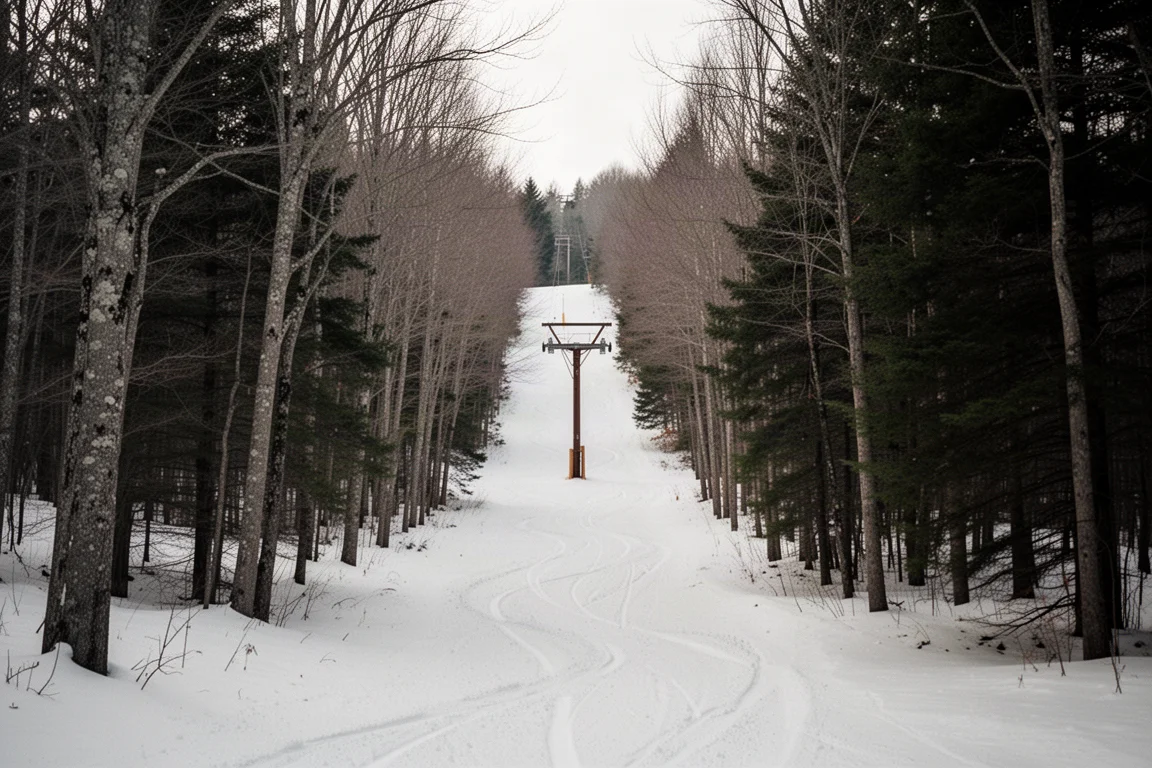
In Vermont and at New York’s Hunter Mountain, the Northeast Midweek Pass is $416 and beats tier 2 non-holiday day passes on the seventh weekday. The Northeast Value Pass is $555 and breaks even against the Epic Day Pass after nine days. If you plan to visit the Rockies, ski two or more holidays, or ski more than 11 days at Stowe, the Epic Local Pass breaks even against either Northeast pass after just two or three days.
At tier 3 mountains in the Mid-Atlantic and New Hampshire, the guidance is simpler. For one to nine weekdays, buy a tier 3 Epic Day Pass. If you never ride weekends or holidays, the Northeast Midweek Pass is the alternative. If you do ride weekends, the Northeast Value Pass breaks even against the Epic Day Pass after 14 days, four of which need to be weekends to beat the Midweek Pass.
Midwest mountains in Indiana, Missouri, Wisconsin, Minnesota, and Michigan each have a dedicated season pass, while the Ohio resorts share a single Ohio Pass. Depending on the pass, break-even against the Epic Day Pass takes eight to 13 days. At Wilmot, Afton Alps, or Mount Brighton, where break-even can require 10 or more days, an Epic Day Pass is often the smarter call.
Residents of Canada and Washington State have access to the Edge card, which comes in five and 10 day increments with or without holiday access and offers steep discounts on Whistler Blackcomb. A 10-day Edge product lets you use three of those days at any Vail-owned mountain, while the five-day version allows two. A 10-day Edge card costs less than a seven-day tier 1 day pass. If you plan to ride Whistler, upgrading to the Epic Local Pass only makes sense if you ski more than three days at other Vail resorts. For 11 or 12 days across Vail, Beaver Creek, and Whistler with no holiday access, combining an Edge product with an Epic Day Pass is still cheaper than the full Epic Pass.
Discounts for Military, Adaptive, Students, and Families
Specialty group rates are among the strongest in the ski pass market, and they can change the math entirely.
Military passes range from $159 for active and retired personnel to $519 for veterans and dependents. They exclude Telluride and select international resorts but carry full unrestricted access to every Vail-owned mountain. Active and retired military break even after just two trips in most cases, which makes the full military pass the obvious choice. Veterans and dependents also have the Liberty Pass, a $277 Keystone season pass. Veterans may still find select regional passes useful, but their break-even point for day passes drops considerably.
Adaptive passes carry a $455 rate for the Epic product, and there are also adaptive regional passes for Tahoe, the Northeast, and the Midwest, plus a special five-day pass. For anyone who qualifies, buying a standard Epic product rarely makes sense.
Kids 12 and under are eligible for discounted rates on every product covered here. Teens 18 and under can get discounts on the Epic Local Pass and several regional products, and seniors are eligible for discounts on certain regional passes.
Buying Advice: Matching the Pass to Your Season
Three questions settle most of the decision: which resorts you will actually visit, how many days you will ride, and whether any of those days fall on holidays.
If you plan to ski or ride one to six or seven days at a single destination and you do not need holidays, an Epic Day Pass is usually the lowest-cost route. The per-day rate drops as you add days, so build the total first and then compare.
If you plan eight or more non-holiday days at Park City, Vail, Beaver Creek, or Whistler, the Epic Local Pass is the natural step up. If you need holiday access at those resorts, or you expect 13 or more days across Vail, Beaver Creek, and Whistler, the full Epic Pass is the straightforward answer.

If your plans are concentrated in one region, check the regional pass before anything else. Several break even at six to nine days, which sits well below the Epic Local Pass, and a few of them add days at larger mountains as a bonus.
If your plans are genuinely uncertain, day passes keep you flexible, and the multi-pass trick means you are not locked out once you pass seven days. Early bird rates have historically been held well into the summer, so there is usually time to work out the details before committing.
Conclusion
The Epic Pass suite rewards precision. The full Epic Pass, the Epic Local Pass, and the Epic Day Pass each make sense in specific situations, and the regional products can beat all three for riders who stay close to home. Work out your resorts, your day count, and your holiday needs first, then pick the product that matches.
Further reading
Related Reviews
Ski Passes
Best Multi-Resort Ski Passes Compared: Epic, Ikon, Mountain Collective, and Indy
A practical comparison of four multi-resort ski passes, covering resort coverage, blackout dates, pricing tiers, reservations, and the group discounts that actually change the math.
Ski Passes
Best Ski Megapasses 2026-2027: Epic, Ikon, Mountain Collective, and Indy Compared
The 2026-2027 season brings the biggest shake-up to North American ski passes in years. Here is how Epic, Ikon, Mountain Collective, and Indy now stack up, and who each pass is really for.
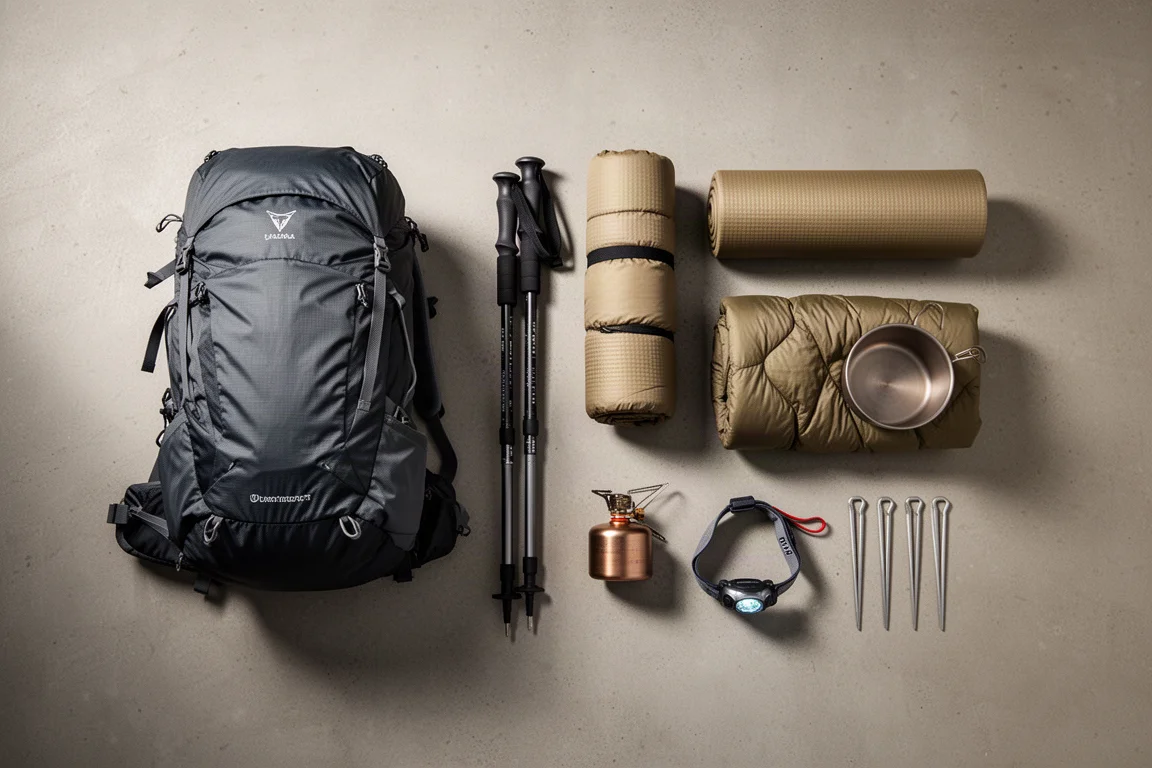
Backpacking Gear
Building a 10 lb Base Weight: An Ultralight Backpacking Gear List
A practical walkthrough of the ultralight pieces behind a 10 lb base weight, from a 765 g pack and a roomy one-person tent to a full camp chair and a dependable water filter.