Road Bikes
Enve Melee V2 Review: A Lighter, Faster Race All-Rounder
The second-generation Enve Melee trims more than 200 g from the frame, adds aero gains and drops into a lower, racier geometry. Here is how it rides and who it suits.
Introduction
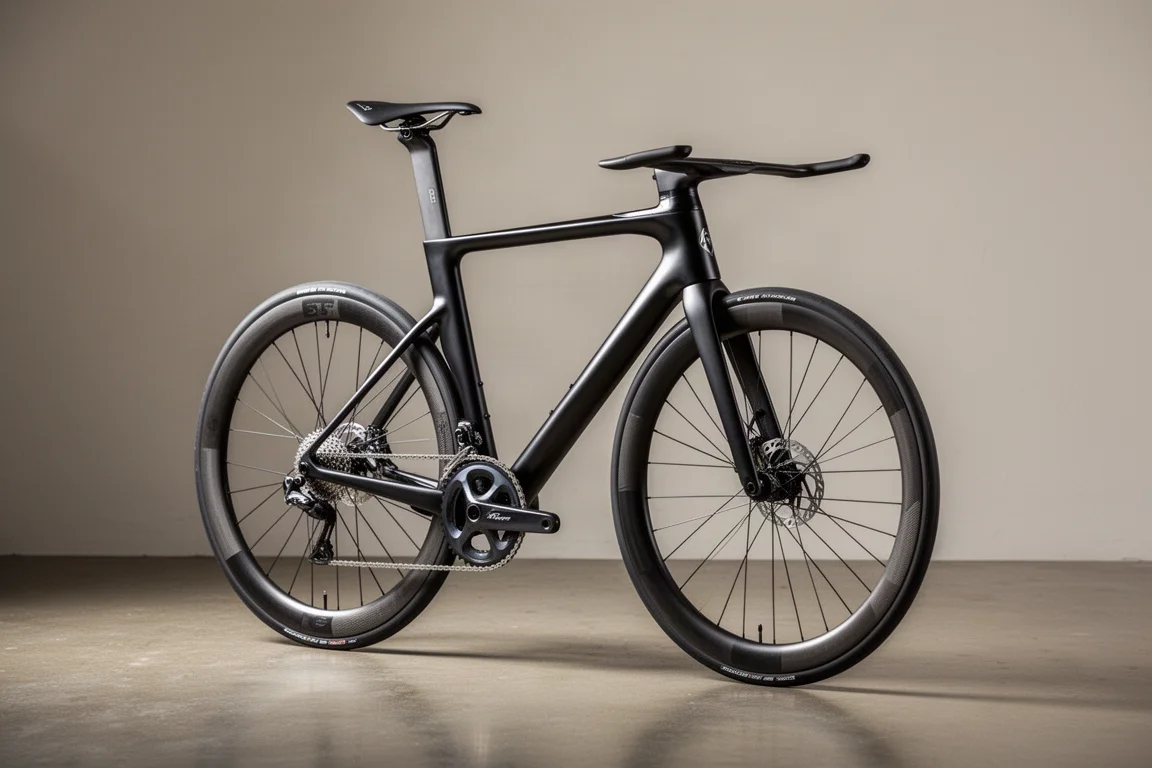
The Enve Melee V2 is the second generation of Enve’s first production road bike, and the brief behind it is unusually clear: take the original Melee and make it lighter, more aerodynamic, stiffer and more aggressive. Rather than chasing pure aero or pure climbing numbers, Enve positions it as a lightweight aero all-rounder, the same crowded space occupied by the Specialized Tarmac and the Trek Madone.
Enve’s published figures claim the new package is faster than both of those rivals, with a marginal advantage over the Tarmac in its wind tunnel testing. Those are manufacturer claims and they deserve the usual caution, but they explain the intent. This is a race bike first, and everything about the update serves that goal.

The build tested here runs a SRAM Force groupset with Enve’s SES 4.5 Pro wheels, 29 mm Enve tires, an Enve-branded Selle Italia SLR saddle and the Enve aero cockpit. In a size 56 without pedals it weighed roughly 6.85 kg, or about 15 lb, which is lighter than plenty of top-end builds running SRAM Red or Shimano Dura-Ace. A Red-equipped version should drop closer to 6.6 kg.
That is a strong starting point. The more interesting question is how the changes add up on the road.
What Changed on the Melee V2
Visually the Melee V2 keeps the proportions of the original, but every tube has been slimmed down. The fork, head tube and down tube all carry less surface area and less carbon, a shaping philosophy that mirrors what Specialized has done with recent Tarmac generations. There is a new, narrower head tube, a move from a T47 threaded bottom bracket to a 68 mm bottom bracket to save weight, a UDH rear derailleur hanger and full internal routing.
The seat post is new as well, and this is a welcome change. It uses a simple two-bolt mechanism and a lighter, narrower construction, replacing the previous interlocking design that was fiddly to adjust. Together these changes strip more than 200 g from the frame, a meaningful figure at this level.
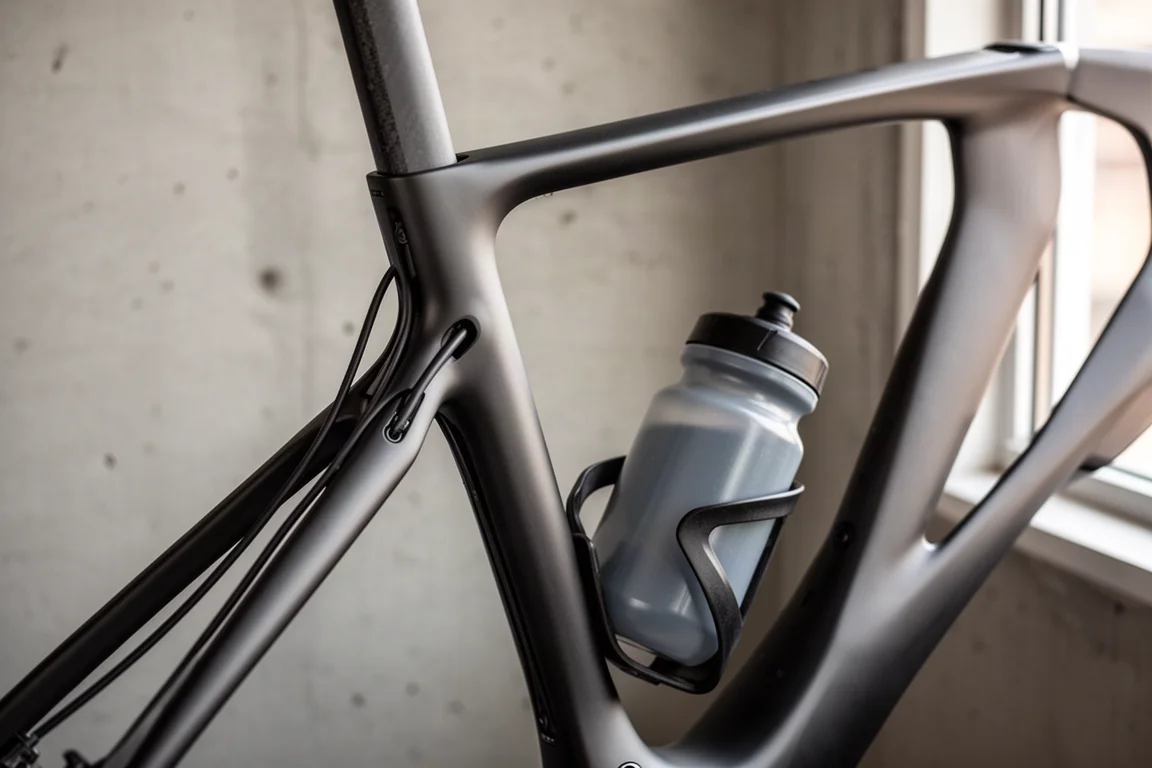
Enve’s aero claims are more granular. The company says the complete package is 17 W more aerodynamic, with 11.4 W coming from the frame, fork and seat post, 3 W from the handlebar and bar tape, and 2.6 W from the optional aero cages and bottles. Testing was carried out with a rider on the bike at 32 km/h and 50 km/h. Enve also developed aero bottle cages that accept round bottles and remain compatible with the original Melee and with other bikes.
Worth noting: the frame uses the same carbon across the whole range, from the entry foundation build up to the top pro-level specification. There is no second-tier carbon blend further down the line-up.
Who This Bike Is For
The geometry has been refreshed in a way that will matter more to some riders than any weight figure. Since the Melee launched, Enve has added the Fray endurance road bike with a taller stack and shorter reach, which freed the Melee to go lower. The stack drops by 5 mm at the frame and 6 mm at the handlebar, putting the bike in line with the raciest options in this class.
There are seven sizes and five different fork rakes, so each frame size gets fork geometry matched to it. The result suits riders who can comfortably hold a long, low position, whether that comes naturally or from time spent maintaining flexibility off the bike. Riders who want a more upright ride, wider tires and mudguard mounts are better served by the Fray, which Enve positions as the practical alternative.
Ride Quality and Real-World Performance
Across roughly six weeks of riding, including long Sunday social rides and midweek chain gangs on undulating roads, the Melee V2 came across as a noticeably different bike from the original. It feels closer in character to a modern Tarmac than to its own predecessor: light, aggressive, and stiff without being punishing.
The bike is sprightly and energetic, and it changes direction quickly. The handlebar, wheels, tires and frame work together as a cohesive package, which is harder to achieve than it sounds. On rough roads it stays comfortable over long distances, and the compliance is well judged for a race bike.
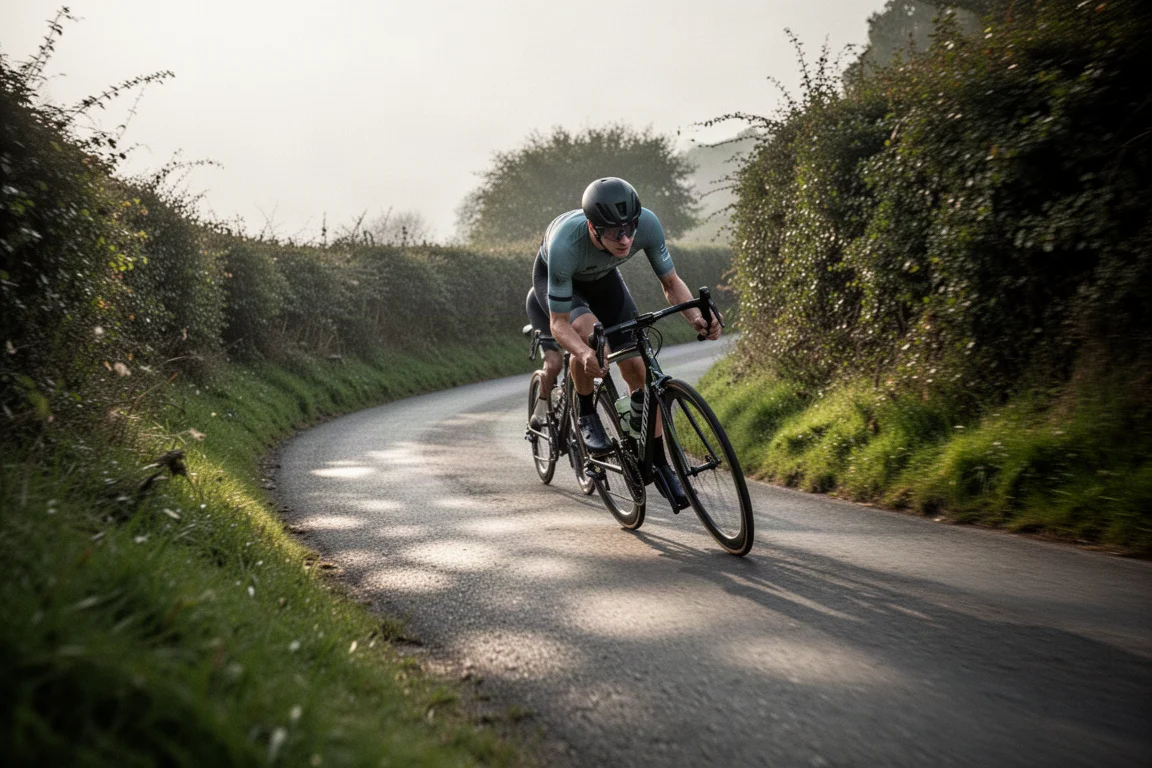
Where it stands out most is climbing. On punchy, never-flat terrain, attacking at 30 to 35 km/h in the big ring and in the drops is where the low weight and stiffness pay off. It is not quite as rapid as the fastest aero-focused race bikes when holding 45 km/h on a flat straight road, and that is a fair trade for riders whose roads rise and fall.
The one-piece cockpit deserves a mention, since it is not a part most owners will swap. The top section carries an airfoil shape, and the drops are flattened into a slim, oblong profile that feels excellent in the hand, particularly for riders with smaller hands. Built-in bar end plugs finish it off neatly.
Things to Consider Before Buying
The Melee V2 is less versatile than the bike it replaces. Tire clearance drops from 35 mm to 33 mm in pursuit of aero and weight savings, and the mudguard mounts are gone. Enve argues that 33 mm does not compromise the tire volume modern road racing needs, and that is a reasonable position for a race bike, but riders who wanted one bike for everything should weigh it carefully.
Pricing sits at the top of the market. A frameset is $5,000, which is a little less than a Tarmac SL9 but still firmly in flagship territory. Enve’s aero numbers, including the 17 W claim, are the company’s own wind tunnel results and should be read as such rather than as settled fact.
Finally, no World Tour team races this bike. For riders who value professional validation, that absence is a real consideration, and it may be the single biggest thing standing between the Melee V2 and its best-known rivals.
Buying Advice
If the shortlist is built around lightweight aero race bikes, the Melee V2 earns a place on it. The frame is lighter than before, the geometry is genuinely racy, the ride quality is high, and the build tested here is impressively light for a SRAM Force specification. The handlebar shape is a genuine point of difference, and Enve offers more cockpit customization than most brands in this class.
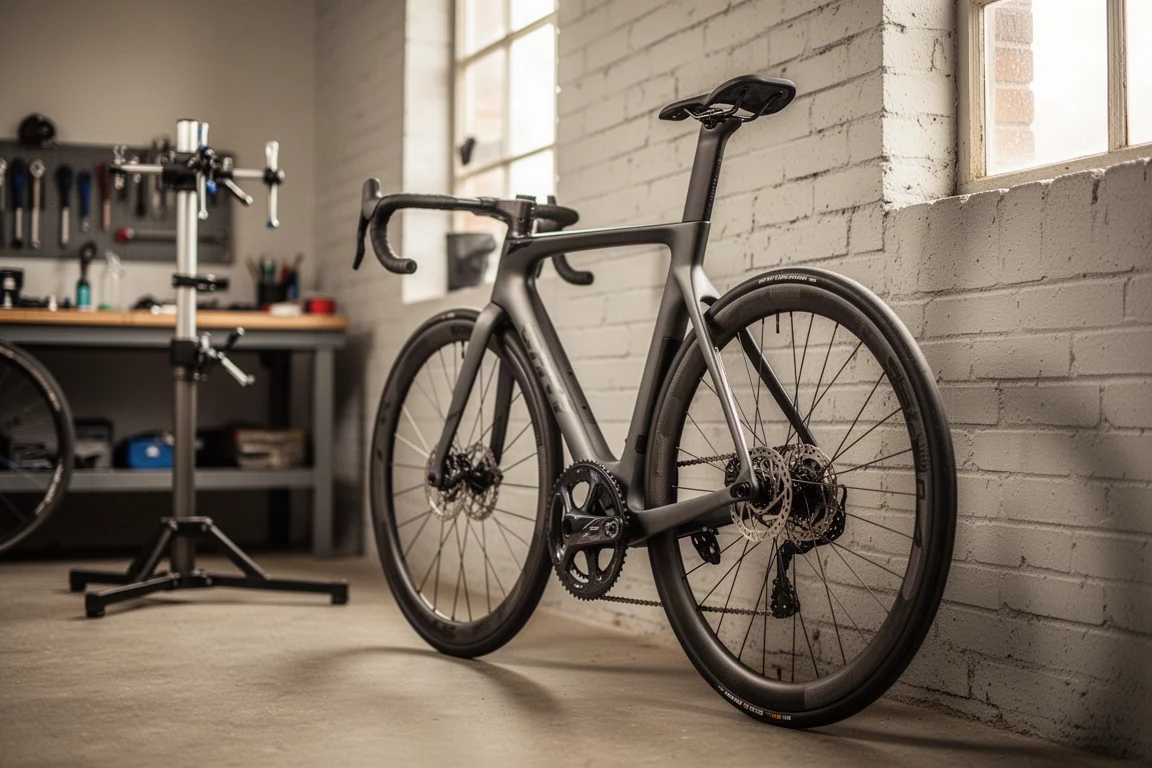
Think of it as a compelling alternative for riders who want Tarmac-level speed, low weight and comfort but prefer something other than the most obvious badge. The main caveats are the narrower tire clearance, the removal of mudguard mounts and the lack of a World Tour team behind it. If those do not trouble you, and your riding is fast and undulating rather than flat and straight, this is a bike worth considering seriously.
Conclusion
The Enve Melee V2 is a substantial step forward from the original. It is lighter by more than 200 g at the frame, more aerodynamic by Enve’s own measurements, and lower and more aggressive in a way that puts it squarely among the best-known race bikes in this category. It is fun to ride, quick to change direction and particularly strong on climbs.
The trade-offs are clear: less tire clearance, no mudguard mounts, flagship pricing and no professional race team to point to. For the right rider, none of that will matter much. If you want a fast, light, comfortable all-rounder that is not the default choice, the Melee V2 makes a very strong case.
Product link
View more details for Enve Melee V2
This product is mentioned in the review. Check the specifications, options, and compatibility before buying.
View more details for Enve Melee V2Further reading
Related Reviews

Road Bikes
10 New Road Bikes Worth Watching: Aero, Titanium, Steel and Endurance Standouts
A practical roundup of 10 new road bikes, from aero flagships chasing single-watt gains to titanium, steel and endurance platforms built for real roads.
Road Bikes
2026 Tour de France Road Bikes: Six Race Machines Worth a Closer Look
Six race bikes from the 2026 Tour de France grid, reviewed for paint, silhouette, wheels and the specification details that matter to buyers.
Road Bikes
3T Strada Italia Review: A Radical Aero Road Bike That Rides Smooth
A made in Italy carbon aero road bike with a deep head tube, wide tire clearance and a genuinely comfortable ride. Here is what to know before buying.