Road Bikes
ENVE Fray: Why an Endurance Road Bike Suits More Riders
The ENVE Fray makes the case for endurance road bikes: 40mm tire clearance, a taller front end and a smooth ride without a real speed penalty.
Introduction
Bike shops are full of fast-looking road bikes, and they are very good at selling a feeling. The catch is that a race bike is designed around a specific job: racing. Plenty of riders spend most of their time doing five to ten hours a week purely for fun, and for that kind of riding a different style of bike makes far more sense.
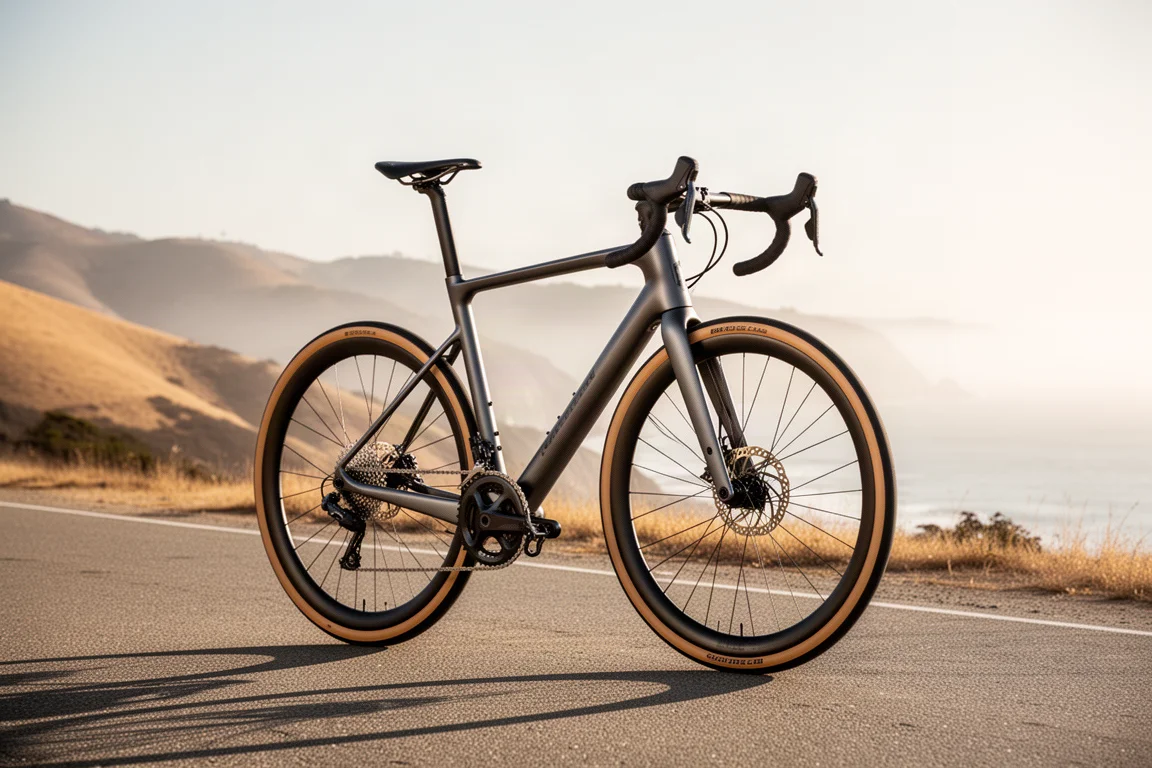
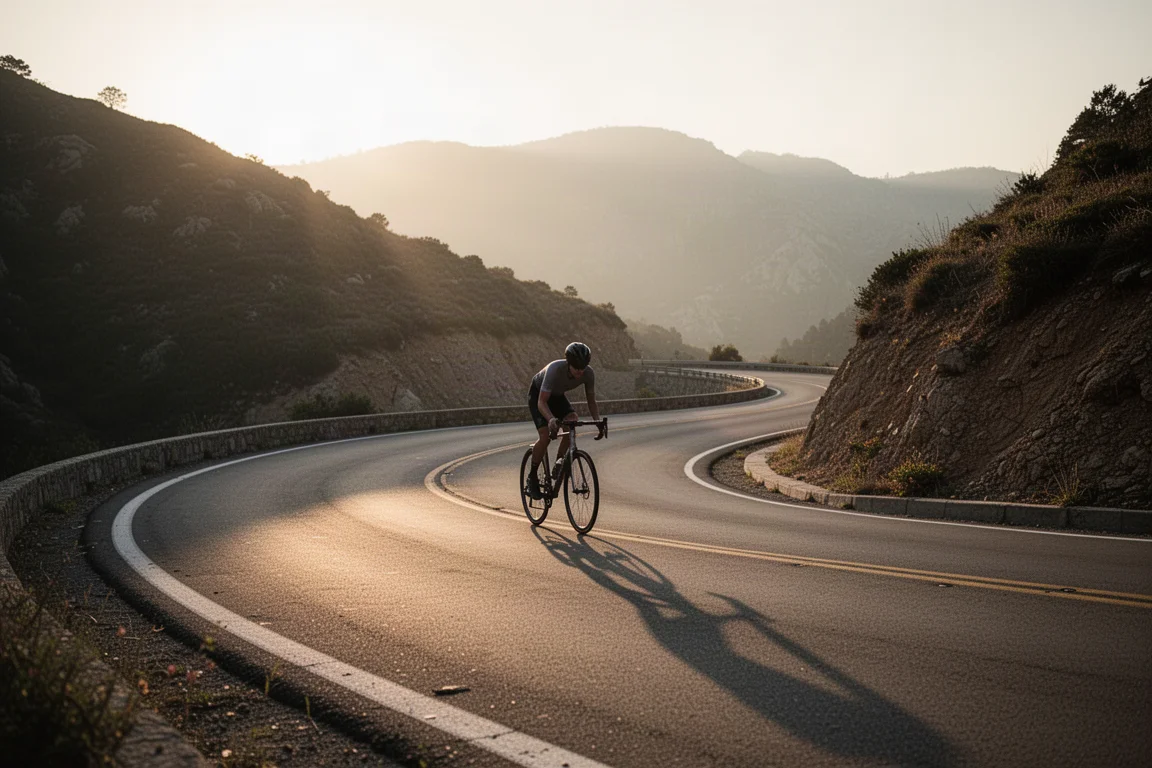
Endurance road bikes, sometimes called all-road bikes, are that alternative. They do not get the same marketing energy as race bikes with their professional endorsements, but they fit the way most people actually ride. The ENVE Fray is one of the clearest examples of the category, and a two-week stretch of riding it on California roads made the case for this style of bike easy to see.
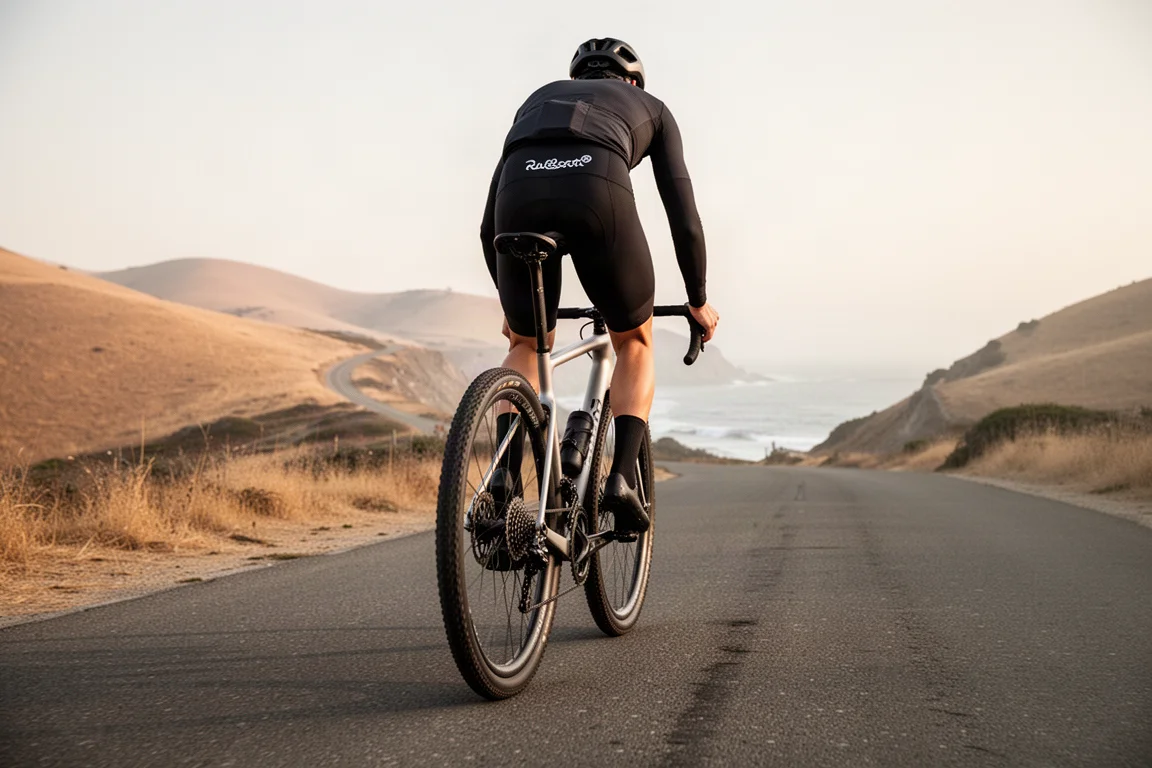
Almost every major brand builds a bike in this space, from the Specialized Roubaix and the Giant Defy to the Canyon Endurace and others. The Fray belongs to the same family of ideas: a road bike that gives away very little to a race bike while being far easier to live with day to day.
Who the ENVE Fray Is For
The short answer is anyone who rides for enjoyment rather than for a race number.
- Riders covering long distances such as a century, a gran fondo or a sportive, who want to reach the final climbs feeling fresher.
- Riders who spend time on rough or unfamiliar roads, where a nervous bike becomes tiring over a few hours.
- Riders who want one bike that can take wide tires now and in the future without being limited by the frame.
If racing is the goal, a race bike remains the right answer. The Fray is not trying to be one, and that is the point.
Main Strengths
Comfort is the headline. Wide tires are part of it, and the Fray accepts rubber up to 40mm where most current race bikes stop at 30mm or 32mm. A 35mm tire looks like a sweet spot here. Beyond the tires, the frame design, the fork design and the seat post all contribute to a smoother ride.
Comfort is not the opposite of speed. Riders who stay comfortable can ride longer and faster, and they arrive at the last climbs of a long day with more left in the tank. Professional riders have embraced wide tires and other comfort features for the same reason, particularly on the cobbled classics, where staying fresher than a rival matters more than any marginal gain.
The difference shows up clearly in back-to-back riding. On a current race bike and the Fray, run on the same tire width on consecutive days, the gap in comfort was large. The Fray feels buttery smooth over rough surfaces.
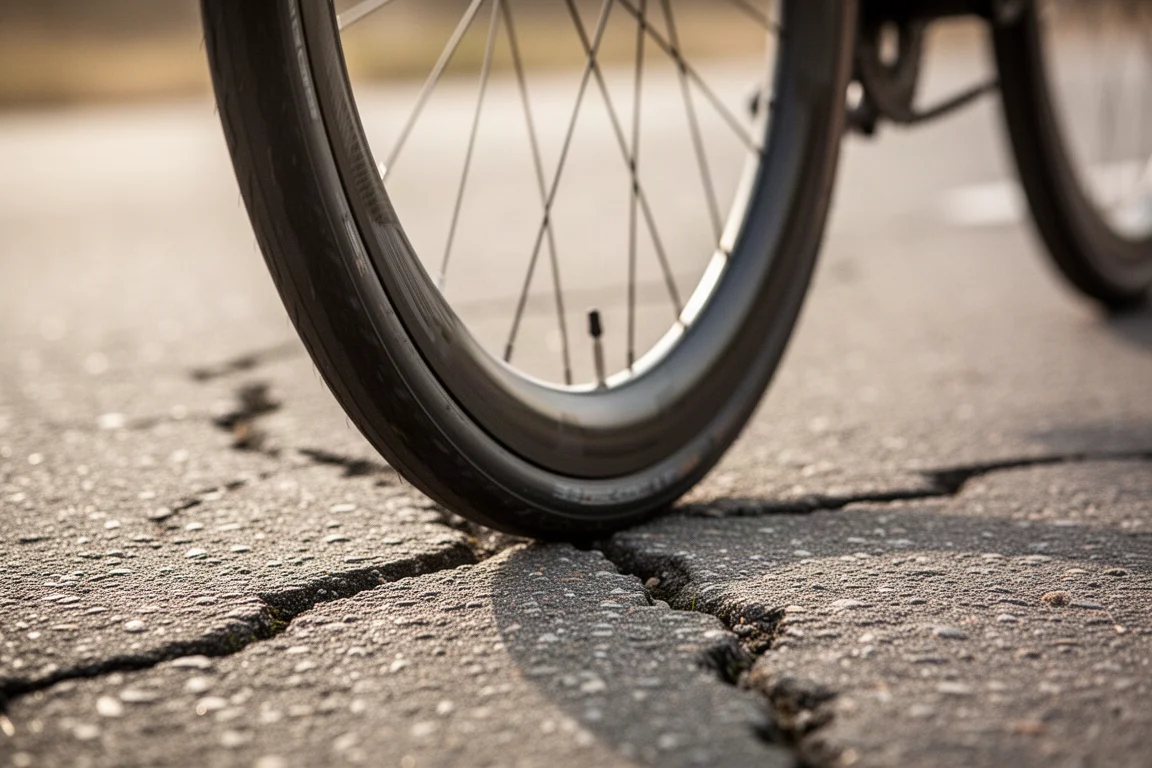
Gearing is another practical advantage. Endurance bikes generally run lower gears than race bikes, which matters far more than top-end speed for most riders. Lower ratios let you spin up steep gradients instead of grinding at a low cadence. Some brands are pushing this further with smaller chainrings, wider-range cassettes and even 1x13 drivetrains.
Then there is the question of speed. The assumption that endurance bikes are slow does not hold up when speed and power are measured with a power meter. The handling is calmer and less twitchy, which can feel slower, but the measured difference for a real-world rider is negligible. If anything, the extra comfort helps carry speed over rough roads, and the higher front end makes it easier to spend more time in the drops.
Geometry and Handling
The geometry is where much of the comfort comes from. The Fray uses a higher stack, which means a taller head tube, and a shorter reach. The result is that the handlebars can sit where you actually need them, without a tall tower of spacers under the stem.
A longer wheelbase, a different head angle and more fork trail give a more measured ride. It is slower to react than a race bike, but it is not lazy or dull. You can still carve a corner accurately and the bike is genuinely engaging to ride. The difference is that it does not demand your full attention the whole time, which makes long distances and unfamiliar roads far more relaxing.
Tire Clearance and Versatility
Tire clearance is the feature that shapes everything else. With room for 40mm rubber, the Fray sits well ahead of race bikes that stop at 30mm or 32mm, and it keeps the door open if the trend toward wider tires continues. Nobody knows yet how wide is wide enough.
Wider tires also bring confidence. On wet roads covered in mud and grit, or dry roads scattered with glass and debris, there is simply more traction. That translates into speed through corners, because you can lean the bike over and trust the grip. Disc brakes made this possible by moving the braking surface to the hub and freeing up space between the frame and the fork.
Versatility varies between endurance bikes, so it is worth checking what a given frame offers. Useful features include fender or mudguard mounts for year-round riding, top tube mounts for a bento bag, a third bottle cage mount on the down tube, and in-frame storage, which the Fray offers. Tools and spare parts live inside the down tube instead of hanging off the saddle.
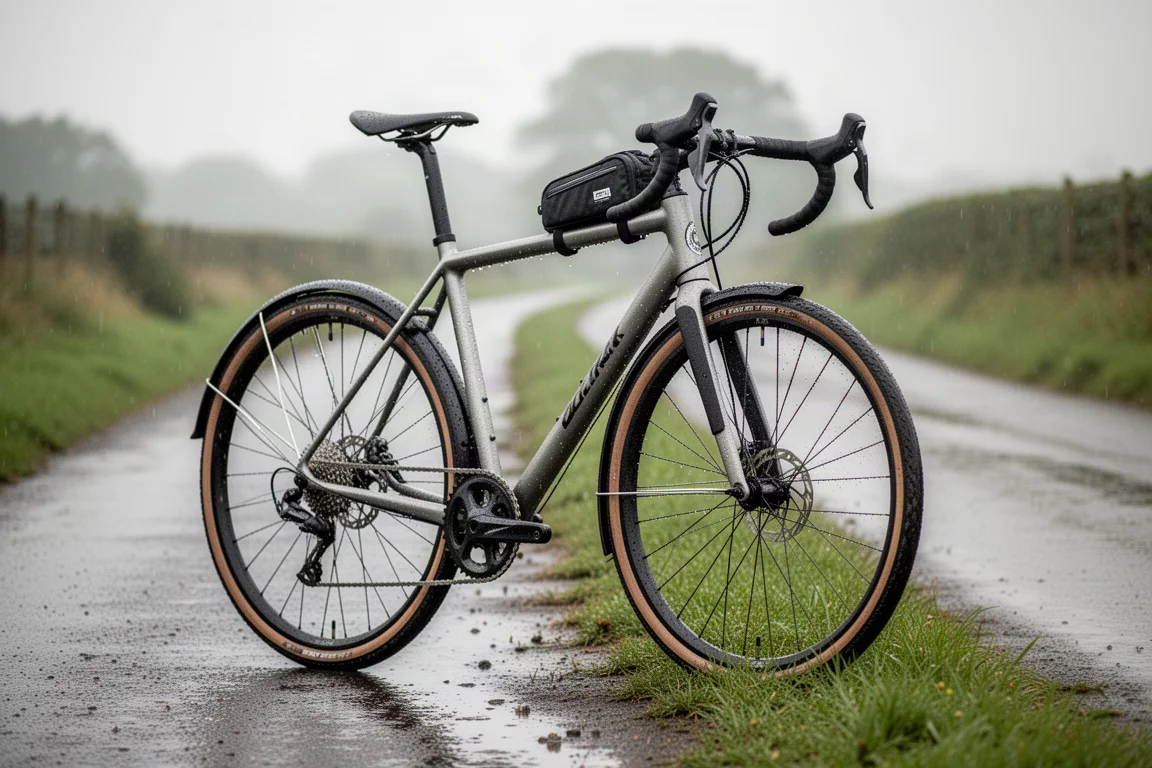
There is also a light gravel angle. With 35mm to 38mm lightly treaded tires, a bike like this can handle smooth, groomed dirt and mixed terrain. It is not a substitute for a gravel bike on chunky, loose surfaces, but it covers considerably more ground than a race bike ever will.
Things to Consider Before Buying
There is no agreed standard for how versatile an endurance bike should be. Some frames go much further than others with mounts and clearance, so pick a bike based on how much versatility you actually want.
Handling is the other thing to weigh up. The calmer steering can be read as slowness, especially if you are used to the feedback and bumpiness of a race bike. That feeling is not the same as being slower, but it is worth knowing about before you commit.
If the goal is a single bike that can do everything, a gravel bike fitted with slick tires is the more capable starting point, since you begin with maximum capability and work down rather than the other way around.
And if racing is on the calendar, buy a race bike. An endurance bike is not built for that job.
Buying Advice
For riders who are not racing, an endurance bike deserves a serious look, and the ENVE Fray is a strong example of the category. The combination of 40mm tire clearance, a higher and shorter front end, in-frame storage and a smooth ride makes it easy to recommend for long days and mixed surfaces.
Budget is a real consideration, since the Fray sits at the premium end of the market. Within the ENVE range the picture is simple: the Melee is the racier option with clearance up to 35mm, the MOG is the gravel option at up to 50mm, and the Fray sits in the middle as the sweet spot for riders who are neither racing nor heading onto chunky gravel.
Gearing is worth checking before you buy. Lower ratios and a wide-range cassette will do more for most riders on steep climbs than a bigger chainring ever will.
Conclusion
Most riders do not race, and the bikes they buy should reflect that. Endurance road bikes offer comfort, calmer handling, wider tires and lower gearing without a meaningful speed penalty. The ENVE Fray is a well-rounded example: smooth over rough roads, versatile enough for mudguards and light gravel, and still fun to ride quickly.
The bike is rarely the limiting factor. As ever, it is the legs that do the talking.
Product link
View more details for Enve Fray
This product is mentioned in the review. Check the specifications, options, and compatibility before buying.
View more details for Enve FrayFurther reading
Related Reviews

Road Bikes
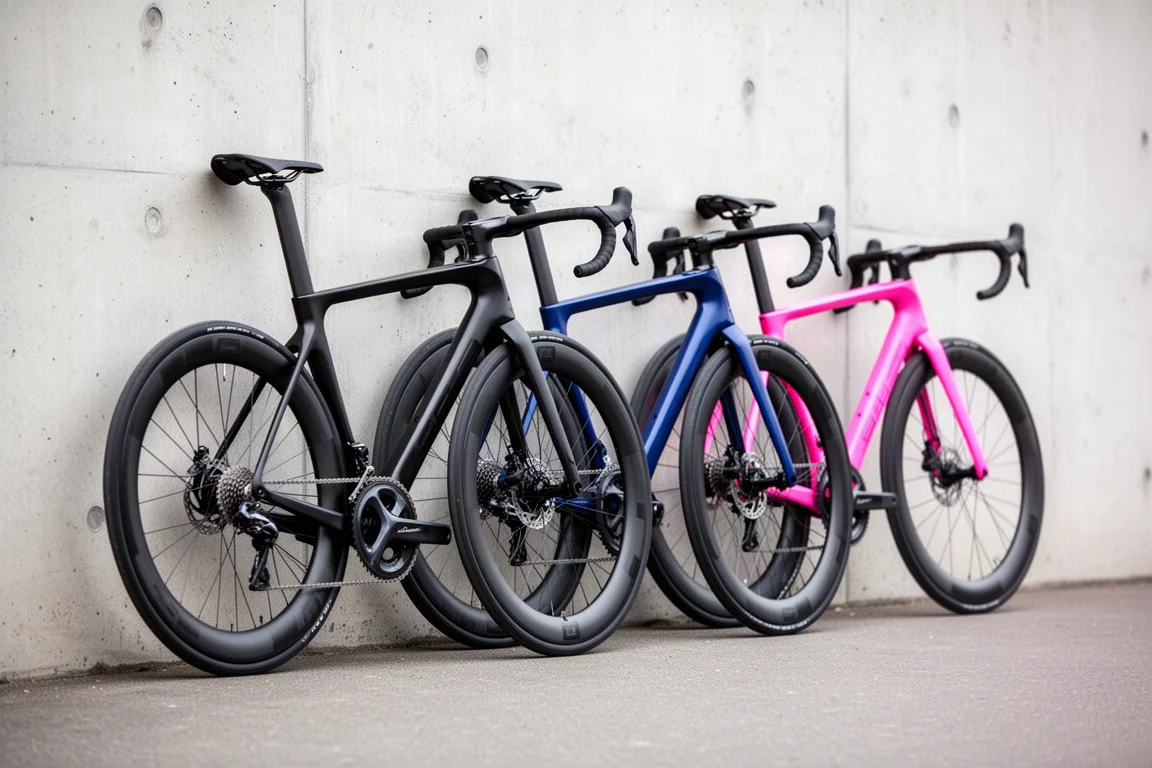
10 New Road Bikes Worth Watching: Aero, Titanium, Steel and Endurance Standouts
A practical roundup of 10 new road bikes, from aero flagships chasing single-watt gains to titanium, steel and endurance platforms built for real roads.
Road Bikes
2026 Tour de France Road Bikes: Six Race Machines Worth a Closer Look
Six race bikes from the 2026 Tour de France grid, reviewed for paint, silhouette, wheels and the specification details that matter to buyers.
Road Bikes
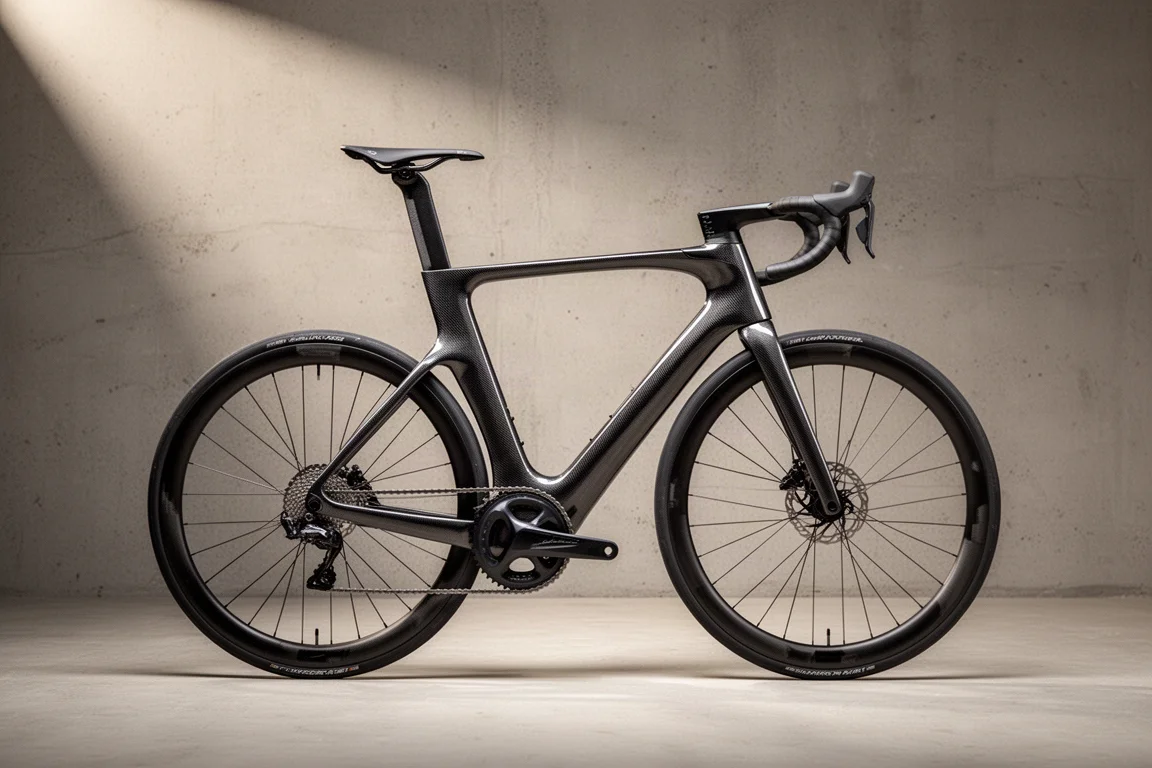
3T Strada Italia Review: A Radical Aero Road Bike That Rides Smooth
A made in Italy carbon aero road bike with a deep head tube, wide tire clearance and a genuinely comfortable ride. Here is what to know before buying.