Endurance Road Bikes
Endurance Road Bikes in 2026: Why They Suit Most Riders Better Than Race Bikes
Endurance road bikes trade a little race aggression for comfort, wider tires and more usable gearing. Here are six models that get the balance right.
Introduction
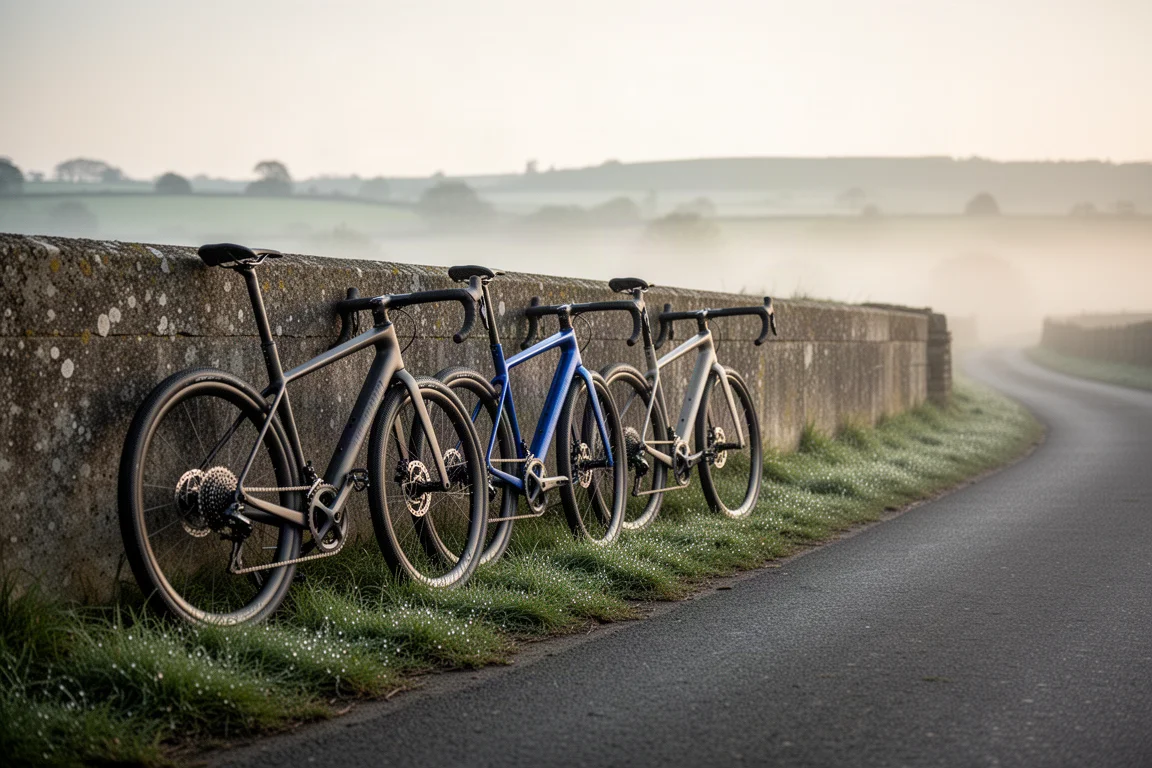
Endurance road bikes have spent years in the shadow of race-optimised machines and gravel bikes, and for most riders that looks like a mistake. Look at an average pro bike and you will usually find a very long reach and a very low stack, which puts the bars far away and low and stretches the rider out. Those stretched, aerodynamic positions can make sense for professional athletes with the strength and flexibility to hold extreme postures for days on end. For the rest of us, one of the easiest ways to be faster for longer is simply to be more comfortable.
Endurance road bikes take the opposite approach, using taller stacks and shorter reach to put the bars and controls within easier reach. That can reduce fatigue and lower the likelihood of discomfort or injury, and it also makes the drops genuinely usable for descending control and better aerodynamics. This guide looks at six endurance road bikes worth considering, along with the geometry, tire clearance and gearing details that decide whether one is right for your riding.
Why Endurance Geometry Suits Most Riders
Handling is where endurance bikes are most often misjudged. Earlier generations calmed the steering by slackening the head angle, but the latest models stick to the race-bike standard of 72.5 to 73.5 degrees, and several use similarly quick trail figures. Trail describes how far the tire’s contact point trails behind the steering axis, so a smaller figure means faster steering. The Giant Defy runs a trail of 58.4 mm in a size large, while a recent Cannondale SuperSix EVO, one of the definitive road racing bikes of the past few years, runs 58 mm. Few riders would sense the difference in steering response, yet the Defy pairs that quickness with the stability that comes from a longer wheelbase and generous tire clearance.
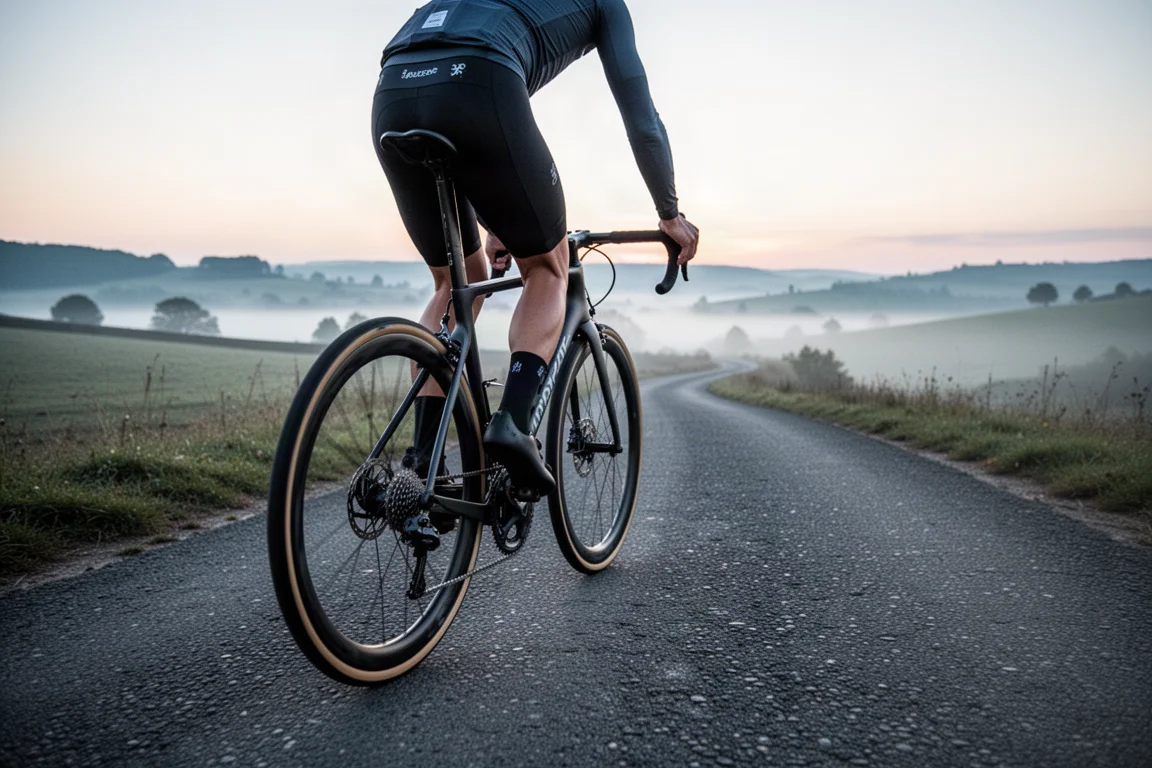
That blend of quick steering and calm stability is exactly what most riders want, particularly when the road surface is less than perfect. A longer wheelbase makes a bike feel less twitchy at speed, which matters most when descending.
Tires tell the other half of the story. Twenty-eight millimeter rubber is now the norm on pro bikes, with anything smaller the exception, and larger tires appear regularly at the spring Classics. Many modern race bikes have widened their clearance too, including 32 mm on the latest Giant TCR and Specialized Tarmac, but endurance road bikes usually go further: the latest Giant Defy and Trek Domane both accept 38 mm tires. There is no need to fit the widest tire a frame will take, but on poorly maintained roads the speed, grip and comfort benefits of wider rubber at lower pressures are clear.
Giant Defy Advanced SL
The Defy Advanced SL shows how far the category has moved. It accepts 38 mm tires, and the 2024 Advanced SL is specified with SRAM’s top-range Red AXS drivetrain, pairing 46/33 chainrings with a wide-range 10-36 cassette. At the top end that gives a marginally bigger gear than a 50/11, while the easiest gear is low enough to scale almost any climb. Total weight is just 7.52 kg in a size large, and that figure includes bottle cages, a GPS mount and 32 mm tires, making it as light as most pro-level race bikes.
Trek Domane
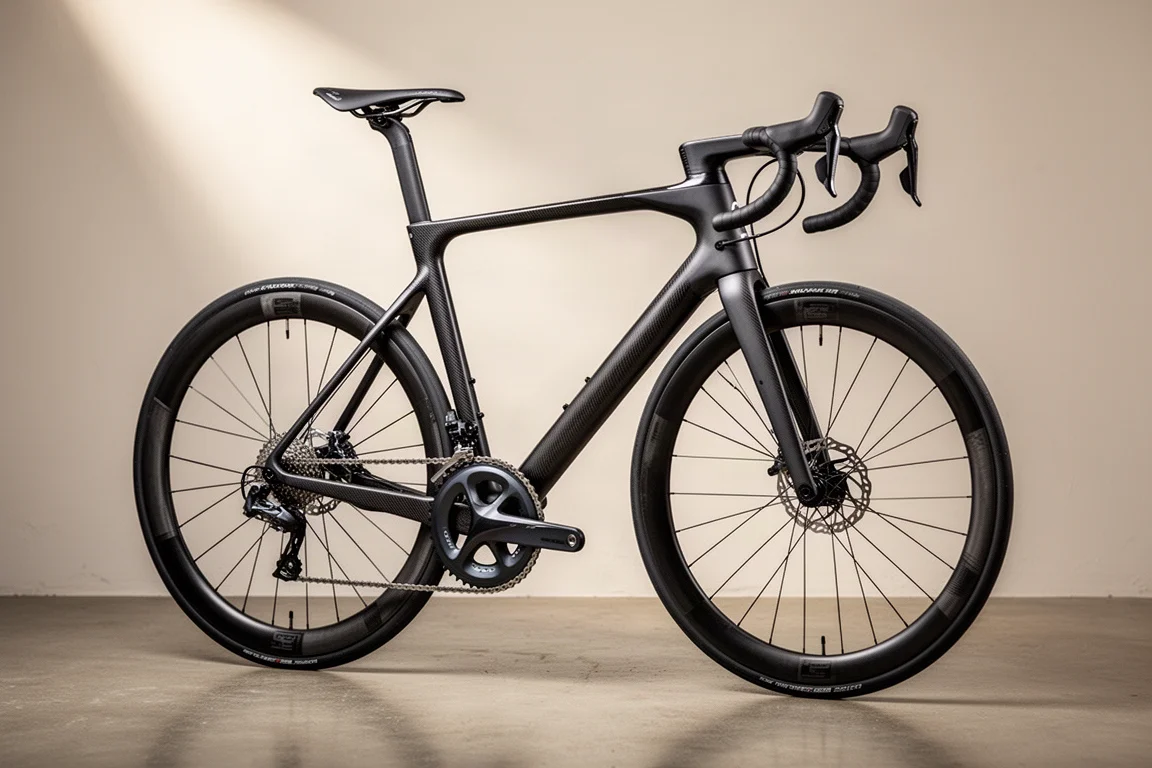
Trek’s Domane sits in the same clearance bracket, accepting tires up to 38 mm, and its geometry follows the endurance formula of a taller stack and shorter reach. The result is a ride position that stays comfortable over long distances while the longer wheelbase keeps the bike planted at speed. It suits riders who want one bike that copes with rough tarmac and still feels composed on fast descents.
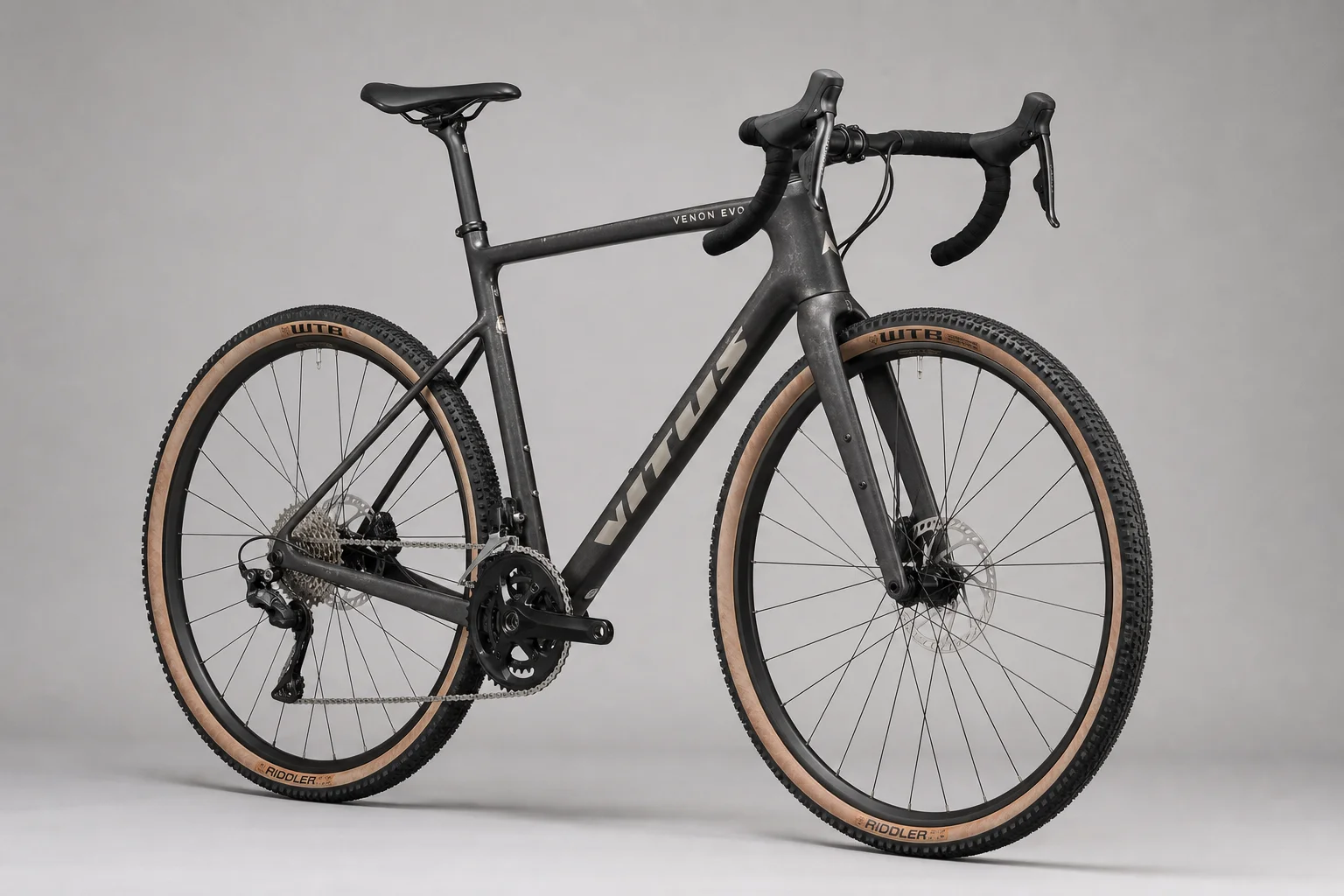
Vitus Venon EVO
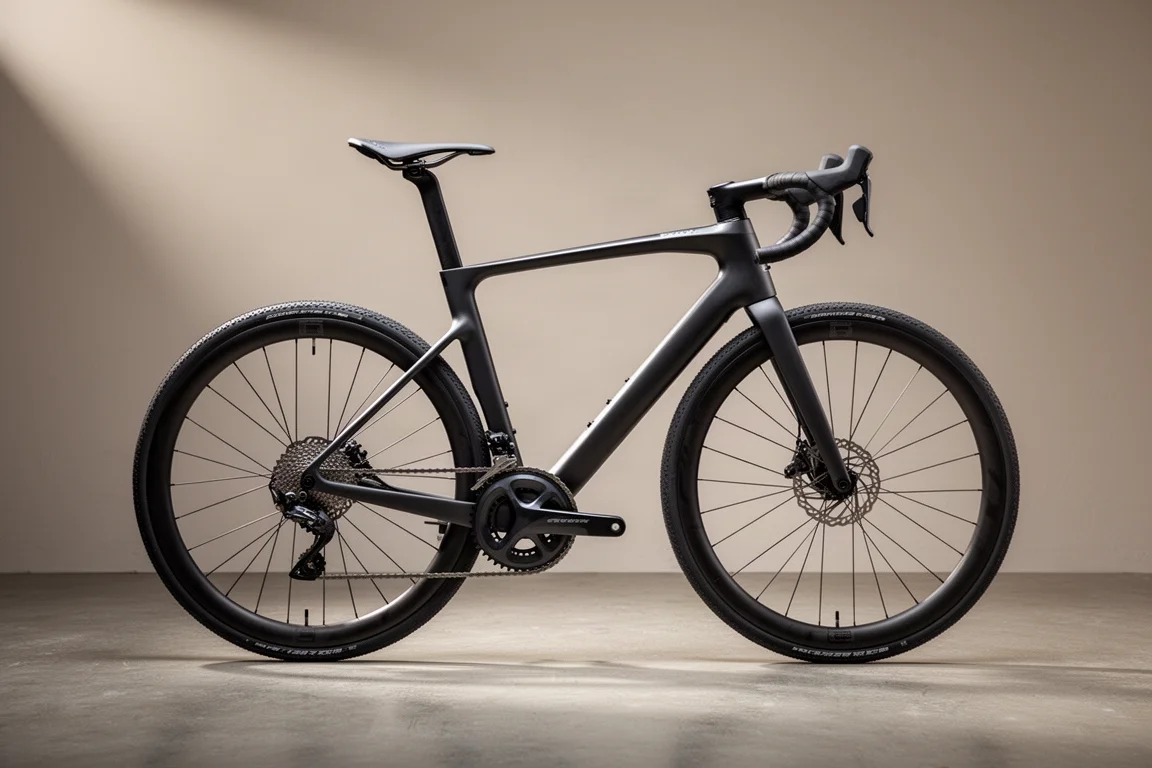
The Venon EVO took a bike of the year title in 2023 and stands out for its clearance: 40 mm tires with a two-by drivetrain, or 45 mm with a single chainring setup. That makes it unusually adaptable, and it can be built in either road or gravel trim.
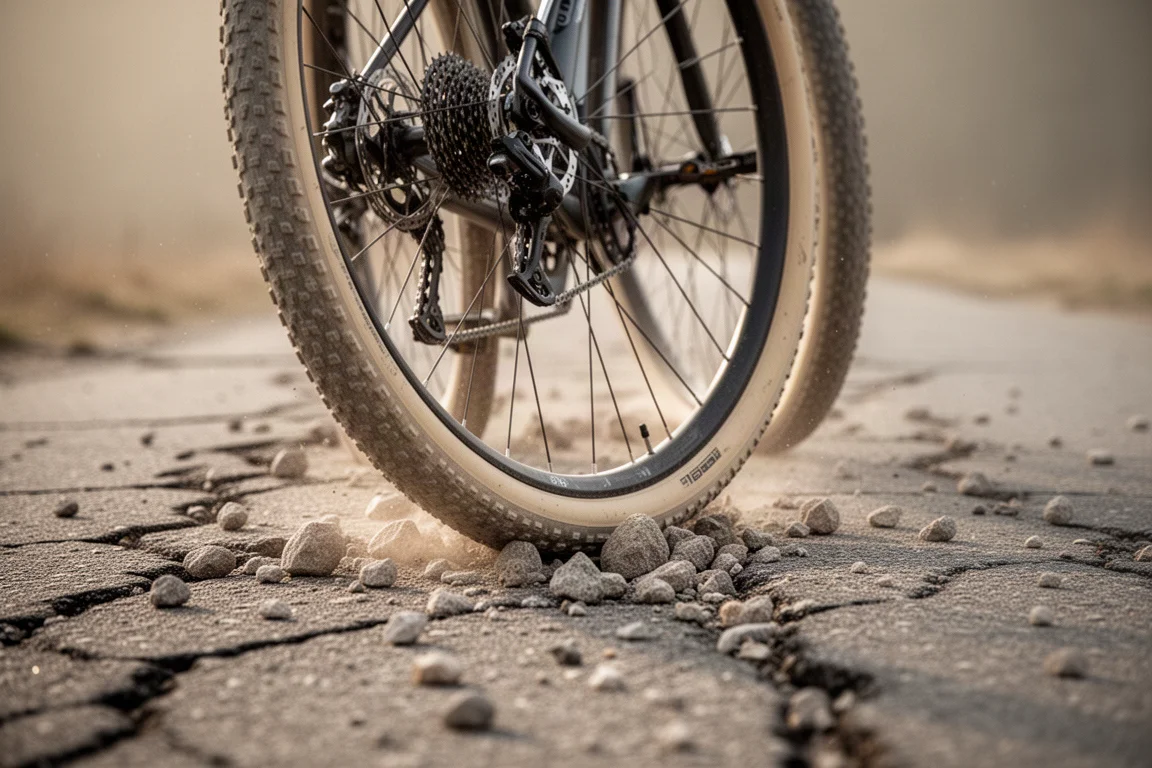
For riders who split their time between tarmac and light gravel, that flexibility is the headline feature. Adding gravel tires or a second wheelset turns the same frame into a capable mixed-surface machine, while a road build keeps it quick on fast group rides.
Ridley Grifn
Ridley’s Grifn follows the same multi-purpose idea and can be built in road or gravel trim. Riders who want a single frame to cover fast tarmac rides and rougher surfaces can choose the build that matches the majority of their riding, then adjust tires or wheels for the rest.
Merida Scultura Endurance
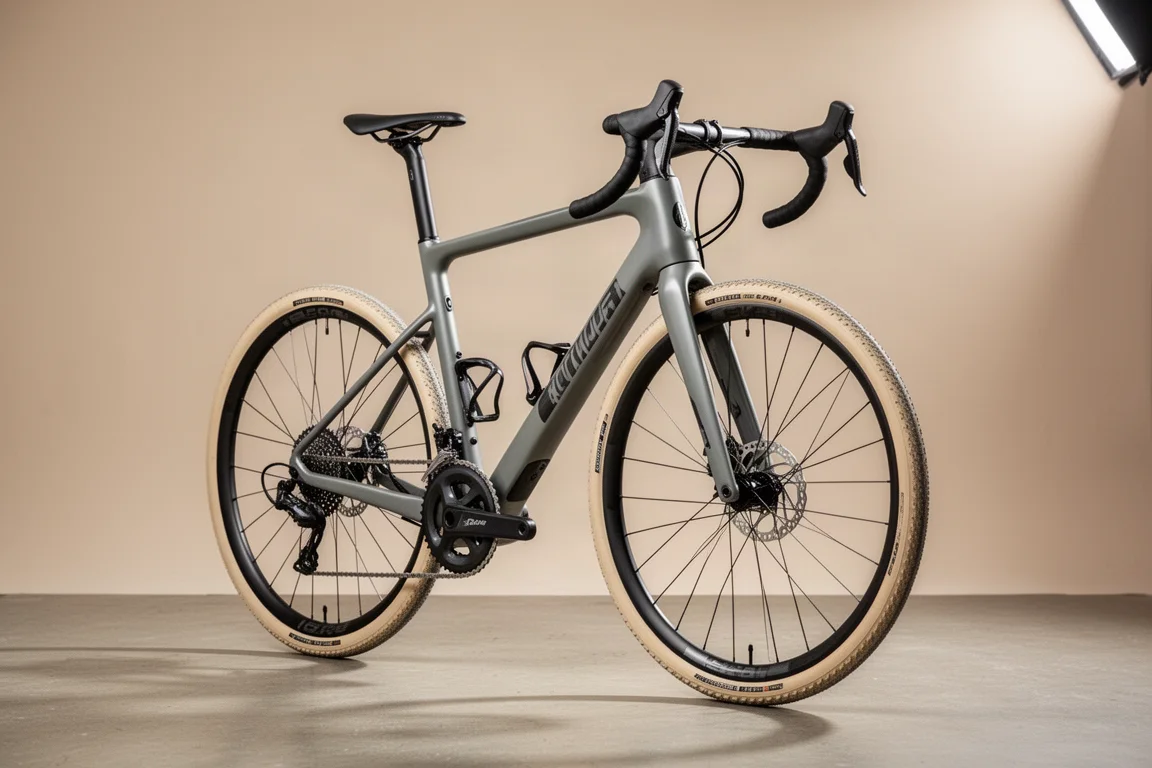
The Scultura Endurance combines endurance geometry with the option of a gravel specification variant, so buyers can pick a road-focused build or one set up for mixed surfaces. For riders who mostly stay on tarmac but want the option of rougher roads, that choice is a practical one.
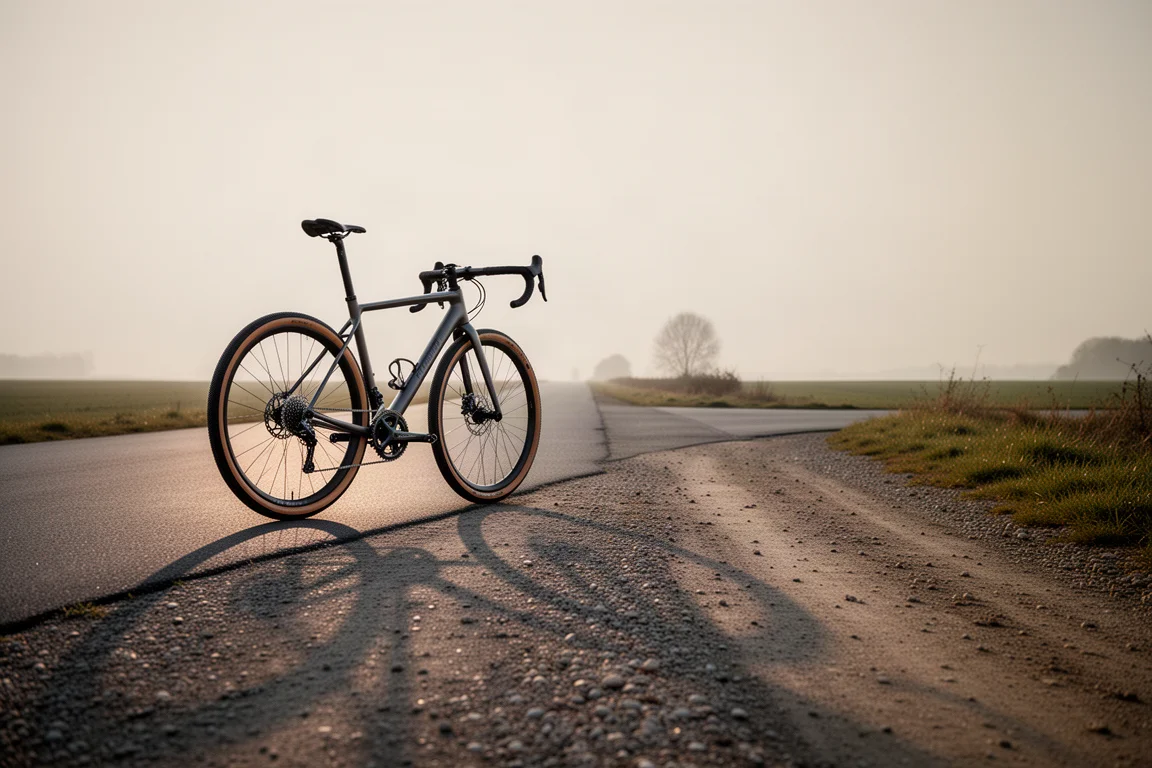
Its endurance geometry keeps the front end higher and the reach shorter than a race frame, which is the detail that matters most on longer rides. Riders who value comfort over the lowest possible position will feel the benefit quickly.
Cervélo Caledonia
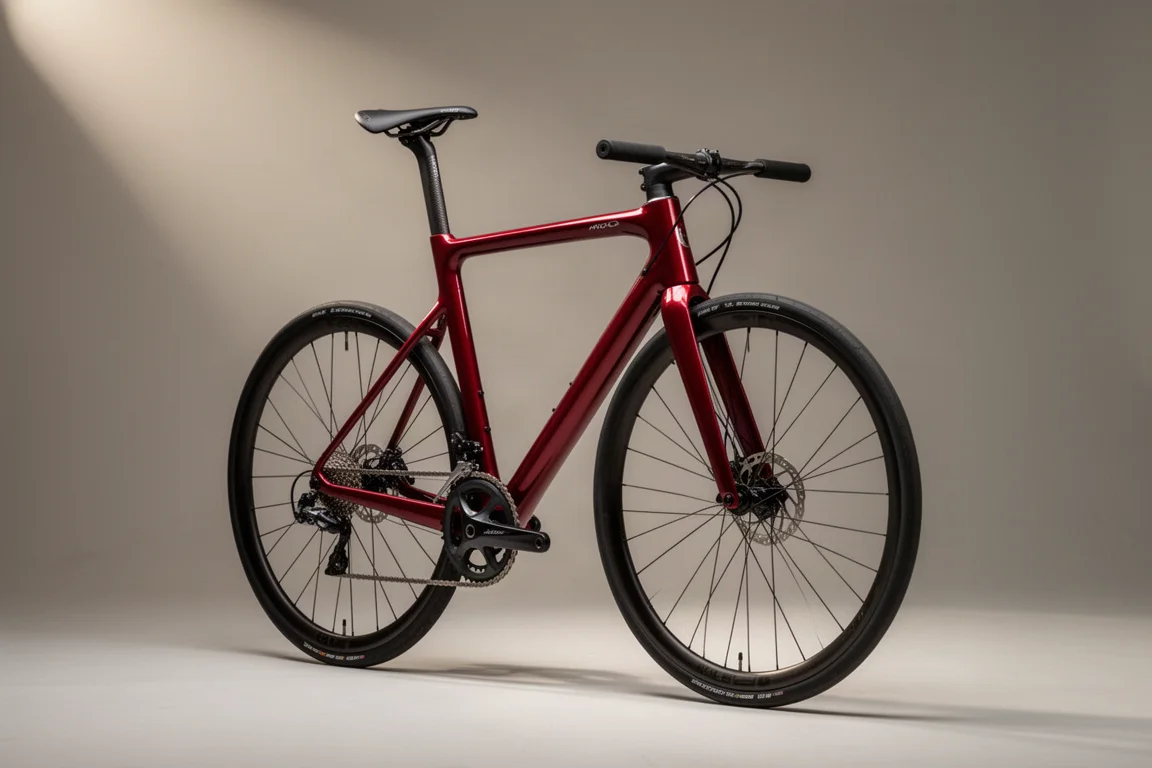
The Caledonia is essentially an R-series road bike with a slightly relaxed ride position and more generous tire clearances. That combination keeps race-bike pace on a competitive club run while taking the edge off long days in the saddle.
Buying Advice: Gearing, Tires, and Versatility
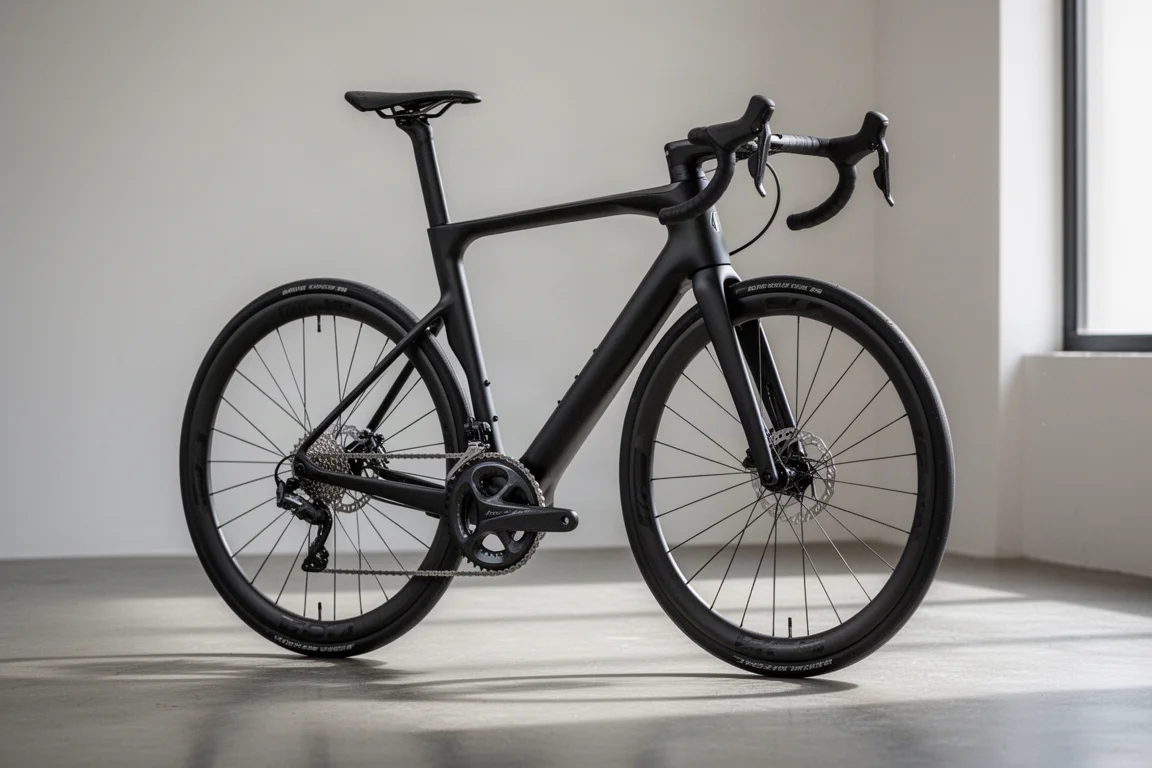
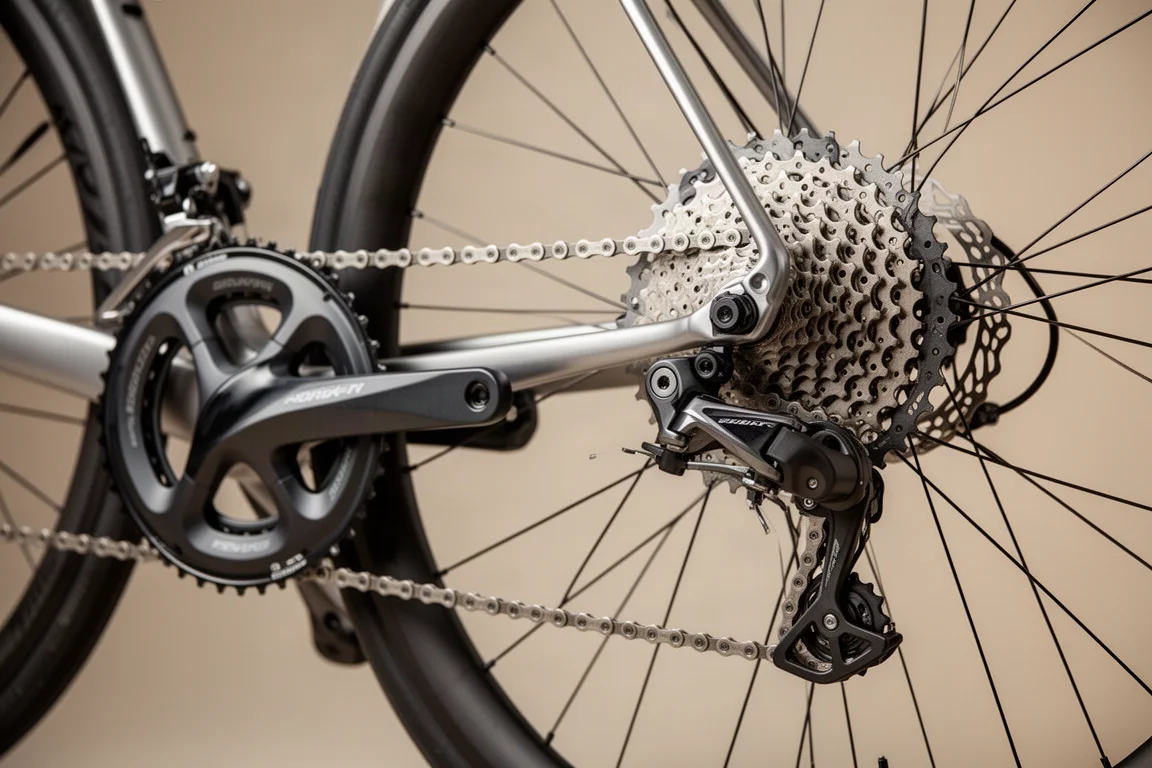
Gearing deserves as much attention as frame weight. Compact 50/34 cranksets arrived around 2003, and the industry moved further toward easier gearing in the early 2010s with 11-32 and 11-34 cassettes. Some riders argued that this made road cycling too easy, but the practical outcome is a spread of gears that suits far more people. Endurance bikes typically come with that kind of range, while many road bikes are still specified with race gearing such as a 52/36 chainset and a tight 11-30 cassette. An elite racer may be able to spin 53/11 at 45 km/h, but most riders rarely will, and carrying gears you seldom use is not much of an advantage.
Versatility is the other reason this category deserves a closer look. Pure road racing bikes and gravel bikes tend to be excellent at one thing, while endurance models increasingly cover both: the Vitus Venon EVO and Ridley Grifn can be built in road or gravel trim, and the Merida Scultura Endurance has a gravel specification variant. Add a set of gravel tires or a second wheelset and you have something close to a one-bike solution. On the days you want to push on tarmac, they are not much of a compromise either.
That breadth may be why the category has lost some attention. A bike that is race-capable, light-gravel-capable and more comfortable has the potential to be a quiver killer, which is a decision made with your head rather than your heart. The latest generation, though, gives you reasons to buy with both.
Conclusion
Endurance road bikes make a strong case for most riders: a position you can hold comfortably for hours, steering that stays quick without feeling nervous, clearance for wider tires and gearing that covers real climbs. If your riding is mostly on public roads, often less than perfectly surfaced, an endurance model is likely to be faster in practice than a race bike you never quite settle into. If you also want the option of light gravel, the road-or-gravel builds in this group make that easier to justify.
Further reading
Related Reviews
Endurance Road Bikes
Best Endurance Bikes Compared: Merida Scultura Endurance, Cervélo Caledonia and Vitus Venon Evo RS Aero
Three endurance road bikes tested on long, wet road loops: relaxed classic comfort, sporty road pace, and an all-road machine with genuine gravel room.
Endurance Road Bikes
Best Endurance Road Bikes: Eight Comfort-Focused Picks for Speed and Stability
Eight endurance road bikes compared on fit, comfort features, tire clearance, storage and value, from the smoothest carbon options to steel and titanium alternatives.
Endurance Road Bikes
BMC Roadmachine Review: An Endurance Road Bike Built Around 40mm Tires
A closer look at the updated BMC Roadmachine, from its 40mm tire clearance and down tube storage to the trade-offs of its integrated rear light.