Cycling
Endurance Bikes vs Race Bikes: Which Road Bike Most Riders Should Buy
Endurance and all-road bikes trade race-bike twitchiness for comfort, wider tires and lower gearing. Here is what that actually means out on the road.
Introduction
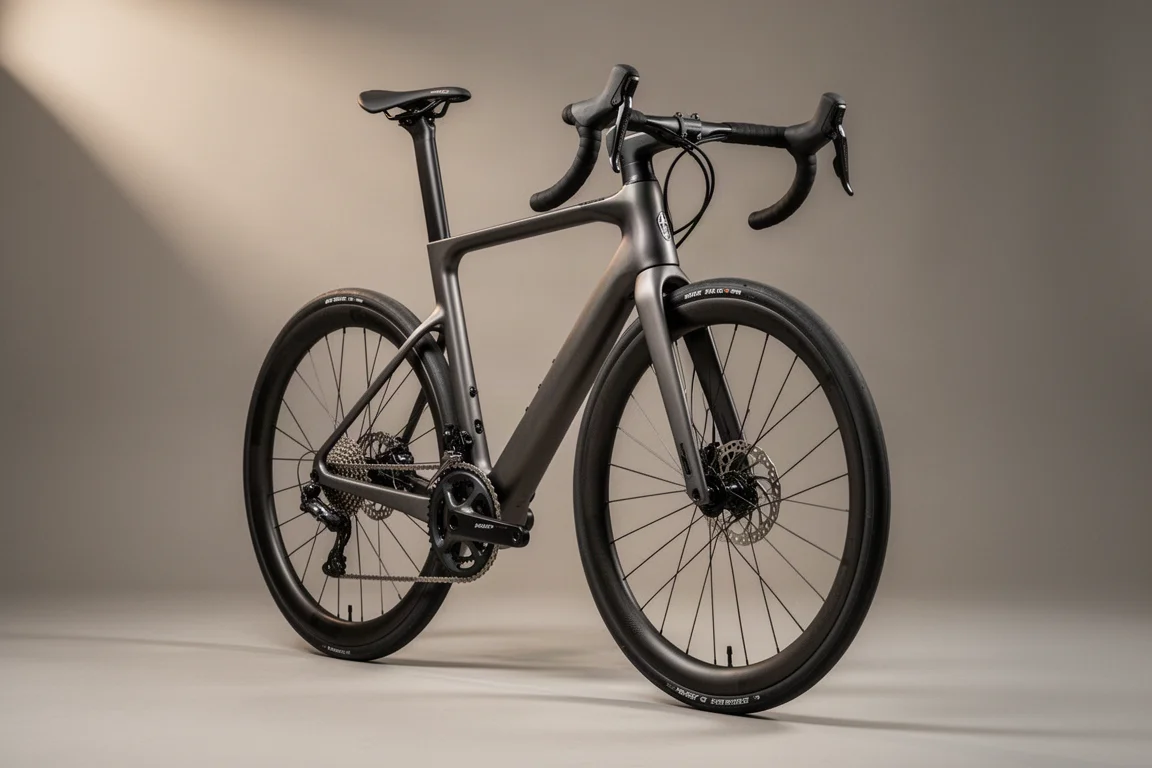
Plenty of riders buy a race bike and never pin on a number. Race bikes are sold with professional endorsement and grand tour imagery, while endurance bikes, sometimes called all-road bikes, receive a fraction of that attention. That is an odd mismatch, because for riders putting in five to ten hours a week and riding mainly for enjoyment, an endurance bike is usually the better tool.
The category is well covered. Most major brands build one, and the Enve Fray, the Specialized Roubaix, the Giant Defy and the Canyon Endurace are all examples. The Enve range alone shows how broad the idea can be, stretching from the Melee race bike through the Fray to the MOG. Here is what endurance bikes actually offer, and where they give away very little to a race bike.
Why Endurance Geometry Makes Sense
Endurance bikes use a higher stack and a shorter reach than race bikes. In practice that means a taller head tube and handlebars that sit closer to you, so the bars can be where you actually need them without a tall stack of spacers under the stem. A taller head tube set up cleanly also tends to look better than a short head tube propped up with spacers.
The rest of the geometry is more measured: a slightly longer wheelbase, a different head angle and more fork trail. The result is calmer and less twitchy than a race bike, but it is not lazy or dull. You can still carve a corner accurately. You simply do not have to be fully tuned in to every input, which makes it easier to switch off a little and enjoy the surroundings.
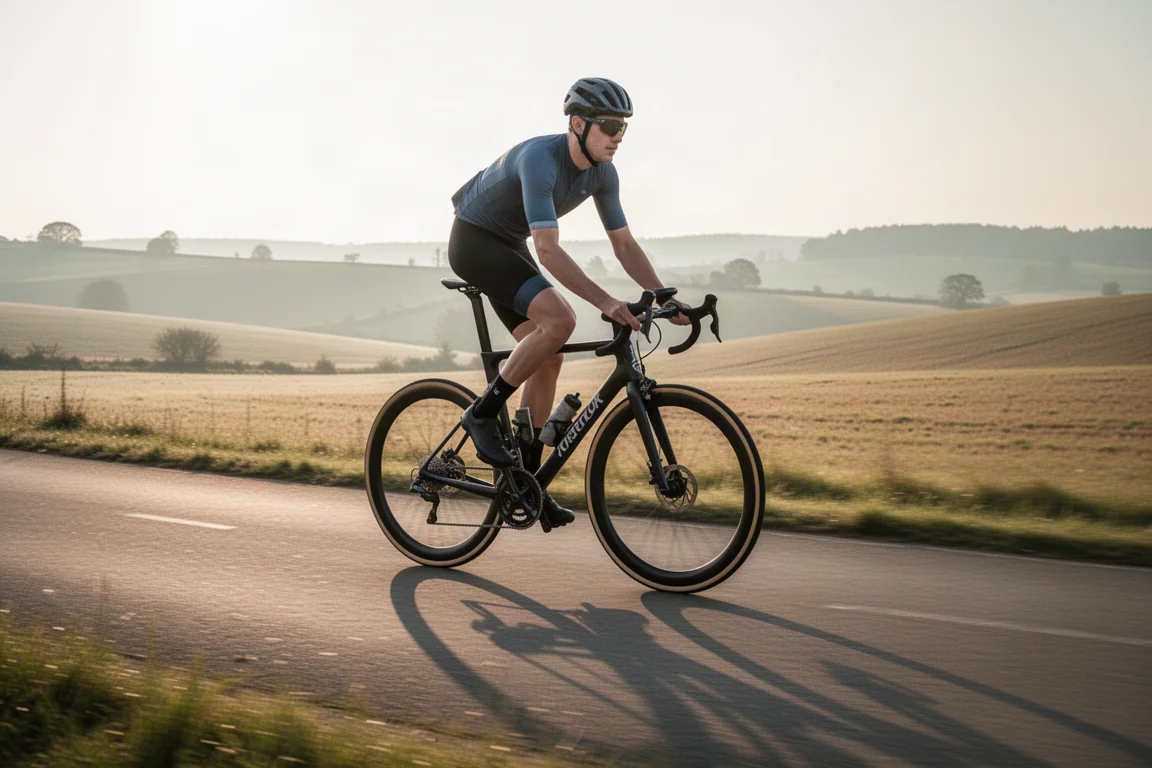
Even at the sharp end of the sport, higher front ends have become normal. Race bikes such as the Specialized Tarmac SL8 are often not slammed, which suggests that a taller position can help comfort without costing speed.
Comfort, Wide Tires, and Real-World Speed
Comfort is the headline reason to choose this style of bike, and comfort does not mean slow. A rider who is comfortable can ride longer and faster, and professional riders have embraced wide tires and other comfort features for exactly that reason. On brutal surfaces, staying fresher for longer leaves more in reserve for the decisive moments of a race. For everyone else, it means arriving at the final climbs of a century, a gran fondo or a sportive with something left.
Tire clearance is where the difference is clearest. Race bikes typically take 30 mm to 32 mm tires, while endurance frames like the Enve Fray accept up to 40 mm. A 35 mm tire is often the sweet spot. Beyond the rubber, frame design, fork design and seatpost design all contribute to a smoother ride. Compared with a race bike on the same width tires, an endurance bike can feel noticeably smoother over rough roads.
Wider tires also add traction and confidence when descending, whether the surface is wet and gritty or dry and covered in debris. Disc brakes made this possible. Moving the brake from a rim caliper down to the hub opened up space between the frame and the fork for wider rubber, and the trend has continued. An endurance frame with generous clearance is the safer long-term choice if you want to run wider tires later without changing bikes.
The assumption that endurance bikes are slow does not hold up in real-world riding. Calmer handling can read as slower, just as bumpy narrow tires can read as faster, but measured speed and power on a power meter show no meaningful difference for regular riders. Comfort lets you carry more speed over rough roads and makes it easier to spend more time in the drops, thanks to the higher front end. For riders who are not racing, the endurance bike is arguably the faster choice. It is the legs that do the talking, not the bike.
Gearing and Versatility: What to Look For
Race bikes are built for high-speed action, with big chainrings and small cassettes. Endurance bikes generally use lower gearing, and that matters far more than many riders admit. Lower gears let you spin up steep gradients instead of grinding at a low cadence, and climbing is where fitness and gearing are found out. Smaller ratio chainrings paired with wider range cassettes are becoming more common, and 1x13 drivetrains are now an option as well. Descending, by contrast, is a case for tucking in and using gravity as recovery.
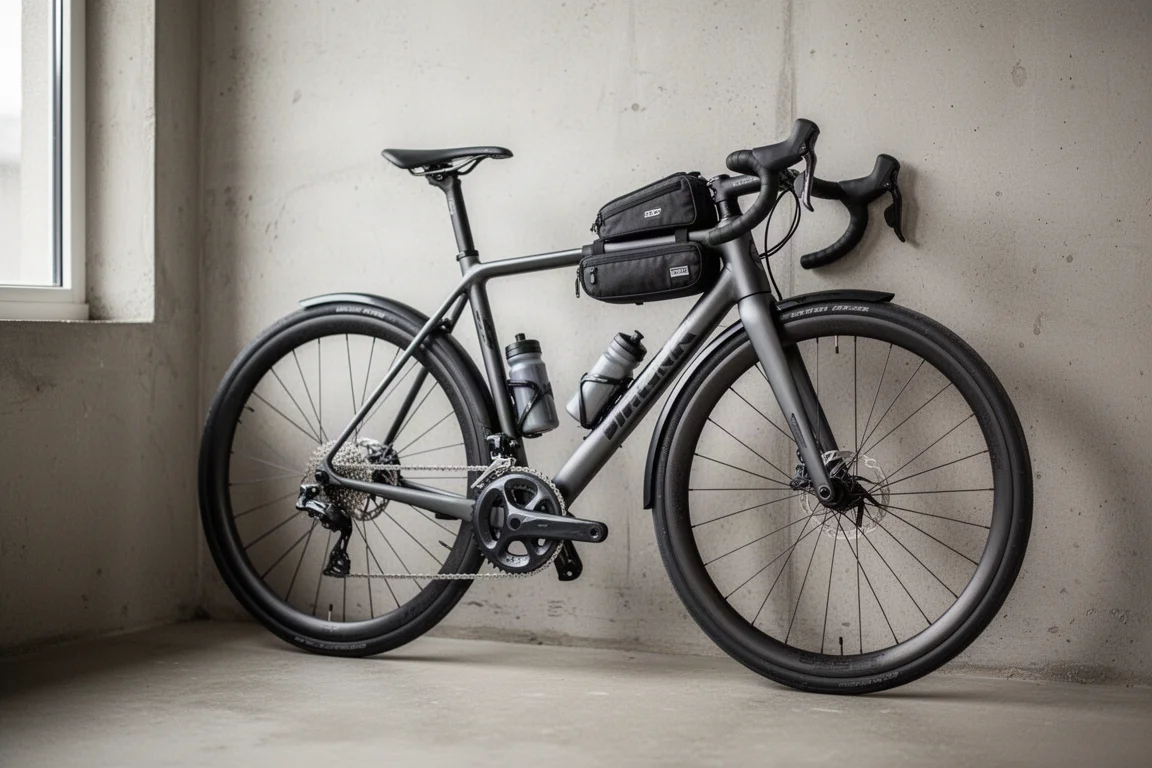
Versatility is the other half of the argument, although there is no agreed standard for how versatile an endurance bike should be. Features worth looking for include fender or mudguard mounts for year-round riding, top tube mounts for a bento bag, a third bottle cage mount on the downtube, and in-frame storage, which the Enve Fray offers. In-frame storage keeps tools and spare parts inside the downtube instead of hanging off the saddle.
With clearance now reaching 40 mm on many endurance frames, a light gravel setup becomes realistic where the dirt is smooth and groomed. Loose or chunky gravel still calls for a proper gravel bike. If you want one drop-bar bike to cover everything, starting from a gravel bike and fitting slick tires is the more capable route.
Enve Fray: The Sweet Spot of the Range
The Enve Fray sits in the middle of the brand’s drop-bar range, with clearance for tires up to 40 mm and in-frame storage for tools and spares. It is the model to choose if you are not racing and not heading onto gravel. Its arrival also hints at the direction of the range: the Melee can become racier, lighter and stiffer for competition, while the Fray covers the long, comfortable days.
Enve Melee: Race Speed With Wider Tire Clearance
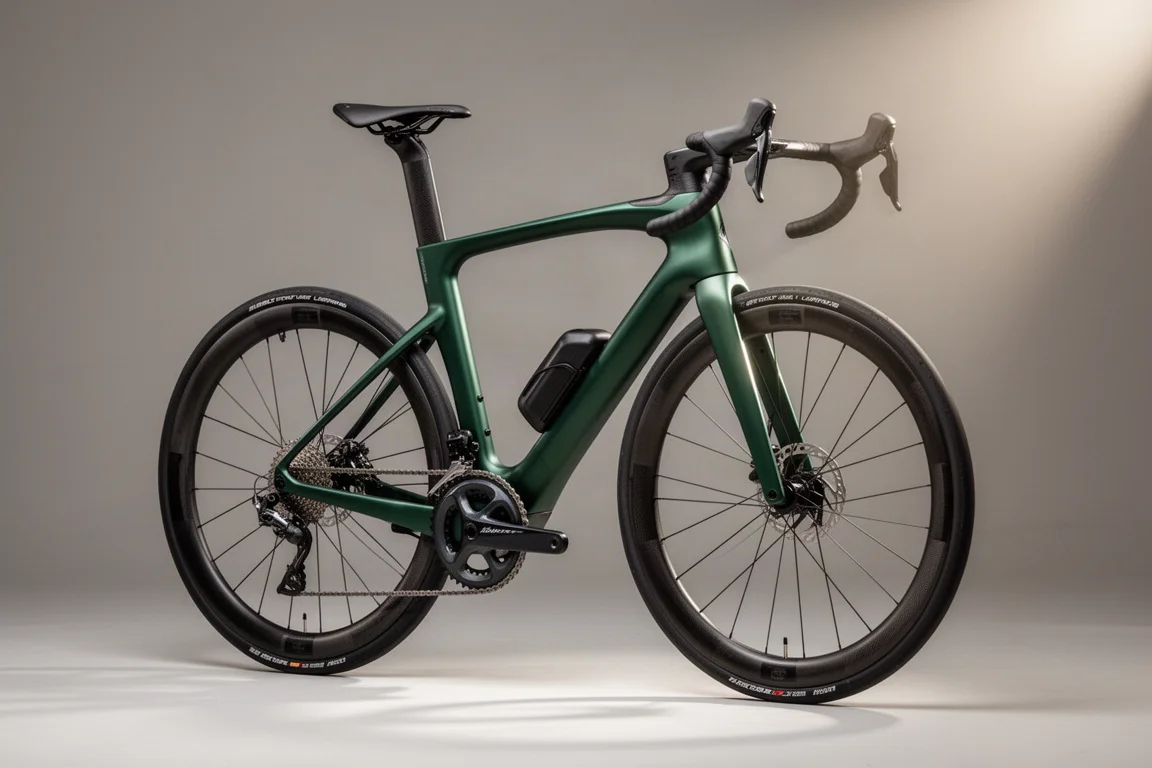
The Enve Melee is a race bike, and it bucks the trend by accepting tires up to 35 mm while most race frames stop around 30 mm to 32 mm. That extra room makes it a race bike you can run with more comfort and grip, without moving to a full endurance platform.
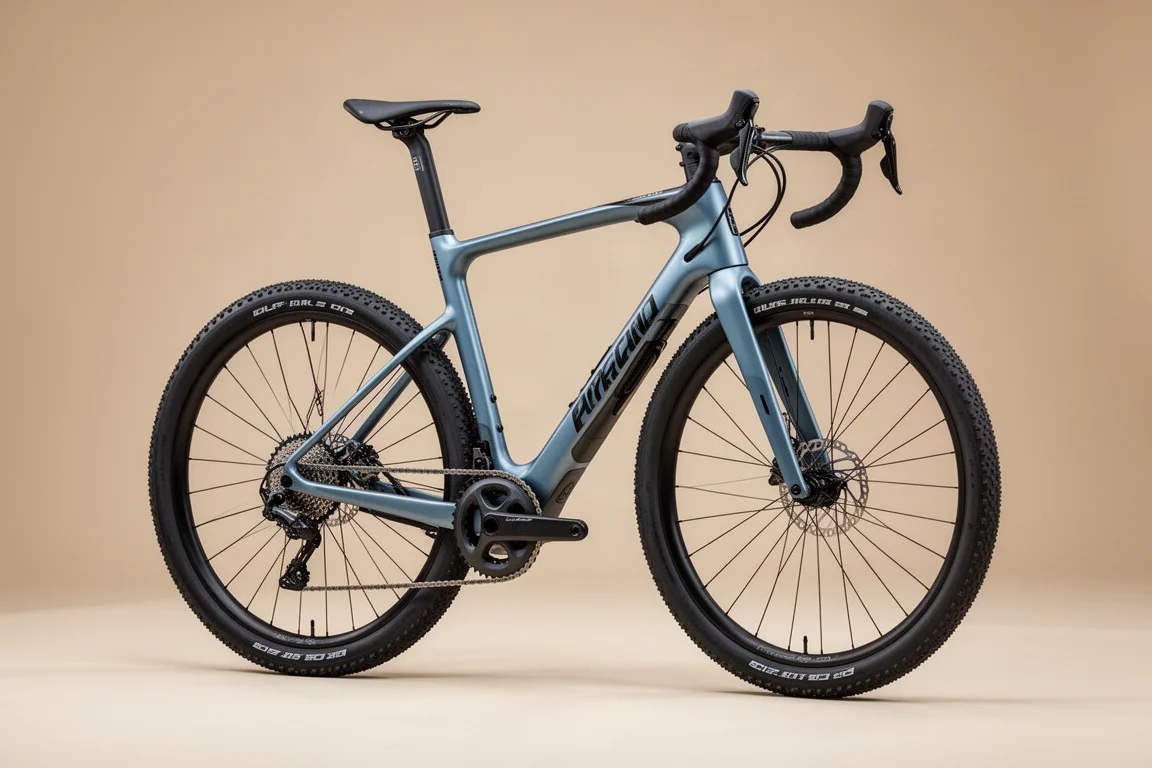
Enve MOG: Built for Bigger Rubber
At the other end of the Enve range, the MOG accepts tires up to 50 mm, which places it firmly in gravel territory. It shows how far the clearance conversation can stretch when the surface demands it.
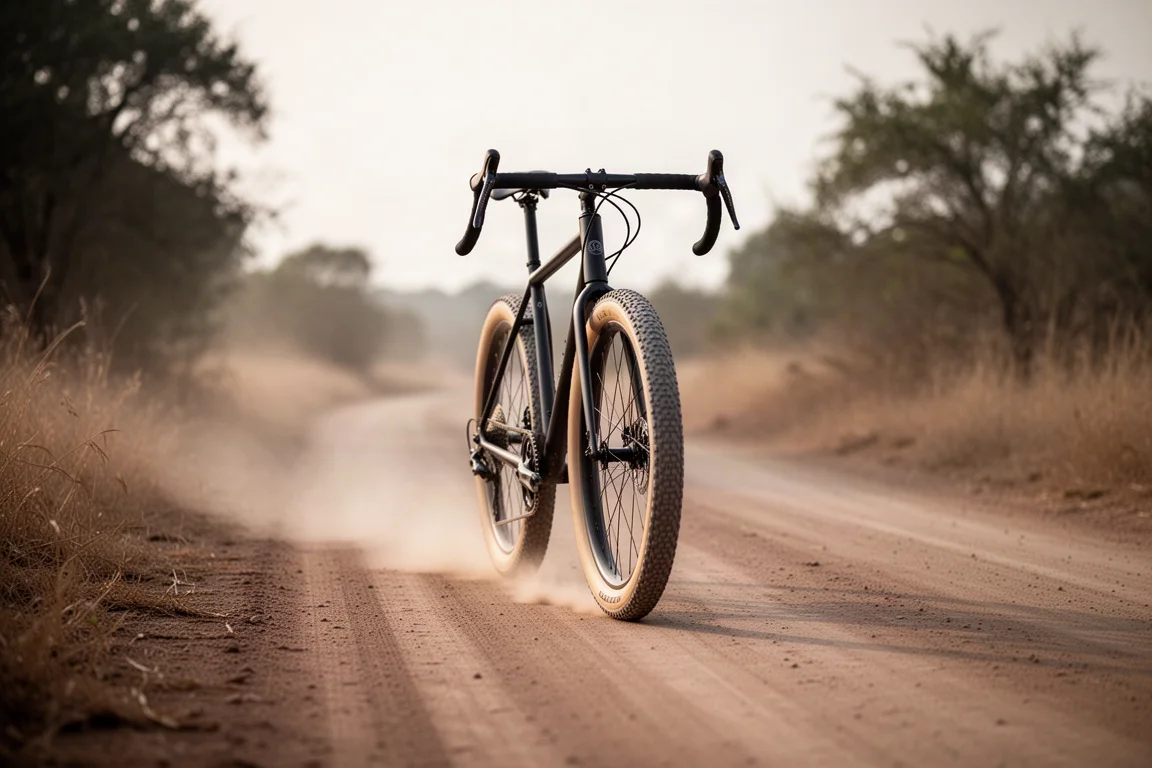
If your riding regularly leaves tarmac behind, the MOG is the Enve option that matches that reality rather than fighting it.
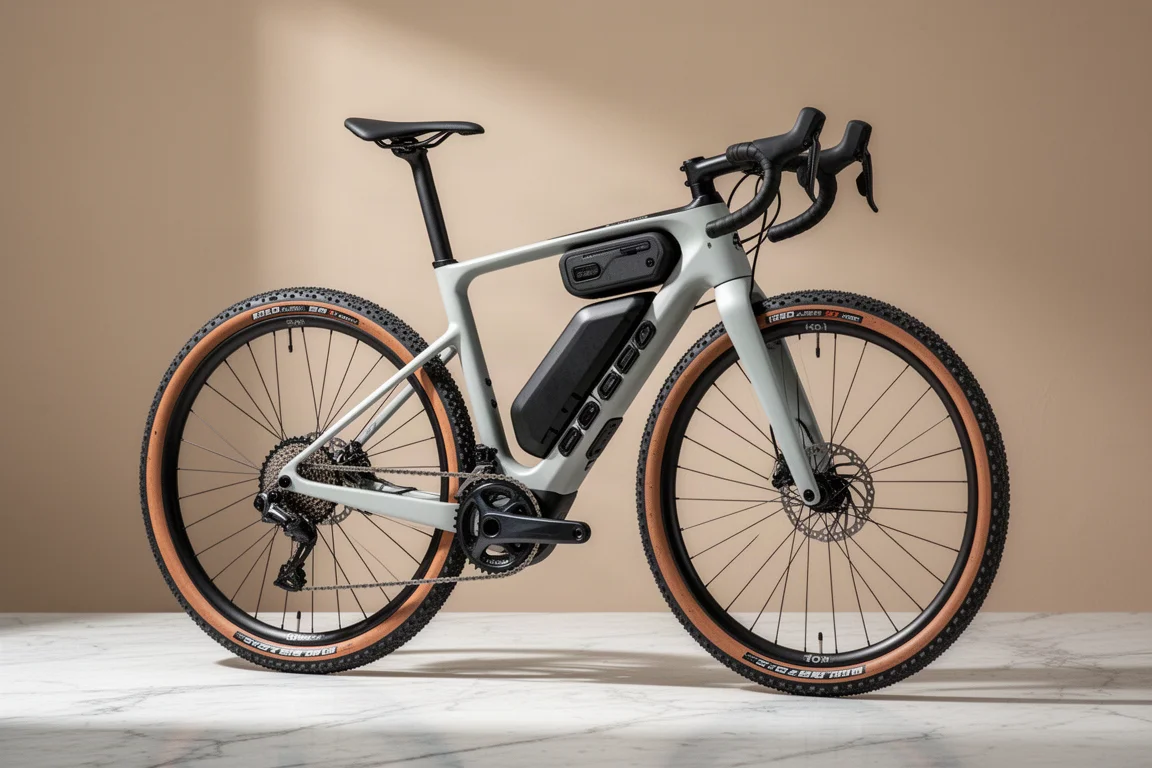
Specialized Roubaix: A Long-Standing Endurance Platform
The Specialized Roubaix is one of the best-known endurance bikes, and it represents the classic version of the formula: a road bike built around comfort and control for long days rather than race-bike sharpness. For riders whose priority is finishing a century feeling fresh, that positioning is the whole point.
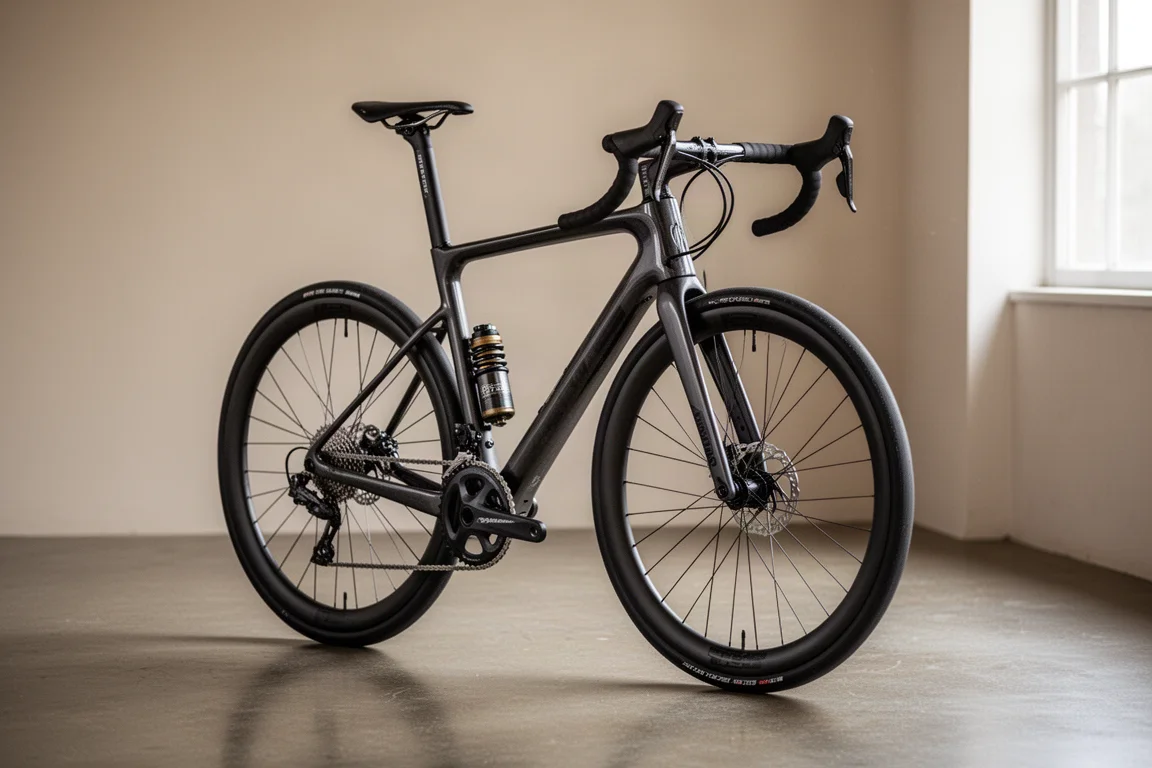
Giant Defy: A Familiar Endurance Choice
The Giant Defy is another long-running entry in the category. It follows the same broad approach, with geometry and ride quality aimed at riders who want to cover distance comfortably rather than chase race-day aggression.
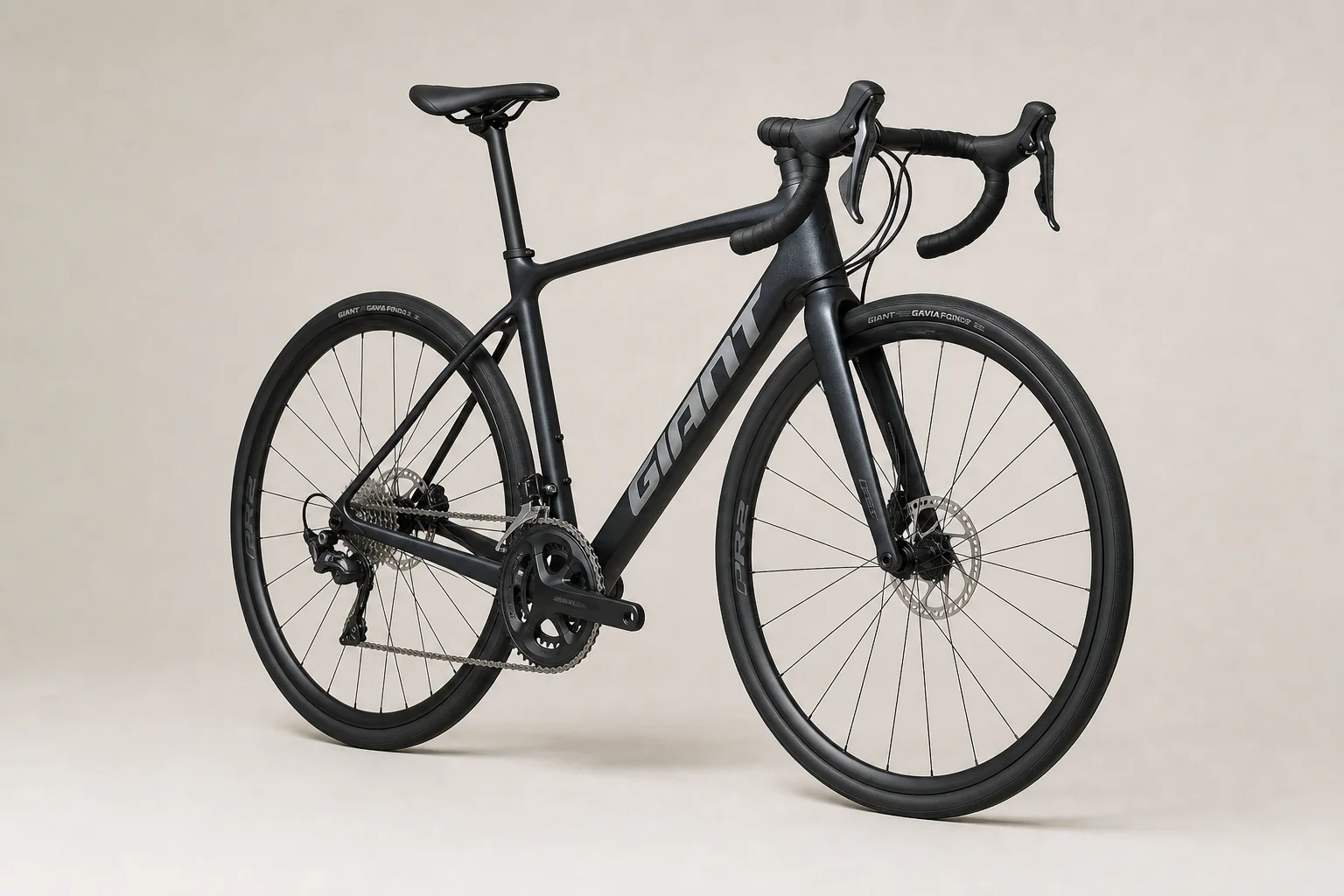
Canyon Endurace: Endurance With a Performance Bent
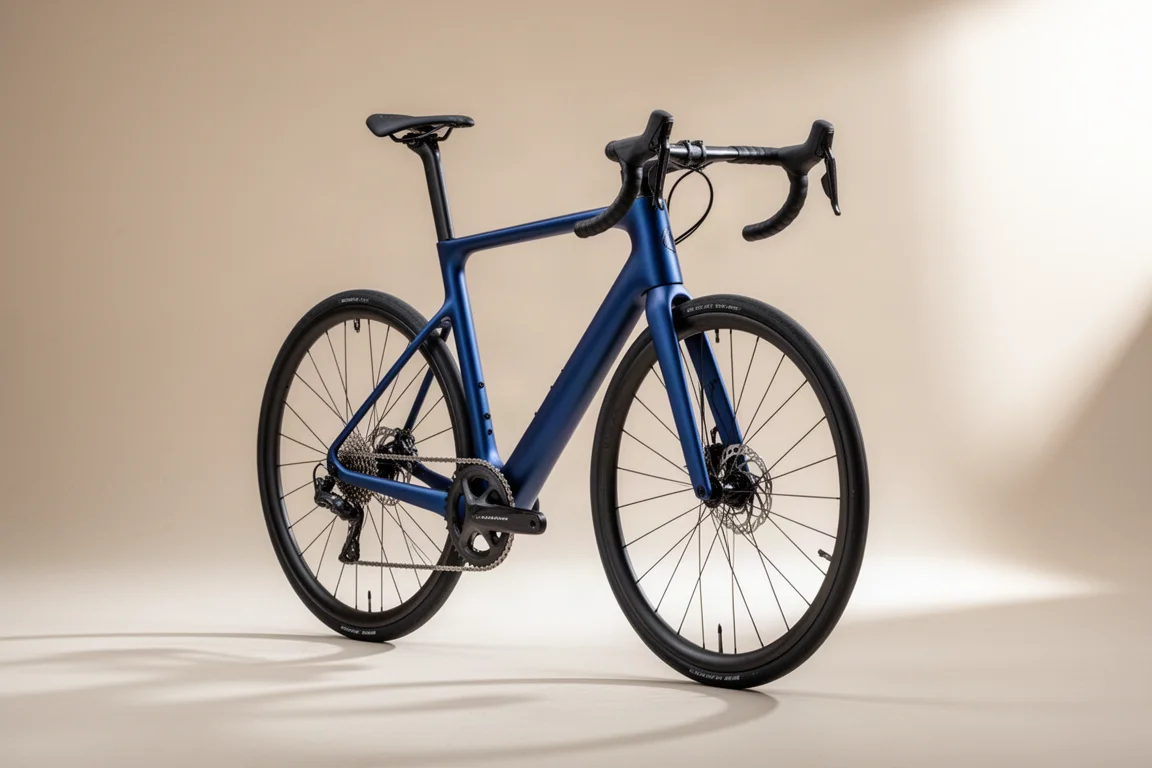
The Canyon Endurace rounds out the well-known options here. Like the others, it is an endurance road bike rather than a race machine, which makes it a sensible starting point for riders whose priority is long, enjoyable rides.
Buying Advice
If you race, buy a race bike. That is the simple answer. For everyone else, the case for an endurance bike comes down to a few practical questions.
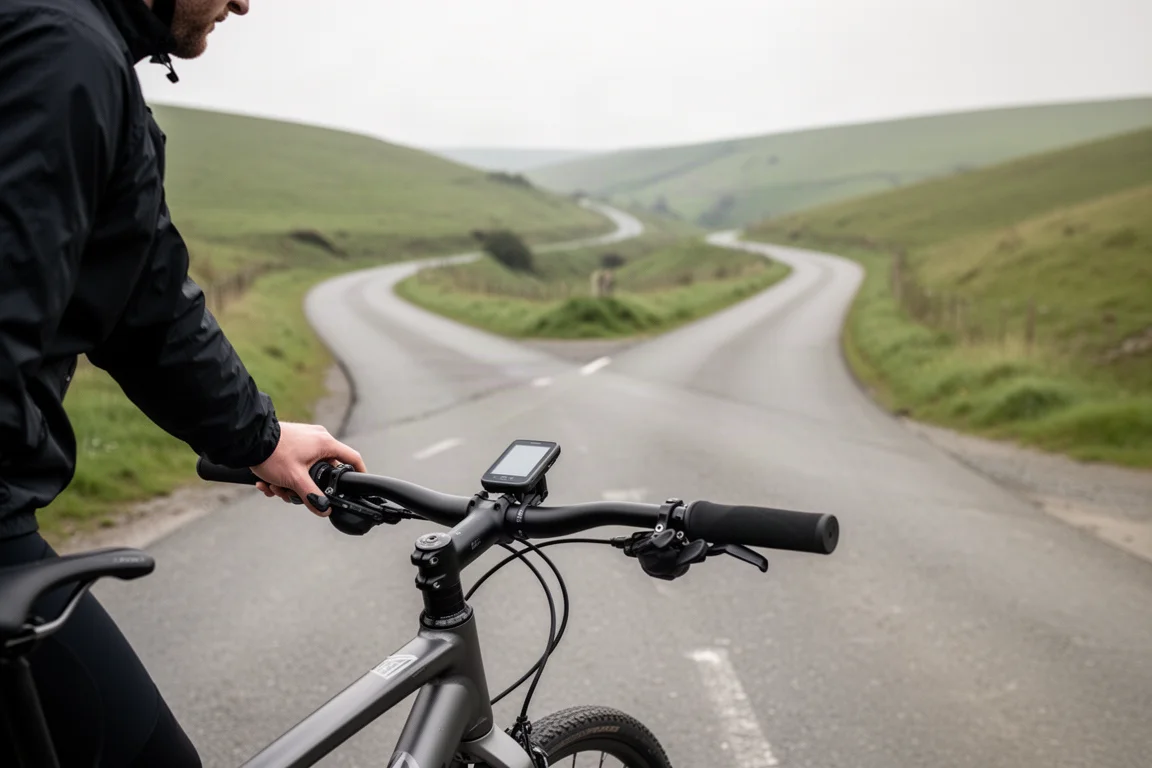
First, how wide do you want to go? Check the maximum tire clearance and whether it still leaves room for fenders. Second, what mounts do you need for year-round riding and long days? Third, do you want the lower gearing that makes steep climbs easier to spin? Fourth, do you want the option of light gravel riding, which a 40 mm clearance frame can support on smooth surfaces?
Answer those questions honestly and the choice between a race bike and an endurance bike usually makes itself. The bike will not be what slows you down, and it will not be what makes a long ride hard.
Conclusion
Endurance bikes are not the slower, softer option they are sometimes made out to be. They give up very little in real-world speed while adding comfort, wider tire clearance, lower gearing and more versatility. For riders who ride for enjoyment rather than results, that is a trade worth making. With options ranging from the Enve Fray to the Specialized Roubaix, the Giant Defy and the Canyon Endurace, there is a version of this formula for almost every rider and surface.
Further reading
Related Reviews
Cycling
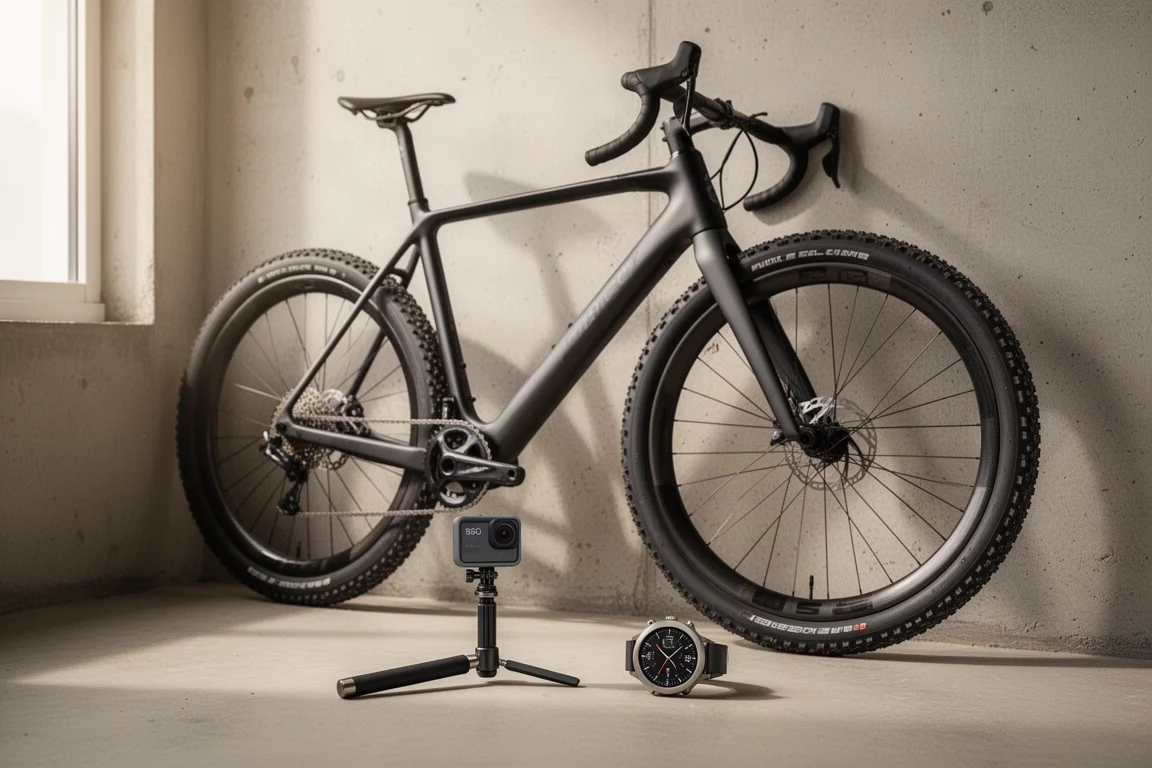
2026 Bike of the Year and the Cycling Gear Worth Watching
A drop bar roundup for 2026 covering the Ridley Kanzo Fast 2.0, Shimano Dura-Ace Di2 R9300, Trek Checkpoint ALR Gen 3, Specialized Tarmac SL9, Garmin Fenix 9 and Insta360 X6.
Cycling
Best All-Road Bikes 2026: Six Versatile Endurance Road Bikes Worth Considering
A practical look at six all-road and endurance road bikes, from lightweight carbon speed machines to steel all-rounders and comfort-focused mile eaters.
Cycling
Best All-Road Bikes 2026: 8 Endurance Bikes for Road and Light Gravel
Eight all-road bikes that blur the line between endurance road and light gravel, compared on tire clearance, ride character, practicality, and value.