Floorstanding Speakers
Emotiva XT2 Review: A True Three-Way Floorstander With Ribbon Tweeter Detail
A close look at the Emotiva XT2, a true three-way floorstanding speaker with three 6-inch woofers and a folded ribbon tweeter, including amplifier matching notes and how it compares at the price.
Introduction
Emotiva has built a following on a straightforward idea: give listeners a lot of driver hardware and a lot of clarity for the money. The XT2 is the current expression of that idea. It is a true three-way floorstanding speaker that lists at $1,500 per pair, and with a 20% discount it lands at roughly $1,200 per pair.
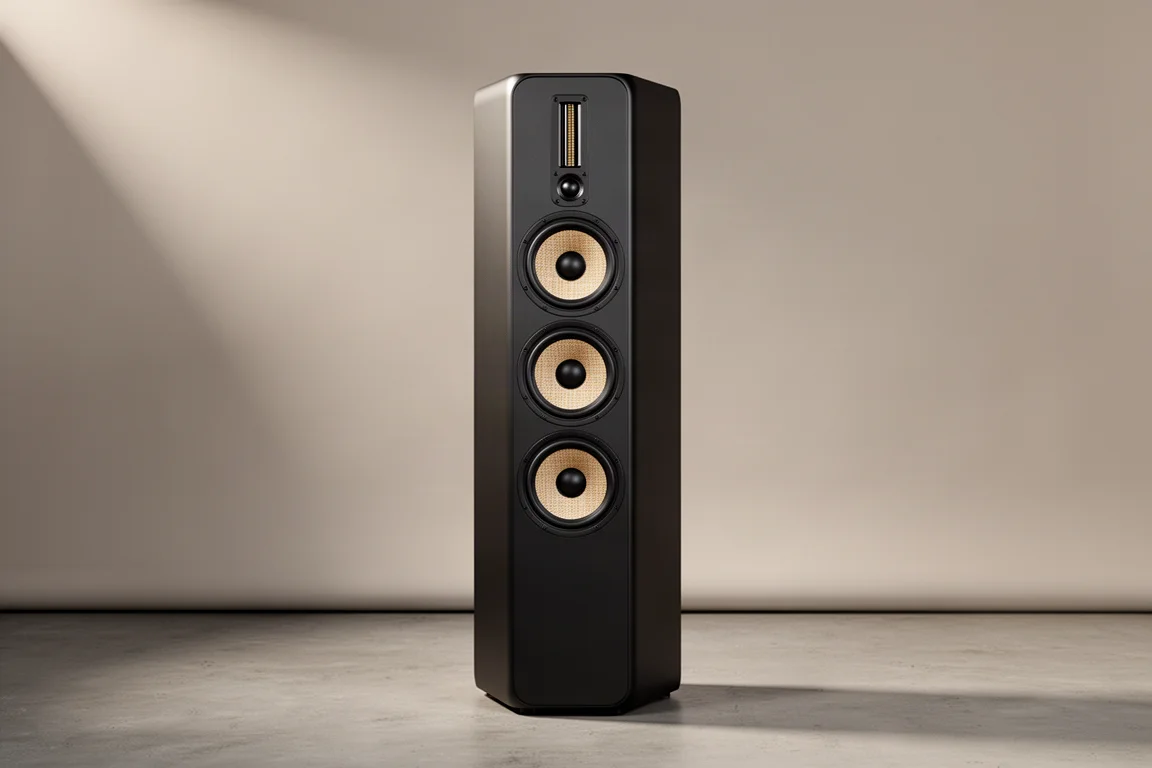
That price buys three 6-inch woofers, a 5.25-inch midrange driver and a folded ribbon tweeter measuring 25mm by 32mm, housed in a cabinet that stands 45 inches tall but only 8.5 inches wide and 12 inches deep. Emotiva rates the speaker from 40 Hz to 27,000 Hz, plus or minus 3dB, with 90 dB sensitivity and a 4-ohm load. There is a large port on the rear of the cabinet, and the speaker can be bi-amped or bi-wired if you want to experiment.
The short version: this is a transparent, detailed speaker that rewards good electronics and makes a persuasive case at its current price. Here is what to know before buying.
Who This Speaker Is For
The XT2 suits listeners who value detail, air and a wide soundstage more than they value a warm, forgiving presentation. Its party trick is the amount of low-level information it uncovers: backing harmonies that suddenly resolve into two distinct voices, breath sounds around a vocal, the hollow resonance inside an upright bass, the texture of a distorted vocal take. If you have played a favourite record dozens of times and want to hear the parts you missed, this is the kind of speaker that delivers them.
It also suits anyone running a modest amplifier. At 90 dB sensitivity and a 4-ohm load, the XT2 does not need enormous power. A small Class D amplifier with good current delivery drove it convincingly at normal listening levels. What it does need is an amplifier that stays composed, because the speaker is transparent enough to expose the character of everything upstream, including sources and digital to analogue converters.
Room-wise, the 45-inch height is the main consideration. The footprint is compact for a tower, but the cabinet still wants a wall behind it and a little space around it.
Main Strengths: Clarity, Air, and Soundstage
The defining quality of the XT2 is clarity. Instrument separation and placement in space are the areas where it distances itself from most floorstanders near the price. On dense, layered recordings, individual parts hold their own positions rather than collapsing into one mass, and that composure survives the moment a track suddenly gets loud and busy. A sparse studio recording with a distorted vocal and a simple drum kit comes across with the placement of a well-recorded jazz session, and a slow-building track that opens up past the two minute mark keeps its instruments separated when the payoff arrives.
The crossovers have been reworked with better components, including bypass capacitors for the midrange, and the ribbon tweeter itself is a new folded design. The audible result is air: detail in the vocal region and in the initial attack of percussion comes through in a way that soft dome tweeters at this price typically do not manage.
Compared with earlier Emotiva designs, the XT2 is more linear and more cohesive from the midrange into the treble. Previous generations could come across as a touch intense up top, which often meant experimenting with toe-in to calm the treble. The XT2 does not need that treatment. It can be aimed straight into the room and still sound balanced.
Amplifier Pairings and System Matching
Because the XT2 is transparent, amplifier choice audibly changes the result. Several very different setups were used with it, and each left its own fingerprint on the sound.
A compact streaming preamplifier paired with a small Class D power amplifier built around the Texas Instruments 3255 chipset was the biggest surprise of the group. The complete system costs around $630 without discounts, and it produced a natural tonality and an easy, unforced presentation at everyday levels of roughly 70 to 85 dB.
A $2,000 Italian integrated amplifier with a Class AB output stage and a Class A bias sounded best at low volumes, where it kept the speaker dynamic while other amplifiers were still waking up. A $3,000 streaming integrated amplifier delivered the most detail and the cleanest instrument separation of the set. A 75-watt Class D streaming amplifier also performed well, finishing just behind the small Class D combination rather than ahead of it.
The practical takeaway is that at normal listening levels, most competent amplifiers sounded good. At low volumes, an amplifier with real current and a bit of warmth made the bigger difference. Thin-sounding amplifiers are a poor match, and older Class D designs are a risk rather than a safe bet. The speaker will also reveal differences between digital sources, so it is worth feeding it something clean.
Things to Consider Before Buying
The most obvious consideration is the finish. The XT2 is a black vinyl-wrapped cabinet with magnetic grilles, and black is the only option. If you want a furniture-grade veneer or a choice of colours, this is not that speaker.
The driver layout also takes some getting used to. Visually, the upper section reads like a bookshelf speaker sitting on top of a midrange and woofer array, which is an unusual look in a tower.
Height is worth checking against your room. At 45 inches tall, the XT2 is a substantial speaker, and the large rear port means the wall behind it matters.
Finally, the 4-ohm load and the transparency mean this is not a speaker to pair carelessly. It will happily play on modest power, but it will also make a thin or harsh amplifier sound thin or harsh.
How It Compares at This Price
Direct competition is thin, because a true three-way design with a folded ribbon tweeter is rare at this price. It helps to know the distinction first: a true three-way speaker crosses its drivers into three separate arrays, while a two-and-a-half-way design uses two woofers where one is mechanically shaped to cover a different range. Many floorstanders at this price are the latter.
The Elac Debut 3 is a true three-way at $1,200 per pair, but it is voiced warm, which makes it a very different listen. The Q Acoustics 5050 is a big, capable speaker at $2,000 per pair, though it can be overwhelming in the bass in certain rooms, and it is neither a three-way design nor a ribbon tweeter design. The Klipsch RP-8000F Mark II comes in at $1,600 per pair, is not a true three-way, and may see discounts later.
If a true three-way driver array with ribbon tweeter detail is the goal, the XT2 sits in a category of its own at its current price.
Placement, Finish, and Living With the XT2
Placement is refreshingly simple. The XT2 was run aimed straight out into the room with no toe-in at all, and it stayed cohesive without tipping into brightness. That is a meaningful change from earlier Emotiva models, which often benefited from careful angling.
The speaker can be bi-amped or bi-wired, and the magnetic grilles make it easy to run with the drivers exposed. The cabinet itself is the usual Emotiva black vinyl covered box, which is either unobjectionable or a dealbreaker depending on your room.
Once the initial surprise at the looks wears off, the ownership experience comes down to what the speaker does with music. The XT2 has a way of making a familiar track sound newly resolved, which is the reason most people upgrade in the first place.
Buying Advice
At $1,200 per pair on sale, the XT2 is one of the strongest values in floorstanding speakers. The $1,500 list price is still competitive for the driver complement, but the current discount is what makes it an easy recommendation.
Match it thoughtfully. A compact streamer and small Class D amplifier costing around $630 is enough to build a genuinely enjoyable system. If you listen quietly and want maximum dynamics at low volume, an amplifier with a Class A bias and good current is the better partner. If your priority is the last word in detail and separation, a higher-end integrated will show you more of what the speaker can do. What you should avoid is a thin budget amplifier that cannot deliver current.
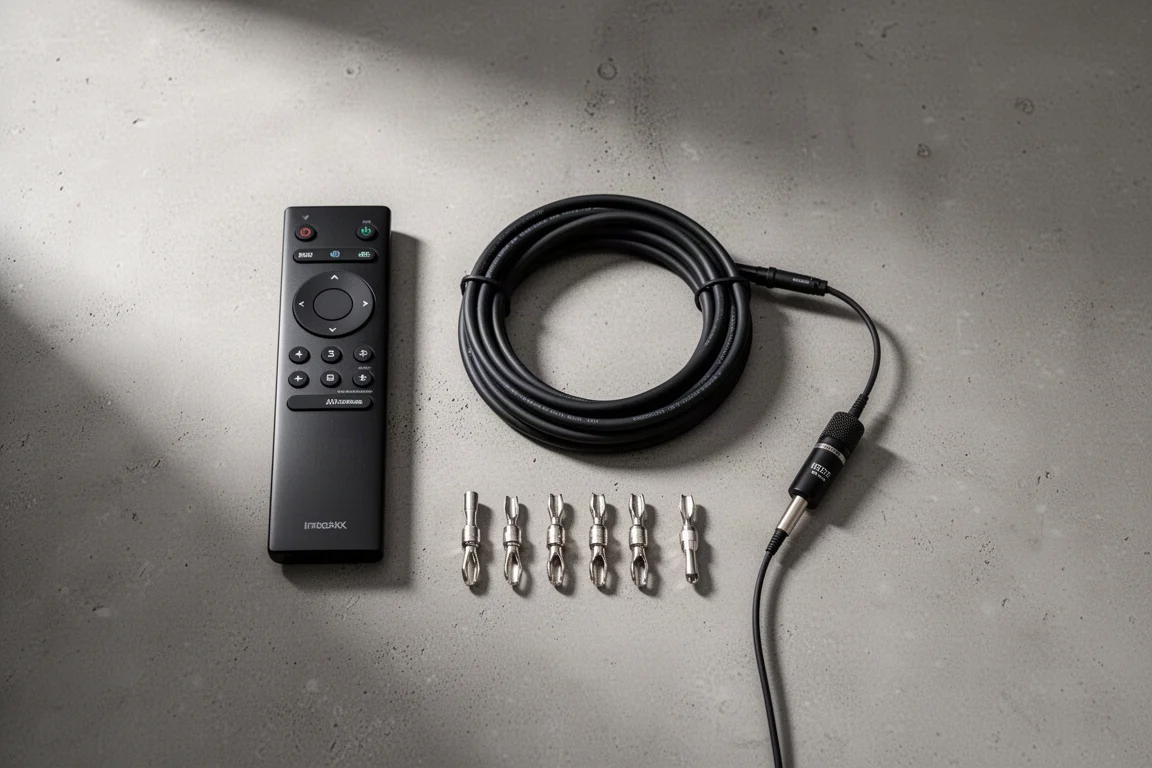
You also need to be happy with a black box. The XT2 is not a design statement, and it will not blend into a styled interior the way a veneered cabinet might. Buyers who can live with that trade-off get a lot of speaker for the money.
Conclusion
The XT2 takes the Emotiva house sound, clarity above all, and makes it more linear and more natural than before. It keeps the air, the separation and the wide soundstage, adds a more cohesive midrange-to-treble transition, and does it in a cabinet that is easier to place than its height suggests.
It is hard to find another speaker at this price that combines a true three-way driver array with a folded ribbon tweeter, and the current discount strengthens the value argument further. Pair it with an amplifier that has some current behind it, feed it good recordings, and it will keep you listening longer than you planned.
Product link
View more details for Emotiva XT2
This product is mentioned in the review. Check the specifications, options, and compatibility before buying.
View more details for Emotiva XT2Further reading
Related Reviews
Floorstanding Speakers
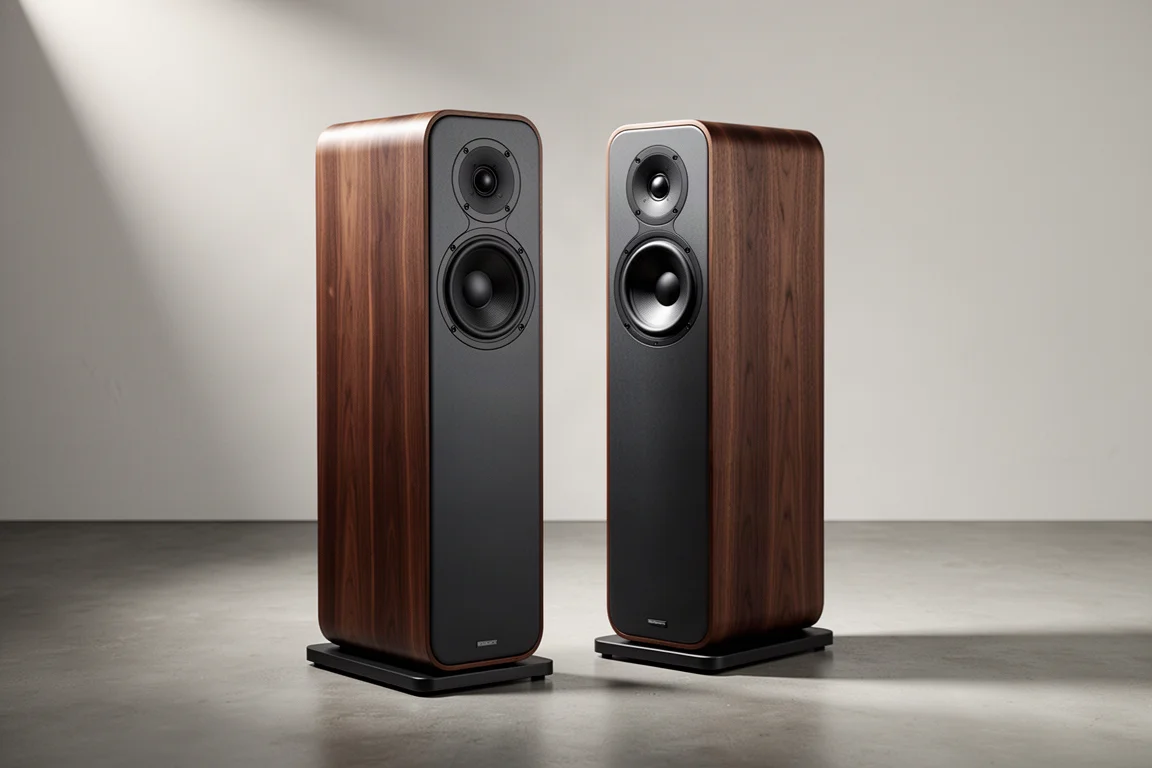
Acoustic Energy AE109 Mark II Review: A Refined Floorstander at £699
The Acoustic Energy AE109 Mark II is a slim, warm sounding floorstander that delivers clarity, midrange body and strong imaging in small to medium rooms.
Floorstanding Speakers
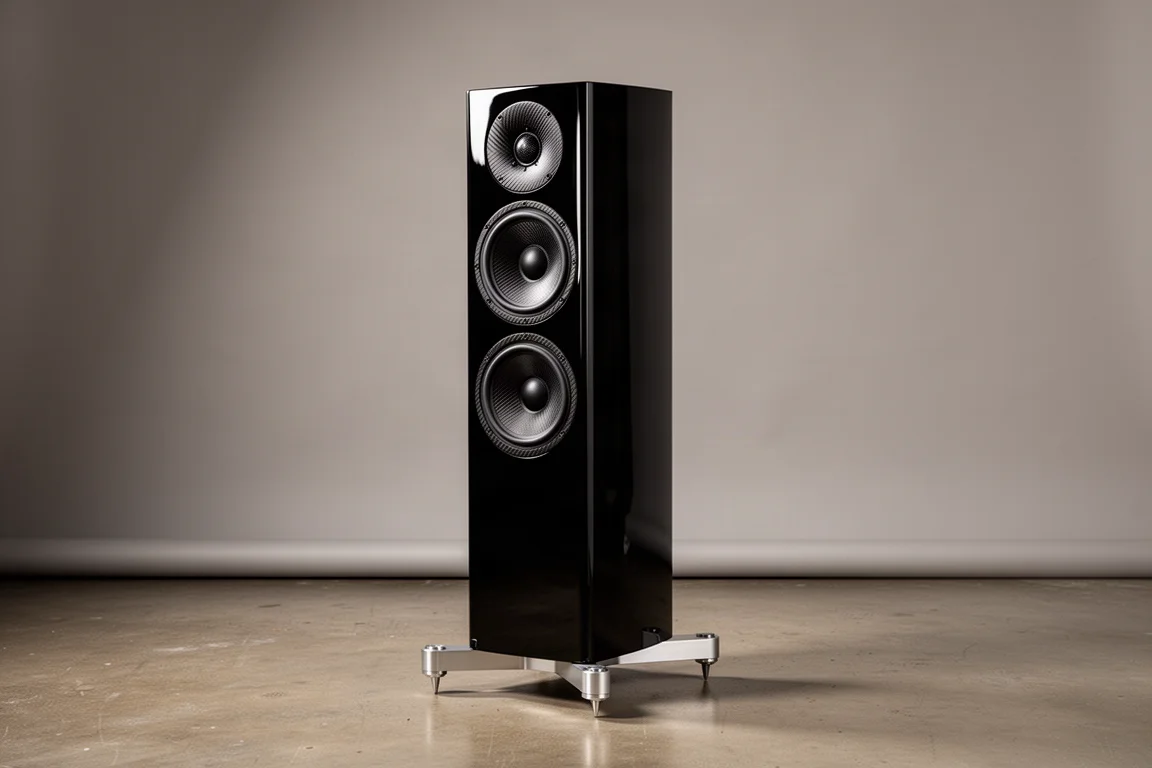
Acoustic Energy AE509 Review: A Slim Floorstander With Deep, Defined Bass
A practical look at the Acoustic Energy AE509, a slim floorstanding speaker with carbon fibre drivers, deep and well-defined bass, and an easy-going character that rewards careful system matching.
Floorstanding Speakers
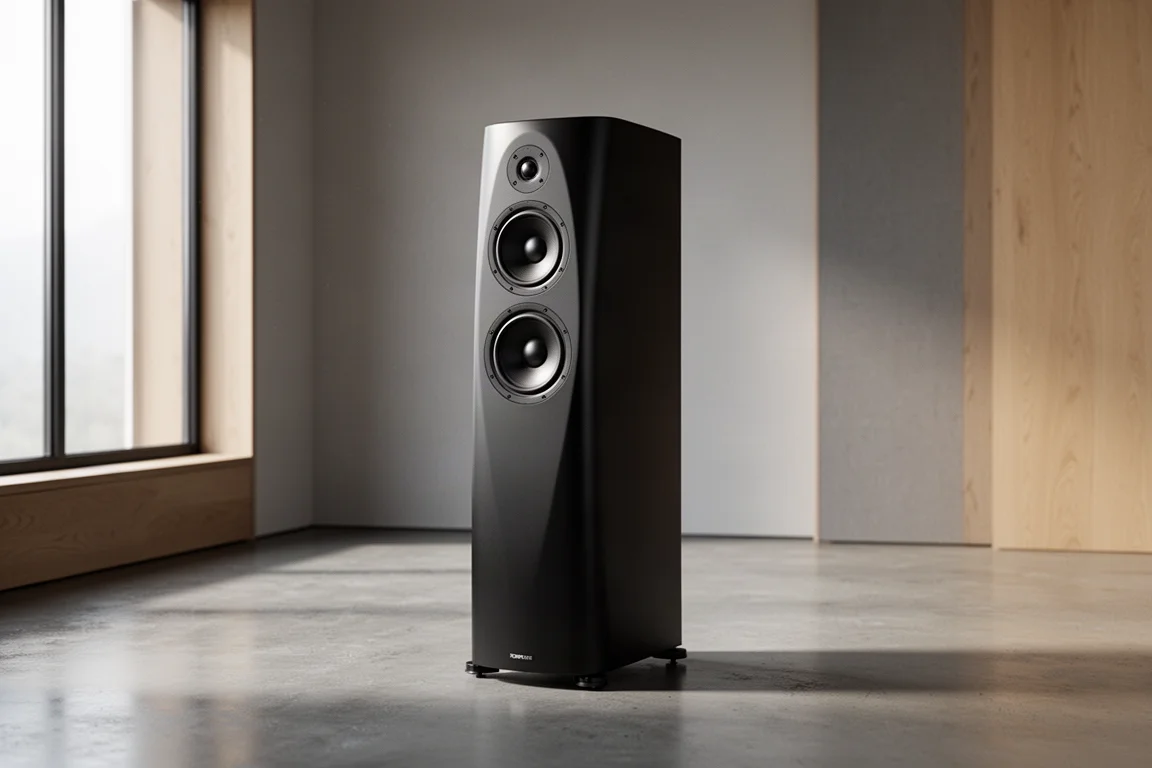
Arendal 1528 Tower 8 Review: Reference Neutrality With Real Demands
A close look at the Arendal 1528 Tower 8, a nearly five-foot, 200-pound floorstander that rewards generous space, serious power, and high listening levels with reference-grade neutrality.