Road Bikes
Elves Vanyar Pro Disc Review: Race Bike Speed at Half the Price
A carbon road race bike with Ultegra Di2 for £4,000 that rides like a mainstream race machine, with a few small compromises worth knowing about.
Introduction
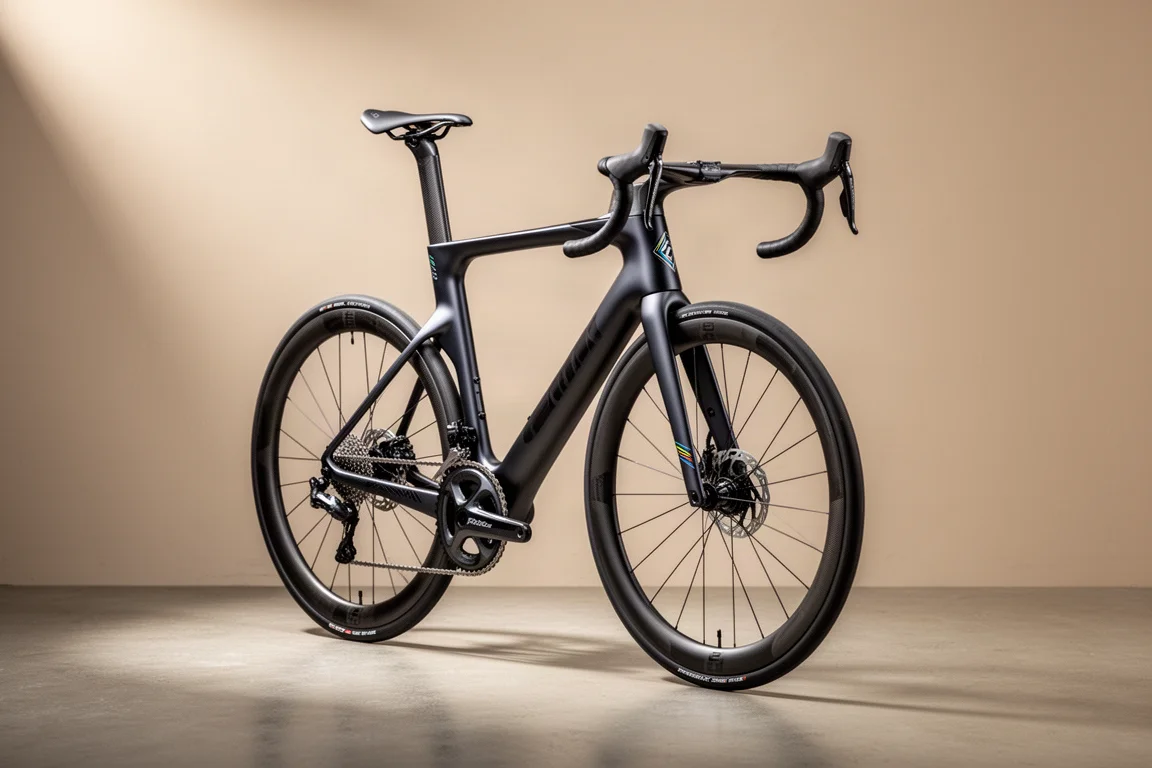
Direct-sales Chinese brands have been chipping away at the road bike market for years, and the Elves Vanyar Pro Disc shows why. Elves started out building frames for well-known brands in the early 2000s before establishing its own label in 2016, and this is the company’s latest state-of-the-art road platform: a carbon frame, fork, one-piece bar and stem, and wheelset, built up with Shimano Ultegra Di2.
The complete bike retails for £4,000. A Specialized Tarmac SL8 with the same parts sits at £8,000, and a Canyon Ultimate with the same groupset and DT Swiss wheels, plus a power meter the Elves does not include, comes in at £4,800. The price gap is the obvious draw. The more interesting question is whether the ride backs it up.
Who the Elves Vanyar Pro Disc Is For
This bike is aimed at riders who want genuine race bike performance without paying mainstream race bike prices. Its geometry is very close to a 56 cm Tarmac: similar stack and reach, similar wheelbase, similar head and seat tube angles. Anyone who fits that class of bike will recognise the position immediately. The one significant difference is a very short head tube, which creates an unusually low front end.
It also suits riders who want to shape the bike around their own taste. Elves allows colours and finish details to be customised at no extra cost, with a wide range of options to work through on its website.
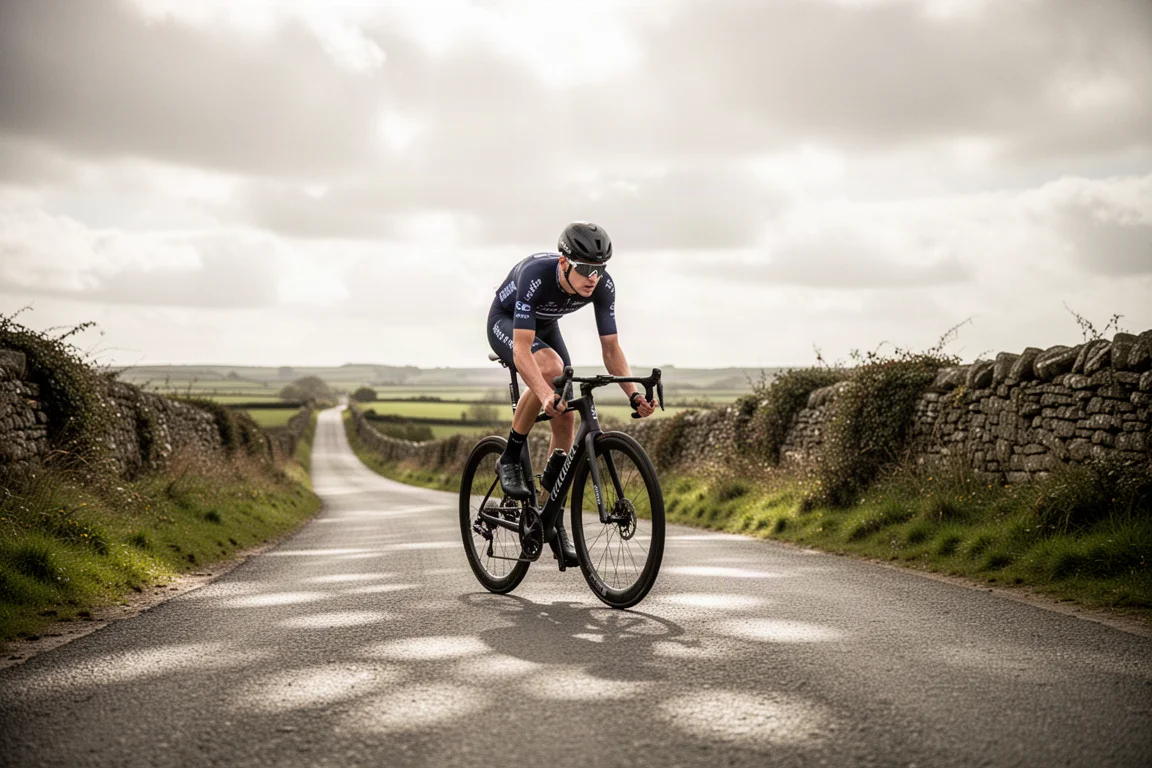
In practice that makes it a natural choice for riders who are comfortable on a long, low setup and who value stiffness and quick handling ahead of plush comfort.
Frame Design, Geometry, and Customization
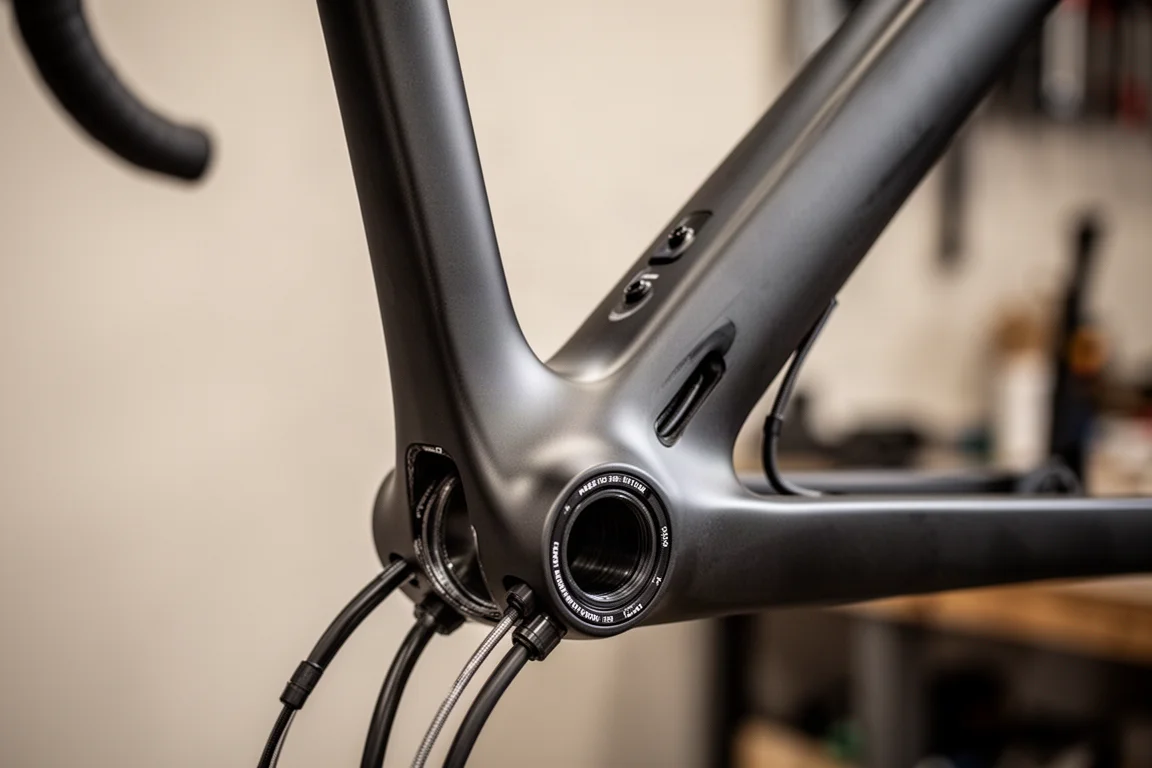
The frame is distinctive rather than derivative. There is an almost horizontal top tube, small-drop rear stays, a gently curved seat tube, a large aero down tube that runs into a press-fit bottom bracket, and a slender fork. Up front sits a one-piece carbon aero handlebar and stem, with cables and hoses routed inside the frame and a healthy stack of spacers available to tune bar height. Nothing about the silhouette reads as a copy of a Canyon, Specialized or Trek.
There is a trade-off hidden in that horizontal top tube. Because so little seatpost sits outside the frame, there is less of the flex that normally takes the edge off rough road surfaces, and that has a direct effect on comfort.
The geometry numbers are close to a 56 cm Tarmac, yet this 56 is labelled XL, which is unusual when most brands would call it a medium or a large. The short head tube is the main point of departure.
Main Strengths: Ride Quality and Performance
The defining impression is how normal the bike feels. Put a rider on it without any branding and they could easily believe they were aboard a Specialized or a Trek. It is fast, stiff and responsive, with quick steering, immediate direction changes and an explosive feel when the power goes down.
Frame stiffness is a clear strength. Whether climbing out of the saddle or sprinting, there is no sense of unwanted flex. Nothing about the handling is quirky or unpredictable; it goes and stops like a premium mainstream race bike, which is a significant achievement at this price.
Ride quality is good but not class-leading. There is noticeably more feedback through the contact points than on a Tarmac or a TCR, partly because the saddle and seatpost cannot flex much and partly because the tyres are sturdy rather than supple. A higher-quality tubeless setup run at lower pressures would help. In compliance terms it feels like a race bike from a few years ago, so riders who prioritise smoothness should look at the benchmarks instead.
Components and Contact Points
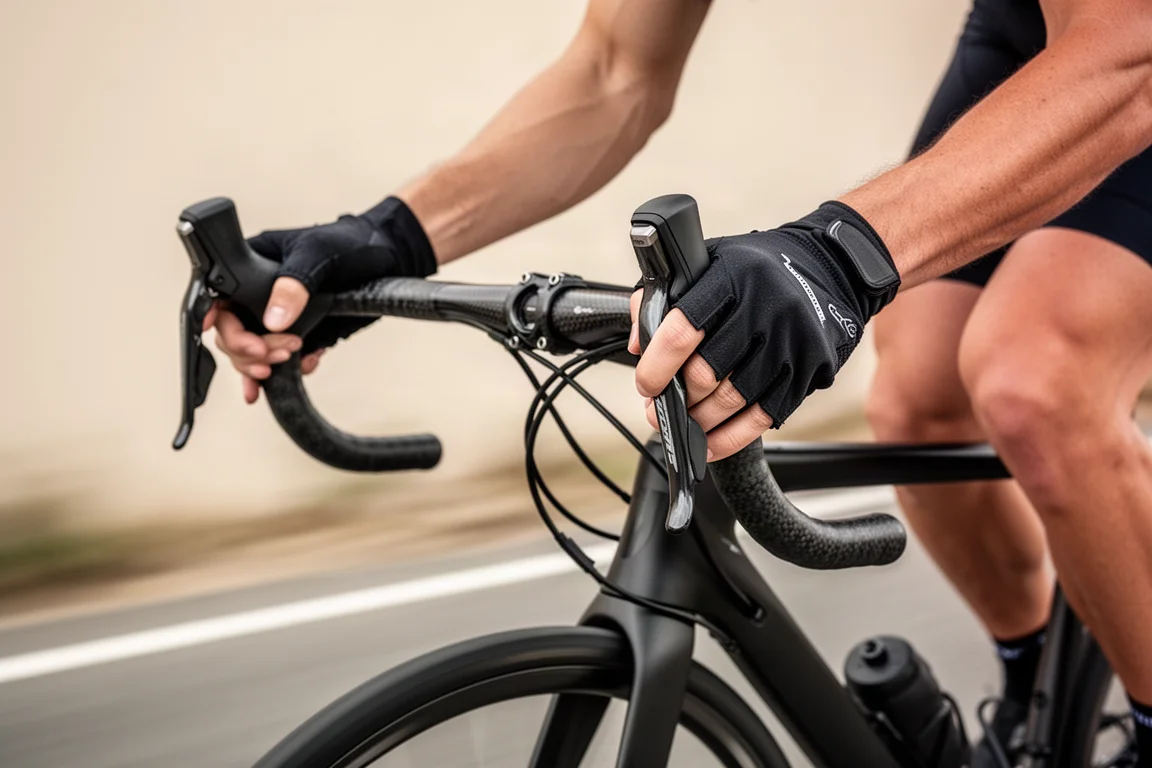
The one-piece bar and stem works well, with a reasonable shape that is neither too stiff nor too flexy. Two details divide opinion: the stem is noticeably fat, and the drops have a very narrow diameter that transmits plenty of feedback but offers less comfort in the hand. The computer mount is sturdy and supports GoPro, Wahoo and Garmin fittings. The saddle closely follows a 3D-printed Specialized design, with generous cushioning and a shape that looks after the sit bones well.
The wheels help keep the complete bike at a reasonable 7.6 kg. They ride well, are not overly stiff, show no flex, and their low profile gives the bike a lively, energetic character that feels good when throwing it around out of the saddle. The tyres are fine for the season but are more sturdy than supple.
For comparison, the Canyon Ultimate weighs 7.8 kg and the Tarmac SL8 weighs 7.2 kg, making the Tarmac the lightest of the group by a clear margin.
One detail that is hard to live with is the freehub, which is extremely loud. It is not a performance problem, and it does at least announce your approach to dog walkers and horse riders, but it is a genuine annoyance.
Things to Consider Before Buying
Two small finishing issues stand out. The through-axle protrudes from the fork dropout, which has no effect on riding but looks untidy, and the rubber flap covering the seat clamp is loose-fitting and a little ugly. Both look like straightforward fixes for a future revision.
The frame carries a five-year warranty, which matches what Pinarello offers but falls short of the lifetime cover from Trek or Specialized. A UK team is now in place to handle any issues that arise, which makes ownership less of a leap than it once was.
Availability has been the other consideration. Buying a frameset has meant waiting around eight weeks for delivery, although the local team has begun offering complete builds for certain frame sets and specifications, which removes the queue and the delay entirely.
Buying Advice and Value
Value is where this bike makes its case. A frameset costs just over £800, which is strong value next to a mid-range frame such as the Giant TCR Advanced Pro Disc at twice the price, even though the Giant is around 100 g lighter.
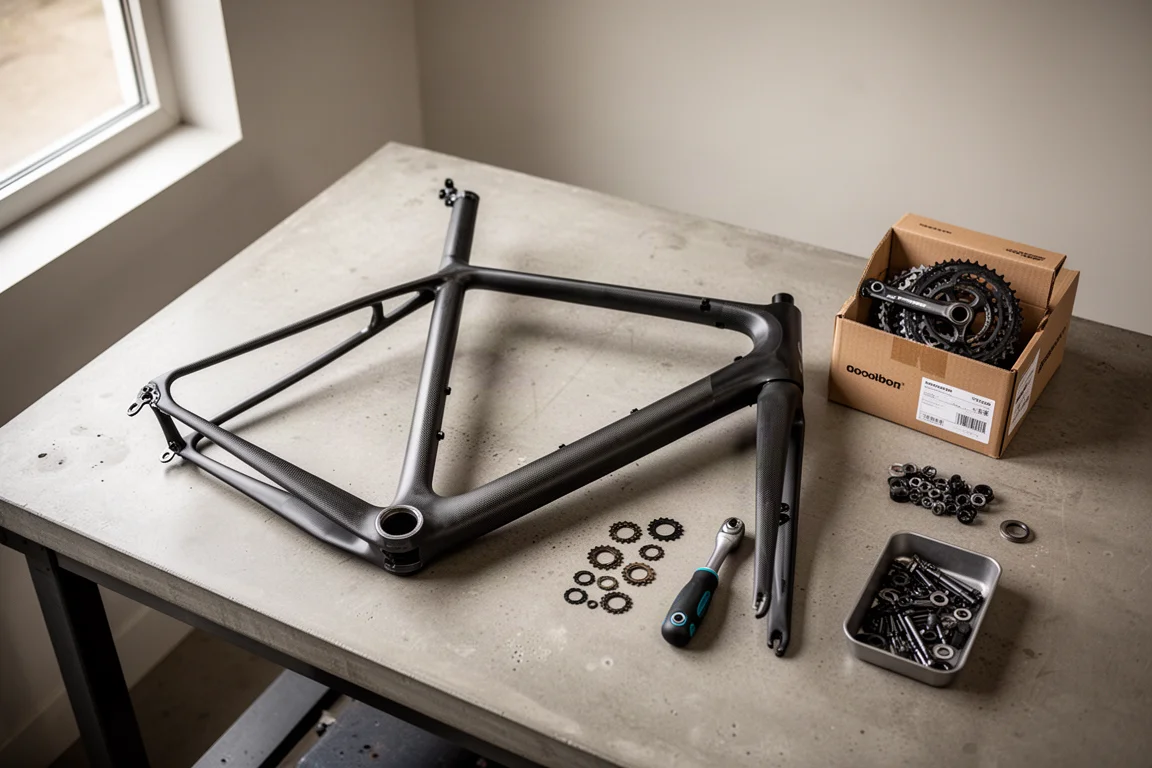
Riders who want the simplest route should look at a complete build rather than a frameset, since the new UK options skip the wait. Those who already have components, or who want to choose their own, will find the frameset pricing hard to argue with.
Conclusion
The Elves Vanyar Pro Disc is a good bike by any reasonable measure. Performance is strong, it feels safe and reliable, and it costs meaningfully less than mainstream rivals. The compromises are minor and mostly cosmetic, and the main friction sits in the buying process rather than the product itself.
As direct-sales brands like this one become a bigger part of the market, more choice and more competition can only be good for buyers. For riders who fit a low, aggressive race position and want race bike speed without the race bike invoice, this is a serious option.
Product link
View more details for Elves Vanyar Pro Disc
This product is mentioned in the review. Check the specifications, options, and compatibility before buying.
View more details for Elves Vanyar Pro DiscFurther reading
Related Reviews

Road Bikes
10 New Road Bikes Worth Watching: Aero, Titanium, Steel and Endurance Standouts
A practical roundup of 10 new road bikes, from aero flagships chasing single-watt gains to titanium, steel and endurance platforms built for real roads.
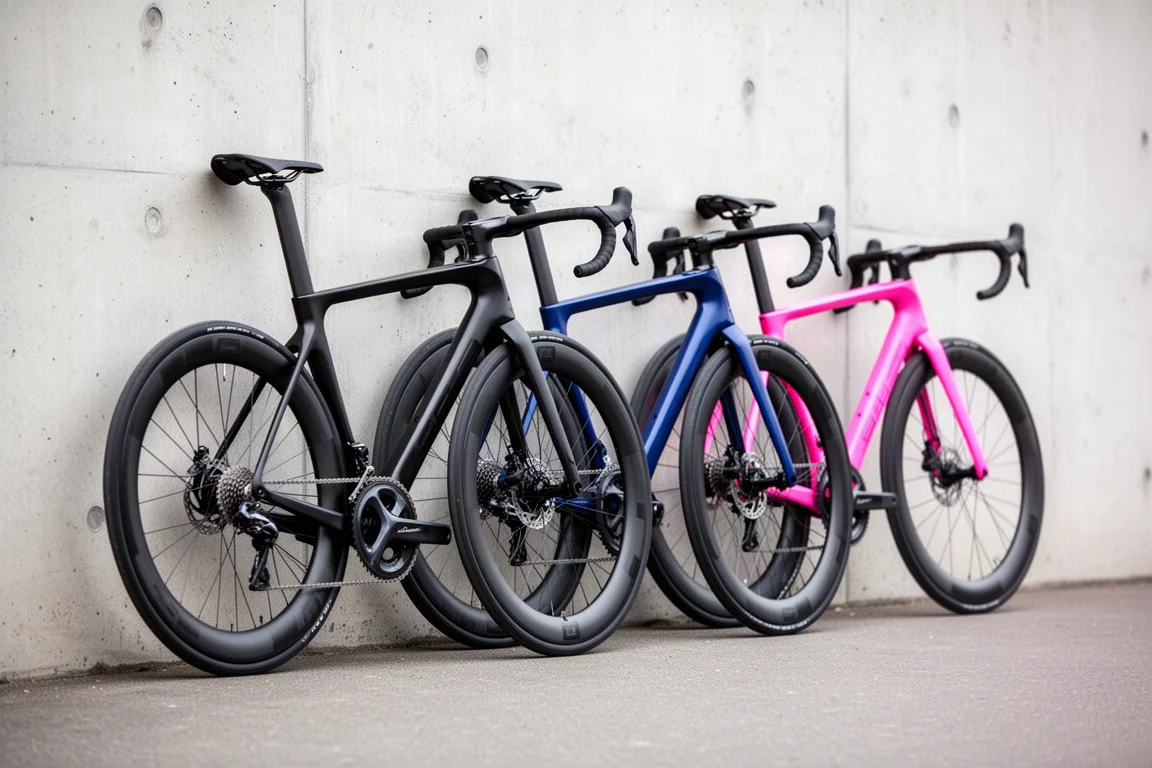
Road Bikes
2026 Tour de France Road Bikes: Six Race Machines Worth a Closer Look
Six race bikes from the 2026 Tour de France grid, reviewed for paint, silhouette, wheels and the specification details that matter to buyers.
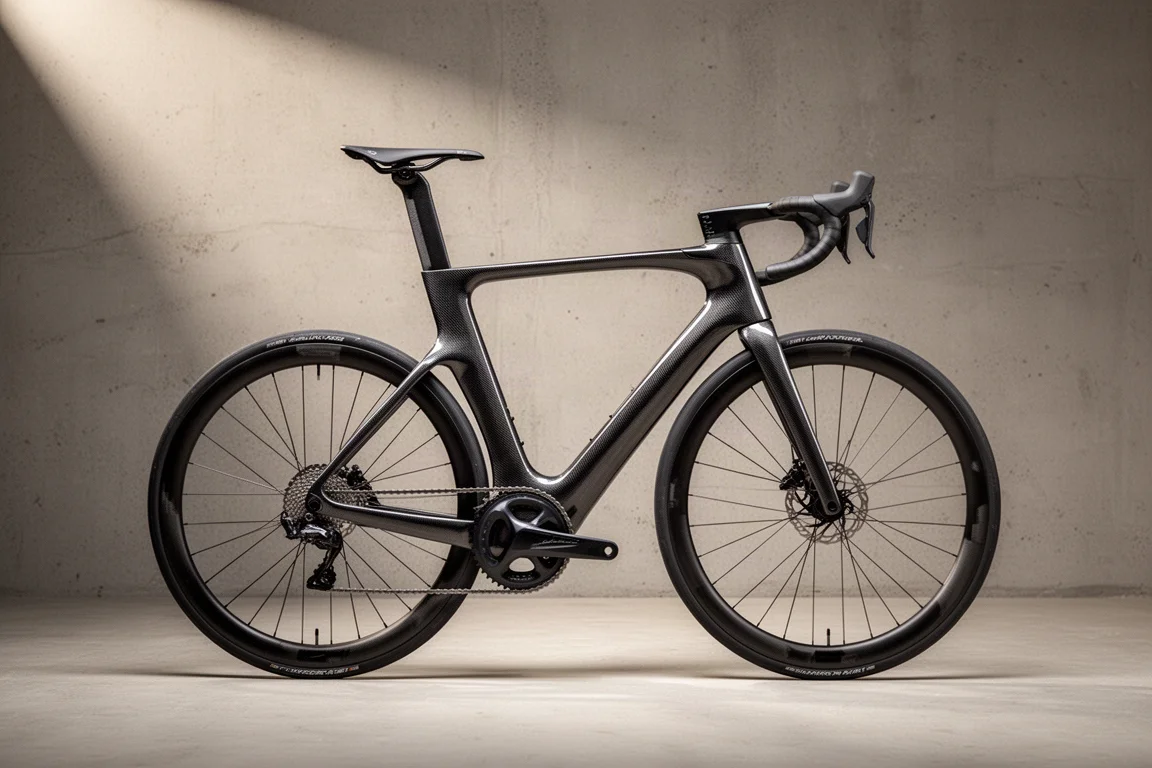
Road Bikes
3T Strada Italia Review: A Radical Aero Road Bike That Rides Smooth
A made in Italy carbon aero road bike with a deep head tube, wide tire clearance and a genuinely comfortable ride. Here is what to know before buying.