Aero Road Bikes
Elves Falath EXP Review: A Race-Ready Aero Bike at a Sharper Price
A close look at the Elves Falath EXP, a UCI-compliant aero road racing bike from a Chinese brand with OEM roots, covering the build, published aero figures, livability, and value.
Introduction
Elves is not yet a household name in Western road racing, and that is exactly what makes the Falath EXP interesting. It is the Chinese brand’s newest aero road racing platform, sold as a UCI-compliant race frame with modern integration, and on paper it lines up against dedicated aero bikes that cost several times more.
The company behind it has an unusual history. Elves spent years providing OEM manufacturing services to other brands, starting in 2006, and only began building bikes under its own name in 2017. That manufacturing background shows in the Falath EXP, which arrives with a threaded T47 bottom bracket, 32mm tire clearance, and a full carbon frameset designed around racing rather than all-day comfort.
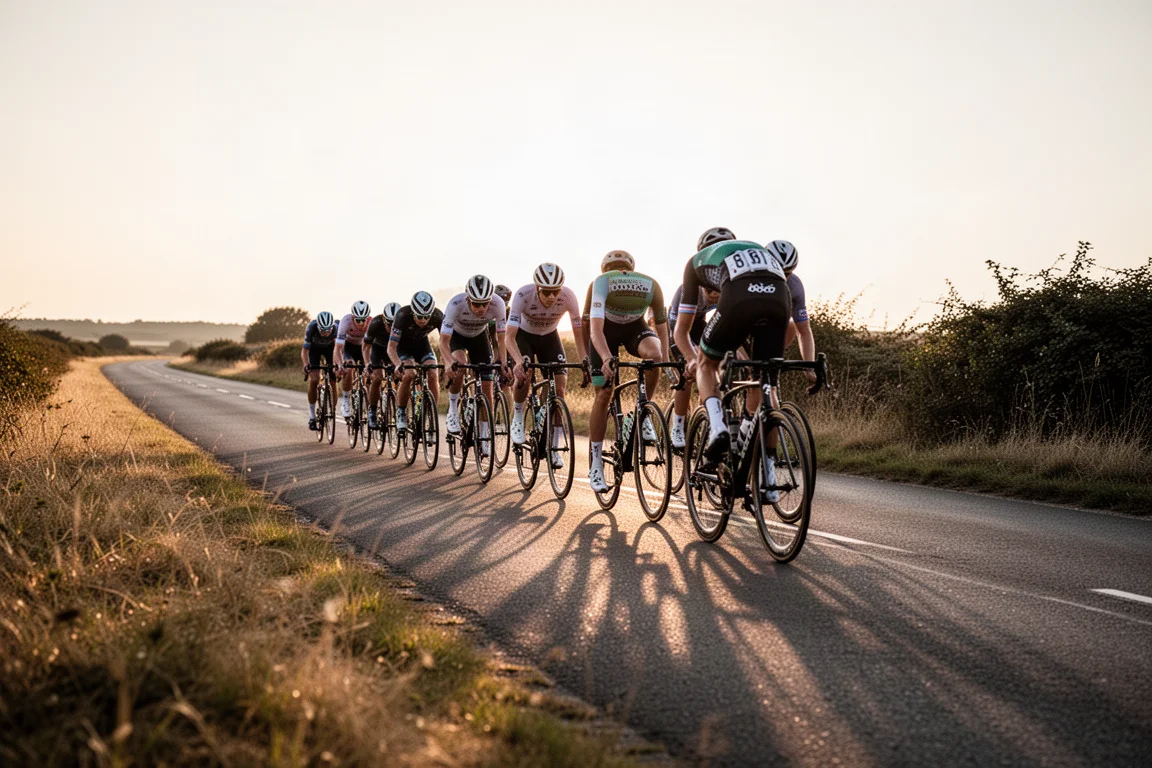
It is worth being precise about what this bike is. The geometry is long and low, the cockpit is fully integrated, and the whole package is aimed at riders who race or train at race pace. It is not an endurance bike with aero tubes bolted on, and buyers should approach it with that in mind.
What Elves Brings to the Table
The most common hesitation about buying a frame from an overseas brand is after-sales support: who handles a warranty claim, who supplies spares, and whether a local bike shop will be willing to work on it. Elves has been addressing that by setting up regional distributors, with Elves UK and Europe handling customers in those markets.
That structure has a cost attached. Prices rise compared with buying directly from overseas marketplaces, because distribution, warehousing, and support have to be paid for. Even so, the brand’s pricing remains well below most Western race bikes, which is the core of its appeal.
The company has not published a list of the brands it has manufactured for during its OEM years, so the extent of that work is not something buyers can verify. What is clear is that Elves now sells its own designs, with its own model names and its own distribution network, rather than simply rebadging open-mould frames.
Design, Build, and Specifications
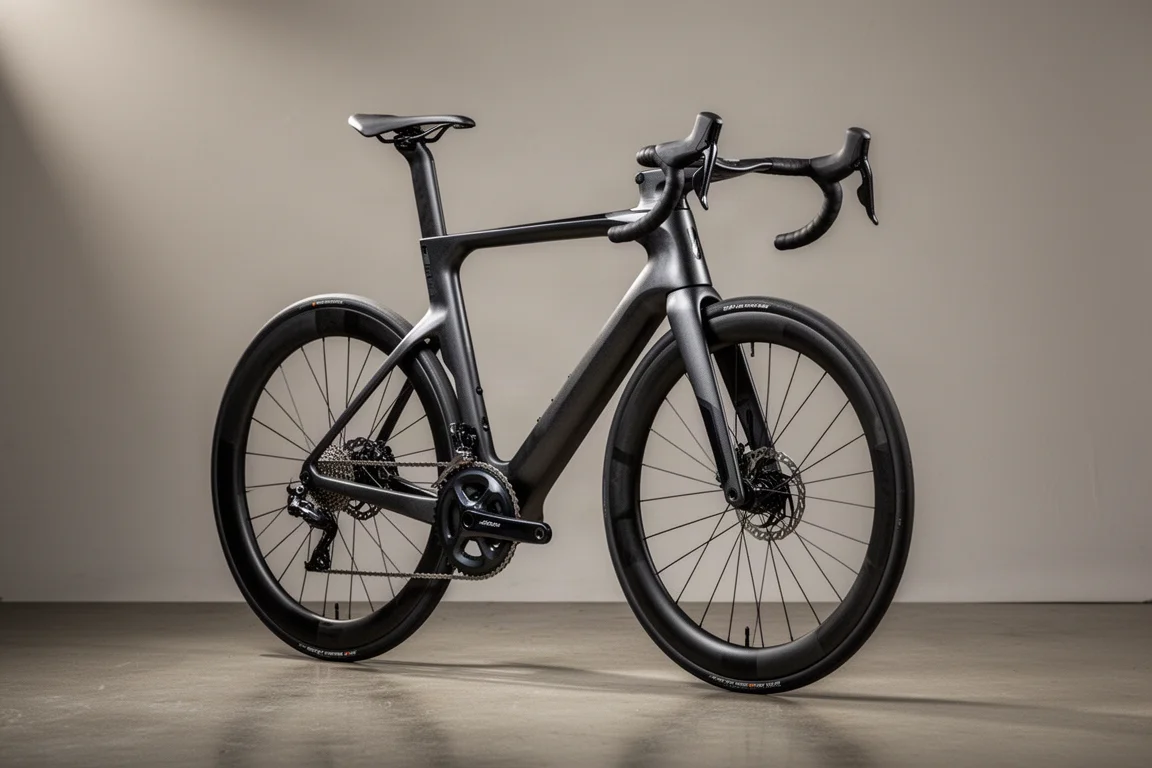
The test build came in a 52cm frameset with 32mm tire clearance and a T47 threaded bottom bracket. The cockpit is a one-piece Elves handlebar in a 38cm width, paired with a proprietary seat post. Wheels are Oro Balor carbon items made in-house by Elves, wrapped in Continental GP5000 tires, with a Shimano Ultegra Di2 groupset and a 3D-printed saddle completing the build.
The frame’s most talked-about feature is a cut-out at the rear of the bike, which Elves says improves aerodynamics and adds comfort by allowing a small amount of flex. That is intended to offset the stiffness of the large aero tubes, and it gives the bike a distinctive silhouette.
As tested, the complete bike weighed 7.83 kg without bottle cages or pedals. That is not light for the category, and the tube profiles make the figure unsurprising, but it is a reasonable number for a fully integrated aero race bike in this price bracket.
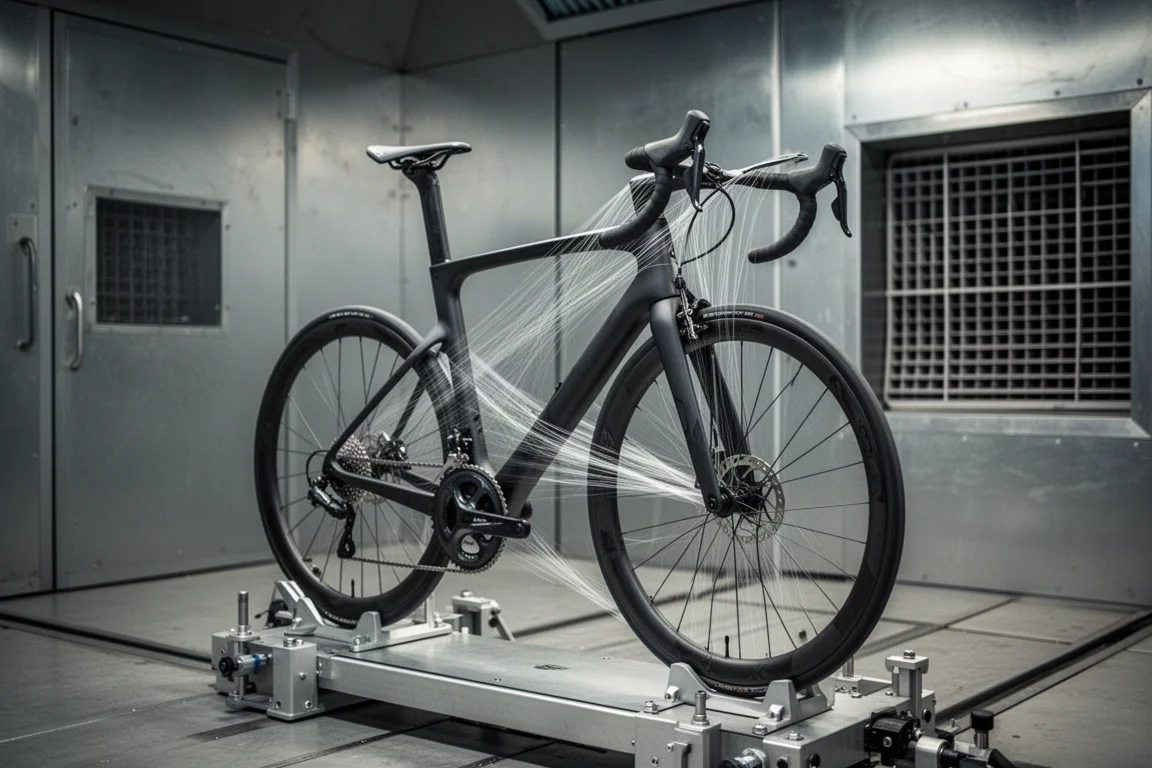
On aerodynamics, Elves has published figures placing the EXP consistently mid-table against high-end aero bikes with a rider aboard. Over a 40 km time trial effort, the numbers put it roughly 17 seconds behind the Colnago Y1 RS and about 6 seconds ahead of the Merida Reacto. Those results deserve context, because rider size and position vary enormously between individuals, and even riderless testing typically uses different bar tape, saddles, and groupsets from one bike to the next. The fair takeaway is that the EXP appears to sit in the same realm as premium aero bikes that cost considerably more.
Who the Elves Falath EXP Is For
This is a long, low aero bike built for racing. It suits riders who want to go fast and who are comfortable in an aggressive position, because the bars sit a long way from the saddle. Riders who are less flexible can still ride it, but they are unlikely to be comfortable for long stretches.
The pricing changes the calculation for anyone who races regularly. Crashes are part of racing, and replacing an £888 frameset is a far easier decision than replacing a frame costing several thousand. For younger racers who have just discovered how quickly race entries, travel, accommodation, food, tires, and fuel add up, a fast bike that is cheaper to replace has obvious appeal.
Sizing is a mixed picture. Elves produces relatively small frames compared with many Western brands, but the range still does not go small enough to serve shorter riders well. As a reference point, the 52cm frame suits a rider around 5’9”. The brand does offer several handlebar widths, which is more choice than some manufacturers provide.
Main Strengths
The headline strength is value. In its category, the Falath EXP is aggressively priced for what it offers: a UCI-compliant carbon aero race frame with integrated cockpit, threaded bottom bracket, and carbon wheels available as a bundle.
The T47 threaded bottom bracket is a genuine practical advantage. Threaded cups can be serviced at home with fewer tools than a press-fit system, which matters for riders who maintain their own bikes. The shell is oversized, so care is needed to keep the tool seated, but the design is friendlier than the alternative.
Small details are well considered. The seat post clamp is external, so nothing drops inside the frame while adjusting saddle height, and there has been no seat post slippage. The handlebar shape also earned praise: short and shallow, with a narrow bend in the drops that feels good in the hands. Bar width options make it easier to dial in the fit.
In use, the bike feels quick when conditions are calm, and the wide tire clearance helps. Running 30mm tires at around 50 PSI produces a smooth ride, although the contribution of the rear cut-out to that comfort is difficult to isolate from the effect of the tires themselves.
Things to Consider Before Buying
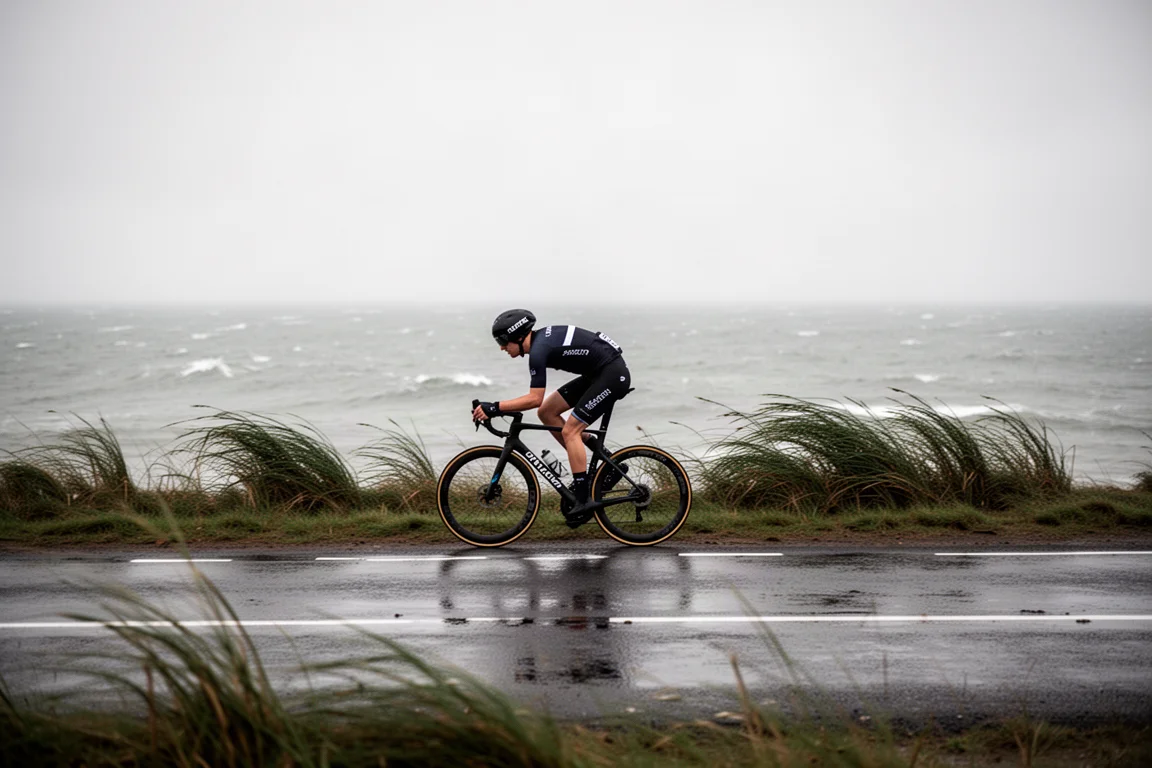
Wind stability is the biggest drawback. The Falath EXP gets pushed around in crosswinds, and small gusts can catch a rider by surprise. It is manageable, but it is noticeably more affected than other aero bikes, and that is worth weighing if you ride exposed roads or coastal routes regularly.
Weight is the second consideration. At 7.83 kg as tested, it is on the heavier side for a dedicated race bike, which is consistent with the size of the frame tubes.
Tire fitting is awkward with the supplied setup. The Continental GP5000 tires were extremely difficult to mount and remove on these wheels, which turns a roadside puncture into a real chore. Riders buying the wheel bundle may want to consider a different tire brand.
There was also a freehub issue on the supplied wheels. Excess grease from the factory prevented the ratchet mechanism from engaging cleanly, and the pedals slipped twice under power while riding. That kind of failure is alarming in traffic and can cause a crash. The fix is straightforward once diagnosed, since the hub needs cleaning and the correct grease applied, but it is disappointing on brand new wheels and it requires either mechanical confidence or a trip to a bike shop.
Finally, the integrated design has the usual quirks of a fully internal race bike, and the styling is a matter of taste rather than a functional concern.
Buying Advice
Pricing is where this bike makes its case. The frameset is listed at £888, and there are several bundle options, including one that adds the wheels and handlebars to the basket, at which point the handlebars become free. That bundle comes to £1,496 for wheels, frameset, and bars, which is a lot of aero race bike for the money.
For buyers in the UK and Europe, support runs through Elves UK and Europe, which is the practical route for warranty questions and spares. That regional structure is the main reason to buy through a distributor rather than importing directly.
Two alternatives are worth noting. Winspace is another Chinese manufacturer with an OEM background that now sells under its own name, and its comparable aero models are the T1600 and T1550. If a Western brand matters more to you, Canyon is the closest reference point on price, since it sells direct to consumers and cuts out both the middleman and the bike shop.
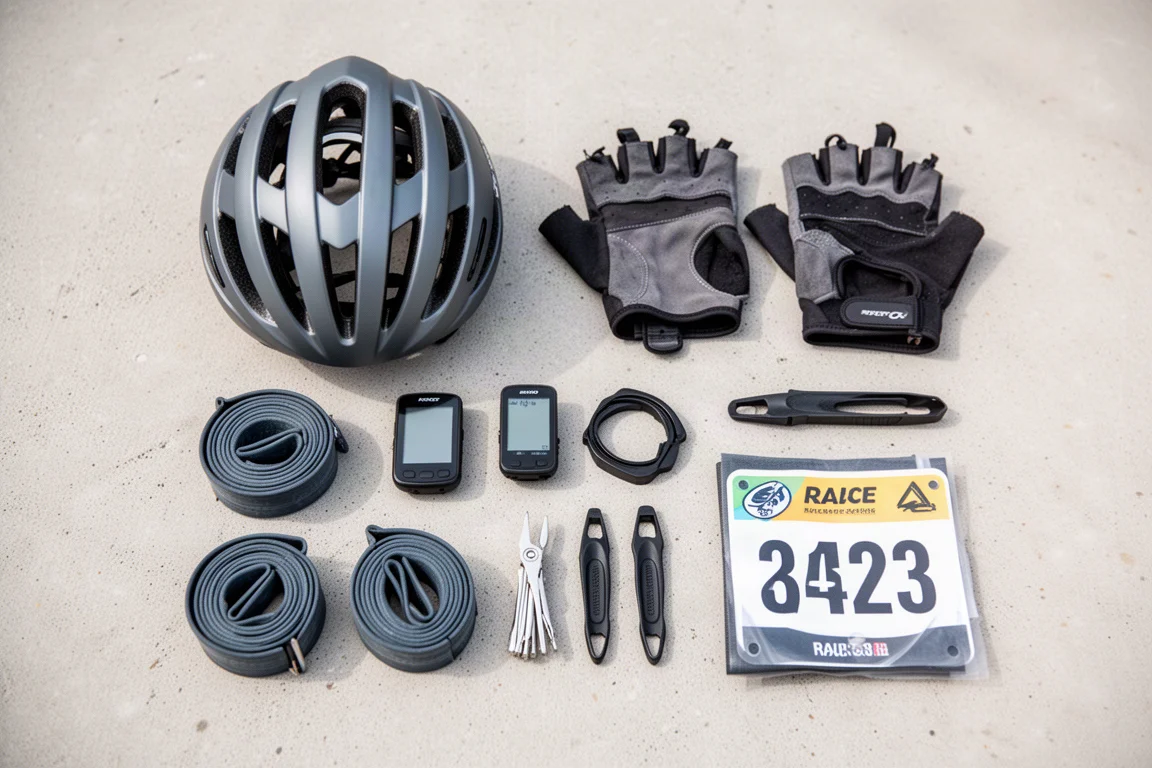
The decision ultimately comes down to priorities. If outright wind stability and low weight matter most, this is not the bike. If you want a fast, well-equipped aero race bike that is inexpensive enough to replace after a crash, the value proposition is difficult to argue with.
Conclusion
The Elves Falath EXP is a genuinely impressive first serious race bike from a brand most riders in the West have not heard of. It delivers a UCI-compliant aero frame, an integrated cockpit, carbon wheels, and Ultegra Di2 at a price that undercuts almost everything comparable, and its published aero figures place it in the same conversation as far more expensive machines.
The trade-offs are real. It moves around in the wind, it is not especially light, the supplied tires are hard to fit, and the wheels arrived with a freehub that needed attention. Buyers should also accept that the geometry rewards flexibility and that the size range stops short of serving shorter riders.
For racers who value replaceable speed over outright refinement, this bike makes a strong case for itself. For riders chasing calm handling in gusty conditions, it is worth thinking carefully before committing.
Product link
View more details for Elves Falath EXP
This product is mentioned in the review. Check the specifications, options, and compatibility before buying.
View more details for Elves Falath EXPFurther reading
Related Reviews
Aero Road Bikes
Best Aero Bikes 2026: Six Picks for Speed, Value and All-Round Performance
A practical guide to the best aero road bikes for 2026, covering outright speed, stability, all-round balance and the strongest value options.
Aero Road Bikes
Best Aero Road Bikes From the 2025 Tour: Five Race Machines Compared
Five aero road bikes raced at the 2025 Tour de France Grand Départ, compared on build weight, measured tyre width and cockpit design.
Aero Road Bikes
Best Aero Road Bikes 2025: Five Race-Proven Platforms
Five aero road bikes that shaped the category, from a team favourite with a distinctive front end to designs that blur the line between aero and all-round race machines.