Aero Road Bikes
El's Falif EXP Aero Review: Striking Looks, Sharp Pricing, Real Trade-Offs
A distinctive aero race bike with custom paint and aggressive pricing, held back by weight, crosswind sensitivity, and a few first-ride niggles.
Introduction
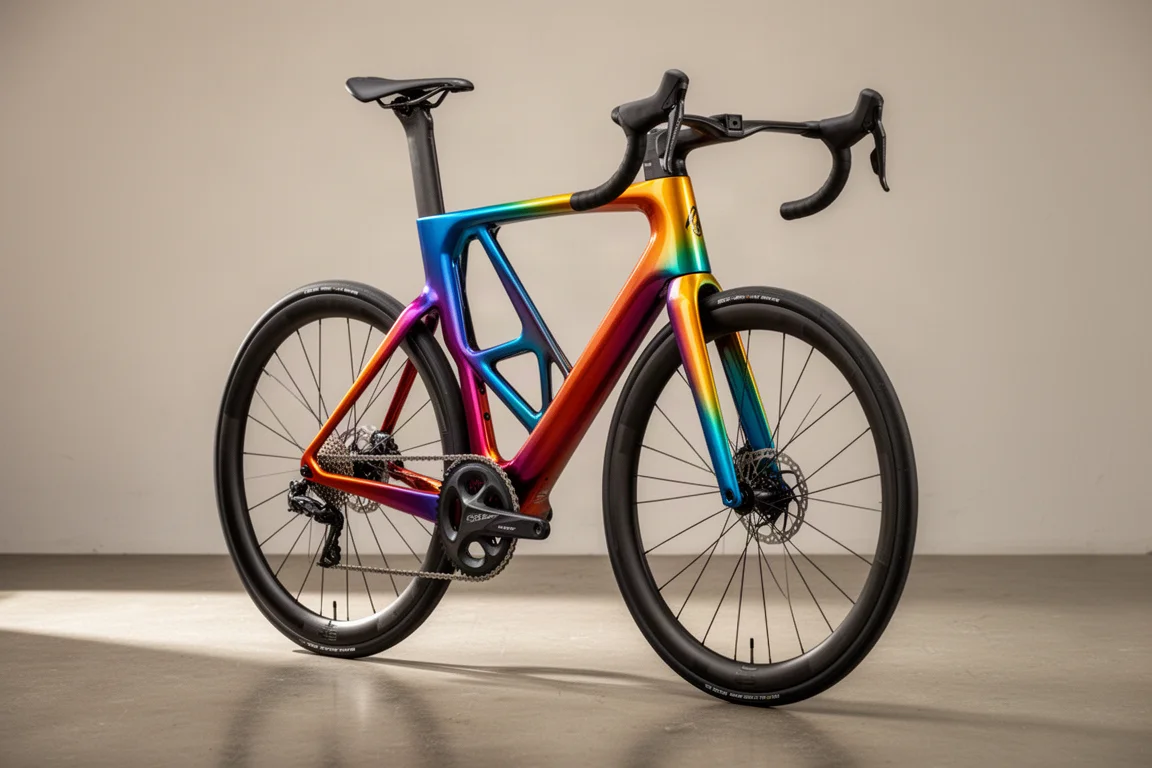
The El’s Falif EXP Aero is a new aero race bike that refuses to blend in. Deep down tube, broad fork blades, a stepped head tube, and a distinctive opening in the seat tube give it a silhouette that looks nothing like the usual aero template. In a category where most frames converge on the same shapes, that counts for something.
It is also priced in a way that is hard to ignore. The frameset starts at £912 or $1,200, and a complete build undercuts comparable aero bikes from far larger brands. Add seven stock paint options and no-cost custom paint, and the value story becomes the headline.
The trade-offs are just as clear. This is a heavy aero bike at 8 kg on the scales, it moves around in strong crosswinds, and the first ride surfaced a seat post that would not stay put. None of that makes it a bad bike, but all of it matters when you are deciding where to spend your money.
Who This Bike Is For
This bike makes the most sense for riders who care about how a frame looks and how much it costs, and who are willing to accept a little extra mass in exchange. If you want a race-positioned road bike that feels planted and comfortable over long distances rather than featherweight on a climb, the Falif EXP Aero is aimed squarely at you.
It also suits riders who want to personalize their build. Seven stock colors is already more choice than most mainstream aero frames offer, and the option to specify custom paint at no extra cost is unusual at this price point. If you have ever wanted a race bike that does not look like everyone else’s, that alone is a meaningful draw.

Riders who chase low system weight, ride in consistently windy terrain, or prefer the reassurance of buying through a local shop with a stocked brand will find the case for this bike much weaker. It rewards a specific set of priorities rather than trying to please everyone.
Design and Key Features
The defining feature is the opening in the seat tube, which the company calls the inverted triangle airflow channel, or ITAC. The claimed benefits are twofold: reduced drag in that area of the frame and improved compliance, for a smoother ride in the saddle than a bike without the design. Those are the company’s claims rather than independently verified figures, but the concept follows a similar logic to other cutout seat tube designs that have appeared on high-end aero frames.
The rest of the frame follows a familiar aero playbook executed boldly. The seat tube flares upward into rear stays that are not dropped, the down tube is very deep, the fork blades are broad, and the head tube steps down toward the stem in a less extreme version of what some aero specialists use. It is a frame that looks fast standing still.
Up front there is a one-piece aero carbon handlebar and stem with narrow, flared drops and fully internal cable routing. The shape of the tops is well judged, and the narrow width contributes to the racy feel. The seat mast design offers a useful range of vertical adjustment, which goes some way toward addressing the resale concerns that fixed seat masts often raise.
Tire clearance is generous enough that the bike ships with 32 mm tires, effectively maxing out what the frame and fork will accept. That single detail does a lot of work for comfort, as the ride impressions below show.
How It Rides
Despite the unconventional looks, the position on the bike feels entirely normal. The stack-to-reach ratio suits a racy but sustainable setup, and the narrow flared bar and comfortable saddle make the cockpit easy to settle into. Nothing about the fit feels experimental.
The bigger surprise is smoothness. Comfort is genuinely excellent, helped in no small part by those 32 mm tires running at the limit of the frame’s clearance. Across everything from silky new tarmac to rough, chattering back roads, the bike stays composed and quiet underneath the rider.
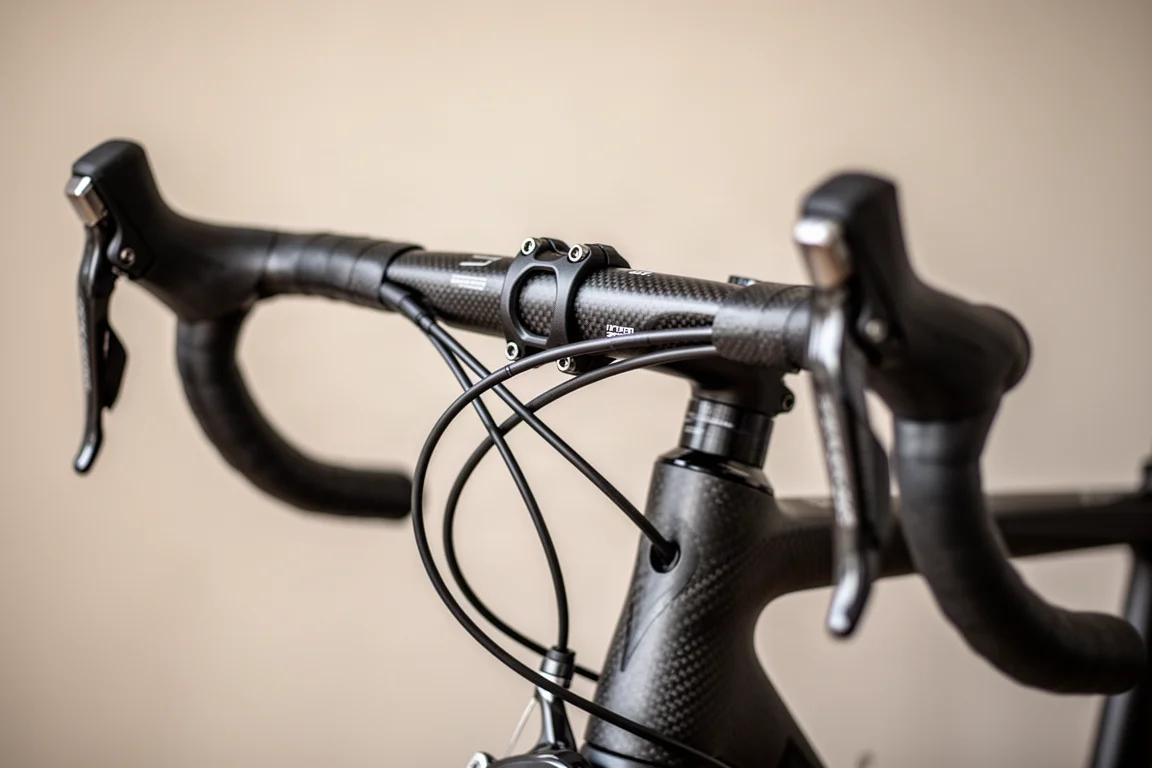
Handling is another strong point. The front end tracks predictably, the steering is neutral rather than nervous, and the bike holds a line well through corners. It feels like a well-sorted race bike rather than a styling exercise, which is not always the case with frames this visually loud.
Main Strengths
Comfort and composure stand out first. For a bike with this much aerodynamic shaping, the ride quality is far closer to an endurance machine than the category norm, and that makes long days in the saddle far more pleasant than the spec sheet suggests.
Handling and cockpit design come next. The one-piece bar and stem, narrow flared drops, and well-judged geometry combine into a front end that feels quick without being twitchy, and the internal routing keeps the silhouette clean.
Then there is value. The frameset price sits far below what premium aero framesets command, and the complete bike undercuts comparable builds from major brands while keeping a higher-tier groupset in the hierarchy. For riders shopping on price without wanting to compromise on frame design, that combination is difficult to match.
Finally, customization. Seven stock colors and no-cost custom paint give this bike a level of personalization that mainstream aero frames rarely approach.
Real-World Aero Performance
On a flat test loop at 32 km/h, or 20 mph, the bike recorded an average power of 194 watts. That places it squarely mid-pack against the comparison field and matches the figure recorded by a Specialized Tarmac on the same test, which is a respectable result for a frame with no grand aerodynamic claims attached to it.
A second comparison on a hillier 15 km route against a Giant TCR produced a similar verdict. Riding at the same speed, the El’s was marginally faster by a few seconds while requiring a few watts less power than the lighter, non-aero TCR. So a heavy aero frame against a light all-rounder landed slightly ahead in real-world conditions rather than behind.
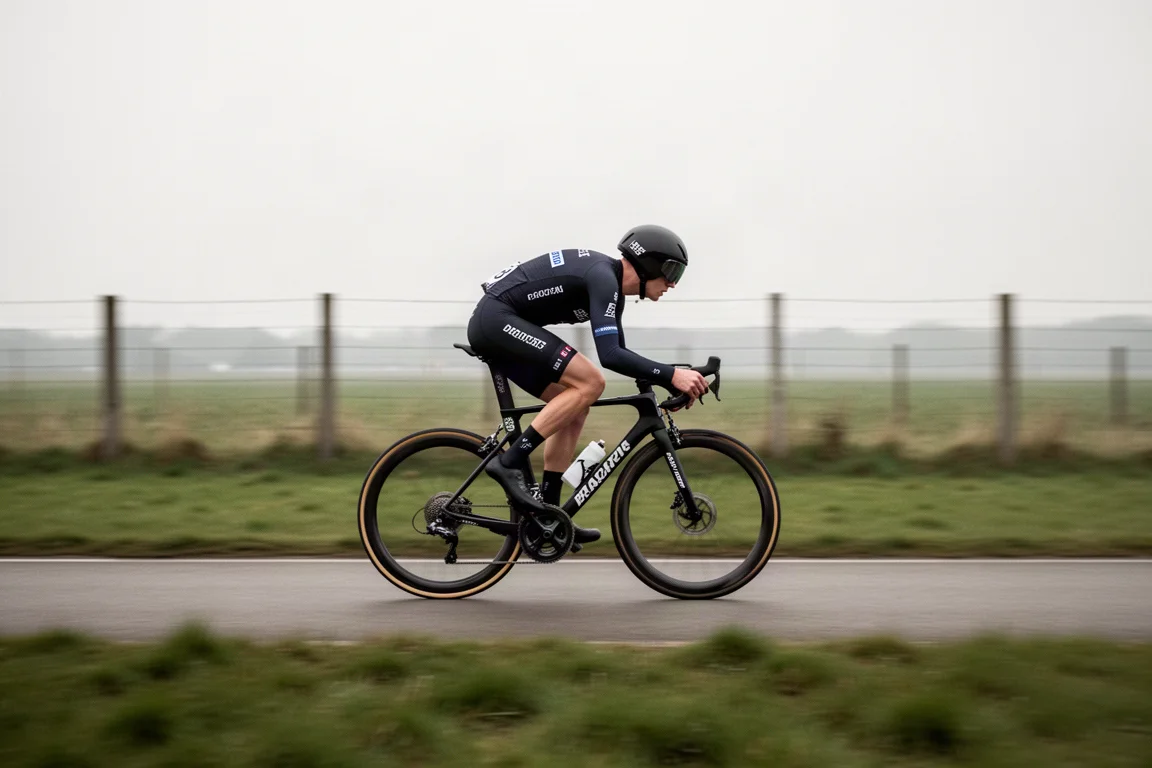
The takeaway is that the bike feels calmer and less urgent than its numbers suggest. It does not give the impression of being quick, yet the measured output is competitive with established aero frames and ahead of a lighter alternative on rolling terrain.
Things to Consider Before Buying
Weight is the most obvious compromise. At 8 kg as tested, this is heavy for an aero race bike in 2025, closer to what aero bikes weighed five to ten years ago than to current expectations. The wheels were set up with inner tubes, so going tubeless would save a few hundred grams, but the bike would still sit on the heavy side. If you want a climbing-focused build, this is not it.
Crosswind stability is the second concern. The deep, slab-sided frame profile catches gusty wind noticeably, and the bike is not easy to ride one-handed in blustery conditions. On calm days it is fine, but riders in consistently windy areas should think carefully before committing.
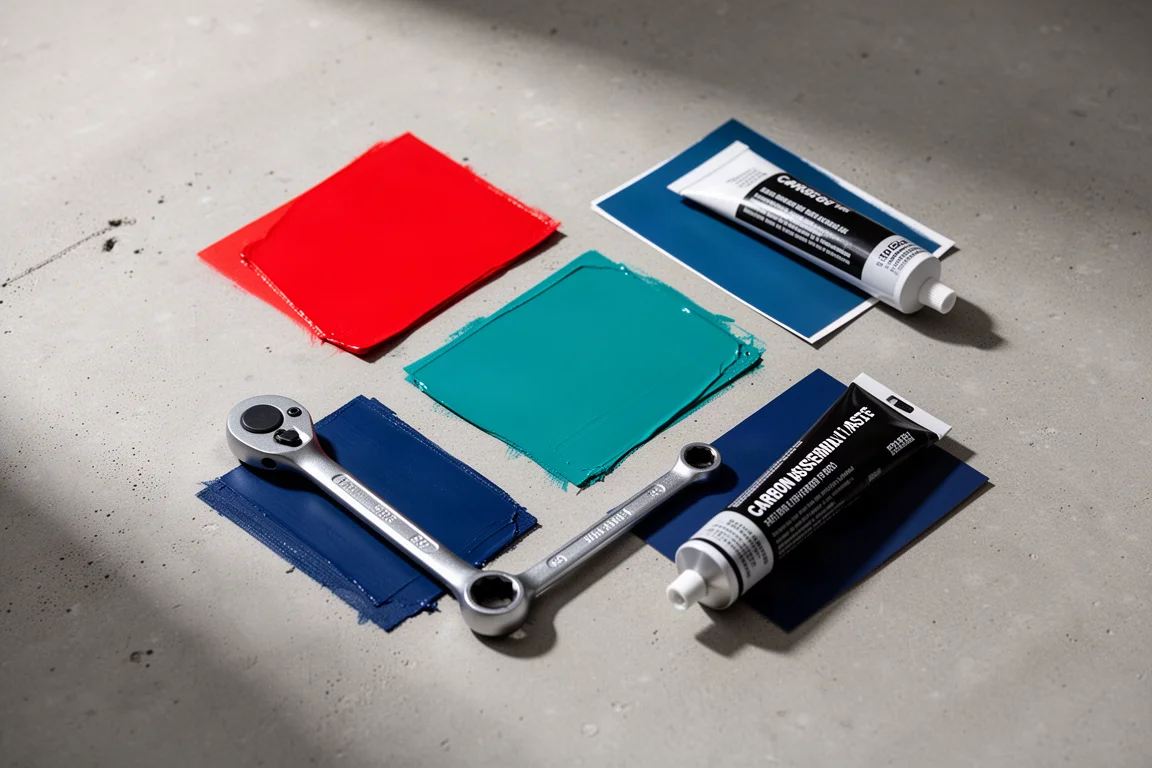
The seat post slipped on the first ride even when tightened to the recommended 8 Nm, which is already high for a seat post clamp. Applying carbon anti-slip paste inside the frame and around the post and tightening to 9 Nm resolved it on subsequent rides. The company has since revised its recommendation to between 9 and 12 Nm for that bolt, a figure that feels very tight when applied with a torque wrench. It has held since, but a slipping seat post is an unwelcome first impression.
Riders with a knee-in pedaling style should also check the top tube width. It is broad enough that knees can rub the frame, something that can be adapted to but is worth testing if you can.
Finally, the buying process. Purchases come direct from China, so delivery delays and potential customs import duties are part of the equation. That is a different experience from walking into a local shop and riding out on a brand they stock, and it is worth factoring into your decision.
Buying Advice
At £912 or $1,200 for the frameset, the Falif EXP Aero is dramatically cheaper than a Specialized Tarmac S-Works, to the point where several of these frames could be bought for the price of one. The complete build is roughly £2,000 less than a Giant Propel or a comparable Canyon Aero with similar parts. Spending the same money on a Canyon Aero means stepping down to a Shimano 105 Di2 groupset, which is capable but sits lower in the hierarchy than what this build offers.
That pricing context is the strongest argument in the bike’s favor, and it should shape how you shop. If your priorities are a distinctive frame, excellent comfort, confident handling, and custom paint at a low entry price, and you can live with 8 kg and a bike that dislikes gusty crosswinds, the Falif EXP Aero delivers a lot for the money. If low weight, calm behavior in wind, and local dealer support matter more, a lighter all-rounder or a mainstream aero frame with a lower-tier groupset will likely serve you better.
Conclusion
The El’s Falif EXP Aero is a genuinely interesting proposition: striking design, superb comfort, strong real-world aero numbers, and pricing that undercuts almost everything comparable. It also carries a real weight penalty, notable crosswind sensitivity, and a couple of ownership quirks that showed up early.
For riders who value customization and price above all else, it is a compelling option worth serious consideration. For everyone else, it is a reminder that aggressive pricing usually comes with a trade-off, and this one asks you to accept a few kilos and a bit of instability in exchange for a very distinctive bike.
Product link
View more details for El's Falif EXP Aero
This product is mentioned in the review. Check the specifications, options, and compatibility before buying.
View more details for El's Falif EXP AeroFurther reading
Related Reviews
Aero Road Bikes
Best Aero Bikes 2026: Six Picks for Speed, Value and All-Round Performance
A practical guide to the best aero road bikes for 2026, covering outright speed, stability, all-round balance and the strongest value options.
Aero Road Bikes
Best Aero Road Bikes From the 2025 Tour: Five Race Machines Compared
Five aero road bikes raced at the 2025 Tour de France Grand Départ, compared on build weight, measured tyre width and cockpit design.
Aero Road Bikes
Best Aero Road Bikes 2025: Five Race-Proven Platforms
Five aero road bikes that shaped the category, from a team favourite with a distinctive front end to designs that blur the line between aero and all-round race machines.