Turbo Trainers
Elite Revo Review: A Beginner-Friendly Direct Drive Turbo Trainer
The Elite Revo pairs a £499 starting price with direct drive smoothness, 2,000 W of resistance, and a setup simple enough for a first indoor season.
Introduction
Most interactive turbo trainers sell themselves on measurement precision, competing over decimal places of power accuracy. The Elite Revo takes a different route. It is a direct drive unit that starts at £499, making it one of the most affordable options in Elite’s interactive range, and it is positioned squarely at riders who are new to indoor cycling or who simply want an easy, dependable setup rather than a laboratory instrument.
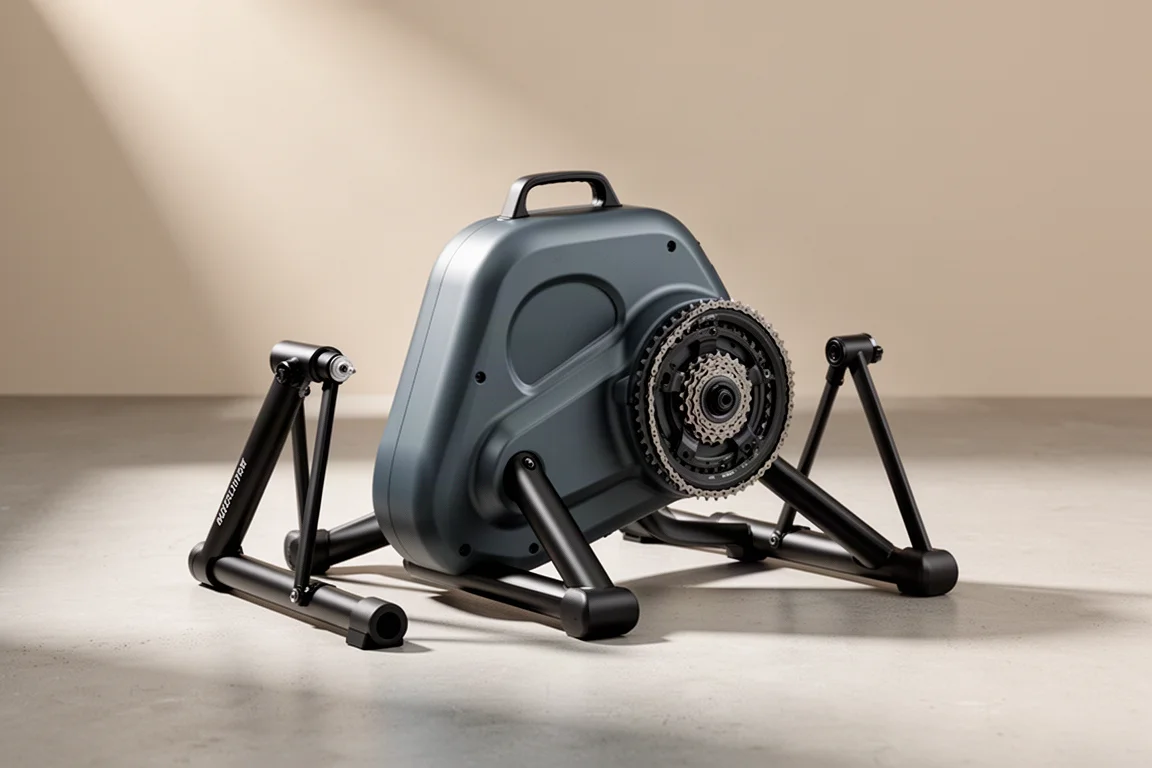
That positioning shows up in the details. The Revo is compact enough to lift with one hand, it can be bought either with a standard freehub body or with a version compatible with Zwift’s Cog and Click system, and it promises premium features in a compact, accessible format. Elite describes it as ideal for anyone who wants ease of use and advanced performance at the centre of their experience.
Who the Elite Revo Is For
The strongest case for the Revo is convenience, and that is most obvious when more than one bike shares the trainer. Because the unit can run with the Zwift Cog and Click system, it effectively becomes a single speed drivetrain, which means different bikes with different numbers of gears can all be mounted on the same trainer without swapping cassettes. That removes the single most common reason people avoid taking a bike on and off a direct drive unit.
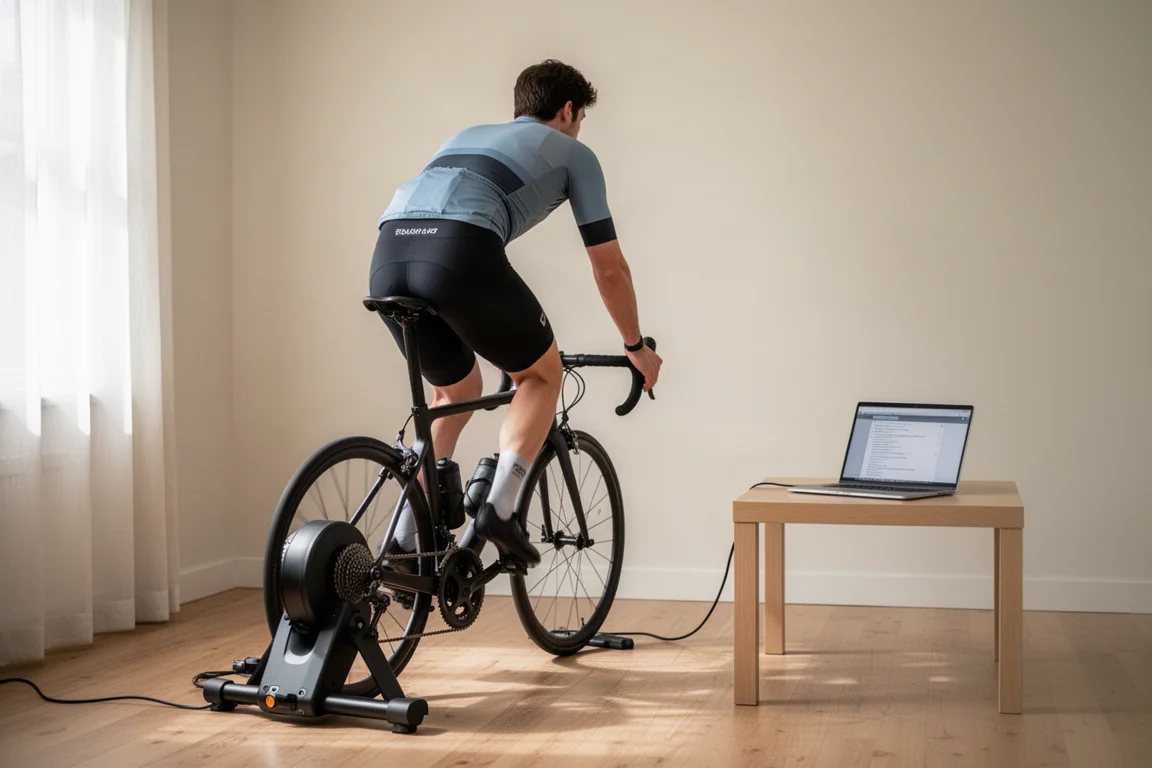
It follows that the Revo suits households with several riders, riders who lack the tools or confidence to change a cassette, and anyone who wants an indoor setup that takes a couple of minutes rather than a workshop session. It also suits riders who train without a permanent internet connection or power supply, since the resistance can be set in the app beforehand and the unit remembers it for use offline.
Main Strengths of the Elite Revo
The headline numbers are respectable rather than compromised. Power accuracy is quoted at plus or minus 2.5%, which is a tighter figure than many riders get from their outdoor power meter. Maximum resistance is 2,000 W at 40 kph, and the unit can simulate gradients of up to 18%. For nearly every rider, that ceiling sits comfortably above what they will ever produce or need to climb.
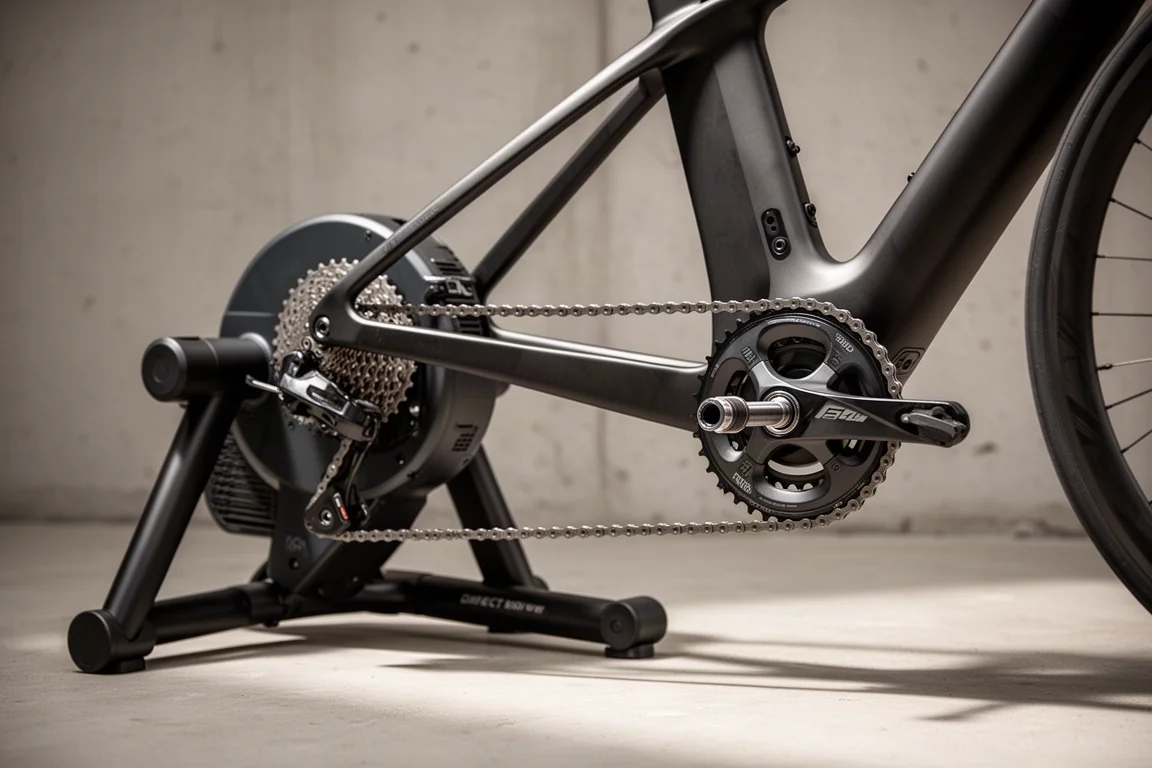
Ride feel is the other standout. Because it is a direct drive trainer, there is no tyre contact and therefore no tension adjustment to fiddle with and no slipping as tyre pressure changes. Out of the saddle efforts stay smooth rather than jerky, which is a meaningful improvement over wheel-on designs. The unit also reports cadence, so a separate cadence sensor is not required.
Portability is genuinely unusual for the category. The Revo can be picked up with one hand, and it has a proper handle, which makes it much easier to store between sessions than the bulky, handle-less trainers that have long dominated this price bracket.
How the Revo Handles Gears and Setup
Setting the Revo up is a short sequence. Stabiliser legs fold out and are tightened, the bike goes on via either a through axle or a quick release depending on the frame, and the rear wheel comes off for the direct drive connection. A small adjustment dial lets you fine-tune the chain line so the drivetrain runs quietly instead of chattering.
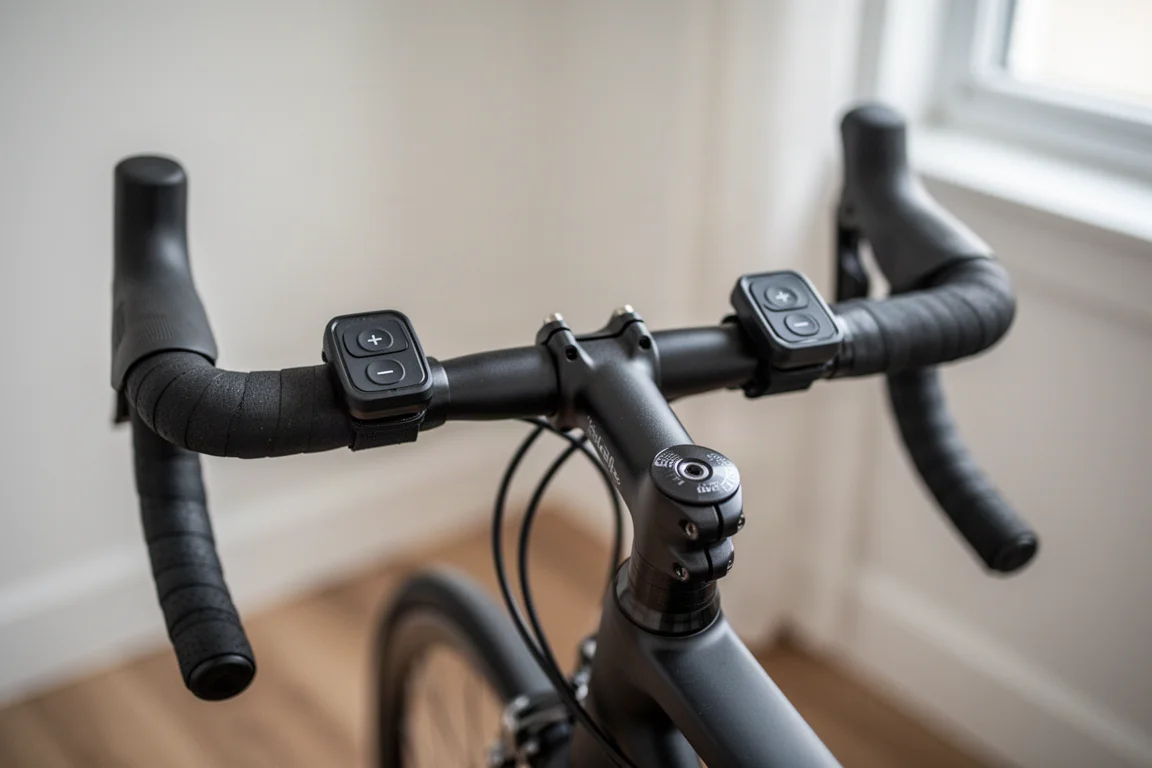
Once paired in the app, the trainer appears as both a power source and a resistance unit, and the optional Click controllers add gear control. Two small controllers are fitted to the handlebars, one on each side, with a minus button for an easier gear and a plus button for a harder one. The remaining buttons handle navigation, view changes, emotes, power ups and U-turns.
That means gear changes happen through the controllers rather than a cassette and derailleur, and the current gear is displayed on screen. Riders who have only used a wheel-on trainer will find the process unfamiliar at first but quick to internalise after a session or two.
Things to Consider Before Buying
The Zwift Cog and Click configuration is a specific ecosystem, so it is worth deciding up front whether you want the freehub version that accepts whatever cassette you already own or the Cog and Click version. The freehub option keeps you flexible across apps; the Cog and Click option is what delivers the multi-bike, no-cassette-swap convenience.
Because the Revo uses a single exposed cog when paired with that system, all your virtual gear shifting depends on the controllers being charged and connected. Riders who prefer the physical feel of a real cassette and derailleur should choose the standard freehub version instead.
It is also worth being clear about what the Revo is not. It is not marketed as a flagship measurement tool, and its appeal rests on accessibility, compactness and ease of use rather than on laboratory-grade data. If your training is built around the finest possible power precision, that is a different conversation.
Buying Advice
At £499, the Revo sits at the accessible end of Elite’s interactive range, and the value calculation is straightforward. If you want direct drive smoothness, up to 18% gradient simulation and 2,000 W of resistance without paying flagship money, the numbers hold up. If you share the trainer between bikes with different gearing, the Cog and Click version is the one that earns its keep.
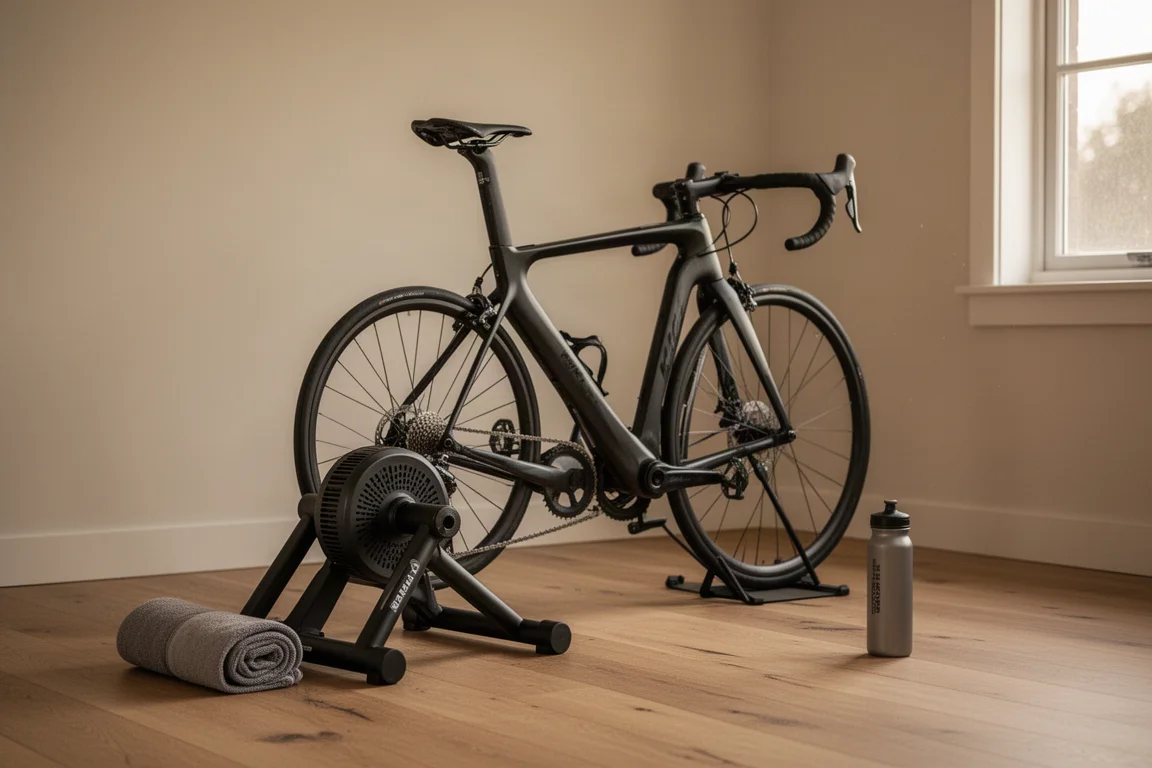
The setup is simple enough that a first-time indoor rider can complete it and take it down again without help, which is exactly the point of this trainer. Pair it with the app you already use, choose the drivetrain configuration that matches your household, and the Revo is an easy recommendation for a first serious indoor setup.
Conclusion
The Elite Revo is a reminder of how far turbo trainers have come. A compact, portable, direct drive unit with plus or minus 2.5% accuracy, 2,000 W of maximum resistance and 18% gradient simulation, available from £499 and simple enough to assemble in minutes, is a genuinely appealing proposition for riders who want to start indoor training without a steep learning curve or a large outlay.
Product link
View more details for Elite Revo
This product is mentioned in the review. Check the specifications, options, and compatibility before buying.
View more details for Elite RevoFurther reading
Related Reviews

Indoor Cycling Tech
Apple TV 4K Review: A Simple Route to Big-Screen Zwift
A practical look at using the Apple TV 4K as the brain of an indoor cycling setup, what it does well, and what you still need around it.
Indoor Cycling Tech
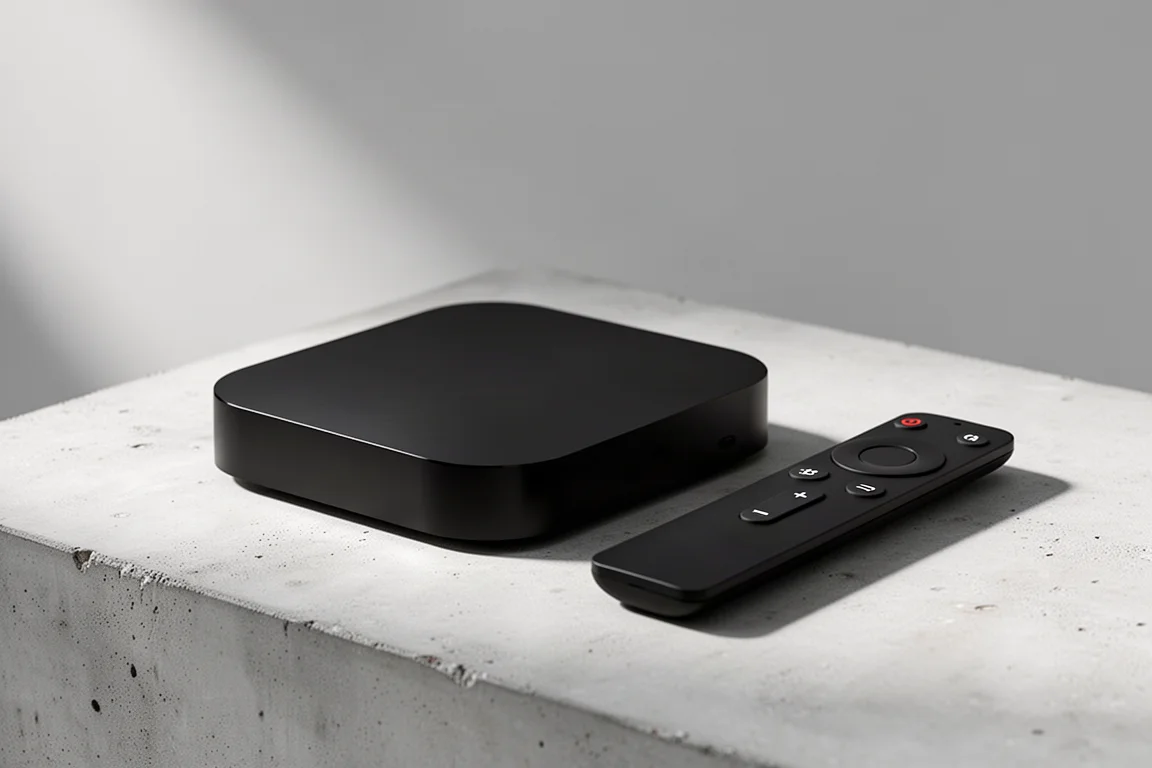
Apple TV 4K for Zwift: The Simplest Route to a Big-Screen Setup
A practical look at the Apple TV 4K as a Zwift device, covering what it does well, how it fits into an indoor cycling setup, and what to weigh before buying.
Sim Racing
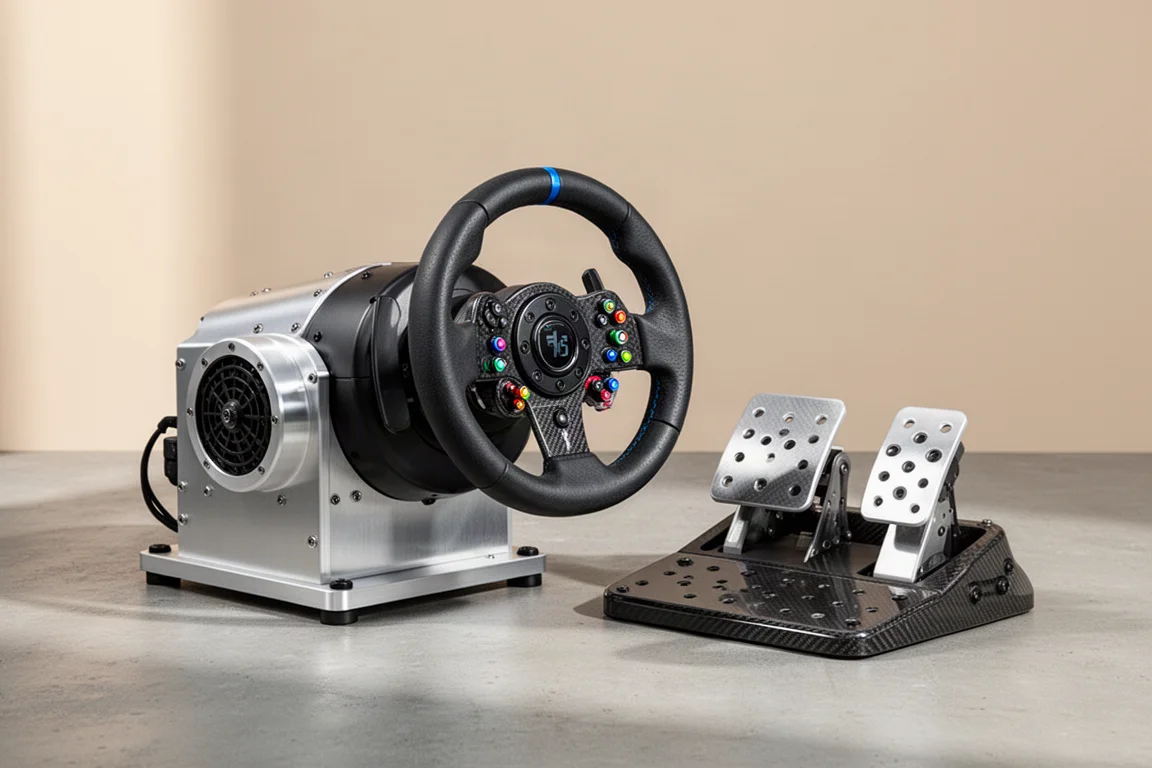
Asetek Initium Direct Drive Bundle Review: A Strong Entry Point With a Standout Pedal Set
The Asetek Initium bundle brings a 5.5 Nm upgradeable wheelbase, a functional round wheel, and a surprisingly capable pedal set to a crowded entry-level direct drive market.