Alpine Touring Skis
Elan Ripstick Tour Skis Compared: 104, 94, and 88
Elan's Ripstick Tour line adds three lighter, backcountry-focused widths. Here is how the 104, 94, and 88 differ and which one suits your terrain.
Introduction
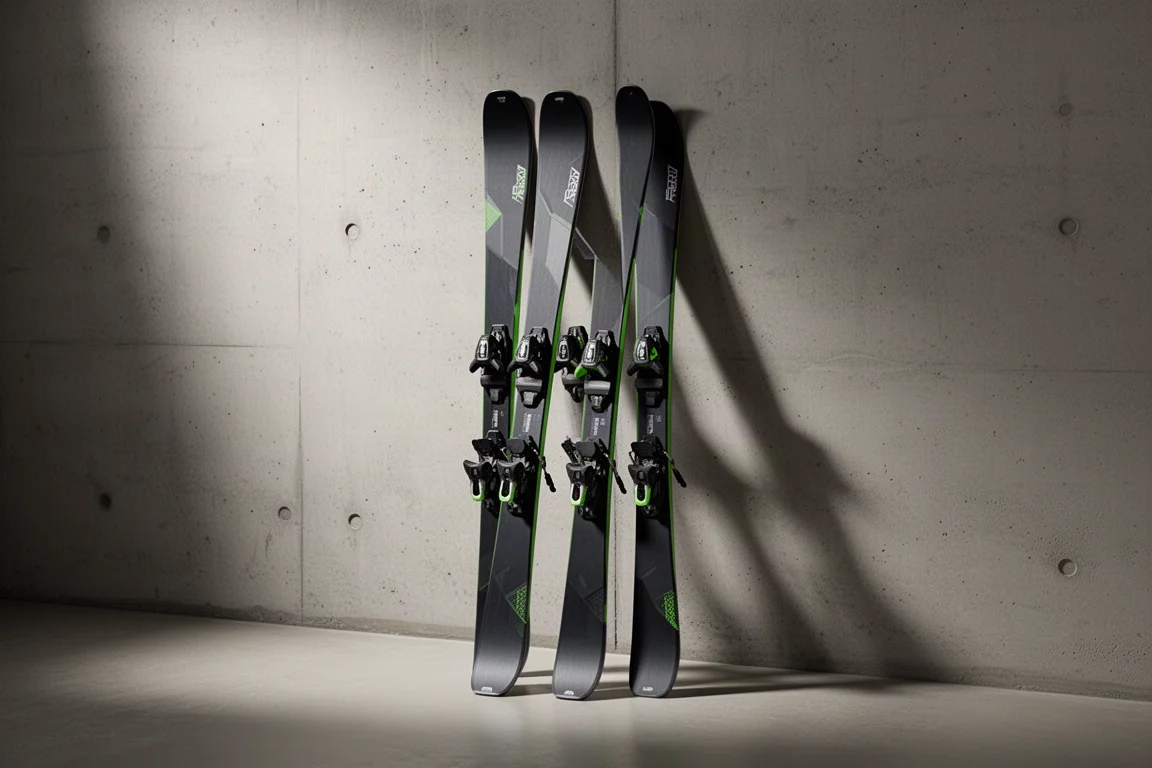
Elan’s Ripstick line has earned a following among skiers who want a light, lively feel without giving up stability, and the Ripstick Tour range takes that formula in a more backcountry-focused direction. Three widths are on the way: the Ripstick Tour 104, the Ripstick Tour 94, and the Ripstick Tour 88.
The headline is weight. Elan has reworked the core, the carbon layout, and the sidewalls to shed a meaningful amount of mass compared with the standard Ripstick models, while keeping the Amphibio profile that defines the line. The three widths are priced at $799, $749, and $699 across the lineup, and the skis are available for pre-order with inventory expected in early to mid December. Demand across the Ripstick range has been strong, so availability may be limited.
One honest caveat: these are new designs, and the final version of the widest model has been skied by only a handful of people so far. This guide focuses on what the construction, geometry, and specifications tell us, and on which width makes sense for which kind of skier.
Shared Construction: What All Three Ripstick Tour Skis Have in Common
All three models start with a lightweight wood core that blends paulownia and poplar. Elan has not published the exact ratio yet, but the intent is clear: keep the core light while retaining enough substance to support a confident downhill feel.
Carbon Bridge technology appears here in a different form than on the existing Ripstick skis. Instead of hollow carbon tubes, each Tour ski uses a single solid carbon rod. Elan mills a channel along the top of the core and seats the rod inside it under load, which is intended to give the ski energy and rebound. The rod’s length changes from model to model and from length to length, matched to each ski’s rocker profile and intended use.
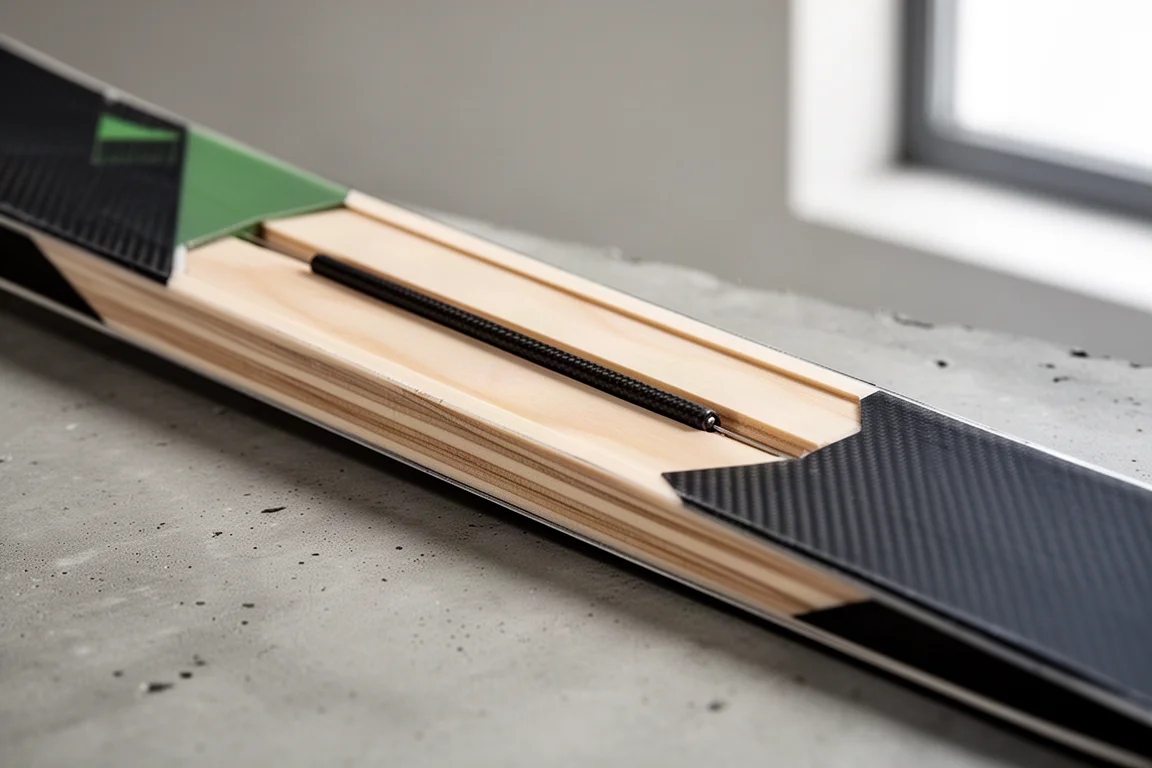
Elan also uses two full sheets of carbon, one above and one below the core, in what it calls carbon reinforcement. The 360 sidewall construction is another notable detail: a single piece of ABS sidewall material wraps continuously through the tip and tail rather than stopping short, and the sidewalls are beveled more aggressively than on the standard Ripstick. Together with the lighter core and the revised carbon layout, that is where most of the weight savings come from.
The Amphibio profile carries over, with more camber along the inside edge and more rocker along the outside edge. It is a subtle version of the design rather than an extreme one, and it keeps the Tour skis recognizably part of the same family.
Elan Ripstick Tour 104: The Widest and the Glenn Plake Pro Model
The 104 is the widest option in the line and the one with the most distinctive story: it is Glenn Plake’s first signature ski. That background shows up in the geometry. At 180cm it carries a 23-meter turn radius, well up from the roughly 18-meter radius of the standard Ripstick 106. Most of that difference comes from a narrower shovel, while the waist and tail stay close to the existing ski.
A longer radius gives the ski a more relaxed, input-friendly character. It should skid and smear more easily, letting you release the tail and drift through a turn, which is exactly the kind of behavior that helps in technical backcountry terrain. The trade-off is a little less eagerness to snap into a tight carved turn.
Weight comes in around 1,570 grams at 180cm, against roughly 1,870 grams for the Ripstick 106, a difference of about 300 grams. The flex feels slightly snappier than the wider Ripstick, with a touch more give in the shovel and a similar feel through the mid-body and tail. It is still a supportive ski rather than a soft one.
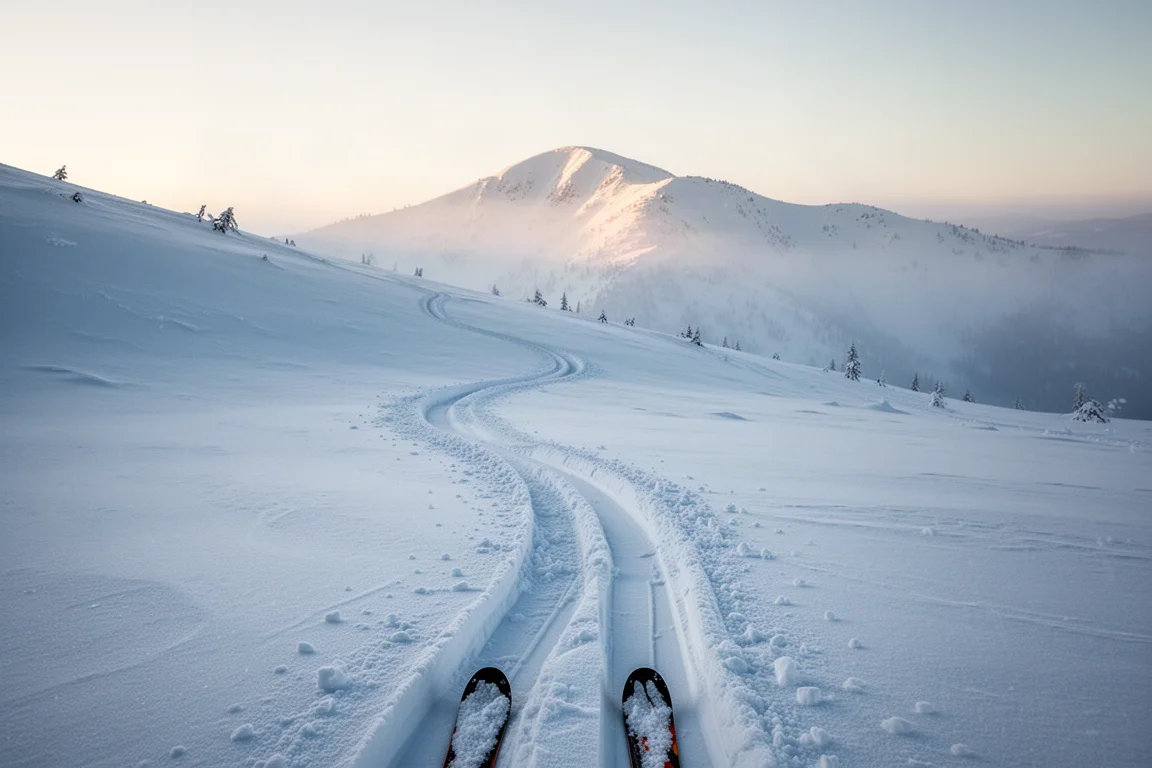
The wider tip should give it a bit more float than the narrower models, and it keeps a slightly less tapered, more spooned shape than the 94 and the 88, which helps it plane in soft snow.
Elan Ripstick Tour 94: The Balanced Middle Width
The 94 sits in the middle of the range, close in concept to the existing Ripstick 96 but built on the lighter Tour platform. It shares the paulownia and poplar core, the single carbon rod, the two carbon sheets, and the 360 sidewalls found across the line.
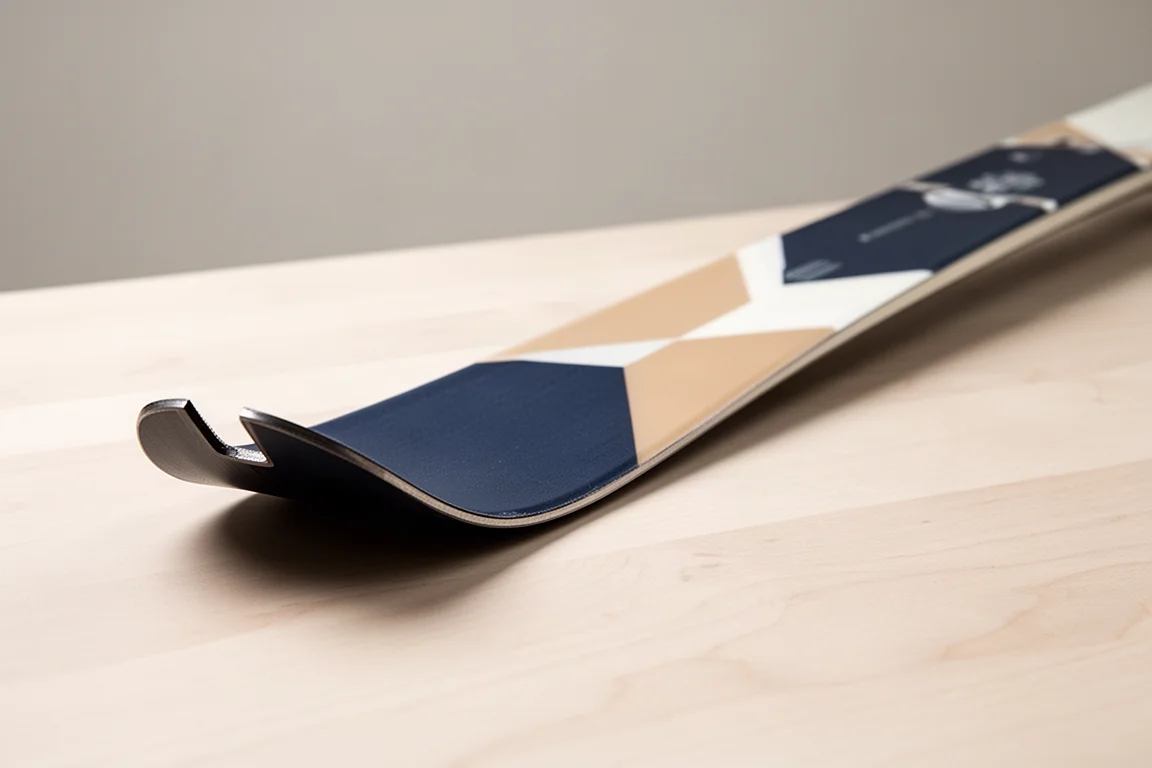
Where it separates from the 104 is taper. The narrower models in this range have noticeably more taper through the tip, a deliberate design choice rather than an accident of scaling. More taper makes a ski easier to pivot and maneuver in tight, off-piste terrain, and it also gives the ski a straighter overall cut, which tracks better when you are skinning uphill instead of fighting the snow.
If you want a single width that leans slightly toward soft-snow performance while still staying reasonably efficient on the ascent, the 94 is the middle path in the range.
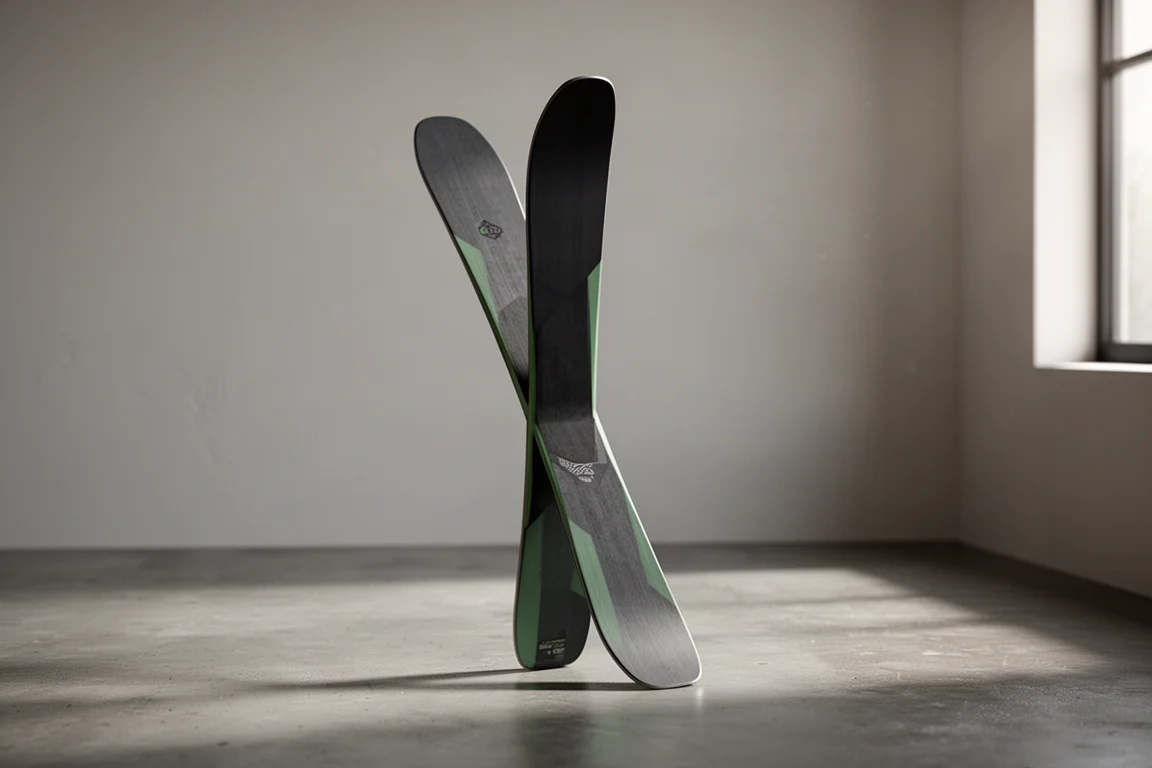
Elan Ripstick Tour 88: The Lightest and Most Touring Focused
The 88 is the narrowest and lightest ski in the group, coming in just under 1,500 grams. That puts it firmly in touring territory, and it is the model that will appeal most to skiers who count every gram on the way up.
The taper story is strongest here. A narrower platform with more taper is built for tighter terrain, quicker direction changes, and the kind of off-piste maneuvering that matters more than carving precision in many backcountry settings. The straighter shape also helps the ski track cleanly when you are moving uphill.
It is worth being clear about who this ski is for. The standard Ripstick 88 remains a strong choice for a resort skier who never intends to mount a touring binding. The Tour 88 is aimed at a different buyer: someone building a dedicated uphill-oriented setup who is willing to trade a little downhill muscle for efficiency.
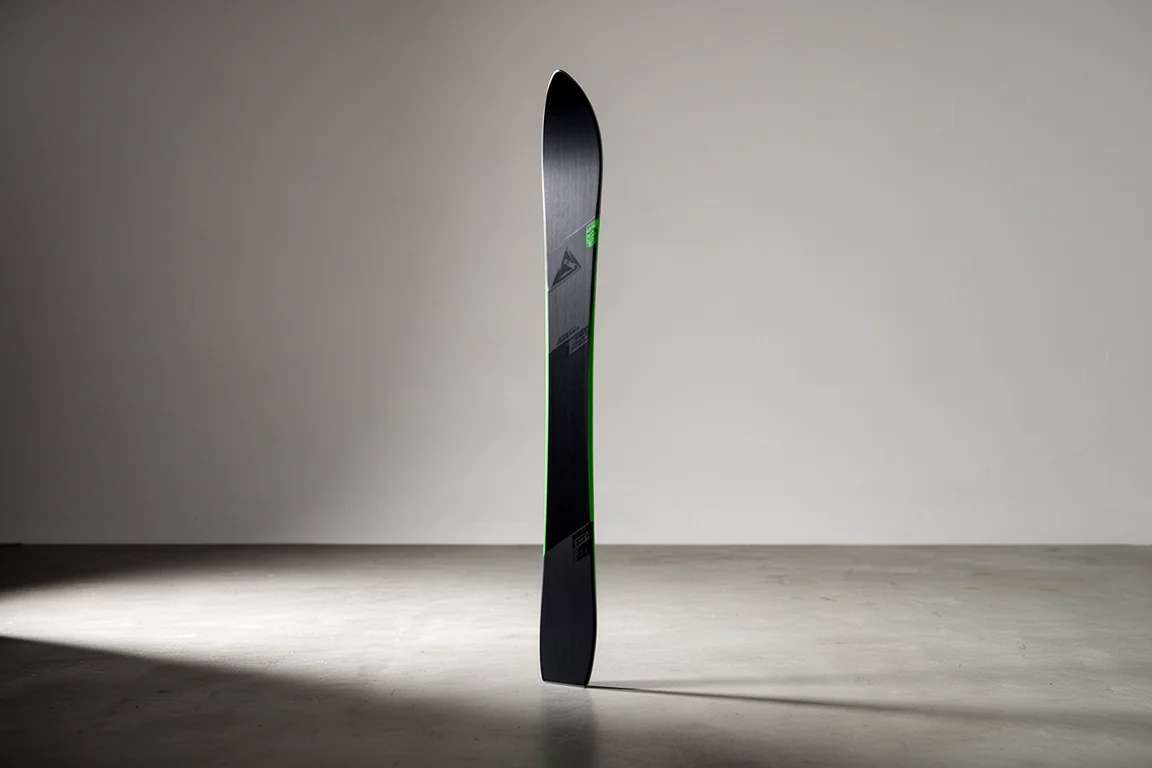
Weight, Turn Radius, and Taper Compared
The numbers tell a fairly consistent story across the range. The Tour 104 at 180cm weighs about 1,570 grams against roughly 1,870 grams for the Ripstick 106, a saving of around 16 percent. The Tour 88 drops just under 1,500 grams. The weight reduction is smaller between the Tour 88 and its standard counterpart than between the 104 and the 106, but it is still noticeable.
Turn radius is the other clear dividing line. The 104 runs a 23-meter radius at 180cm where the Ripstick 106 runs about 18 meters, and the difference shows up mostly in the shovel. The narrower models lean further into taper, which shapes how they plane in soft snow and how they behave when pivoting in tight spots.
None of these skis is the lightest on the market, and that appears to be intentional. Elan is aiming for a blend: enough weight removed to make the ascent noticeably easier, with enough structure left to keep the descent feeling composed.
Buying Advice: Matching the Width to Your Terrain
Choose the Ripstick Tour 104 if you want the widest platform in the range, the longer turn radius that Glenn Plake asked for, and the most float of the three. It is the most versatile option for soft snow and the most distinctive ski in the lineup.
Choose the Ripstick Tour 94 if you want a middle ground that keeps a little width underfoot without giving up the lighter Tour build. It is the safest single choice if you are unsure which way to lean.
Choose the Ripstick Tour 88 if uphill efficiency is the priority and you spend your time in tighter, more technical terrain. At just under 1,500 grams, it is the clear pick for a dedicated touring setup.
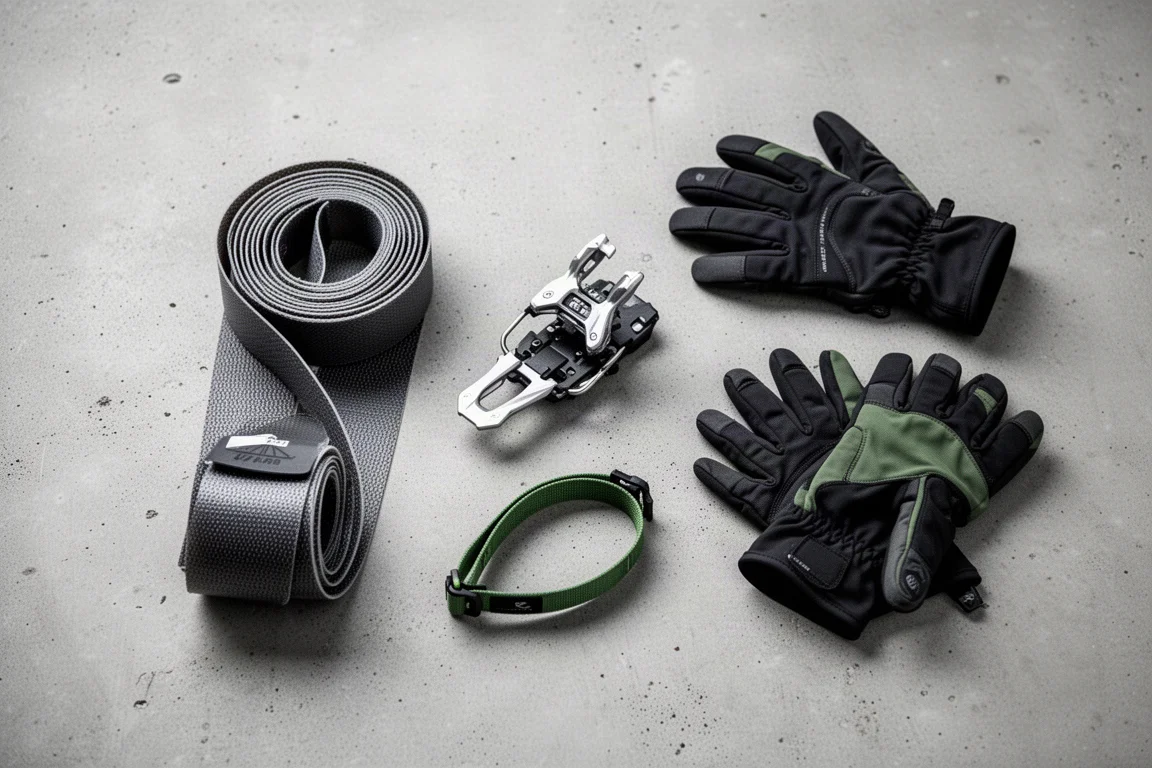
Two practical points before you commit. First, the Tour models are designed to pair with a dedicated tech binding, while the standard Ripstick skis remain a natural match for a hybrid alpine touring binding. Second, availability is worth watching: the skis are on pre-order now, inventory is expected in early to mid December, and strong demand across the Ripstick range means popular lengths may not stay in stock for long.
Conclusion
The Ripstick Tour line takes a proven shape and rebuilds it around lighter materials, a solid carbon rod, and more taper in the narrower widths. The result is a range that keeps the confident feel of the Ripstick family while making the uphill noticeably easier, and pricing from $699 to $799 keeps it in line with what serious touring skiers expect to spend. Match the width to where you ski and how much you are willing to trade on the descent, and any of the three will make sense as a dedicated backcountry setup.
Further reading
Related Reviews
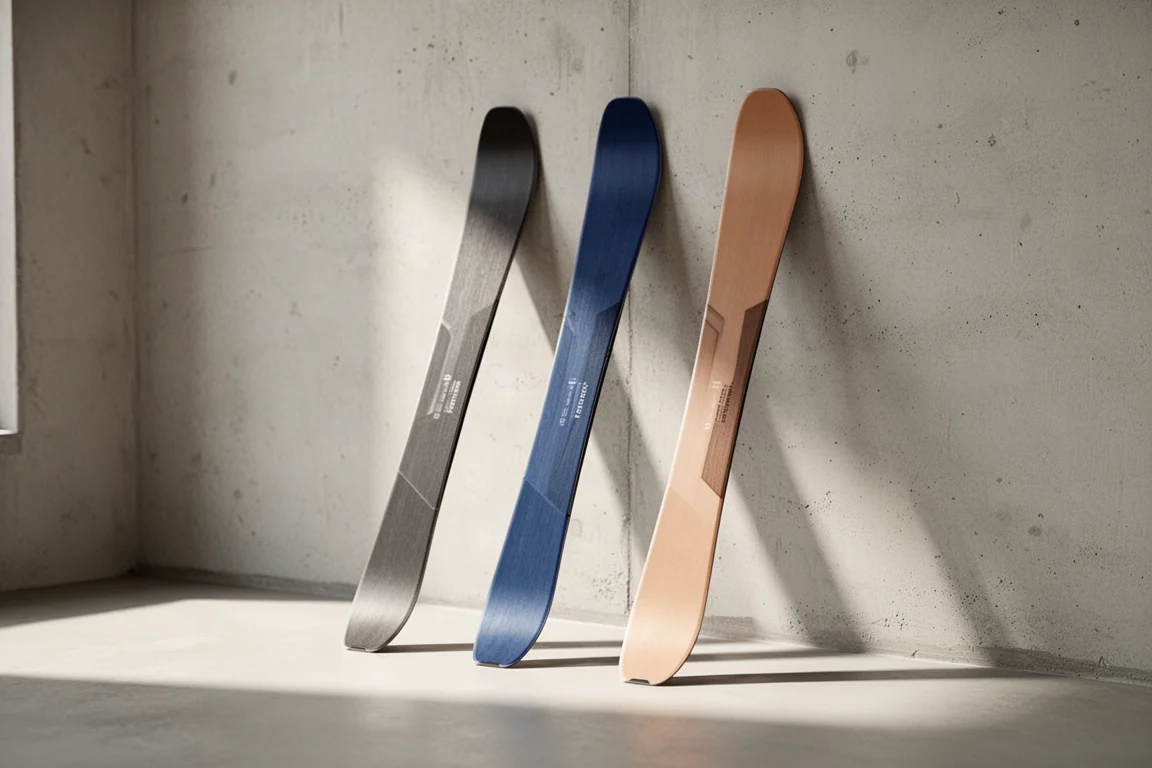
Alpine Touring Skis
Best Alpine Touring Skis 2026: Armada Locator 96 vs Nordica Enforcer 94 Unlimited vs Blizzard Hustle 9
A three-way comparison of popular alpine touring skis, from the most precise and stable to the most playful, with guidance on which one suits your terrain and pace.
Backpacking Gear
Building a 10 lb Base Weight: An Ultralight Backpacking Gear List
A practical walkthrough of the ultralight pieces behind a 10 lb base weight, from a 765 g pack and a roomy one-person tent to a full camp chair and a dependable water filter.
Road Bikes
10 New Road Bikes Worth Watching: Aero, Titanium, Steel and Endurance Standouts
A practical roundup of 10 new road bikes, from aero flagships chasing single-watt gains to titanium, steel and endurance platforms built for real roads.