Floorstanding Speakers
ELAC DF63 Review: A Warm, Capable Three-Way Tower
A three-way floorstanding tower with strong bass extension, high output capability, and a warm tonal balance, plus the placement and EQ details worth knowing before you buy.
Introduction
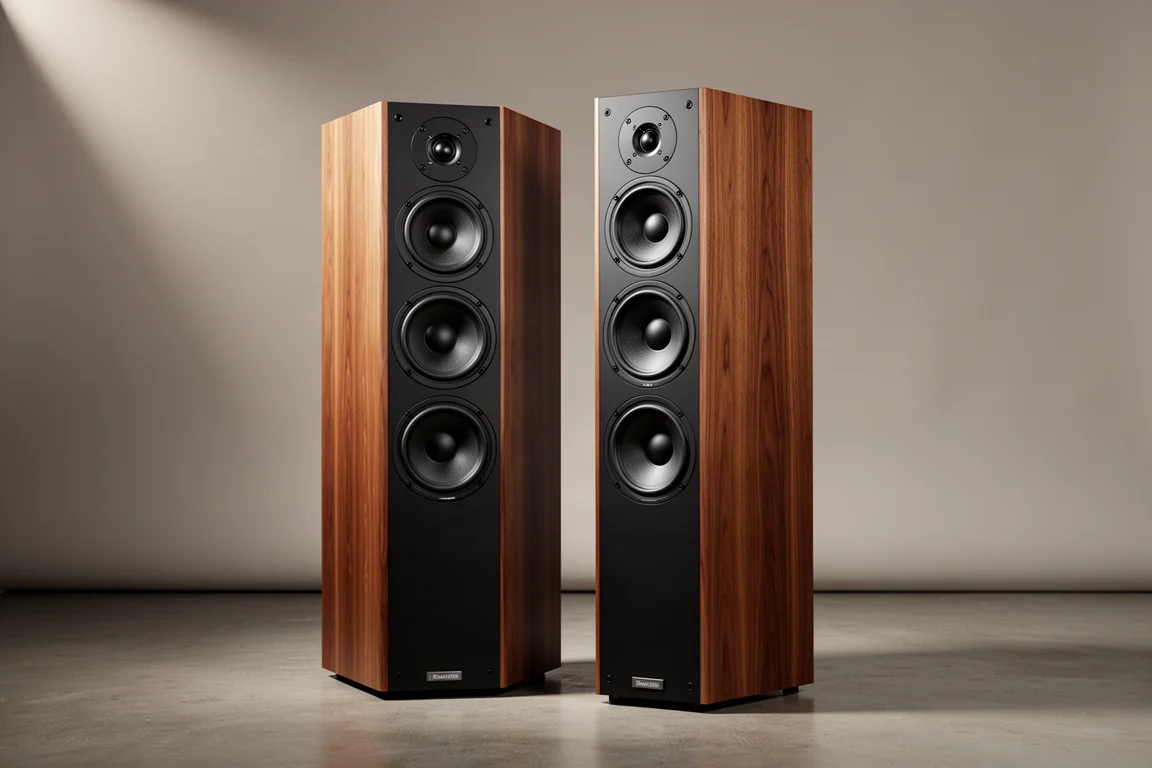
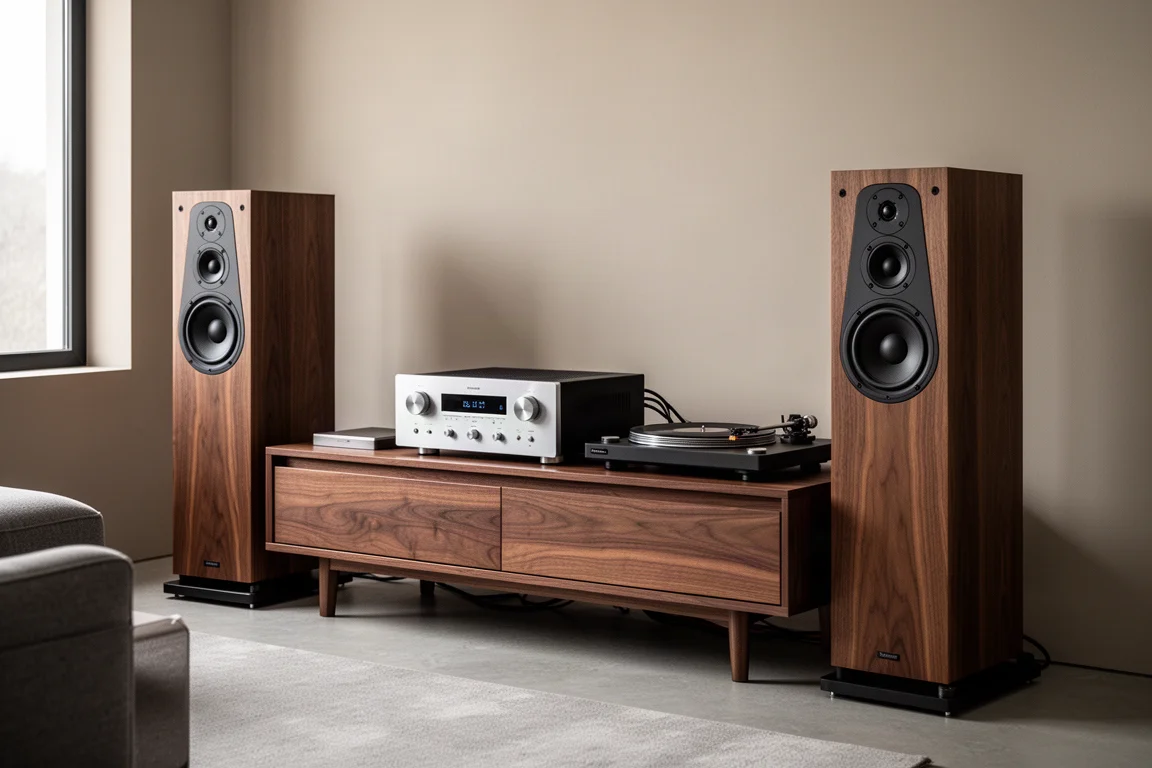
The ELAC DF63 is a three-way floorstanding loudspeaker built around a familiar driver recipe: two 6-inch midbass drivers, a dedicated 6-inch midrange, and a 1-inch dome tweeter. It comes in an all-black finish or, as tested here, with wood side panels that give the tower a warmer, furniture-like presence. On the wood version the front baffle carries a subtle textured surface, closer to a fine vinyl grain than a fabric wrap, which reads as a deliberate design choice rather than an afterthought. At $1,100 per pair, the DF63 lands in one of the most competitive stretches of the floorstanding market.
A three-way tower at this price usually means a compromise somewhere. The interesting question with the DF63 is where those compromises sit, and how much they actually matter in a normal room.
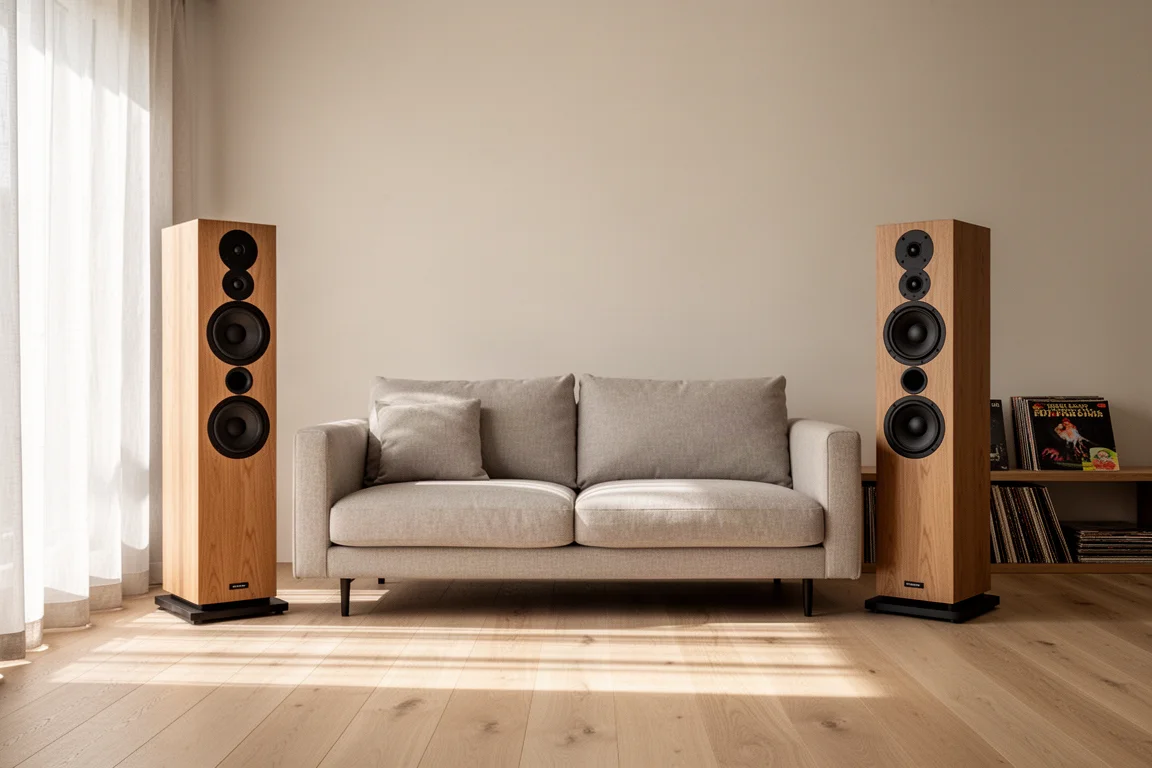
The short version: strong bass extension, high output capability, and low distortion for the money, with two measured quirks that are worth understanding before you buy.
Who This Speaker Is For
The DF63 makes the most sense for listeners who want a full-range tower for music without adding a subwoofer. Splitting bass and midrange duties across dedicated drivers gives it a headroom advantage over typical two-way designs, which tend to get grainy as you push the volume. It also suits anyone who values a warm-leaning presentation over a strictly analytical one.
For home theater use, the shallow low-frequency rolloff means a subwoofer is still worth having. And because vertical directivity is tighter than horizontal, the DF63 rewards a listener who sits on the tweeter axis and is willing to spend a little time on toe-in.
Design and Driver Layout
The cabinet is more substantial than the price suggests. There is generous damping material throughout, the midrange driver sits in its own sealed chamber, and a brace runs from the front to the back of the cabinet just below the bottom woofer, with the first port beneath that. The two midbass drivers and the midrange are clearly different units, and an impedance sweep confirms it: the midbass drivers show noticeably higher inductance than the midrange, so all three are doing genuinely separate jobs rather than sharing a common part.
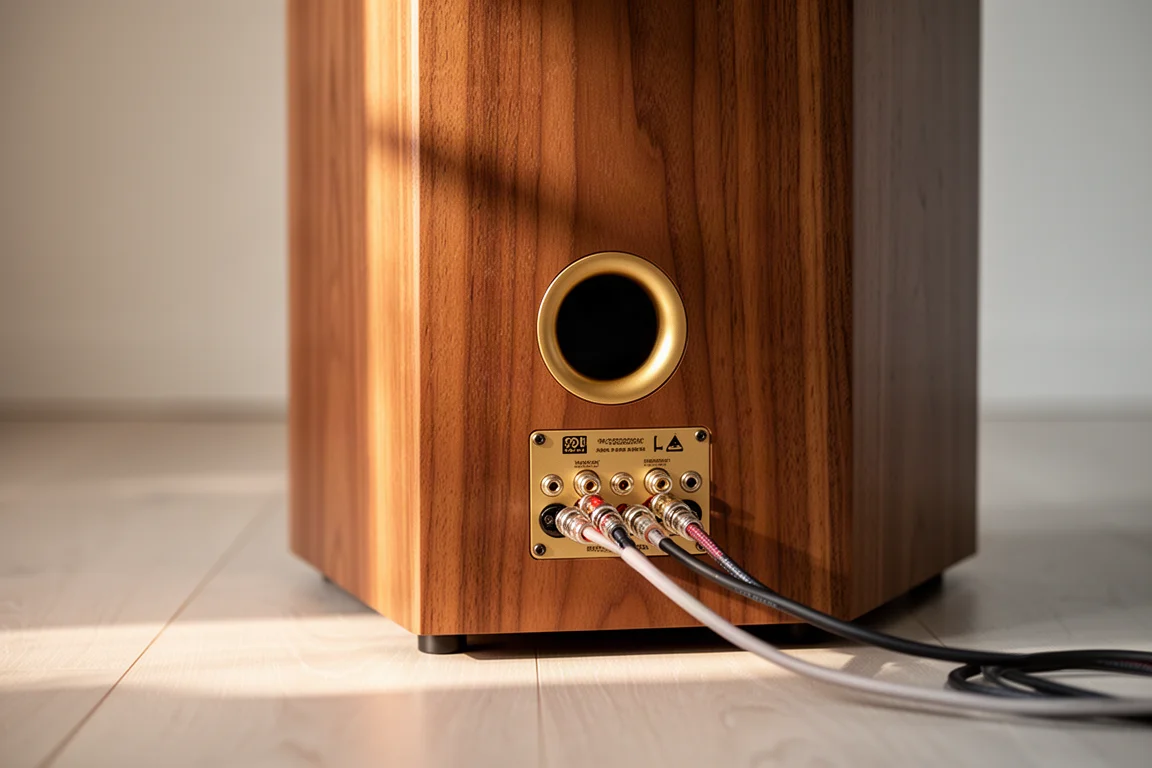
Average sensitivity measures about 87 dB. F3 sits at 71 Hz and F10 at 29 Hz, which describes a shallow low-frequency rolloff rather than a steep drop. That profile is why the DF63 responds well to being placed a little closer to the front wall, where boundary reinforcement lifts the bottom end. Pulled well out into the room it still works, but the bass arrives with less weight.
Sound Quality and Listening Notes
Over several weeks of listening, the DF63 came across as warm and easy to live with. Bass has a satisfying thump with usable in-room extension down to roughly 50 Hz in a typical setup, and output capability is high enough that the speaker rarely sounds strained. None of the grainy or glaring artifacts that two-way designs often produce at volume showed up here, which is a direct benefit of splitting bass and midrange duties across dedicated drivers.
Stereo width is strong, landing close to 60 degrees through the midrange. Toe-in matters. Aimed straight at the listener, the DF63 holds focus and imaging precision; toed out toward the side walls, the stage widens but the high frequencies drop off more than is ideal. On well-recorded material, piano lines and vocals stay clearly separated instead of blurring together.
Two behaviors are worth flagging. A mild lift around 10 kHz pushes percussion slightly forward of the stage, and a cut of roughly 2 dB in that region pulls it back into line. There is also a resonance that shows up as a droning quality on female vocals, heard as a bloom in the lower midrange. It is mild enough that many rooms will mask it, and it is unlikely to be a dealbreaker in practice.
Measured Performance and Technical Behaviour
On-axis response tracks the listening window closely, and horizontal directivity holds together well up to about 2 kHz. Above that point the tweeter takes over and the directivity angle flattens, creating a small but visible discontinuity between midrange and tweeter. The crossover appears to sit somewhere between 2 and 3 kHz, and a slightly lower crossover point would likely smooth that transition, fill in a shallow dip through the 1 to 3 kHz region, and reduce a little off-axis flaring. In practice the step is minor, and the waveguide keeps high-frequency directivity tightly controlled.
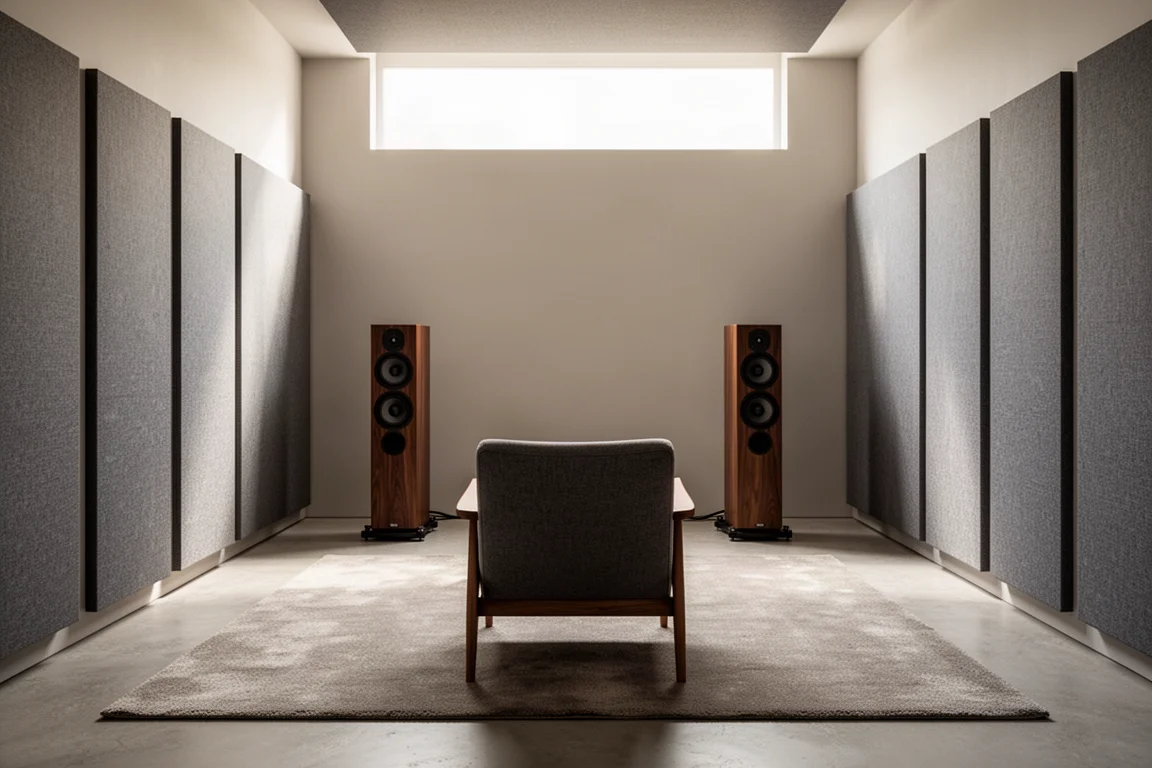
Harmonic distortion stays low at both 86 dB and 96 dB, multitone distortion remains under 3 percent, and a short-term dynamic compression check shows variation under a decibel across the band. Bass management helps as well: crossing over at 80 Hz reduces midrange distortion further.
The impedance curve tells a similar story. Minimum impedance is about 3.4 ohms, so most amplifiers rated for 4-ohm loads will drive the DF63 without trouble. Minimum EPDR drops to roughly 1.5 ohms, which means amplifiers running in class AB should be given decent ventilation.
Things to Consider Before Buying
The dip through the midrange is real, and it colors the presentation warm rather than neutral. It responds well to EQ, and dips are far less audible than peaks, but listeners who want a flat out-of-box response should know it is there. The lower midrange resonance is audible on some female vocals. Stuffing the port is one possible mitigation, though it has not been confirmed to resolve the issue.
The 10 kHz lift makes certain percussion sound forward of the stage, and a small EQ cut fixes it. Placement also matters more than usual: sit on the tweeter axis and aim the speakers at the listening position for the best tonal balance. Finally, with minimum impedance near 3.4 ohms and EPDR dipping to about 1.5 ohms, pair the DF63 with an amplifier that is comfortable driving a 4-ohm load.
Buying Advice
At $1,100 per pair, the DF63 delivers good linearity, genuine bass extension, and high output capability, and the caveats above are small enough to live with. If you are cross-shopping, the Polk R500 and Polk R700 are the closest alternatives in this part of the market. The Polk R500 is the less neutral of the two in this comparison, and Polk designs tend to narrow in the high frequencies more than the DF63 does. The Polk R700 is also worth an audition if you want another option on the shortlist.
For most buyers, the practical path is straightforward: pair the DF63 with a competent 4-ohm-friendly amplifier, give it a wall-adjacent placement if you want extra low-end weight, and take twenty minutes to dial in toe-in before you settle on a final position.
Conclusion
The ELAC DF63 is a well-executed three-way tower at a fair price. It gives you real low-frequency reach, clean high-volume behavior, and a broad, focused soundstage, and its two measured quirks are both mild and manageable. Buyers who want a warm, capable floorstander for music and are willing to fine-tune placement will find a lot to like here.
Product link
View more details for ELAC DF63
This product is mentioned in the review. Check the specifications, options, and compatibility before buying.
View more details for ELAC DF63Further reading
Related Reviews
Floorstanding Speakers
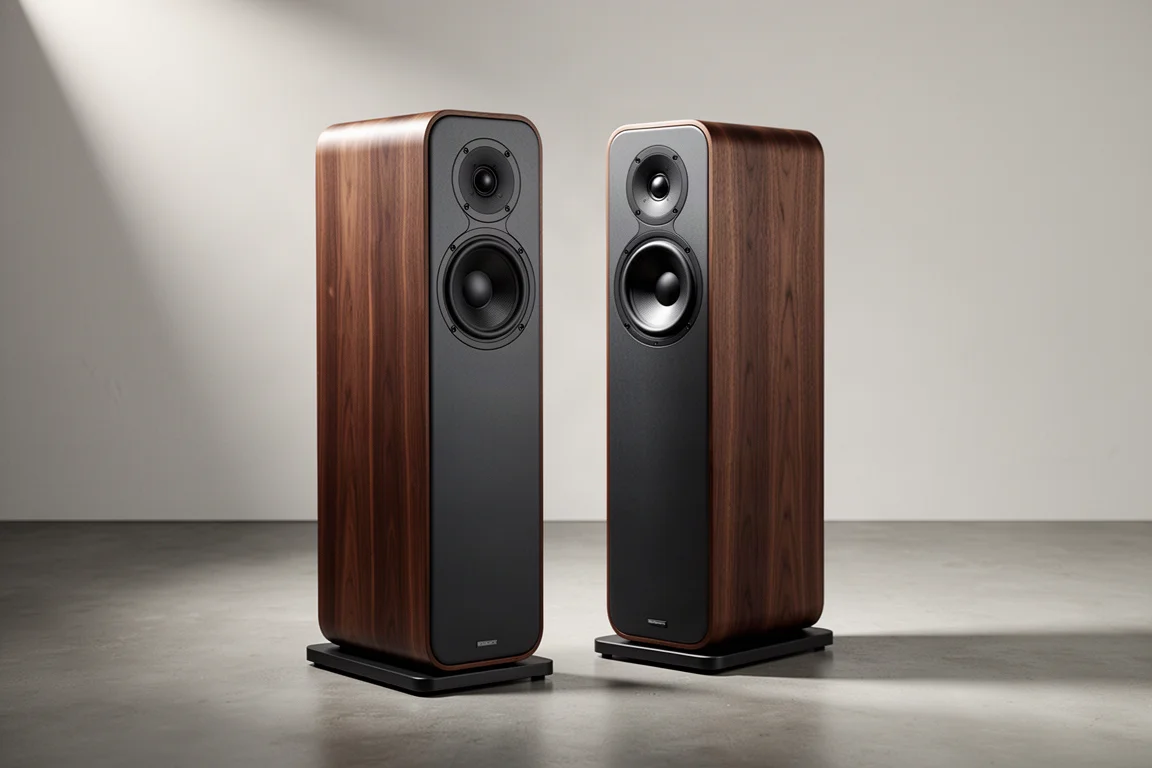
Acoustic Energy AE109 Mark II Review: A Refined Floorstander at £699
The Acoustic Energy AE109 Mark II is a slim, warm sounding floorstander that delivers clarity, midrange body and strong imaging in small to medium rooms.
Floorstanding Speakers
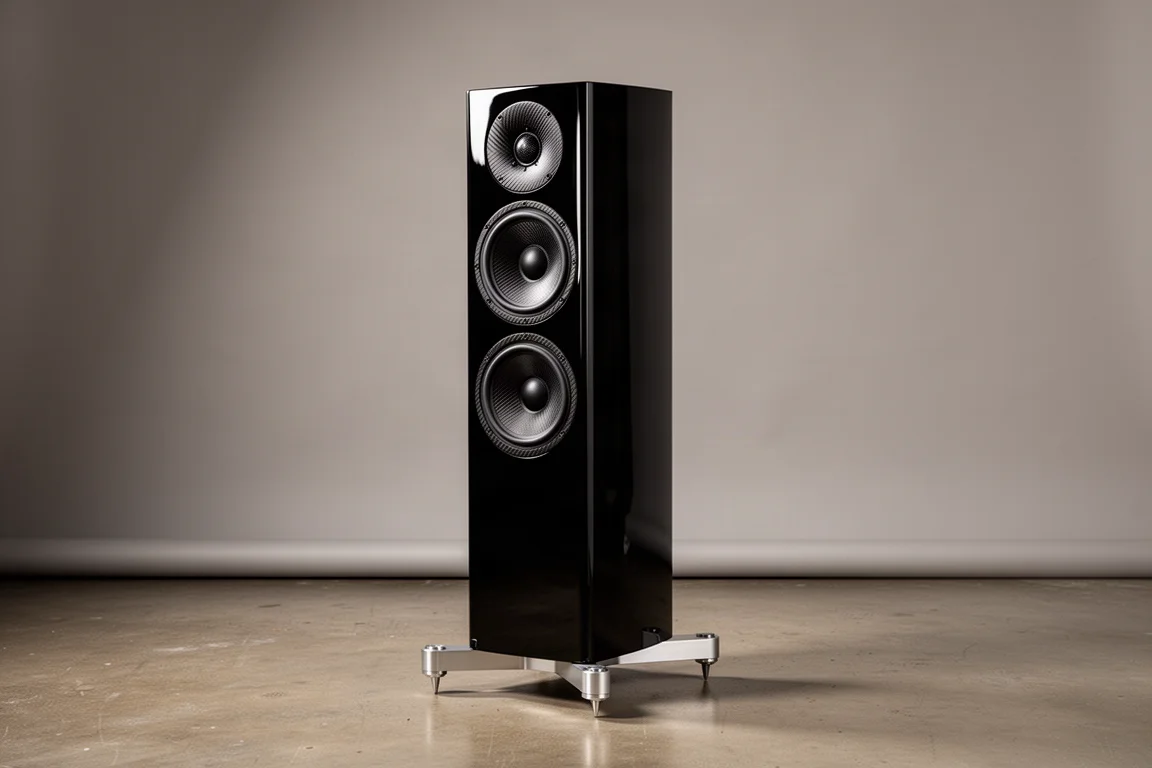
Acoustic Energy AE509 Review: A Slim Floorstander With Deep, Defined Bass
A practical look at the Acoustic Energy AE509, a slim floorstanding speaker with carbon fibre drivers, deep and well-defined bass, and an easy-going character that rewards careful system matching.
Floorstanding Speakers
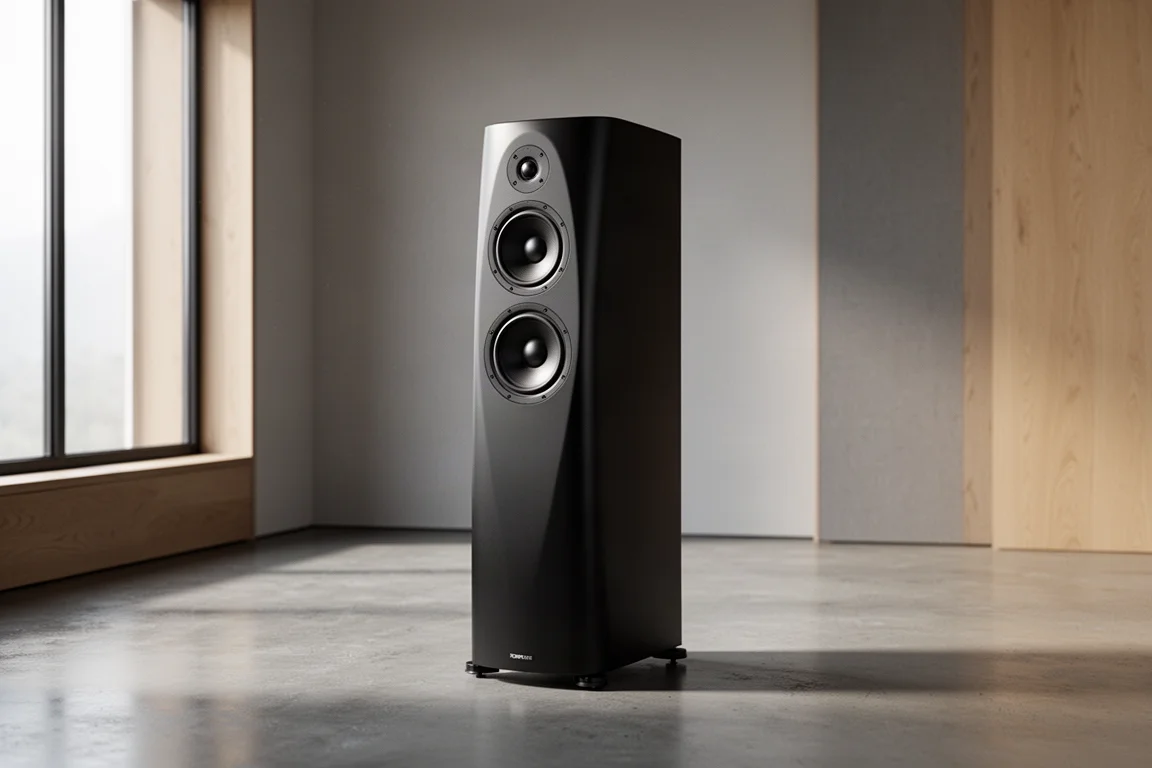
Arendal 1528 Tower 8 Review: Reference Neutrality With Real Demands
A close look at the Arendal 1528 Tower 8, a nearly five-foot, 200-pound floorstander that rewards generous space, serious power, and high listening levels with reference-grade neutrality.