Cycling
Eight Real-World Bike Builds Worth a Closer Look
Eight road, gravel and cargo bikes that have been set up and ridden hard, plus the details that matter before you buy.
Introduction
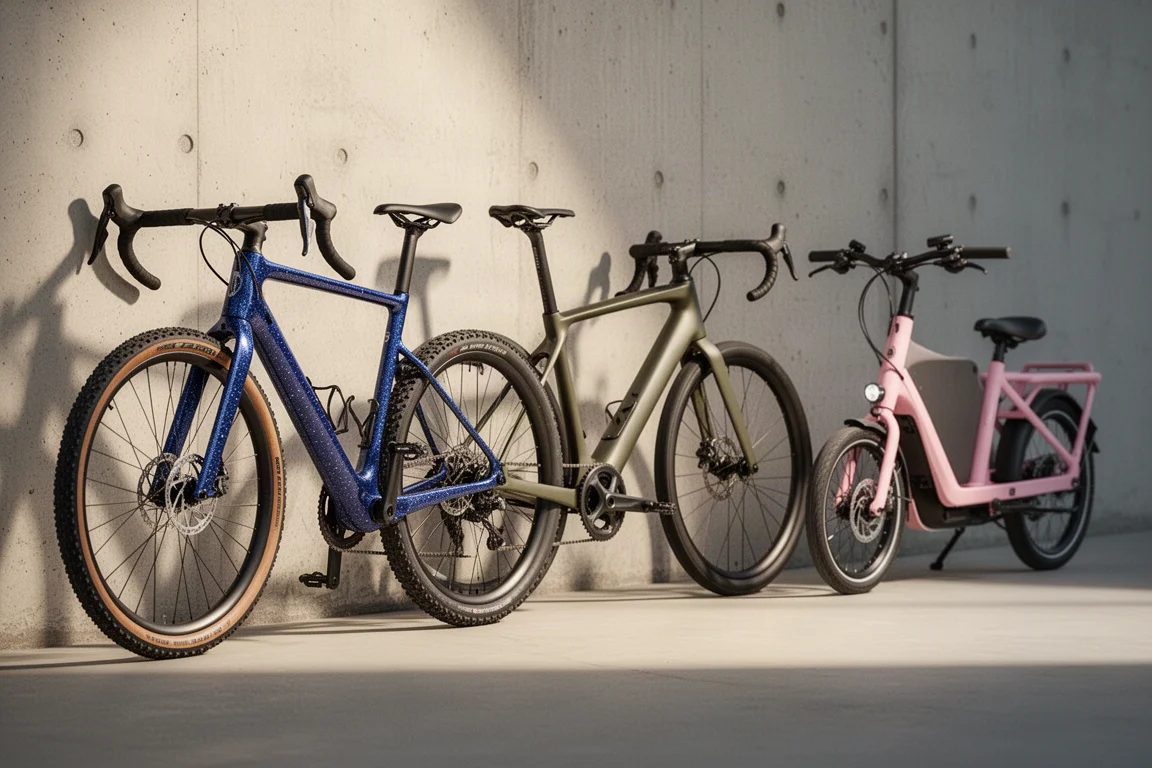
Some bikes are bought to look good and some are bought to be used hard. The eight builds in this roundup sit firmly in the second category. They include a carbon gravel racer with a speckled fork, an alloy road bike stretched out for racing, a pink cargo bike that carries two dogs, and a gravel bike that covered roughly 15,000 km across 19 countries.
What makes them interesting is rarely the headline specification. It is the small decisions: a race number curved so it sits flush against the frame instead of spoiling the front end, a stem chosen for reach rather than fashion, mudguards fitted to a bike that gets ridden every day in every weather.
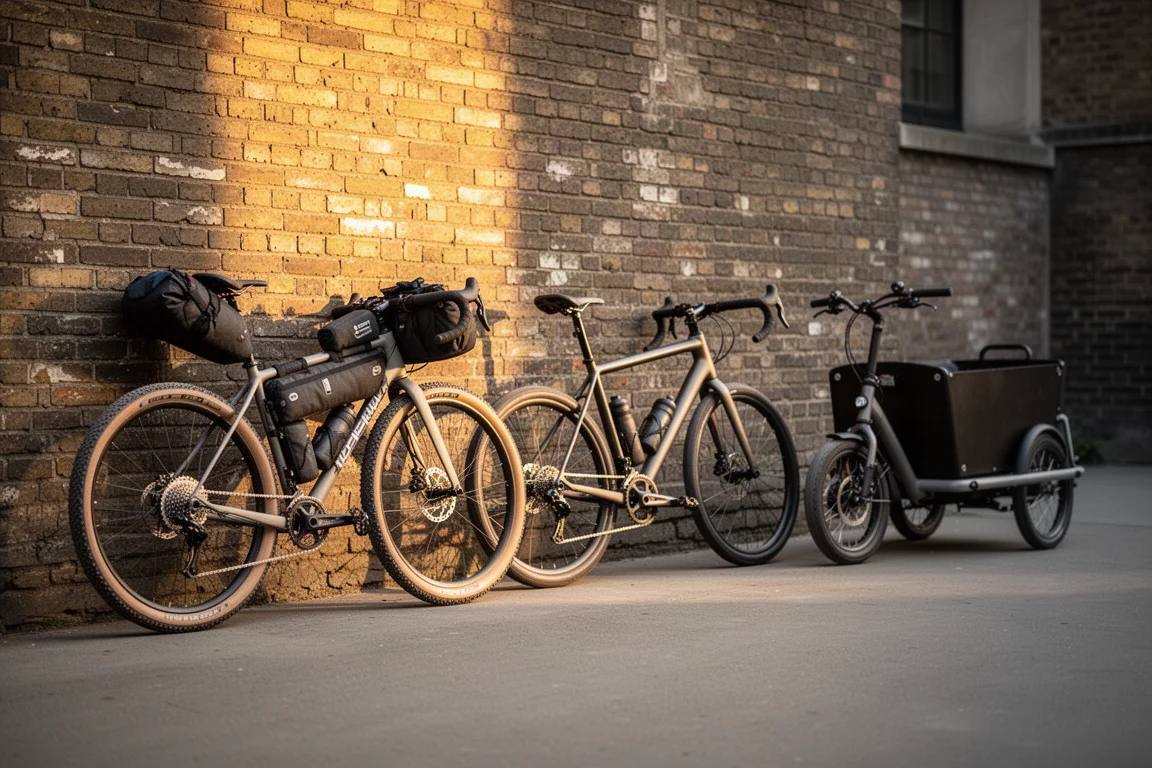
Each entry below covers what the bike is, what it does well, and what a buyer should think about before committing.
How These Builds Were Assessed
Each bike is judged on how well it supports the riding it was actually bought for, not on how it looks in a showroom. That means frame material and geometry, gearing and drivetrain, wheel and tyre choice, luggage and mounting options, and how easy the bike is to live with over months and years.
Two patterns are worth noting before reading further. Integrated cockpits and one-piece bar and stem setups look superb and cut clutter, but they limit later adjustment, which matters if your position is not already settled. And the bikes that accumulate the most distance tend to be the ones whose owners stopped worrying about whether every component matches.
Ribble Gravel SL: A Gravel Racer With Pro-Level Detail
The Ribble Gravel SL is a carbon gravel bike in a deep blue finish, with a speckled, spotty fork that gives the frame more character than a flat paint job would. It runs a SRAM Force groupset with a power meter, rolls on gravel tyres, and uses a one-piece bar and stem.
That one-piece cockpit is the detail worth pausing on. It is versatile and clean, but if your fit is not already dialled in, changing bar width or stem length later is expensive. Riders who know exactly what they need get the most from it.
The build also includes a top tube bag, a genuinely useful addition on a gravel bike that keeps snacks and small tools within reach without stopping. A curved race number sits flush against the front of the bike rather than ruining its aerodynamics.
Specialized Allez: An Alloy Frame That Punches Above Its Price
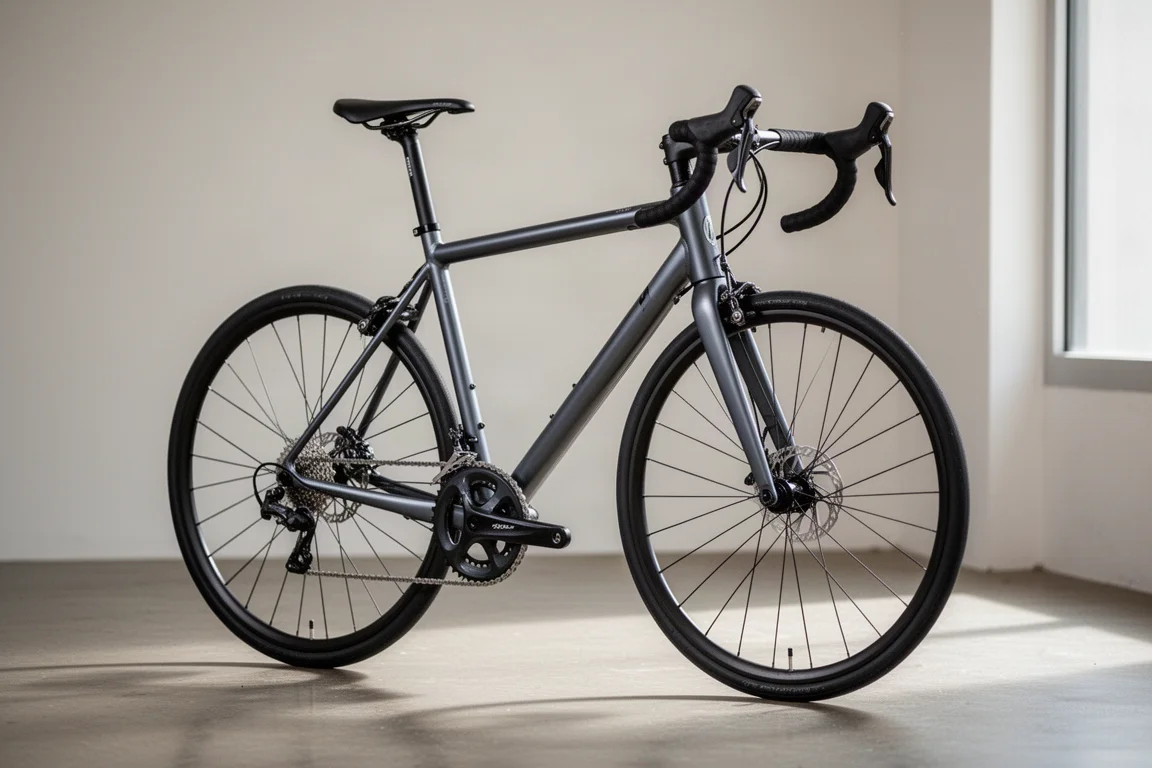
The Specialized Allez here is an alloy road bike rather than a top-spec model, but it has been set up to ride like something far more expensive. A 130 mm stem stretches the position out toward a race fit, and the build pairs a Hunt wheelset with an 11-speed Ultegra Di2 groupset and disc brakes.
The result is a bike that has already been raced and performs well. The paint scheme and the unusual placement of the frame branding drew plenty of attention, and the long stem on a shorter, taller frame gives the front end a purposeful look.
A large saddle bag and a pair of older bottle cages complete a build that prioritises function. It is a reminder that an alloy frame with good wheels and a strong groupset can be a better bike to ride than a more exotic frame with compromised parts.
Giant Revolt: A Round-the-World Gravel Workhorse
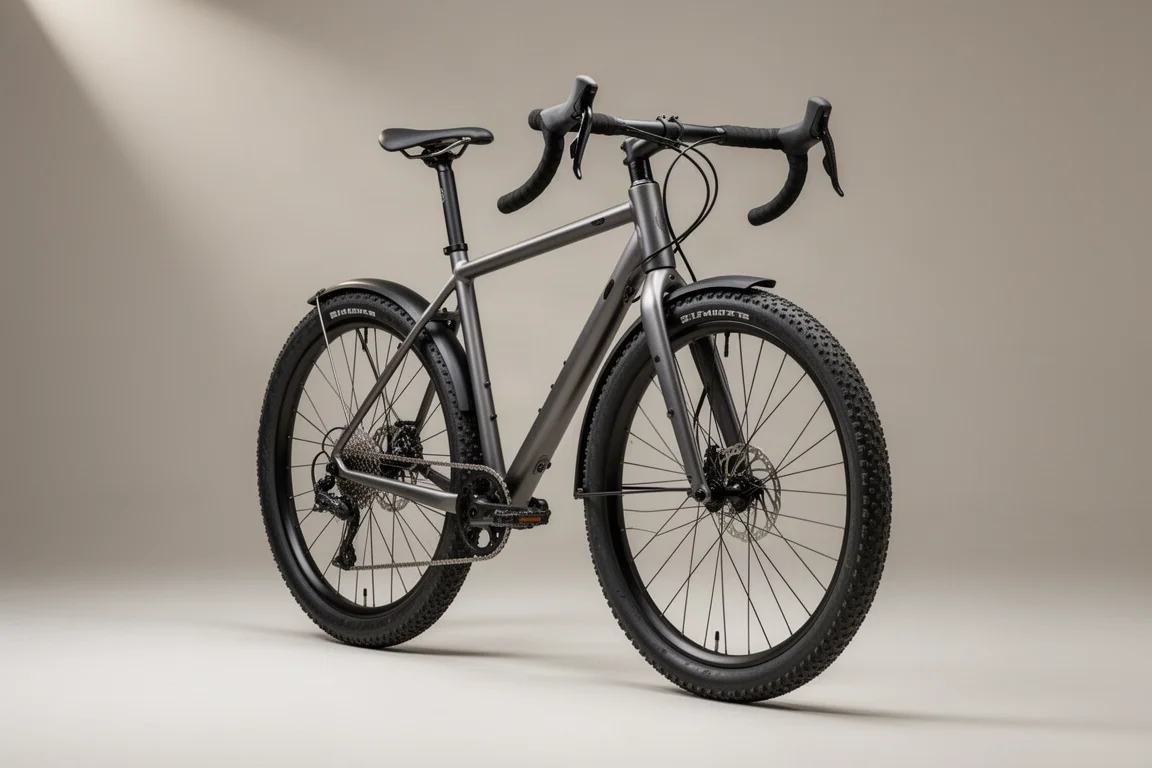
This Giant Revolt has done something most bikes never will: it covered roughly 15,000 km over four months across 19 countries without a single puncture. The frame is full carbon and the groupset is a modest Shimano setup, which is precisely the point. A trip like that does not require a superbike.
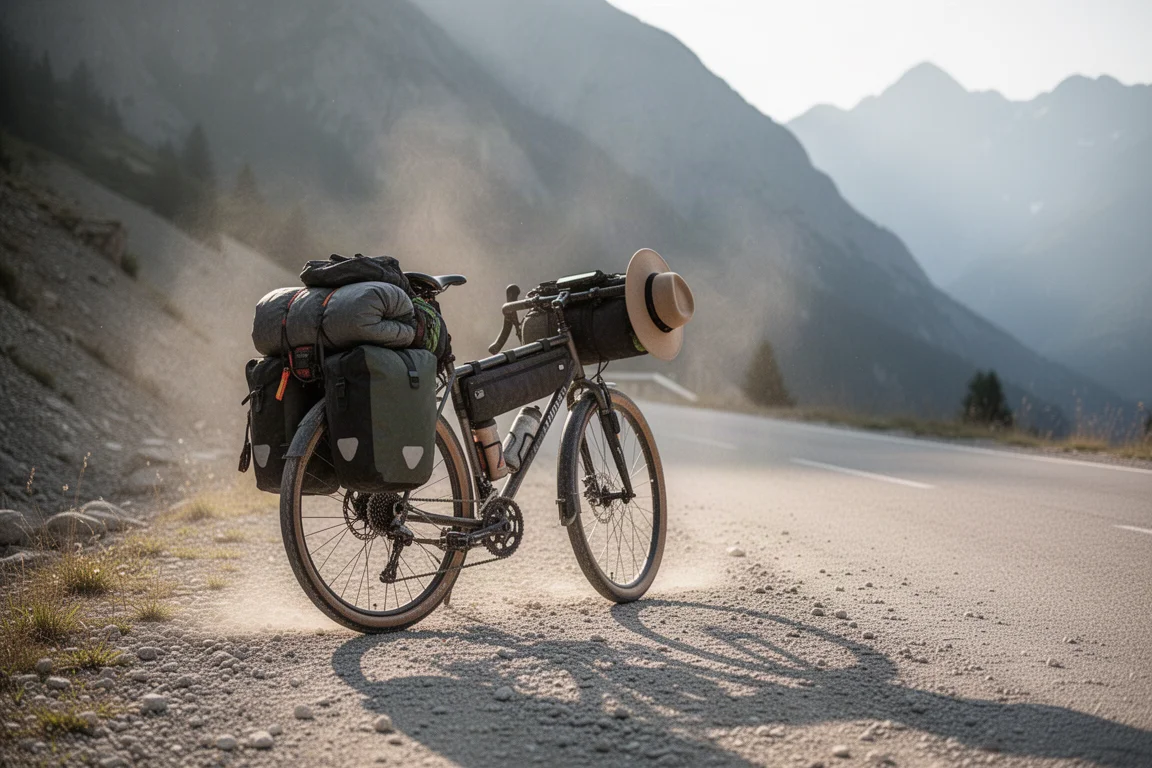
The problems that did appear were practical rather than structural. A bolt on the front luggage pack snapped near the border of Afghanistan under the weight of two loaded front panniers, and the pack was zip-tied to the fork for the rest of the journey. Tyres began to delaminate in Turkey, and fresh sealant at a bike shop in Istanbul resolved it. A wide-brimmed hat hung off the back of the bike for sun protection.
Small frames bring their own compromises, and this is a small frame. Bottle clearance is tight, which is where bottle cage bolt extenders help by shifting a cage slightly up or down. A frame bag adds further constraints on how bottles can be pulled out, which is worth checking before you plan a loaded trip.
Giant Defy: A Comfortable Endurance Road Platform
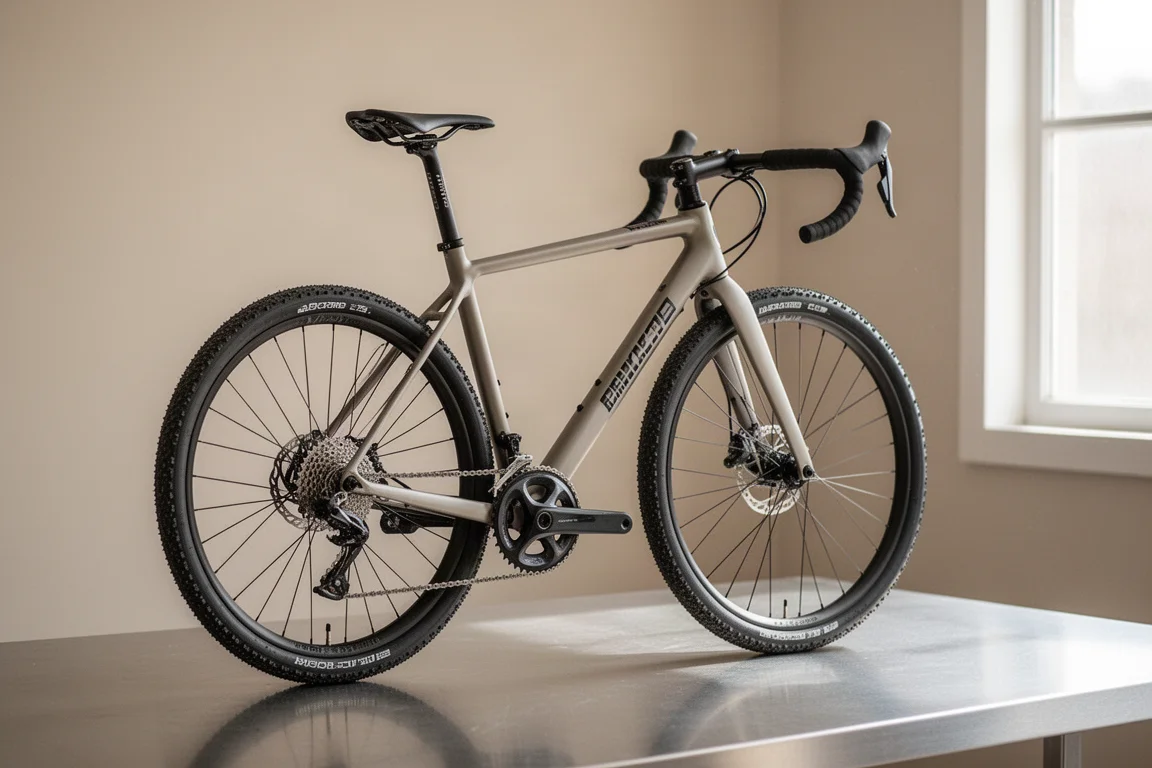
The Giant Defy is an endurance road bike with a top carbon frame and an integrated seat post, finished in a matte colourway with outlined branding rather than solid blocks of text. It is a look that holds up well in person, and it is matched here with kit in complementary colours.
The build leans heavily on Giant’s own componentry, from wheels and bars to tyres, which keeps the specification coherent and makes servicing straightforward. One small criticism concerns the rear light, a basic unit that does not throw much of a beam.
The tyres are the most interesting part of the setup: high volume, with a smooth centre and grip on the shoulders, a combination that suits mixed surfaces and long days in the saddle. A large saddle bag suggests this bike is used for distance rather than short efforts.
Cervélo S5: A Flat-Out Crit Weapon
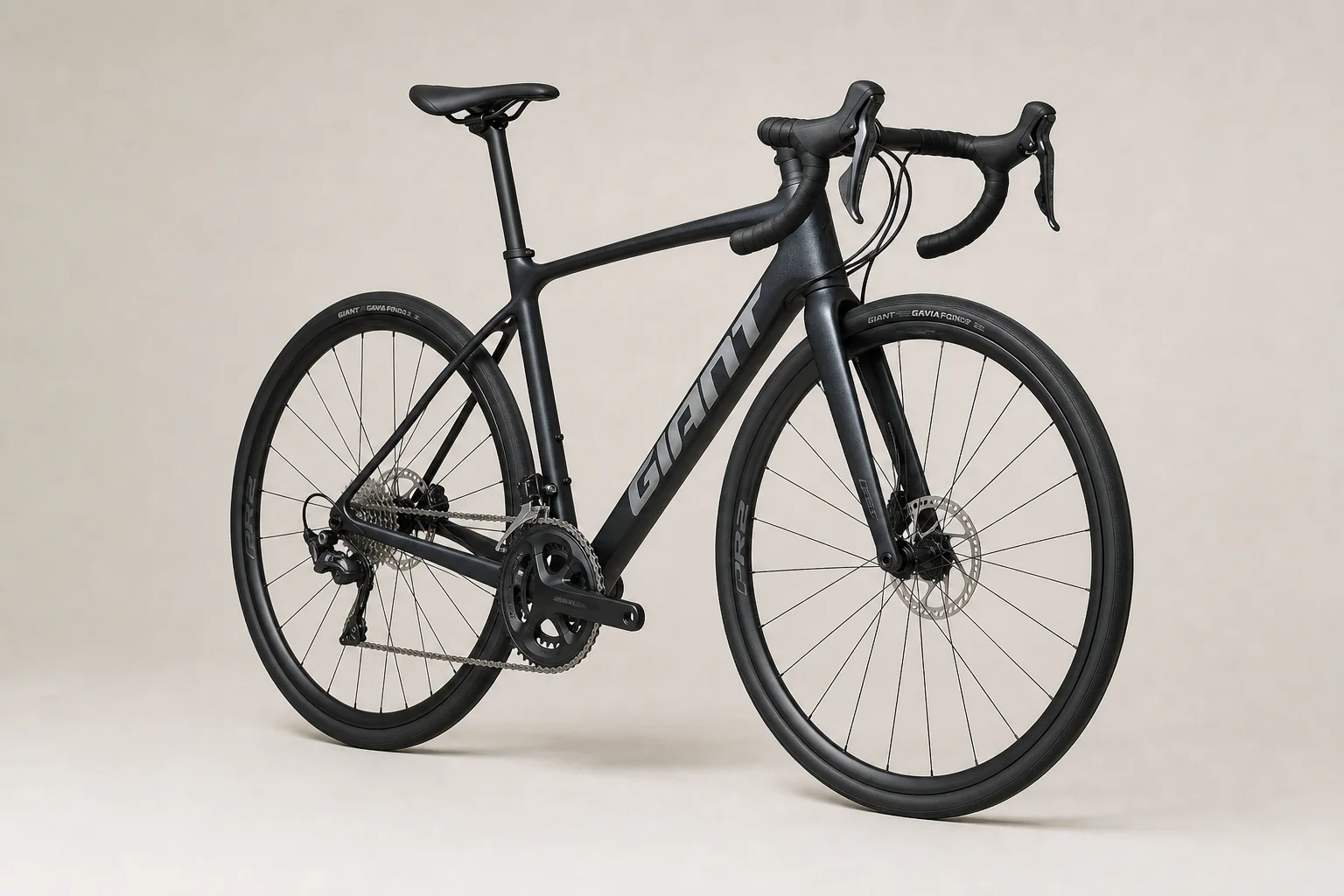
The Cervélo S5 is an aero road bike built for criterium racing, finished in an olive green that stands out in a pack. It runs Reserve wheels set up tubeless with 30 mm tyres, and a 1x drivetrain with a large single chainring paired to a 10-33 cassette.
Racing on 30 mm tyres is a deliberate choice rather than a compromise, and it shows that wider rubber can still be ridden hard. The front end is heavily integrated, with a raised stem area and a fairing over the steerer, which means maintenance is best left to a mechanic.
The saddle is tilted slightly downward, in keeping with an aggressive racing position, and the oil slick finish on the drivetrain drew plenty of attention. This is a bike with real character, aimed squarely at riders who want speed above all else.
Omnium Mini Max: The Cargo Bike That Can Replace a Car
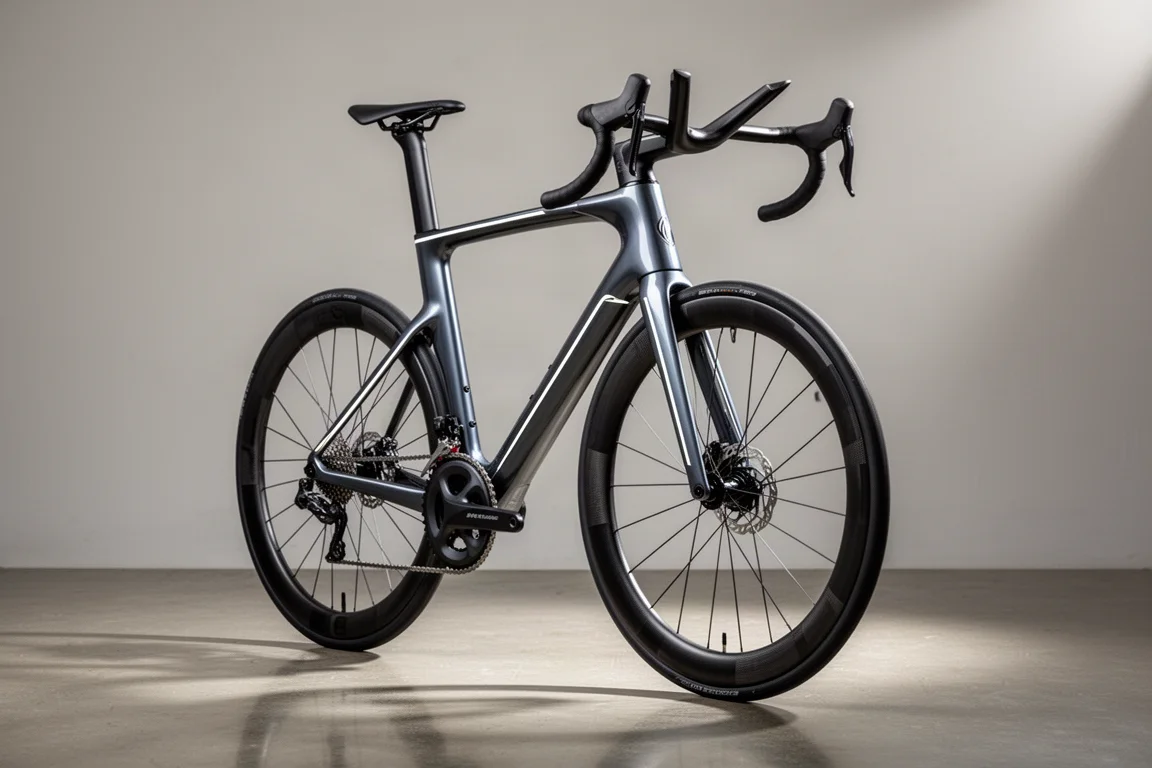
The Omnium Mini Max is the most unusual bike here: a compact cargo bike with a small front wheel and a standard rear wheel, built around a stiff linkage system that keeps the steering solid even when loaded. It is finished in pink and, in this case, carries two dogs.
The specification mixes practical and premium parts. There is a Brooks C17 saddle, a GRX crank at the front with a 10-speed Deore rear derailleur, and Halo wheels: a Super Drive hub laced to a T2 rim at the back and an SP dynamo hub laced to a matching T2 rim at the front. T2 rims are popular on cargo bikes partly because matching a 20 inch front wheel with a 700c rear is not always easy.
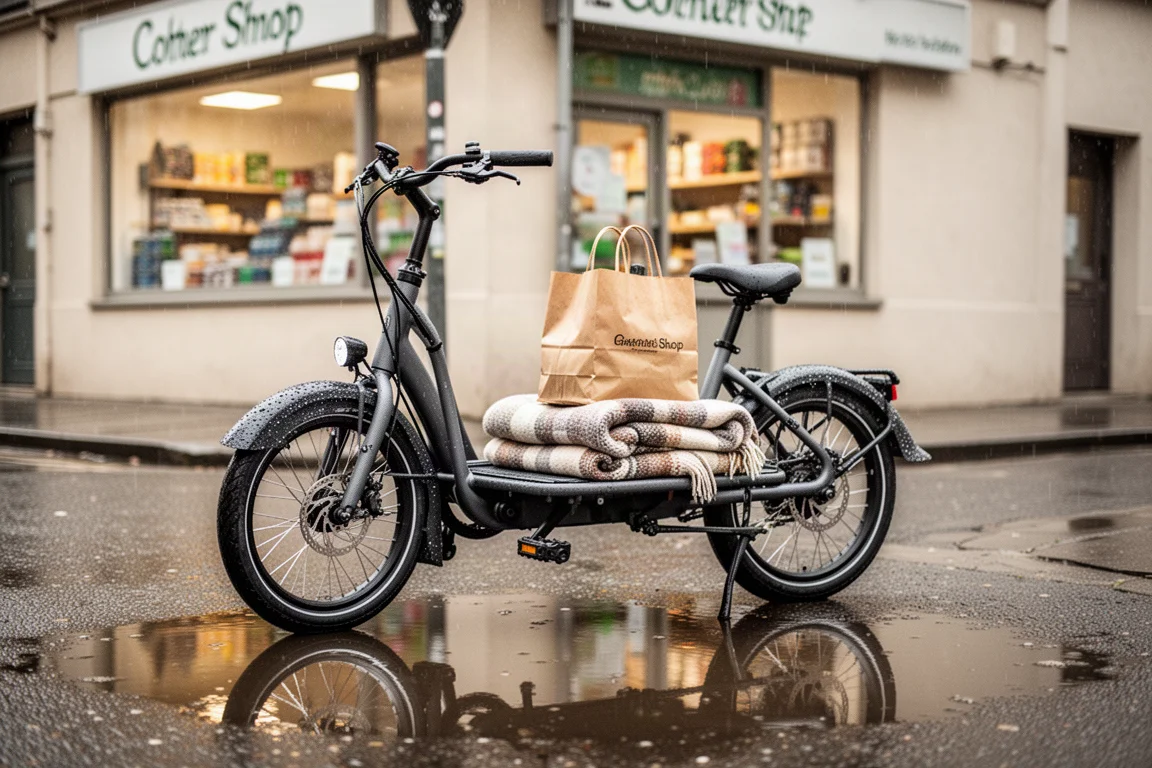
Mudguards are fitted, which makes sense for a bike used in all weathers, and there is room for very high volume tyres. The front tyre is heavily knobbled and, despite its small size, feels planted because so much rider weight sits over it. A custom CNC machined mount was made to tuck a dynamo light underneath, though the current placement still needs work before the light fits cleanly. The build is finished with a rare limited-edition stem and carbon mountain bike handlebars.
This kind of bike is not cheap, and a fully set up example can run into many thousands of pounds. The trade-off is that it can genuinely replace a car or a second car, particularly where the electric assistance is powerful enough to handle hills rather than only flat city routes.
Scott Foil RC Pro: A Highly Integrated Aero Race Bike
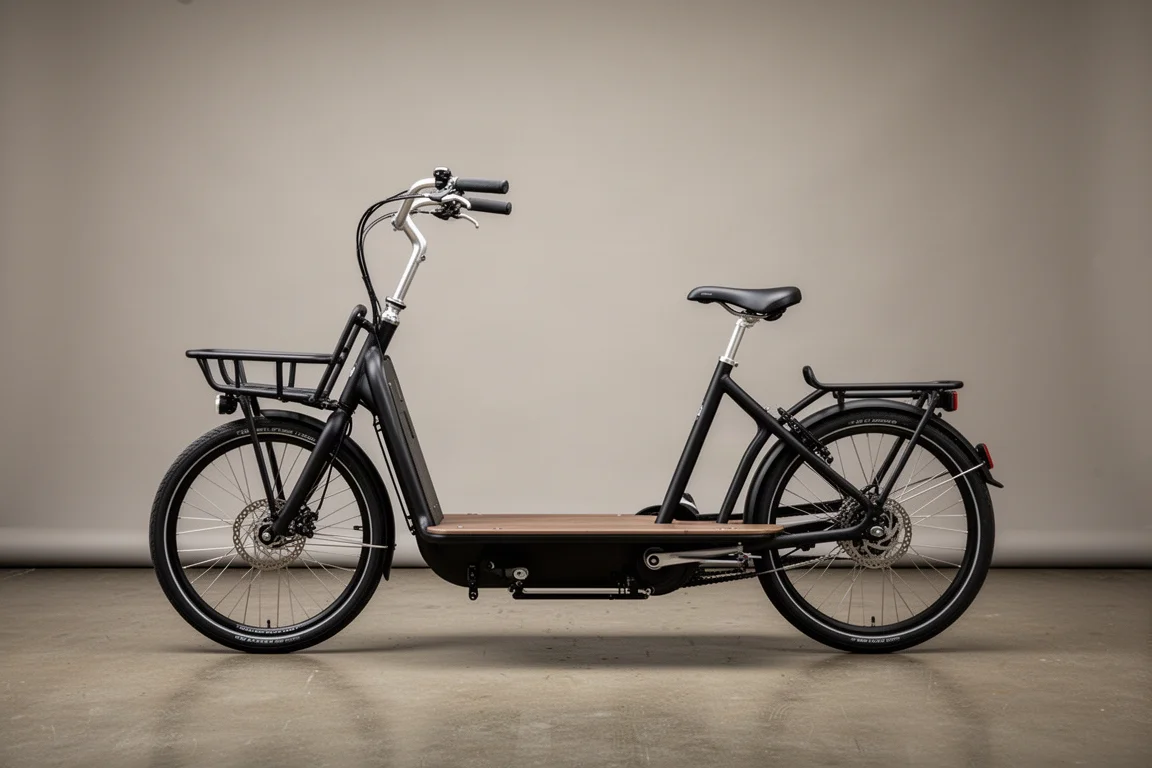
The Scott Foil RC Pro is a top-tier aero road bike, here in the 2023 model and in a very small frame size. It runs the newest 12-speed Dura-Ace groupset and a one-piece carbon Syncros Capital SL wheelset with carbon spokes, a combination that makes it feel like a rocket.
The build is exceptionally neat. A computer mount extends from the front of the cockpit with a light tucked underneath it, and the rider’s tools and food live inside the frame rather than in a saddle bag. That level of integration looks superb, but it has a cost: almost any change requires a mechanic and specialist equipment.
The tyres are noticeably beefy for an aero bike, and the frame is set up for riders who already know their position. This is a machine aimed at people who want maximum speed and are happy to accept the maintenance overhead that comes with it.
Ritte R: A Boutique Carbon Road Bike With Classic Touches
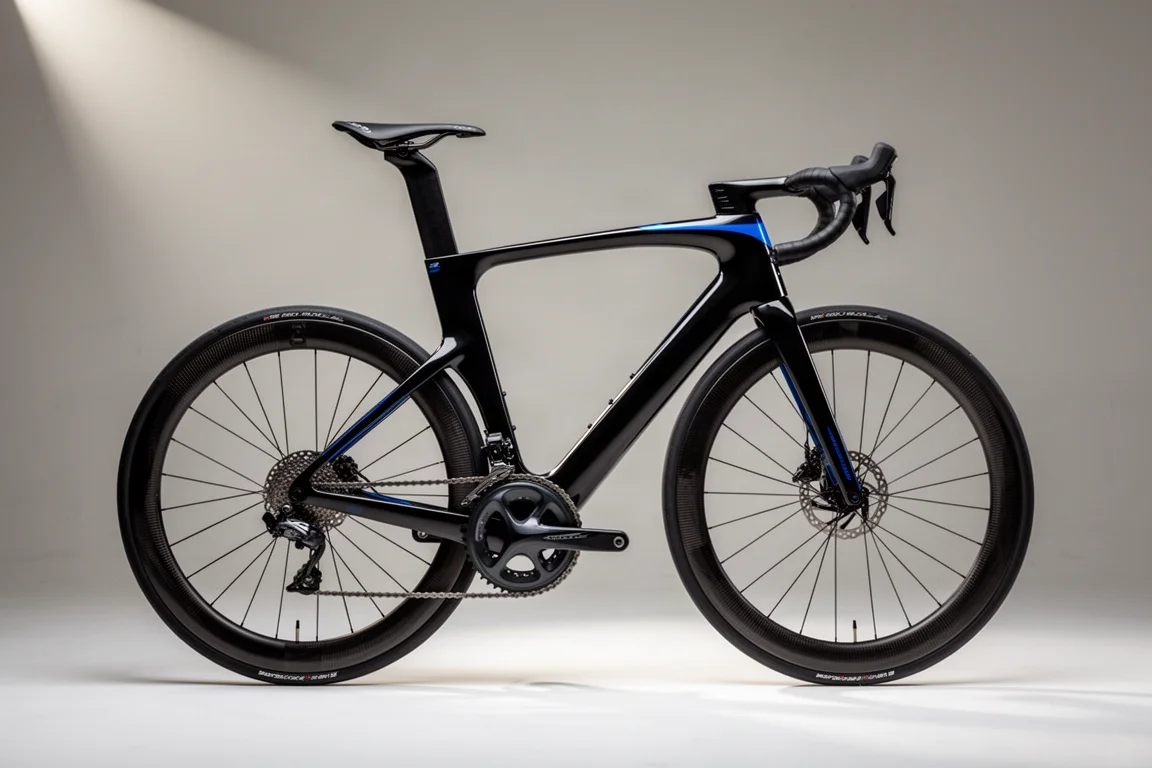
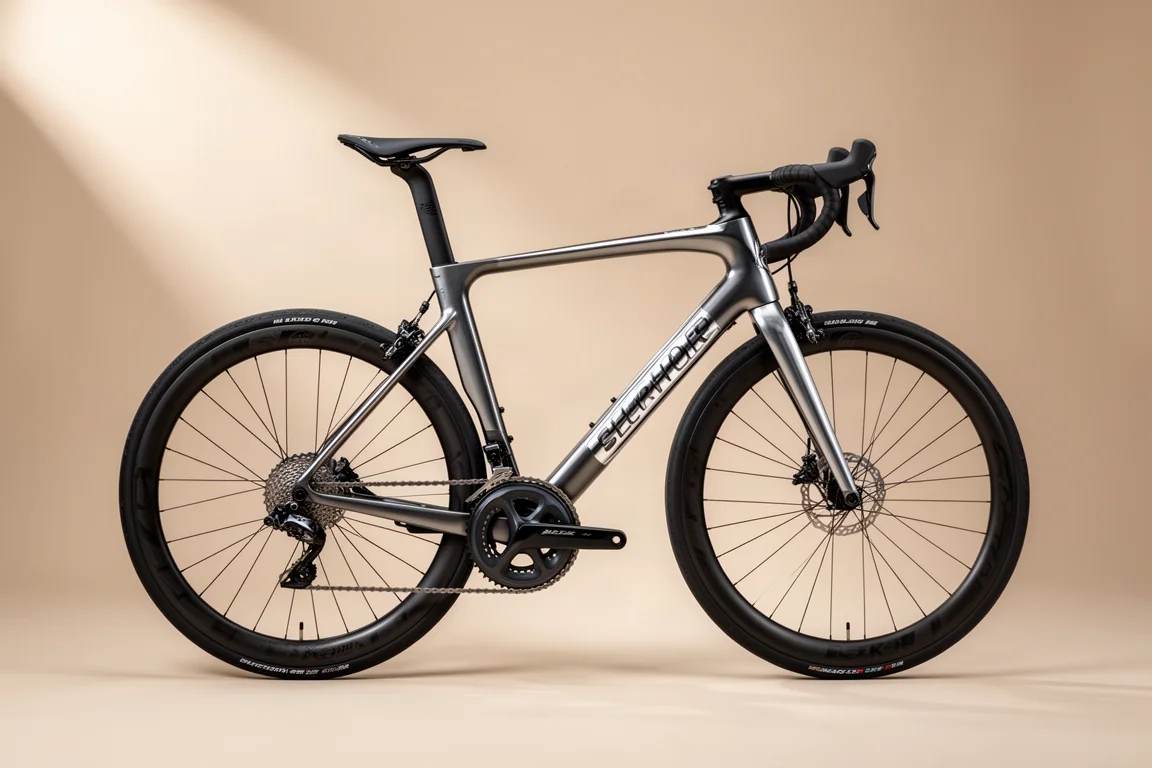
The Ritte R comes from a small Los Angeles brand whose frames were designed with the geometry of a legendary steel frame builder. The result is a flagship carbon road bike that mixes modern elements, such as an integrated cockpit, with more classical ones, including seat stays that have not been dropped.
There is clearance for 35 mm tyres, and the bike here runs 30 mm tyres that measure closer to 32 mm on its wide carbon wheels. The chrome-effect branding is placed thoughtfully on a frame whose proportions suit it, and the bar shape is one of the highlights of the build.
A few details stand out: Budweiser themed bottle cages, which look great but do not grip bottles especially well, and an oversized jockey wheel on the rear derailleur. Overall this is a well thought out, cleanly maintained bike, and the kind of machine that makes you want to ride it.
Buying Advice: Matching the Bike to the Riding You Actually Do
The bikes in this roundup point to a simple rule: buy for the riding you do most, not the riding you imagine. A carbon gravel bike with a one-piece cockpit rewards riders whose position is already settled. An alloy road frame with good wheels and a strong groupset can deliver more real-world speed than a more exotic frame with weaker parts.
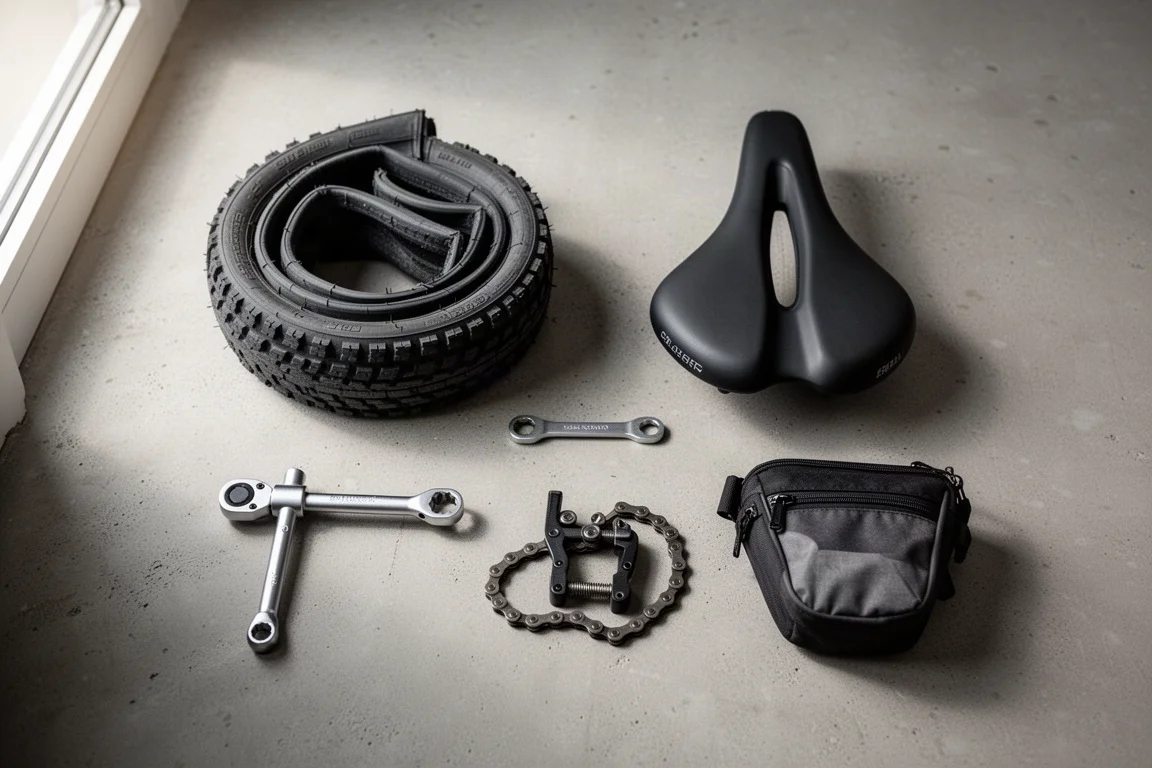
If you plan to carry luggage, check bottle clearance and mounting points before you buy, especially on small frames. If you ride in all weathers, mudguard mounts and high volume tyre clearance matter more than a weight saving. And if you want a bike to replace car journeys, a cargo platform with a stiff linkage and the option of electric assistance will do far more for you than a lighter, faster machine.
Whichever direction you choose, budget for the parts that touch the road and your body: tyres, saddle and contact points. Those are the changes that most reliably improve how a bike feels.
Conclusion
Eight very different bikes, one shared trait: each has been adapted to a real rider’s needs rather than a specification sheet. The details that matter most are often the least glamorous, from zip-tied luggage to a bottle cage that has been bent inward until it finally grips.
Pick the platform that matches your terrain and your daily routine, accept the maintenance trade-offs that come with heavy integration, and spend the rest of your budget on tyres and fit. That is how a good bike becomes one you actually ride.
Further reading
Related Reviews
Cycling
2026 Bike of the Year and the Cycling Gear Worth Watching
A drop bar roundup for 2026 covering the Ridley Kanzo Fast 2.0, Shimano Dura-Ace Di2 R9300, Trek Checkpoint ALR Gen 3, Specialized Tarmac SL9, Garmin Fenix 9 and Insta360 X6.
Cycling
Best All-Road Bikes 2026: Six Versatile Endurance Road Bikes Worth Considering
A practical look at six all-road and endurance road bikes, from lightweight carbon speed machines to steel all-rounders and comfort-focused mile eaters.
Cycling
Best All-Road Bikes 2026: 8 Endurance Bikes for Road and Light Gravel
Eight all-road bikes that blur the line between endurance road and light gravel, compared on tire clearance, ride character, practicality, and value.