Cycling
Eight Custom Bike Builds Worth Studying Before Your Next Upgrade
Eight real-world bike builds, from steel gravel tourers to aero road machines, and the component choices that make each one work.
Introduction
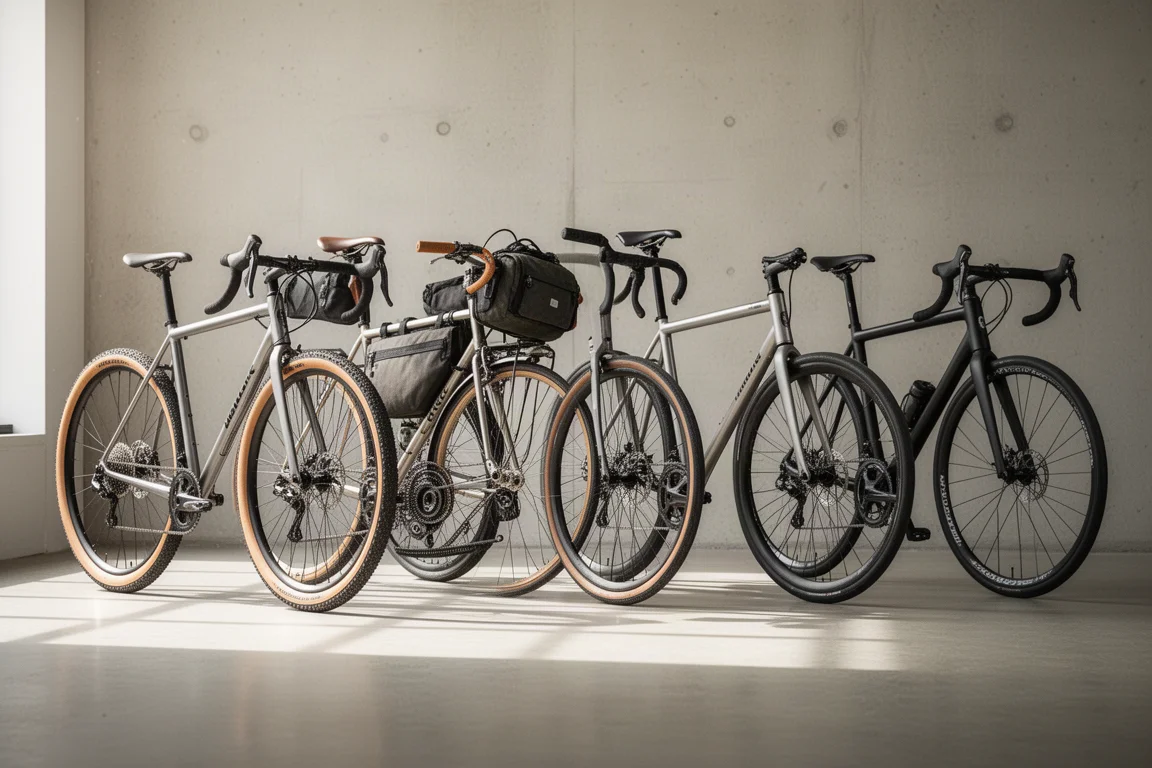
Not every worthwhile bike comes straight off a shop floor. Some of the most interesting machines are assembled over months or years, part by part, around a specific rider and a specific kind of riding. The eight builds below cover a wide spread: a two-wheelset gravel frameset, a steel adventure build, endurance road bikes adapted around injury and height, a 2003 alloy bike that still works, a used carbon classic, an aero machine with striking wheels, and a mechanical gravel build made for a rider well over six feet tall.
Each entry focuses on the choices that matter most in practice: how the bike fits the rider, which components carry the most value, and what to check before committing to something similar yourself.
How to Read These Builds
Fit comes first. Several of these bikes exist because a rider could not use an off-the-shelf setup as it came, and the solutions range from a different stem angle to a completely reworked cockpit. A bike that fits is faster and more enjoyable than one that simply has better parts bolted to it.
Wheels and drivetrains come next. Two wheelsets can turn one frame into two bikes. A wide-range cassette with large jumps between gears works well for general riding, while tighter ratios suit racing. Neither approach is wrong, but the choice should follow how you actually ride rather than what looks best in a parts list.
Parts availability deserves more attention than it usually gets. Some wheel platforms are easy to service for years, with freehubs and spares that stay in supply. Others become difficult to support, especially on rim brake bikes where performance wheel options are thinning out.
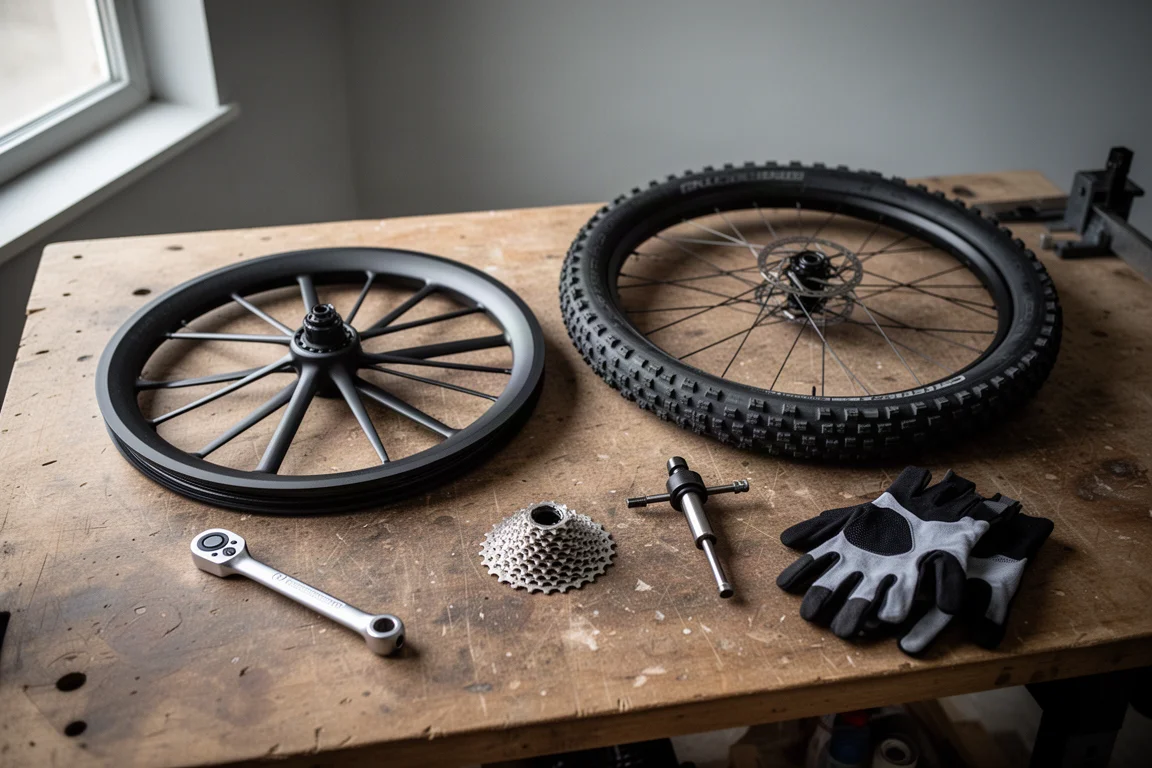
Comfort components round out the picture. Stems with built-in compliance, bar shapes with shallow drops, and saddles that let you move around all make a difference over long distances. The builds here show what those choices look like in practice, and how far a standard frame can be adapted before a custom option becomes necessary.
Look 765 Gravel RS: One Frame, Two Wheelsets
This gravel frameset build is set up for road in its main configuration, with a second set of 650b wheels ready for rougher surfaces. That single decision gives the owner two distinct bikes from one frame, and it is the reason this build stands out from a long list of well-specced gravel bikes.
The spec mixes SRAM Rival and Force components with an Eagle rear derailleur, a mullet arrangement that pairs road shifters with a mountain bike derailleur and cassette. Zipp 303s wheels, a Vento Argo R3 saddle, titanium bottle cages, a power meter and Exposure lights complete the picture. Exposure is a UK lighting brand, and its lights have a strong following among riders who spend long hours on unlit roads.
The frame itself is angular rather than round, which is a matter of taste. The 3D-printed saddle is grippy by design, which keeps you locked in place, though that textured surface is not ideal for gravel use because mud and grit collect in it.
Gearing with wide steps between cogs is well suited to general riding. On loose surfaces, a gear change that clearly changes the gear is often more useful than a tightly spaced cassette, even if a racing setup would favour smaller jumps.
Bombtrack Hook EXT: Steel, Wide Tires, Electronic Shifting
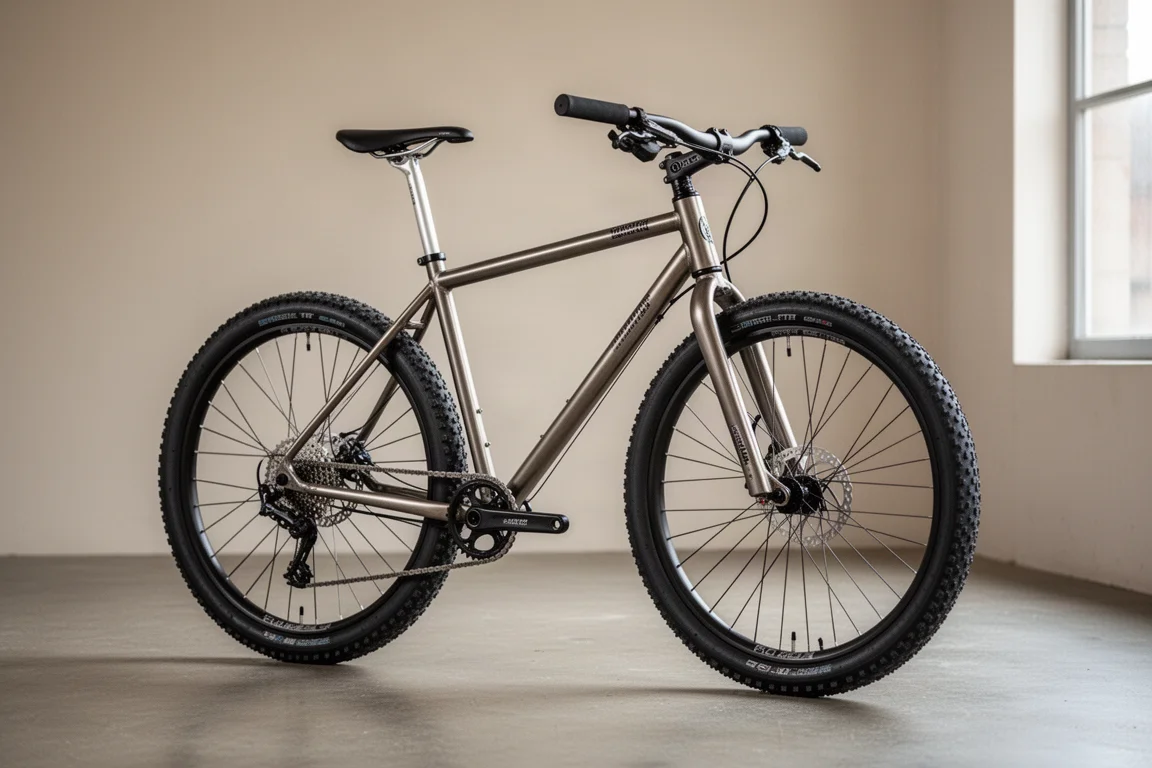
This steel frameset was the starting point for a first complete build, chosen for its looks and for the chance to try wide tires and electronic shifting. The result uses a SRAM Force groupset, DT Swiss Spline 1800 wheels, a Ritchey seat post and a Redshift stem, with cranks carried over from a previous bike.
DT Swiss wheels are a dependable choice. Spare parts, freehub replacements and even conversions to other drivetrain standards are straightforward to source, which keeps a set usable for years. They are rarely the most exciting wheels in a group, but the practicality is hard to argue with.
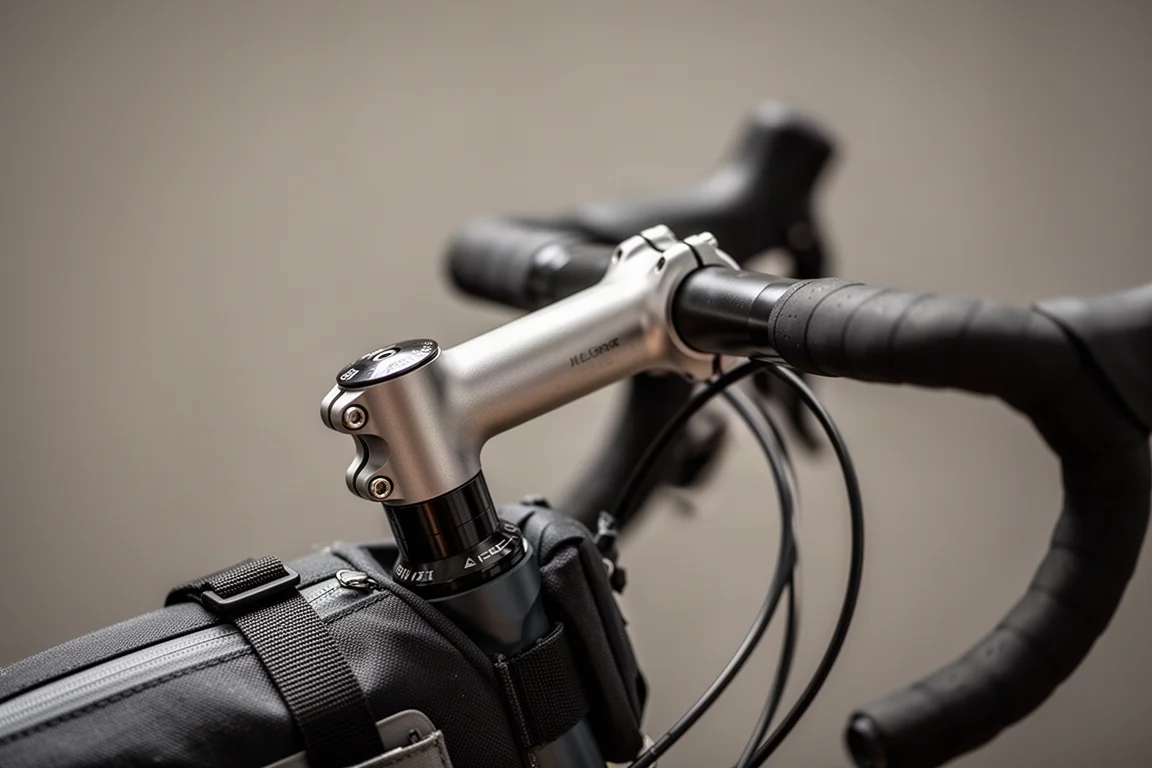
The Redshift stem is the comfort story here. A degree of vertical compliance at the front end takes the edge off rough surfaces without changing the fit, and it pairs well with wide tires on a steel frame.
Building from a frameset means choosing every part, and reusing components from an older bike keeps the cost sensible. The trade-off is time: a first build takes planning, and a few small compatibility details always surface along the way.
Specialized Roubaix Comp: Adapting a Bike Around the Rider
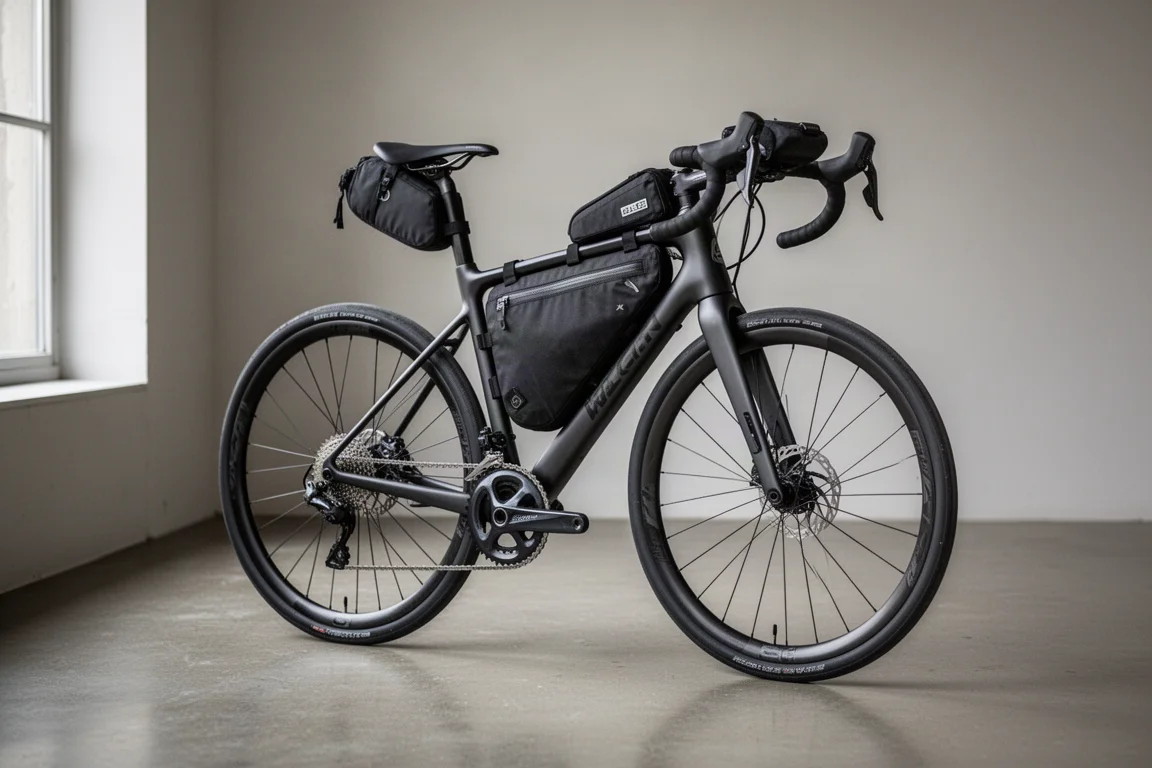
This endurance road bike was set up around a neck issue, which shaped almost every contact point. The rider sized up for a taller, more upright position, then fitted a 90mm Zipp Service Course stem at a plus 25 degree angle and a Ritchey WCS Beacon handlebar with the lowest drop available. Shorter cranks, long-spindle road pedals and a short-nose saddle complete the fit.
Endurance geometry helps here, because it already raises the front end and shortens the reach compared with a race frame. The handlebar choice shows how much a single component can change comfort, and bar shape is often overlooked in fit discussions.
The luggage setup is built for long solo days: a top tube bag, a saddle bag and a frame bag, plus a bottle mounted on the top tube so the rider does not have to reach down while riding. It is an unusual arrangement, and a good example of choosing products that solve a specific problem rather than following convention.
What makes this build worth noting is the approach. Rather than accepting that only a custom frame would work, the owner adapted available parts and ended up with a bike that has covered more than 10,000 km.
Pinarello X5: Endurance Geometry for a First Road Bike
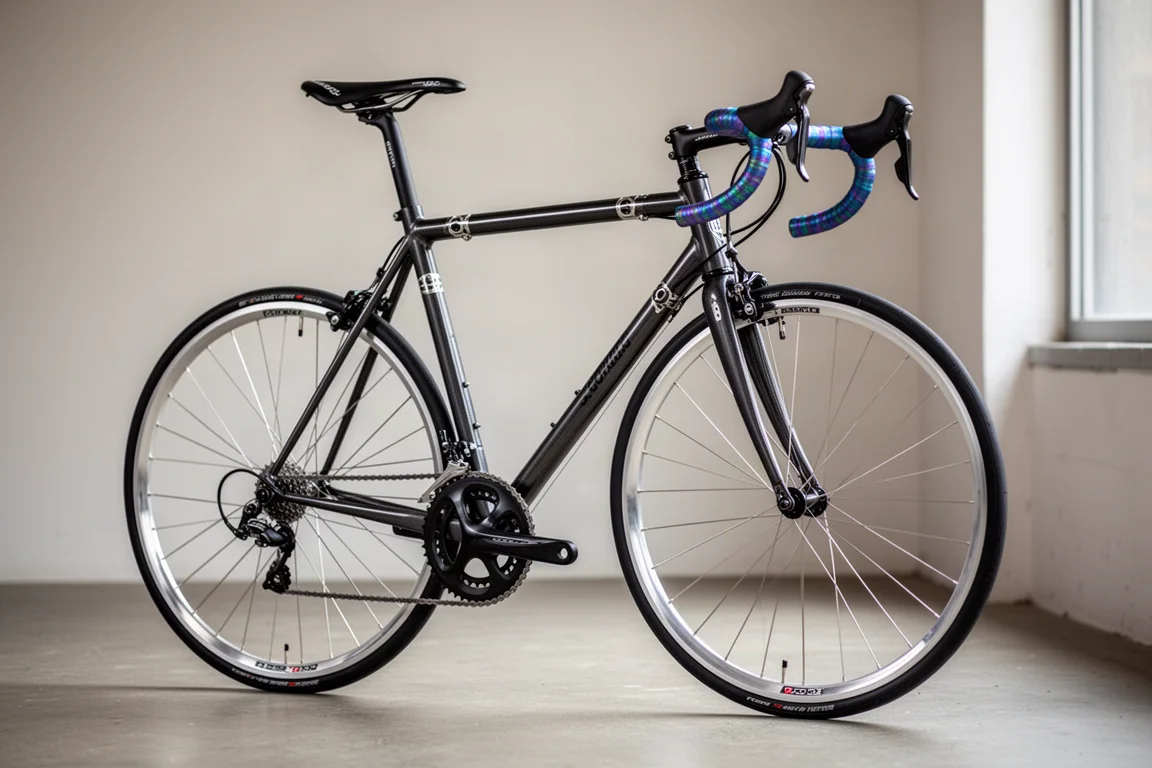
The X range uses friendly endurance geometry, which is why it was chosen as a first road bike. This example is a size 53 and has been steadily upgraded: the stock wheels and tires were replaced with DT Swiss ER 1400 wheels and Pirelli P Zero Road tubeless tires, and the Shimano 105 groupset was swapped for Ultegra with a power meter, along with Dura-Ace brake rotors.
The result is a fast, well-equipped road bike for a rider who is new to the sport, and the geometry means it stays comfortable as distance increases. Pinarello also deserves credit for offering this model and others in sizes small enough for riders below average height, which is not universal across the industry.
The seat stay design, with an X-shaped junction highlighted in a contrasting colour, divides opinion. It is a distinctive look, and one that either appeals or does not.
One practical note: upgrading a new bike within weeks of buying it is an expensive habit. Changing wheels, groupset and rotors shortly after purchase means paying twice for the same position on the bike. Planning the spec before buying usually costs less and produces a better result.
Riders new to the sport should also think about what comes next. A frame with a sensible upgrade path, comfortable geometry and room for wider tires will stay useful through several seasons of changing priorities.
Giant OCR1: What a 2003 Alloy Bike Still Gets Right
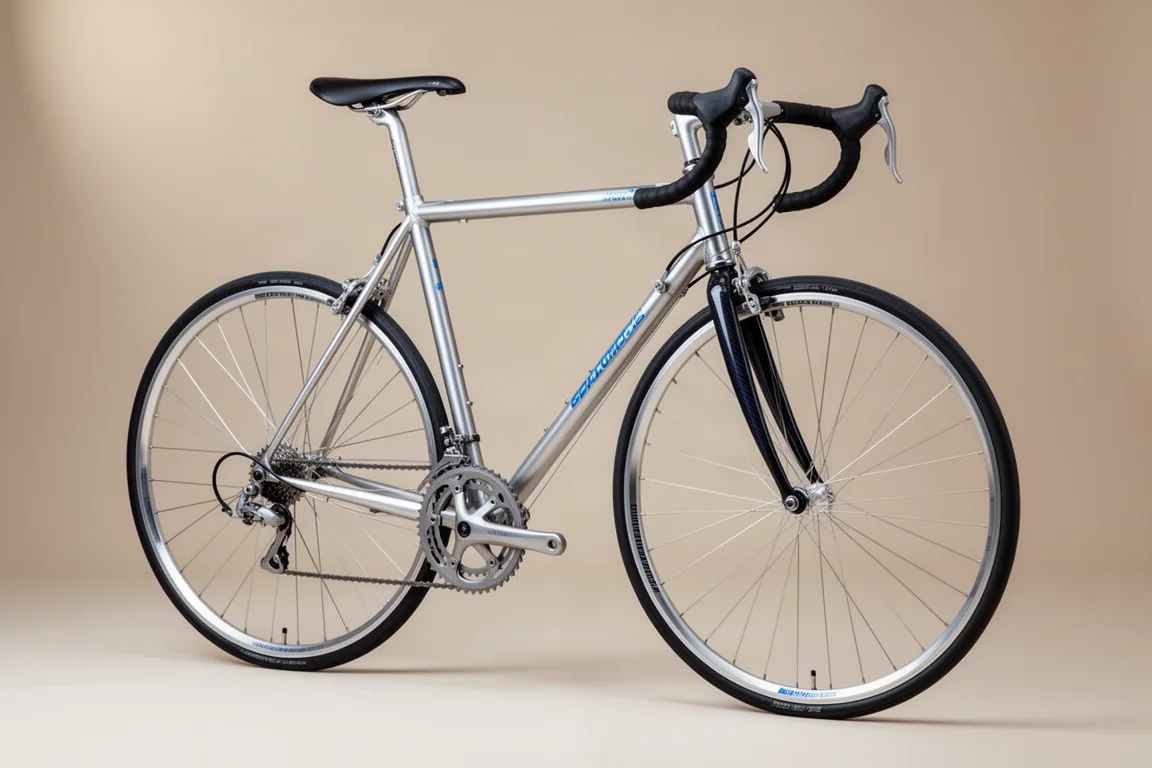
This 2003 alloy frame with a carbon fork has been kept running with an RS80 wheelset, GP4000 tires, a Sora and 105 mix with a 3x9 drivetrain, a carbon seat post, a 3D-printed carbon saddle and compact drop bars. The quill stem has been converted to a standard stem, and the whole bike weighs around 8.1 kg.
It represents what an entry-level road bike looked like twenty years ago, and much of it still holds up. The triple chainset gives a very small climbing gear, and the simple external cable routing is a genuine strength: the front brake cable runs straight from the lever to the caliper, so braking feel stays excellent, and shifting remains smooth.
The bladed fork and spokes are an early sign of aerodynamics becoming a priority at every price point, and the paint scheme now reads as dated in a way that some riders will enjoy.
A caution applies to the unbranded carbon parts. Marketplace seat posts and saddles are a gamble, and reputable budget carbon brands are a safer route when the part is holding your weight.
Trek 5200: A 2004 Carbon Frame That Still Delivers
Bought used and built up over time, this early carbon frame now runs a Shimano 105 R7000 groupset and has reached the point where there is little left to change. The frame response is the surprise: it is not far behind far newer bikes, even with alloy rims.
It is the kind of bike that rewards careful ownership. Kept clean and ridden occasionally, it has the character of a classic car, and the frame construction from that era is genuinely interesting to look at.
The main practical obstacle is wheels. Rim brake performance wheels are becoming harder to find, and secondhand options carry unknown rim wear, which shortens their useful life. Older frames also tend to suit shallower rims, which is a helpful constraint rather than a problem.
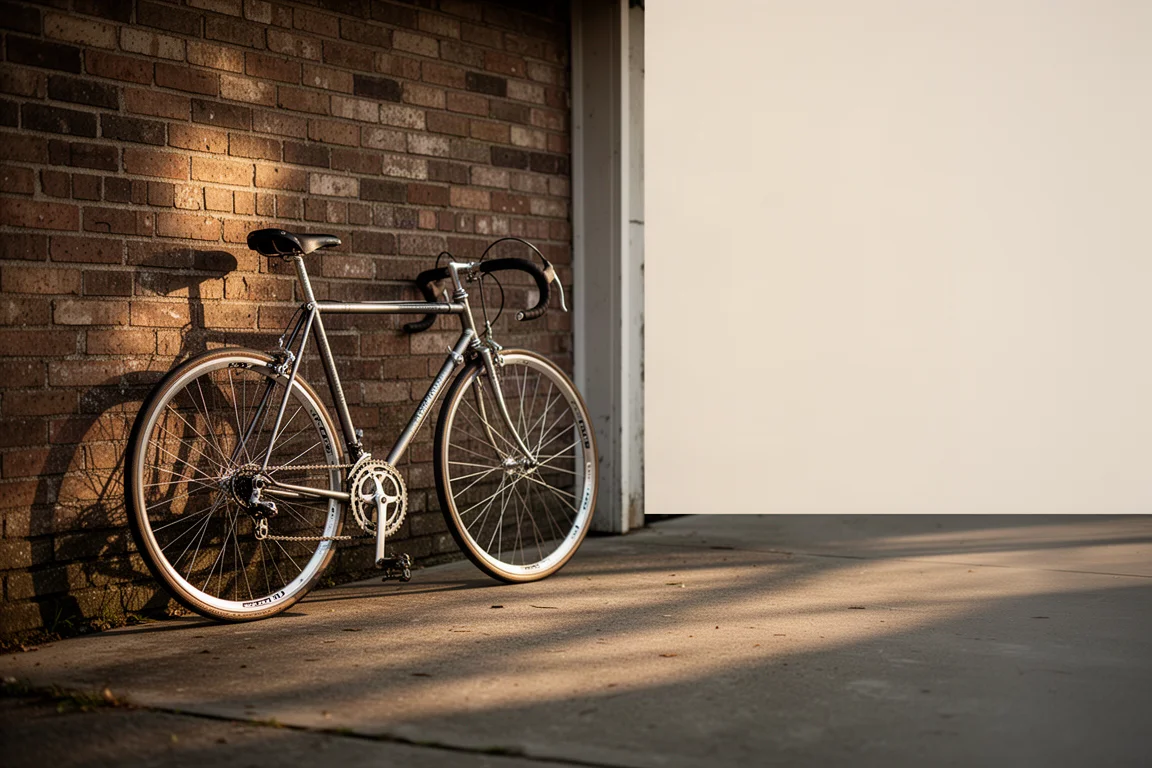
If you are considering a build like this, budget for a spare set of rims or a complete spare wheelset while they are still available.
Specialized Venge Pro: Bold Wheels and Honest Trade-offs
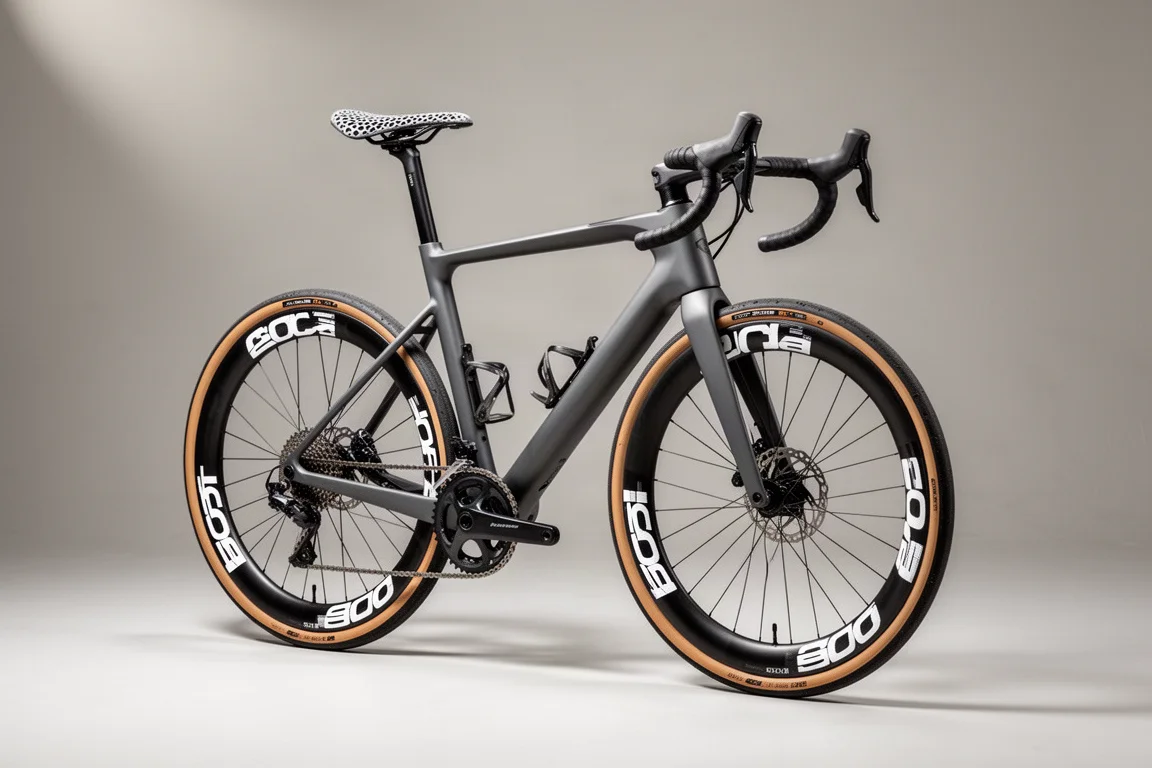
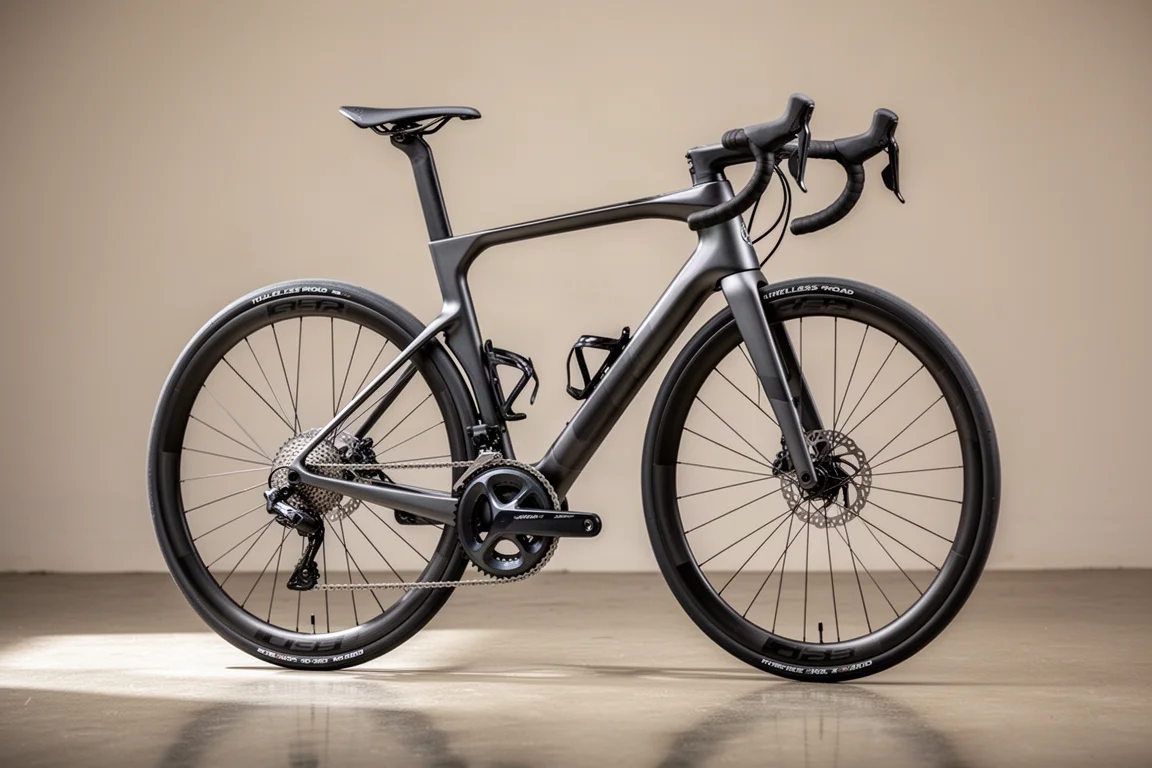
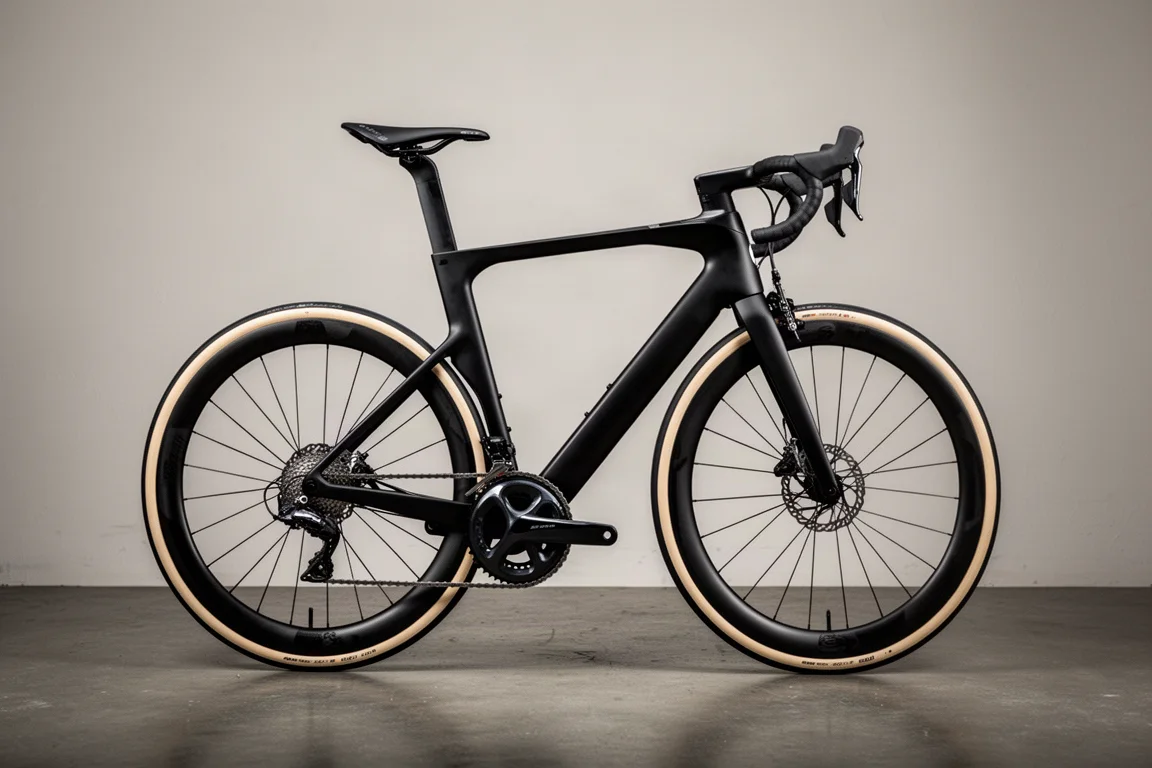
This aero road bike runs a SRAM Force groupset, a Roval Rapid cockpit and a set of six-spoke carbon wheels. The wheels are the story: an unorthodox design that draws attention immediately, and that is exactly the point of a build like this.
Reactions to that kind of wheel tend to change with familiarity. The first impression is striking, and the second is more measured. The real question is how a very stiff carbon-spoke wheel behaves on rough road surfaces, since compliance is limited and the rider absorbs what the wheel does not. Wide tires soften that considerably, which is why so many modern bikes can run aggressive wheel designs without punishing the rider.
Beyond the wheels, this is a well-known aero platform with a groupset and cockpit that suit it. The honest summary is that the frame and components represent a solid, familiar package, and the wheels are what make this particular build memorable.
If a wheel like this appeals, ride one first. Aesthetics and ride quality are different questions, and only the second one matters after the first hundred kilometres.
Marin Gestalt X11: A Mechanical Build for a Tall Rider
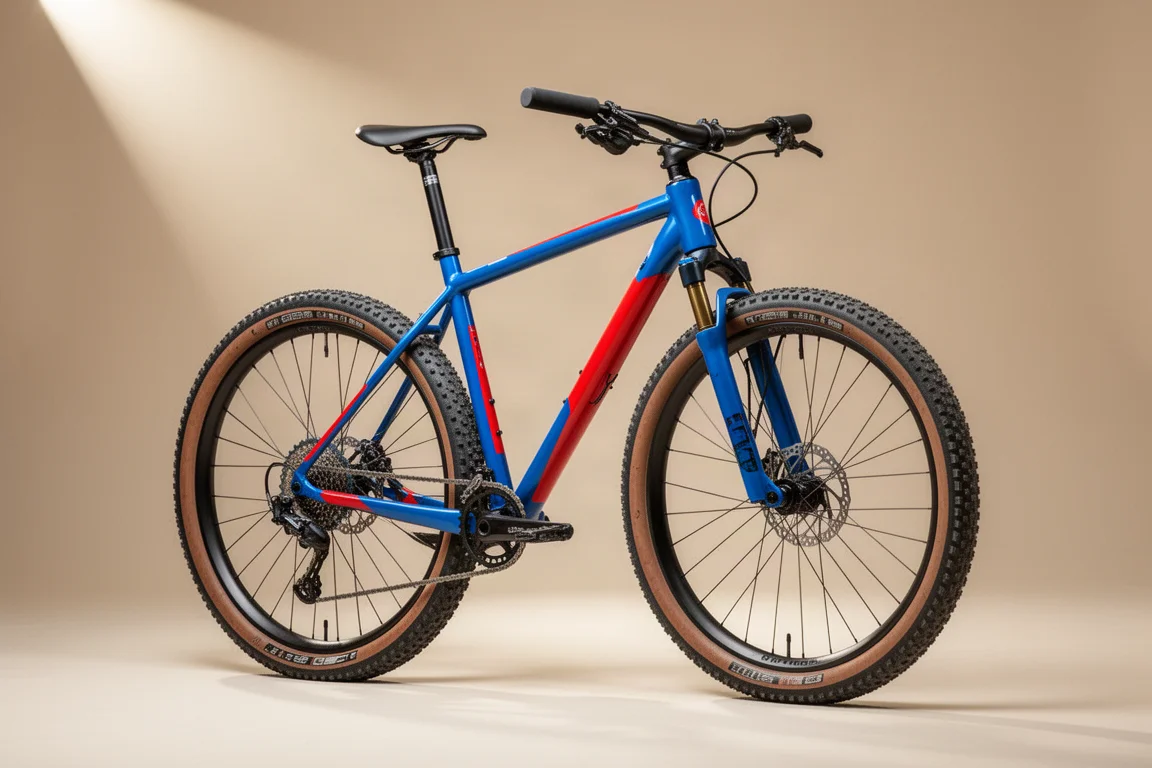
This alloy frame with a carbon fork is a size 61, one of the largest available, and it was built for a rider who is 6 feet 7 inches tall. It runs Hunt Four Season wide alloy wheels, TRP Hy/Rd brakes with 160mm rotors, and Control Tech gravel riser bars with 20mm of rise and a 40cm width on a short riser stem.
The drivetrain is the clever part. A SRAM Rival 1 setup has been reworked so the left lever operates a Kind Shock dropper post, while the right lever is paired with a 12-speed GX Eagle shifter through Ratio Technology components. Ratio is a UK company that produces conversions allowing mismatched shifters and derailleurs to work together, and the result here is a fully mechanical bike where everything functions.
It is worth knowing that modifying shifters and derailleurs in this way will likely void their warranties. Riders who buy into these conversions generally accept that, and the payoff is a setup that no single manufacturer sells as a package.
TRP Hy/Rd calipers are a strong option for mechanical disc brake systems, and the tall rider note is a useful one: making a smaller frame fit a taller rider is far easier than the reverse, and this build shows what that looks like in practice.
Buying Advice: Matching a Build to Your Riding
Start with fit, because everything else follows from it. Two of the builds here exist because standard setups did not work for their riders, and both were solved with available parts: a different stem angle, a shallower handlebar drop, shorter cranks, a dropper post, a longer seat post. If a bike almost fits, there is usually a way to close the gap.
Think about whether one frame can cover two kinds of riding. A second wheelset with different tires and a different diameter can turn a gravel bike into a road bike and back again, which is often better value than buying a second complete bike.
Check how easy the key parts are to replace. Wheel platforms with long-term parts availability, standard brake mounts and widely used drivetrain families are easier to live with over several seasons. Rim brake wheels are the exception to watch: if you ride an older frame, source spares while they are still on the market.
Finally, plan the build before you buy the bike. Upgrading wheels, groupset and rotors within weeks of purchase means paying twice, and the money is usually better spent on fit and tires first. The most satisfying builds here were not the most expensive ones, they were the ones where every part had a reason to be there.
Conclusion
These eight builds share one quality: each was assembled around a rider rather than a catalogue. A gravel frameset with two wheelsets, a steel build put together from a frameset and reused parts, endurance road bikes adapted around injury and height, and a handful of older frames that still deliver on the road.
If you take one idea away, make it this: start with fit, choose parts for how you ride, and buy the upgrades that solve a real problem. That approach produces a bike you will keep riding long after the parts list stops being interesting.
Further reading
Related Reviews
Cycling
2026 Bike of the Year and the Cycling Gear Worth Watching
A drop bar roundup for 2026 covering the Ridley Kanzo Fast 2.0, Shimano Dura-Ace Di2 R9300, Trek Checkpoint ALR Gen 3, Specialized Tarmac SL9, Garmin Fenix 9 and Insta360 X6.
Cycling
Best All-Road Bikes 2026: Six Versatile Endurance Road Bikes Worth Considering
A practical look at six all-road and endurance road bikes, from lightweight carbon speed machines to steel all-rounders and comfort-focused mile eaters.
Cycling
Best All-Road Bikes 2026: 8 Endurance Bikes for Road and Light Gravel
Eight all-road bikes that blur the line between endurance road and light gravel, compared on tire clearance, ride character, practicality, and value.