Portable Power Stations
EG Tech Sonic 1200 Review: First Impressions of a $400 Portable Power Station
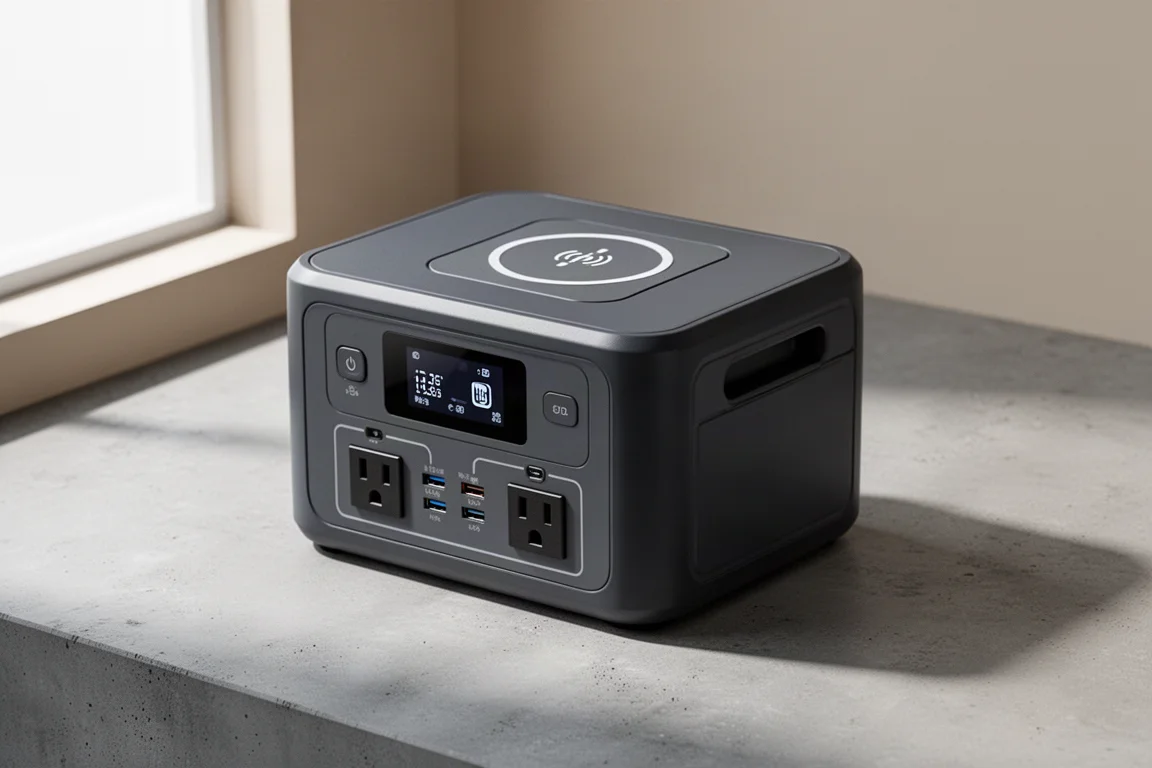
A clean, modern portable power station with top-mounted wireless charging and fast wall charging, plus a few trade-offs worth knowing before you buy.
Introduction
The EG Tech Sonic 1200 is a portable power station with a street price of around $400. It offers a 1,200-watt AC output, a 27 amp-hour capacity at 37 volts, and a feature set that includes USB-A and USB-C ports, a car charger port, and a wireless charging pad built into the top of the unit.
Because power stations at this price are not cheap and durability matters more than anything else, this review covers initial impressions and early testing rather than a final verdict. A long-term follow-up after six to ten months of regular use will be the true test, since plenty of units in this category fail within the first year.
Design and Everyday Usability
The Sonic 1200 keeps things simple. The design is minimal, clean, and modern, with a layout that makes sense once you walk around the unit. The left side hides the AC input and the XT60 charging port behind a vent panel, with a real fan intake behind it. The right side carries the output ports, each with a small indicator light showing whether that output is active, plus the main screen showing live power draw.
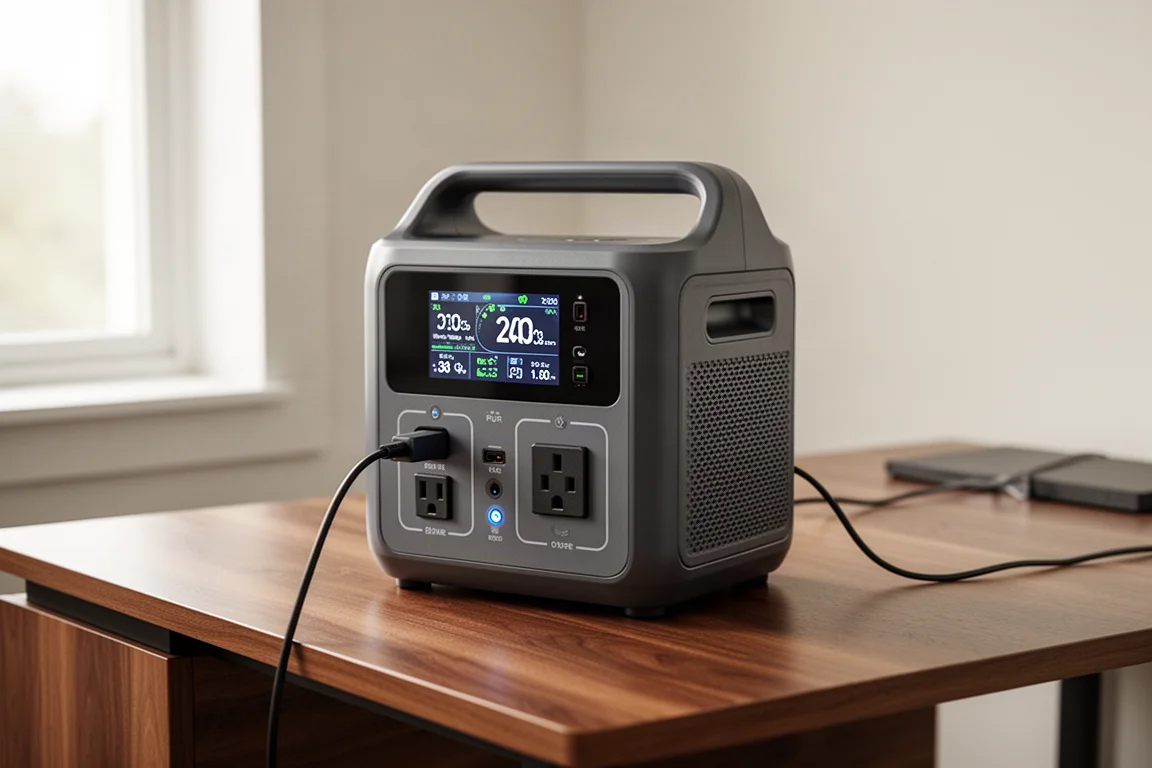
One early quirk: the display dial is almost impossible to read in direct daylight. It works fine indoors or in shade, but if you plan to check status while camping in full sun, expect to shade it with your hand. A slightly larger indicator light around the output ports would also help in bright conditions.
Wireless Charging on Top
The standout feature is the wireless charging pad on the top surface, rated at 15 watts. Some early reports described it as finicky, but in testing a phone charged without issue even in a case, and it tolerated small adjustments in position without dropping the connection.
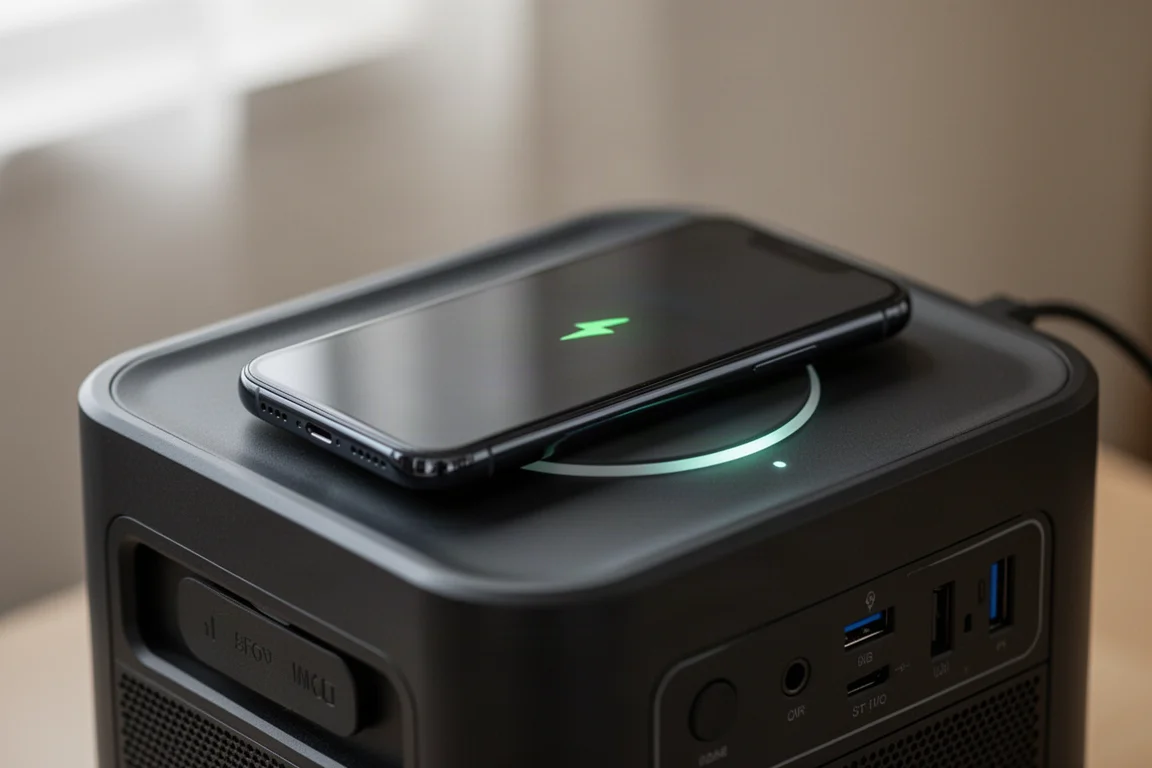
There is a lot of space up there, so a future version with two or even three charging pads would be a genuinely useful upgrade. For now, one pad is still a feature few competing units offer at this price.
Charging Speed: Wall vs Solar
Wall charging is impressively quick. From 80% to 100% took roughly 20 minutes. The AC input accepts up to 1,000 watts, so topping up from mains power is never a chore.
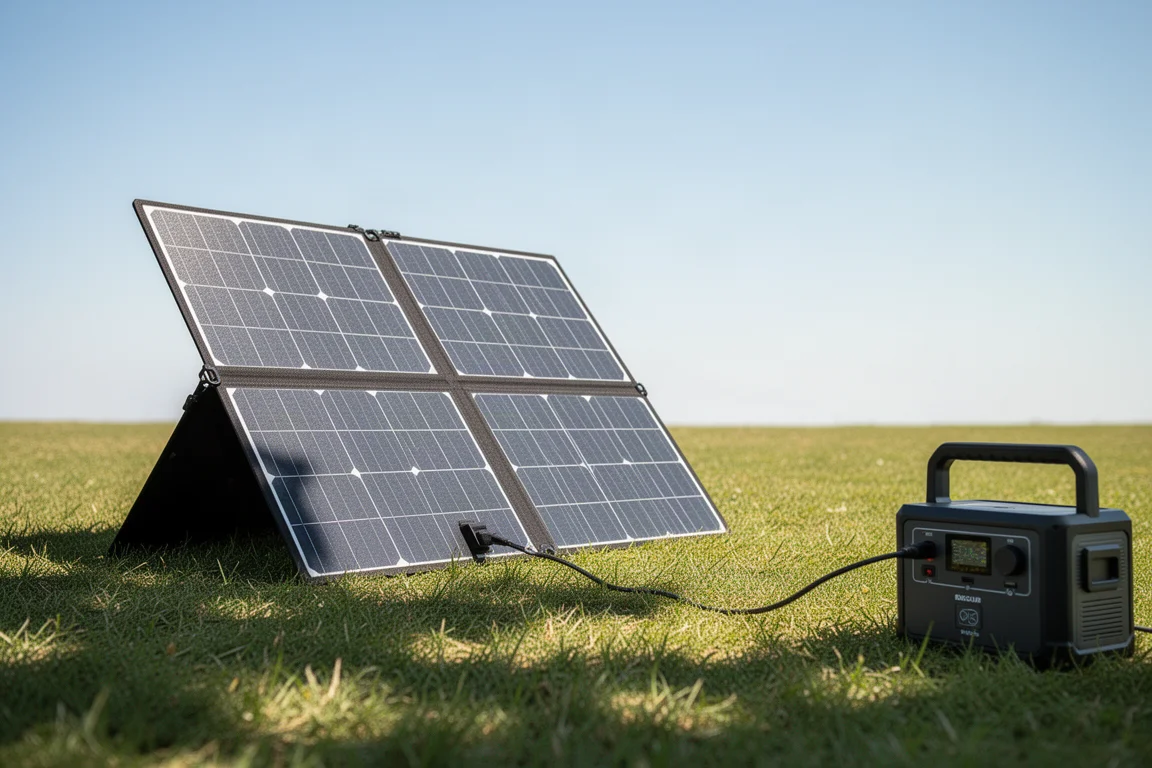
Solar is a different story. Charging with a 120-watt panel in full Florida sun, moved every hour for maximum exposure, averaged only 40 to 60 watts of actual input. Eight hours of ideal conditions took the unit from about 50% to about 80%. That is not a fault of the unit itself, but a reality of solar charging in general. If solar is a priority, plan for a 200-watt or larger panel, since the XT60 input is rated at a maximum of 200 watts. Keep in mind that even a 200-watt panel rarely delivers its full rated output in real conditions.
Power Output and Capacity
The AC output is rated at 1,200 watts, but like most units in this class, it shuts off before hitting that maximum. During testing it cut out around 1,100 watts, so treat that figure as a ceiling you should not plan to run near. The car charger port handles up to 10 amps DC, roughly 120 watts at full load.
In day-to-day use, a pair of studio lights drawing about 39 watts ran for a claimed 24 hours of runtime, and a week after a full charge the unit had only dropped 1% in standby. The screen clearly shows what is drawing power, and switching off USB or DC output on the display turns those ports off immediately.
Practical Details That Stand Out
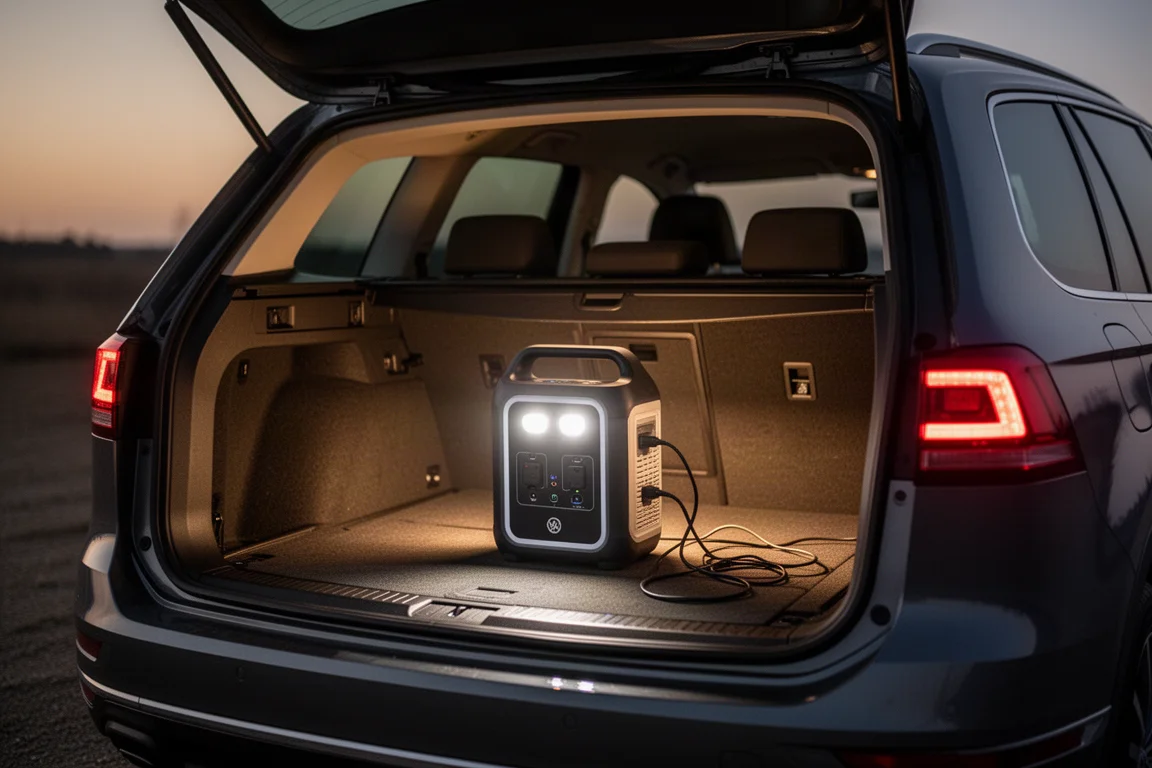
The front-mounted light is a small touch that shows thoughtful design. It is not a spotlight, just a soft useful glow for finding ports in the back of a car or SUV after dark. Press the power button, press the light button, and you can see what you are plugging in.
Output options are generous: two AC outlets, USB-A ports up to 24 watts, a 100-watt USB-C port, the car port, and the wireless pad. Two AC outlets is reasonable, though a third or fourth would be welcome. The overall port selection covers almost everything most people need.
Things to Consider Before Buying
The biggest omission is pass-through charging. Plug the unit into wall power while running devices, and all connected outputs cut off until charging finishes, then need to be switched back on manually. Competing units at this price handle this seamlessly, and it is the single most noticeable shortcoming so far. The wireless charging pad partially makes up for it in day-to-day convenience.
Also factor in the solar charging math before buying: without a large, expensive panel, solar top-ups are slow. If your primary use is wall charging before a trip, this matters far less.
Buying Advice
At around $400, the Sonic 1200 makes sense if you value a clean, easy-to-use unit with fast wall charging, useful extras like the wireless pad and front light, and you can live without pass-through charging. If solar independence is your main goal, budget for at least a 200-watt panel to make it viable. The long-term reliability verdict is still open, and that is worth waiting for before treating this as a proven long-term investment.
Conclusion
So far the EG Tech Sonic 1200 is impressive for its feature set, clean design, and honest real-world behavior. The daylight-unreadable display, missing pass-through charging, and slow solar input with small panels are the main criticisms. Once it proves its durability over months of use, it could be a strong pick in this price range.
Product link
View more details for EG Tech Sonic 1200
This product is mentioned in the review. Check the specifications, options, and compatibility before buying.
View more details for EG Tech Sonic 1200Further reading
Related Reviews

Portable Power Stations
Anker SOLIX F3000 Review: A Powerful Portable Power Station With a Few Design Quirks
The Anker SOLIX F3000 delivers strong performance, fast charging, and a competitive price, but a few design choices may give you pause.

Portable Power Stations
EcoFlow Delta 3 Series: Five New Power Stations Previewed
EcoFlow expands the Delta 3 lineup with five models, from the compact Classic to the flagship Ultra Plus. Here is what each one offers.
Portable Power Stations
Oscal Power Max 6000 Review: A Large Solar Generator With Real Trade-Offs
A week of off-grid use shows what the Oscal Power Max 6000 handles well, where it falls short, and when a fuel generator still makes more sense.