Portable Power Stations
EcoFlow River 2 Max Review: A Portable Power Station for Life on the Road
A practical look at the EcoFlow River 2 Max, from its LFP battery and one-hour AC recharge to the ports, display, and app that shape everyday use.
Introduction
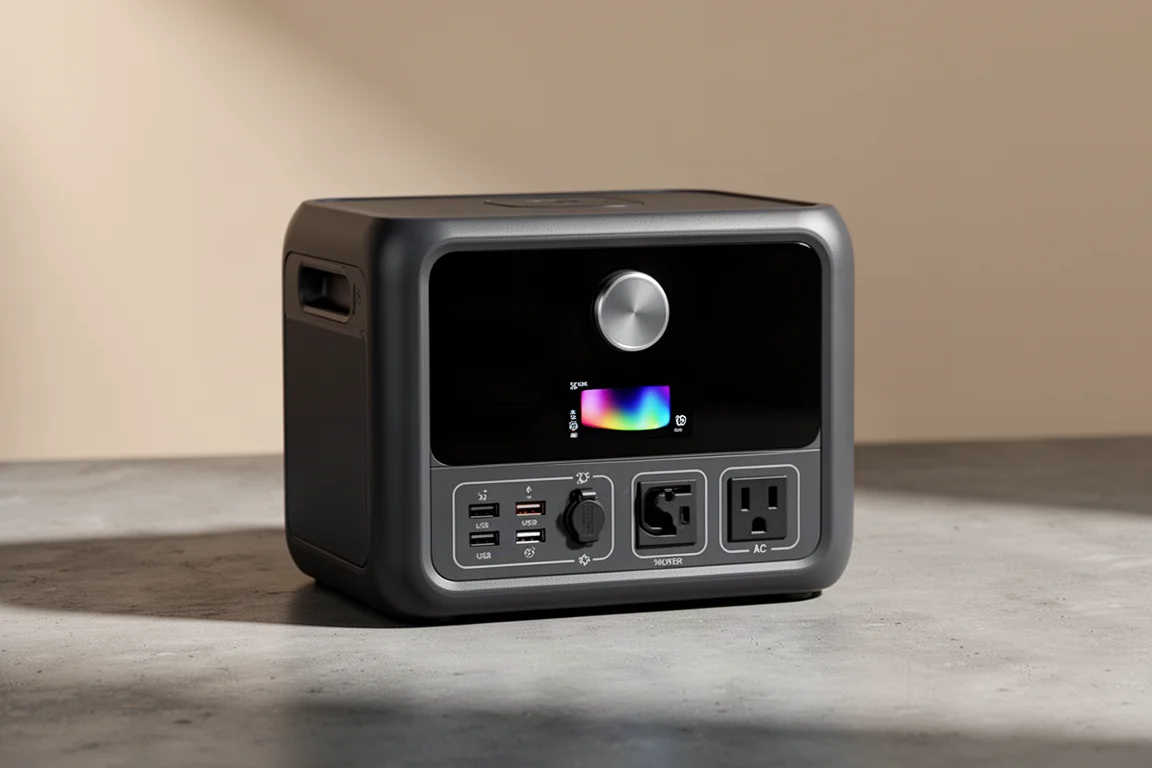
Portable power stations have quietly become everyday equipment for people who work, travel, and live away from a wall socket. The EcoFlow River 2 Max sits in the middle of the River 2 line-up, between the smaller River 2 and the larger River 2 Pro, and it is pitched as the balance point between capacity, weight, and cost.
For anyone who splits their time between a van, a camera kit, and the outdoors, the question is simple: can one box genuinely cover laptop charging, lighting, a fridge, and the occasional power cut without becoming a burden to carry? That is what this review works through.
Who This Product Is For
The River 2 Max makes most sense for people whose work and hobbies follow them outdoors. Filmmakers and producers charging camera batteries and laptops on location, mountain leaders and hikers topping up phones and head torches, and anyone living in a van or camper who needs a reliable source of mains-style power without a hookup.
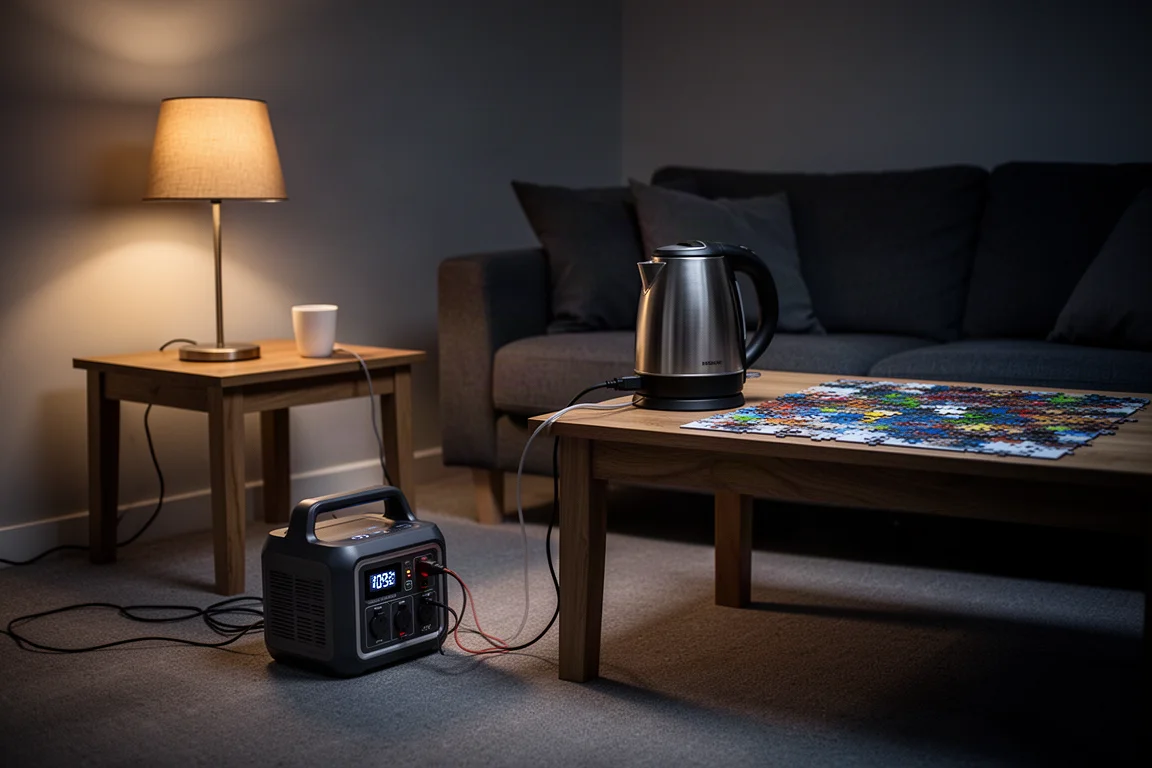
It also suits households in areas where storms and network faults cause outages. A unit like this can run lamps, charge phones, and boil a kettle when the mains drops, which turns it from an adventure accessory into a practical domestic backup.
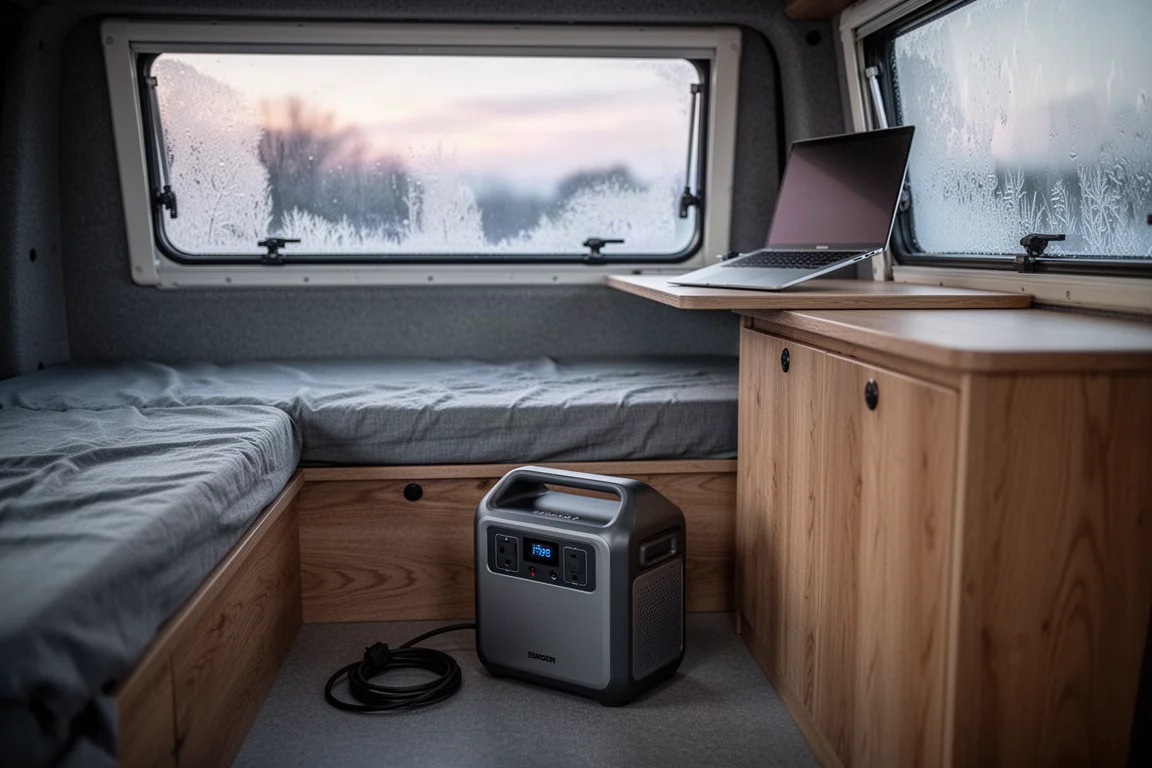
The portability is part of the appeal. At 3.5 kg it is roughly 30 percent lighter than the equivalent model in the earlier River series, so it can be moved around one-handed and will fit into a large rucksack for a day out, even if it is not something most people would want to carry far.
Main Strengths
Battery Longevity and the Five-Year Warranty
The headline claim is the battery chemistry. The River 2 Max uses an LFP cell, also known as LiFePO4, and the brand states it can be charged and emptied more than 3,000 times before capacity falls to 80 percent. Put another way, that is daily use for around ten years, and roughly six times longer than the industry average.
A five-year warranty backs that up. Longevity matters for more than convenience: a power station that lasts a decade is a direct alternative to repeatedly buying disposable batteries, which is where much of the environmental argument for this product comes from.
Four Ways to Recharge
Charging is the area where the River 2 Max separates itself from much of the category. There are four ways to refill it, and the fastest is remarkably quick.
AC wall charging takes the unit from empty to full in about one hour. That single figure changes how the product fits into a working day: plug it in at a cafe, a friend’s house, or a campsite hookup while you eat and answer emails, and it is ready to go again.
The other three options are slower but useful when mains power is not available. USB-C charging takes roughly three to six hours, solar charging takes a similar three to six hours, and car charging takes three to seven hours. Charging times on solar and car power vary with the output available, which explains the wide ranges. It is worth noting that the River 2 Max does not include a solar panel, so that route needs a separate purchase.
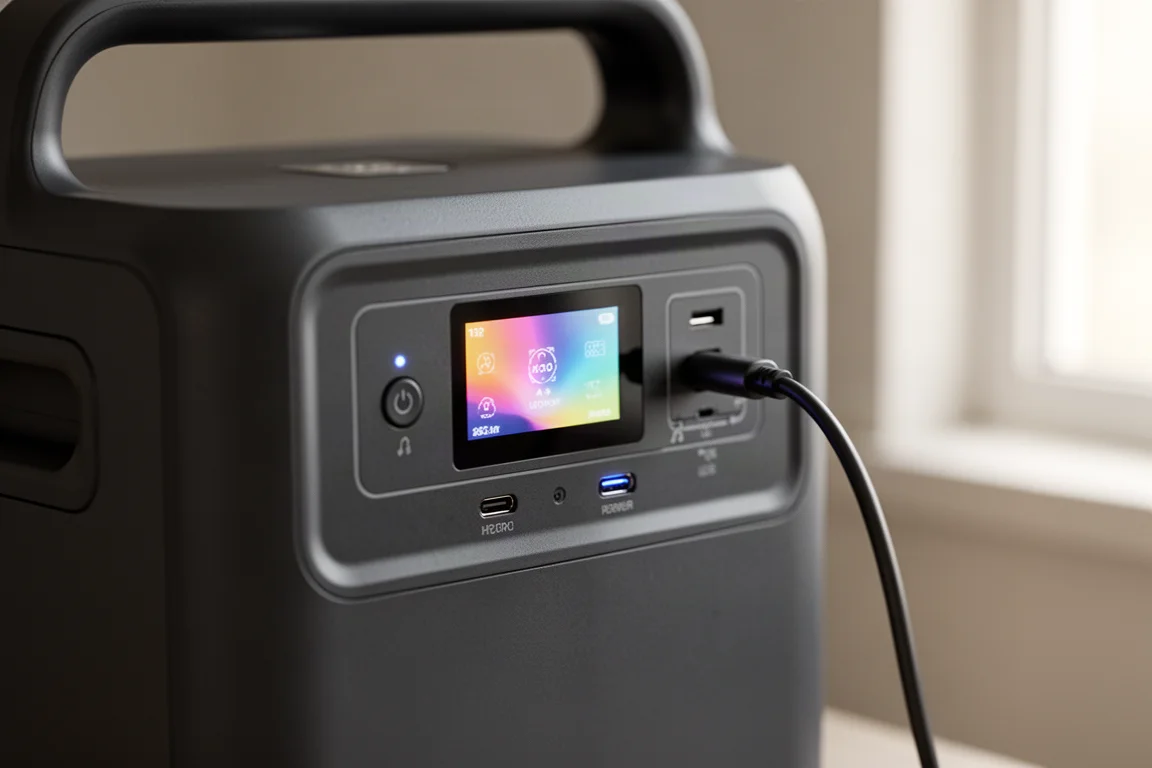
Whichever method you use, the unit reports its progress clearly on screen, which makes planning the next top-up straightforward rather than a guessing game.
Outputs, Ports, and the Onboard Display
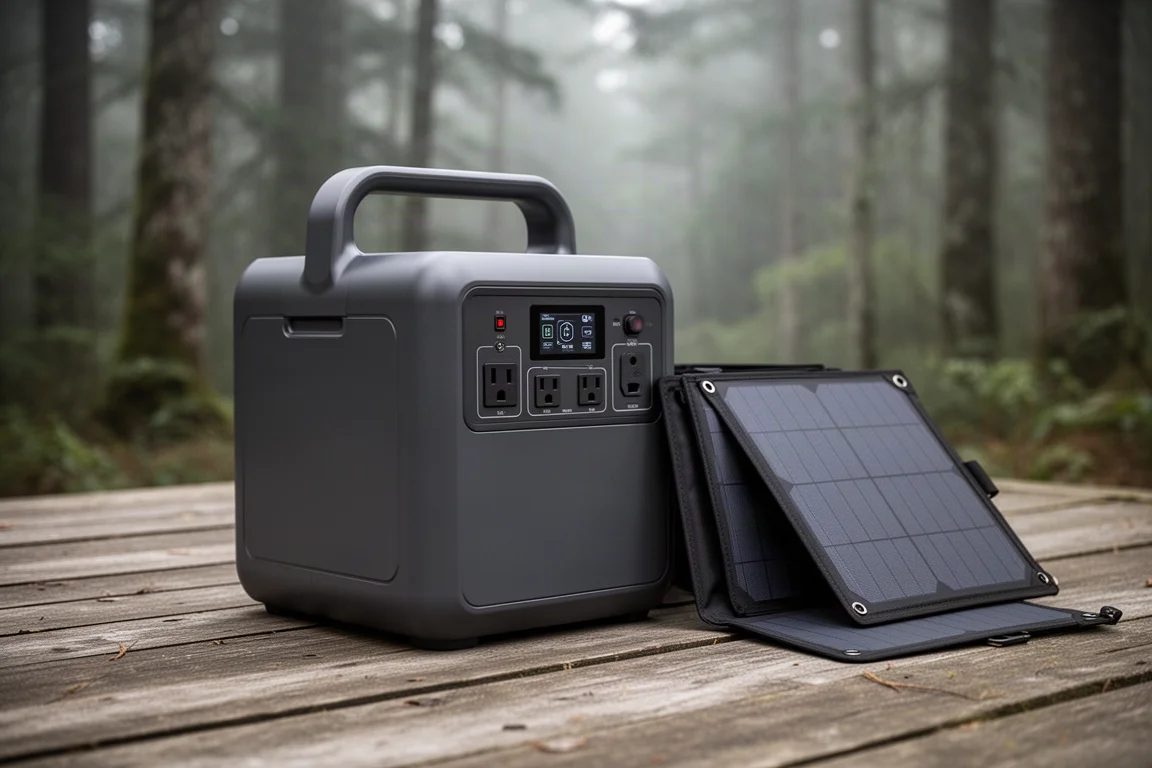
There are 11 ways to draw power from the unit. Three standard USB ports cover smaller accessories such as camera battery chargers and portable fans, while a 100W USB-C output handles laptops and larger devices directly.
A car socket on the side is handy for 12V accessories, including a portable fridge. A separate DC section has its own on and off button, and two standard AC outlets sit along the bottom with their own switch as well. For anyone using the unit as a mobile office, those AC sockets are the important ones: they run a laptop with a standard mains plug, and editing sessions that drain an internal battery quickly become far less stressful when there is a power station on the floor.
The display is simple and genuinely useful. A single button powers the unit on, and the screen shows the remaining charge percentage, live input and output wattage, how long the battery will last at the current draw, and how long it will take to recharge. That last figure is valuable when this is your only power source, because it lets you plan where and when to top up.
Internally, a battery management system regulates the unit’s vitals to keep it safe and to support that long service life. EcoFlow rates the River 2 Max at 500W, with X-Boost listed at 1000W and up to 1600W output at the top end.
App Control and Monitoring
The EcoFlow app adds a second way to manage the unit. It shows a detailed breakdown of input and output, including AC, solar, and USB, and lets you switch sections on and off remotely. Settings cover AC recharge speed, car input, DC mode, X-Boost, device and screen timeouts, and firmware updates.
Initial setup can be awkward without home Wi-Fi, since pairing may need a phone hotspot, but once connected the app works without an internet connection. If you prefer physical buttons, the app is entirely optional. The control panel on the unit covers the essentials on its own, and the buttons have a tactile feel that is easy to locate by touch.
Things to Consider Before Buying
A few practical points are worth weighing before you commit, and they mostly come down to how and where you plan to use the unit.
- Weight and size: 3.5 kg is manageable, but it is still a solid object to carry on a long walk. It suits being moved between a van, a tent, and a house far better than being carried up a mountain.
- Ventilation: fans on both sides keep the unit cool, so it needs clear space around it. Tucking it into a closed cupboard or a tight corner is not advisable.
- Solar panels are not included: the solar charging route requires a separate panel, which adds to the overall cost.
- Charging speed depends on the source: the one-hour figure applies to AC charging. Solar, USB-C, and car charging all take several hours and vary with the power available.
- Regional plug differences: plug configurations differ by country, so it is worth checking the version sold in your region. The display and controls remain the same.
- Price: this is not a budget category. Within the River 2 range, the River 2 is the cheapest, the River 2 Max sits in the middle, and the River 2 Pro is the most expensive. Promotional sales are common, so timing a purchase can help.
None of these points is a deal-breaker on its own, but together they shape which model in the range suits you best.
Where the River 2 Max Sits in the River 2 Range
Choosing between the three models comes down to how much capacity and flexibility you need. The River 2 is the smallest and most affordable entry point. The River 2 Max, reviewed here, is the middle option and the one that balances weight against usable power for travel and everyday work. The River 2 Pro sits at the top of the range and adds a solar charging option, which is a meaningful advantage in hot climates where mains power is unreliable but sunshine is plentiful.
For most people using the unit as a mobile office, a camera power source, and an occasional household backup, the Max is the sensible middle ground.
Buying Advice
Start with how you will recharge it. If you have regular access to mains power, even briefly, the one-hour AC charging makes the River 2 Max easy to live with and reduces the need to plan around it. If you spend long stretches away from any socket, think carefully about whether solar charging matters enough to step up to the Pro, and budget for a panel.
Then match the outputs to your kit. Laptops, camera chargers, phones, lights, and a 12V fridge are all well within its scope, and the two AC outlets are what make it feel like a genuine mains substitute rather than a large battery bank.

Finally, consider the second life it can have at home. Power cuts that last several days are a reality in some regions, and having a unit that can run lamps, charge phones, and boil a kettle takes real pressure off those situations. A product that earns its place every day and then covers an emergency is a much easier purchase to justify.
Conclusion
The EcoFlow River 2 Max is a well-rounded portable power station. Its LFP battery and 3,000-cycle rating point to a long working life, the five-year warranty adds confidence, the one-hour AC recharge removes most of the waiting, and the port selection covers laptops, camera gear, small appliances, and 12V accessories without fuss.
It is not the cheapest option in its class, and it is not designed for rough outdoor use, but for van life, location work, camping, and household backup it makes a strong case. If your days involve charging equipment away from a wall socket, this is a unit worth putting on your shortlist.
Product link
View more details for EcoFlow River 2 Max
This product is mentioned in the review. Check the specifications, options, and compatibility before buying.
View more details for EcoFlow River 2 MaxFurther reading
Related Reviews

Portable Power Stations
Anker SOLIX F3000 Review: A Powerful Portable Power Station With a Few Design Quirks
The Anker SOLIX F3000 delivers strong performance, fast charging, and a competitive price, but a few design choices may give you pause.

Portable Power Stations
EcoFlow Delta 3 Series: Five New Power Stations Previewed
EcoFlow expands the Delta 3 lineup with five models, from the compact Classic to the flagship Ultra Plus. Here is what each one offers.
Portable Power Stations
Oscal Power Max 6000 Review: A Large Solar Generator With Real Trade-Offs
A week of off-grid use shows what the Oscal Power Max 6000 handles well, where it falls short, and when a fuel generator still makes more sense.