Portable Power Stations
EcoFlow Portable Power Stations Compared: River 2, River 2 Max, and Delta 2
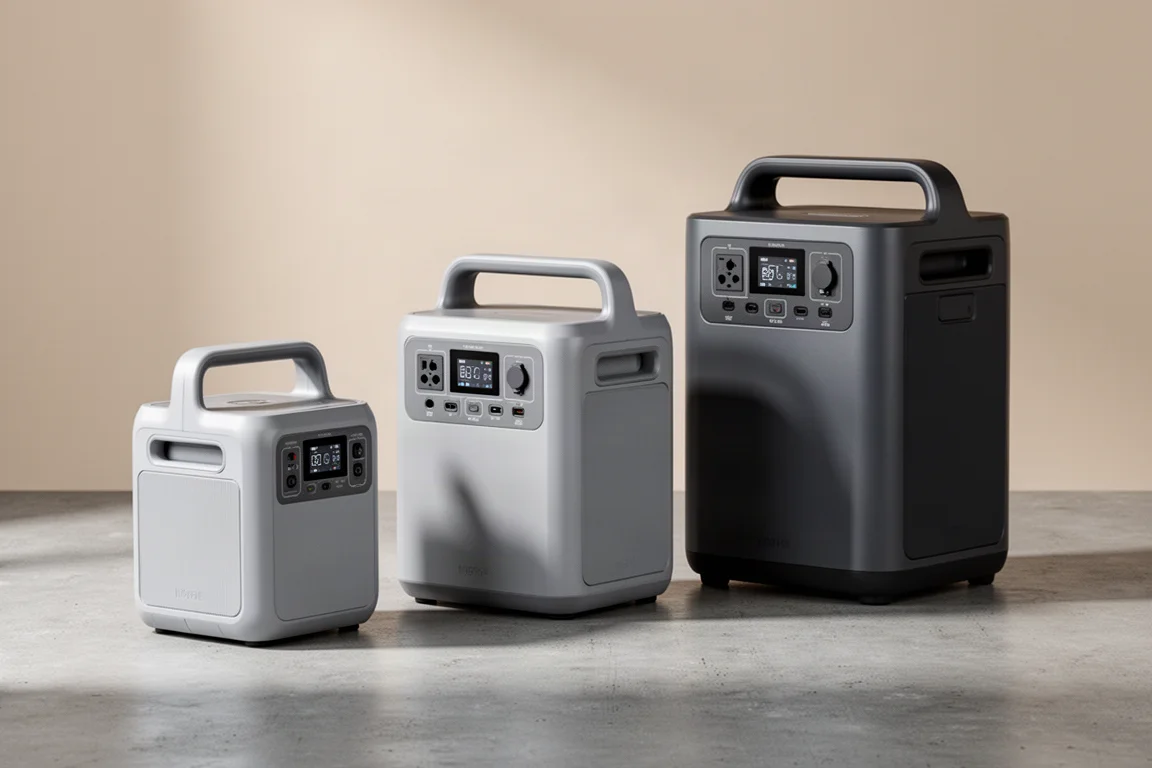
Three EcoFlow power stations with LFP batteries and fast charging, sized from a 256Wh portable unit to a 1kWh-plus home backup option. Here is how they differ and which one fits your needs.
Introduction
EcoFlow builds a wide range of portable power products, from compact battery boxes to whole-home power kits, and its lineup can be confusing to size correctly. This comparison covers three of the most popular options: the River 2, the River 2 Max, and the Delta 2. All three use LFP (lithium iron phosphate) battery chemistry, all three charge unusually fast for their class, and all three are designed around different capacity levels.
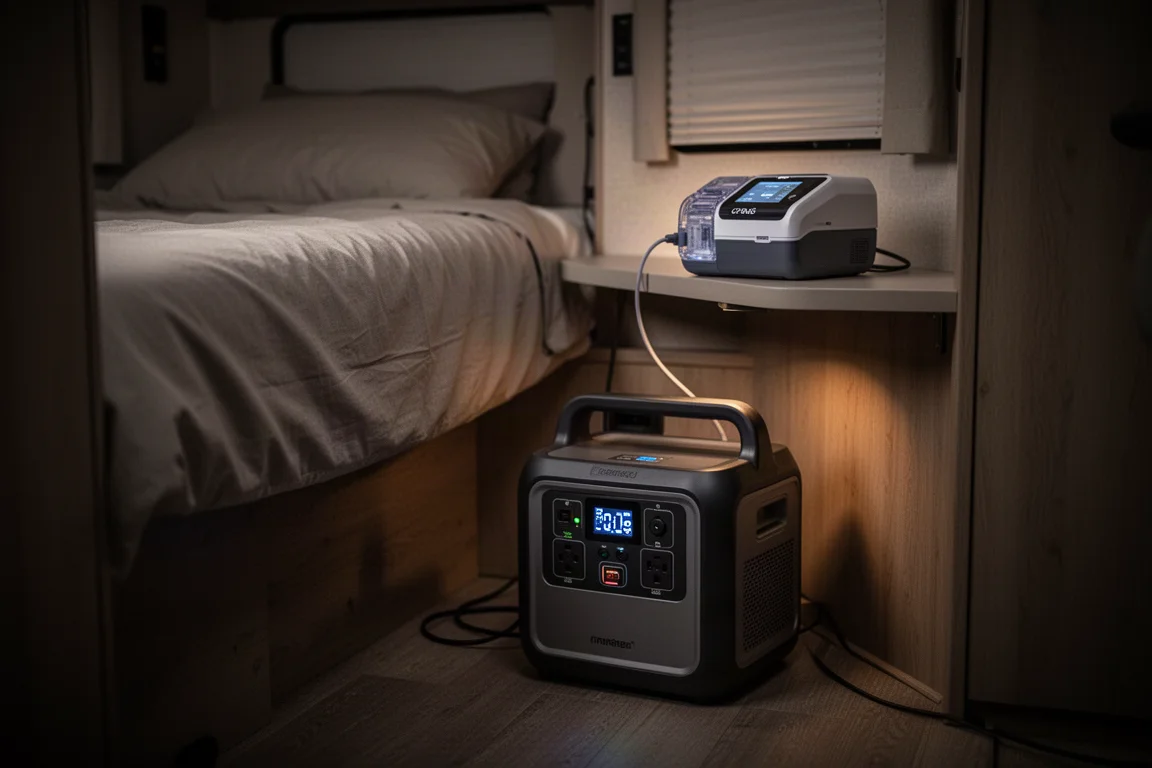
The right choice depends almost entirely on what you plan to run. A high-draw device such as a CPAP machine with a heated humidifier can consume close to 100 watts continuously, which means an 8-hour night needs roughly 800 to 1,000 watt hours with a safety margin. That single data point does a lot to separate these three units.
What They Share: LFP Batteries and Fast Charging
Every unit in this comparison uses LFP battery chemistry rather than traditional lithium-ion. The practical benefit is longevity: the River 2 is rated for 3,000-plus battery cycles, which translates to roughly 10 years of regular use. EcoFlow pairs this with fast charging across the lineup, charging faster than most competing portable power stations.
The River 2 also supports four charging methods: wall outlet, USB-C input, solar panel, and a car’s 12V charging port. Notably, it has a built-in power supply, so there is no separate power brick to carry. A five-year warranty and a smart battery protector round out the package, and the included accessories cover both car charging and wall charging cables.
EcoFlow River 2: Small, Light, and Fast to Charge
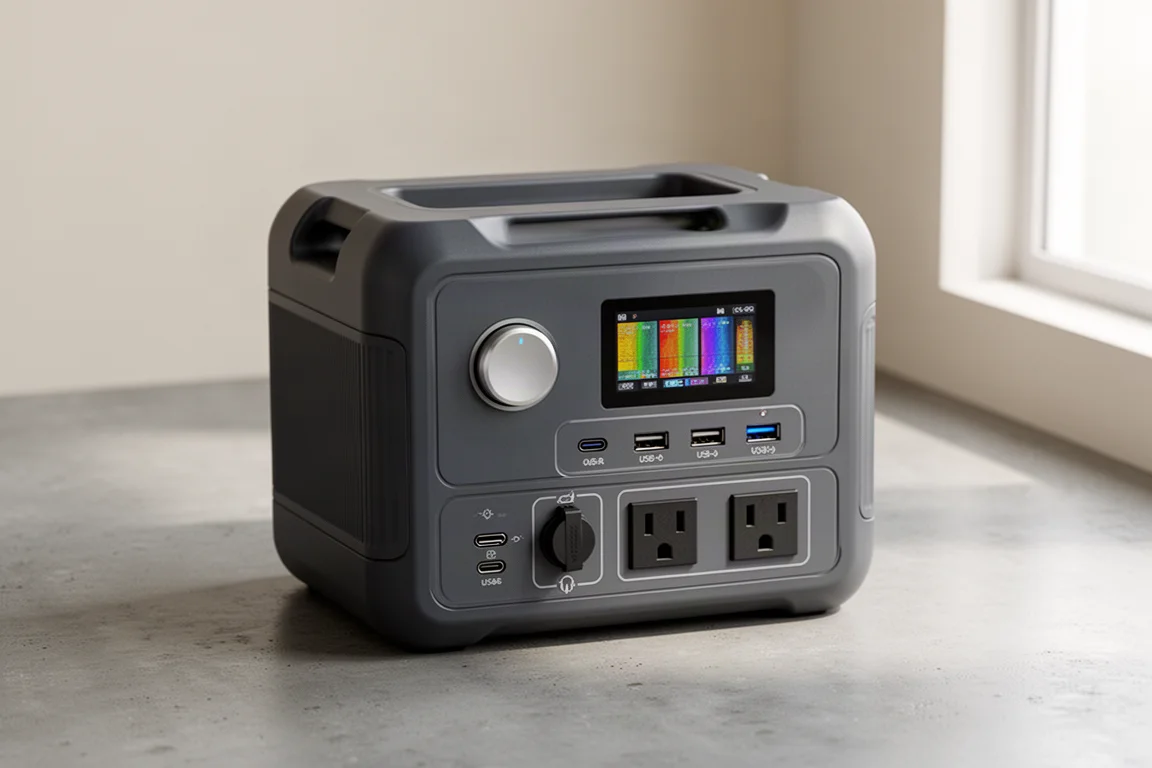
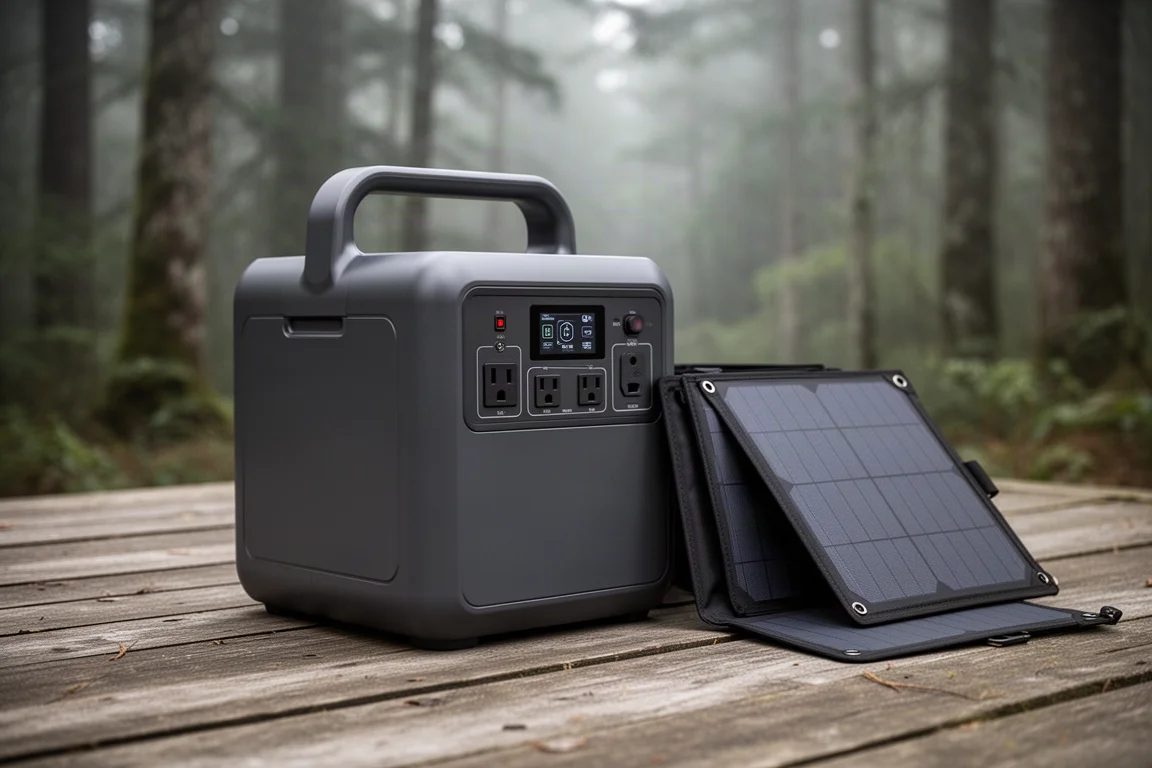
The River 2 is the smallest unit here, with a 256 watt-hour capacity and a weight of just 7.7 pounds. It is genuinely easy to pick up and toss around, and the offset hard handle leaves a flat lip on top so you can stack small items on the unit without them sliding off.
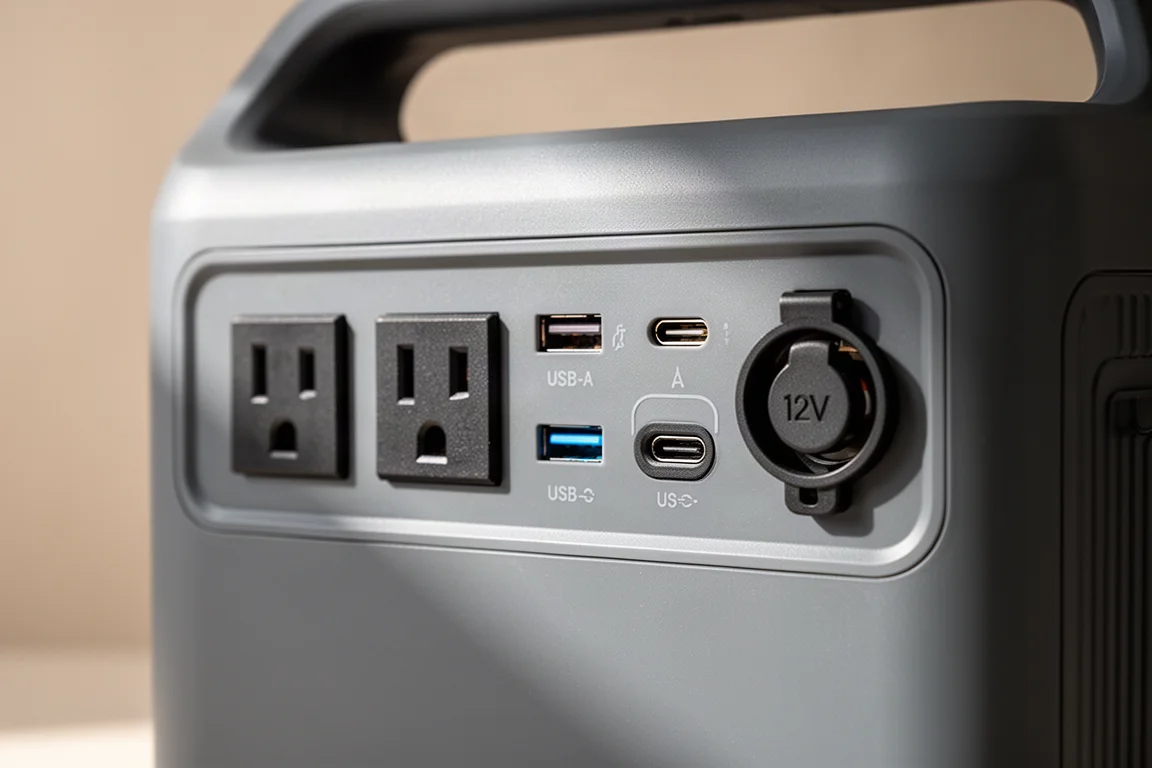
The port selection is generous for the size: two AC plugs, two USB-A ports, one USB-C port, and a 12V cigarette lighter output. Despite the small battery, it can output up to 500 watts continuously and surge to 1,000 watts, which covers the startup spike that motors and compressors create. It also functions as an uninterruptible power supply: while plugged into the wall, it passes power through to connected devices, and if the wall power cuts out, it switches to battery fast enough that you will not notice the interruption. The full battery recharges in about an hour.
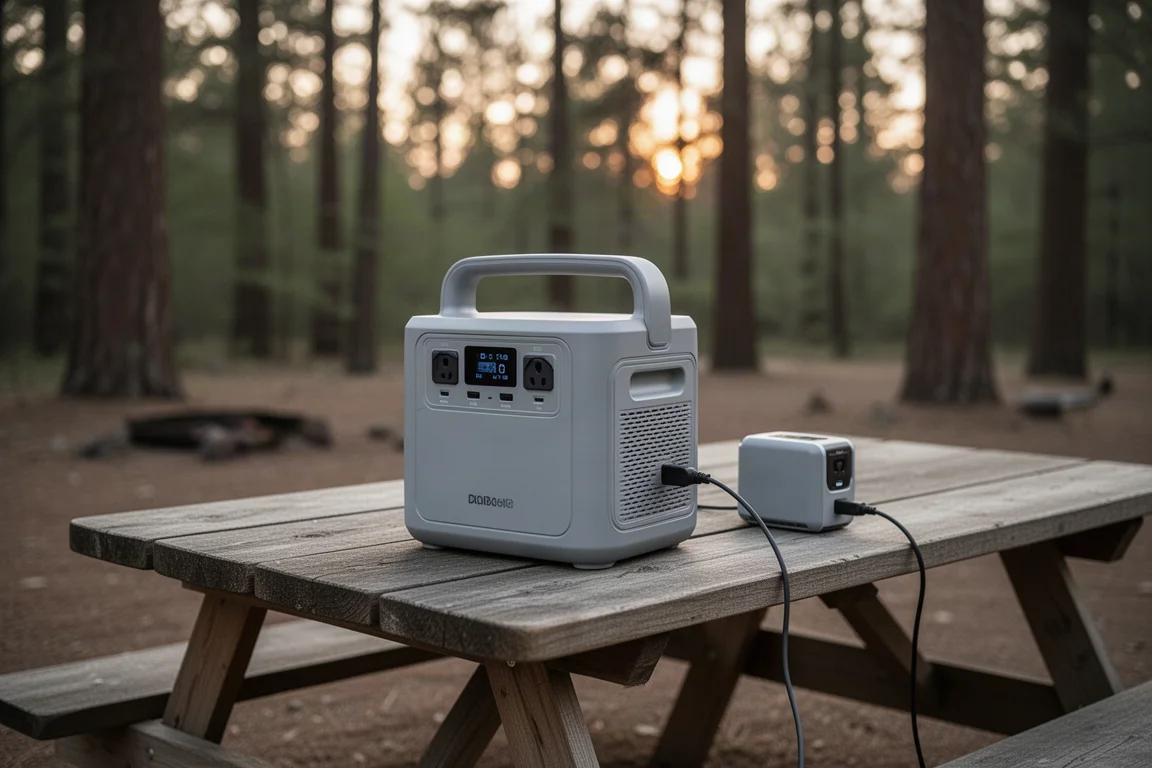
The main caveat is capacity. A CPAP machine with a heated water reservoir at high pressure can draw up to around 100 watts, and in real-world testing the River 2 did not last even half a night on such a load. That is not a flaw in the unit so much as a reminder of what 256 watt hours actually is. For phones, laptops, lights, fans, and short device runs, it is a capable and highly portable choice. It typically sells for around $230, with sale prices dipping to roughly $220.
EcoFlow River 2 Max: The Middle Step
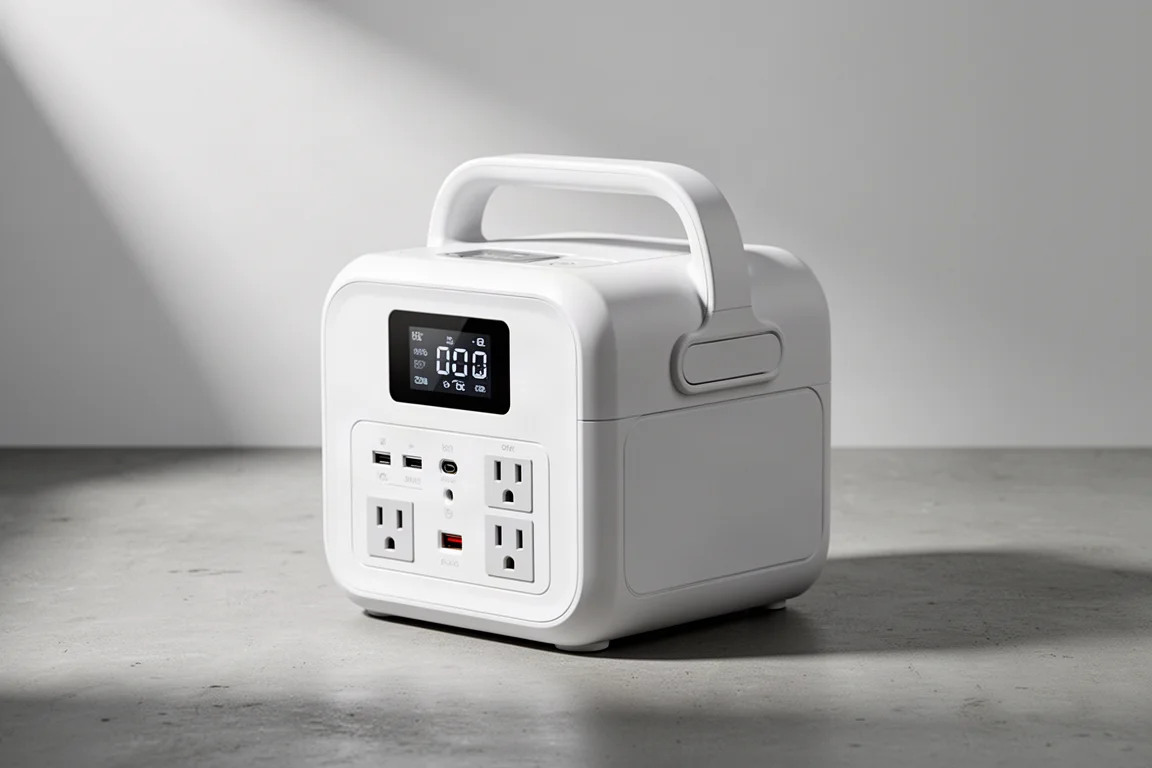
The River 2 Max is essentially the same design scaled up, doubling the capacity to 512 watt hours. It retains the same core strengths: LFP chemistry, fast charging, the compact form factor, and the same approach to output and charging flexibility.
Even 512 watt hours will not carry a high-draw CPAP setup through a full night, but it meaningfully extends runtime for everything else. For a weekend of camping with a family, running lights, charging devices, and powering small appliances, the River 2 Max is a more forgiving size than the base River 2 without adding much bulk.
EcoFlow Delta 2: The One for Real Power Needs
If your needs are anything like a night of running high-draw medical equipment or powering a meaningful chunk of an RV, the Delta 2 is the EcoFlow unit in this group that makes sense. It carries over 1,000 watt hours of capacity using the same LFP battery chemistry, so it can genuinely carry an overnight load that the River 2 and River 2 Max cannot.
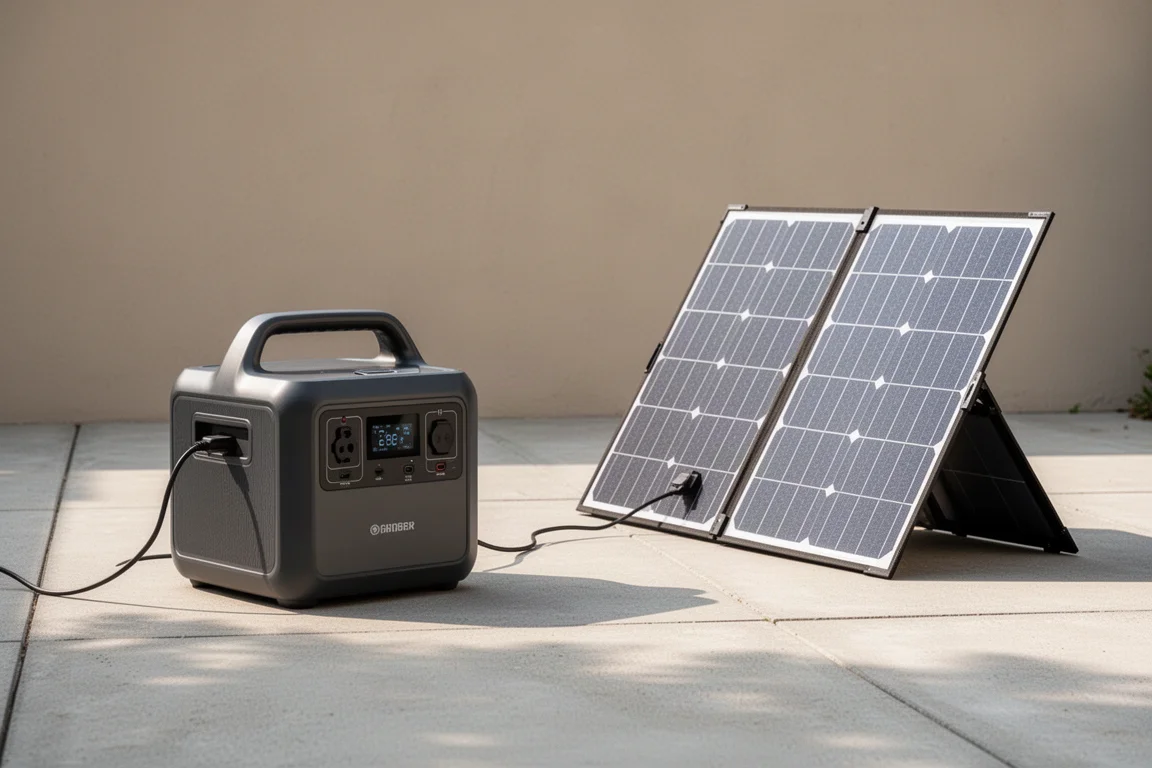
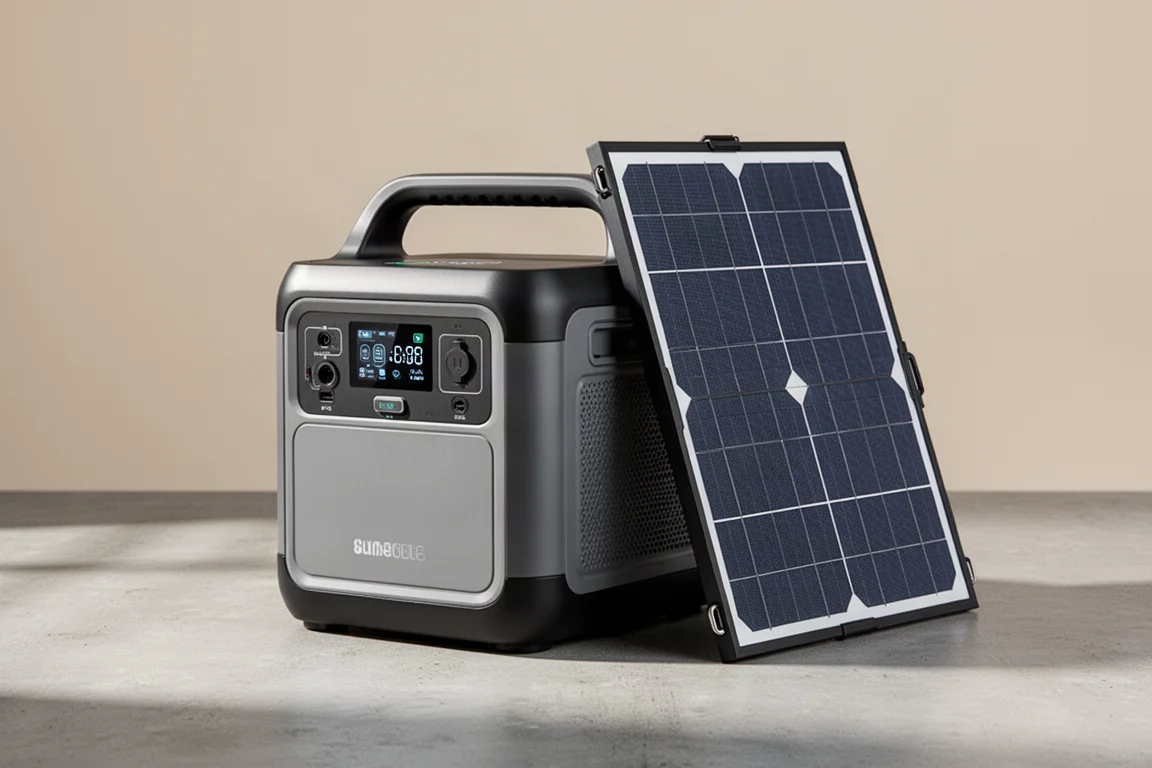
It shares the lineup’s fast charging capability and connects to a phone app that shows everything happening on the unit in real time. Pricing sits around $900, already reduced from a $1,000 list price. Within the broader EcoFlow ecosystem it can also fit alongside solar panels and other expansion options, since the company sells everything from portable solar panels up to multi-kilowatt-hour whole-home power kits and even a smart gas generator designed to integrate with its power systems automatically.
Buying Advice: Match the Capacity to Your Load
The most useful exercise before buying any of these is a simple watt-hour calculation. List the devices you want to run, find their wattage, and multiply by the hours you need. Anything producing heat, such as a heated CPAP humidifier, an electric kettle, or a space heater, consumes power far faster than the capacity numbers suggest.
As a rough guide: the River 2 fits light portable use and device charging, the River 2 Max covers a weekend of low-draw camping needs, and the Delta 2 is the sensible floor for overnight high-draw loads. Most EcoFlow products are also sold on Amazon, so you can buy through either the company’s own site or Amazon, and sale events often knock meaningful amounts off the listed prices.
Conclusion
EcoFlow’s strength across this lineup is consistent: durable LFP batteries, class-leading charging speed, and a well-executed app and accessory ecosystem. The River 2 is a genuinely impressive ultra-portable unit as long as you respect its 256 watt-hour limit, the River 2 Max doubles that capacity for moderate needs, and the Delta 2 is the one to choose when the math on your actual devices demands it. Size for your worst-case load, not your average one, and any of the three will do its job well.
Further reading
Related Reviews

Portable Power Stations
Anker SOLIX F3000 Review: A Powerful Portable Power Station With a Few Design Quirks
The Anker SOLIX F3000 delivers strong performance, fast charging, and a competitive price, but a few design choices may give you pause.

Portable Power Stations
EcoFlow Delta 3 Series: Five New Power Stations Previewed
EcoFlow expands the Delta 3 lineup with five models, from the compact Classic to the flagship Ultra Plus. Here is what each one offers.
Portable Power Stations
Oscal Power Max 6000 Review: A Large Solar Generator With Real Trade-Offs
A week of off-grid use shows what the Oscal Power Max 6000 handles well, where it falls short, and when a fuel generator still makes more sense.