Home Backup Power
EcoFlow Delta Pro Ultra X vs DIY Backup Power: Which System Makes Sense?
A practical comparison of a complete EcoFlow home backup system against a DIY component build, covering cost, installation effort, and real-world reliability.
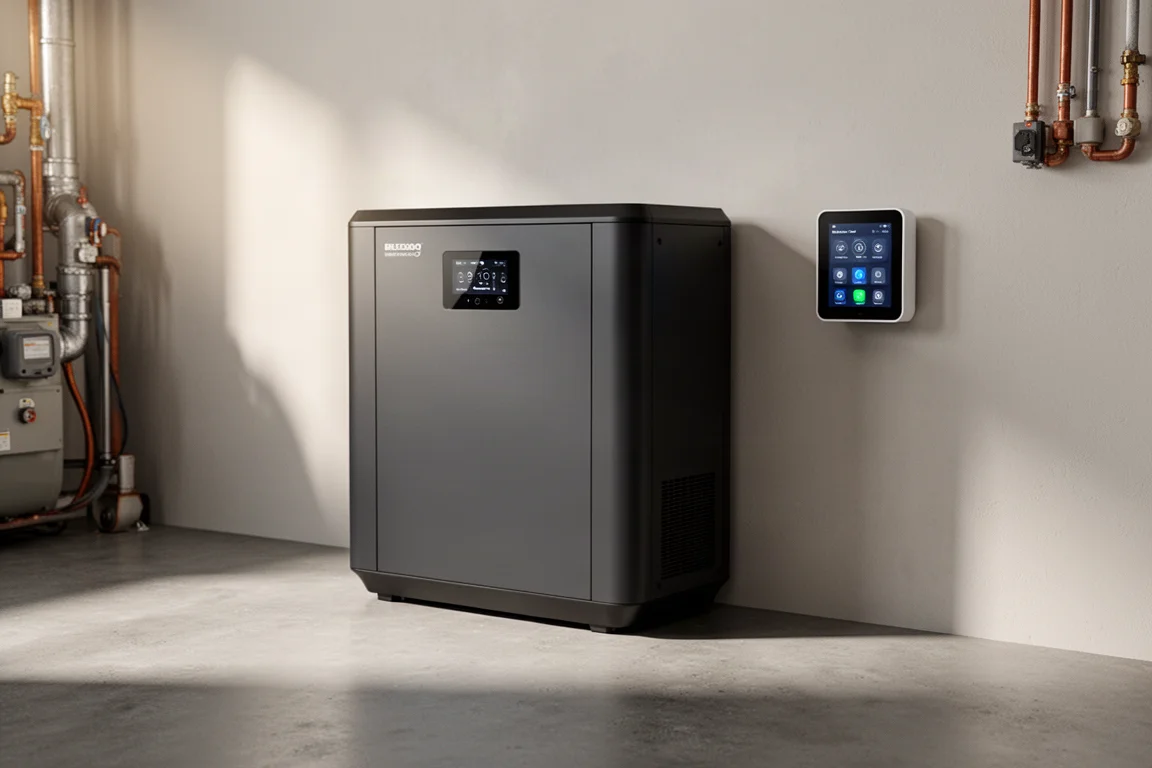
Why Backup Power Matters
Severe weather is becoming a regular part of life for many households. Blizzards, thunderstorms, hurricanes, and tornadoes can knock out power for hours or even days. After one recent winter storm, millions of people were left without electricity. If you do not have the skills to build your own DIY solar backup system, what is the best option?
The answer depends on how much effort you want to put into installation, how much you want to spend, and what level of reliability you need. This comparison looks at two very different approaches: a DIY component-based system and a complete EcoFlow home backup solution. Both were run continuously on the same property to see which one delivers better value.

The Lesson From a Long Winter Night
One memorable Easter blizzard dumped 13 inches of snow overnight and knocked out power for nearly 12 hours. Trees broke, power lines came down, and the neighborhood was in chaos. Keeping the power on meant staying up all night feeding a generator because there were not enough batteries on hand. Temperatures were in the single digits to low teens, and the effort to keep the heat running was exhausting.
That experience led to a full power audit. By reviewing the power bill from the dead of winter, it was clear that the main battery bank needed to jump from 20 kilowatt hours to 70 kilowatt hours. That meant expanding the existing EcoFlow system with larger batteries and upgrading to the newest Delta Pro Ultra X model, along with moving from the Smart Home Panel 2 to the Smart Home Panel 3.
The property itself is fully electric, with several buildings drawing power. Two large electric water heaters are the biggest energy consumers. A guest bathroom runs on an instant propane water heater for unlimited hot water during extended outages. A heat pump washer dryer combo now handles laundry on regular 120 volts, eliminating the need for a 240-volt dryer hookup. The oven is rarely used in favor of a large countertop air fryer that does not heat up the whole house.
The DIY Route: Cost and Effort
The DIY system uses an inverter equivalent to an EG4 18K. The inverter alone costs around $6,000, and the four batteries inside the case add another $7,500. Cabling is not included, so you have to make your own. Several hours of labor are required for installation. All told, this 20 kilowatt hour system easily lands around $14,000, and permits or an electrician can push that to $15,000 or $16,000.
Adding 50 kilowatt hours of additional battery capacity was cheaper because the batteries were purchased on sale. A rack with six batteries cost an additional $5,200, and four more batteries would have cost another $3,400. Proper cabling with bus bars, fuses, and a switch added about $500. Installation took five nights of stripping heavy welding cables and hydraulic crimping more than 20 cables.
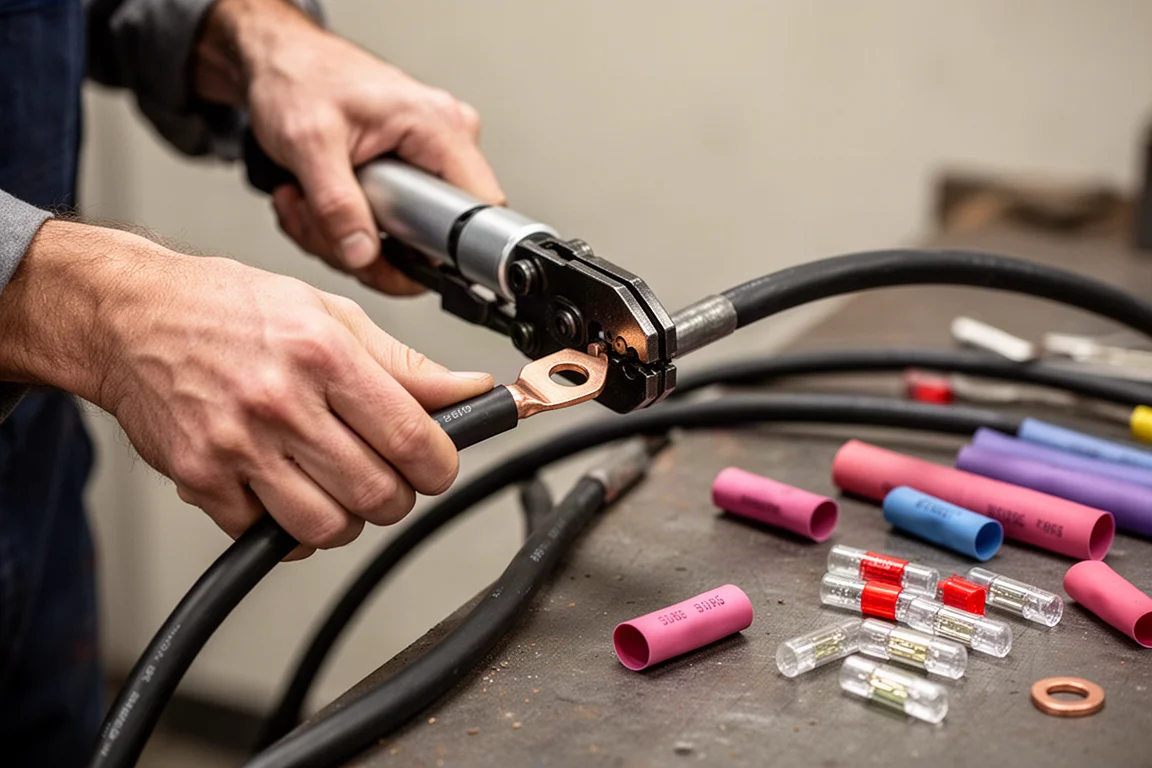
There is no such thing as a one-hour build when assembling a whole home system from components. You need the equipment, the strength, and the patience to cut and crimp large cables properly, including heat shrink tubing on every crimp. For someone with arthritis in their hands, this work took several batches over multiple nights.
There is another issue with DIY grid-tie inverters. Many of them, including the EG4 and similar brands, do not fully disable the grid-tie function even when set to zero export mode. This can trigger a threatening letter from the power company claiming illegal feedback into the grid. The inverter sends small pings to the grid whenever it switches between grid and battery power, and the smart meter reads those pings as feedback. The solution was to rewire the entire system so the EcoFlow backup system supplies grid power to the DIY inverter, since the EcoFlow physically cannot feed back to the grid.
The EcoFlow Alternative: Delta Pro Ultra X
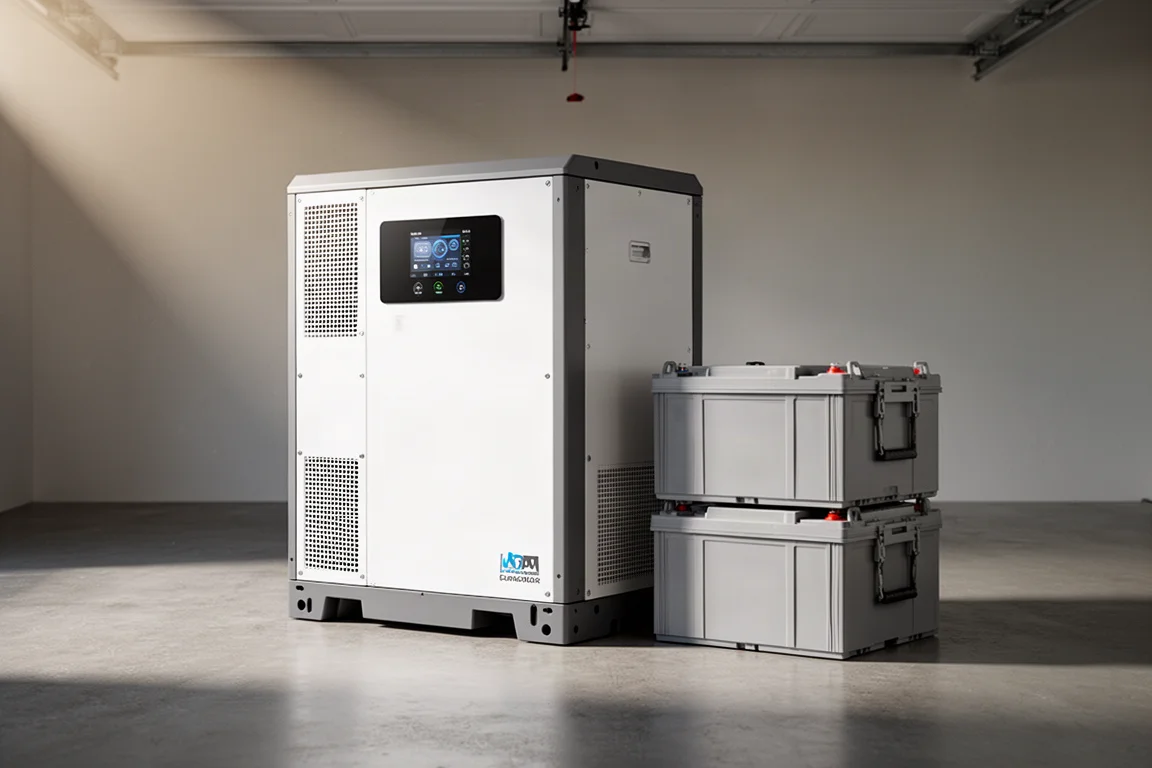
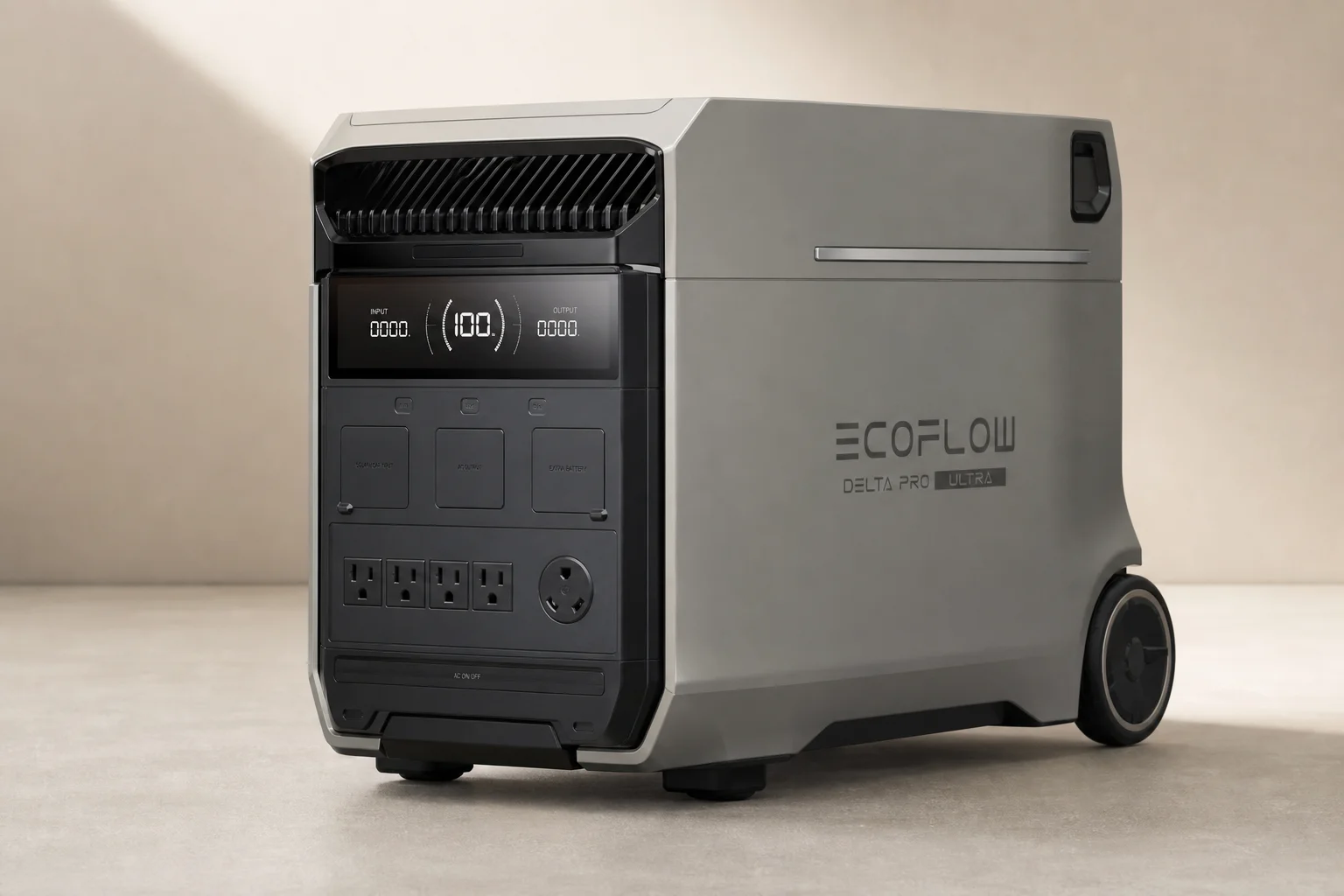
The EcoFlow Delta Pro Ultra X is a 12 kW home backup power station. Combined with the new Smart Home Panel 3 or the smaller Smart Gateway, it offers a dramatically simpler installation. There is no cable cutting, no crimping, no fusing. You buy the head unit, stack as many batteries as you want, and plug it into your house.
The Smart Gateway version has six circuits, which was enough for this property since it only needed to power six circuits. The full Smart Home Panel 3 has 24 circuits. Installation can be completed in a single day by a competent DIYer, assuming everything is on hand. EcoFlow also offers installation assistance including permits, with most city installations completed within about seven days.
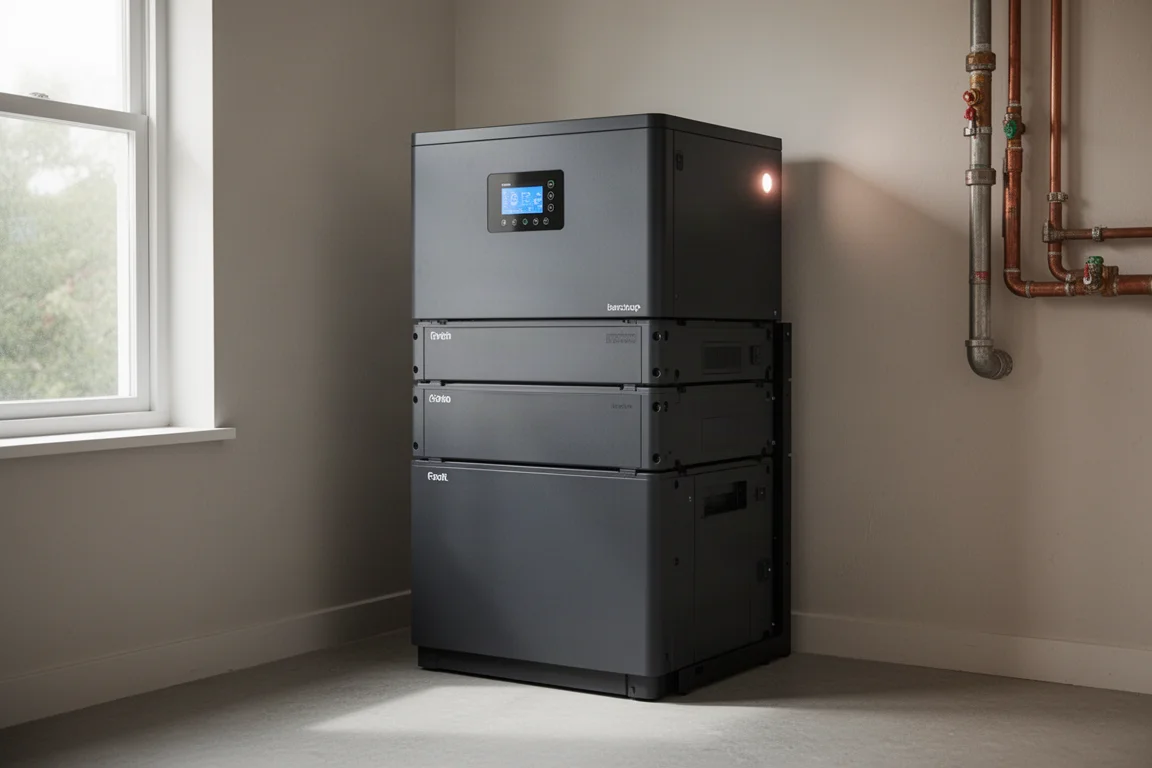
The Delta Pro Ultra X has been running 24/7 for six months with five 6 kWh batteries for 30 kilowatt hours total. It has been flawless through several firmware updates. The only issue was a single inverter shutdown with nothing in the log, resolved by pressing the button to restart.
This system runs four buildings, including several mini splits, refrigerators, a coffee machine, a microwave, a large TV, a high-end gaming PC, a pool pump in summer, and about two dozen LED lights. The fans have never been heard running, even under an 800-watt load. This is a stark contrast to the DIY inverter, which sounds like a jet taking off whenever the microwave is used.
The EcoFlow also has lower idle consumption compared to a similarly sized DIY inverter. It is not only virtually silent, it is more efficient.
Pricing Comparison
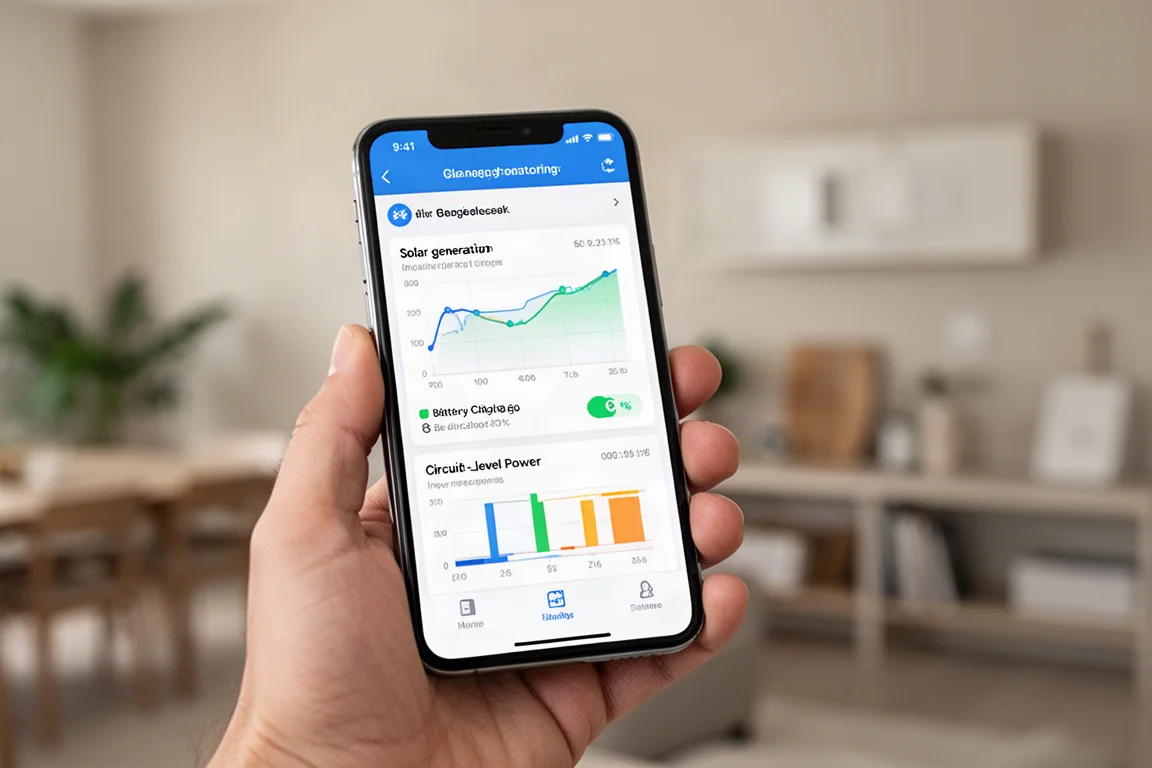
EcoFlow frequently runs sales on the Delta Pro Ultra X bundles. A bundle with four 6 kWh batteries and free shipping runs about $12,000. Adding a 200 amp Smart Gateway adds around $2,000, but it brings fully automated backup with remote Wi-Fi access, 20 millisecond switchover, circuit-level power monitoring, and detailed consumption charts in the app.
Comparing apples to apples, the 20 kilowatt hour DIY system with the 12 kW EG4 clone costs about $15,000 versus $12,000 for the EcoFlow bundle. The EcoFlow is easier to install, has a larger battery capacity, and you get an extra 4 kilowatt hours for the same or less money. Even adding the Smart Gateway panel, you are still about $1,000 ahead. The EcoFlow also includes a five-year warranty and free live installation support over the phone.
The Previous Model: Delta Pro Ultra
If the Delta Pro Ultra X is too expensive, the previous model called the Delta Pro Ultra is still a strong option. It has a smaller 7,200 watt inverter, so large loads may require pairing two units together. A pair of these with four batteries ran for over a year with only some initial teething issues.
The batteries for the Delta Pro Ultra and Delta Pro Ultra X are identical and interchangeable. The 7,200 watt Delta Pro Ultra with the same four 6 kWh batteries for 24 kilowatt hours total is quite a bit less expensive than the newer model. With a discount code, it comes in under $10,000. If you do not need the 12 kW inverter, 7,200 watts will handle most homes, saving about $2,000 and making it around a third cheaper than the 12 kW DIY system with 20 kilowatt hours of batteries.
A major firmware update now allows the older Delta Pro Ultra to work with the new Smart Home Panel 3 and Smart Gateway, and it can run simultaneously with the Delta Pro Ultra X. This means you can buy the new inverter, use your old batteries, plug it into the new smart home panel, and extend your total inverter power. Both units share the load automatically when connected.
Smart Home Panel and App Experience
The Smart Gateway version three has the Wi-Fi in the bottom section, which works much better than the previous version. The connection has never dropped, unlike the Smart Home Panel 2 which frequently lost Wi-Fi.
The app provides detailed insights. It shows how much money was saved on electricity each day, solar generation per array, current power draw, percentage of grid to battery, energy independence percentage, and daily battery charge and discharge. Circuit-level monitoring breaks down power usage for each connected circuit. Hourly graphs show exactly what the system is doing, from sunrise to sunset, with per-array solar output. This level of detail alone can justify the cost of the smart home panel system.
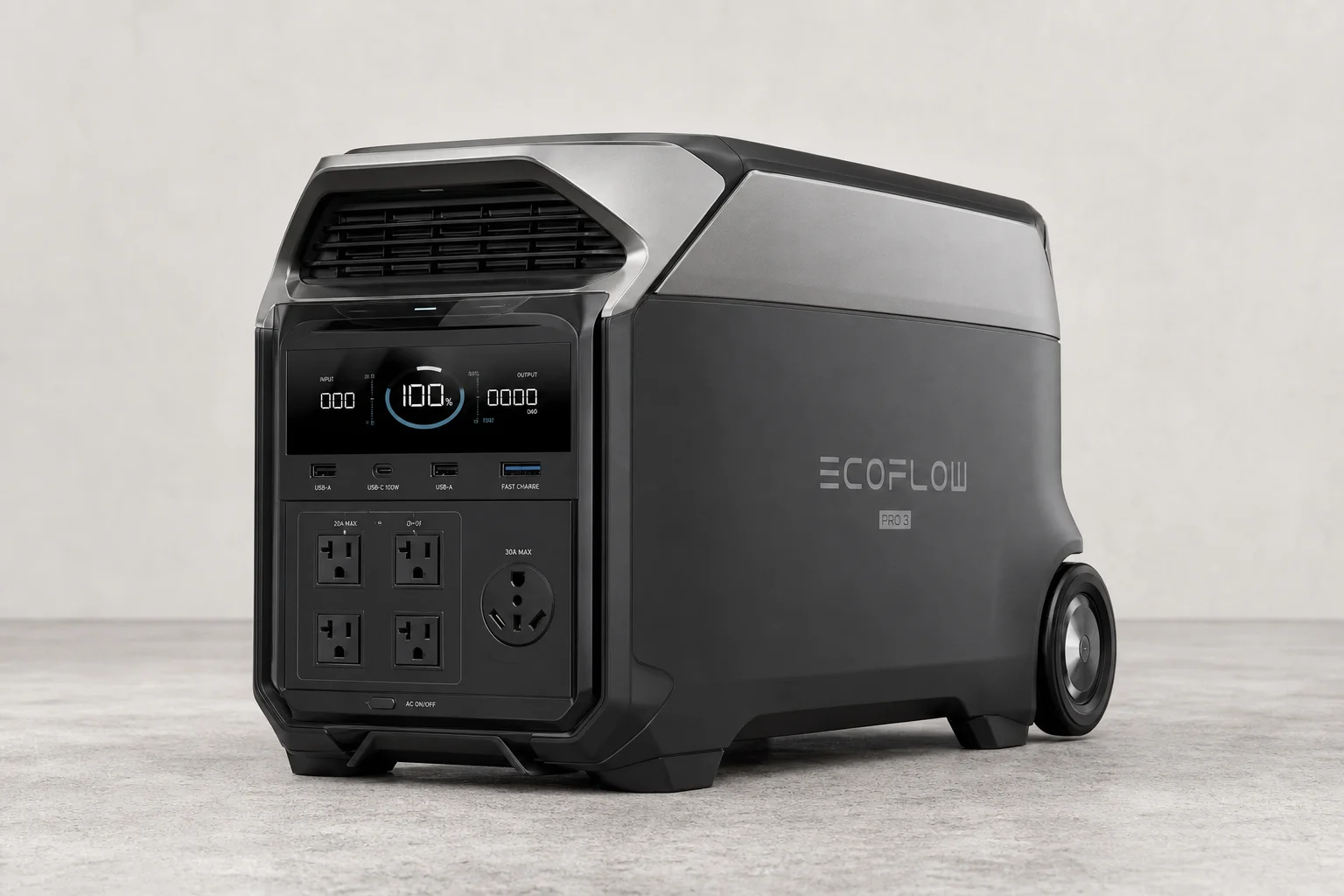
The Delta Pro 3
The 4 kWh Delta Pro 3 is a separate product. It is not yet compatible with the new Smart Home Panel 3. The firmware has not been updated to allow it to plug into the smart home panel for charging. This is a limitation to keep in mind if you already own a Delta Pro 3 and are considering the new smart panel system.
Buying Advice
For most households, the EcoFlow Delta Pro Ultra X with a Smart Gateway or Smart Home Panel 3 is the more practical choice. It installs in a day, requires no specialized skills, and comes with a single five-year warranty. The app and firmware updates add ongoing value that a DIY system simply cannot match.
If you already own a Delta Pro Ultra, the firmware update makes it a great companion to the new model. You can mix and match batteries and inverters to scale your system over time.
The DIY route only makes sense if you already have the skills, tools, and patience for cable work, and you are comfortable managing multiple warranties and potential grid-tie issues. For everyone else, the EcoFlow system delivers comparable or better performance for less money and far less effort.
Conclusion
Both approaches can keep your home running during an outage. The DIY system offers flexibility for those with the skills to build it, but it comes with hidden costs in time, tools, and troubleshooting. The EcoFlow Delta Pro Ultra X is faster to install, quieter, more efficient, and often cheaper when comparing similar specifications. With the spring sale pricing and the ability to expand with the older Delta Pro Ultra, it is a compelling option for anyone who wants reliable backup power without the headache of a component build.
Further reading
Related Reviews
Pickleball Paddles
2025 Paddle Awards: The Best Pickleball Paddles of the Year
A category-by-category breakdown of the best pickleball paddles of 2025, covering value, control, all-court, power, and paddle of the year.
Automotive Accessories
70mai Dash Cam Comparison: A200 vs A510 vs A810
Three dash cameras from 70mai across different price points reveal how resolution and sensor quality impact real-world footage clarity, especially for number plate visibility and low-light performance.
Mobile Gaming Accessories
8BitDo FlipPad vs GameSir Pocket Taco: Which Vertical Phone Controller Fits You Best?
Two compact vertical phone controllers with very different approaches to connectivity, controls, and everyday use. Here is how they compare across seven practical categories.