Home Backup Power
Best Home Backup Inverter Generators: 8 Picks for Storm Season
From Honda's premium 7000W unit to a tri-fuel 10500W giant and the gas can that pairs with any of them, here are eight practical picks for home backup power.
Introduction
Storm season has a way of sneaking up on everyone. When the first serious ice storm hits, the shelves empty fast and anyone without a plan gets left standing in an aisle full of nothing. The time to pick a home backup generator is before you need one.
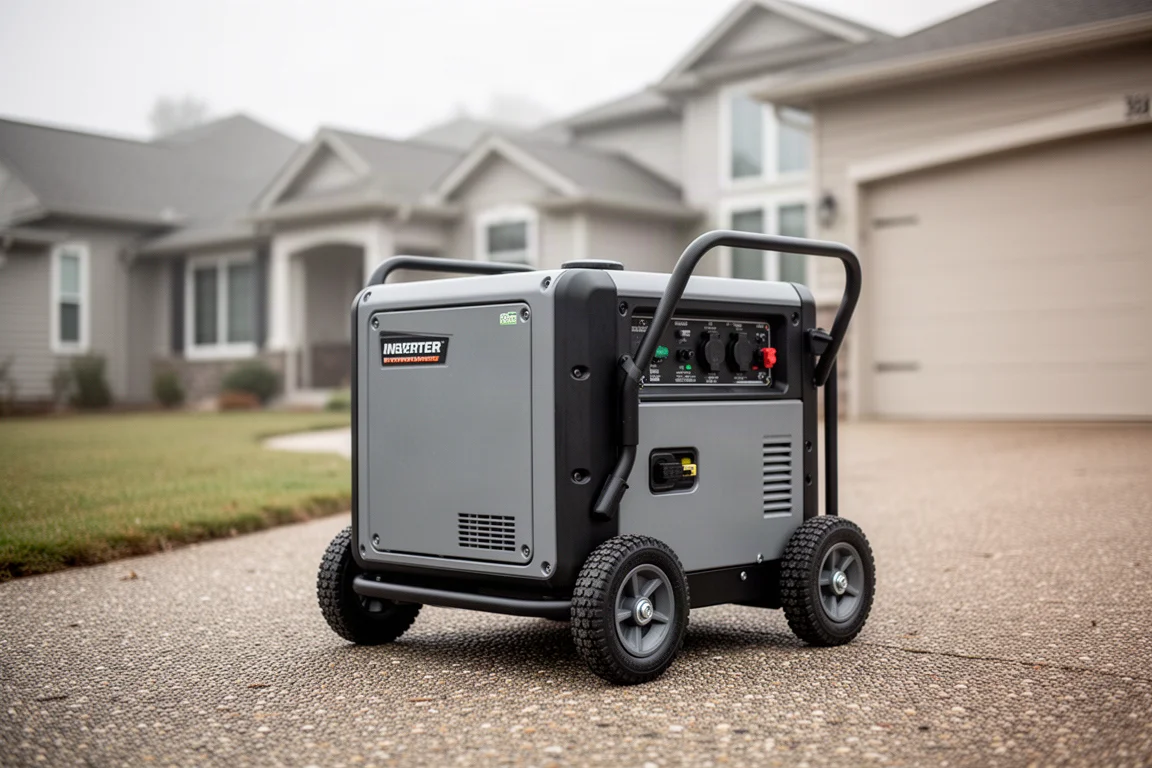
A dedicated whole-home standby system is a great thing to have, but it is expensive, permanent, and it can only ever do one job. A traditional open-frame portable generator is the opposite: flexible and affordable, but loud, smelly, and rough on modern electronics because it produces spiky, dirty power instead of a clean pure sine wave. Portable units also tend to announce their presence, which is not ideal when generator theft during winter storms is a real and recurring problem.
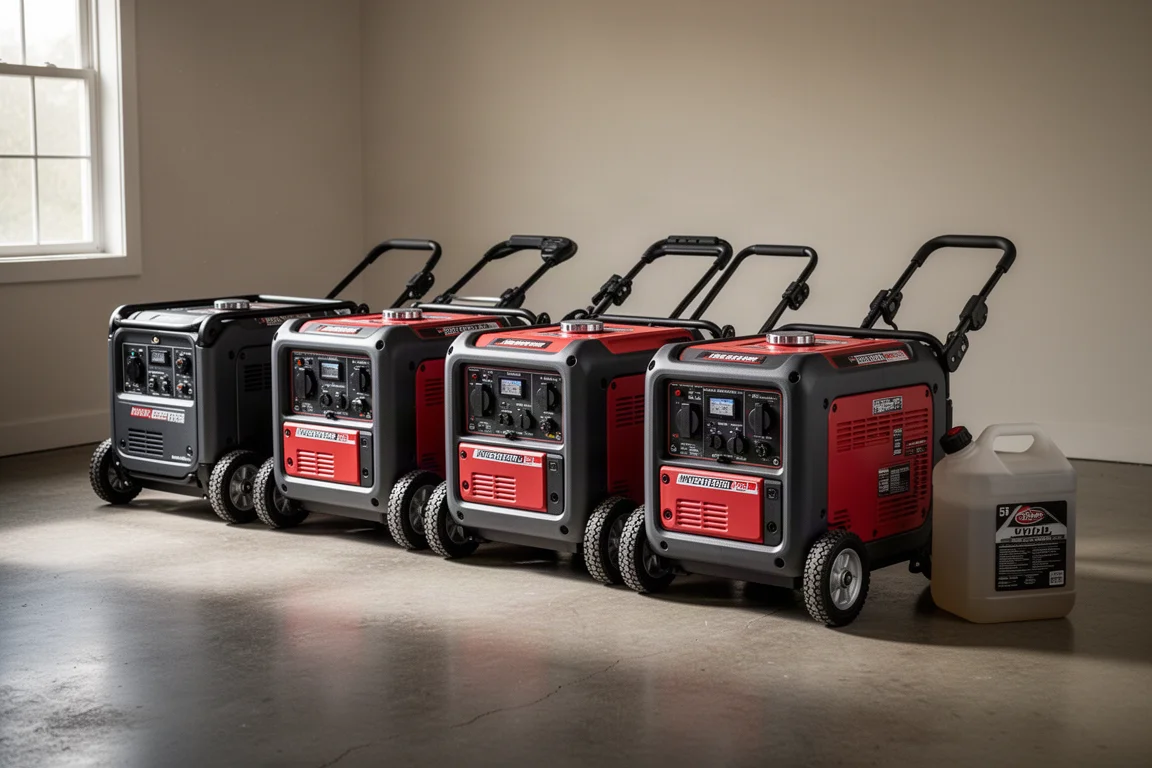
Fully enclosed inverter generators are the happy middle ground. Sound-dampening panels muffle the engine, the inverter ramps output up and down based on demand, and the power that comes out is smooth enough for anything in your house. Here are eight options worth a look, plus the one accessory that makes any of them easier to fuel.
Honda 7000W Inverter Generator
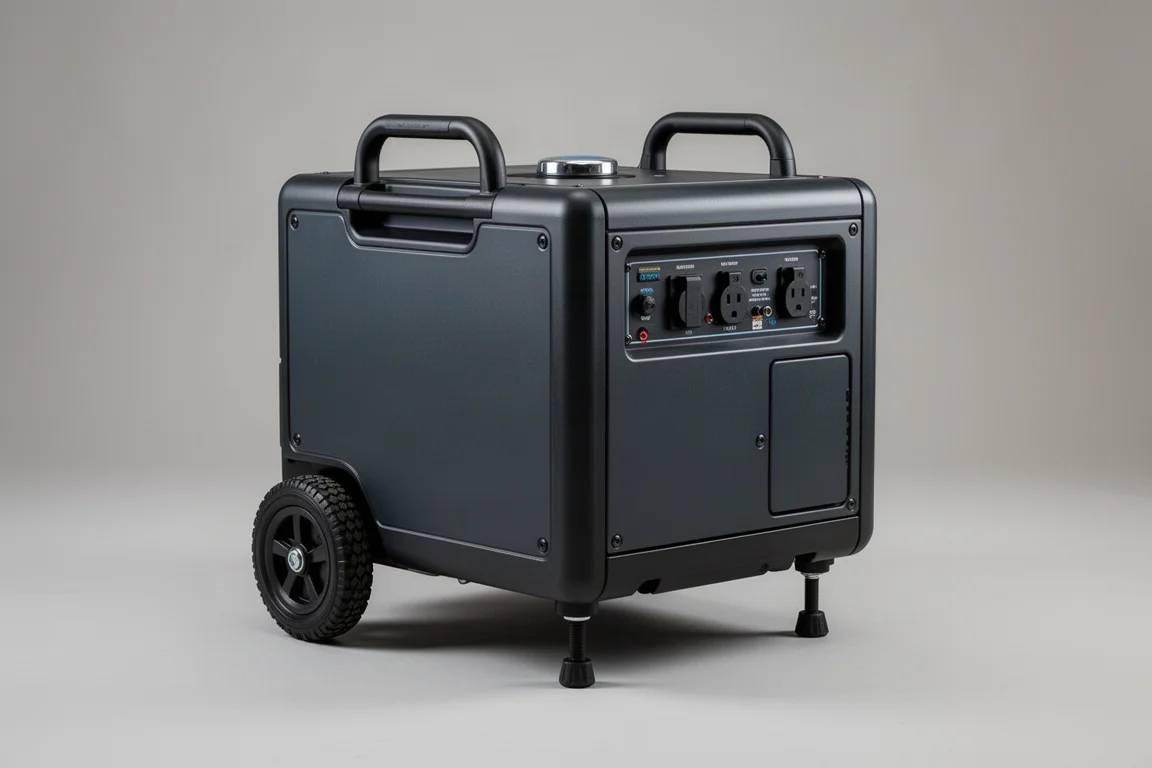
Honda is the gold standard name in generators, and this is the largest fully enclosed inverter generator the company sells. It delivers 7,000 starting watts with 5,500 running watts, which matters because big motors like AC units and furnaces draw a large surge on startup before settling down. As long as your spikes stay under 7,000 watts and your steady load stays under 5,500, this generator can handle it.
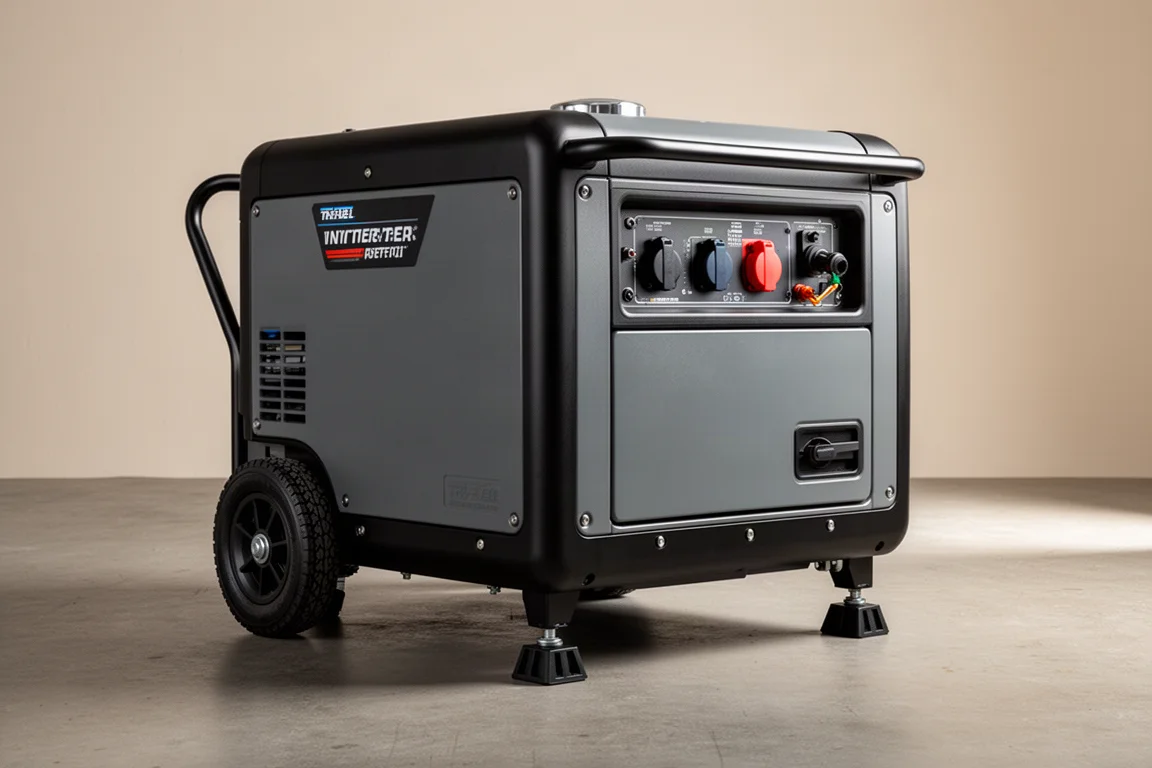
The panel is fairly basic but complete: electric start, a CO alarm that warns and shuts the unit down if exhaust starts building up nearby, two 30-amp twist-lock outlets that can run 110 or 220 volts, and four standard household outlets. The form factor is the familiar cube with wheelbarrow-style handles, two rear wheels, and two front peg legs.
Honda stands behind its products and its units are known to last a very long time. The trade-off is the price: around $5,000 for what is essentially the entry point to whole-home emergency backup. It is a premium choice in every sense.
Champion 8500W Dual Fuel Inverter Generator
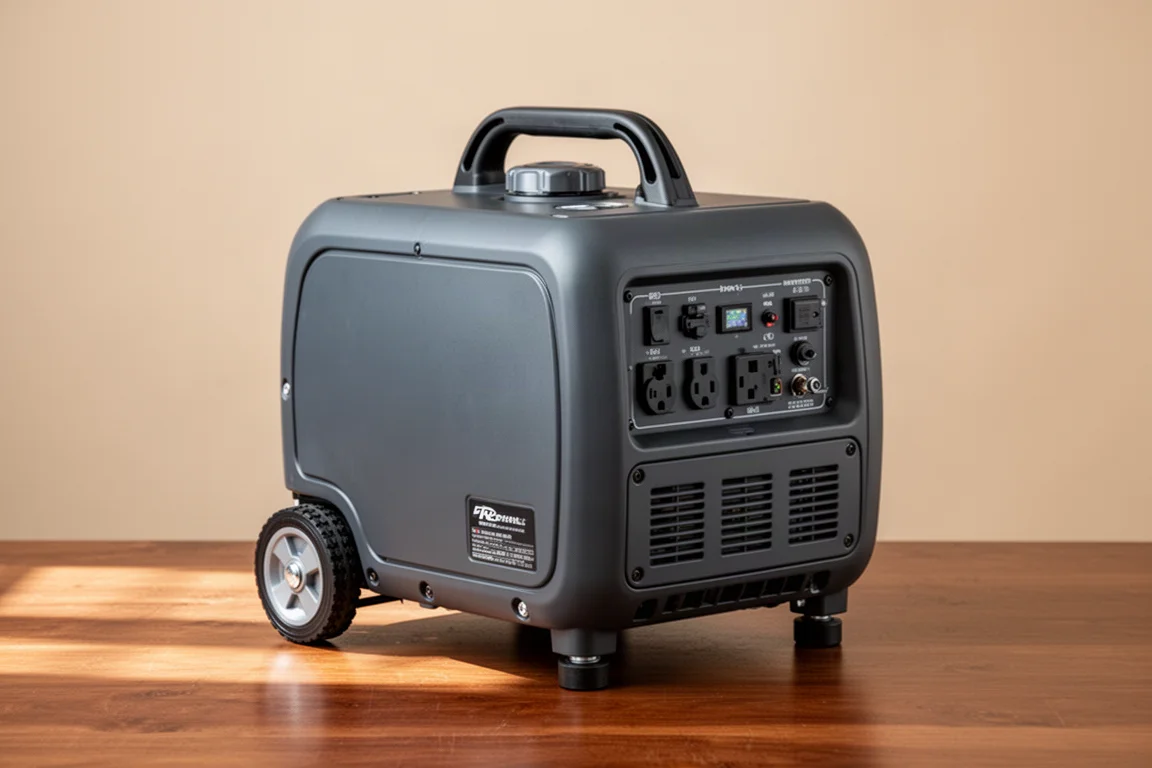
Champion has made real strides in recent years, and its largest fully enclosed super quiet inverter generator is a strong counterpoint to the Honda. It puts out 8,500 starting watts and 7,000 running watts on gasoline, or 6,300 running watts on propane, with 14 hours of run time on gas and 12 hours on propane.
Dual fuel is the headline feature. Switching to propane costs you roughly five to ten percent of the output, usually more off the starting watts than the running watts, so size the generator for the fuel you actually plan to use. For RV users, propane convenience is often worth that penalty.
The panel is generous: a 30-amp four-prong 120/240 twist-lock, four GFCI household outlets at 20 amps, a full RV-style 50-amp plug, a 12V DC output, circuit breakers, an easy-start dial, and a display showing voltage, frequency, run time and overload status. Add electric start, the CO shield, and a curved one-hand grab handle, and you are getting more power and more plugs than the Honda at around $2,299.
DuroMax XP9000
DuroMax is a good-quality budget brand, and the XP9000 is a compelling value at $1,999. It runs dual fuel with 9,000 starting watts and 7,600 running watts on gas, and 8,500 starting and 7,200 running on propane, with the ratings printed right on the box so there is no guessing.
One form-factor win here: instead of two wheels and peg legs, you get four wheels with the same wheelbarrow-style handles. Once the unit is in place, you can grab it and roll it around for small adjustments instead of tipping it up onto the handles every time. That is a genuine quality-of-life improvement.
The drawback is on the panel. You lose the 50-amp outlet that several rivals include, leaving a 30-amp twist-lock, a 240V twist-lock, four 120V 20-amp household outlets, and two USB ports. What you do get is remote start. It sounds like a gimmick until you have used it: start and stop the generator from a fob just like a car with remote start. Pure luxury, and hard to say no to when it comes included.
Pulsar 9500W Dual Fuel Inverter Generator
Pulsar is another value brand, though one with a shorter track record at this power level. The company is better known for smaller units, so shoppers considering this 9,500 running watt dual fuel machine should go in with eyes open. Feedback on the brand is mixed but not alarming; it is more a case of limited long-term history than a reputation for problems.
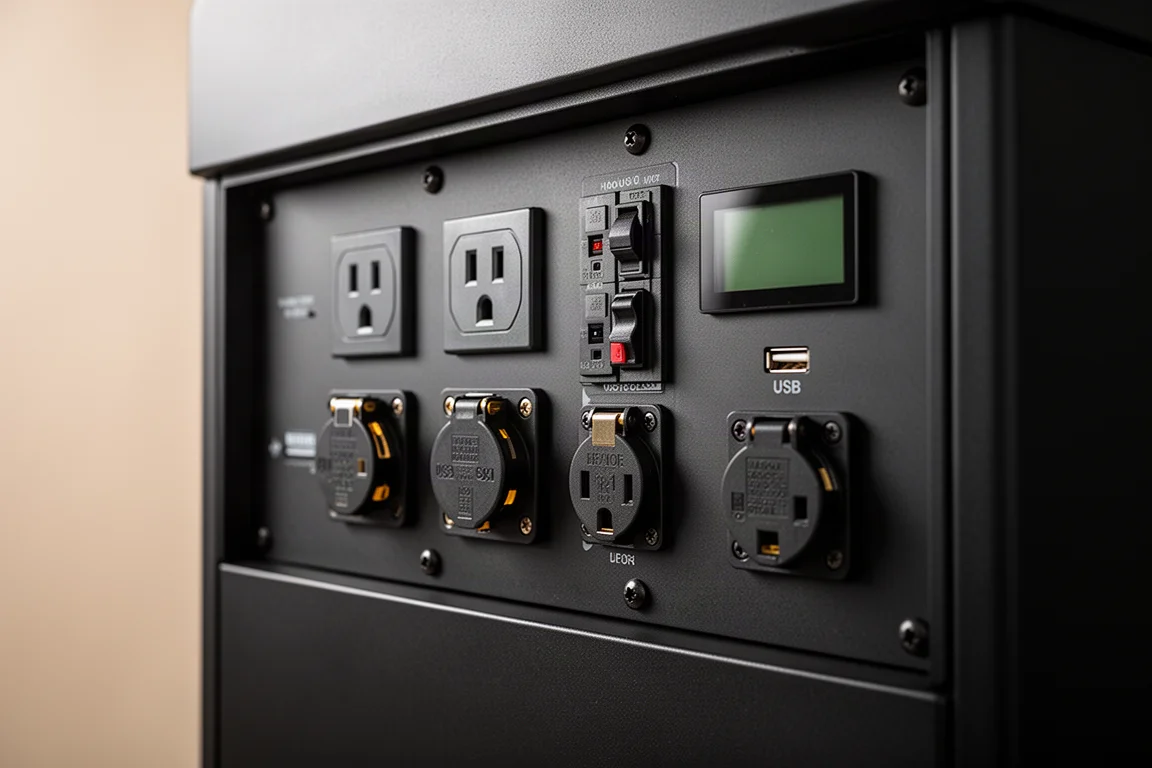
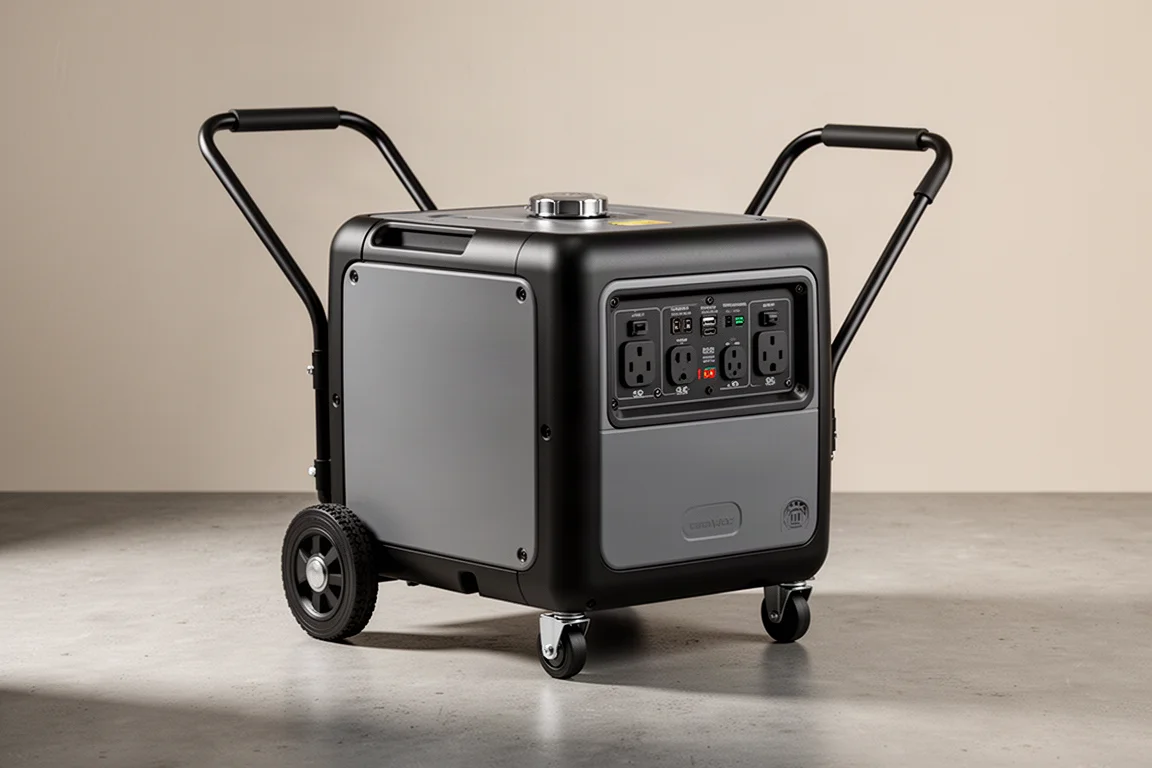
The spec sheet is where this one earns attention. You get dual fuel, CO alert, remote start, and the panel brings back the 50-amp outlet that the DuroMax drops, doing 120 and 240 volts. Alongside it there is a 30-amp four-prong 120/240 twist-lock, four standard 120V 20-amp household outlets, USB-A and USB-C ports, a parallel connection, circuit breakers, a voltage selector, and a run-time display.
The form factor returns to the wheelbarrow style with two wheels and two legs, so you lose the four-wheel mobility of the DuroMax. But if you want a budget selection with a 50-amp plug and remote start, this is one of the few that checks both boxes.
Harbor Freight Predator 9500W Super Quiet Inverter Generator
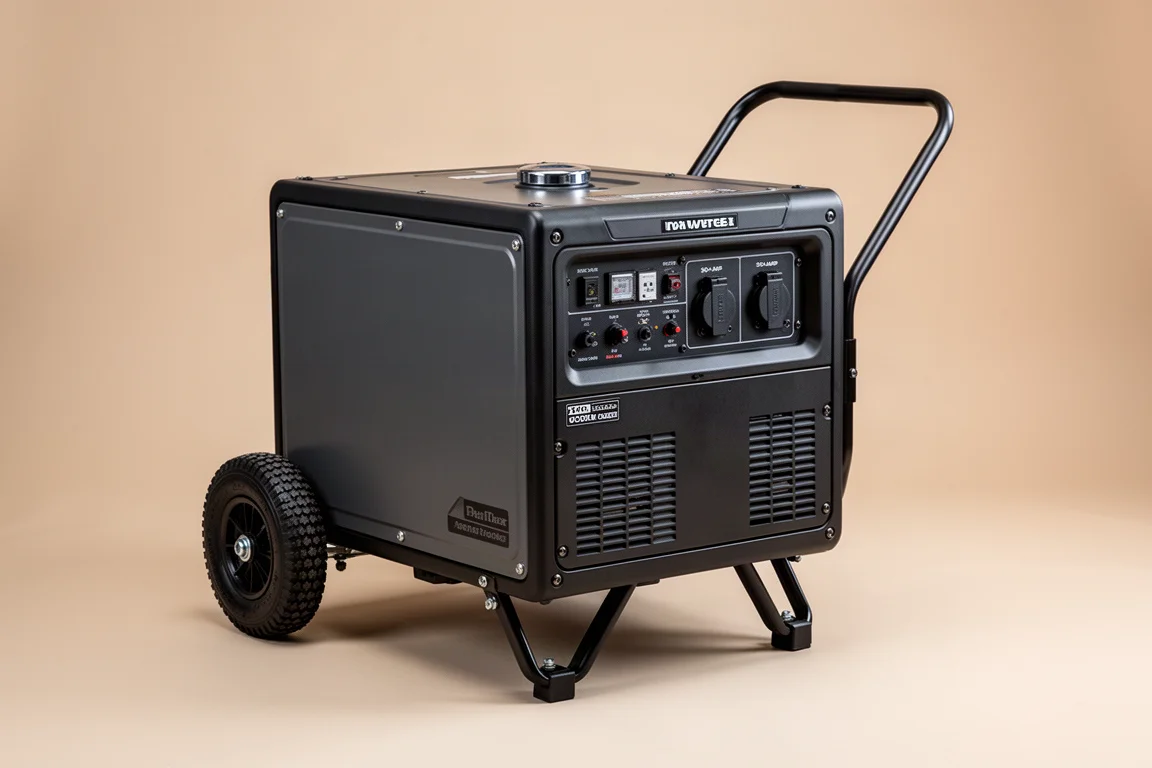
Harbor Freight has quietly become a 600-pound gorilla in this space, taking real market share from Honda and others as its generator lineup has grown. The Predator 9500 super quiet inverter is a unit worth taking seriously: 9,500 starting watts and 7,600 running watts, CO shutoff tech, four-wheel mobility with wheelbarrow-style handles, and a panel with a 30-amp 120V outlet, two 20-amp outlets, a 50-amp 120/240 outlet, parallel connections, a 12V DC input, an hour meter and electric start. No remote start, though.
It is currently priced at $2,500, up from the roughly $2,000 it launched at. The warranty situation deserves attention: two years on emissions controls but only 90 days on the generator itself, with an extended warranty available for purchase.
The track record is hard to argue with. Consumer Reports recommends Honda and Predator in the same breath as editor’s choice picks, and these units are everywhere. One tip from experience: Harbor Freight’s extended warranty can often be traded in at full value toward an upgrade to a bigger unit at the manager’s discretion, which is how some owners move up to this model from a smaller Predator.
Aivolt Dual Fuel Inverter Generator
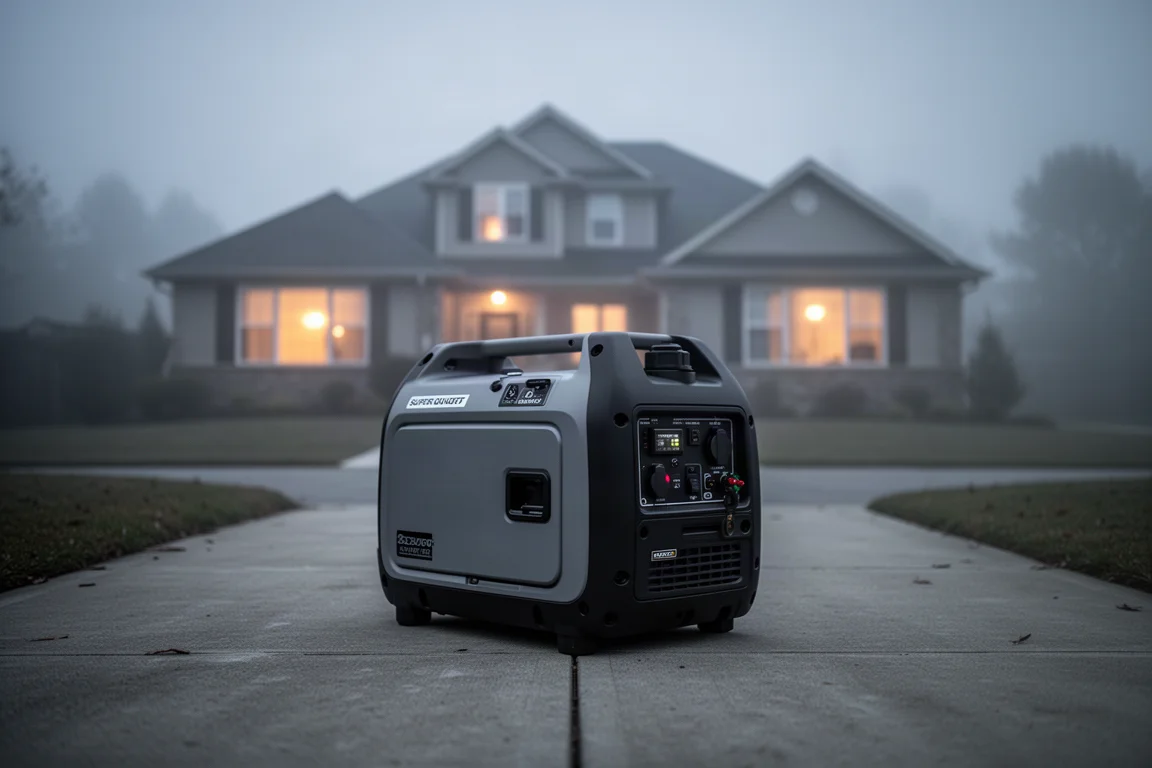
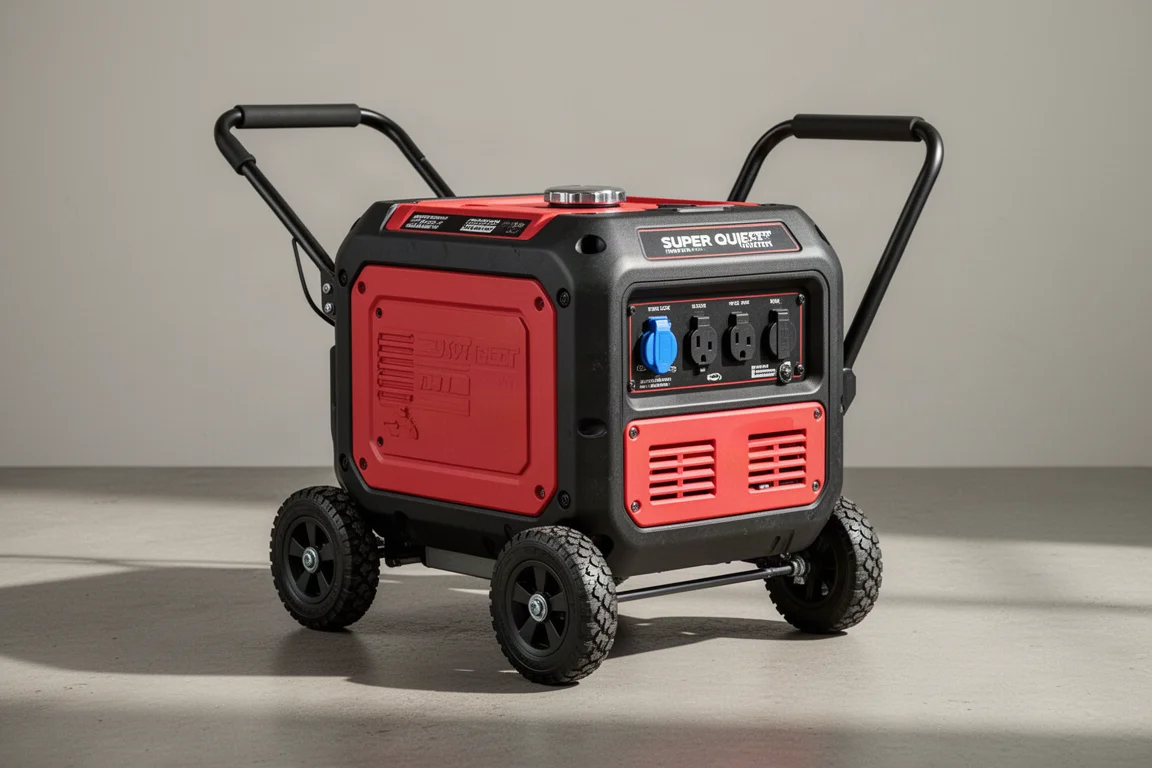
Aivolt is a newer name that has been putting out solid dual fuel inverter machines, and the panel layout follows the proven template: a control knob with fuel selection, low idle, electric start, LPG inlet, four GFCI 20-amp 110V outlets, a 30-amp four-pin twist-lock that runs 120 or 240, a standard 50-amp 120/240 outlet, dual circuit breakers, a voltage switch, CO alert, DC breakers, and parallel connectors.
The standout feature is remote start with a remote control, which is genuinely one of those conveniences that sounds silly until the first cold, wet night you start the generator without walking outside. Full sound testing and a deeper breakdown of this unit are covered in its own dedicated review.
It runs on gasoline or propane, it is currently on sale for five percent off over on Amazon, and it brings the full inverter quiet package at a value-brand price.
GenMax 10500W Tri Fuel Inverter Generator
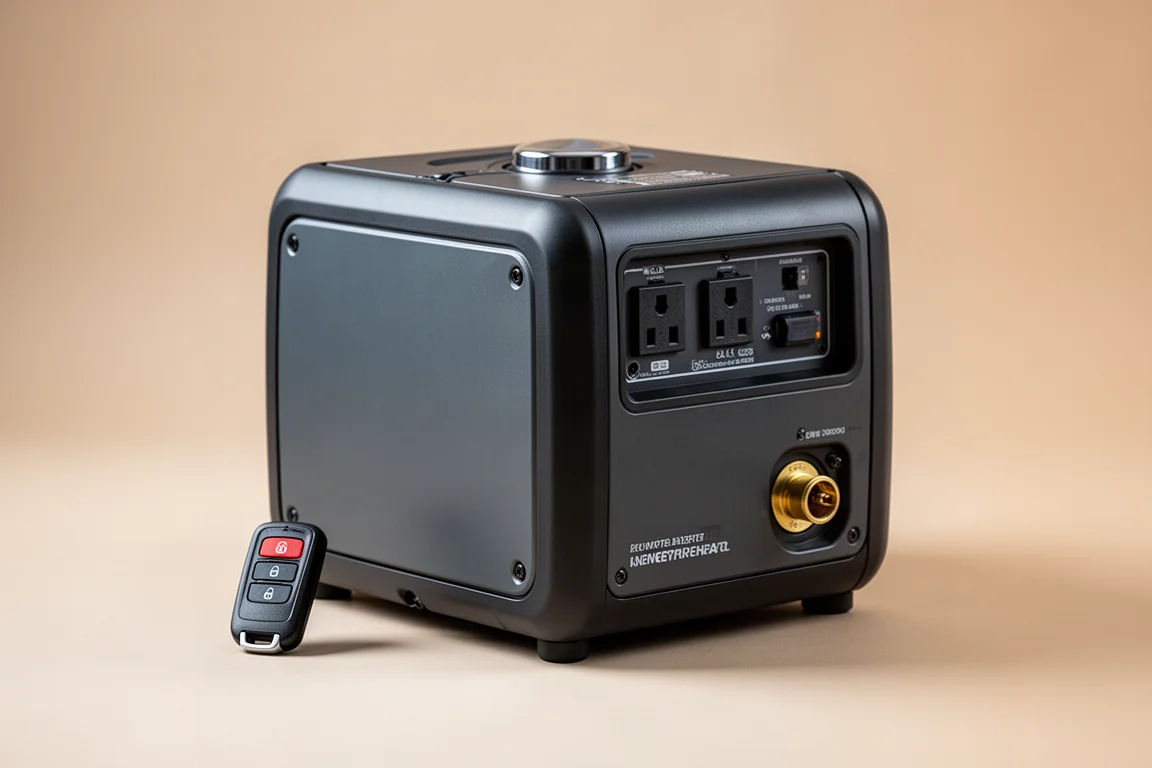
The GenMax is the big daddy of this list. At 10,500 watts it is not single fuel or dual fuel but tri-fuel, running on gasoline, propane, and natural gas. That last option is the quiet superpower: if your house has or can get a natural gas outlet installed, you can plug the generator in directly and never worry about fuel storage or refueling trips in a storm.
The output scales down with fuel type, as it does on every multi-fuel unit: 10,500 starting and 8,500 running on gas, 9,500 starting and 8,000 running on propane, and 8,400 starting and 6,800 running on natural gas.
The panel covers nearly everything: electric start, fuel selection, LPG inlet, a 12V cigarette-style DC output, low and high idle, four 20-amp household outlets, a 30-amp 110/220 twist-lock, a 50-amp 110/220 outlet, breakers, remote start, and parallel connections. The only real negatives are the two-wheel wheelbarrow form factor and the brand itself: GenMax is a value name, often confused with Generac because of the similar colors, but it is a separate company that has been around for a while. Long-term track record at this size is limited, which is worth weighing against the very attractive fuel flexibility.
Sure Can 5 Gallon Gas Can
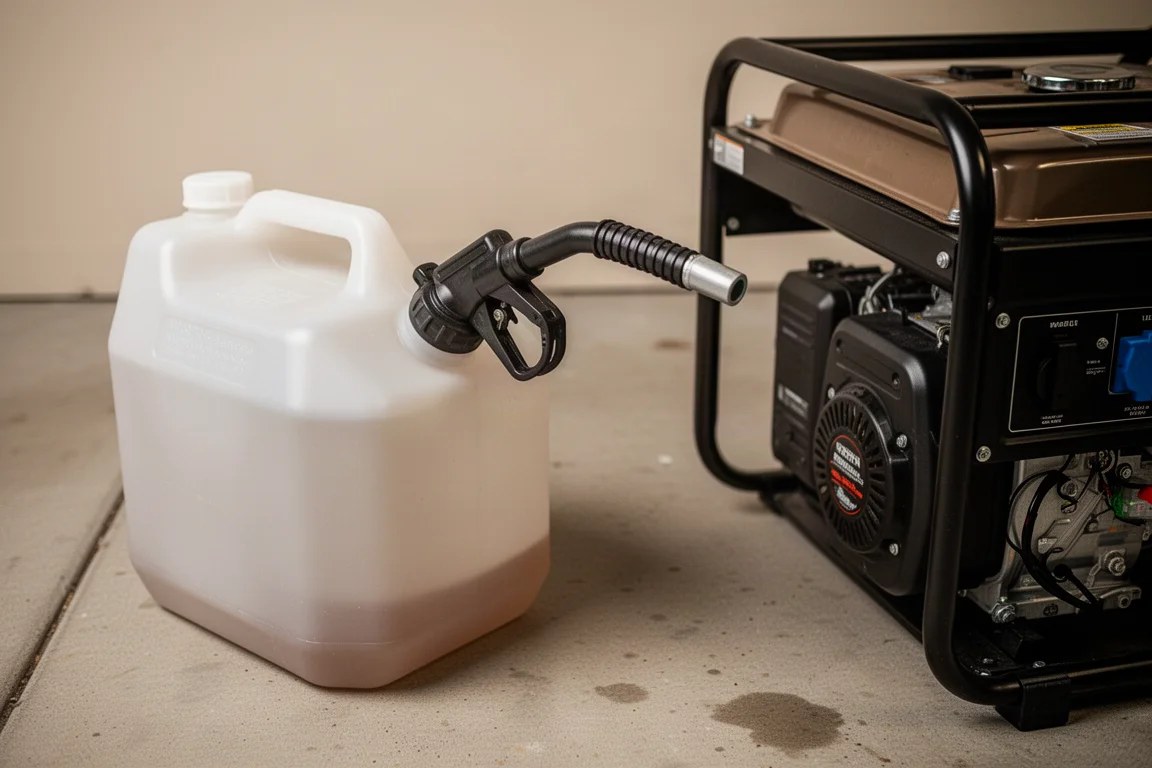
No generator is much good without a sane way to get fuel into it, and the Sure Can 5 gallon is the easiest gas can you will ever use. Fold the nozzle down, pull the handle, and fuel flows smoothly with no splash and no wrestling.
Some early complaints mentioned the pivot mechanism breaking, but that does not match long-term experience: this can has been in regular use for nearly two years with no issues, and plenty of other users report the same. With roughly 4,500 ratings on Amazon and none of the classic fake-review fish-hook patterns in the feedback, this is a can people genuinely love. At $58 it is not expensive, and it is a smart pairing with any generator on this list.

Buying Advice
A few practical notes apply across the board. Run every generator well away from the house, never indoors or in a garage, and never up against the wall where exhaust can get sucked into the soffits. The CO shutoff features on these units are a backstop, not an excuse to cut corners.
Lock your generator down. Big handles make units easy to move, which also makes them easy to steal; generator theft spikes during winter storms. A cable lock or chain through the handles goes a long way.
Mind your fuel math. Propane typically costs five to ten percent of the output versus gasoline, and natural gas on the tri-fuel unit drops output further. Size the generator for the fuel you will actually run. On the parallel connection front, you can even pair generators of different brands and sizes; the parallel kit simply treats the output at the lower common rating, just make sure the kit is rated for the combined power.
Finally, price check before you buy. Retailers shift, sales come and go, and prices have been trending upward across the category.
Conclusion
The right pick depends on your priorities. Honda is the safe, expensive, long-lasting choice. Champion delivers more power, dual fuel and a richer panel for less than half the price. DuroMax and Pulsar serve budget buyers, with the Pulsar keeping the 50-amp plug and remote start. The Predator brings a proven track record and Consumer Reports backing, Aivolt adds remote-start convenience at a value price, and the GenMax 10500W tri-fuel offers the most fuel flexibility of the bunch. Whatever you choose, pair it with a Sure Can and buy it before the first storm of the season, not after.
Further reading
Related Reviews
Home Backup Power
EcoFlow Delta Pro Ultra X vs DIY Backup Power: Which System Makes Sense?
A practical comparison of a complete EcoFlow home backup system against a DIY component build, covering cost, installation effort, and real-world reliability.
Home Backup Power
Best Home Backup Power Options: Power Stations, Generators, and Standby Systems Compared
Four backup power options for outages, from portable battery stations to whole-house standby generators, with honest trade-offs and safety guidance.
Home Backup Power
Best Home Generators: Top Picks for Backup Power
From ultra-quiet portable inverter generators to a whole-home standby series, these are the generators worth considering for emergency power.