Home Backup Power
Best Home Backup Power Options: Power Stations, Generators, and Standby Systems Compared
Four backup power options for outages, from portable battery stations to whole-house standby generators, with honest trade-offs and safety guidance.
Introduction
After a severe storm with 90 mph wind gusts, the Youngstown, Ohio area saw week-long outages and impassable roads, and the people worst hit were the ones without any backup plan. Stores sold out of portable generators almost immediately, and households that missed the window were left without refrigeration, sump pumps, or a way to charge a phone.
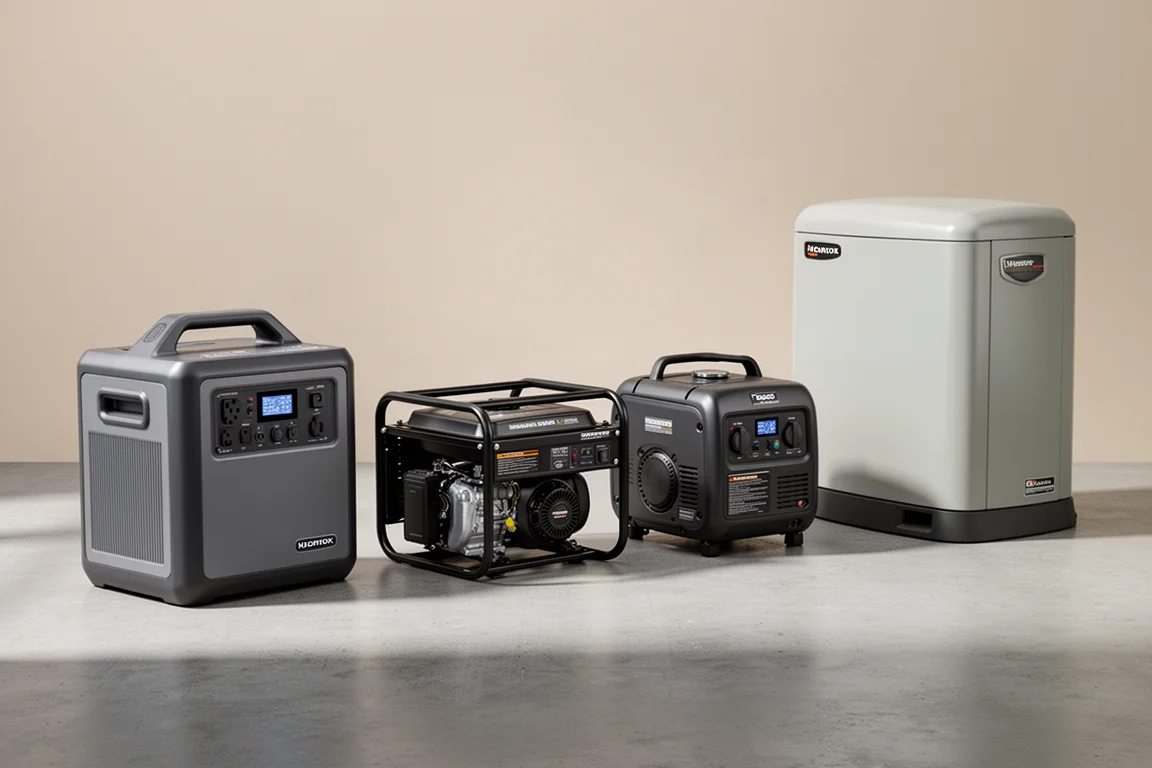
This guide breaks down the main types of backup power: portable battery power stations, portable gas generators, inverter generators, and whole-house standby systems. Each has a clear role, and the right choice depends on your budget, your home, and how you plan to use it.
Battery Power Stations: Indoor-Safe Power
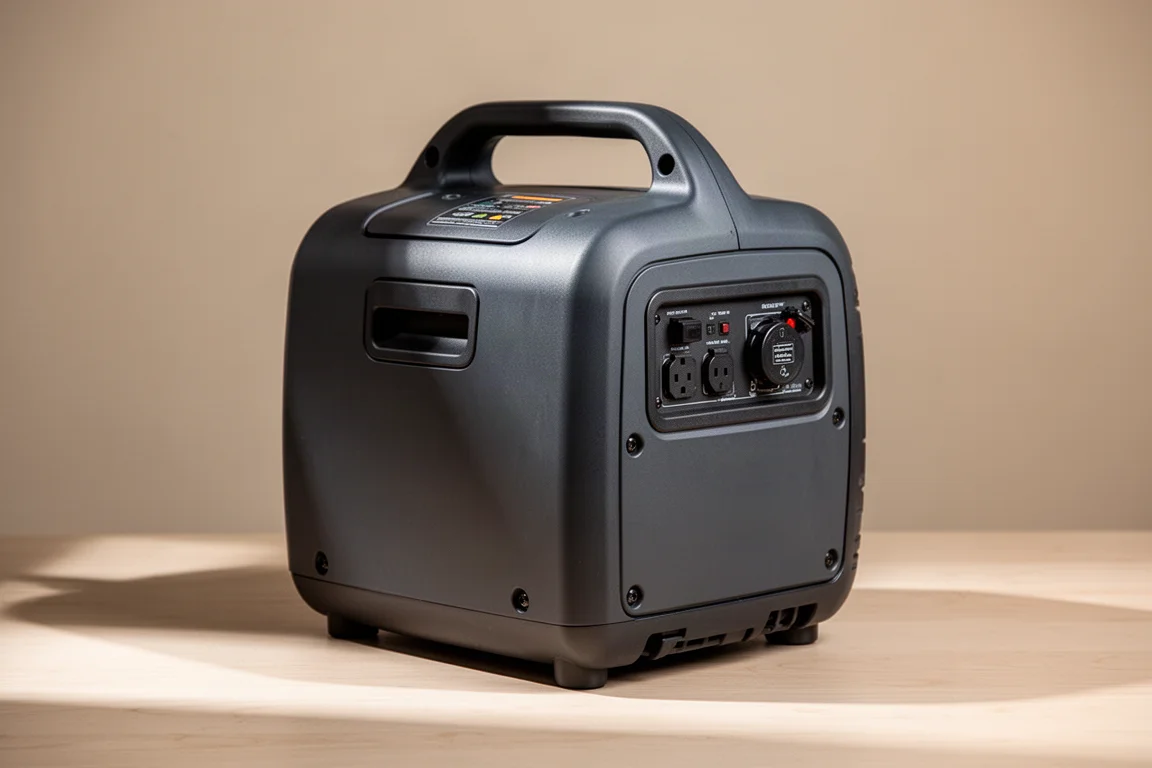
Often mislabeled “electric generators,” battery power stations are simply large rechargeable batteries with ports and outlets. They produce no fumes, no carbon monoxide, and almost no noise beyond an occasional cooling fan, which makes them the only option here that is genuinely safe to run indoors, in a kitchen or living room.
That indoor safety matters in real emergencies. A power station can keep a refrigerator or freezer running for hours on end, power a Wi-Fi router, charge phones and laptops, and even run a sump pump directly. One household with a flooding basement ran its sump pump from a battery station for hours and avoided a disaster. Many units can also be recharged with solar panels, which is a genuine lifeline when roads are blocked and crews cannot reach your area.
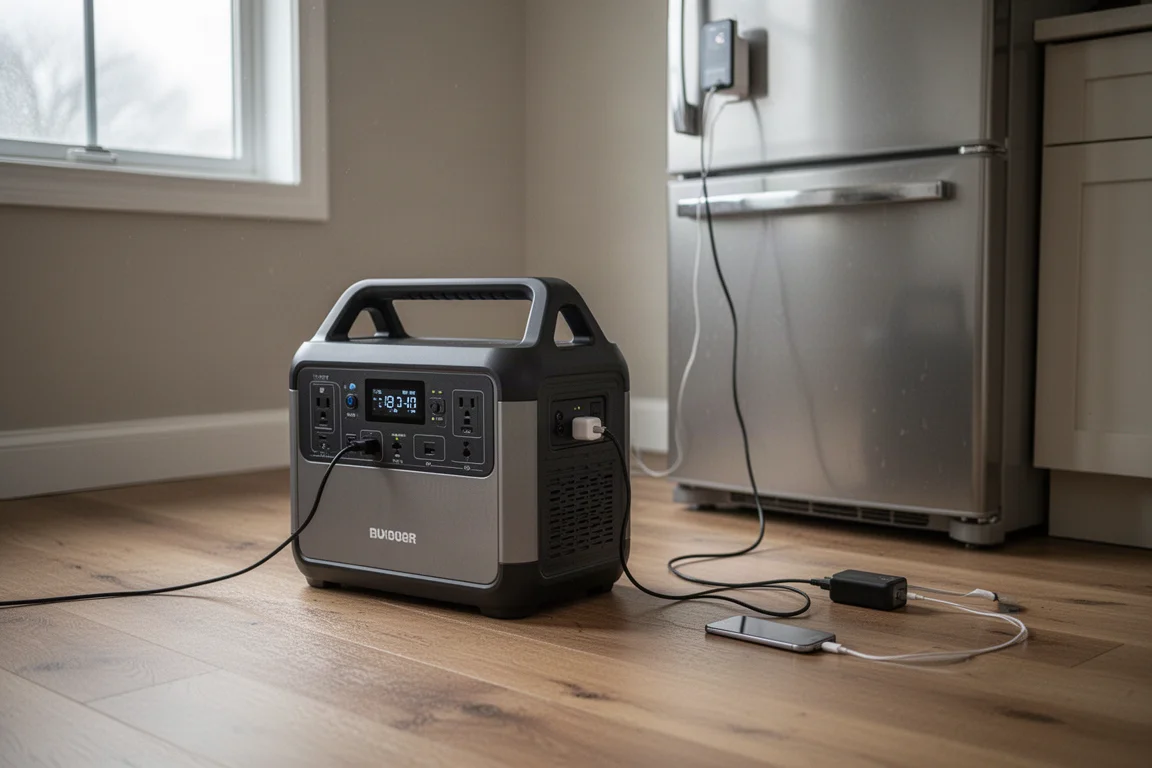
The trade-offs are capacity and cost. A small unit drains quickly and powers less; only very large and very expensive models can run a whole home, and only the high-end ones can connect to an inlet switch on the side of your house. Most buyers should treat these as short-outage backups for critical loads rather than whole-home solutions.
The Anker F3800 sits at the top of this category. It is large enough to run an entire house and has proven capable of doing so, making it the strongest pick if your goal is near-full-home coverage from a battery.
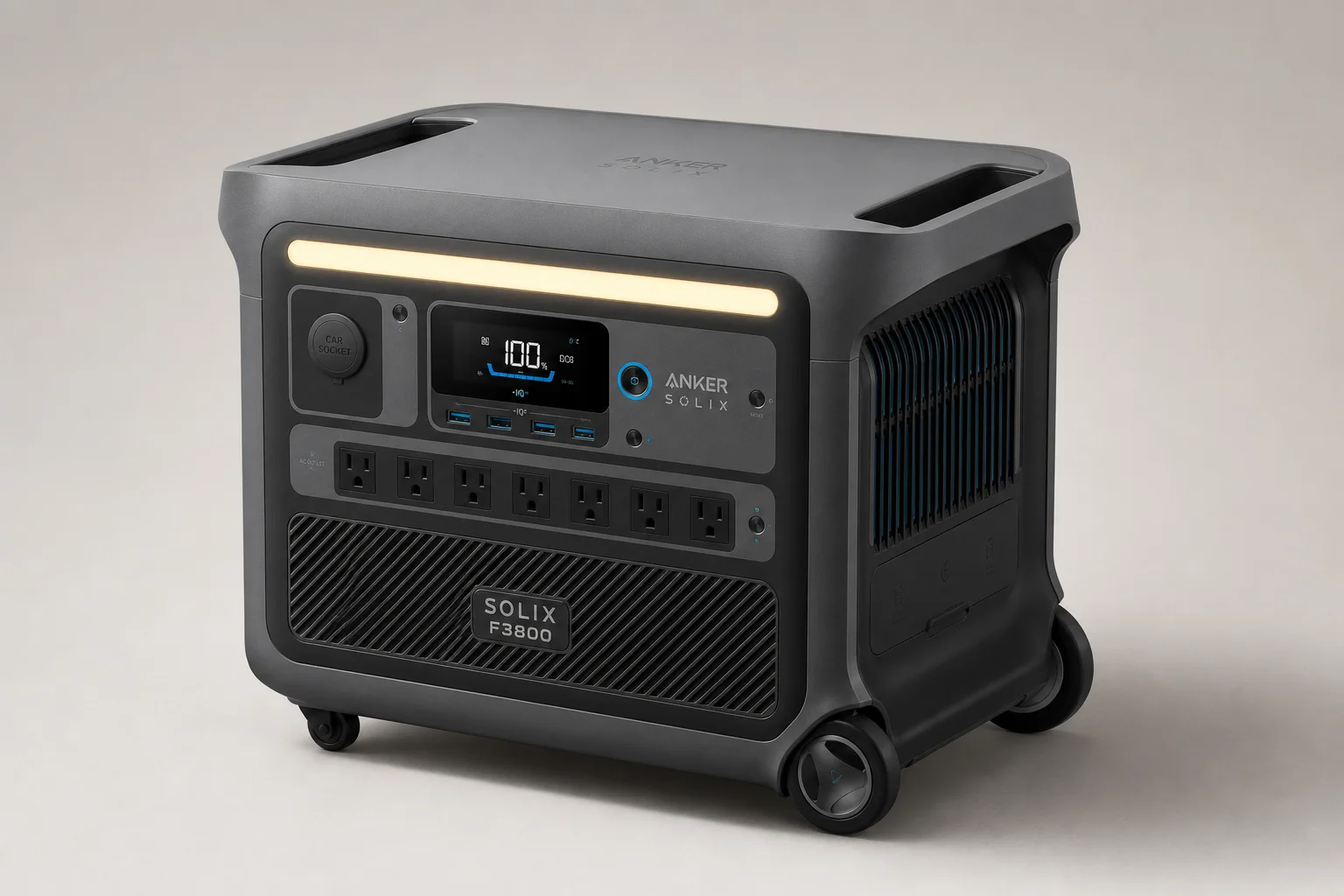
Whichever brand you choose, stick with established names. Brands such as Bluetti, Anker, Jackery, and EcoFlow have been tested by millions of users and have held up well. Avoid no-name units from unknown marketplace sellers.
Portable Gas and Inverter Generators
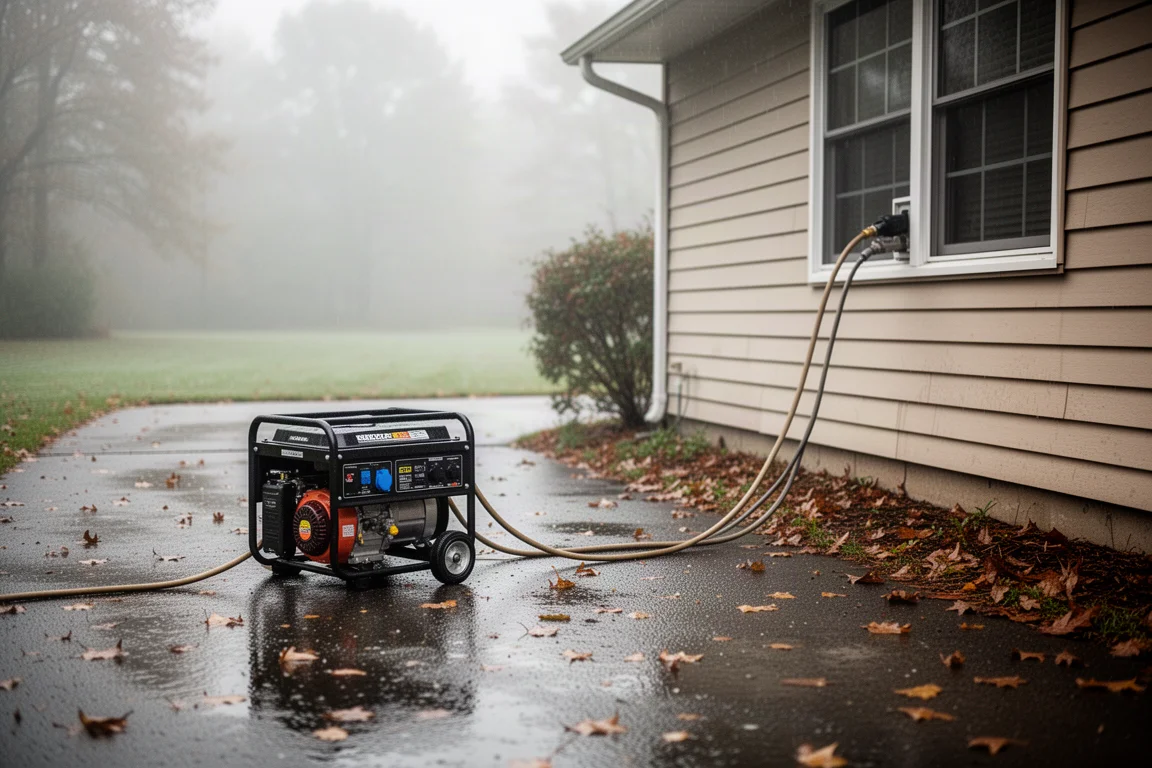
Gas generators remain the workhorse option for multi-day outages. Run in the driveway with extension cords, they can power refrigerators, Wi-Fi, and lamps for days as long as you have fuel. Many are dual-fuel, running on both gasoline and propane.
If you want more, install an inlet switch wired to your main electrical panel. Done correctly, it lets a properly sized generator run your entire house, including the dishwasher, washing machine, dryer, and air conditioning. This involves safety codes and should never backfeed the line, so hire a professional if you are not confident with electrical work.
Safety is non-negotiable with any fuel-burning generator. The exhaust produces carbon monoxide, which can be fatal indoors, so the unit must always run outside, never in a garage, and at least 15 to 20 feet from the house, away from windows. Exhaust heat is also a real hazard: units placed too close have melted siding, so give them clearance even if they sit outside.
When buying, prefer an inverter generator over a plain conventional model. Cheaper generators can produce surging power, and the flickering lights you see are a sign of fluctuating output that can fry laptops, PCs, and other electronics. Inverter generators regulate output to a single clean current, making them much safer for electronics. They are also quieter, and a quiet unit matters if you do not want to keep yourself, your kids, and your neighbors up all night. Check the listed wattage, voltage, and noise level in the product description before buying.
Ryobi Portable Generator
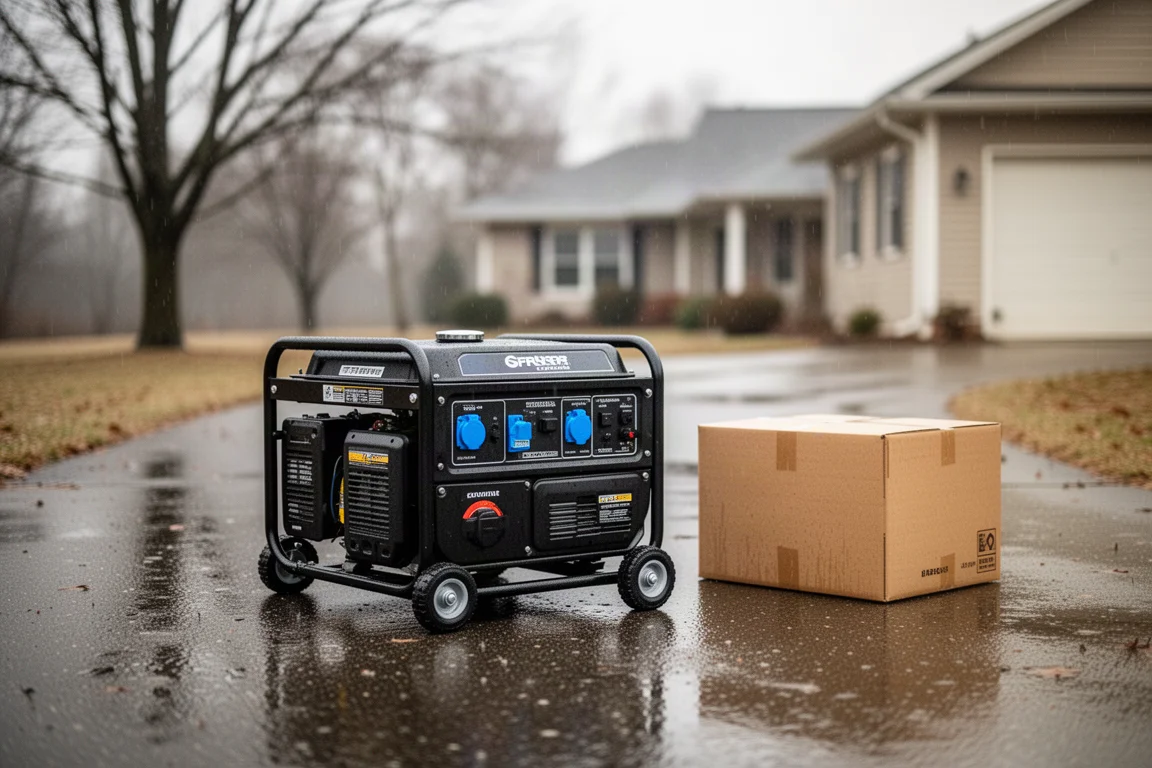
The Ryobi portable generator stood out after the recent storm for a simple reason: it was everywhere. Home after home had the same unit, many so newly purchased that the boxes were still sitting on the front lawn. It has become a common first choice for households scrambling after an outage.
That popularity says something useful: it is available at mainstream retailers and is a reasonable conventional gas generator for the basics. Along with brands such as Champion and Westinghouse, Ryobi sits in the group of units that are fine to buy from established stores. Just remember the fundamentals: keep it outside, away from windows and siding, and run a long enough extension cord inside.
Predator Inverter Generator
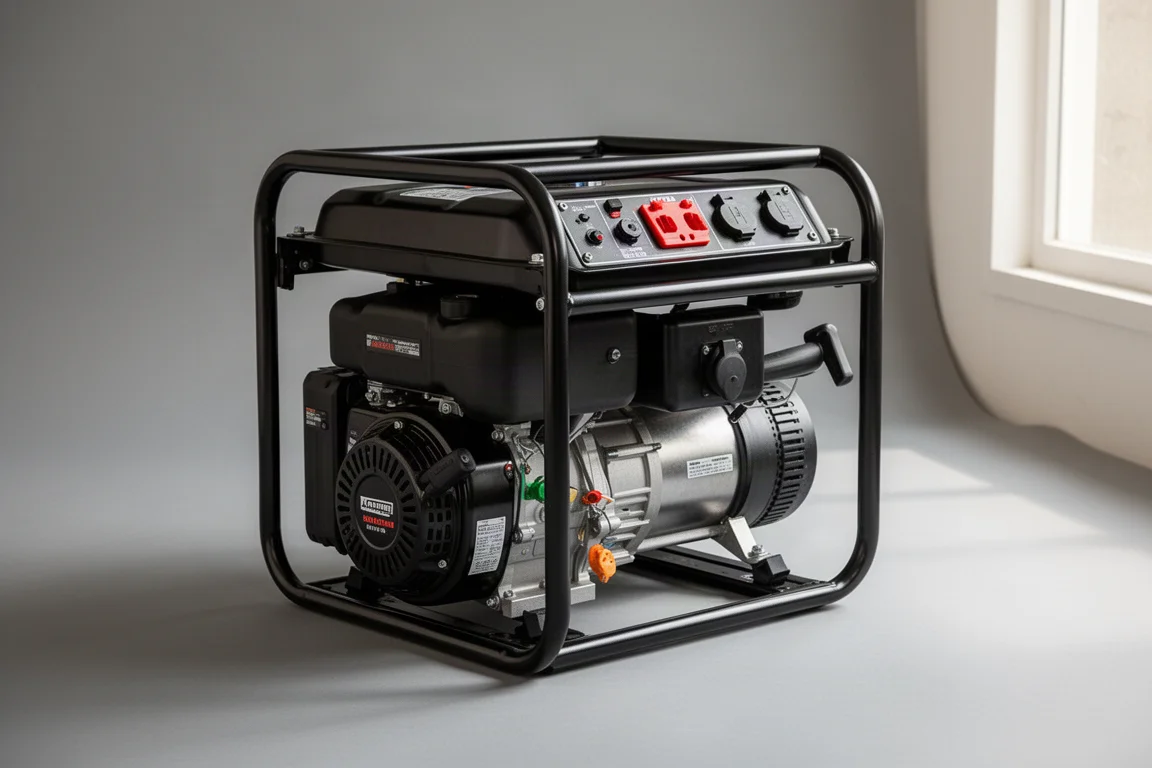
The Predator inverter generator from Harbor Freight is a solid value pick if you want inverter-grade clean power without a premium price. It runs quietly on low settings, is easy to maintain, and delivers the stable output that inverter technology provides for electronics.
There is one known weakness: the starter switch. If it has not been revised, these switches have failed within the first month of ownership, and replacing the switch may fall on you. With basic DIY skill, the replacement is straightforward and not a major issue, but buyers should go in aware of it.
Generac Home Standby Generator
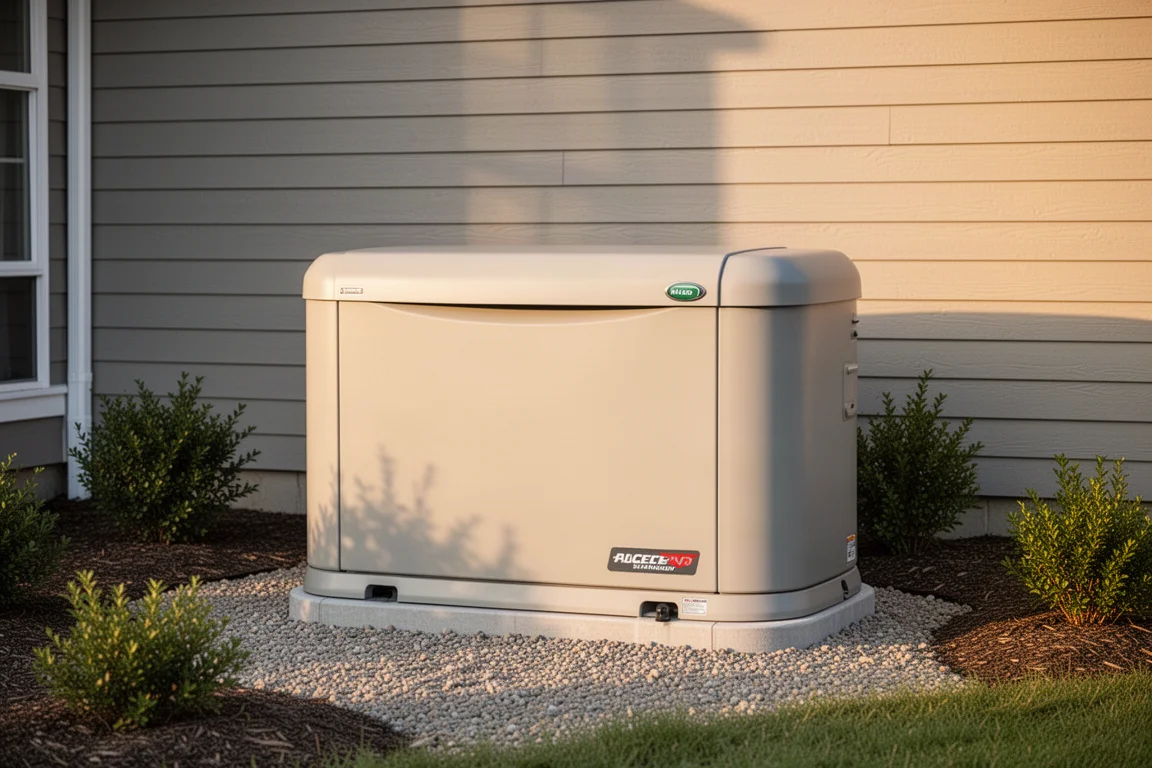
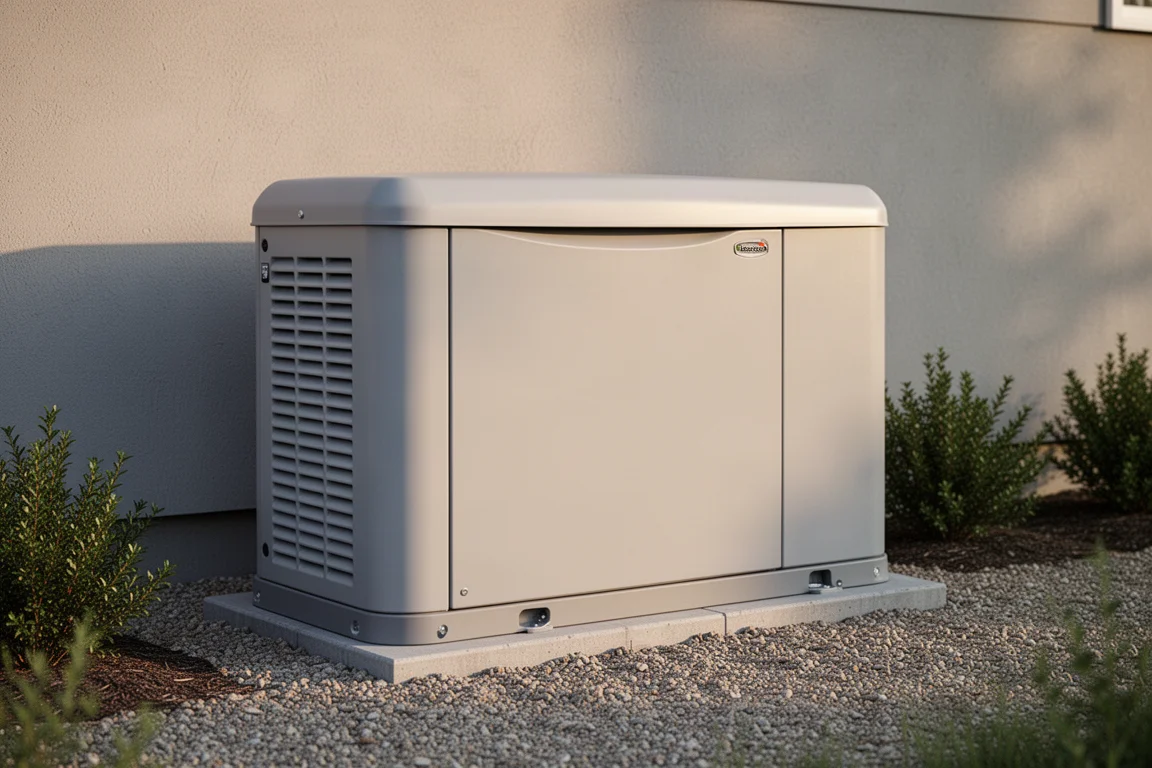
The Generac home standby system is the set-and-forget option. Installed by professionals on a pad beside your house and wired into a fuel line, usually natural gas or propane, it detects an outage and kicks on automatically, then shuts down when grid power returns. It is relatively quiet for a generator, safe for electronics, includes a phone app that alerts you when it activates, and runs a monthly self-test to confirm the system is ready.
The downsides are cost and commitment. These systems run into the tens of thousands of dollars, and the purchase price is not always the whole story. One owner found his air conditioner tripped the system because it drew too much power, requiring an additional soft-start device the installer had not mentioned up front. These units also need regular professional maintenance, similar to a furnace or AC, and the cabinet is permanently visible outside your home, however neatly it can be landscaped around.
Overall Buying Advice
Match the solution to the problem you actually need solved:
- Short outages, critical loads: a battery power station for the fridge, Wi-Fi, and phone charging. Safe indoors, but limited by capacity and price.
- Multi-day outages, whole house on a budget: a quiet inverter generator with an inlet switch, plus stored fuel. The overall best value for most homes.
- Zero-effort whole-home coverage: a standby system like Generac, if the budget allows and you accept the installation and maintenance costs.
Whichever route you take, maintain it. Start gas generators once a month and keep fuel fresh. Keep battery stations at least at 50 percent charge so they do not drain down. The time to discover a dead backup is not the night the grid goes down.
Conclusion
There is no single best backup power solution, only the best fit for your situation. Battery stations are the only indoor-safe choice and make a great supplement. Gas inverter generators offer the best balance of cost, runtime, and capability for most households. Standby systems like Generac deliver full automation for those with the budget. Buy before the storm, not during it, and use every fuel-burning unit outdoors, well away from windows and siding.
Further reading
Related Reviews
Home Backup Power
EcoFlow Delta Pro Ultra X vs DIY Backup Power: Which System Makes Sense?
A practical comparison of a complete EcoFlow home backup system against a DIY component build, covering cost, installation effort, and real-world reliability.
Home Backup Power
Best Home Backup Inverter Generators: 8 Picks for Storm Season
From Honda's premium 7000W unit to a tri-fuel 10500W giant and the gas can that pairs with any of them, here are eight practical picks for home backup power.
Home Backup Power
Best Home Generators: Top Picks for Backup Power
From ultra-quiet portable inverter generators to a whole-home standby series, these are the generators worth considering for emergency power.