Portable Power Stations
EcoFlow Delta 3 Pro vs Delta 2 Max vs Delta 2: Which Power Station Fits Your Use Case?
EcoFlow's new flagship Delta 3 Pro is impressive but niche. We compare it against the Delta 2 Max and discounted Delta 2 to help you match capacity, weight, and price to how you actually use portable power.
Introduction
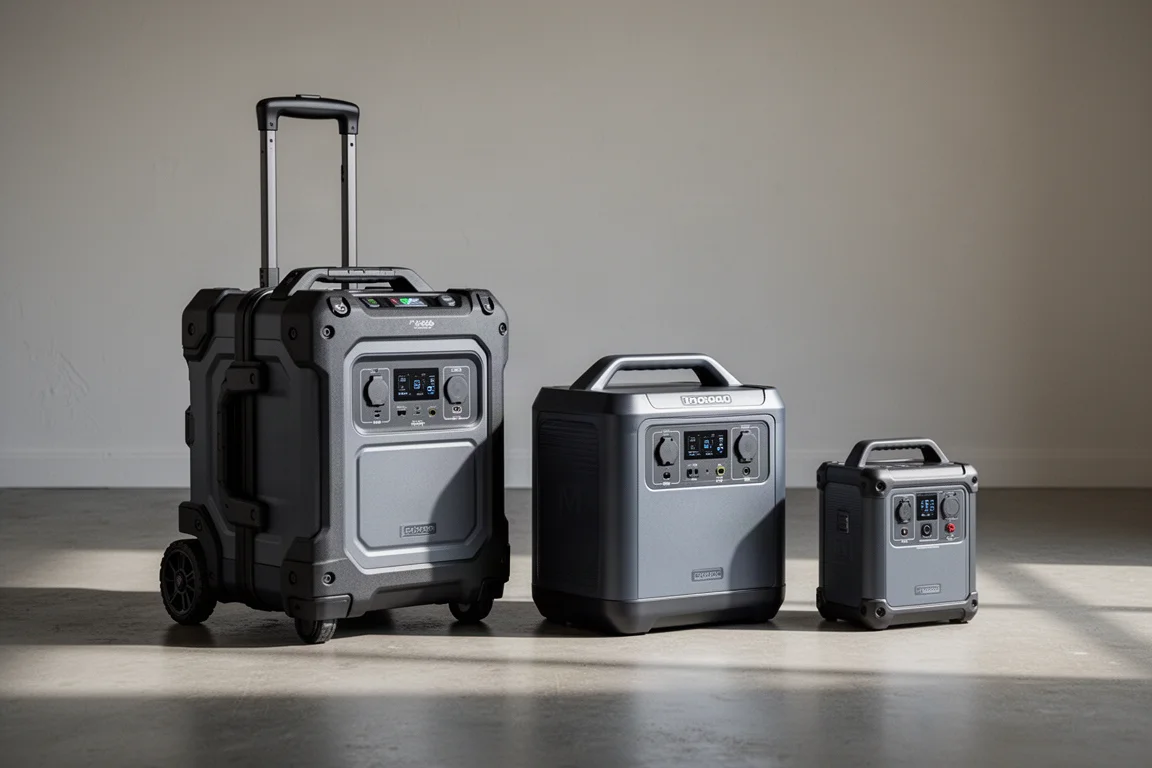
EcoFlow has refreshed its flagship portable power station line with the Delta 3 Pro, a completely redesigned top-of-the-line unit that kicks off the new three series. After spending real time with it, the honest takeaway is this: it is an incredible unit, but it is also a niche one. Buying it for the wrong use case is the main risk, because this is not an everyday grab-and-go battery.
To put the choice in perspective, this comparison also covers the Delta 2 Max, the unit many owners reach for most often, and the smaller Delta 2, which is currently heavily discounted.
Who the Delta 3 Pro Is Actually For
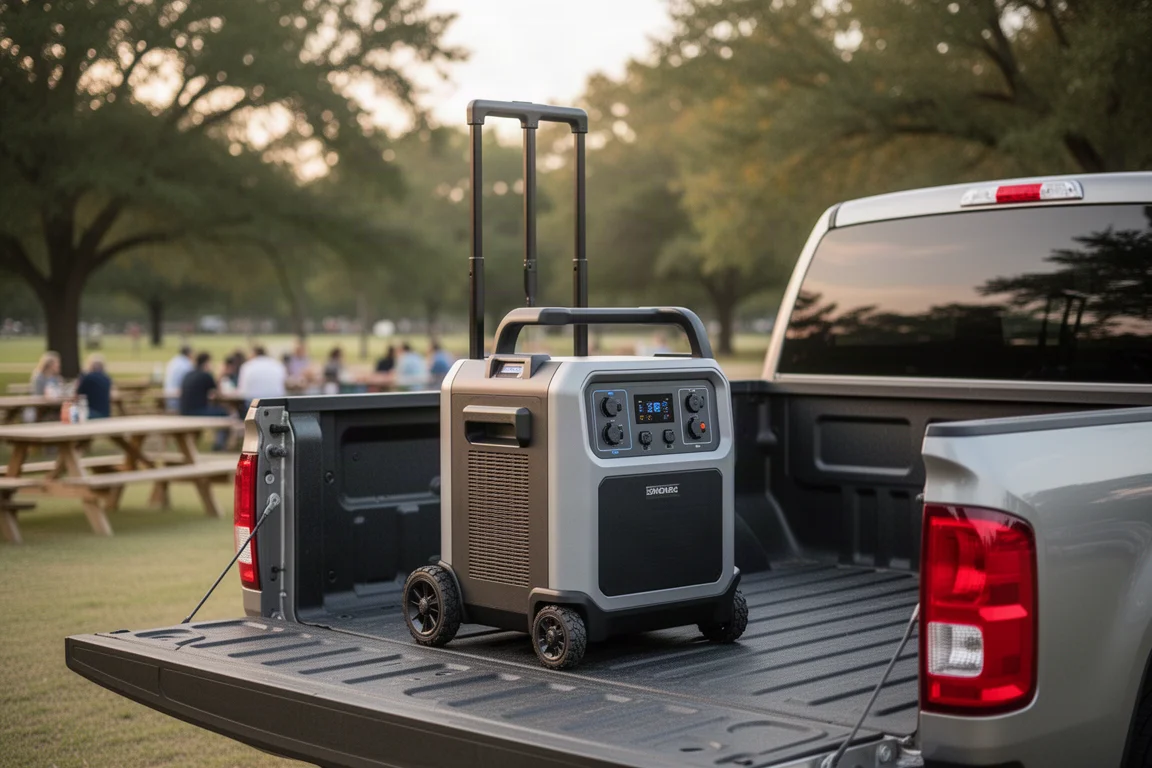
The Delta 3 Pro is portable-esque rather than truly portable. It weighs well over 100 pounds, though an extendable luggage-style handle and rear wheels make moving it manageable. It is not something you want to lug around for a casual weekend trip. Where it shines is semi-permanent or event-style use: RV and camper power, week-long camping trips, food trucks and all-day events, or home emergency backup.
It is also highly expandable. You can attach additional batteries and hook up substantial solar input, which makes it a strong foundation for a larger home backup setup. The realistic pattern is that it stays somewhere most of the time and gets moved occasionally.
View more details for EcoFlow Delta 3 Pro
Port Selection and Everyday Limits
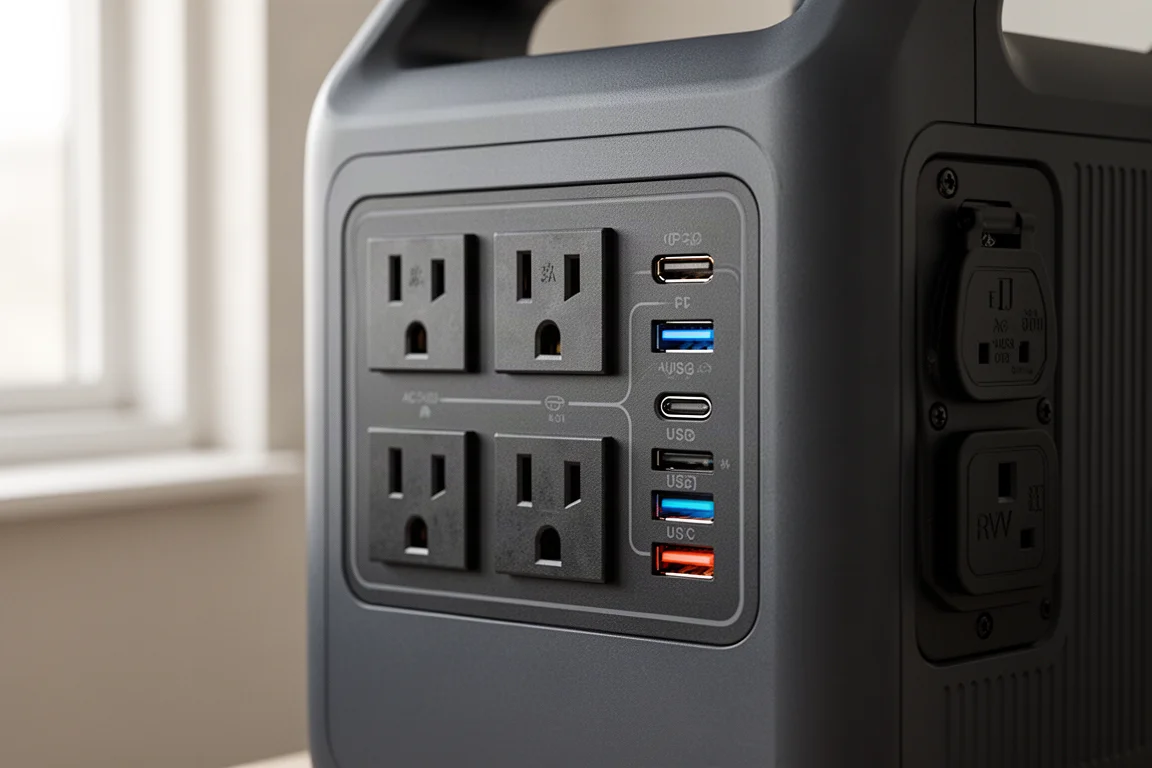
Here is where the Delta 3 Pro feels limiting for smaller jobs. You get four standard 120V outlets plus higher-voltage outputs, a 30-amp RV plug on the side, and solar input. USB coverage is two USB-C and two USB-A ports, which is perfectly acceptable but modest for a unit this size.
The specs are serious: around 4,000 watt hours of capacity, a boost mode that pushes output roughly 1.5 times above rated output, which is far more headroom than a typical gas generator offers. On 240V it can deliver up to 3,600W. For buyers plugging into a house or RV, that power is the point; the four 120V sockets are almost a bonus.
At roughly $3,700 list, with a $500 coupon bringing it to around $3,200, it is a significant investment. For occasional-use scenarios, that price, weight, and capacity can feel like overkill.
View more details for EcoFlow Delta 3 Pro
Why the Delta 2 Max Is the Everyday Pick
The Delta 2 Max is essentially half the Delta 3 Pro in most respects, and for many people that is exactly the right size. It offers around 2,000-plus watt hours of capacity, boost mode output just over 3,000W, and it weighs about 50 pounds, a little less than half the flagship. List price sits around $1,900, roughly half as well.
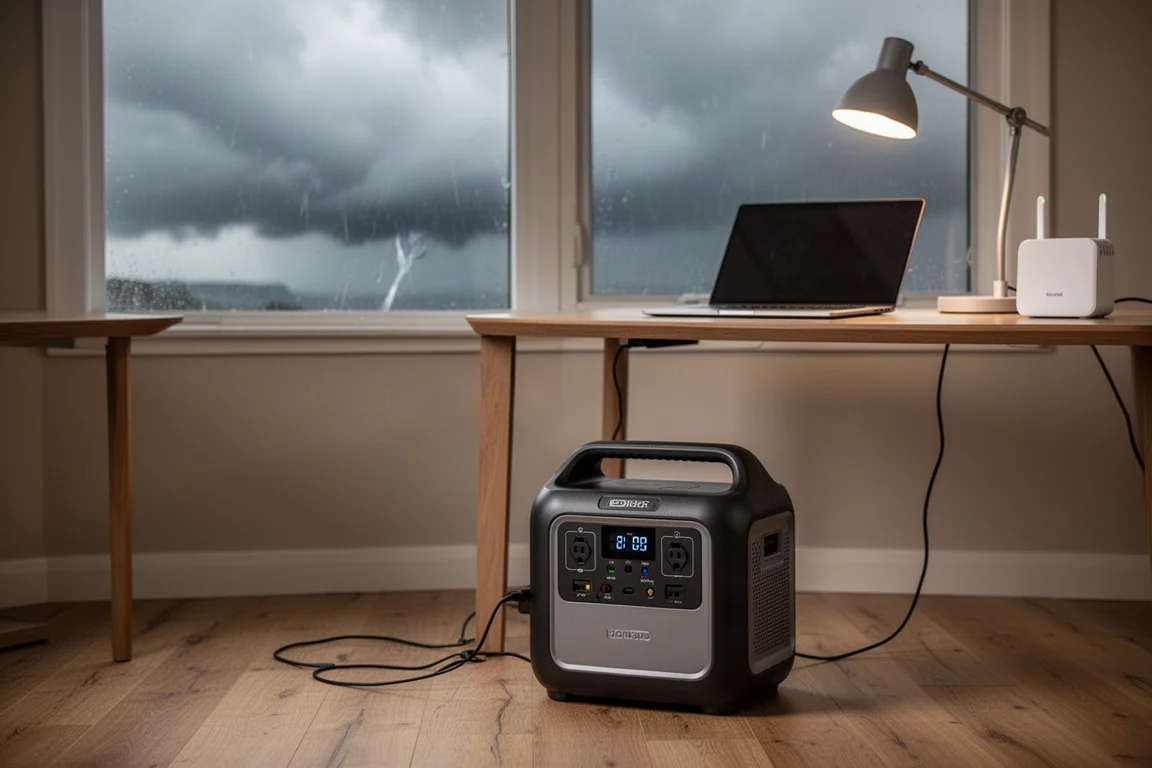
It has five 120V outlets plus a generous set of USB ports, which makes daily use far more convenient. It has proven itself through a storm-heavy season: with devices running through it, an outage came and went without notice, and it recharged from the wall automatically once power returned.
The Delta 2 at a Deep Discount
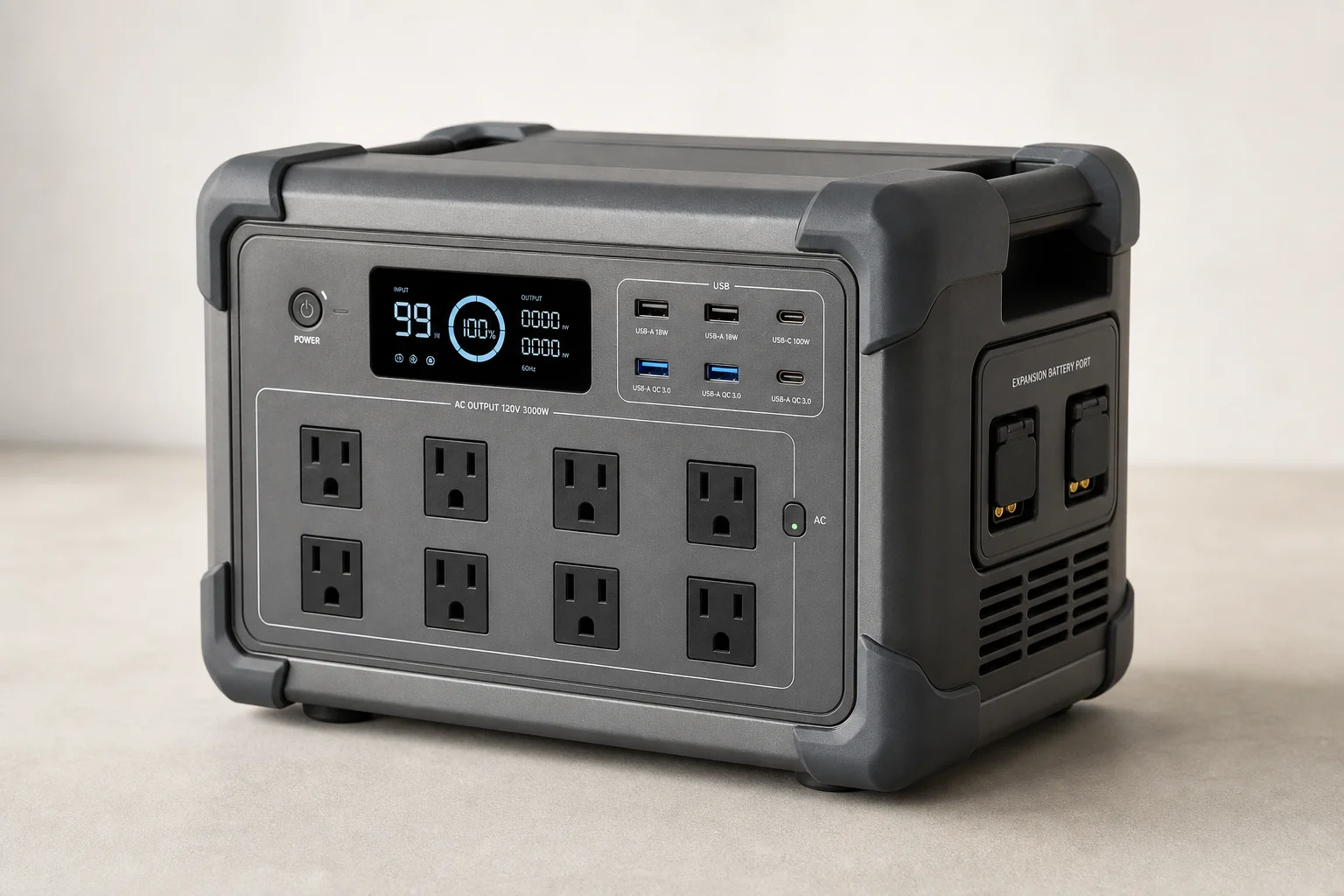
If your needs are smaller, the Delta 2 is currently on sale for $1,300. The context matters: a Delta 3 series is rolling out, so the Delta 2 line is being cleared out. That makes this a genuinely good value window for anyone whose use case fits a compact unit, such as day trips or tossing in the car.
It uses LFP battery chemistry, and while its capacity and output are well below the larger models, that is precisely the point. Not everyone needs 4,000 watt hours.
Emergency Power: Electric Plus Solar Beats Gas Alone
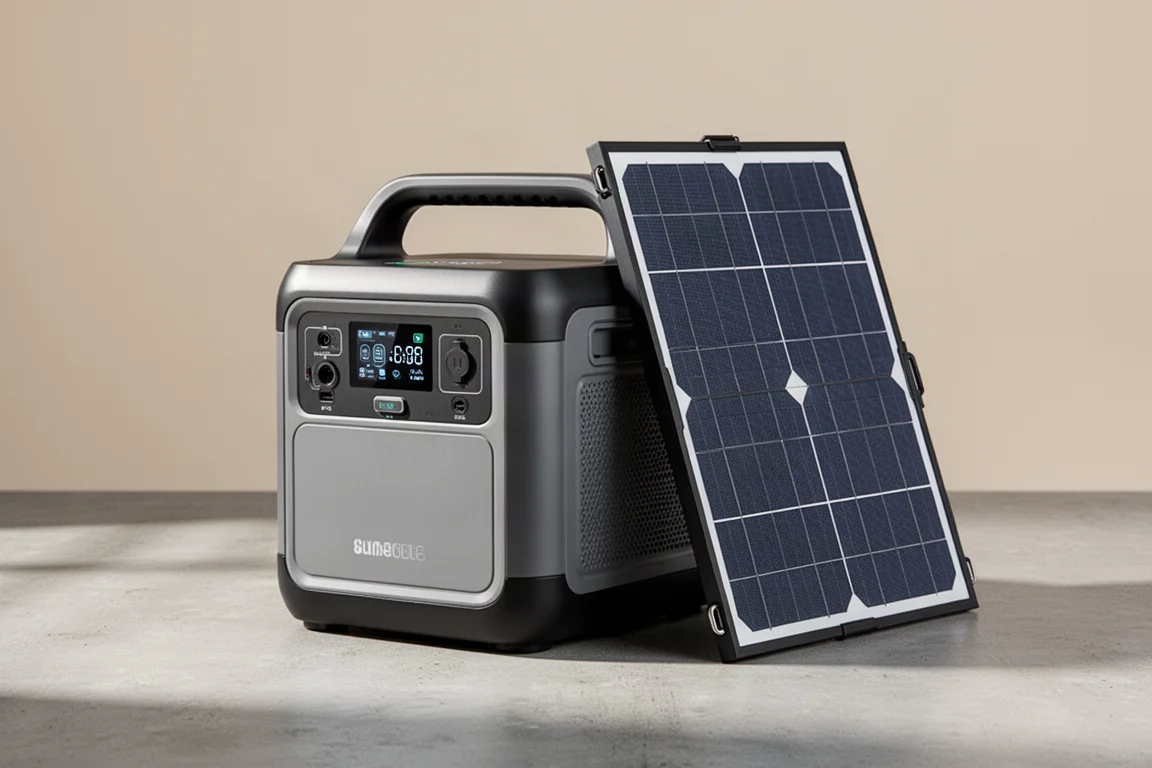
Gas generators have long dominated the emergency power conversation, but recent hurricane seasons have exposed a real weakness: when the grid is down for miles, gas stations cannot pump fuel. Some areas went three to five days without access to gas after major storms.
Battery-based power paired with solar sidesteps that problem entirely. Once the storm passes, solar input keeps recharging the station indefinitely. For full coverage, a combination of gas and electric storage remains the most resilient setup, but electric plus solar is far easier to live with and to store than refined fuel, which degrades over time.
Buying Advice
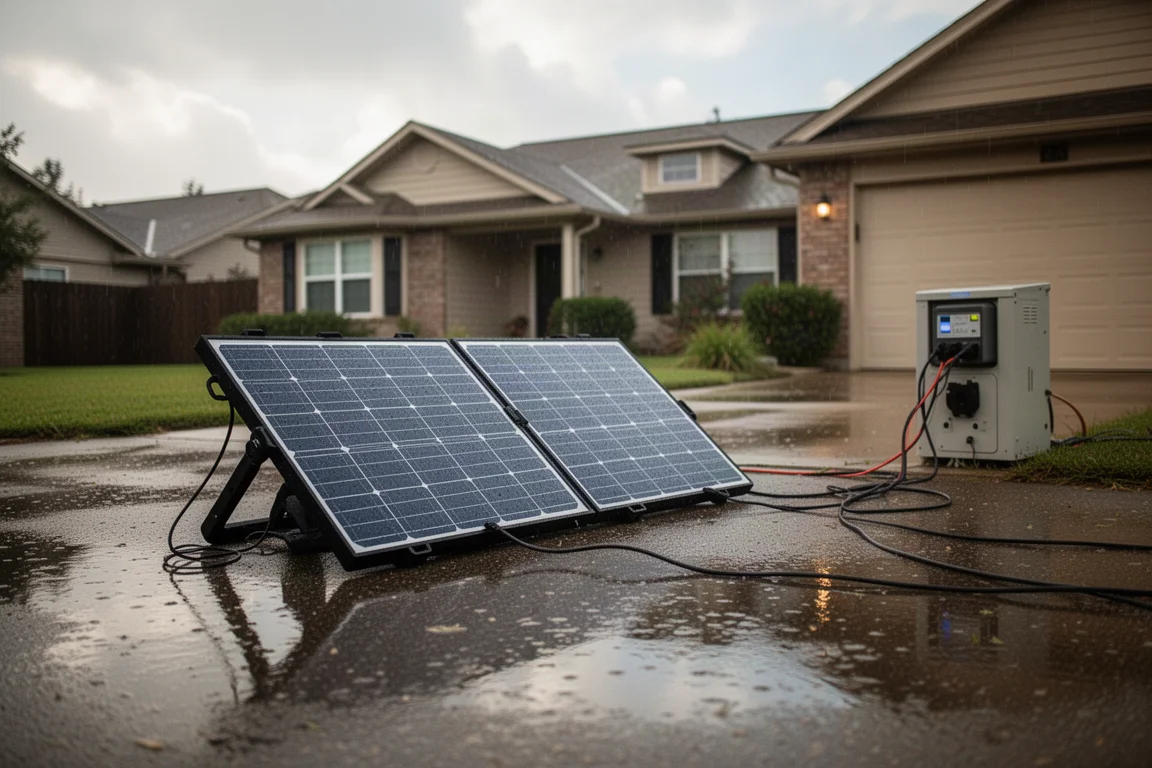
Match the unit to the use case. If you want semi-permanent home backup, RV power, or all-day event power with room to expand, the Delta 3 Pro at around $3,200 with the current coupon is a compelling flagship. If you want something you will actually move and use regularly, the Delta 2 Max at around $1,900 is the more practical pick. And if you mainly need compact power for days out, the discounted Delta 2 at $1,300 is hard to beat right now.
Conclusion
The Delta 3 Pro is a niche solution, and within that niche it is excellent: massive capacity, expandability, and strong solar support make it ideal for emergency and event power. The Delta 2 Max remains the workhorse most people will genuinely enjoy owning, and the discounted Delta 2 covers the light end. Choose by use case, not by spec sheet, and none of these will disappoint.
Further reading
Related Reviews

Portable Power Stations
Anker SOLIX F3000 Review: A Powerful Portable Power Station With a Few Design Quirks
The Anker SOLIX F3000 delivers strong performance, fast charging, and a competitive price, but a few design choices may give you pause.

Portable Power Stations
EcoFlow Delta 3 Series: Five New Power Stations Previewed
EcoFlow expands the Delta 3 lineup with five models, from the compact Classic to the flagship Ultra Plus. Here is what each one offers.
Portable Power Stations
Oscal Power Max 6000 Review: A Large Solar Generator With Real Trade-Offs
A week of off-grid use shows what the Oscal Power Max 6000 handles well, where it falls short, and when a fuel generator still makes more sense.