E-Bike Conversion Kits
Eagor Electric Wheel Set Review: A Carbon Road Bike Conversion Kit Under the Microscope
A carbon electric wheel set that turns a road bike into an e-bike, with strong ride feel, a real range test, and one serious unresolved problem.
Introduction
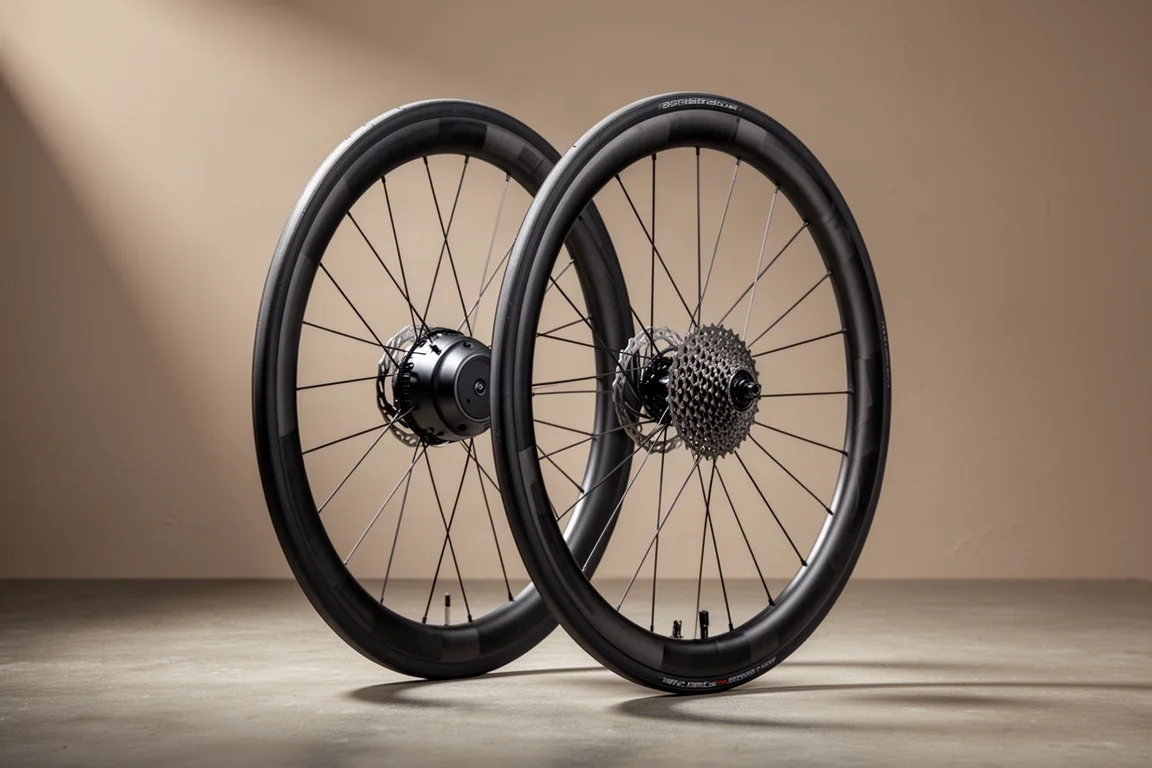
The Eagor electric wheel set is an unusual proposition: a carbon road bike wheel set where the rear wheel houses a motor, paired with a battery that mounts where a bottle cage would normally sit and a head unit that handles power settings. The idea is to convert a road bike you already own rather than buy a dedicated e-bike.
It arrives as a complete kit, including rotors and cabling, and it is priced at just under €2,000 according to the manufacturer’s website. First impressions of the hardware were genuinely positive: the rims are carbon, the finish is to a high standard, and installation turned out to be far simpler than expected.
The ride quality also impressed. Power delivery felt smooth and proportional, the system was quiet, and the bike felt rapid in a way that made the assist easy to enjoy. But a serious fault appeared once the battery ran flat, and that single issue currently outweighs everything else. This review covers what the kit does well, what it demands of your bike, and why a purchase decision should wait.
Who This Kit Is For
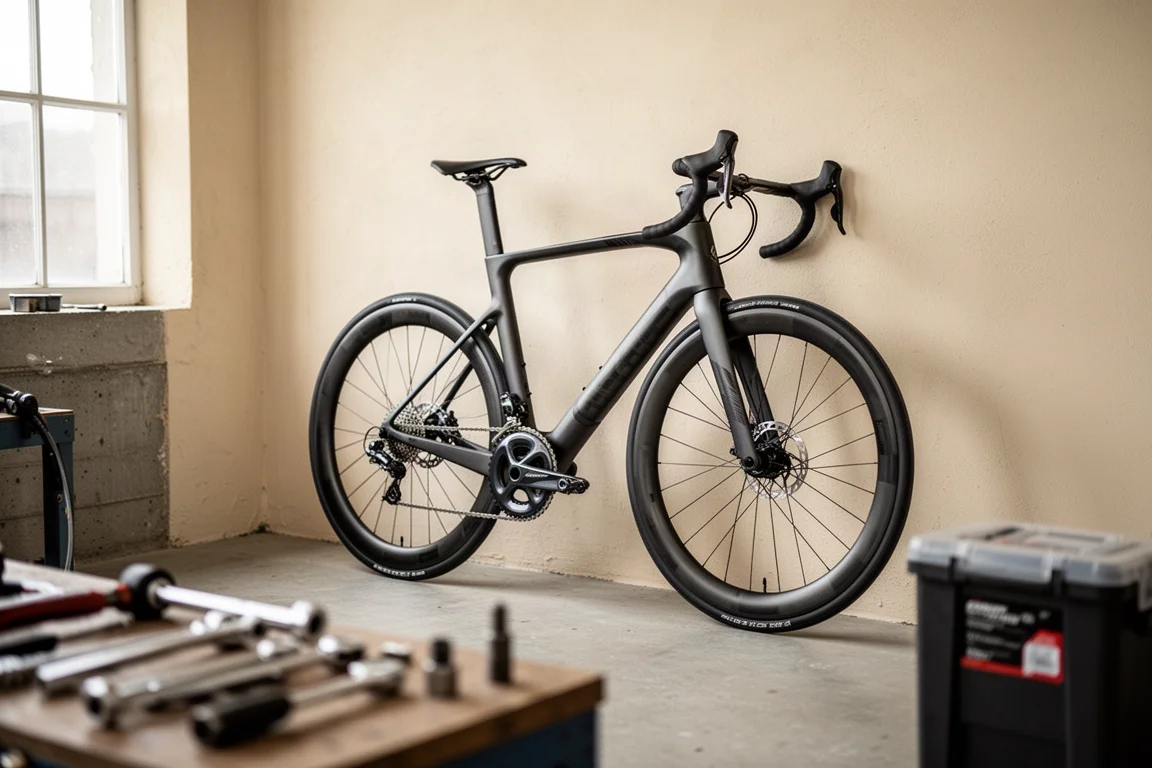
This kit is aimed at riders with a reasonably modern road bike, specifically one with through-axle dropouts, since the supplied wheels are through-axle. It is clearly intended for higher-end bikes: the carbon rims and the general level of finishing suggest the manufacturer expects this to sit on a bike where mismatched wheels would be an obvious downgrade.
That focus shows up in the details. The kit includes its own branded rotors, and the head unit ships with both a handlebar mount and an under-stem mounting option, which is a thoughtful accommodation for riders running aero cockpits where a round bar clamp will not fit. It is also worth noting up front that the rotor mounts are six-bolt only, and that fitting this kit to a carbon frame raises warranty questions that any owner should take seriously before starting.
Riders who want a factory-built e-bike, or who value a fully documented, warranty-backed upgrade path, are not the natural audience here. This is a kit for someone comfortable doing their own fitting and prepared to accept the compromises that come with a retrofit.
Main Strengths: Carbon Build Quality and Installation
The wheels themselves made a strong first impression. The rims are carbon, notably firm, and built to a wide, modern profile. Rim tape came pre-installed and looked properly done, which is a small thing that says something about overall assembly care. The freehub is a Shimano pattern and produced a sound that was pleasant rather than obnoxious. Rotors and cabling are included, and the cabling and connectors looked consistent with the standard of e-bike hardware seen elsewhere.
Installation was one of the better surprises. With the wheels mounted, the remaining work was essentially plugging a large connector at the battery, a small connector at the battery, and a small connector at the head unit. There was no complicated wiring loom to route, and the system powered up and appeared fully charged straight away. The head unit can be set to five levels of assistance, and the under-stem mount lined up cleanly on the test bike.
The weight penalty is real and worth planning around. The bike went from 7.94 kg to 11.55 kg, an increase of 3.61 kg, and almost all of that sits at the rear wheel where the motor lives, with the battery adding mass at the frame. You can feel it when you lift the bike, and the rear end feels noticeably heavier when handling it.
Main Strengths: Power Delivery and Ride Feel
Out on the road, the system behaved better than expected. Assistance is delivered in proportion to how hard you pedal, so light input produces a small amount of help and harder efforts bring in more. That responsiveness makes the kit feel more sophisticated than a simple on-or-off boost, and it makes it easy to sit alongside another rider at a normal pace or to open a gap when you want to.
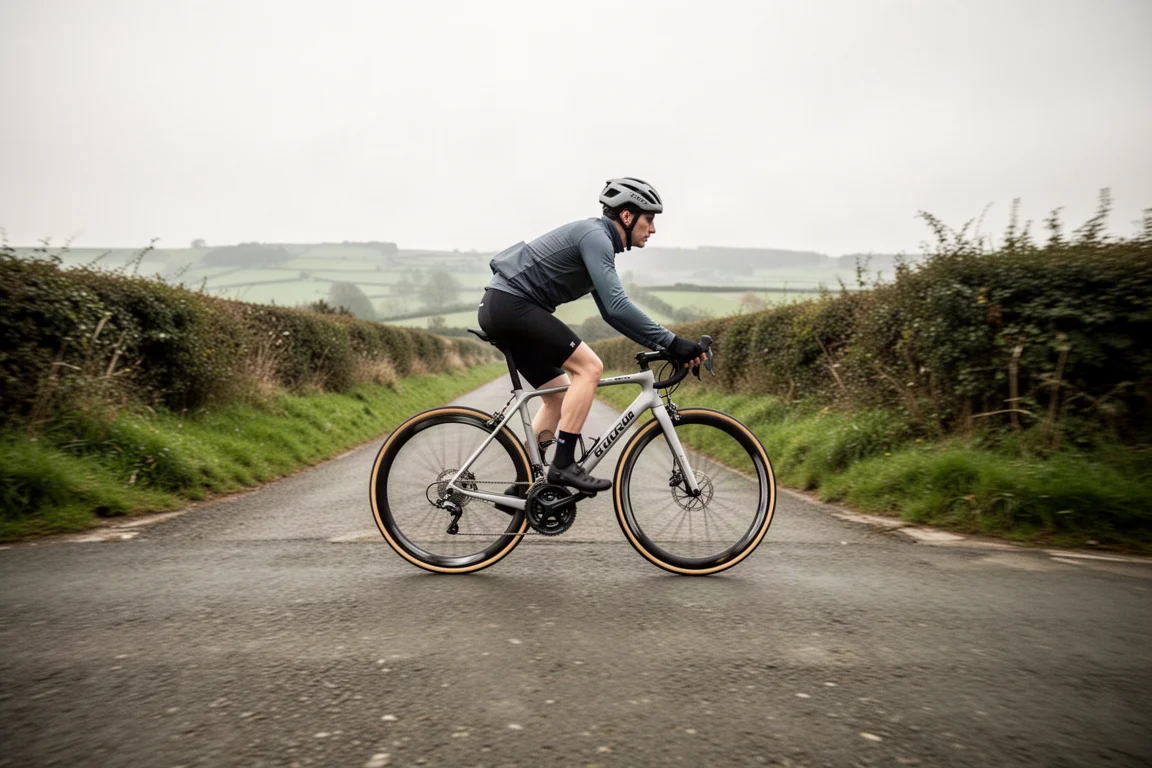
It is also quiet. Riding next to the bike, there was nothing audible that gave away the motor, which means the kit will not announce itself to the group you are riding with. The freehub stays unobtrusive as well, and the overall sensation is of riding fast rather than of being pushed along by a machine. Range settings exist for a reason, though, and running at maximum power the whole time is what drains the battery fastest.
Range in Real Riding Conditions
The range test was run on the flattest routes available, though the local terrain still contributed a meaningful amount of climbing, and the system was left on level five for the entire ride, including stops. It ran for 1 hour and 55 minutes, covering 42.2 km with 650 m of elevation.
The manufacturer’s website lists two figures, 60 km and 150 km. The shorter figure looks closer to what a rider should realistically expect at maximum assistance on undulating ground, and the longer one will depend heavily on a lower assist level, flatter terrain, and lighter rider input. Dropping to level four or even level three should extend range substantially, based on how these systems generally behave.
Considering the elevation involved, the endurance at full power was respectable, and the battery held its first bar for a long stretch before tapering. The final portion of the charge disappeared quickly, which is typical, and the system then cut out entirely. Two hours of assisted riding is a reasonable outing for many riders, but anyone planning longer days should assume they will be managing assist levels rather than leaving everything at maximum.
Things to Consider Before Buying
There are several practical points to work through before ordering. The battery bracket replaces one of your bottle cages, so you will be left with a single cage, which matters on longer rides. The rotor mounts are six-bolt only, so if your bike uses centre-lock rotors you will need to source six-bolt rotors in the correct size, and a 140 mm rear setup may require a separate adapter to mount the caliper properly. Those parts are easy to find, but they are an extra step.
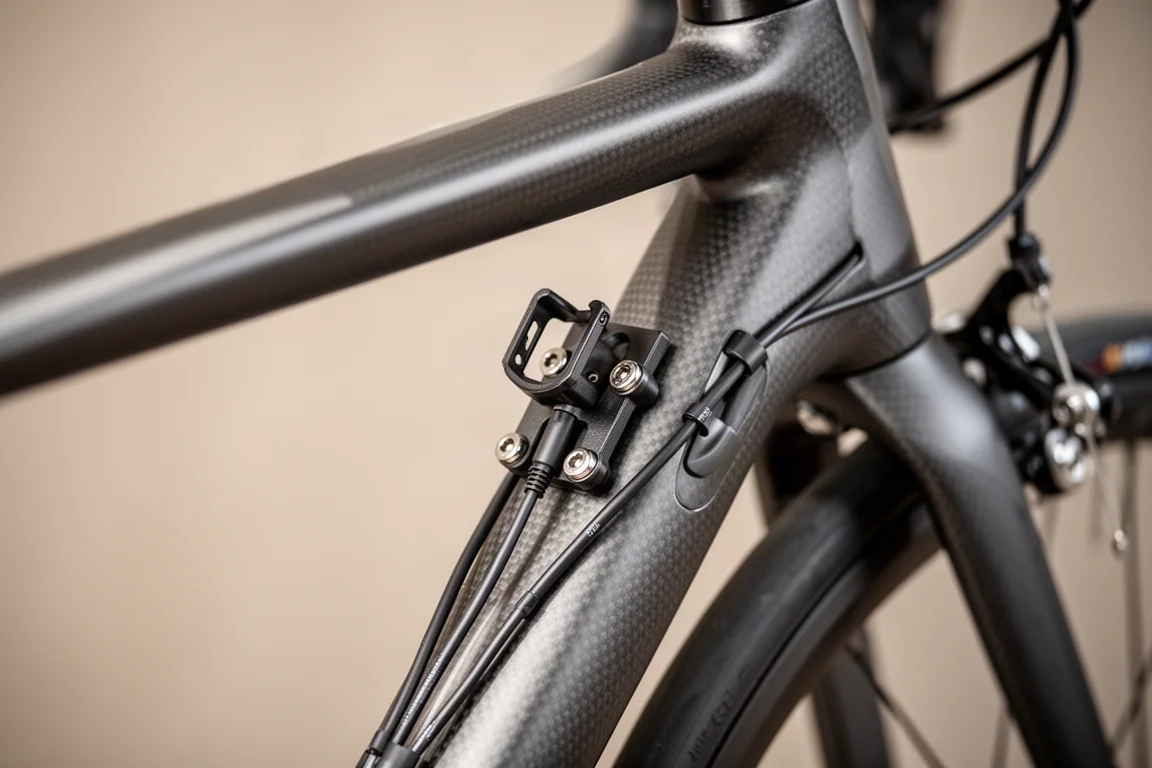
There were no printed instructions in the box, so setup relied on information published on the manufacturer’s website. The handlebar mount for the head unit will not clamp around aero handlebars, which is why the under-stem option exists. Fitting a kit like this will very likely void the warranty on your frame, particularly with a carbon frame, and that is a decision only the owner can make. Finally, the added weight is concentrated at the rear, which changes how the bike feels to lift and manoeuvre.
The Locked Rear Wheel Issue and the Company’s Response
The most important finding is what happened when the battery reached zero. The rear wheel locked and would not rotate at all, leaving the bike unridable and requiring it to be carried rather than rolled. Attempts to release it included disconnecting the battery, disconnecting the head unit, recharging both, and removing and refitting the wheel. The wheel remained locked, though it loosened very slightly over time.
The manufacturer was contacted and replied that when battery power is depleted to zero the rear wheel should still rotate normally and riding should feel like a regular bicycle. They stated they had not encountered this issue before and suggested it might be caused by the motor being damaged during international logistics transit. They asked for the wheel to be returned so the exact cause could be determined, and offered to send a brand new motorised rear wheel to allow testing to continue.
That is a reasonable response in tone, and the offer of a replacement means the situation may still resolve. But as it stands, the kit failed in a way that makes the bike unusable, and no explanation has yet been confirmed.
Buying Advice
At just under €2,000, this is a premium outlay for a conversion kit, and the value case depends entirely on whether the locking fault turns out to be an isolated unit problem or something inherent to the design. Until that is established, there is no sensible reason to buy.
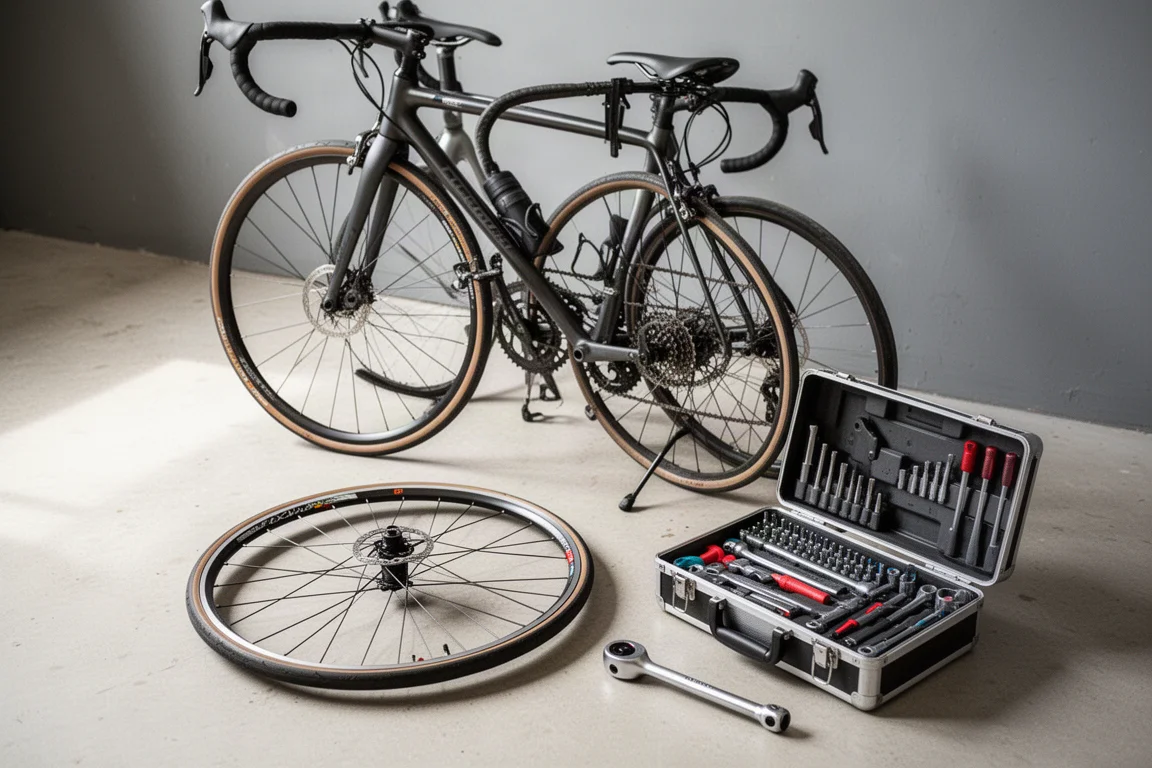
For riders who mainly want assistance on longer rides and do not need to convert an existing bike, a purpose-built e-bike remains the lower-risk route, with a warranty that covers the complete system rather than a frame that may be excluded from cover the moment a kit is fitted. For riders who already own a suitable through-axle road bike, are comfortable with the installation, and accept the warranty implications, the underlying hardware showed enough promise to keep watching. The sensible move is to wait for the outcome of the replacement wheel before committing.
Conclusion
The Eagor electric wheel set gets a lot right. The carbon wheels are well made, the installation is straightforward, the power delivery is smooth and quiet, and the assist transforms how a road bike feels without making it feel artificial. The weight gain and the single remaining bottle cage are manageable compromises.
The locked rear wheel after battery depletion is not. It makes the bike unridable and it remains unresolved, and no amount of good ride feel compensates for a system that can leave you carrying your bike home. The manufacturer has offered a replacement motorised rear wheel, so this story is not finished, but on the evidence available the kit cannot be recommended today. Anyone tempted should wait until the cause of the fault is confirmed.
Product link
View more details for Eagor Electric Wheel Set
This product is mentioned in the review. Check the specifications, options, and compatibility before buying.
View more details for Eagor Electric Wheel SetFurther reading
Related Reviews
E-Bike Conversion Kits
Best E-Bike Conversion Kits: Swytch Max Plus, Boost and Skarper Compared
Three e-bike conversion kits compared on fit, power delivery, range and price, plus the pitfalls to check before you convert an old bike.
E-Bike Conversion Kits
Boost E-Bike Conversion Kit Review: A Tidy Route to an Electric Bike
A rear-wheel conversion kit that turns a sound drop-bar bike into a smooth, cleanly finished electric bike for far less than a new one.
E-Bike Conversion Kits
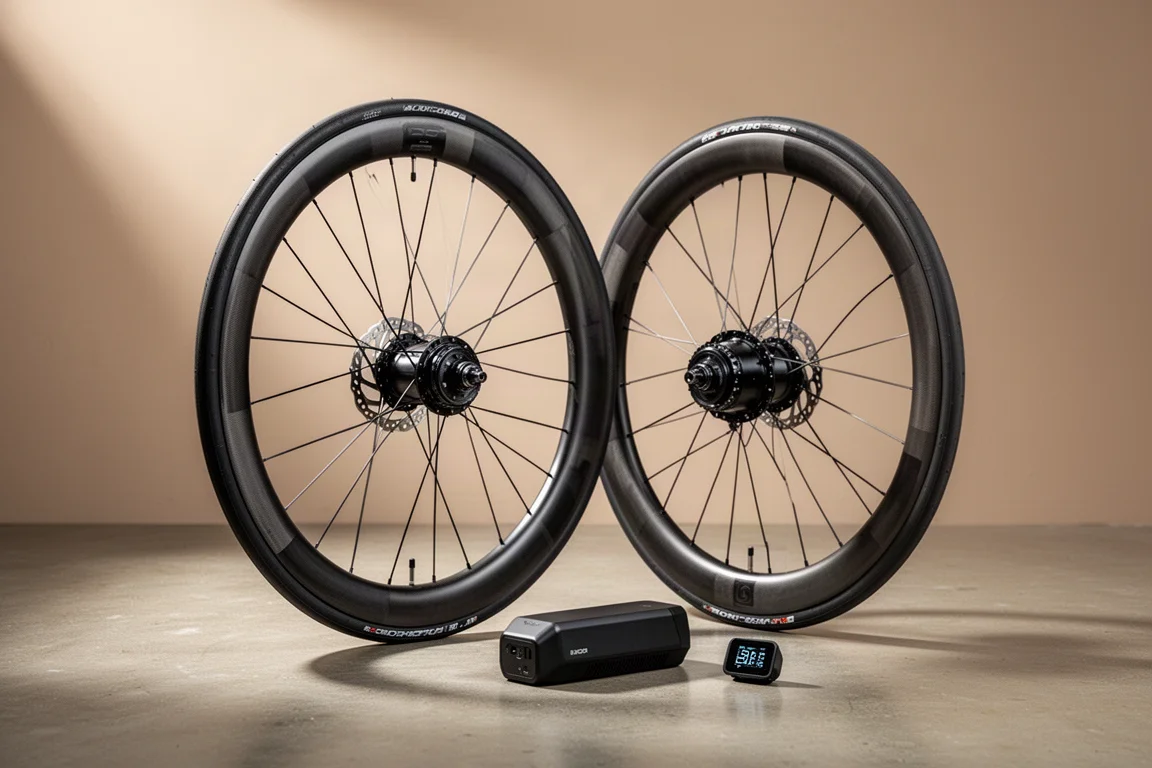
Eagor E-Bike Conversion Kit Review: Carbon Wheels for Road Bikes
A carbon road bike conversion kit with smooth, quiet assistance, a real weight penalty, and one serious fault that keeps it from a recommendation.