Electric Bikes
E-Road vs E-Gravel Bikes: How to Choose, With Four Options Worth Knowing
A practical look at the real differences between electric road and electric gravel bikes, from motor placement and gearing to geometry, weight, and range.
Introduction
Electric bikes open up more roads and more terrain to a wider range of riders, and that is a genuinely good thing. Once you have decided to go electric, the next question is which kind of bike you want: an e-road bike built around tarmac, or an e-gravel bike that can leave the tarmac behind.
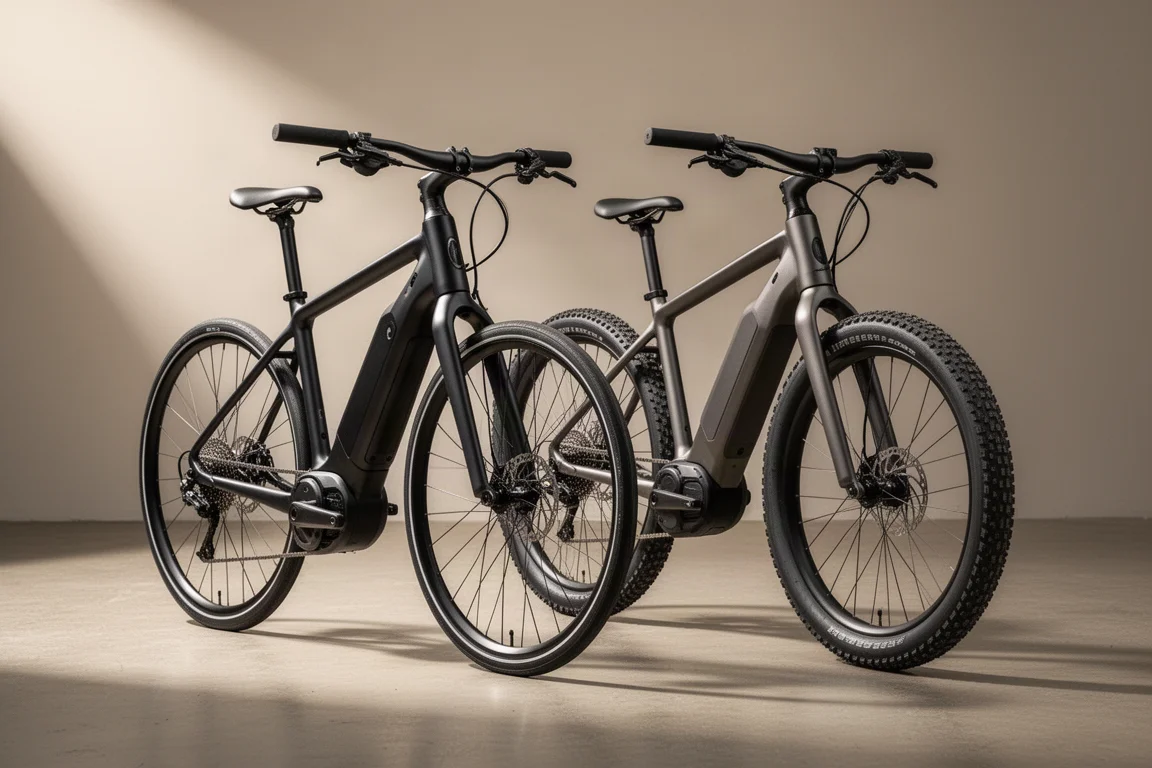
The two formats look similar at a glance, and some brands share a frame between them. The differences show up in gearing, tires, geometry, and the way the bike feels underneath you. This guide works through those differences, then looks at four options worth understanding: two BMC Roadmachine platforms, the TQ HPR50 motor system that powers them, and the Pinarello Nytro range.
What Matters Most: The Motor System
Before choosing between road and gravel, decide what kind of motor you want. Hub-based motors sit in the rear wheel. They are typically less expensive than mid-drive systems, easier to install, and generally less powerful with less torque. That shortfall becomes most obvious on steep climbs.
Mid-drive motors are mounted at the cranks and require the frame to be designed around them. In return, the bulk of the system mass sits centrally and low in the bike, which has a positive effect on handling and helps deliver a more natural ride feel.
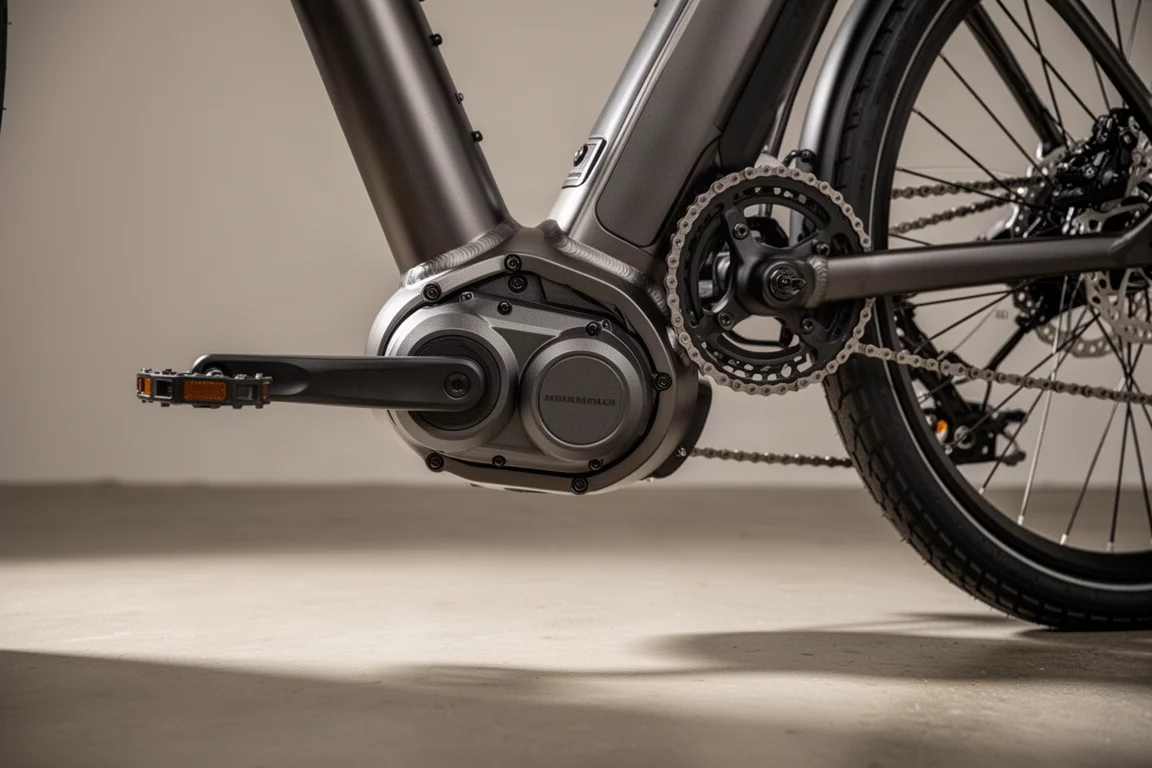
Ride feel is an underrated attribute. A good system should feel unobtrusive, as though you are riding a normal bike with a helping hand rather than piloting a small motorbike. Some systems feel jerky, and others lack the torque needed for smooth, consistent assistance.
TQ HPR50: A Lightweight Mid-Drive System
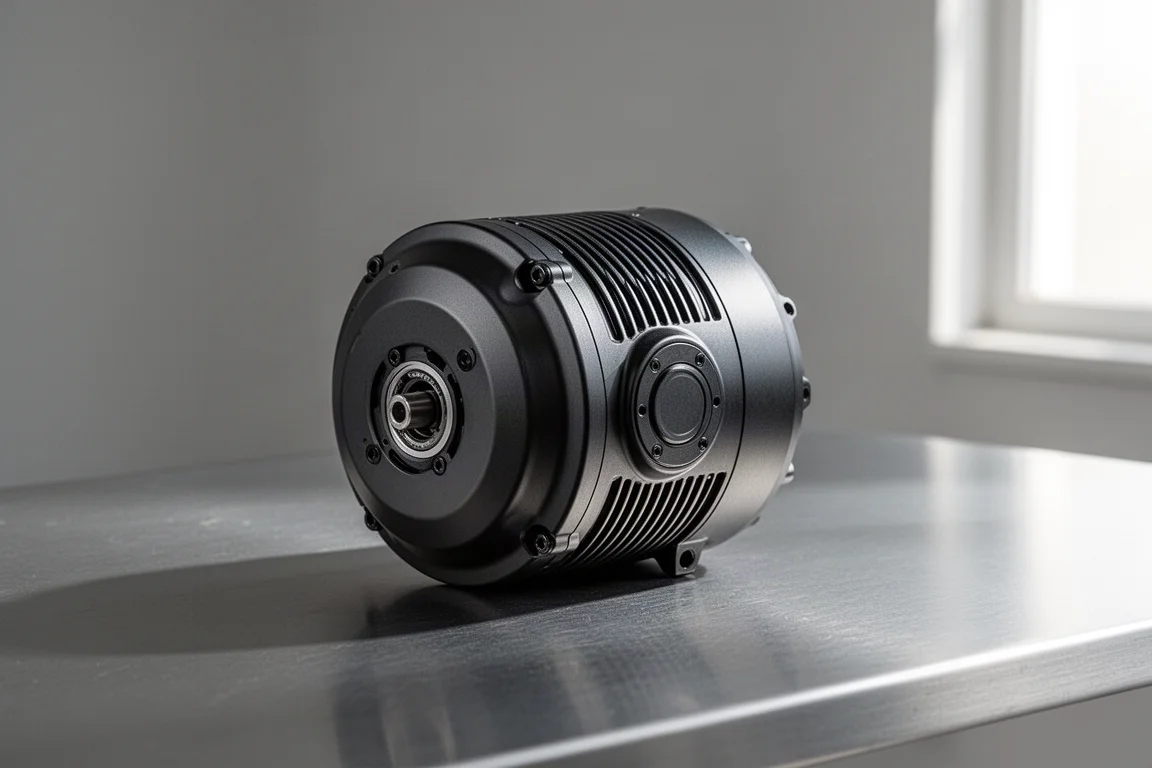
TQ is a German company with a background in robotics engineering, including manufacturing parts for Mars rovers. That expertise now feeds into its e-bike motors, and the TQ HPR50 is the result: a compact, quiet mid-drive unit that punches well above its weight.
TQ states that its motor and battery system is the lightest in its class, at 3.9 kg for the mid-drive motor together with the battery encased in the downtube. The trade-off is real: this system may not be the most powerful available and may not deliver the greatest range possible. Systems that offer more power and range are considerably heavier, and a heavier system has a bigger impact on how the bike rides compared with a non-assisted bike.
The unit uses a harmonic pin ring transmission, or HPR, drawing on decades of electric motor development for robots, satellites, space stations, and Mars rovers. It offers three assistance levels, and the way power is delivered can be adjusted in an accompanying app. Riders can tune the maximum assistance applied in each setting, how strongly the motor multiplies their own effort, and the speed and rate at which the motor reacts when they push harder. That level of adjustment is not something every brand offers.
BMC Roadmachine 01 AMP X: The E-Gravel Option
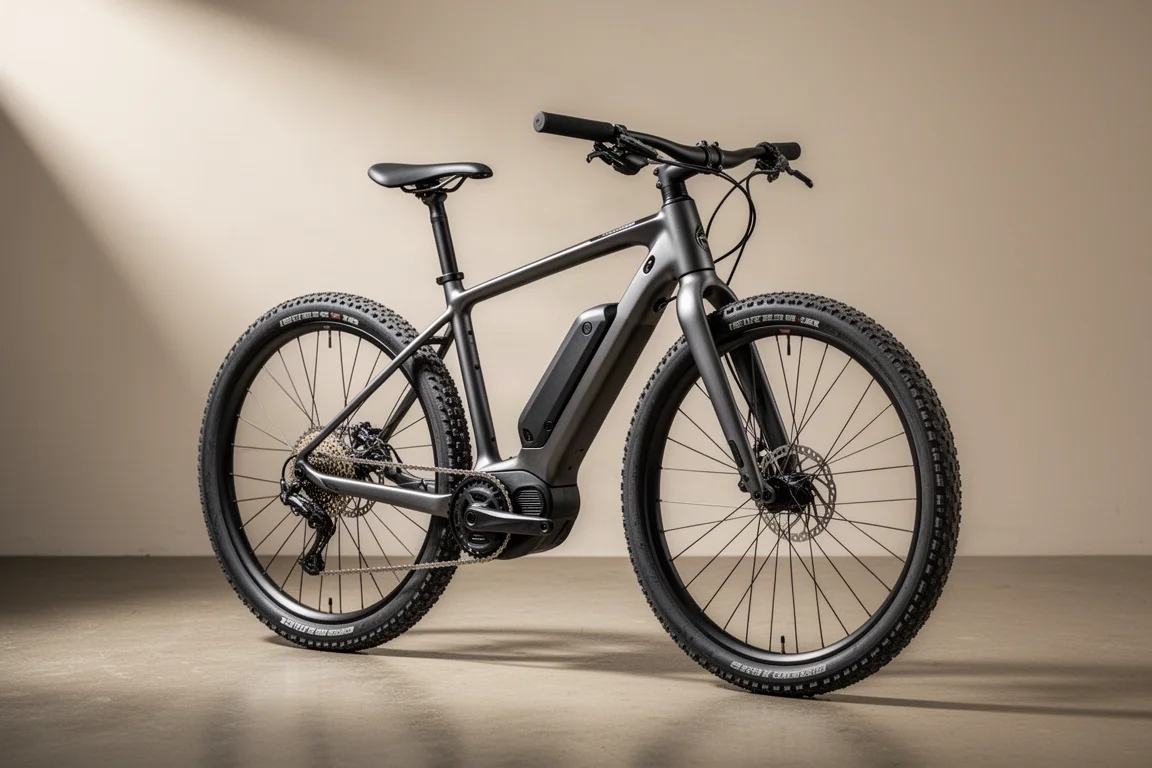
BMC Roadmachine 01 AMP X is the gravel side of the platform. It runs a single chainring at the front paired with a very wide-range cassette, which helps manage the rapidly changing speeds and gradients you meet off-road. It also uses a suspension stem up front to soak up some of the bumps, along with wider tires and a more aggressive tread pattern.
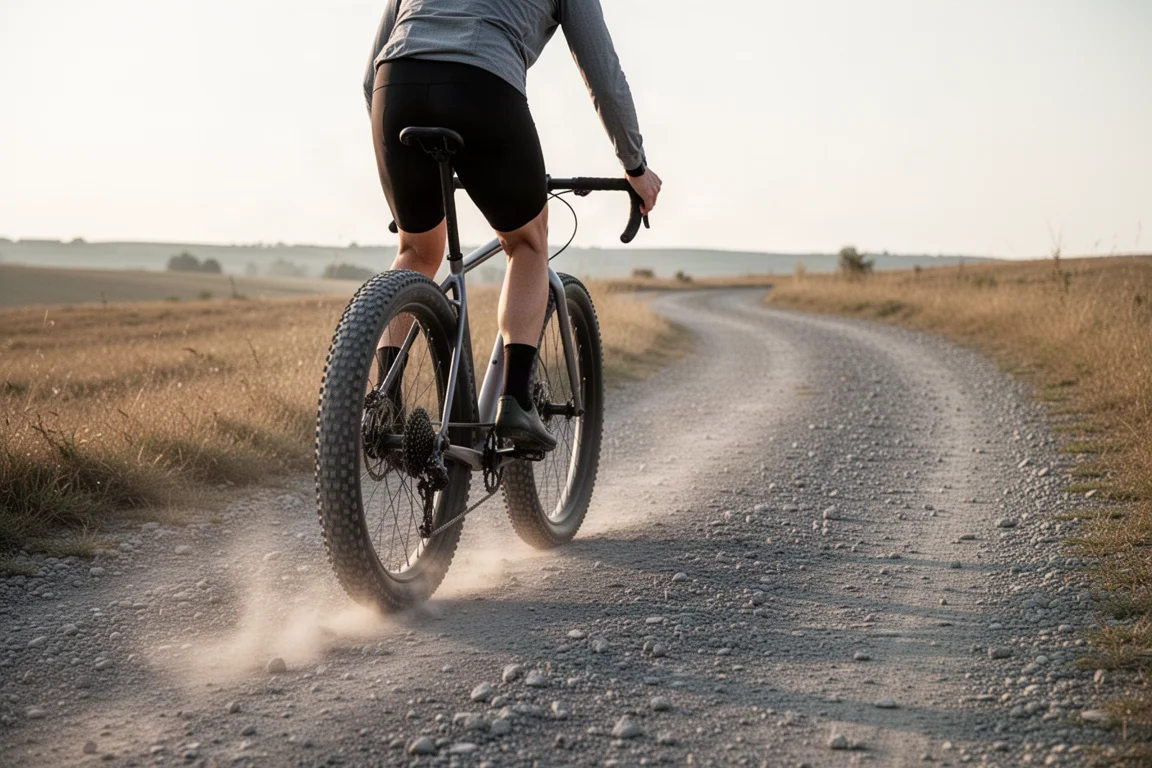
That combination makes the bike capable over rough ground and more settled on loose descents. Gearing range matters more than outright top speed when the surface keeps changing under the wheels.
BMC Roadmachine 01 AMP: The E-Road Option
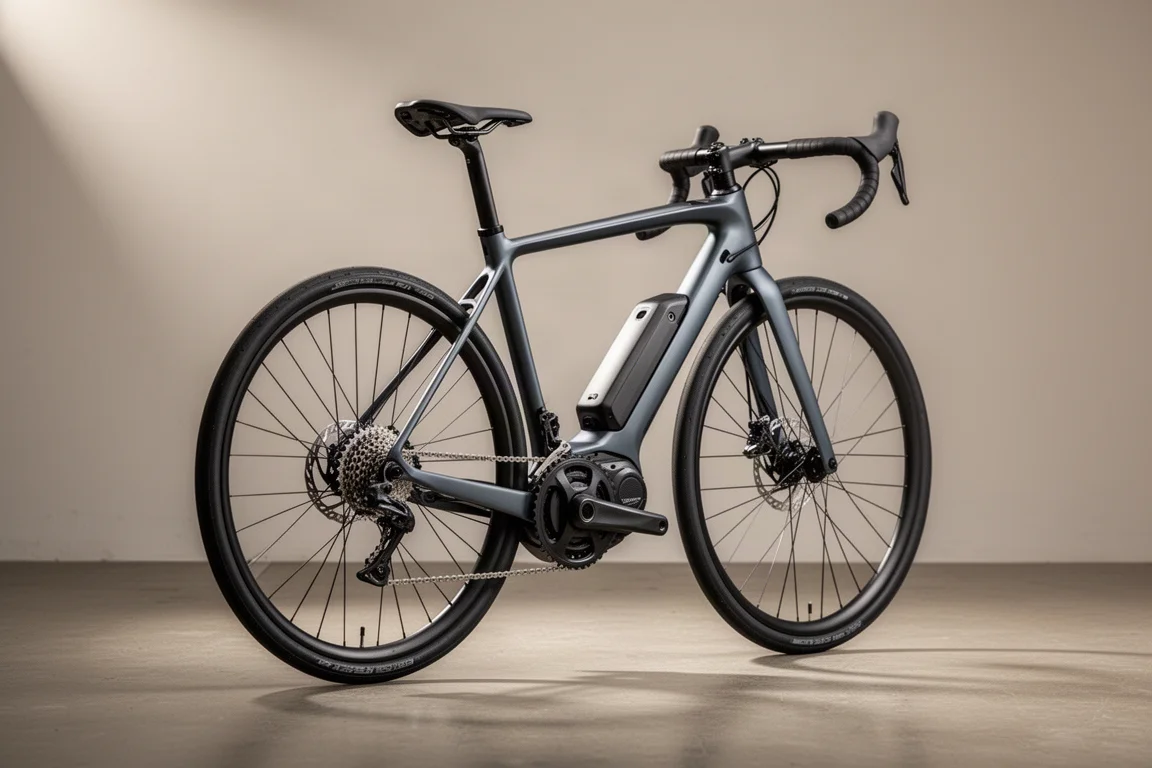
BMC Roadmachine 01 AMP is the road version. It carries more road-oriented gearing, including a double chainset at the front with a front derailleur and a tighter-ratio cassette at the rear. The smaller gaps between individual sprockets allow finer gear selection, which suits the more nuanced changes in speed and gradient found on tarmac. Its largest gear is also bigger, allowing a higher top speed on flat roads.
On this BMC pair, the frame geometry is identical. The two bikes differ in components and specification, so the choice between them is largely about the surfaces you intend to ride.
Pinarello Nytro: When Geometry Diverges
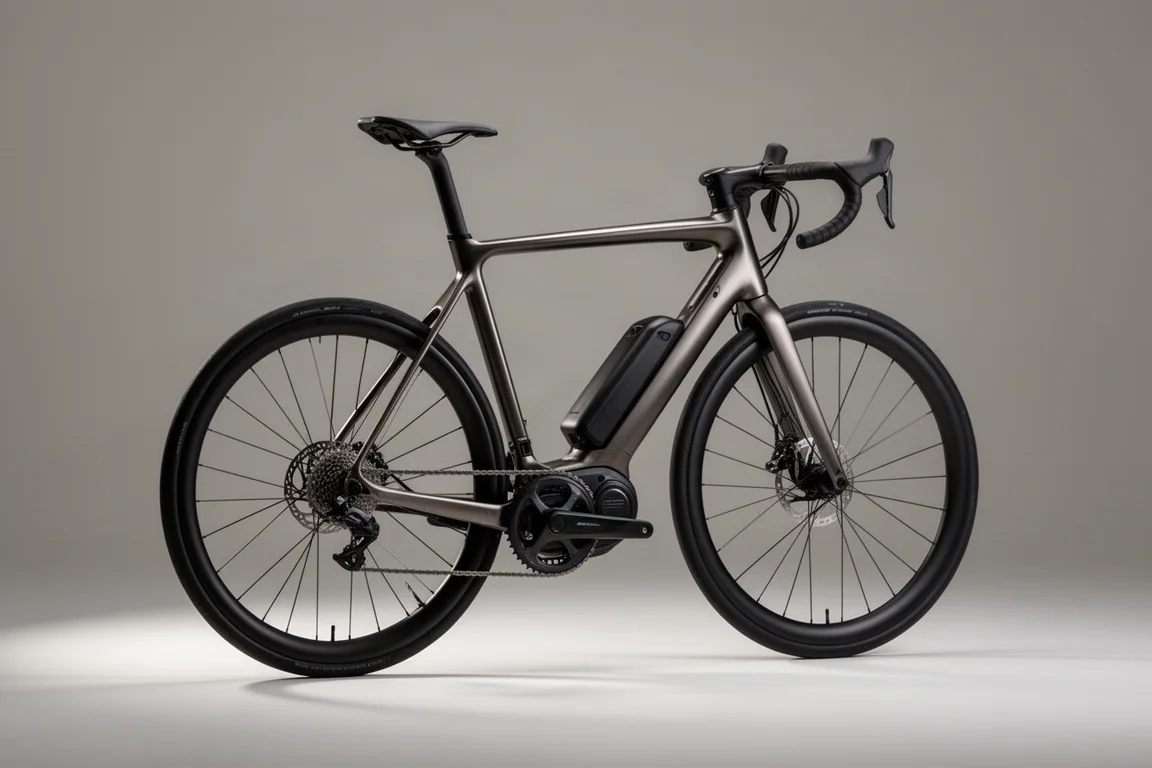
Not every brand takes the shared-frame approach. The Pinarello Nytro range uses different geometry for its gravel and road versions. The road version sits slightly lower at the front end and slightly longer, which allows a more aerodynamic riding position and can help you travel faster on flats and descents.
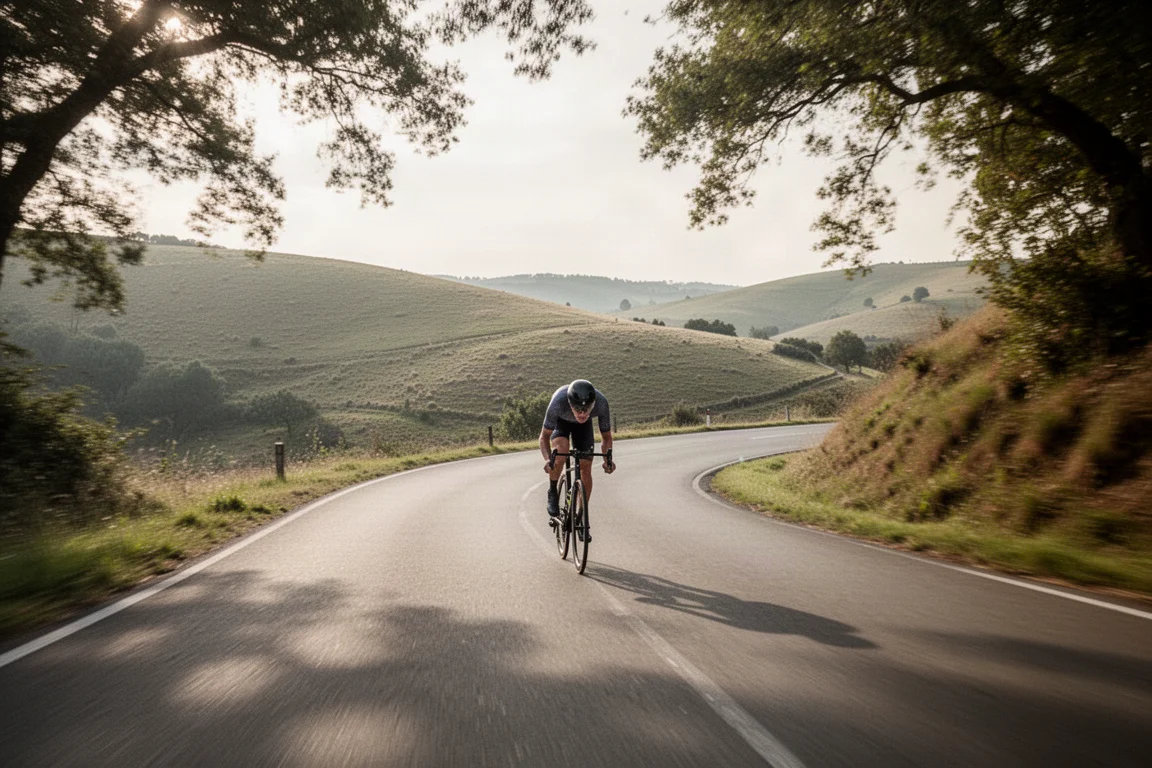
Gravel bikes, electric or not, are typically slightly shorter and higher at the front than a conventional road bike, with a longer wheelbase and a slacker head tube angle. All of that adds stability to the ride and handling. It also lets you sit a little more upright with your weight further back, so steep descents and loose tracks feel less precarious.
Weight, Range, and Why Tires Matter
Electric road and gravel bikes are considerably heavier than unassisted bikes, although the examples here are fairly light by e-bike standards: 13 kg for the gravel build and 12.6 kg for the road build. As a rule, an e-road bike tends to be lighter than an e-gravel bike, and the gap is often larger than what you see when two models share the same frame.
Weight still matters even when there is a motor. It affects acceleration, how the bike feels overall, and the range you get from the battery.
Range depends on many factors, and the level of assistance you choose is one of the biggest. TQ shared data from testing with a 60 kg rider averaging 140 W of their own power on the Sellaronda Loop in the Dolomites. On the low support level, which provides 78 W of assistance, the rider covered 51 km with 1,600 m of elevation gain and still had more than 50 percent of the battery remaining. On the mid level, with a maximum of 150 W, the rider covered 72 km with 2,300 m of elevation before the battery ran out. On the high level, which offers up to 300 W of maximum assistance, the battery ran out after roughly 1,886 m of climbing. The pattern is simple: less assistance means more range.
By far the most significant factor in the range difference between a road and a gravel build is tires and rolling resistance. On tarmac, the road bike with slick tires is more efficient and will travel further, though the overall difference between the two is not massive. It may still be significant depending on how you ride.
Buying Advice
For riders who want one bike to cover both tarmac and gravel, an e-gravel bike with a mid-mounted motor is the more versatile choice. Because the motor sits at the cranks rather than in the rear wheel, you are free to change wheel and tire setups as you like, keeping one set ideal for the road and one ideal for off-road use.
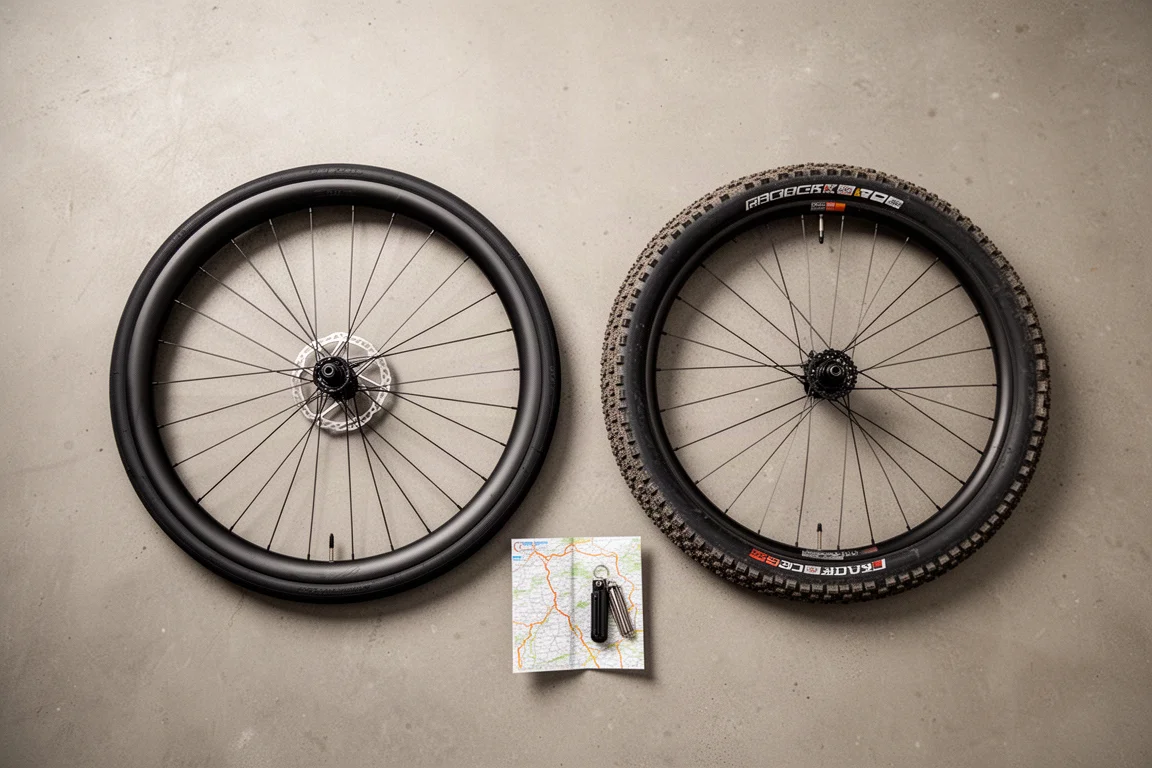
If your riding stays almost entirely on smooth roads, an e-road bike makes sense: lighter, faster on the flat, and built around road gearing and a more aerodynamic position. If your routes regularly leave the tarmac, the gravel format gives you the gearing, tire clearance, and stability to handle it comfortably.
Either way, prioritize the motor. A mid-drive system with adjustable assistance and a natural feel will do more for your enjoyment than a marginal weight saving or a small specification difference.
Conclusion
E-road and e-gravel bikes share a great deal, and the honest answer is that the right choice depends on where you actually ride. A mid-drive system with tunable assistance, such as the TQ HPR50, keeps the ride feeling natural while adding a helpful push when you want it. From there, choose gearing, tires, and geometry to match the surfaces you plan to explore.
Further reading
Related Reviews
Electric Bikes
Best Cargo E-Bikes for Family Use: Three Practical Options for Car-Free Living
Three electric cargo bikes designed for families and everyday transportation, each with distinct strengths for replacing car trips and building community.

Electric Bikes
Best Electric Bikes 2026: The Most Exciting Launches From CES
From lightweight e-motos to compact city commuters, these are the most interesting electric bikes unveiled at CES 2026.
Electric Bikes
Best Electric Bikes 2026: Seven E-Bikes Worth a Closer Look
A practical look at seven electric bikes spanning endurance road, gravel, cargo and experimental designs, with the real strengths and trade-offs of each.