Floorstanding Speakers
Dynaudio Contour Legacy Review: A Limited-Edition Floorstander With a More Transparent Voice
A close look at the Dynaudio Contour Legacy, from its Esotar 3 tweeter and American walnut cabinet to its 42 Hz bass extension and the trade-offs worth weighing.
Introduction
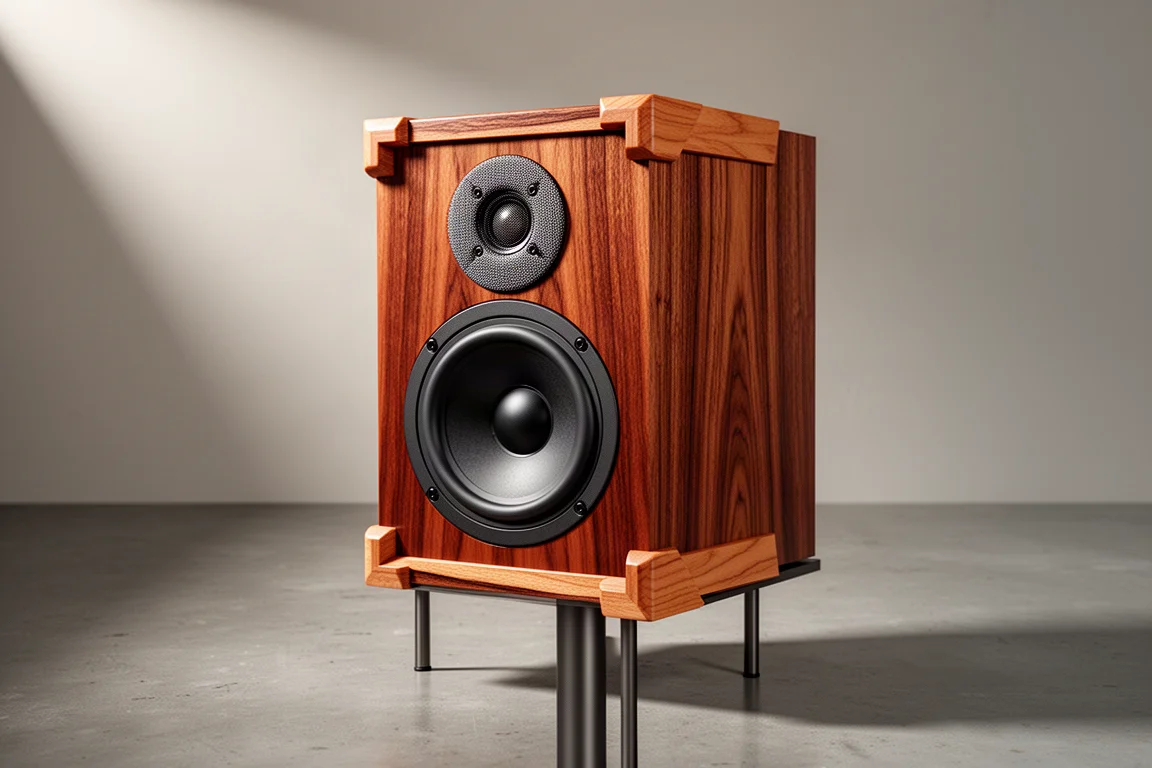
The Dynaudio Contour Legacy is a limited-edition floorstanding speaker designed and built in Denmark, with its drivers produced there as well. It draws on the company’s long Contour lineage and on the flagship Evidence Platinum at the top of the range.
The specification is unusual for a speaker of this size. A 28 mm Esotar 3 soft dome tweeter handles the top end, using a technology Dynaudio calls Hexis, which places a small dome behind the main diaphragm to reduce resonance and reflection behind it. Below the tweeter sit two 7 inch drivers in a 2.5-way configuration: the upper unit carries the midrange higher up the band, while the lower one serves purely as a woofer. Both are modified versions of the drivers used in the Evidence Platinum, which puts this design close to the top of the company’s driver hierarchy.
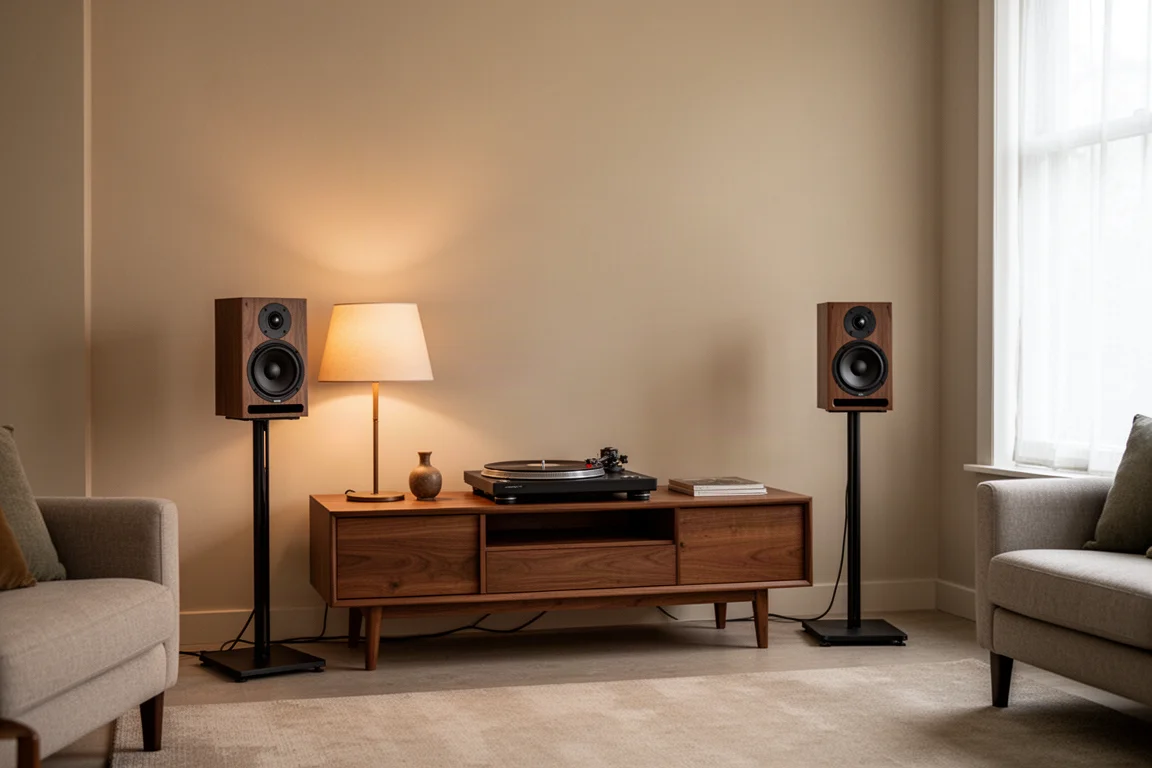
Production is capped at 1,000 pairs worldwide, and 200 of those pairs are allocated to the US market. The cabinet is finished in real American walnut, and the price is $14,400 per pair. Rated sensitivity is 90 dB with a nominal 4 ohm impedance, and the specified -3 dB point is 42 Hz.
Who This Speaker Is For
This is a speaker for listeners who put tonality, imaging and low-level detail ahead of sheer output. It also suits rooms and amplifiers that would struggle with a much larger tower, because it asks for relatively little in return for a complete performance.
At 39 inches tall and 70 pounds, it slots into spaces where a tall three-way design would dominate. The cast iron base and soft rubber feet make it stable on hard floors without any fuss, and it is easy to look at over the long term thanks to a restrained, simple silhouette.
It is not the right choice for anyone chasing the maximum weight, impact and room-filling bloom that large horn or open-baffle systems deliver. Those designs do things this speaker does not, and the reverse is also true. Buyers should match the speaker to the presentation they actually want rather than to the biggest cabinet they can accommodate.
Main Strengths: A More Transparent Dynaudio Sound
Start with the high frequencies. The Esotar 3 is Dynaudio’s best tweeter, and it behaves accordingly. There is no attempt to dazzle with exaggerated sparkle; instead the top end is crystal clear and remarkably pure, with fine low-level detail surfacing from inside the soundstage rather than sitting on top of it. The Hexis structure behind the dome plays a large part in keeping that presentation free of hardness.
The two 7 inch drivers give the speaker a sensitivity rating of 90 dB, higher than most Dynaudio models, and that headroom shows up in how gracefully it plays at hushed late-night levels. The music keeps its colour and its shape without needing volume to come alive, which is a rare quality. Push the speaker harder and it opens up rather than compressing or straining.
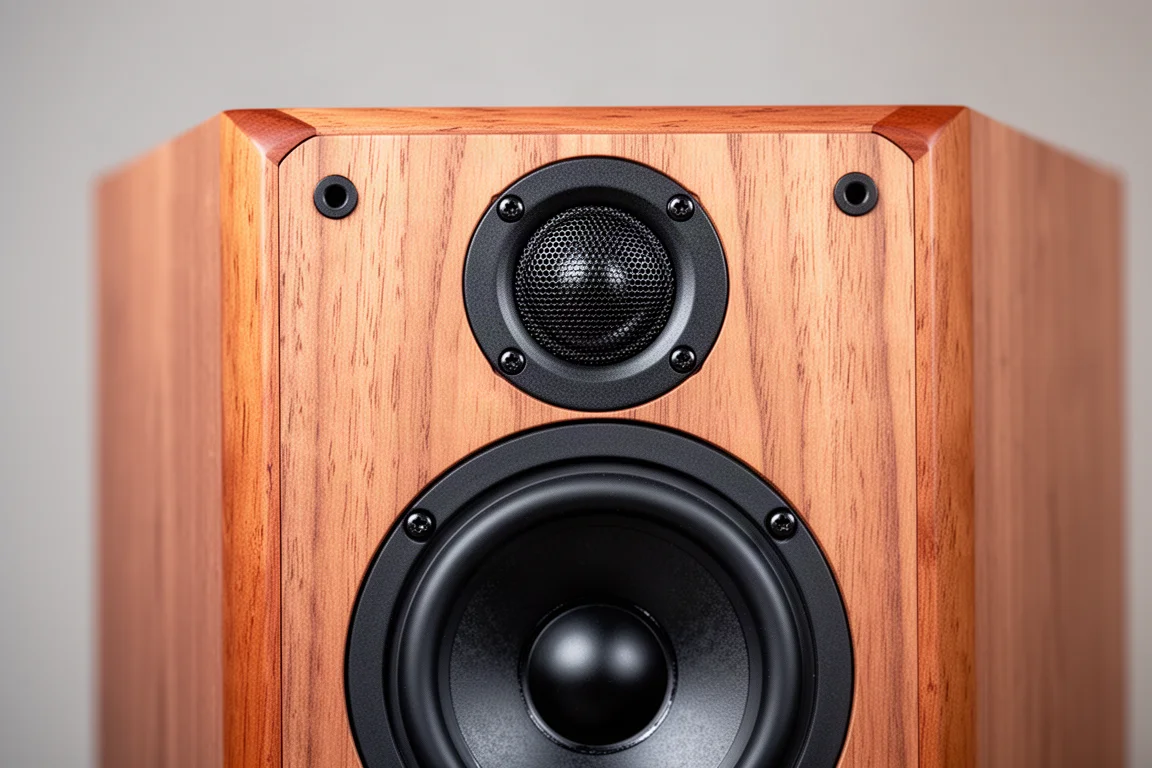
Tonality and imaging are where this design makes its strongest case. The soundstage is wide and spacious yet tightly focused, with a razor-sharp centre image and a real sense of dimension. Bass definition is the other surprise: the specified 42 Hz extension is not subwoofer territory, but the pitch definition and clarity in the low end are extraordinary for a cabinet this size.
That combination holds up across a wide range of material. Big band jazz keeps the bite of brass without turning harsh. Dense, energetic piano recordings retain scale and dynamics. Brighter rock records that can sound irritating elsewhere keep their top end without it becoming painful. Reggae, acoustic music and close vocal harmonies all come through with gusto, and the speaker handles percussion-heavy tracks with plenty of jump and energy.
Design and Build Quality
The cabinet is finished in real American walnut with a furniture-grade surface, and the design language is deliberately understated. Nothing about it is flashy. The proportions are elegant and simple, and the finish should wear well over the decades rather than dating.
The rear of the cabinet is rounded, with two large bass ports and a tidy set of binding posts. The base is cast iron and accounts for 19 pounds of the total weight, which is there to stabilise the speaker. Both spikes and soft rubbery feet are supplied. The soft feet work very well on hard floors and are an easy starting point.
The warranty runs to eight years for parts and labour, which is a long commitment for a limited-edition product and a meaningful part of the ownership picture.
How It Compares With Other Speakers
Open-baffle designs with a 15 inch woofer deliver a fuller, richer presentation with far more bloom, simply because as much sound leaves the back of the speaker as the front. That kind of system occupies more of the room. The Contour Legacy counters with finesse, detail, transient response and a more precise overall sound. These are very different approaches, and neither replaces the other.
Large horn speakers built around a 12 inch woofer and a big horn on top bring more weight, more fullness, more impact and more punch. At high levels they are also more comfortable to listen to, and their top end opens up further with crashing cymbals. Switch back to the Contour Legacy and the immediate impression is of greater coherence: bass, midrange and treble knit together more seamlessly, closer to the behaviour of a single driver, and its high frequencies remain exceptionally pure even if they do not expand quite as dramatically when the volume climbs.
A three-way tower such as the KEF Reference 3 Meta is the closest logical comparison, and it sells for around $15,000 per pair. It is roughly 10 inches taller and around 113 pounds, and it is more transparent through an enormous soundstage with extreme dynamics. The Contour Legacy is less extreme in those areas, but it is considerably easier to fit into a normal room, and that ease of placement is part of its charm.
Things to Consider Before Buying
Space matters more than anything else here. Like any good speaker in this class, it needs room around it. It cannot be jammed against a wall or boxed in by cabinetry and still give its best. That is a matter of acoustics rather than a fault of the design, but it does shape where the speaker can live.
Toe-in is unusually forgiving. This speaker does not particularly need to be angled toward the listening position, which makes setup simpler than with many rivals.
The bass specification is honest about limits. A -3 dB point of 42 Hz goes deep for the cabinet size, but it is not a substitute for a dedicated subwoofer, and a pair of 7 inch drivers will not produce the physical impact of a 15 inch woofer.
Amplifier matching is refreshingly flexible. The speaker gave good results with very different electronics, including a 250 watt monoblock and a 20 watt per channel tube amplifier. It is not especially power hungry, but it responds well when more power is available.
Finally, availability is finite. With 1,000 pairs worldwide and only 200 allocated to the US market, this is not a speaker to plan on buying years from now.
Buying Advice
The decision here comes down to priorities rather than price alone. If the goal is maximum scale, weight and physical impact, a larger open-baffle or horn design will satisfy that appetite more completely. If the goal is a beautifully judged tonal balance, a sharply focused soundstage and high-frequency purity in a cabinet that fits a normal room, the Contour Legacy is a compelling answer.
Give it the space it needs. Pull it well clear of the rear wall, keep cabinets and clutter away from the sides, and start with the supplied soft feet on hard flooring. The lack of toe-in requirement makes those first hours of positioning straightforward.
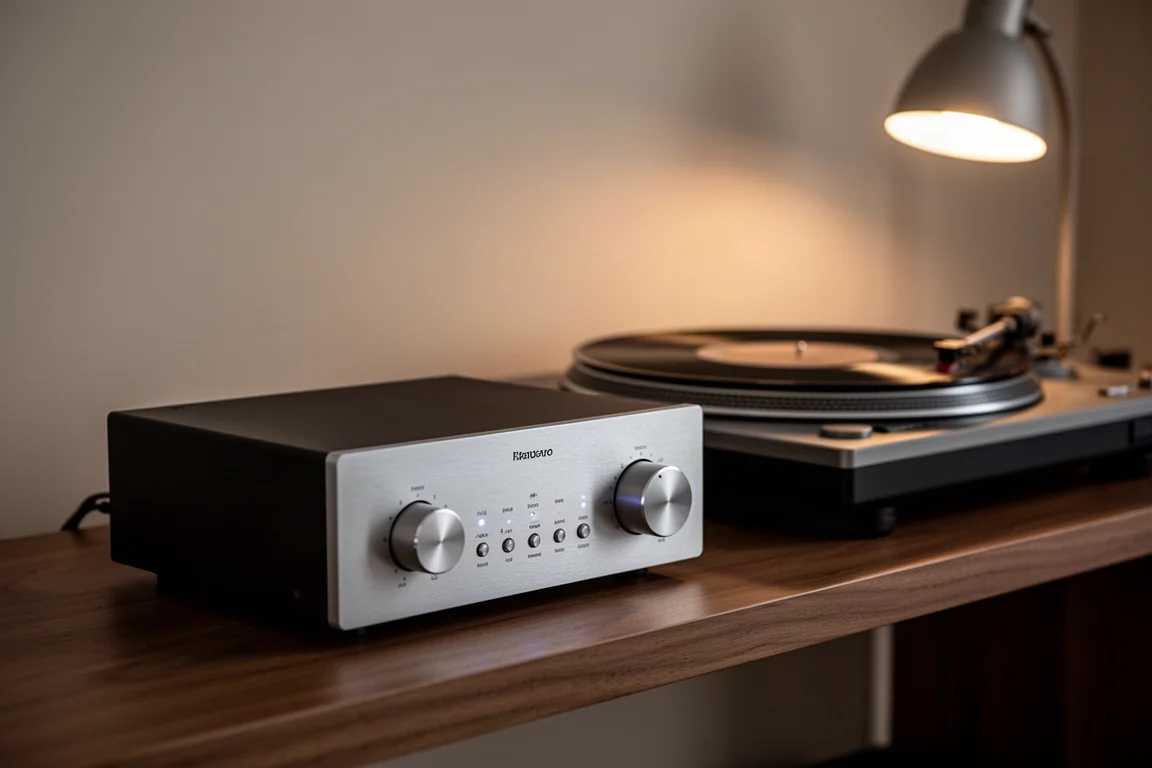
Amplification is worth thinking about in advance. Because the speaker works well with both modest tube power and high-power solid state, there is room to build a system around the sound you prefer rather than around a hard electrical requirement. That flexibility is one of the quieter reasons this speaker is easy to live with over years rather than weeks.
Conclusion
The Dynaudio Contour Legacy takes the company’s familiar strengths and moves them in a more transparent, more dynamically alive direction. The Esotar 3 tweeter, the Evidence Platinum-derived mid-bass drivers and the 90 dB sensitivity combine into a speaker that is satisfying at whisper levels and still opens up when pushed.
Its restrained American walnut cabinet, cast iron base and eight-year warranty round out a package that is designed to be lived with. The limits are real and worth understanding: it needs space, it stops short of subwoofer territory, and it will not match a much larger design for sheer impact. Within those boundaries, it delivers tonality, imaging and refinement that make it easy to recommend to the right listener.
Product link
View more details for Dynaudio Contour Legacy
This product is mentioned in the review. Check the specifications, options, and compatibility before buying.
View more details for Dynaudio Contour LegacyFurther reading
Related Reviews
Floorstanding Speakers
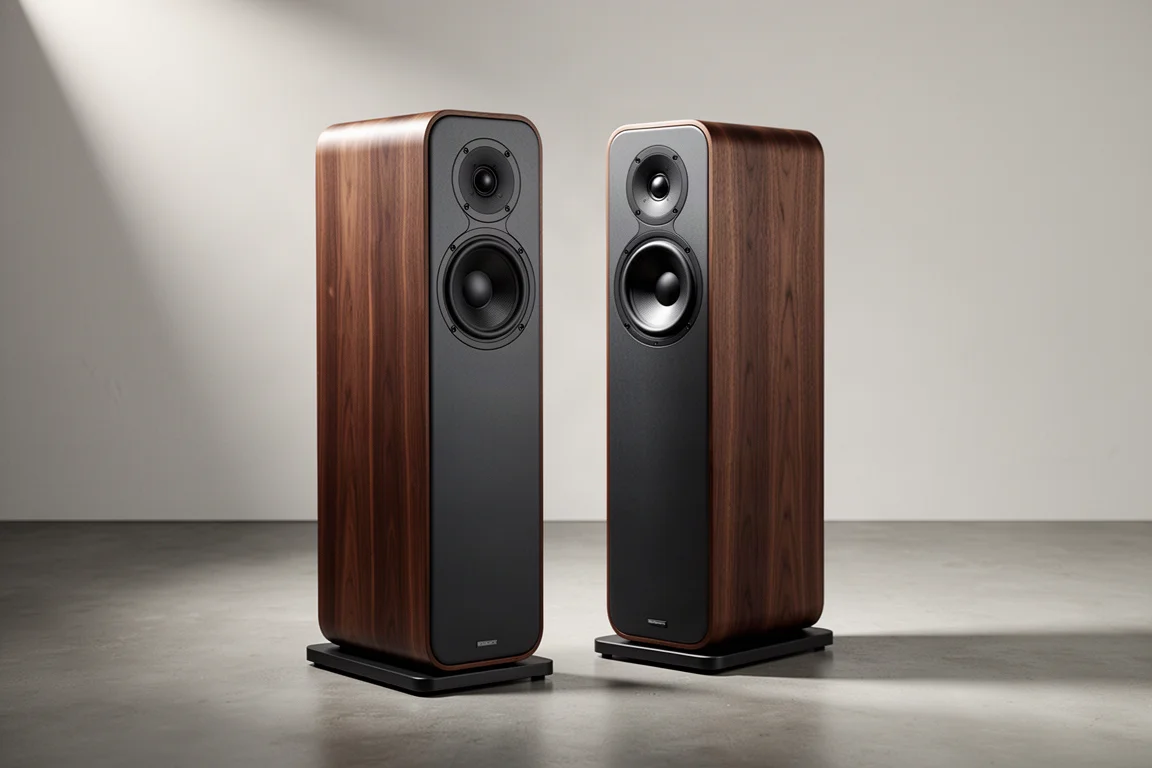
Acoustic Energy AE109 Mark II Review: A Refined Floorstander at £699
The Acoustic Energy AE109 Mark II is a slim, warm sounding floorstander that delivers clarity, midrange body and strong imaging in small to medium rooms.
Floorstanding Speakers
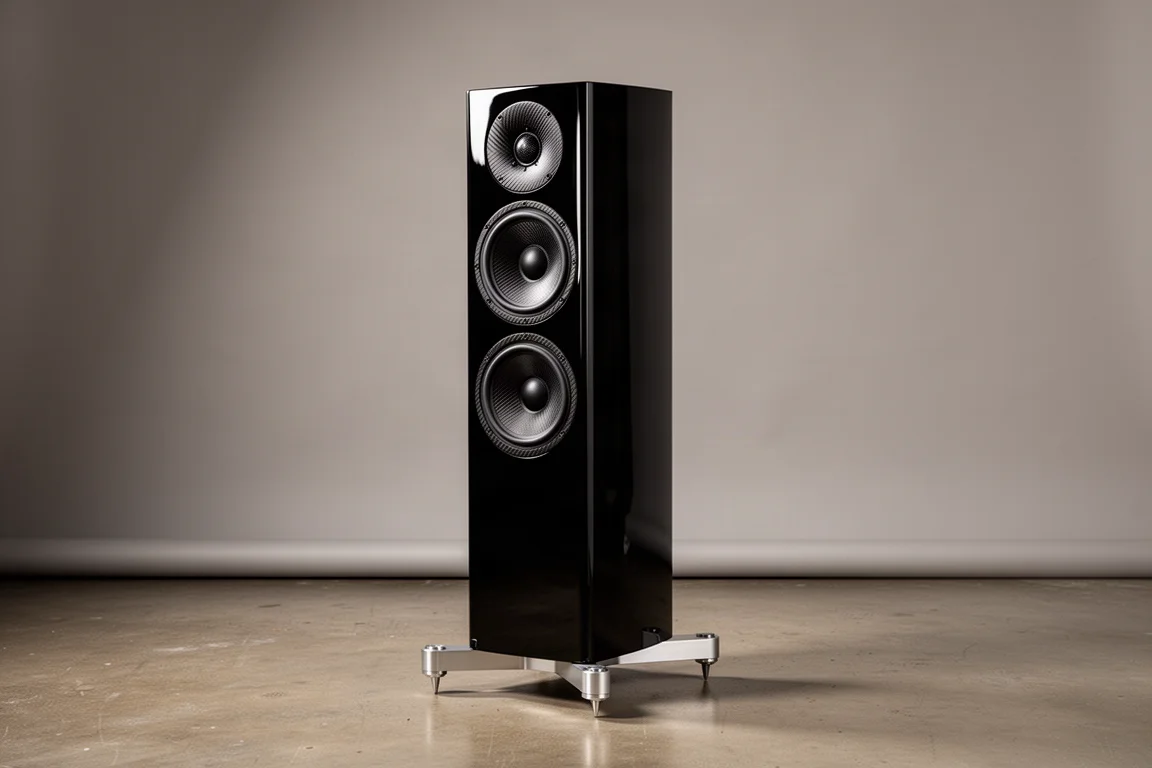
Acoustic Energy AE509 Review: A Slim Floorstander With Deep, Defined Bass
A practical look at the Acoustic Energy AE509, a slim floorstanding speaker with carbon fibre drivers, deep and well-defined bass, and an easy-going character that rewards careful system matching.
Floorstanding Speakers
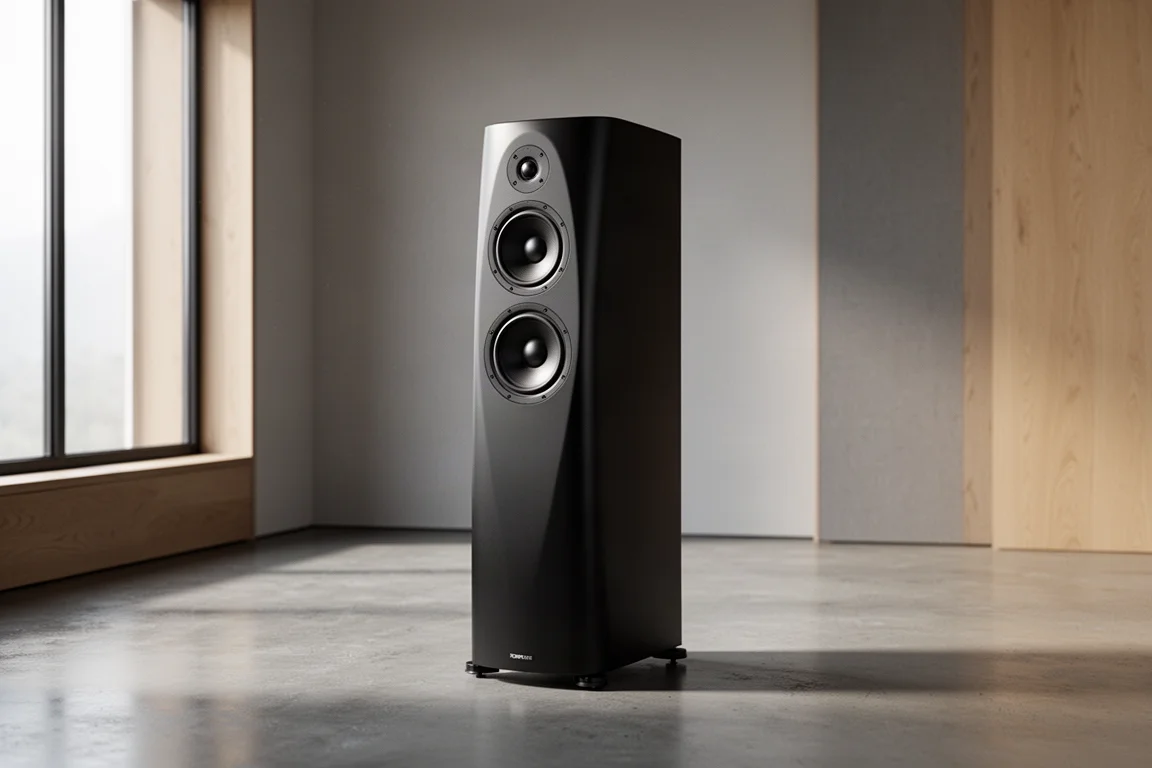
Arendal 1528 Tower 8 Review: Reference Neutrality With Real Demands
A close look at the Arendal 1528 Tower 8, a nearly five-foot, 200-pound floorstander that rewards generous space, serious power, and high listening levels with reference-grade neutrality.