Microphones
Dynamic vs Condenser Microphones: Ten Mics Worth Knowing
A practical guide to how dynamic and condenser microphones differ, with ten models that show what each design does best on stage and in the studio.
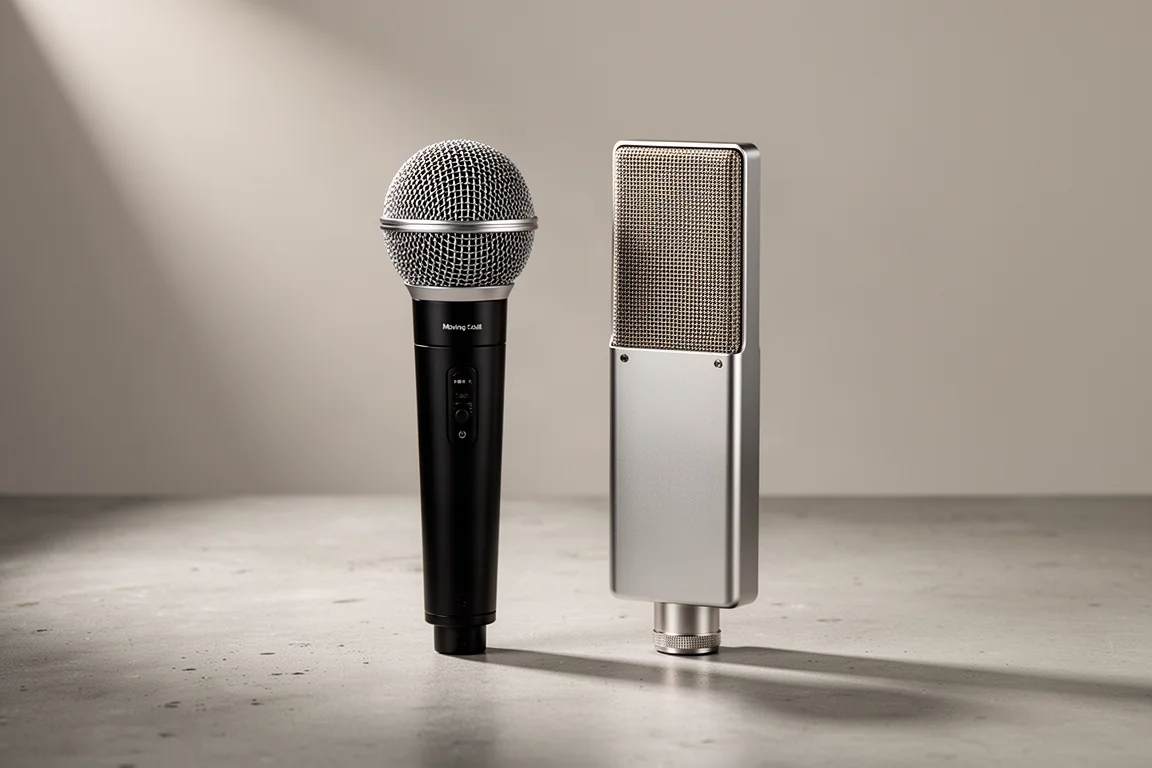
Introduction
Choosing between a dynamic and a condenser microphone is not about which design is better. It is about which one suits the source in front of it. The two families work on different physical principles, and those principles show up in durability, sensitivity, polar pattern behaviour, frequency response, transient response and price.
This guide walks through how each design works, what actually matters when you compare models, and ten microphones that demonstrate what each type does well.
Dynamic vs Condenser: How the Two Designs Work
A dynamic microphone, more specifically a moving coil microphone, is built around three parts: a diaphragm, a coil and a magnet. The diaphragm and the coil are attached to one another, and the coil sits within the magnetic field of the magnet. When sound waves move the diaphragm, the coil moves with it and an electrical current is generated on the wire.
A condenser microphone, sometimes called a capacitor microphone, uses a diaphragm, a backplate and an amplifier. The diaphragm and backplate sit very close together with a small space between them. When sound waves move the diaphragm, that spacing changes, which varies the capacitance and produces an electrical current. The circuitry inside a condenser microphone requires phantom power, usually supplied by the microphone preamp.
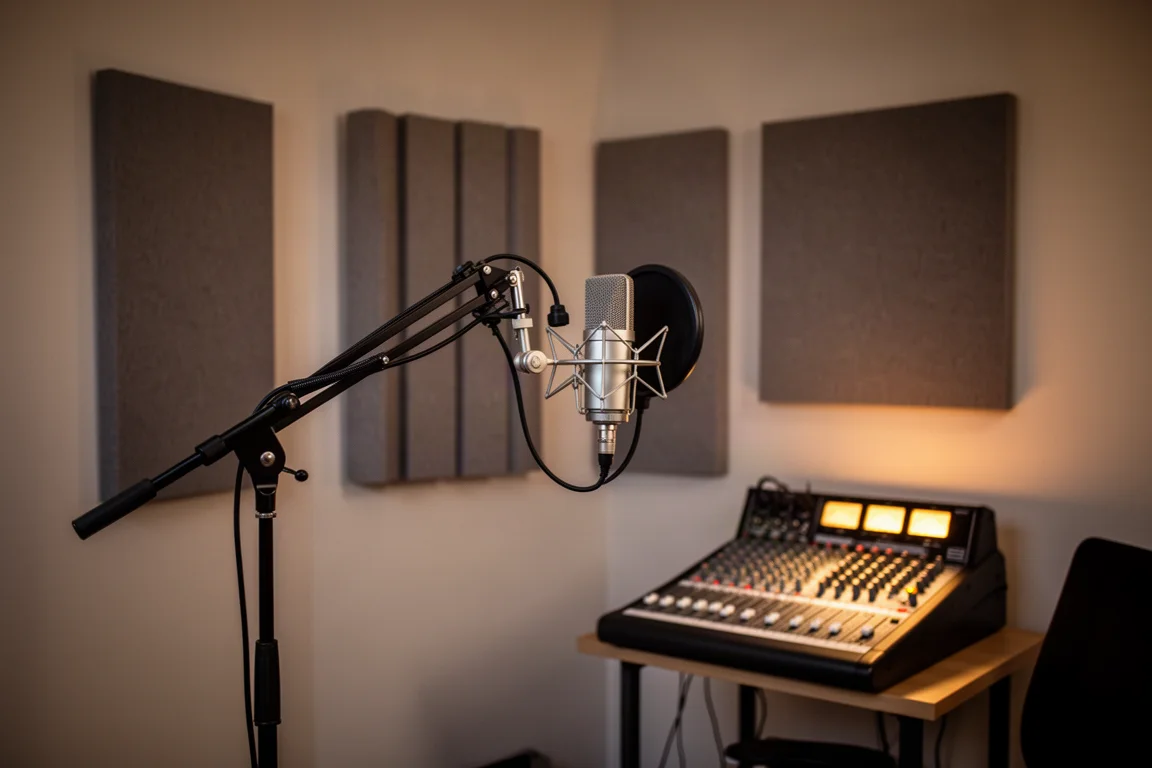
Those two designs explain most of the differences that follow. A moving coil is passive and relatively heavy, while a condenser combines active circuitry with a low-mass diaphragm. That makes a condenser more sensitive and quicker to react, at the cost of needing power and more careful handling.
What Actually Matters When Choosing a Microphone
Durability and Build
Moving coil microphones are generally more rugged and tolerate wear and tear well. Condenser microphones are usually handled with more care, because a drop can change how they sound, although a few models are tougher than the norm.
Sensitivity, Gain and Self-Noise
Sensitivity describes the electrical output you can expect at a given sound pressure level. Condensers are generally more sensitive than dynamics, which helps when capturing relatively quiet sources, while dynamics typically need more preamp gain to reach the same level. Condenser circuitry does introduce some self-noise, but because a condenser needs less gain, it can still deliver a lower noise floor in practice. The stronger the signal reaching the microphone, the less self-noise matters.
Polar Patterns and Room Rejection
The polar pattern describes how a microphone reacts to sound arriving from different angles. An omnidirectional pattern picks up evenly in all directions, while a cardioid pattern picks up best from the front and rejects sound from the rear. Pointing the rejection point of the pattern at a noise source reduces what the microphone picks up and increases the maximum gain before feedback, and a tighter pattern also limits the impact of an echoey room. Both types come in a range of patterns, and some condensers offer several selectable patterns.
Frequency Response and Transient Response
Condensers often have a more linear frequency response than dynamics, but plenty of detailed and bright dynamic microphones exist, so it pays to compare response curves case by case. Condensers also tend to react more quickly to sudden changes in sound pressure level. Lower diaphragm mass responds faster to transients, which is part of why small diaphragm and large diaphragm condensers can sound different from one another.
Budget
Dynamic microphones are generally less expensive to produce, so a strict budget usually stretches further with a moving coil design than with a condenser at the same price.
Best Everyday Dynamic for Stage and Studio: Shure SM58
The SM58 is the reference point for a rugged moving coil microphone. Its reputation comes from surviving hard use: one unit that has been dropped repeatedly, with a dented windscreen and scratches to show for it, still sounds much the same as it did when it was new. That durability, combined with its versatility, keeps it in service even when more expensive microphones are available. At around $100 it is also one of the most affordable ways into a dependable dynamic.

Best Low-Sensitivity Dynamic for Broadcast: Shure SM7B
The SM7B is a dynamic microphone with very low sensitivity, and it is known for needing a lot of preamp gain to reach a usable level. That makes it a difficult match for a preamp with limited gain, but a strong choice when the preamp can deliver it and the source is close and loud. For quiet or distant sources, a higher-sensitivity condenser will need less gain for the same result.
Best Bright Dynamic for Detail: Telefunken M80
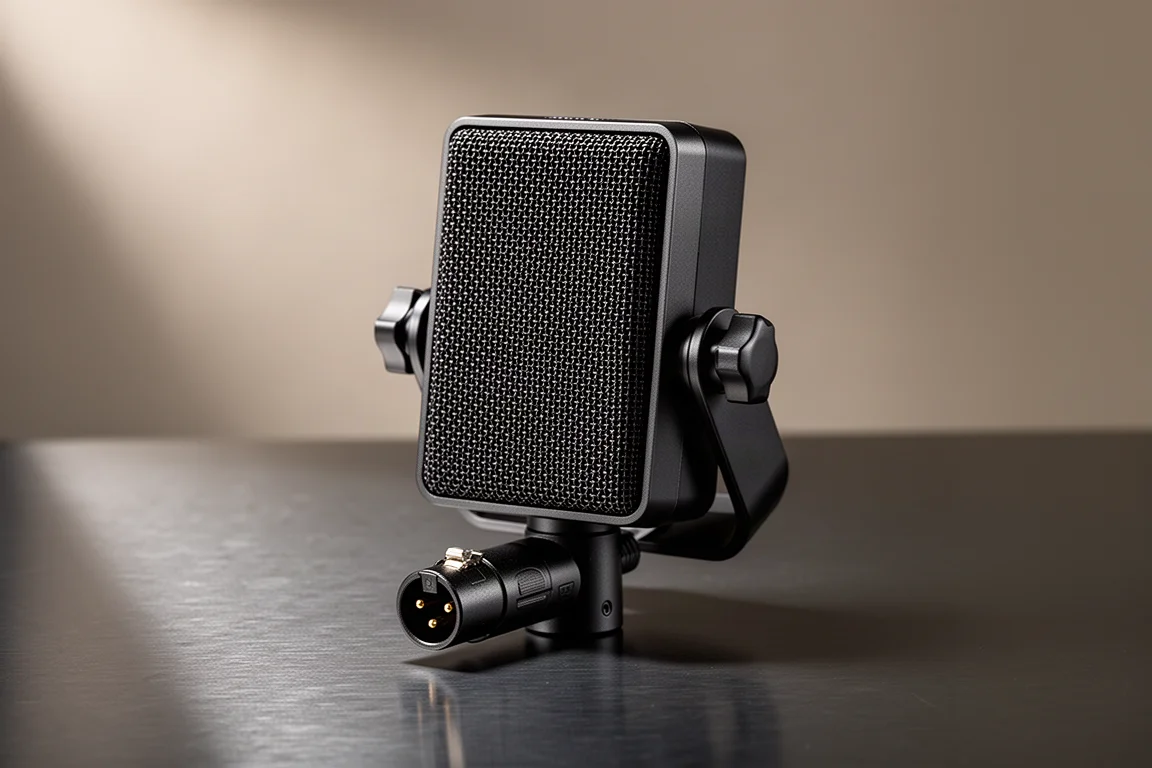
Not every dynamic is dark or mid-forward. The M80 is a relatively bright-sounding dynamic microphone, and a useful reminder that a detailed, articulate top end is not exclusive to condensers. If you like the durability and level handling of a moving coil design but want more openness in the upper range, this is the kind of voicing to look for.
Best Dark Dynamic for Warmth: Telefunken M81
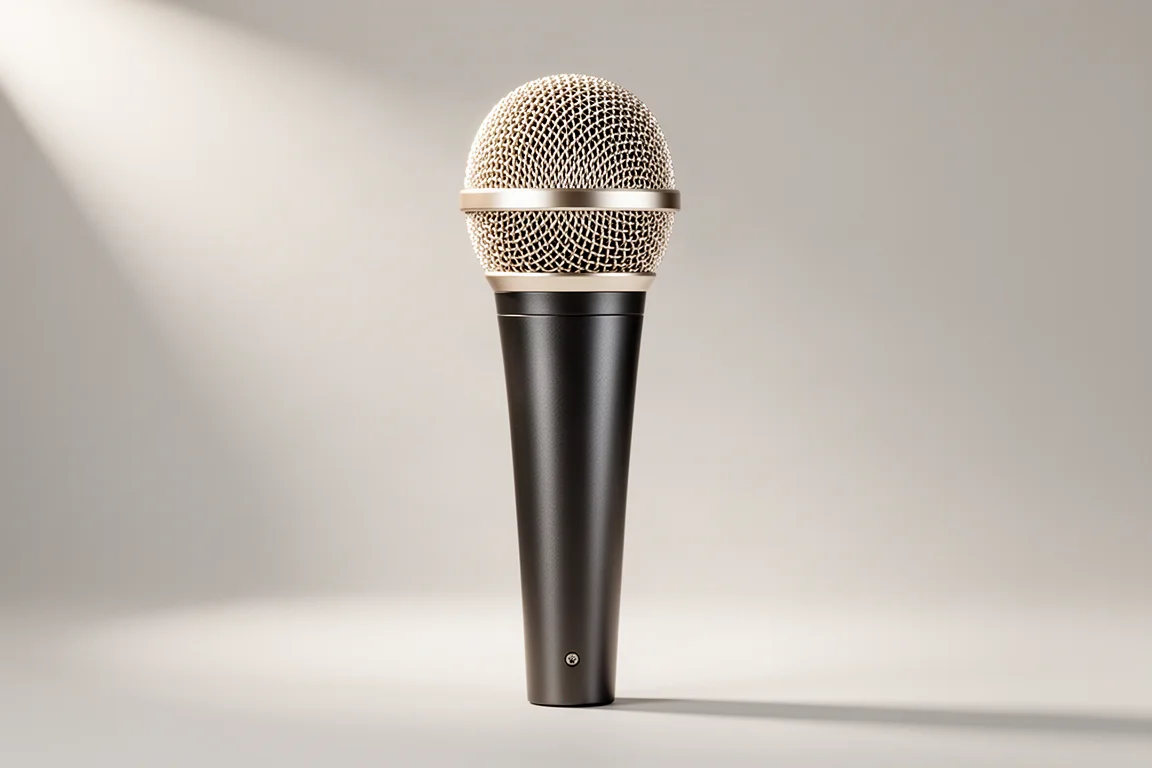
The M81 sits at the opposite end of the tonal spectrum as a relatively dark-sounding dynamic microphone. Where the M80 leans bright, this one trades some top-end detail for a warmer, more restrained character that suits sources already sounding harsh or bright. Comparing the two side by side is one of the clearest ways to hear how much voicing varies within a single microphone type.
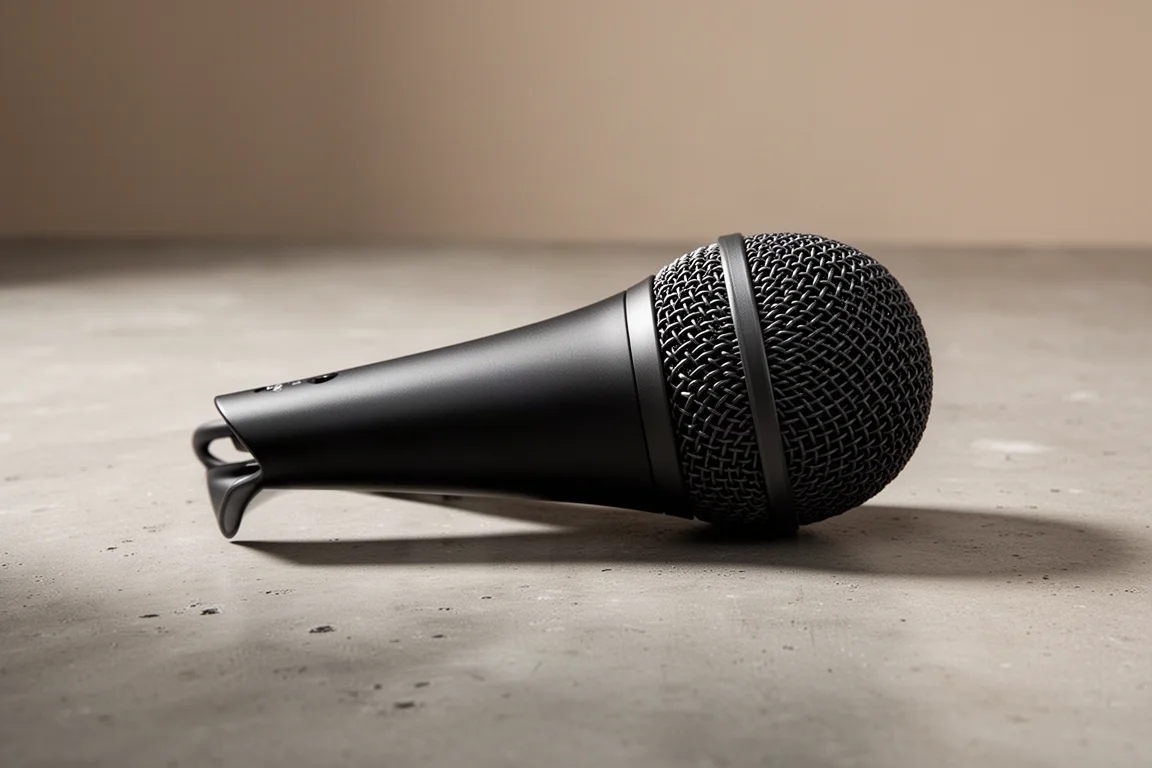
Best Large-Diaphragm Condenser for Vocals: Rode NT1-A
The NT1-A is a large diaphragm condenser with higher sensitivity, which means it needs less gain than a low-sensitivity dynamic for a quiet speaking voice. If your preamp has limited headroom, or you regularly record quiet sources up close, that extra output is a practical advantage.
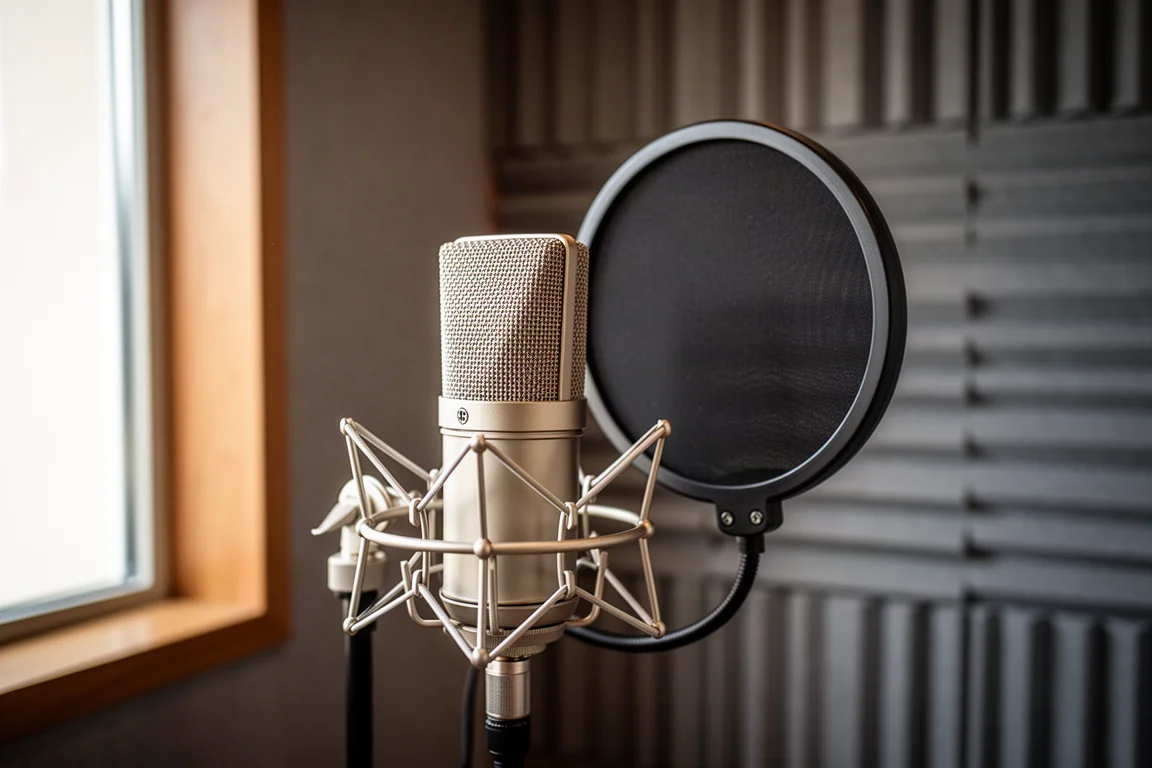
Large diaphragm condensers also behave differently from small diaphragm designs when it comes to transients, so the two are not interchangeable. Choose between them based on the source rather than on the label.
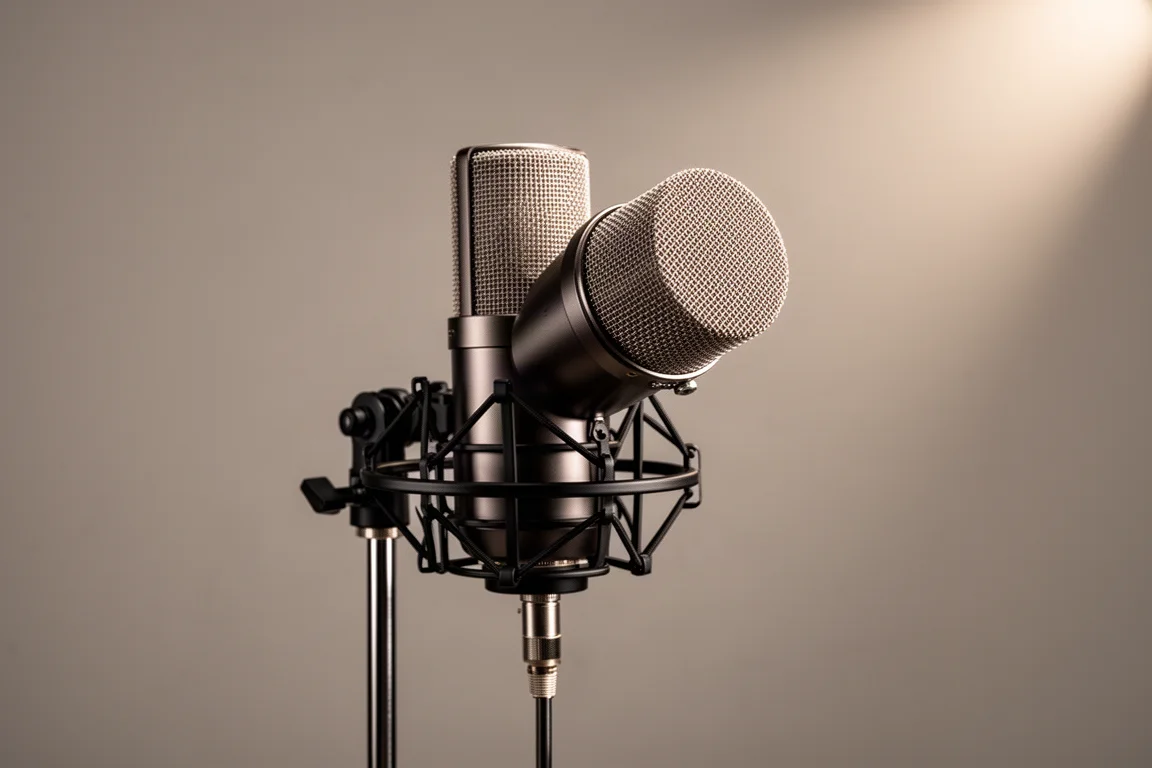
Best Small-Diaphragm Condenser for Transient Detail: Shure KSM141
A small diaphragm condenser such as the KSM141 is the natural counterpart to a large diaphragm model. Because a lower-mass diaphragm can respond more quickly to sudden changes in sound pressure level, small diaphragm designs are often the ones to consider when precise transient capture matters more than a full, rounded low end. It is a different flavour rather than a better one.
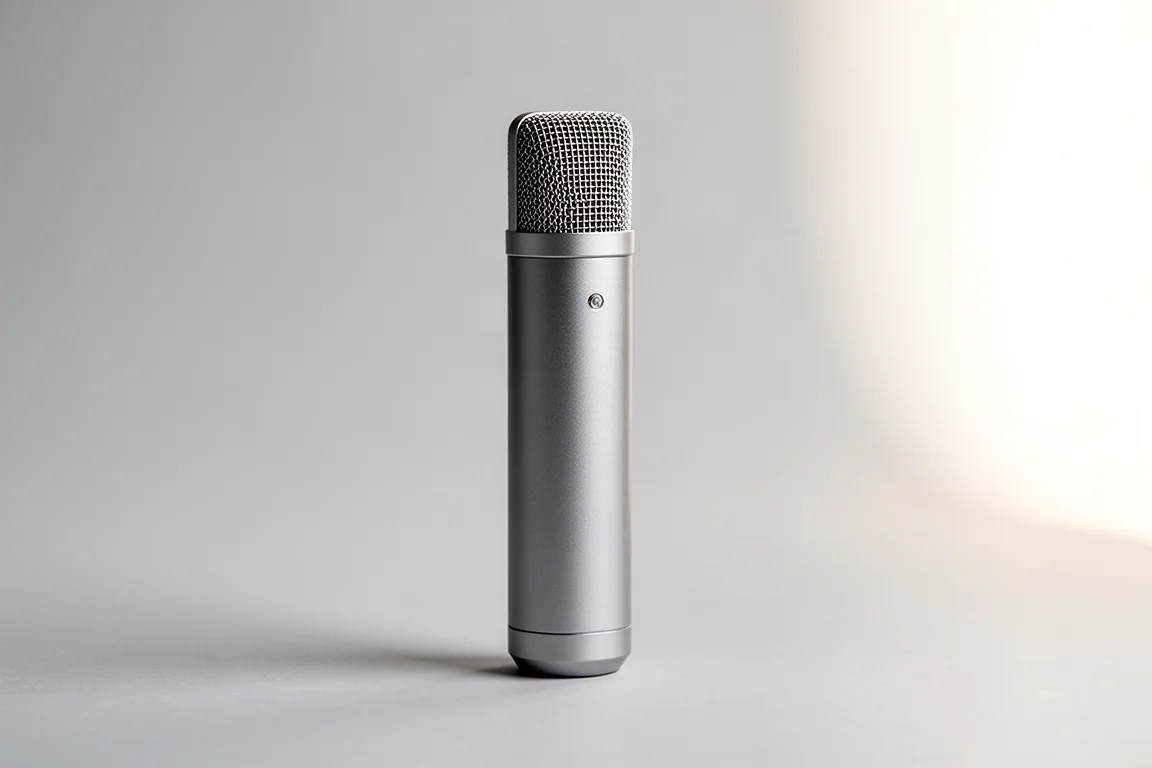
Best Rugged Small-Diaphragm Condenser: Shure SM81
Most condensers should be handled with care, since a drop could change their sound. The SM81 is a more rugged condenser that stands up to handling better than the norm while still offering condenser sensitivity. For anyone who needs condenser output in a setting where the microphone is moved around often, that combination deserves attention.
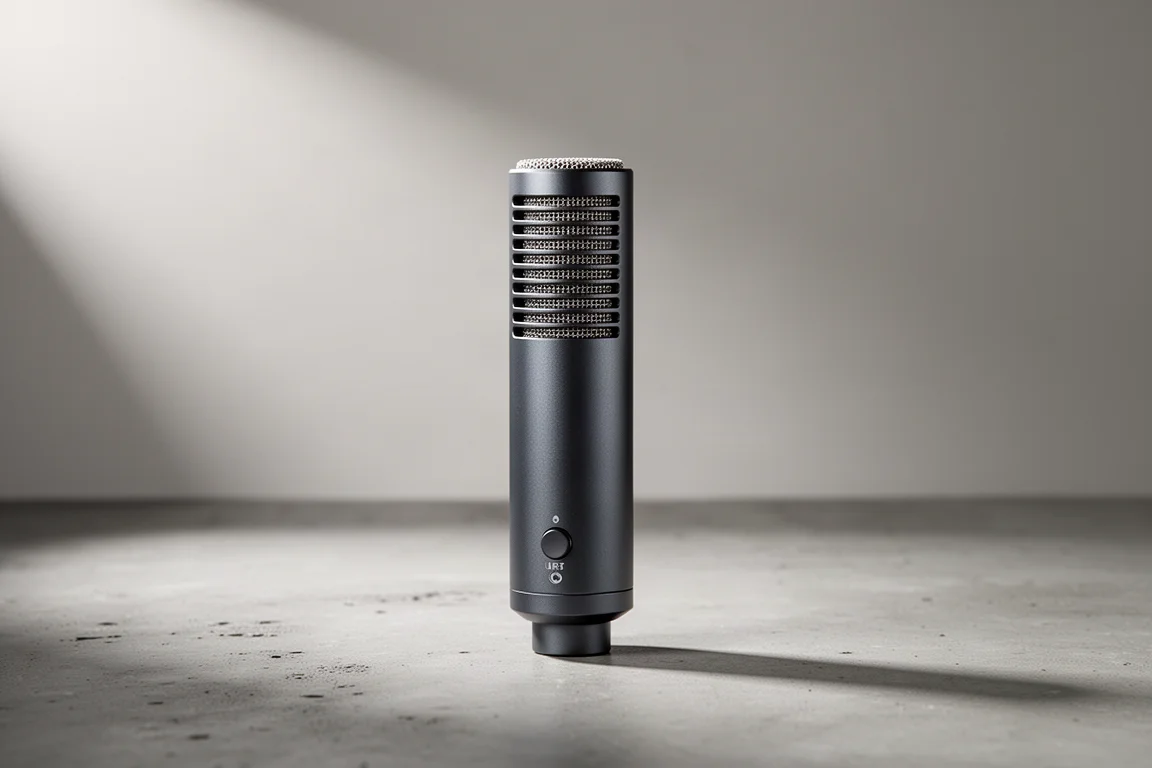
Best Multi-Pattern Condenser for Versatility: Austrian Audio OC818
The OC818 is a condenser microphone that can be switched between cardioid, omnidirectional and figure-8 polar patterns. Changing the pattern changes how the microphone rejects the room and how much of the surrounding space ends up in the recording, which is why a selectable pattern is one of the most useful features a condenser can offer.
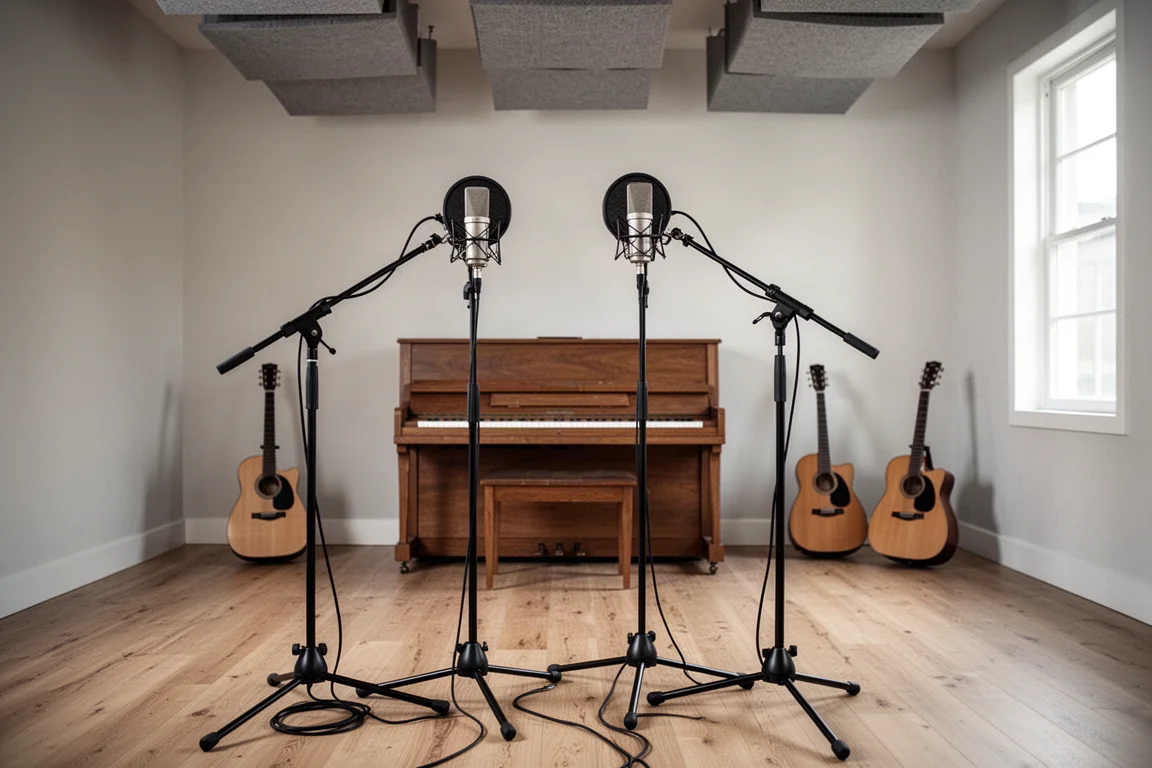
Having three patterns in one microphone means fewer models to swap between when the room, the source or the rejection requirements change mid-session.
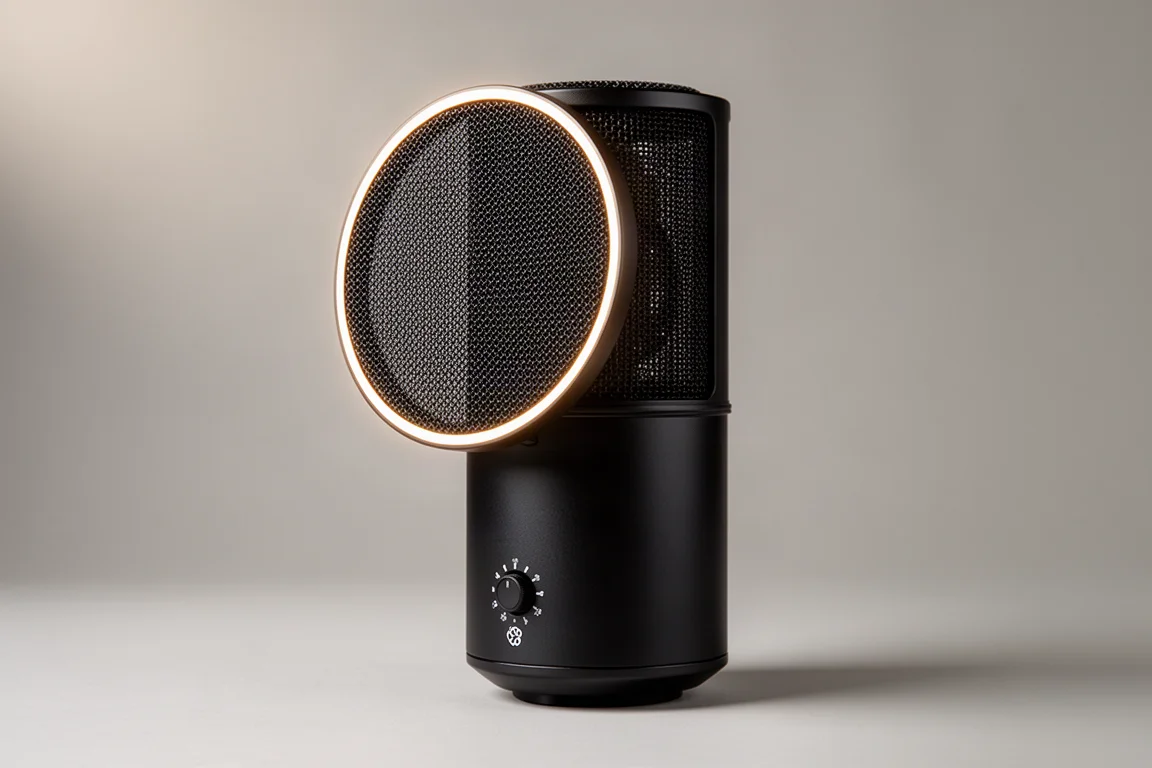
Best Switchable-Pattern Condenser for Sessions: Lewitt LCT 640 TS
The LCT 640 TS is another condenser that switches between cardioid, omnidirectional and figure-8. If you record a range of sources in a range of rooms, selectable patterns on the microphone itself keep the setup simple. Both this model and the OC818 cover the same three patterns, so the deciding factor is the voicing you prefer rather than the pattern options.
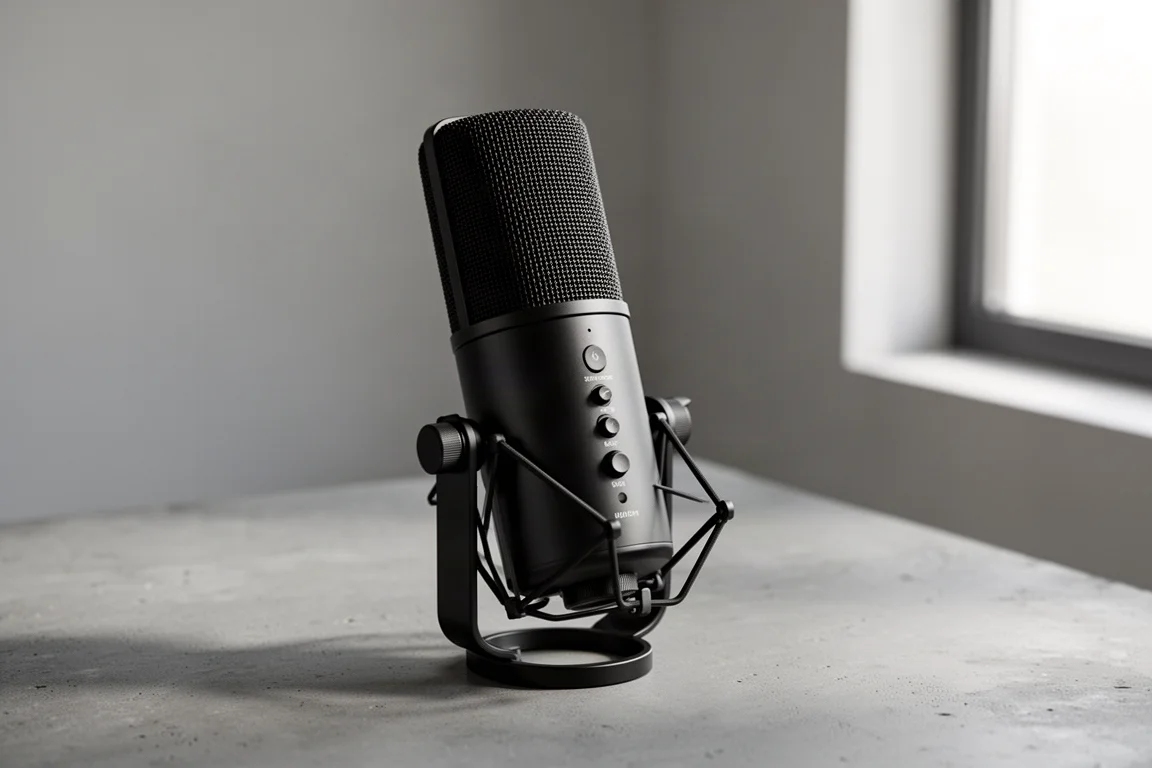
Best Budget Condenser Entry Point: Audio-Technica AT2020
The AT2020 is a condenser microphone at around $100, the same price as the SM58, which makes it the most direct comparison between the two families at an entry price. A condenser at this level gives you condenser sensitivity and character, and it also highlights the trade-off: a dynamic at the same price tends to be the more durable and more versatile choice, which is why an inexpensive dynamic often stays in a collection longer than an inexpensive condenser.
Buying Advice: Matching the Microphone to the Job
Start with the source. A loud, close source such as a vocalist on stage suits a dynamic microphone, while a quiet or distant source benefits from the extra sensitivity of a condenser.
Think about the room. A cardioid pattern picks up best from the front and rejects the rear, so aiming the rejection point at a noisy source reduces what the microphone hears. A tighter pattern also limits the impact of an echoey room.
Consider the preamp. Low-sensitivity dynamics can demand a lot of gain, so if your preamp is limited, a higher-sensitivity condenser may reach a usable level more easily.
Weigh durability and budget together. Moving coil microphones generally tolerate wear and tear better, and dynamics are generally less expensive to produce, so a strict budget tends to go further with a dynamic design. Condensers should be handled with more care, because a drop can change their sound.
Finally, think about variety. If you record different instruments and different styles of music, a small collection of microphones with different voicings will cover more ground than any single model.
Conclusion
There is no universal winner between dynamic and condenser microphones, only a better or worse match for a given source. Dynamic microphones bring durability, high input handling and a lower cost of entry. Condenser microphones bring sensitivity, quicker transient response and, on multi-pattern models, more control over how a room is captured. Start with the source, the room and the preamp you already own, then choose the voicing that flatters what you record.
Further reading
Related Reviews
Microphones
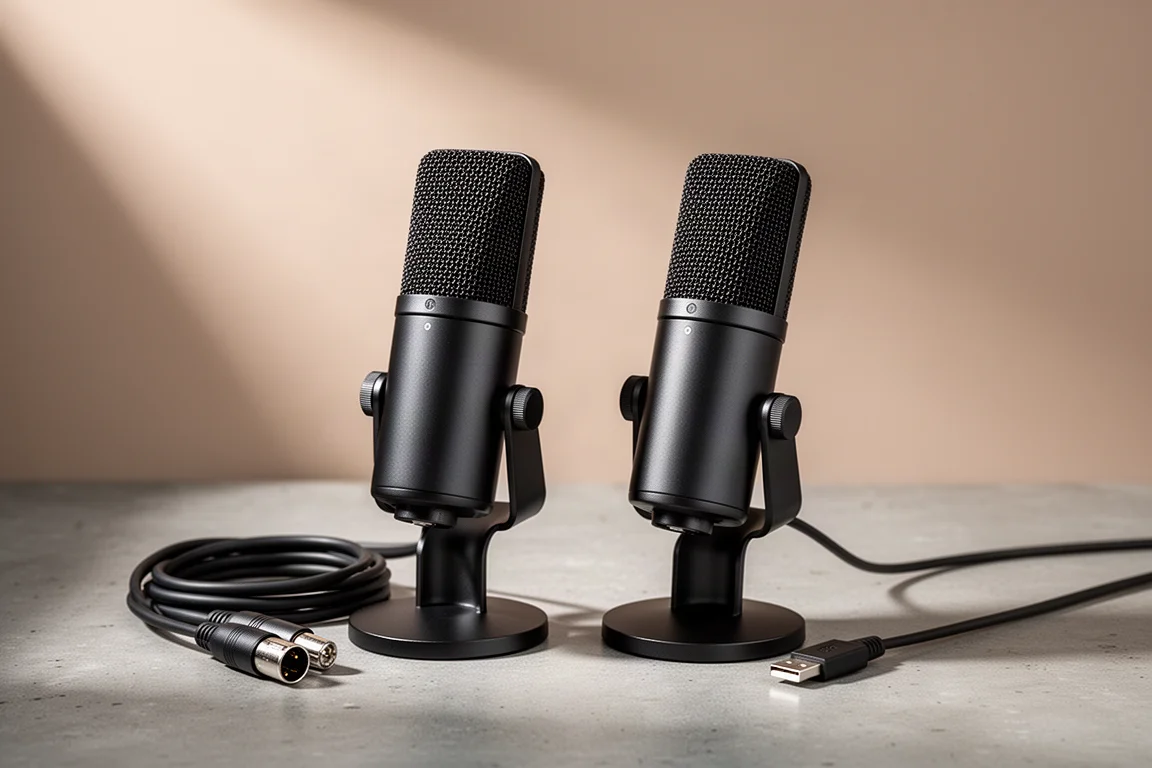
Audio-Technica AT2020 vs AT2020 USB Plus: Which Version Fits Your Setup?
The AT2020 and AT2020 USB Plus share the same capsule, so the real choice comes down to signal chain, cable reach, and how far you plan to grow your recording setup.
Microphones
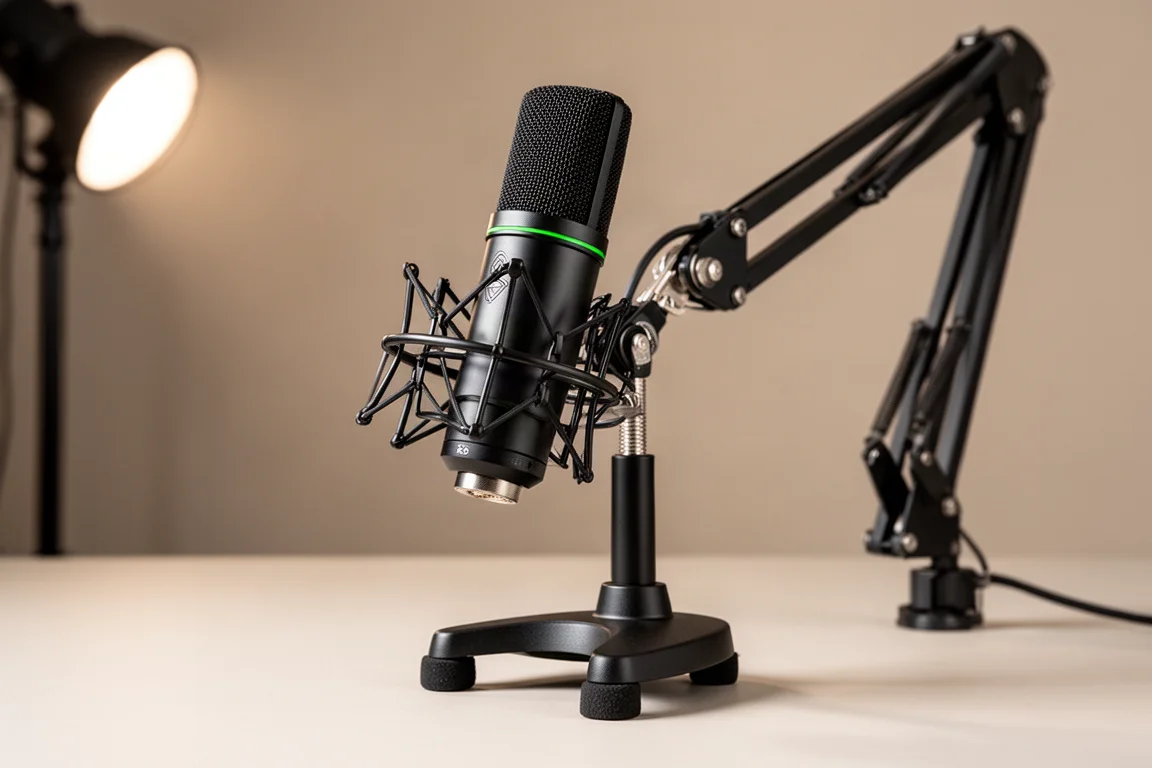
Razer Seiren V3 Pro Review: A Standalone Mic That Earns Its Place on Your Desk
The Razer Seiren V3 Pro delivers polished sound, deep software control, and a premium build, but it needs an arm to shine.
Microphones
Tula Mic Review: A Pocket-Sized USB-C Microphone That Also Records on Its Own
A compact USB-C microphone and standalone 12-hour recorder in one, with built-in noise reduction and a fold-out desk stand.